

Manyflower Marsh-pennywort
Hydrocotyle umbellata
Found in moist areas, including maritime grasslands. FloraQuest, phone app (app page) What its natural habitat tells you
Native to Alabama. How scores work Is it native here?
Profile 94%
- Height
- 3–10 inches
- Spread
- 3–20 feet
- Light
- Full sun, Partial shade
- Soil moisture
- Usually moist
Space about 11.5 ft apart from its recorded spread. Enter your bed size for a count
Will it fit your yard?No photograph yet. Looking for an old drawing…
At a glance
- Life cycle
- Perennial
- Leaves
- Deciduous
- Bloom
- April to October
Recorded in 23 Alabama counties.
Natural habitats
Places it grows wild. Not a planting requirement.
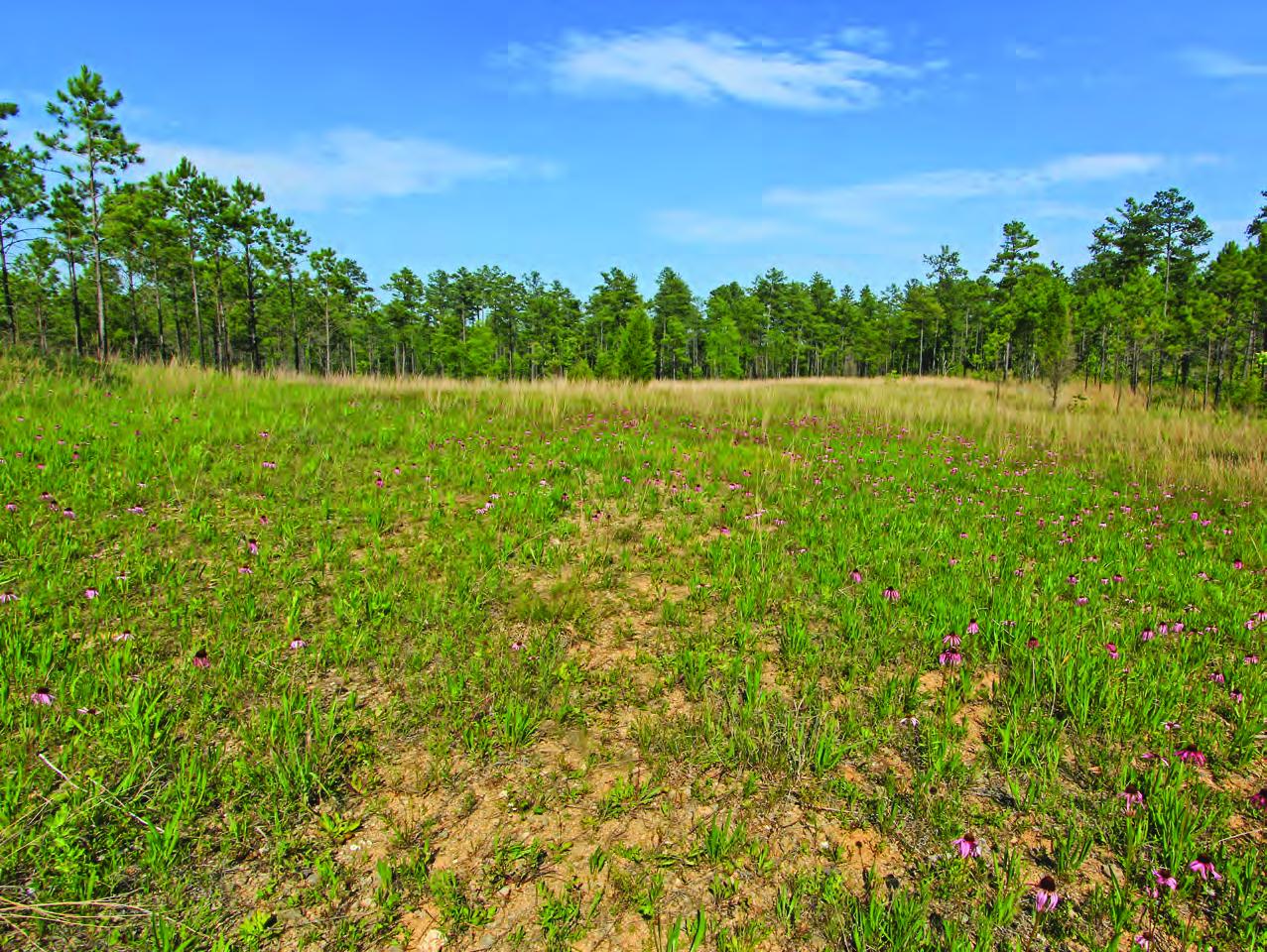
Habitats
Each habitat page lists the plants and wildlife also found there. All habitats
Who uses this plant?
 6CaterpillarsGenus host records with ranges including AL
Genus host records with ranges including AL · Hydrocotyle
- Elophila obliteralisWaterlily Leafcutter Moth
- Enigmogramma basigeraPink-Washed Looper Moth
- Herpetogramma bipunctalisSouthern Beet Webworm, Two-Spotted Herpetogramma
- Papilio polyxenesBlack Swallowtail, Celery Caterpillar, Fennel Worm, Desert Black Swallowtail, Parsnip Swallowtail
- Sparganothis sulfureanaSparganothis Fruitworm Moth, Sulfur Leafroller, False Yellow-Head
- Spodoptera eridaniaSouthern Armyworm Moth
 2BeesSoutheastern regional records
Southeastern regional records · Hydrocotyle
Individual names are not available yet.
Noori, Seltmann & Orr 2026, A curated and integrated dataset for exploring global bee-plant interactions (GloBI), Zenodo, CC BY 4.0 0Specialist beesPollen specialists
 3BirdsRecorded genus food-resource interactions; not a state feeding claim
Recorded genus food-resource interactions; not a state feeding claim · Hydrocotyle
- Agelaius phoeniceusRed-winged Blackbird
- Gallinula galeataCommon Gallinule
- Quiscalus majorBoat-tailed Grackle
Direct food only: birds recorded eating this genus across North America. Caterpillars on host plants also feed nesting birds. NC Native Plant Society: butterfly gardening
No records yet · Ants · Beetles · Flies · Adult butterflies / moths · Other wasps · Other insects
Plant details
- Family
- Araliaceae
- Hardiness
- Zones 4a–10b
- Soil pH
- Acidic to neutral
- Flower color
- White
Safety has not been reviewed for this plant; check toxicity and thorns before planting.
Growing sources and scope
- Bloom · “April to October” · FloraQuest: Carolinas, Georgia (Southeastern Flora Team), phone app (app page) · Carolinas and Georgia
- Flower color · “White” · NC Extension Plant Toolbox
- Hardiness · “Zones 4a–10b” · NC Extension Plant Toolbox
- Height · “3–10 inches” · NC Extension Plant Toolbox
- Leaves · “Deciduous” · NC Extension Plant Toolbox
- Life cycle · “Perennial” · NC Extension Plant Toolbox
- Light · “Full sun (6 or more hours of direct sunlight a day); Partial shade (direct sunlight only part of the day, 2-6 hours)” · NC Extension Plant Toolbox
- primary_flower_color · “white” · NC Extension Plant Toolbox
- Soil · “Moist; Occasionally wet” · NC Extension Plant Toolbox
- Soil pH · “Acidic to neutral” · NC Extension Plant Toolbox
- Spread · “3–20 feet” · NC Extension Plant Toolbox
Also known as
Manyflower Marsh pennywort; Mayflower Marsh Pennywort
Conservation status
| Alabama rank | SNR |
|---|---|
| Global rank | G5 |
| AL status | Not verified |
| Federal status | Not verified |
Will it fit your yard?
Check this plant against your county, sun and soil moisture. Conditions are checked in your browser.
Sources
- Alabama Plant Atlas
- USDA PLANTS
- Vascular Plants of North Carolina (NC Natural Heritage Program)
- NatureServe Explorer
- Shropshire & Tallamy 2025, Lepidoptera of North America north of Mexico, ZooKeys 1261 (ODbL)
- Noori, Seltmann & Orr 2026, A curated and integrated dataset for exploring global bee-plant interactions (GloBI), Zenodo, CC BY 4.0
- Smith, Bachelder, Russell, Morales, Mosher & Seltmann 2024, Bee-Specialization-Modeling v0.6.1 (specialist host table compiled from J. Fowler's pollen specialist bee lists), Zenodo, CC BY 4.0
- Hurlbert, Olsen, Sawyer & Winner 2021, Avian Diet Database, Scientific Data 8: 260 (CC0)
- Narango, Tallamy & Shropshire 2020, Few keystone plant genera support the majority of Lepidoptera species, Nature Communications