

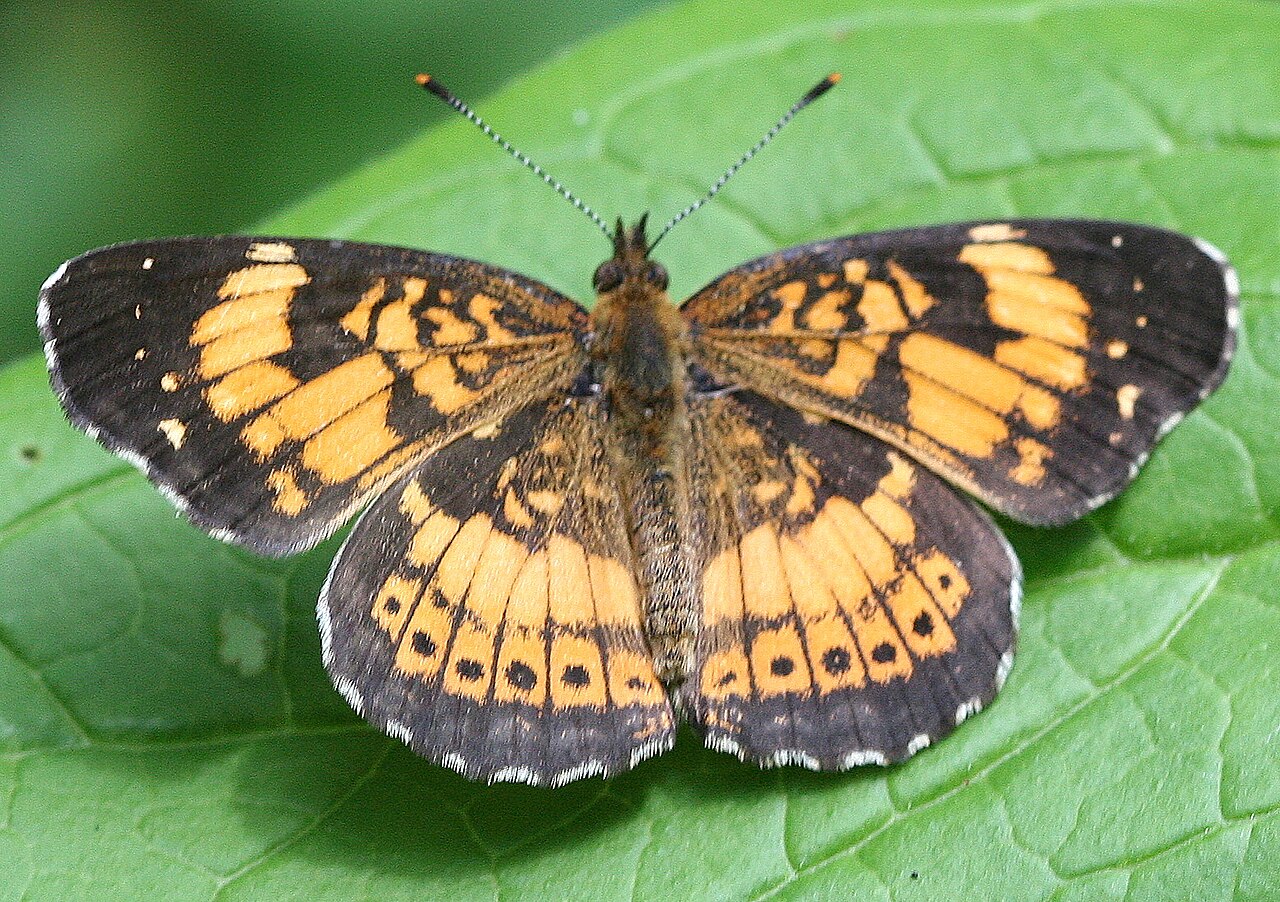
Caterpillar host plants
Caterpillars eat the leaves of host plants; adults drink nectar from many flowers. Caterpillars also feed nesting birds. NC Native Plant Society: butterfly gardening
28 native plants in West Virginia. 5 not suggested for gardens
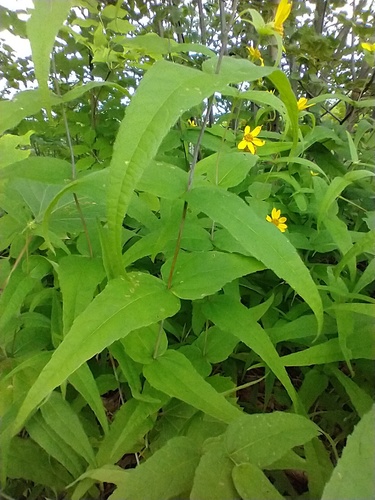
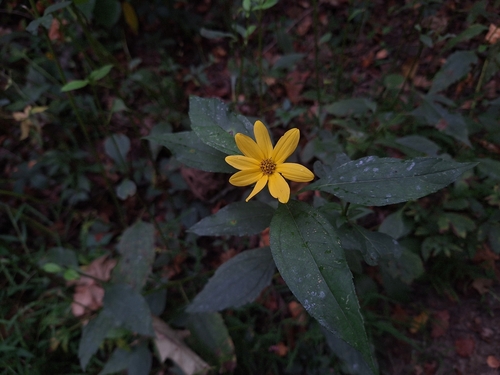
- Woodland SunflowerHelianthus divaricatus
- Helianthus debilis subsp. cucumerifoliusHelianthus debilis subsp. cucumerifolius
- Paleleaf SunflowerHelianthus strumosus
- Beach SunflowerHelianthus debilis
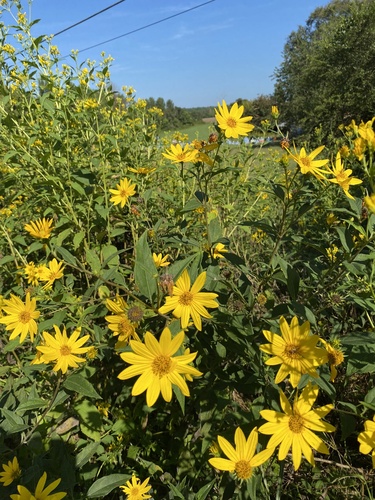
- Giant SunflowerHelianthus giganteus
- Hairy SunflowerHelianthus hirsutus
- Jerusalem ArtichokeHelianthus tuberosus
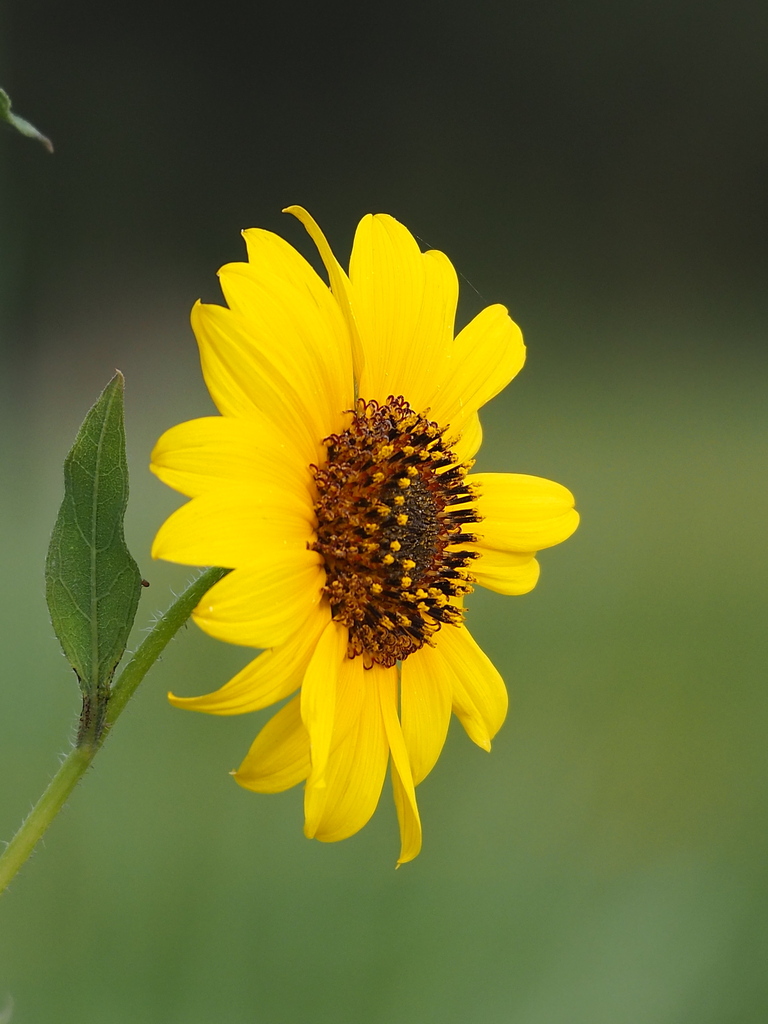
- Prairie SunflowerHelianthus petiolaris
- Small Wood SunflowerHelianthus microcephalus
- Thinleaf SunflowerHelianthus decapetalus
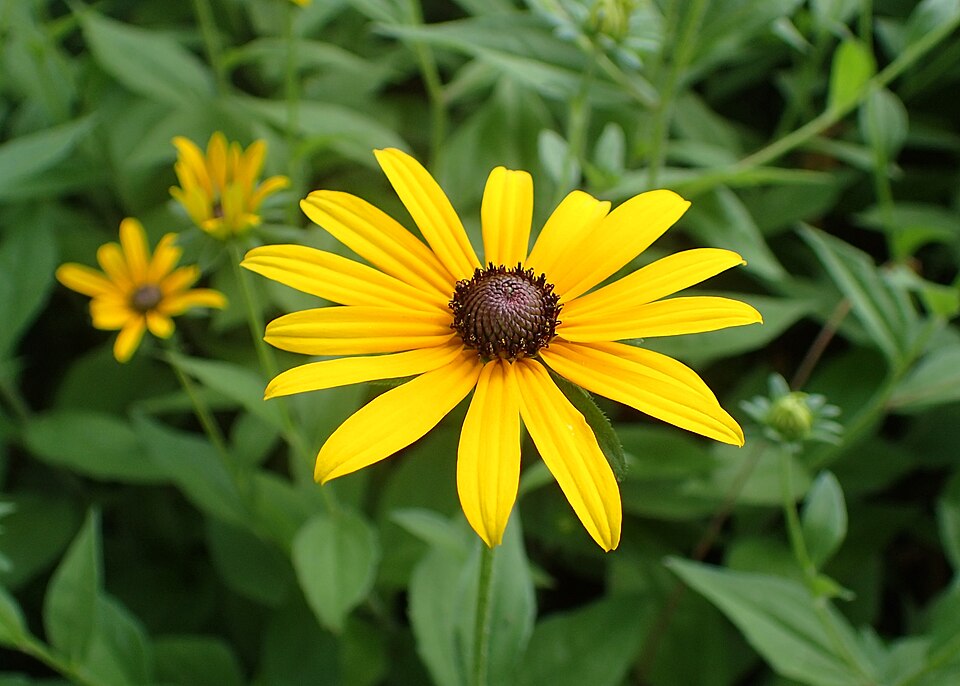
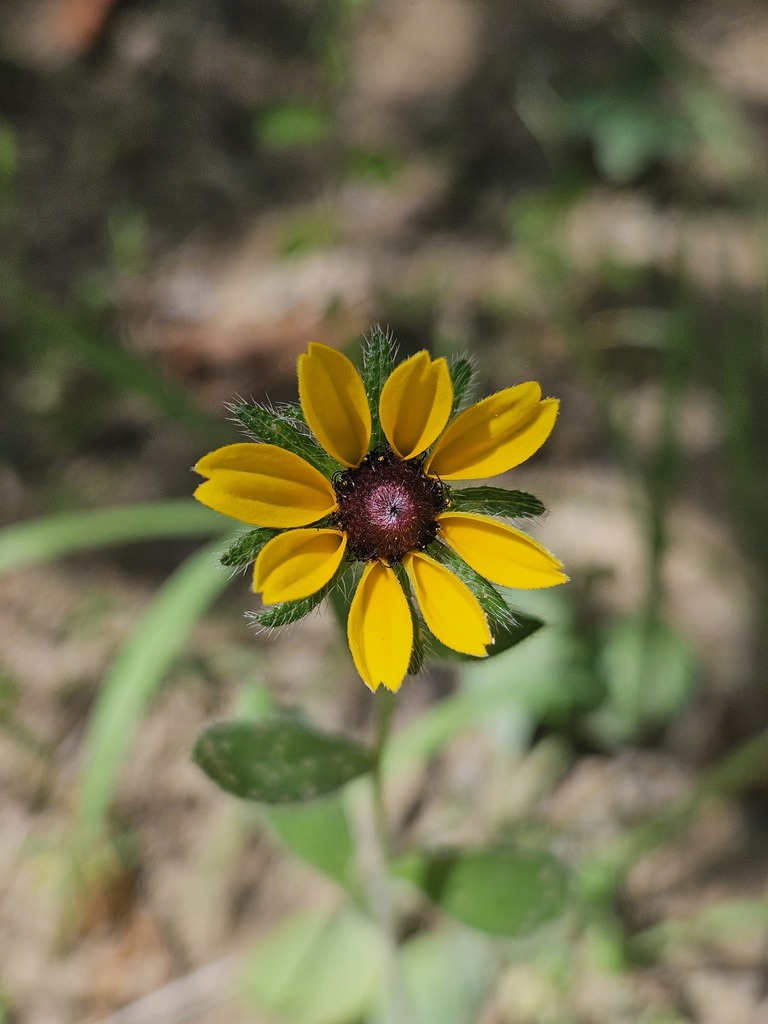
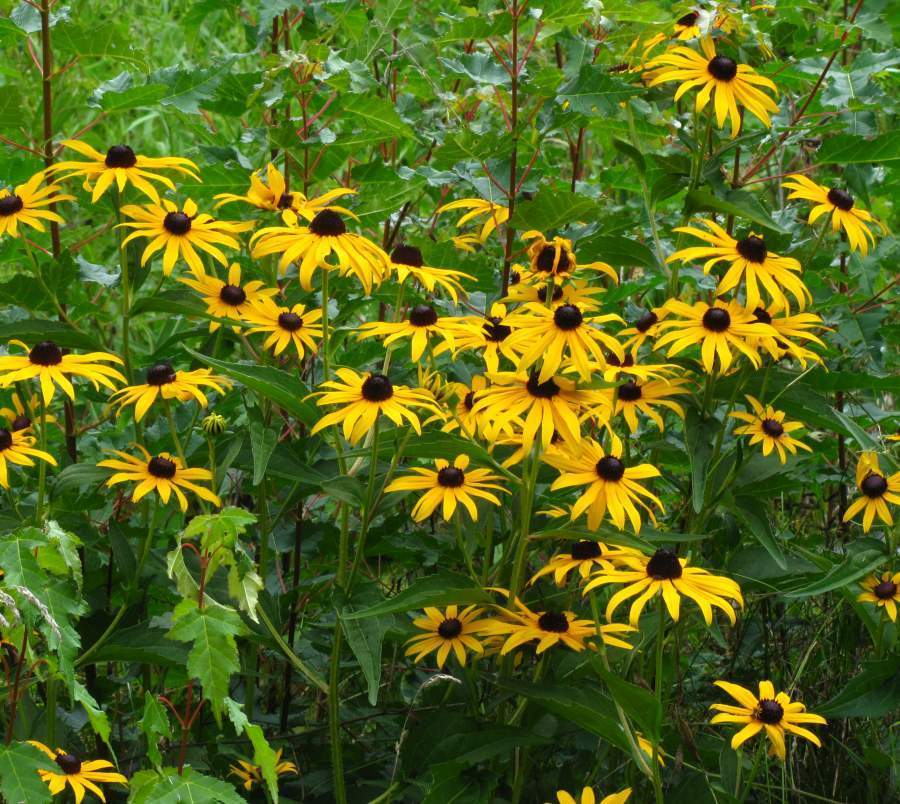
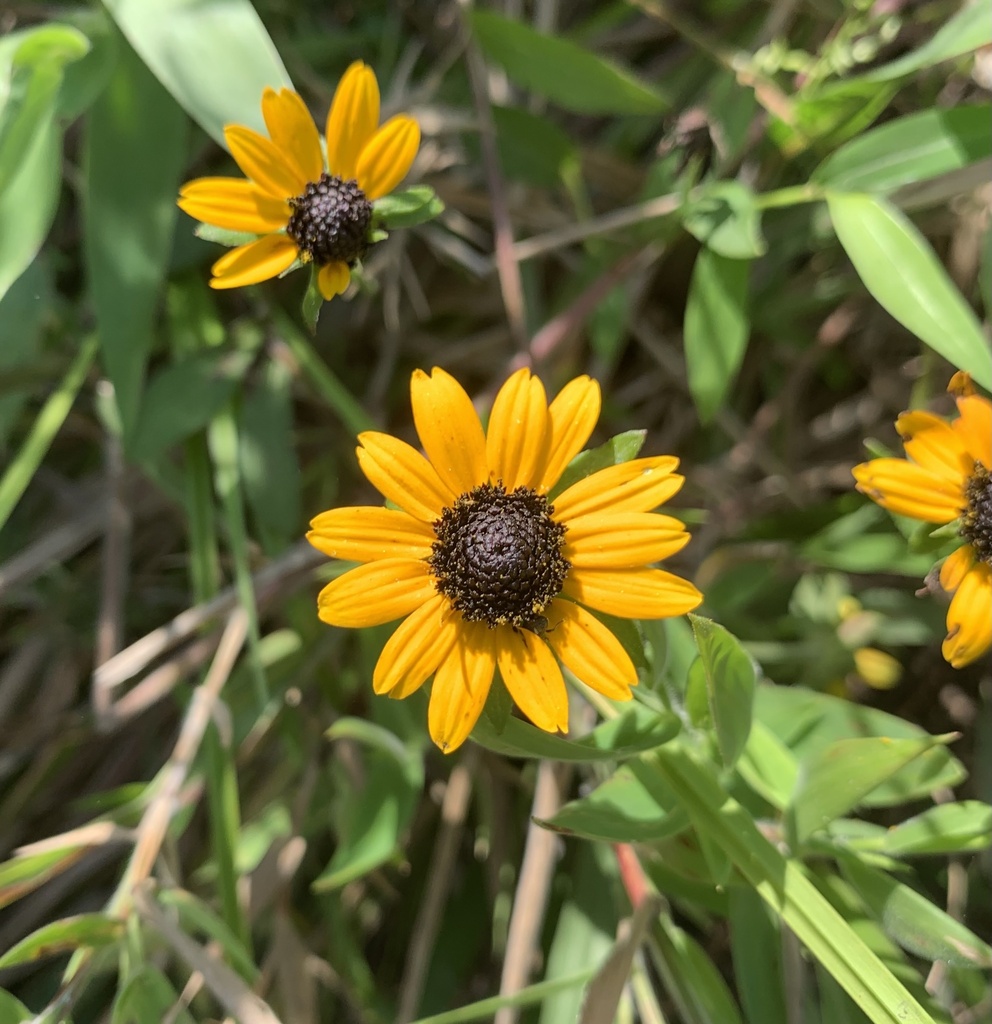
- Black-eyed SusanRudbeckia hirta
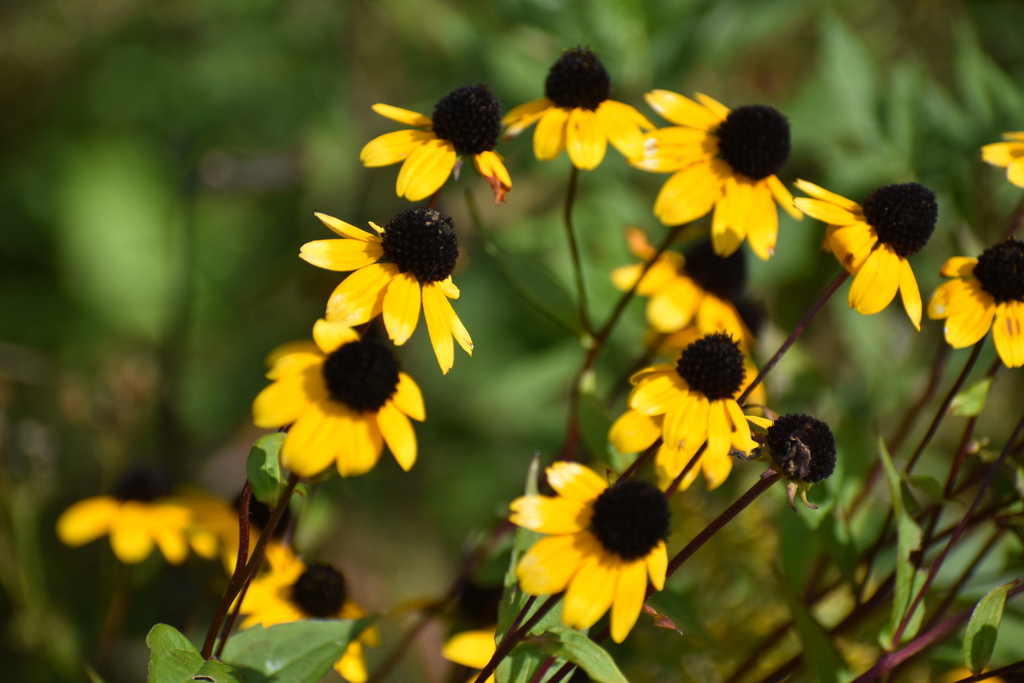
- Brown-eyed SusanRudbeckia triloba
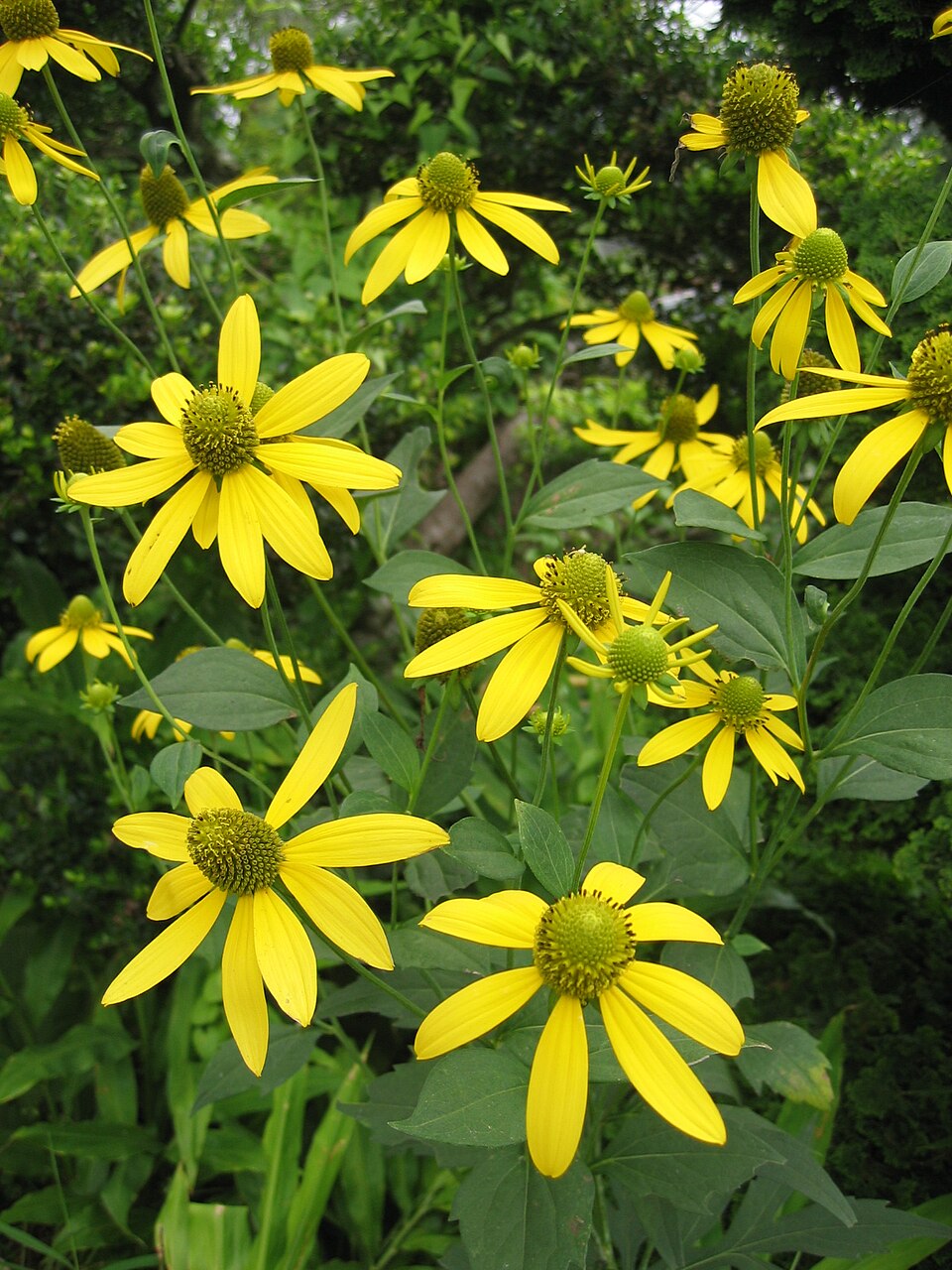
- Cutleaf ConeflowerRudbeckia laciniata
- Frostweed; White CrownbeardVerbesina virginica var. virginica
- White CrownbeardVerbesina virginica
- WingstemVerbesina alternifolia
- Yellow CrownbeardVerbesina occidentalis
- Blackeyed SusanRudbeckia hirta var. pulcherrima
- Common Browneyed Susan; Common Three Lobed ConeflowerRudbeckia triloba var. triloba
- Common Cut Leaf Coneflower; Green Head ConeflowerRudbeckia laciniata var. laciniata
- Eastern Blackeyed SusanRudbeckia hirta var. hirta
- Orange ConeflowerRudbeckia fulgida
- Rudbeckia fulgida var. spathulataRudbeckia fulgida var. spathulata
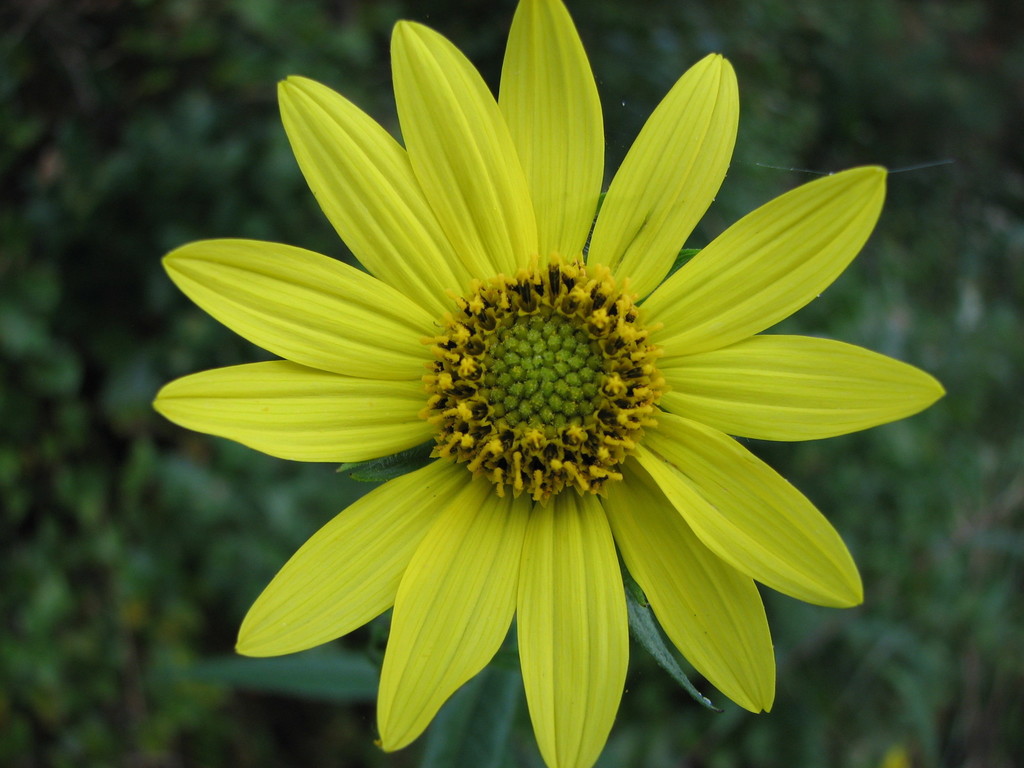
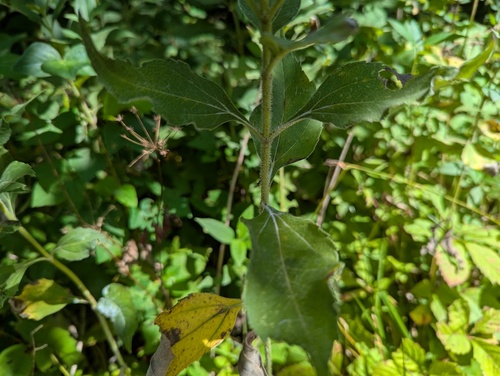
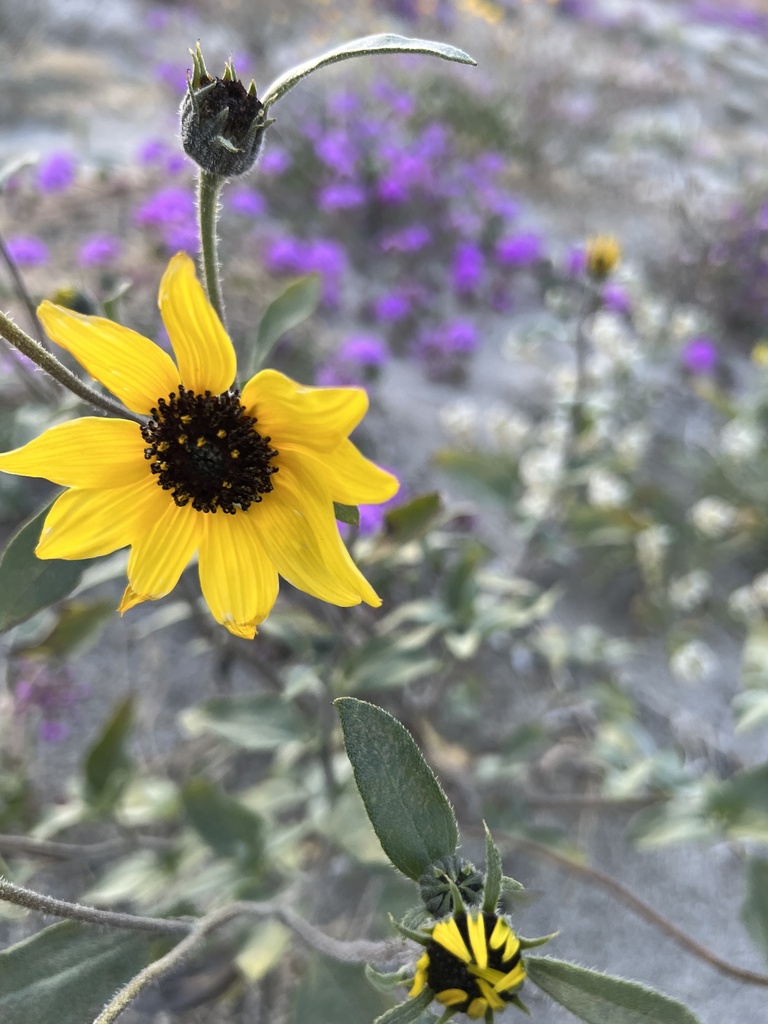
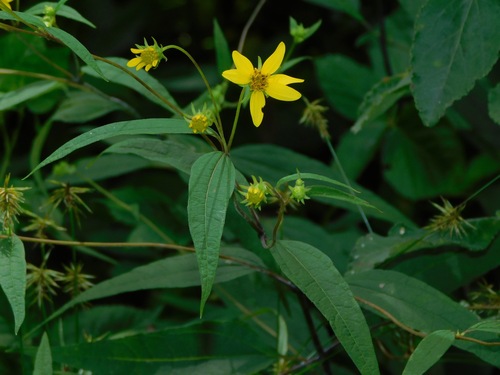
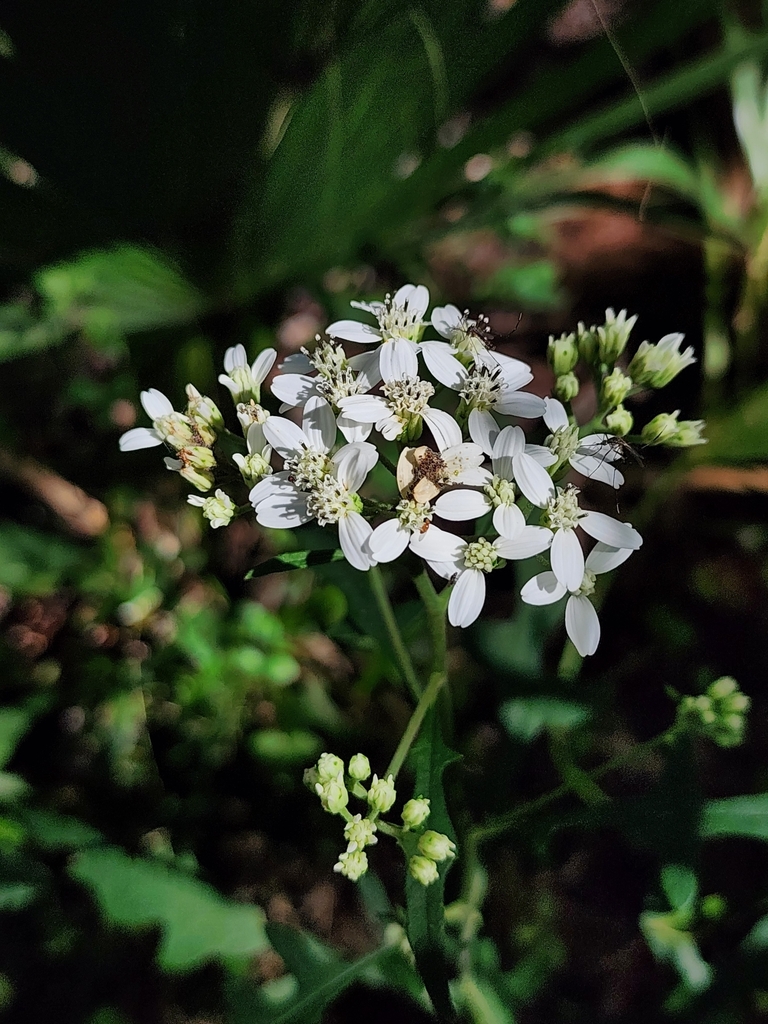
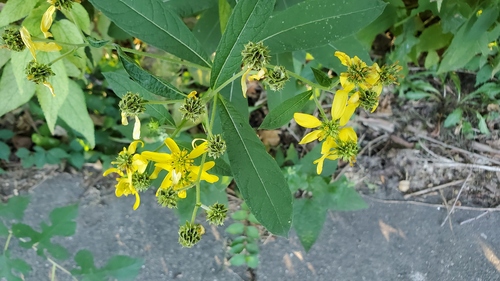
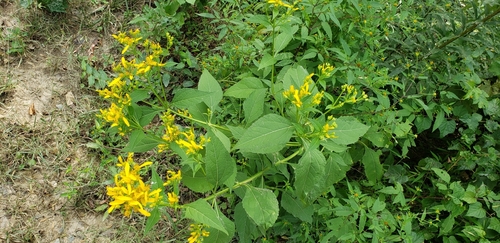
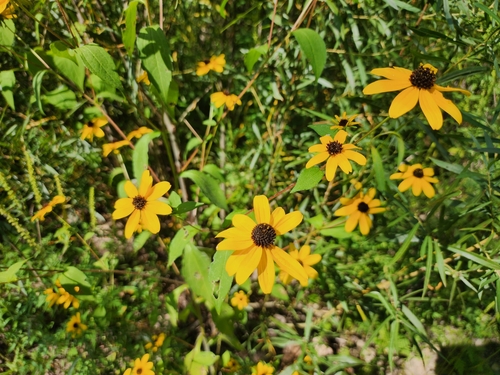

Native here, not suggested for gardens
- Helianthus occidentalis subsp. occidentalis Helianthus occidentalis subsp. occidentalis Rare or protected plant
- Smooth Sunflower Helianthus laevigatus Rare or protected plant
- Western Sunflower Helianthus occidentalis Rare or protected plant
- Rudbeckia fulgida var. speciosa Rudbeckia fulgida var. speciosa Rare or protected plant
- Rudbeckia fulgida var. fulgida Rudbeckia fulgida var. fulgida Rare or protected plant
Matched by plant genus. Shropshire & Tallamy 2025, ZooKeys 1261
Also on these plants
None of the other listed species.