

Vanhoutte Spiraea
Spiraea × vanhouttei
Not native to West Virginia. How scores work Is it native here?
Profile 59%
- Height
- 5–8 feet
- Spread
- 7–12 feet
- Light
- Full sun, Partial shade
- Soil moisture
- Usually moist
No photograph yet. Looking for an old drawing…
Plant this instead
Choose your county to list local plants first.
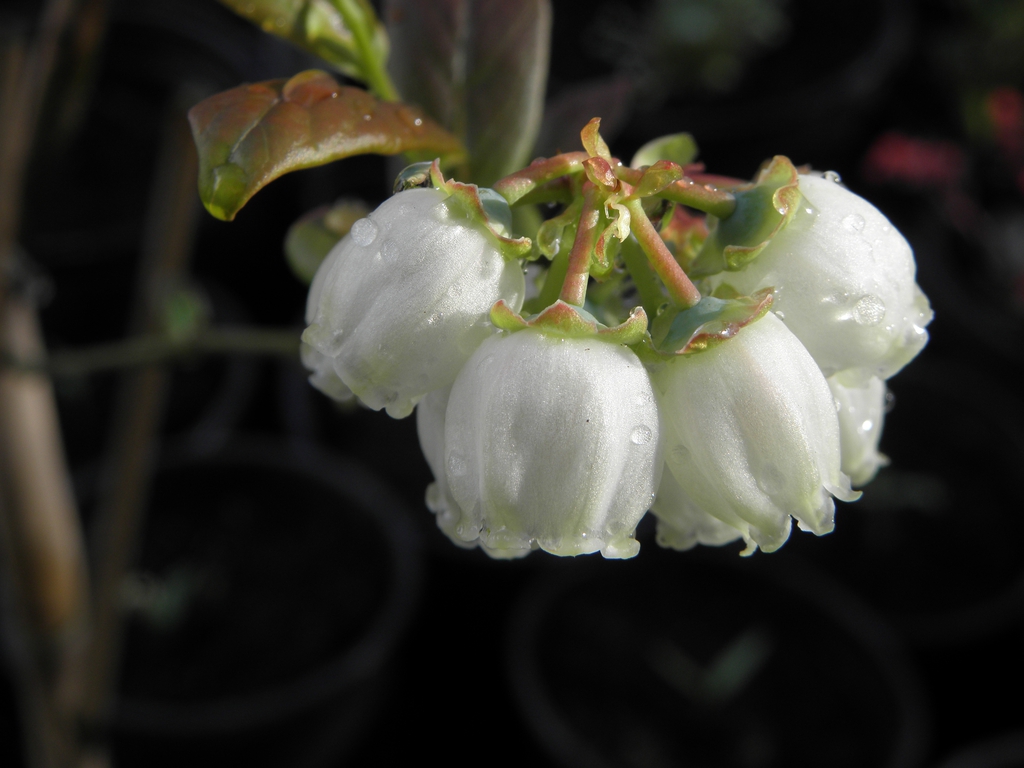
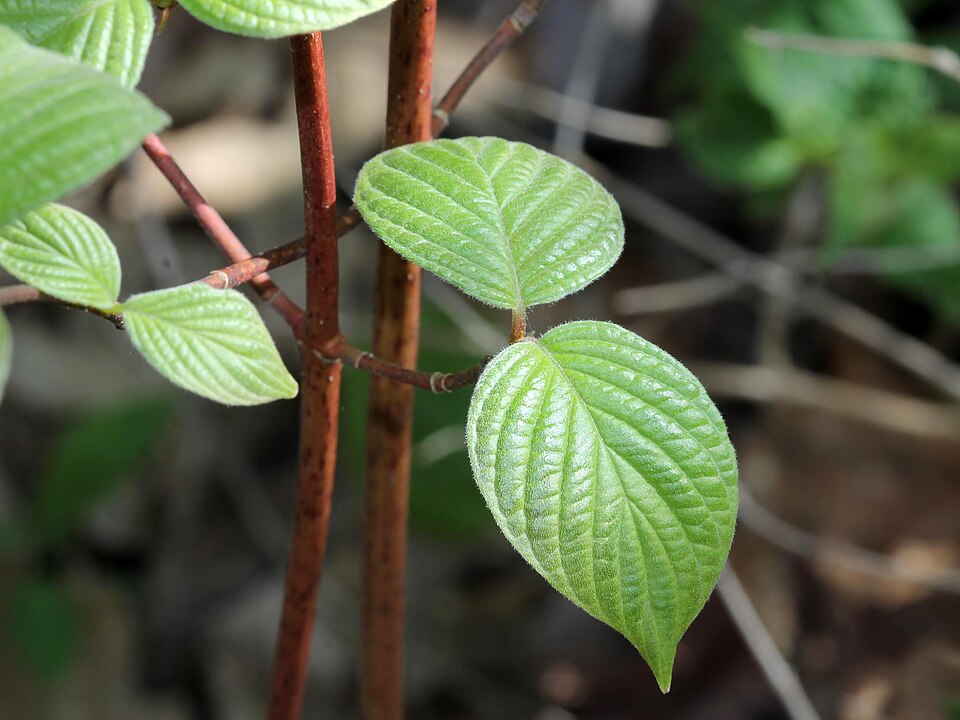
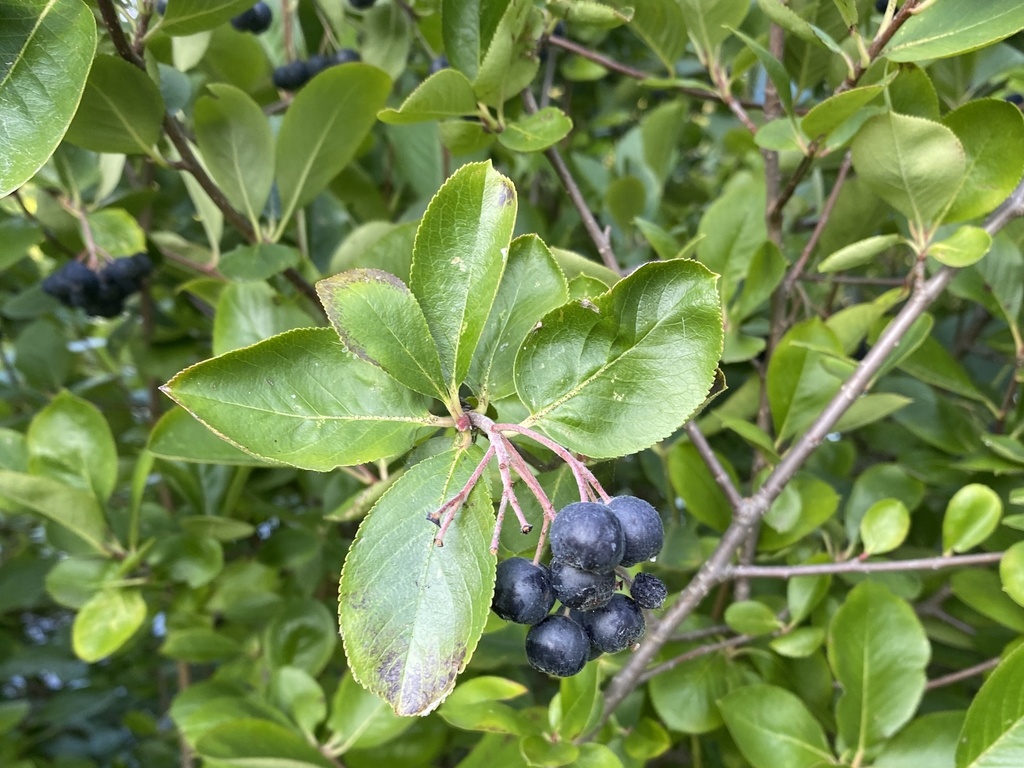
No recorded swaps for this county. Try the garden finder.
At a glance
- Life cycle
- Perennial
- Leaves
- Deciduous
Not yet recorded · Bloom
County records are not available.
Who uses this plant?
 62CaterpillarsGenus host records with ranges including WV
Genus host records with ranges including WV · Spiraea
- Acronicta impressaImpressive Dagger, Printed Dagger
- Acronicta noctivagaNight-Wandering Dagger, Burglar Dagger
- Acronicta oblinitaSmeared Dagger
- Anavitrinella pampinariaCommon Gray, Cranberry Spanworm
- Archips argyrospilaFruit-Tree Leafroller Moth
- Archips purpuranaOmnivorous Leafroller Moth
- Automeris ioIo Moth
- Biston betulariaSalt-and-Pepper Geometer, Cleft-Headed Looper
- Cecrita guttivittaMaple Prominent, Saddled Prominent
- Celastrina luciaLucia Azure
Show all 62
- Cenopis reticulatanaReticulated Fruitworm Moth
- Choristoneura rosaceanaOblique-Banded Leafroller Moth, Rosaceous Leaf Roller
- Clepsis melaleucanusBlack-Patched Clepsis, Trillium Tortrix
- Crocigrapha normaniNorman's Quaker
- Euchlaena irrariaLeast-Marked Euchlaena
- Euchlaena johnsonariaJohnson's Euchlaena
- Euchlaena marginariaOchre Euchlaena
- Euchlaena serrataThe Saw-Wing
- Eupithecia miserulataCommon Eupithacia, Common Pug
- Eurois occultaGreat Grey Dart, Great Brocade
- Evora hemidesmaSpirea Leaftier
- Harrisimemna trisignataHarris's Three-Spot
- Hyalophora cecropiaCecropia Silkmoth, Cecropia Moth
- Hyphantria cuneaFall Webworm
- Lacinipolia loreaBridled Arches, Bridle Groundcat
- Lithomoia germanaAmerican Brindle
- Lophocampa maculataSpotted Tussock Moth, Yellow-Spotted Tiger Moth
- Lycophotia phyllophoraBrick Dart, Leafy Dart
- Melanolophia canadariaCanadian Melanolphia, Variable Redmarked Looper
- Metarranthis duariaRuddy Metarranthis
- Metarranthis hypochrariaCommon Metarranthis
- Metarranthis obfirmariaYellow-Washed Metarranthis
- Morrisonia evictaBicolored Woodgrain
- Olethreutes permundanaRaspberry Leafroller
- Orgyia leucostigmaWhite-Marked Tussock Moth
- Orthosia revictaSubdued Quaker
- Palthis angulalisDark-Spotted Palthis
- Paonias excaecataBlinded Sphinx, Blind Eyed Sphinx
- Papaipema nebrisStalk Borer
- Pero morrisonariaMorrison's Pero
- Phlogophora periculosaBrown Angle Shades
- Phragmatobia lineataLined Ruby Tiger Moth
- Polia purpurissataPurple Arches
- Probole amicariaFriendly Probole
- Prochoerodes lineolaLarge Maple Spanworm Moth
- Pseudohermonassa bicarneaPink-Spotted Dart
- Pyrrharctia isabellaIsabella Tiger Moth, Banded Woolybear
- Rheumaptera hastataSpear-Marked Black Moth, Spear Mark
- Rheumaptera prunivorataFerguson's Scallop Shell, Cherry Scallop Shell
- Schizura ipomaeaeMorning-Glory Prominent, Checkered-Fringe Prominent
- Sicya maculariaSharp-Lined Yellow
- Smerinthus jamaicensisTwin-Spotted Sphinx
- Sphinx gordiusApple Sphinx
- Spilosoma virginicaVirginian Tiger Moth, Yellow Woolybear Moth, Yellow Bear
- Spiramater lutraDarling Mamestra, Splashed Arches, Otter Spiramater, Otter Arches
- Xanthotype sospetaCrocus Geometer
- Xanthotype urticariaFalse Crocus Geometer
- Xestia c-nigrumSpotted Cut-Worm, Setaceous Hebrew Character, Lesser Black-letter Dart
- Xestia dolosaGreater Black-Letter Dart, Greater Spotted Cutworm
- Xestia normanianusNorman's Dart
- Xylena curvimaculaDot-and-Dash Swordgrass Moth
- Xylena nuperaRed Swordgrass Moth, American Swordgrass Moth, False Armyworm
 —BeesSoutheastern regional records
 —Specialist beesPollen specialists
 1BirdsRecorded genus food-resource interactions; not a state feeding claim
Recorded genus food-resource interactions; not a state feeding claim · Spiraea
- Falcipennis canadensisSpruce Grouse
Direct food only: birds recorded eating this genus across North America. Caterpillars on host plants also feed nesting birds. NC Native Plant Society: butterfly gardening
Plant details
- Family
- Rosaceae
- Hardiness
- Zones 3a–8b
- Flower color
- White
What its natural habitat tells you
Safety has not been reviewed for this plant; check toxicity and thorns before planting.
Growing sources and scope
- Flower color · “White” · NC Extension Plant Toolbox
- Hardiness · “Zones 3a–8b” · NC Extension Plant Toolbox
- Height · “5–8 feet” · NC Extension Plant Toolbox
- Leaves · “Deciduous” · NC Extension Plant Toolbox
- Life cycle · “Perennial” · NC Extension Plant Toolbox
- Light · “Full sun (6 or more hours of direct sunlight a day); Partial shade (direct sunlight only part of the day, 2-6 hours)” · NC Extension Plant Toolbox
- primary_flower_color · “white” · NC Extension Plant Toolbox
- Soil · “Moist” · NC Extension Plant Toolbox
- Spread · “7–12 feet” · NC Extension Plant Toolbox
Also known as
Bridal Wreath; Bridalwreath; Spiraea × vanhouttei
Conservation status
| West Virginia rank | SNA |
|---|---|
| Global rank | Not available |
| WV status | Not verified |
| Federal status | Not verified |
Sources
- NatureServe Explorer
- West Virginia occurrence source
- Shropshire & Tallamy 2025, Lepidoptera of North America north of Mexico, ZooKeys 1261 (ODbL)
- Noori, Seltmann & Orr 2026, A curated and integrated dataset for exploring global bee-plant interactions (GloBI), Zenodo, CC BY 4.0
- Smith, Bachelder, Russell, Morales, Mosher & Seltmann 2024, Bee-Specialization-Modeling v0.6.1 (specialist host table compiled from J. Fowler's pollen specialist bee lists), Zenodo, CC BY 4.0
- Hurlbert, Olsen, Sawyer & Winner 2021, Avian Diet Database, Scientific Data 8: 260 (CC0)
- Narango, Tallamy & Shropshire 2020, Few keystone plant genera support the majority of Lepidoptera species, Nature Communications