

Hardstem Bulrush
Schoenoplectus acutus
Native to West Virginia. How scores work Is it native here?
Profile 65%
- Height
- Culms are slender and erect, usually 3.3 to 10 feet tall, but occasionally reaching heights of 16.5 feet [24,27,38,45,48].
- Light
- 4 or more hours of direct sun
- Soil moisture
- Moist to wet
No photograph yet. Looking for an old drawing…
Rare or protected plant. Specialist conservation planting; excluded from routine garden suggestions. Plant caution source
Hidden from default planting suggestions. Wildlife value and native status remain unchanged.
At a glance
- Life cycle
- Perennial
Not yet recorded · Spread · Leaves · Bloom
Bloom: NC species account not read yet.
Spread and leaves: no source found yet.
This plant is missing most of its facts, so Quercus is looking them up in old botany books.
County records are not available.
Also found with this plant
Wildlife whose habitat models include habitats this plant grows in, in West Virginia. Shared habitat, not food. 52 animals.
- Wood ThrushHylocichla mustelina
- Yellow-bellied SapsuckerSphyrapicus varius
- Yellow-billed CuckooCoccyzus americanus
- Yellow-crowned Night-heronNyctanassa violacea




Widespread birds also seen here (35)
Found in many habitats here, so not listed above.
- Alder Flycatcher
- American Goldfinch
- American Redstart
- American Robin
- Belted Kingfisher
- Blue Grosbeak
- Blue Jay
- Blue-gray Gnatcatcher
- Cedar Waxwing
- Chimney Swift
- Common Nighthawk
- Common Raven
- Common Yellowthroat
- Cooper's Hawk
- Eastern Kingbird
- European Starling
- Gray Catbird
- Great Horned Owl
- Mourning Dove
- Northern Cardinal
- Northern Flicker
- Northern Mockingbird
- Orange-crowned Warbler
- Osprey
- Purple Finch
- Red-tailed Hawk
- Red-winged Blackbird
- Ruby-crowned Kinglet
- Sharp-shinned Hawk
- Spotted Sandpiper
- Tufted Titmouse
- Turkey Vulture
- White-throated Sparrow
- Yellow-breasted Chat
- Yellow-rumped Warbler
Who uses this plant?
 7CaterpillarsGenus host records with ranges including WV
Genus host records with ranges including WV · Scirpus
- Apamea sordensBordered Apamea, Rustic Shoulder-Knot
- Bactra furfuranaRush Bactra
- Bactra verutanaJavelin Moth
- Globia oblongaOblong Sedge Borer Moth, Large Noagria
- Globia subflavaYellow Sedge Borer, Yellowish Nonagria, Subflava Sedge Borer
- Ledaea perditalisLost Owlet, 3-Stripe Cephalanthus caterpillar, Buttonbush Owlet
- Meropleon diversicolorMulticolored Sedgeminer
 0BeesSoutheastern regional records
 0Specialist beesPollen specialists
 6BirdsRecorded eating Schoenoplectus in West Virginia
Diet records by plant genus, from studies across North America. Not a record from this state. Birds whose range includes West Virginia, most records first.
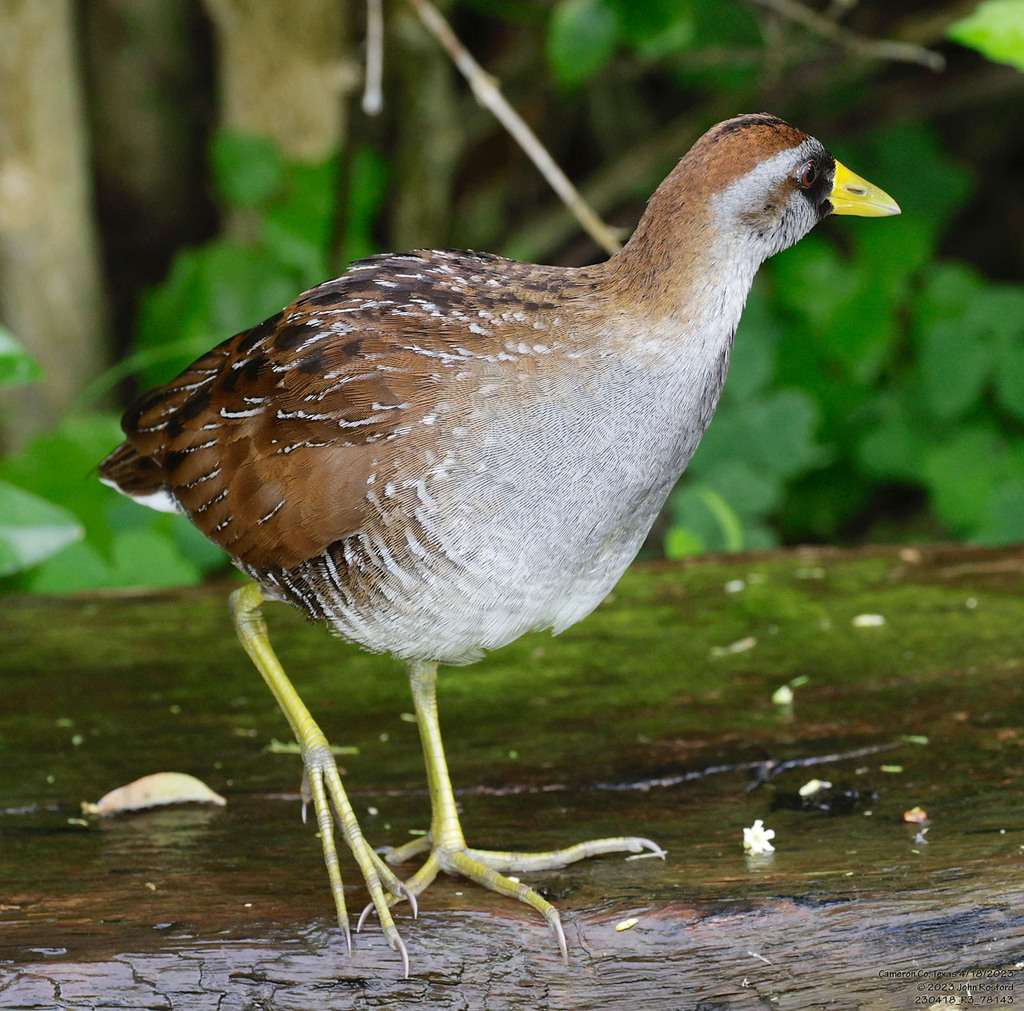
- SoraSeeds. 12 diet records
- CanvasbackSeeds and roots. 3 diet records
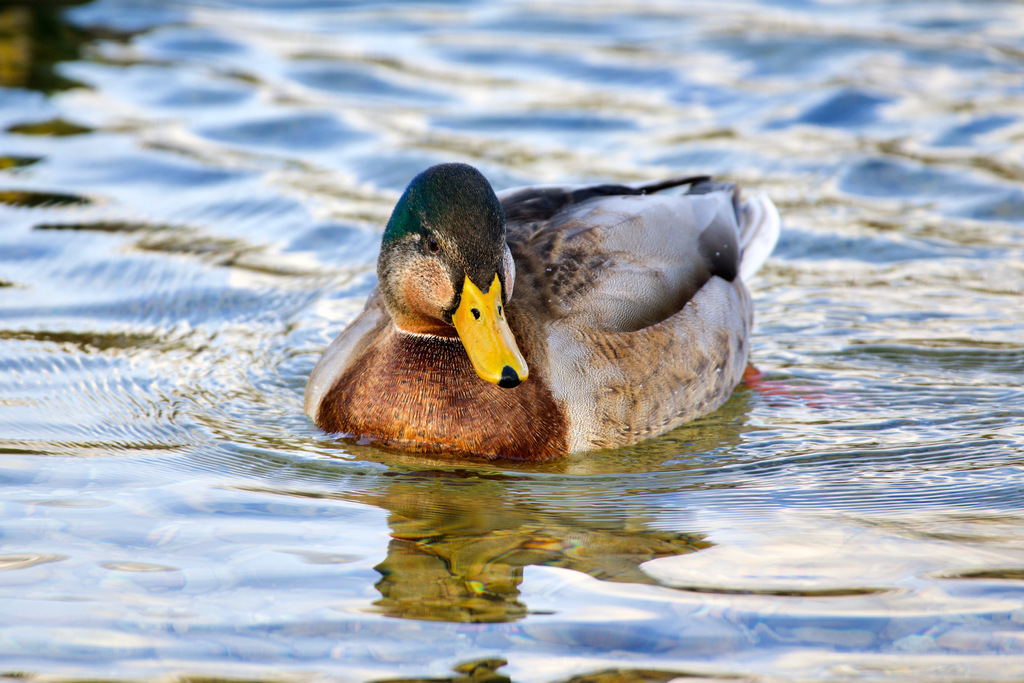
- MallardSeeds. 2 diet records
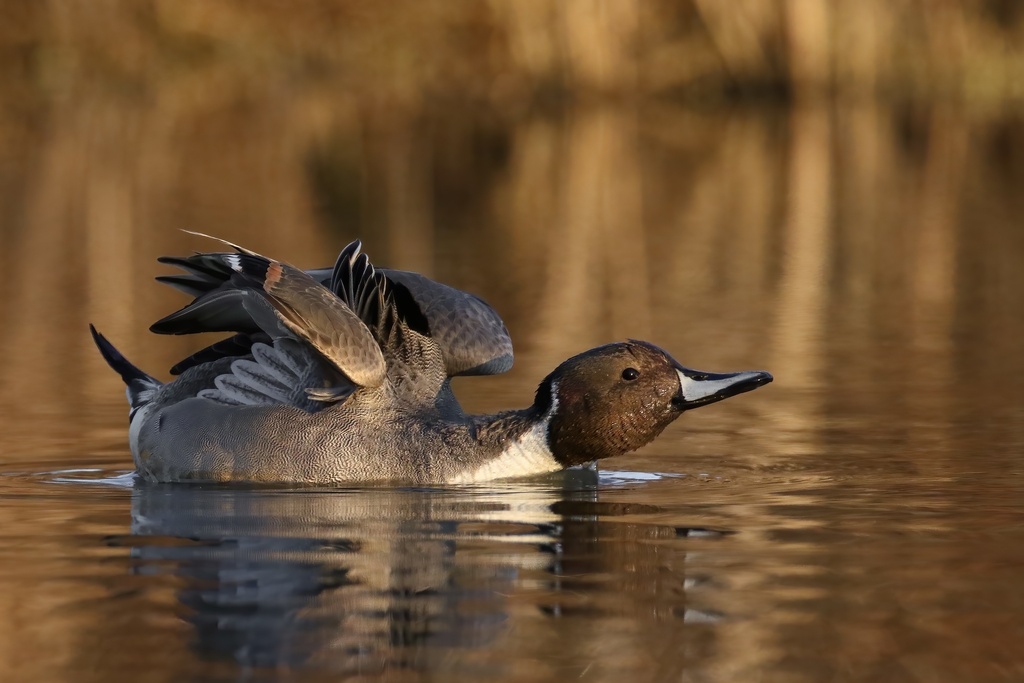
- Northern PintailSeeds. 2 diet records
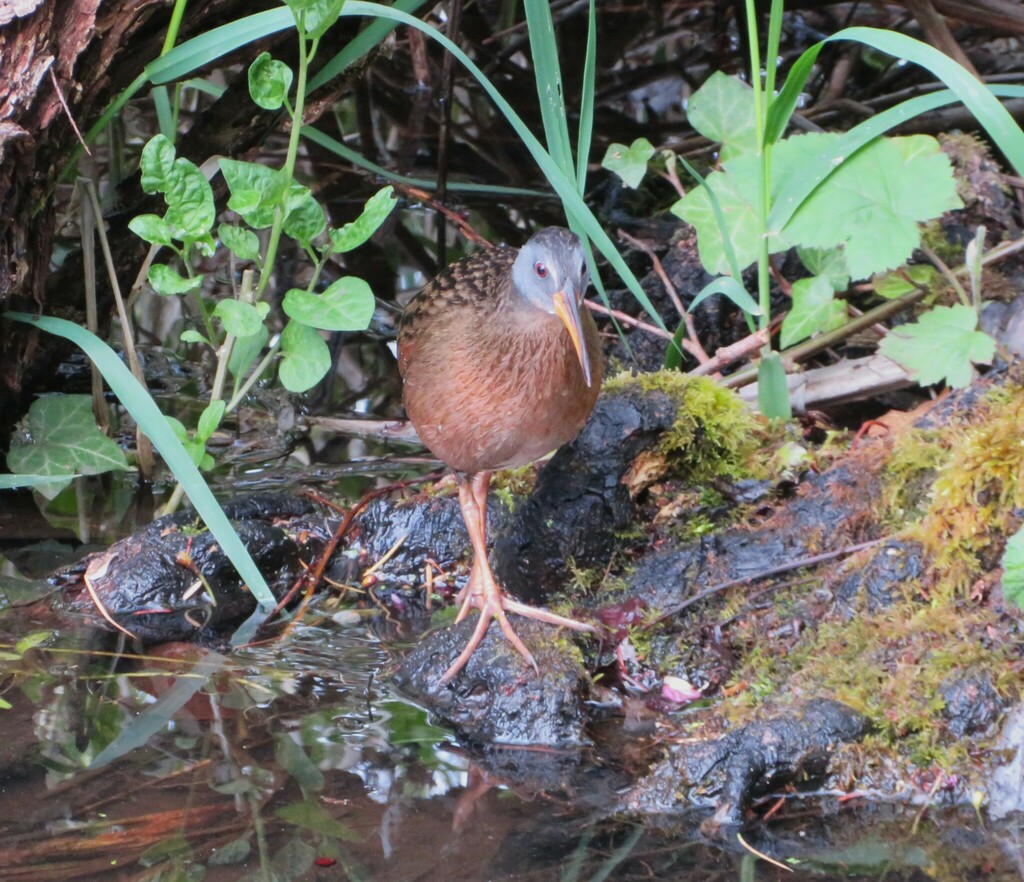
- Virginia RailSeeds. 2 diet records
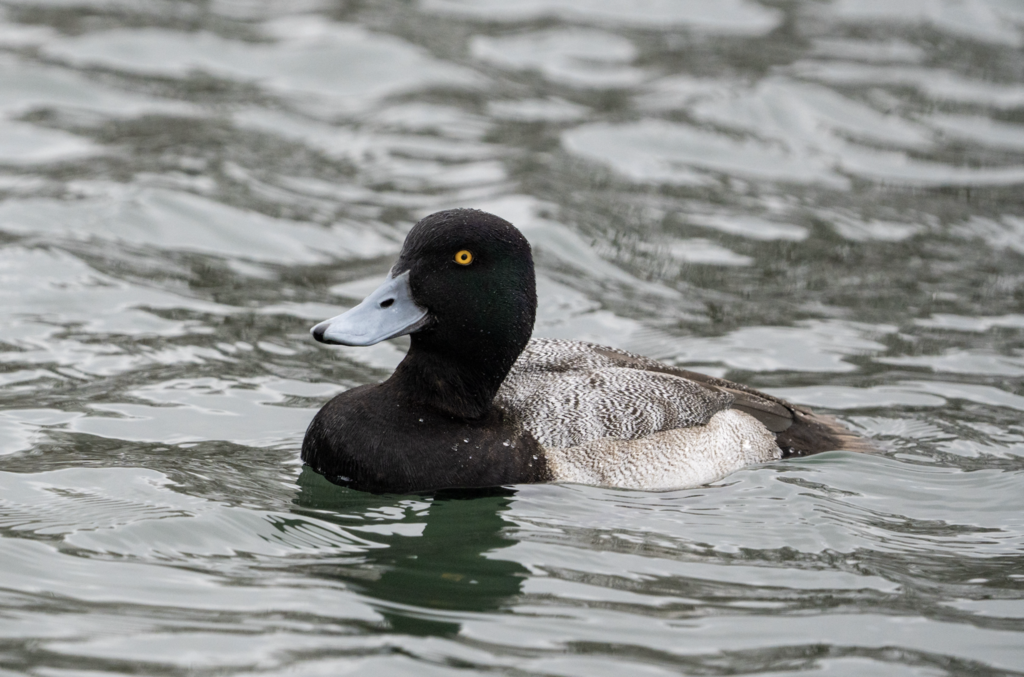
- Lesser ScaupSeeds. 1 diet record
Direct food only. Caterpillars on host plants also feed nesting birds. NC Native Plant Society: butterfly gardening
No records yet · Ants · Beetles · Flies · Adult butterflies / moths · Other wasps · Other insects
Birds that eat Schoenoplectus 6
Diet records by plant genus, from studies across North America. Not a record from this state. Avian Diet Database (Hurlbert Lab), CC0 1.0.
- SoraPorzana carolina
- CanvasbackAythya valisineria
- MallardAnas platyrhynchos
- Northern PintailAnas acuta
- Virginia RailRallus limicola
- Lesser ScaupAythya affinis

Plant details
- Family
- Cyperaceae
- Flower color
- Pink, green or brown
What its natural habitat tells you
Growing sources and scope
- Flower color · “Pink, green or brown” · Lady Bird Johnson Wildflower Center
- Height · “Culms are slender and erect, usually 3.3 to 10 feet (1-3 m) tall, but occasionally reaching heights of 16.5 feet (5 m) [24,27,38,45,48].” · Fire Effects Information System: Schoenoplectus acutus (ranked first; Lady Bird Johnson Wildflower Center differs) · Source botanical description; original units and scope retained
- Life cycle · “Perennial” · Lady Bird Johnson Wildflower Center
Also known as
Scirpus acutus; bulrush
Conservation status
| West Virginia rank | S2 |
|---|---|
| Global rank | G5 |
| WV status | Not verified |
| Federal status | Not verified |
Will it fit your yard?
Check this plant against your county, sun and soil moisture. Conditions are checked in your browser.
Sources
- NatureServe Explorer
- USDA PLANTS
- Vascular Plants of North Carolina (NC Natural Heritage Program)
- West Virginia occurrence source
- Shropshire & Tallamy 2025, Lepidoptera of North America north of Mexico, ZooKeys 1261 (ODbL)
- Noori, Seltmann & Orr 2026, A curated and integrated dataset for exploring global bee-plant interactions (GloBI), Zenodo, CC BY 4.0
- Smith, Bachelder, Russell, Morales, Mosher & Seltmann 2024, Bee-Specialization-Modeling v0.6.1 (specialist host table compiled from J. Fowler's pollen specialist bee lists), Zenodo, CC BY 4.0
- Hurlbert, Olsen, Sawyer & Winner 2021, Avian Diet Database, Scientific Data 8: 260 (CC0)
- Narango, Tallamy & Shropshire 2020, Few keystone plant genera support the majority of Lepidoptera species, Nature Communications