

Common Waxmyrtle
Morella cerifera
Native status: sources disagree, under review. How scores work Is it native here?
Profile 82%
- Height
- 20–25 feet
- Spread
- 8–10 feet
- Light
- Dappled sunlight, Full sun, Partial shade
- Soil moisture
- Somewhat dry to moist
Space about 9 ft apart from its recorded spread. Enter your bed size for a count
Will it fit your yard?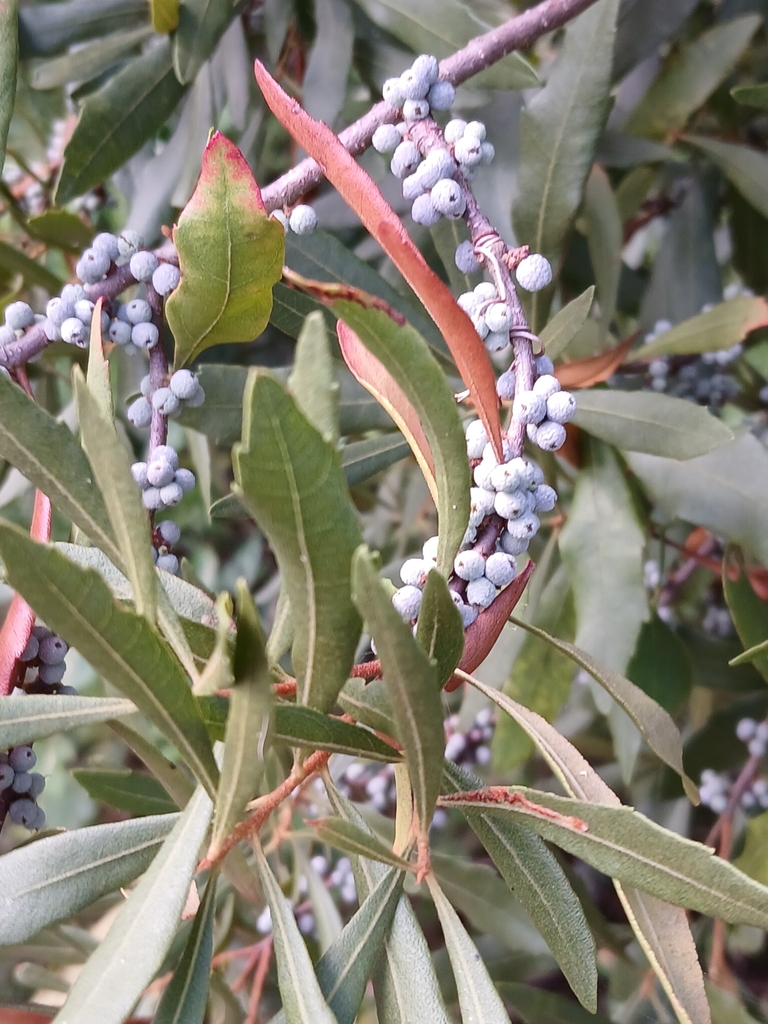
At a glance
- Life cycle
- Woody perennial
- Leaves
- Deciduous, semi-evergreen or evergreen
- Bloom
- April
- Fruiting season
- August to October
County records are not available.
Also found with this plant
Wildlife whose habitat models include habitats this plant grows in, in West Virginia. Shared habitat, not food. 33 animals.
Widespread birds also seen here (26)
Found in many habitats here, so not listed above.
- Alder Flycatcher
- American Crow
- American Robin
- Blue Jay
- Blue-gray Gnatcatcher
- Cedar Waxwing
- Chimney Swift
- Chipping Sparrow
- Common Nighthawk
- Common Raven
- Cooper's Hawk
- Dark-eyed Junco
- Eastern Kingbird
- Eastern Towhee
- Great Horned Owl
- Mourning Dove
- Northern Cardinal
- Northern Flicker
- Northern Mockingbird
- Purple Finch
- Red-tailed Hawk
- Sharp-shinned Hawk
- Spotted Sandpiper
- Tufted Titmouse
- Turkey Vulture
- Yellow-breasted Chat
Who uses this plant?
 63CaterpillarsGenus host records with ranges including WV
Genus host records with ranges including WV · Myrica
- Acharia stimuleaSaddleback Caterpillar Moth
- Acleris minutaLesser Apple Leaf Folder, Yellowheaded Fireworm
- Acronicta impressaImpressive Dagger, Printed Dagger
- Acronicta oblinitaSmeared Dagger
- Adoneta spinuloidesPurple-Crested Slug
- Archips argyrospilaFruit-Tree Leafroller Moth
- Argyrotaenia velutinanaRed-Banded Leafroller Moth, Jack Pine Tube Moth
- Autographa amplaLarge Looper Moth, Broken-Banded Y, Climbing Looper
- Biston betulariaSalt-and-Pepper Geometer, Cleft-Headed Looper
- Caloptilia stigmatellaPoplar Caloptilia
Show all 63
- Calycopis cecropsRed-Banded Hairstreak, Cecrops Hairstreak
- Catocala antinymphaWayward Nymph, Sweetfern Underwing
- Catocala consorsThe Consort
- Cecrita biundataWavy-Lined Heterocampa
- Cenopis reticulatanaReticulated Fruitworm Moth
- Cleora projectaProjecta Gray
- Coelodasys apicalisPlain Schizura
- Crocigrapha normaniNorman's Quaker
- Cyclophora pendulinariaSweetfern Geometer
- Episimus tyriusMaple Tip Borer
- Eupithecia miserulataCommon Eupithacia, Common Pug
- Eupsilia morrisoniMorrison's Sallow
- Eurois occultaGreat Grey Dart, Great Brocade
- Eutrapela clematariaCurved-Tooth Geometer, Purplish Brown Looper
- Iridopsis defectariaBrown-Shaded Gray, Willow Looper
- Kocakina fidelisIntractable Quaker, Green Fruitworm, Fourlined Green Fruitworm
- Leptostales rubromarginariaDark-Ribboned Wave
- Lycia ypsilonWoolly Gray
- Melanchra assimilisBlack Arches
- Melanolophia canadariaCanadian Melanolphia, Variable Redmarked Looper
- Morrisonia confusaConfused Woodgrain
- Nematocampa resistariaFilament Bearer, Horned Spanworm Moth
- Nemoria bistriariaTwo-Striped Emerald, Red-Fringed Emerald
- Nemoria mimosariaWhite-Fringed Emerald
- Nemoria rubrifrontariaRed-Fronted Emerald
- Oedemasia concinnaRed-Humped Caterpillar, Red-Humped Appleworm
- Olethreutes appendiceumServiceberry Leafroller
- Olethreutes permundanaRaspberry Leafroller
- Orgyia leucostigmaWhite-Marked Tussock Moth
- Orthotaenia undulanaDusky Leafroller
- Palthis angulalisDark-Spotted Palthis
- Pandemis limitataThree-Lined Leafroller Moth
- Parasa chlorisSmaller Parasa, Green Slug Moth
- Parasa indeterminaStinging Rose Caterpillar Moth, Rose Slug Caterpillar
- Phragmatobia fuliginosaRuby Tiger Moth
- Plagodis pulverariaAmerican Barred Umber, Barred Umber
- Prochoerodes lineolaLarge Maple Spanworm Moth
- Prolimacodes badiaSkiff Moth, Skiff Caterpillar
- Protolampra brunneicollisBrown-Collared Dart
- Rheumaptera hastataSpear-Marked Black Moth, Spear Mark
- Rheumaptera subhastataWhite-Banded Black Moth
- Sphinx kalmiaeFawn Sphinx, Laurel Sphinx
- Spilosoma virginicaVirginian Tiger Moth, Yellow Woolybear Moth, Yellow Bear
- Strepsicrates smithianaBayberry Leaftier
- Tetracis cachexiataWhite Slant-Line
- Utetheisa ornatrixOrnate Moth, Pink Underwing, Rattlebox Moth, Bella Moth
- Xanthotype urticariaFalse Crocus Geometer
- Xestia dilucidaDull Reddish Dart, Reddish Heath Dart
- Xestia normanianusNorman's Dart
- Xylena nuperaRed Swordgrass Moth, American Swordgrass Moth, False Armyworm
- Aroga argutiola
- Olethreutes sericoranum
- Stigmella myricafoliella
 —BeesSoutheastern regional records
 —Specialist beesPollen specialists
 12BirdsRecorded eating Morella in West Virginia
Diet records by plant genus, from studies across North America. Not a record from this state. Birds whose range includes West Virginia, most records first.
- Tree SwallowFruit. 3 diet records
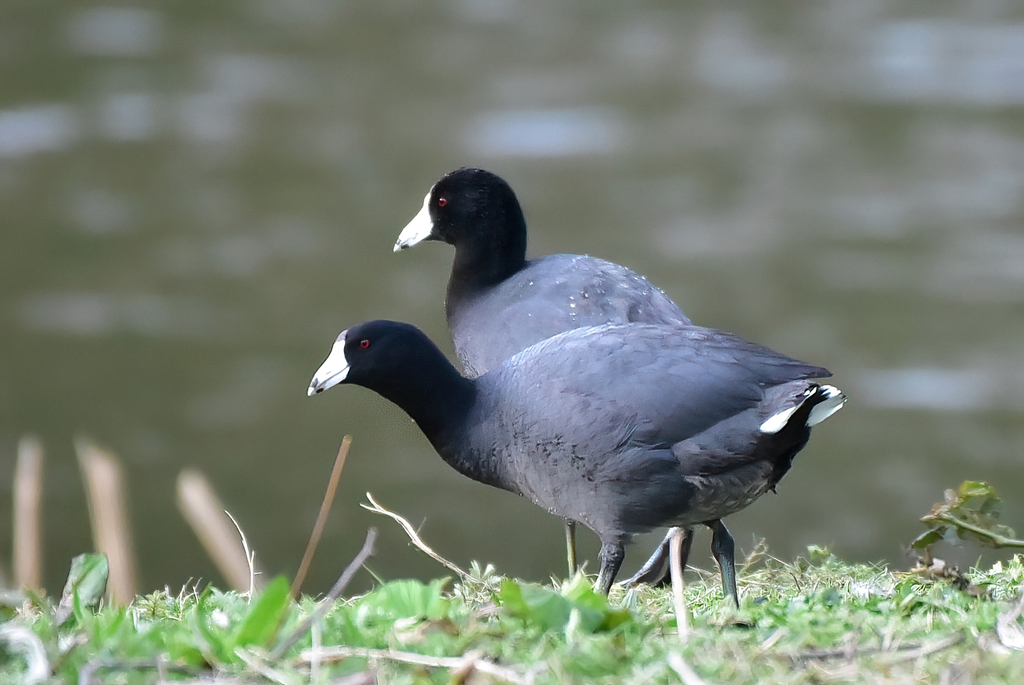
- American CootSeeds. 2 diet records
- Hermit ThrushFruit and seeds. 2 diet records
- American RobinFruit. 1 diet record
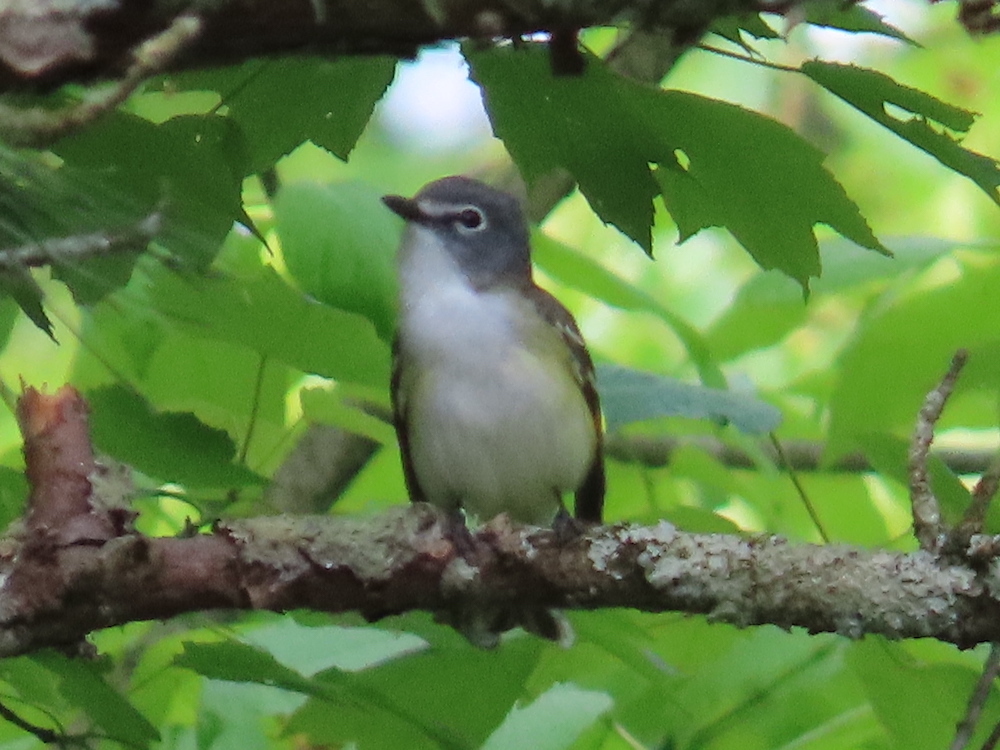
- Blue-headed Vireo1 diet record
- Eastern BluebirdFruit. 1 diet record
- Eastern KingbirdFruit. 1 diet record
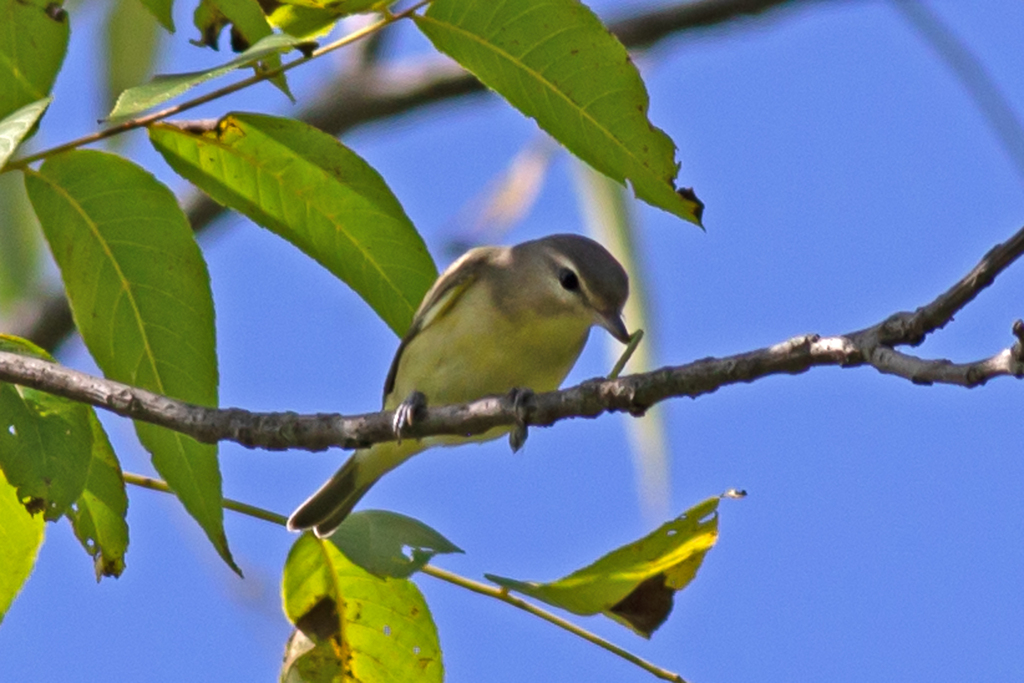
- Philadelphia Vireo1 diet record
- Ring-necked Duck1 diet record
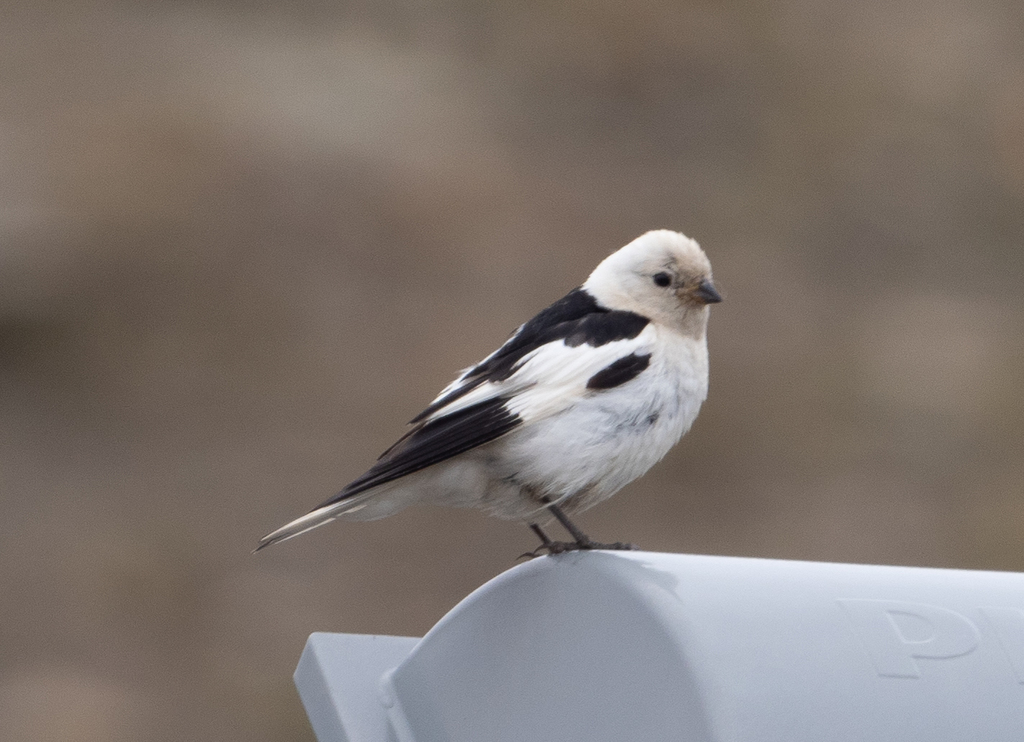
- Snow Bunting1 diet record
Show all 12
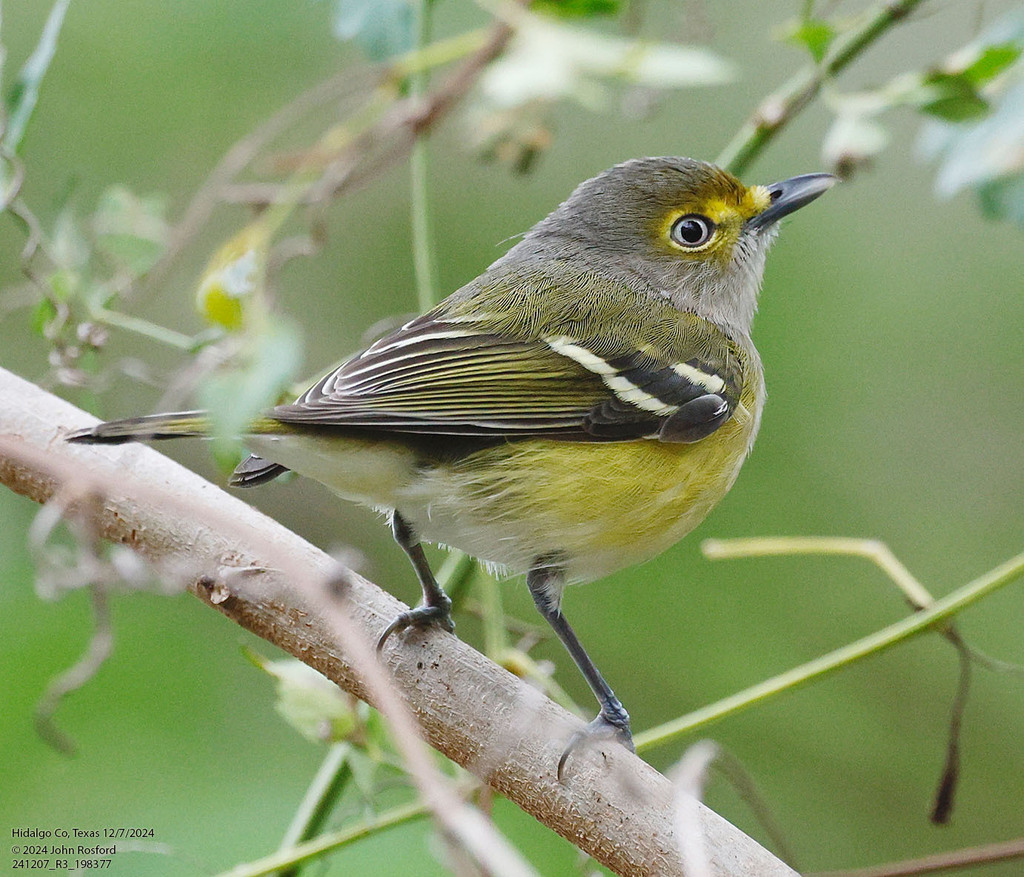
- White-eyed Vireo1 diet record
- Wood ThrushFruit and seeds. 1 diet record
Direct food only. Caterpillars on host plants also feed nesting birds. NC Native Plant Society: butterfly gardening
No records yet · Ants · Beetles · Flies · Adult butterflies / moths · Other wasps · Other insects
Birds that eat Morella 12
Diet records by plant genus, from studies across North America. Not a record from this state. Avian Diet Database (Hurlbert Lab), CC0 1.0.
- Tree SwallowTachycineta bicolor
- American CootFulica americana
- Hermit ThrushCatharus guttatus
- American RobinTurdus migratorius
- Blue-headed VireoVireo solitarius
- Eastern BluebirdSialia sialis
- Eastern KingbirdTyrannus tyrannus
- Philadelphia VireoVireo philadelphicus
- Ring-necked DuckAythya collaris
- Snow BuntingPlectrophenax nivalis
- White-eyed VireoVireo griseus
- Wood ThrushHylocichla mustelina







Plant details
- Family
- Myricaceae
- Hardiness
- Zones 7a–11b
- Soil pH
- Acidic
- Flower color
- Yellow or green
- Growth rate
- Moderate
- Growth habit
- Spreads by rhizomes
- Foliage color
- Green
- Fruit begins
- August
- Fruit ends
- October
What its natural habitat tells you
Safety has not been reviewed for this plant; check toxicity and thorns before planting.
Growing sources and scope
- Bloom · “April” · Weakley, Flora of the Southeastern United States (2025), Carolinas & Georgia edition (ranked first; USDA PLANTS differs) · Carolinas and Georgia
- Flower color · “Yellow or green” · NC Extension Plant Toolbox (ranked first; USDA PLANTS differs)
- Foliage color · “Green” · USDA PLANTS · Nationwide species characteristics; local growing conditions may vary
- Fruit begins · “August” · Weakley, Flora of the Southeastern United States (2025), Carolinas & Georgia edition (ranked first; USDA PLANTS differs) · Carolinas and Georgia
- Fruit ends · “October” · Weakley, Flora of the Southeastern United States (2025), Carolinas & Georgia edition (ranked first; USDA PLANTS differs) · Carolinas and Georgia
- Growth habit · “Spreads by rhizomes” · USDA PLANTS · Nationwide species characteristics; local growing conditions may vary
- Growth rate · “Moderate” · USDA PLANTS · Nationwide species characteristics; local growing conditions may vary
- Hardiness · “Zones 7a–11b” · NC Extension Plant Toolbox
- Height · “20–25 feet” · NC Extension Plant Toolbox (ranked first; USDA PLANTS differs)
- Leaves · “Deciduous, semi-evergreen or evergreen” · NC Extension Plant Toolbox
- Life cycle · “Woody perennial” · NC Extension Plant Toolbox
- Light · “Dappled sunlight (shade through upper canopy all day); Full sun (6 or more hours of direct sunlight a day); Partial shade (direct sunlight only part of the day, 2-6 hours)” · NC Extension Plant Toolbox (ranked first; Virginia DCR Coastal Plain differs)
- Soil · “Moist; Occasionally dry; Occasionally wet” · NC Extension Plant Toolbox (ranked first; Virginia DCR Coastal Plain differs)
- Soil pH · “Acidic” · NC Extension Plant Toolbox
- Spread · “8–10 feet” · NC Extension Plant Toolbox
Also known as
Myrica cerifera; sweet gale; sweet-gale
Conservation status
| West Virginia rank | SNA |
|---|---|
| Global rank | G5 |
| WV status | Not verified |
| Federal status | Not verified |
Will it fit your yard?
Check this plant against your county, sun and soil moisture. Conditions are checked in your browser.
Growing cautions
- Suckers and forms colonies. Tends to sucker, sometimes forming large colonies. NC State Extension Plant Toolbox
For planning only; these do not change the score or Fit.
Sources
- NatureServe Explorer
- USDA PLANTS
- Vascular Plants of North Carolina (NC Natural Heritage Program)
- Weakley, Flora of the Southeastern United States (2025)
- West Virginia occurrence source
- Shropshire & Tallamy 2025, Lepidoptera of North America north of Mexico, ZooKeys 1261 (ODbL)
- Noori, Seltmann & Orr 2026, A curated and integrated dataset for exploring global bee-plant interactions (GloBI), Zenodo, CC BY 4.0
- Smith, Bachelder, Russell, Morales, Mosher & Seltmann 2024, Bee-Specialization-Modeling v0.6.1 (specialist host table compiled from J. Fowler's pollen specialist bee lists), Zenodo, CC BY 4.0
- Hurlbert, Olsen, Sawyer & Winner 2021, Avian Diet Database, Scientific Data 8: 260 (CC0)
- Narango, Tallamy & Shropshire 2020, Few keystone plant genera support the majority of Lepidoptera species, Nature Communications