

Spearmint
Mentha spicata
-30
Harmful
Not native to West Virginia. How scores work Is it native here?
Profile 71%
- Height
- 1–2 feet
- Spread
- 1–2 feet
- Light
- Full sun, Partial shade
- Soil moisture
- Somewhat dry to moist
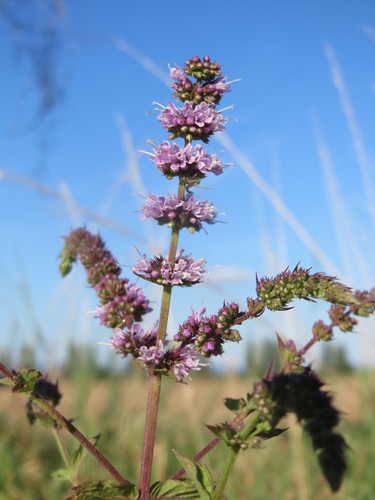
Do not plant. Listed invasive in West Virginia.
Plant this instead
Choose your county to list local plants first.
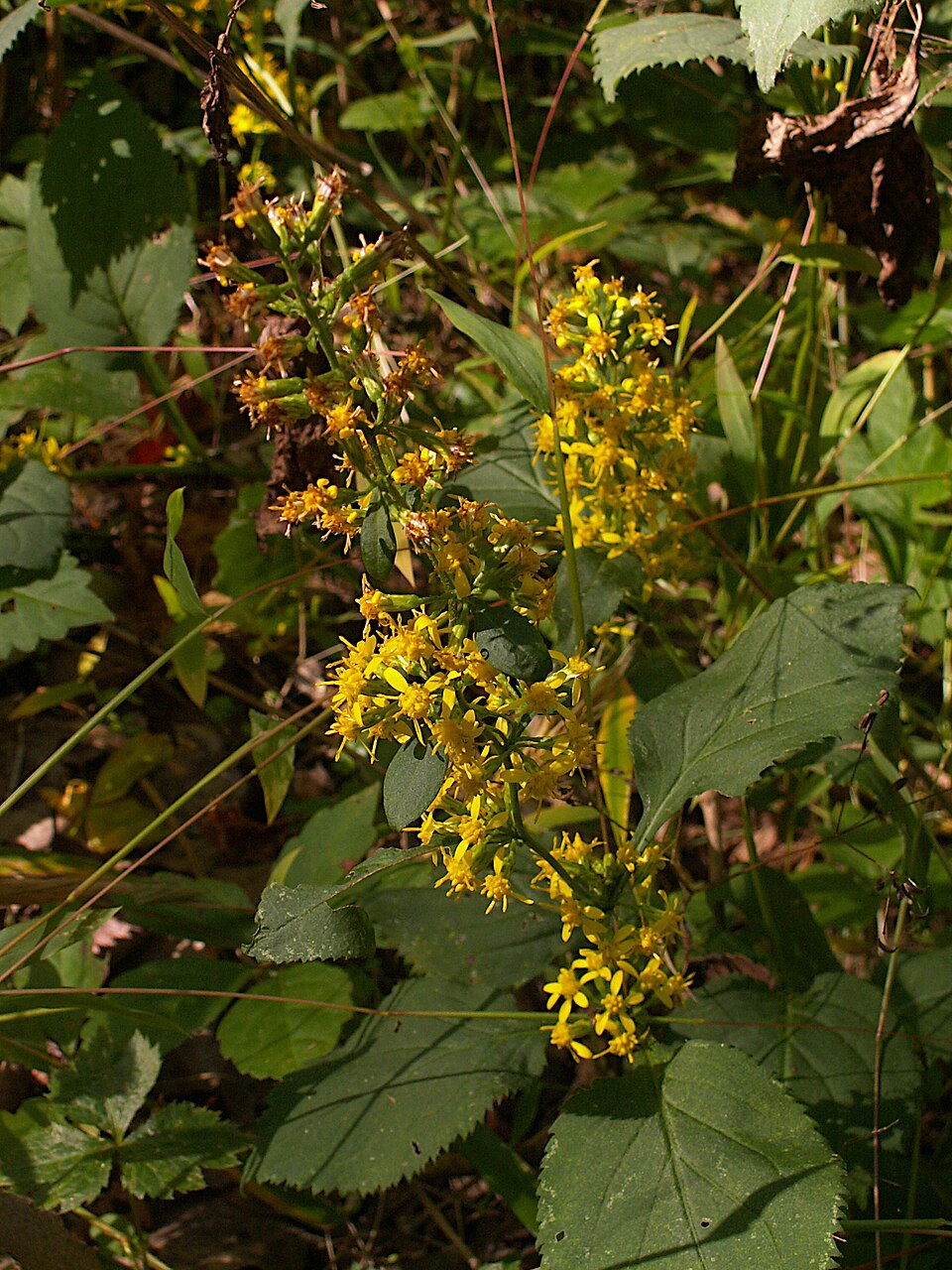
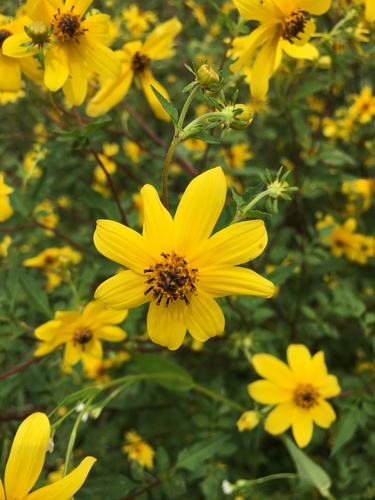
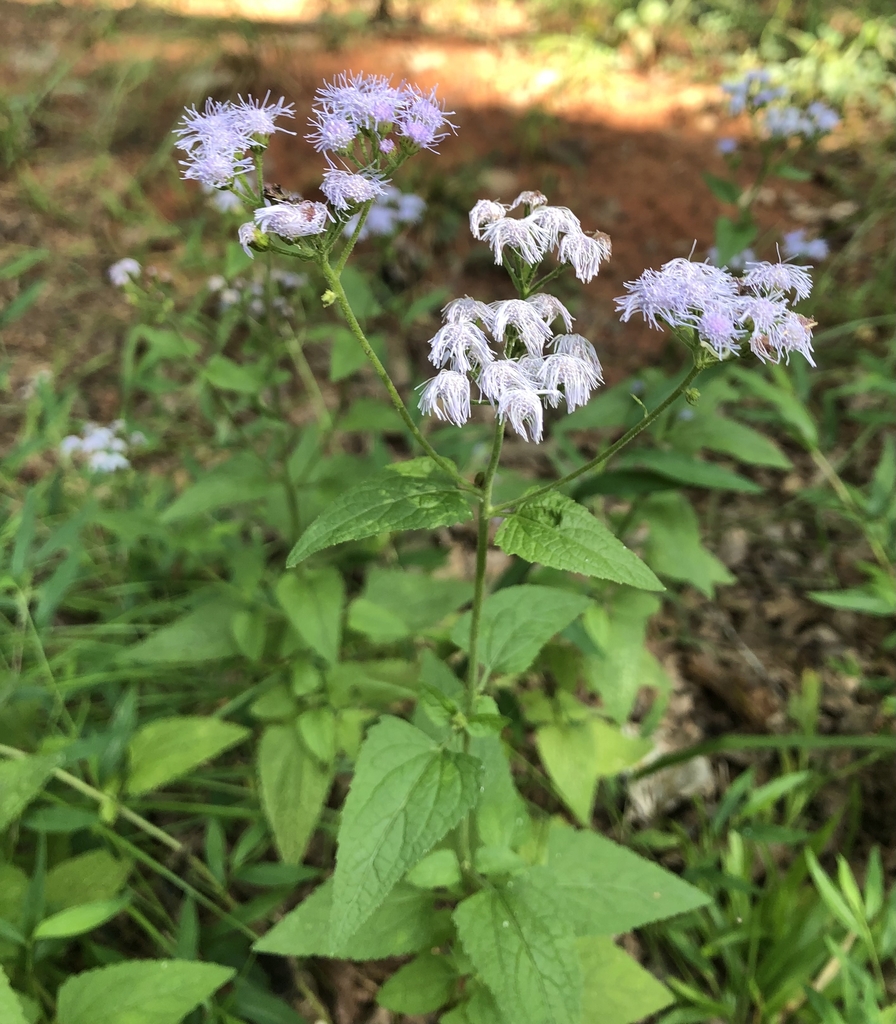
No recorded swaps for this county. Try the garden finder.
At a glance
- Life cycle
- Perennial
- Leaves
- Deciduous
Not yet recorded · Bloom
Recorded in 10 West Virginia counties.
Ecological relationships
Who uses this plant?
 32CaterpillarsGenus host records with ranges including WV
Genus host records with ranges including WV · Mentha
- Amphipyra pyramidoidesMiranda Underwing, Copper Underwing, Copper Amphipyra
- Anterastria teratophoraGrey Marvel, White Spotted Jaspidia
- Argyrogramma verrucaGolden Looper
- Autographa precationisCommon Looper Moth
- Choristoneura rosaceanaOblique-Banded Leafroller Moth, Rosaceous Leaf Roller
- Chrysodeixis includensSoybean Looper Moth
- Elophila obliteralisWaterlily Leafcutter Moth
- Endothenia hebesanaVerbena Bud Moth
- Euplexia benesimilisAmerican Angle Shades
- Fumibotys fumalisMint Root Borer
Show all 32
- Hahncappsia mancalisCommon Hahncappsia
- Haploa leconteiLeconte's Haploa
- Helicoverpa zeaCorn Earworm Moth
- Heliothis phloxiphagaSpotted Straw Sun Moth, Darker Spotted Straw Moth
- Lintneria eremitusHermit Sphinx
- Nematocampa resistariaFilament Bearer, Horned Spanworm Moth
- Pyrausta acrionalisMint-Loving Pyrausta
- Pyrausta laticlaviaSouthern Purple Mint Moth
- Pyrausta orphisalisOrange Mint Moth, Orange Spotted Pyrausta
- Rachiplusia ouGray Looper
- Sparganothis sulfureanaSparganothis Fruitworm Moth, Sulfur Leafroller, False Yellow-Head
- Spoladea recurvalisHawaiian Beet Webworm
- Strymon melinusGray Hairstreak
- Synchlora aerataWavy-Lined Emerald, Camouflaged Looper
- Trichoplusia niNi Moth, Cabbage Looper Moth
- Udea rubigalisCelery Leaftier
- Vanessa carduiPainted Lady, Cosmopolite
- Xanthotype sospetaCrocus Geometer
- Xestia dolosaGreater Black-Letter Dart, Greater Spotted Cutworm
- Xylena nuperaRed Swordgrass Moth, American Swordgrass Moth, False Armyworm
- Aethes interruptofasciata
- Endothenia nubilana
 —BeesSoutheastern regional records
 —Specialist beesPollen specialists
 —BirdsRecorded genus food-resource interactions; not a state feeding claim
Growing and identification
Plant details
- Family
- Lamiaceae
- Hardiness
- Zones 4a–9b
- Soil pH
- Neutral
- Flower color
- Pink or white
What its natural habitat tells you
Safety has not been reviewed for this plant; check toxicity and thorns before planting.
Growing sources and scope
- Flower color · “Pink or white” · NC Extension Plant Toolbox
- Hardiness · “Zones 4a–9b” · NC Extension Plant Toolbox
- Height · “1–2 feet” · NC Extension Plant Toolbox (ranked first; Minnesota Wildflowers differs)
- Leaves · “Deciduous” · NC Extension Plant Toolbox
- Life cycle · “Perennial” · NC Extension Plant Toolbox
- Light · “Full sun (6 or more hours of direct sunlight a day); Partial shade (direct sunlight only part of the day, 2-6 hours)” · NC Extension Plant Toolbox
- Soil · “Moist; Occasionally dry; Occasionally wet” · NC Extension Plant Toolbox
- Soil pH · “Neutral” · NC Extension Plant Toolbox
- Spread · “1–2 feet” · NC Extension Plant Toolbox
Conservation status
| West Virginia rank | SNA |
|---|---|
| Global rank | GNR |
| WV status | Not verified |
| Federal status | Not verified |
Sources
- West Virginia DNR invasive plant list
- USDA PLANTS
- NatureServe Explorer
- West Virginia occurrence source
- Shropshire & Tallamy 2025, Lepidoptera of North America north of Mexico, ZooKeys 1261 (ODbL)
- Noori, Seltmann & Orr 2026, A curated and integrated dataset for exploring global bee-plant interactions (GloBI), Zenodo, CC BY 4.0
- Smith, Bachelder, Russell, Morales, Mosher & Seltmann 2024, Bee-Specialization-Modeling v0.6.1 (specialist host table compiled from J. Fowler's pollen specialist bee lists), Zenodo, CC BY 4.0
- Hurlbert, Olsen, Sawyer & Winner 2021, Avian Diet Database, Scientific Data 8: 260 (CC0)
- Narango, Tallamy & Shropshire 2020, Few keystone plant genera support the majority of Lepidoptera species, Nature Communications