

Hairy Lespedeza
Lespedeza hirta
Native to West Virginia. How scores work Is it native here?
Profile 88%
- Height
- About 6 feet
- Light
- 4 or more hours of direct sun
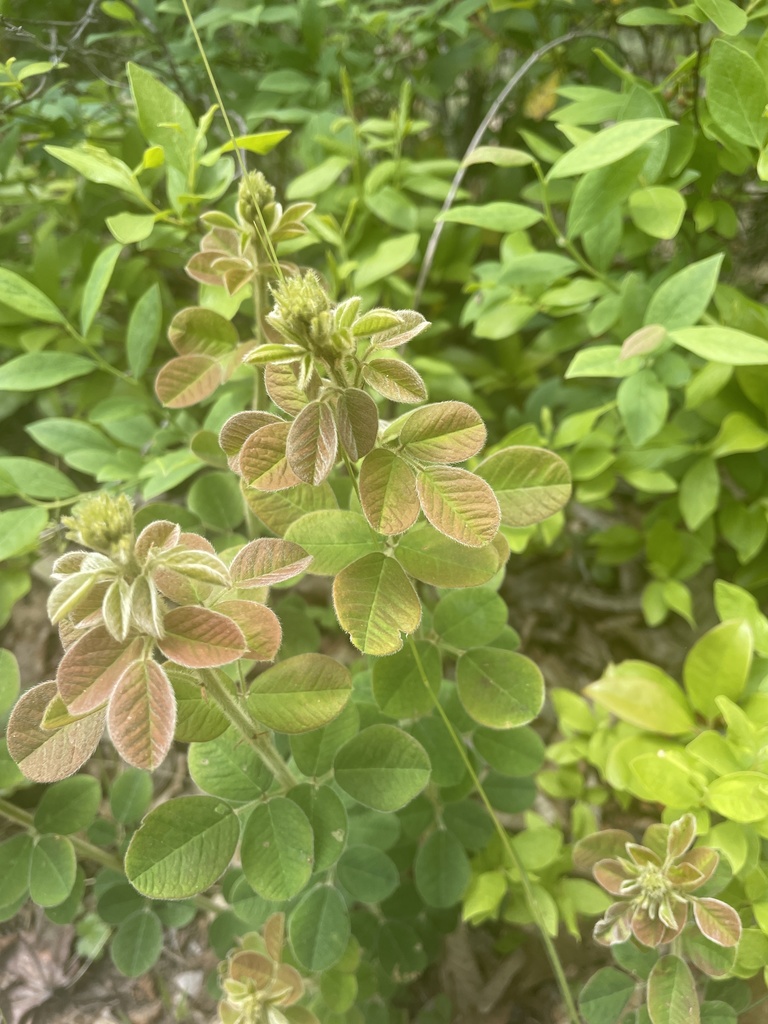
At a glance
- Bloom
- Late summer
- Fruiting season
- Fall to winter
Not yet recorded · Spread · Soil · Life cycle · Leaves
Recorded in 22 West Virginia counties.
Also found with this plant
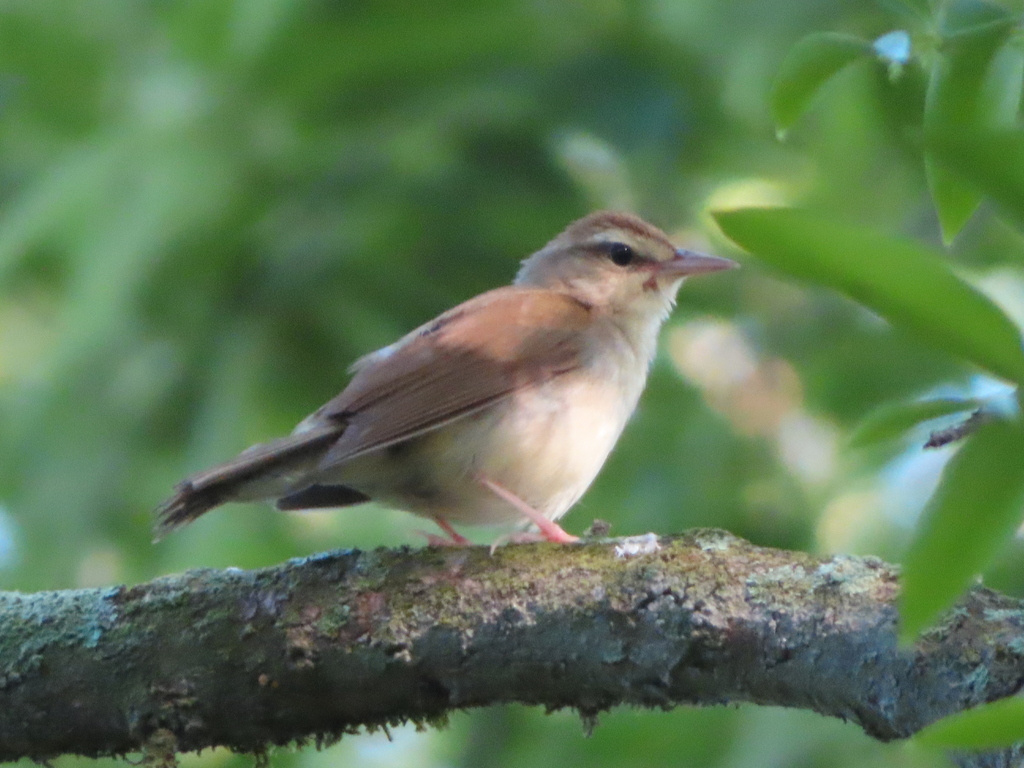
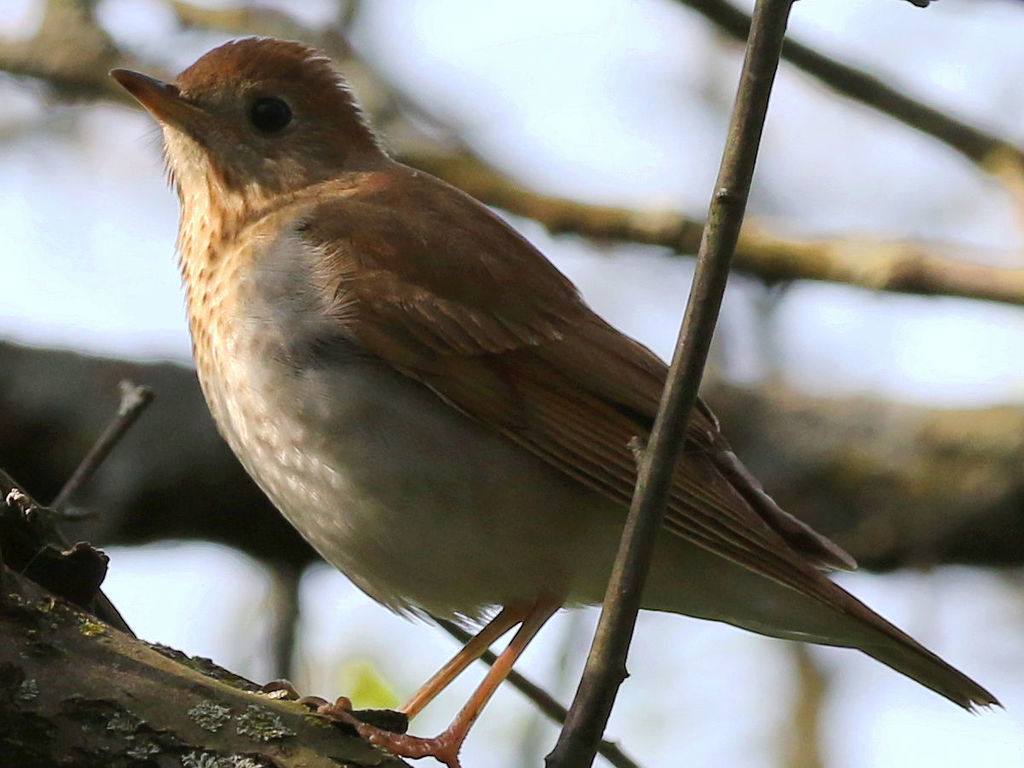
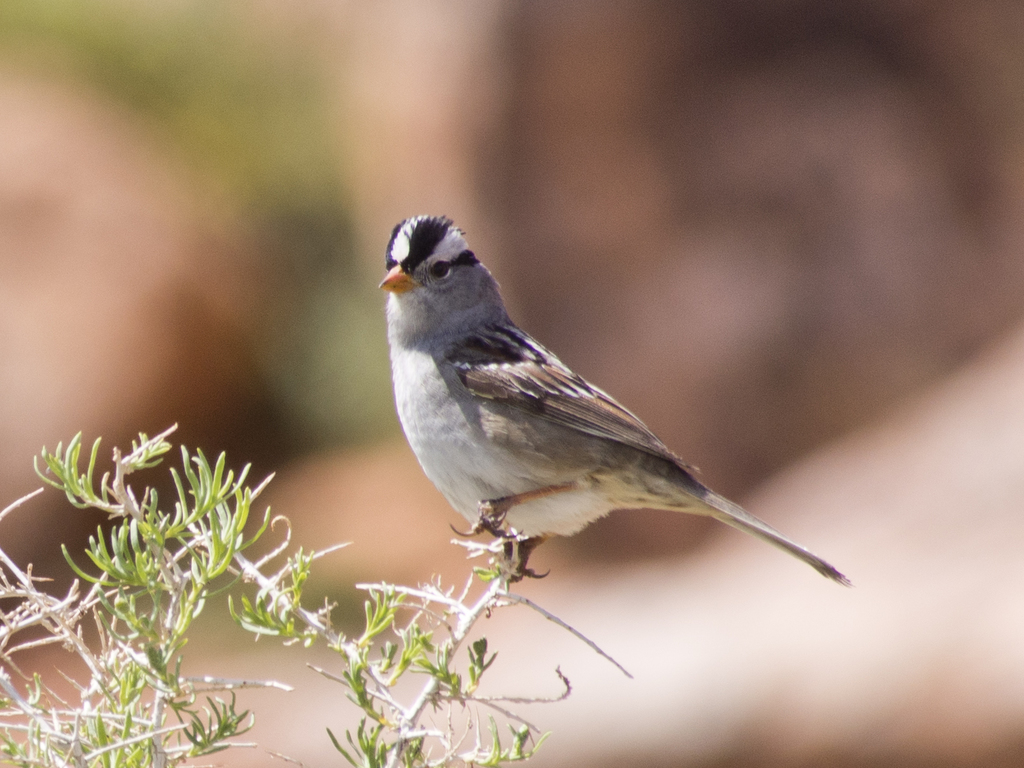
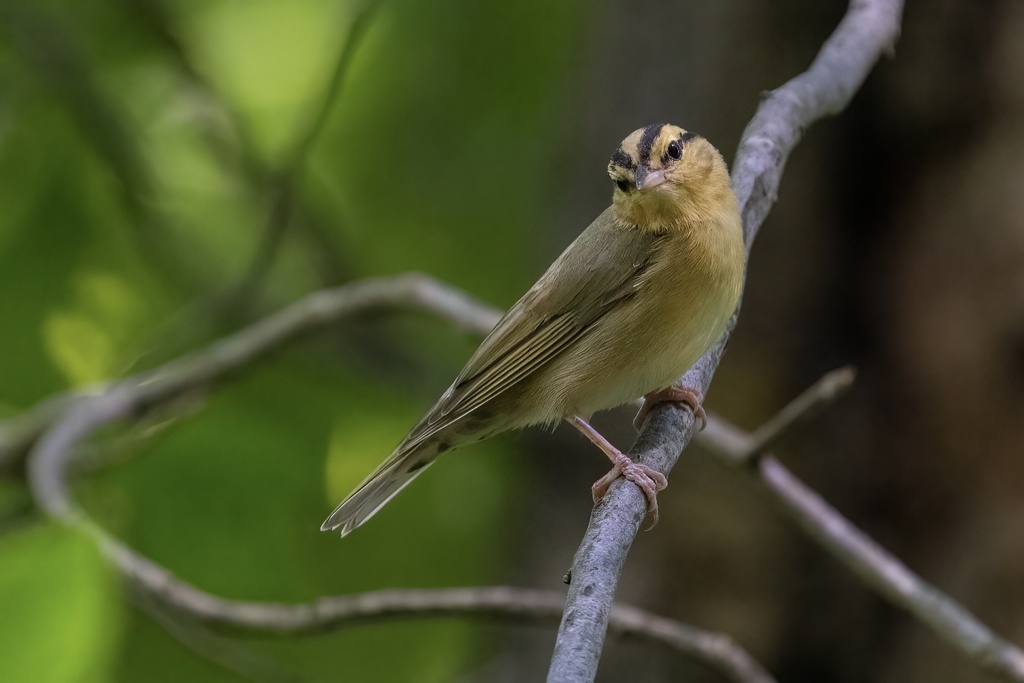
Wildlife whose habitat models include habitats this plant grows in, in West Virginia. Shared habitat, not food. 120 animals.
- Carolina WrenThryothorus ludovicianus
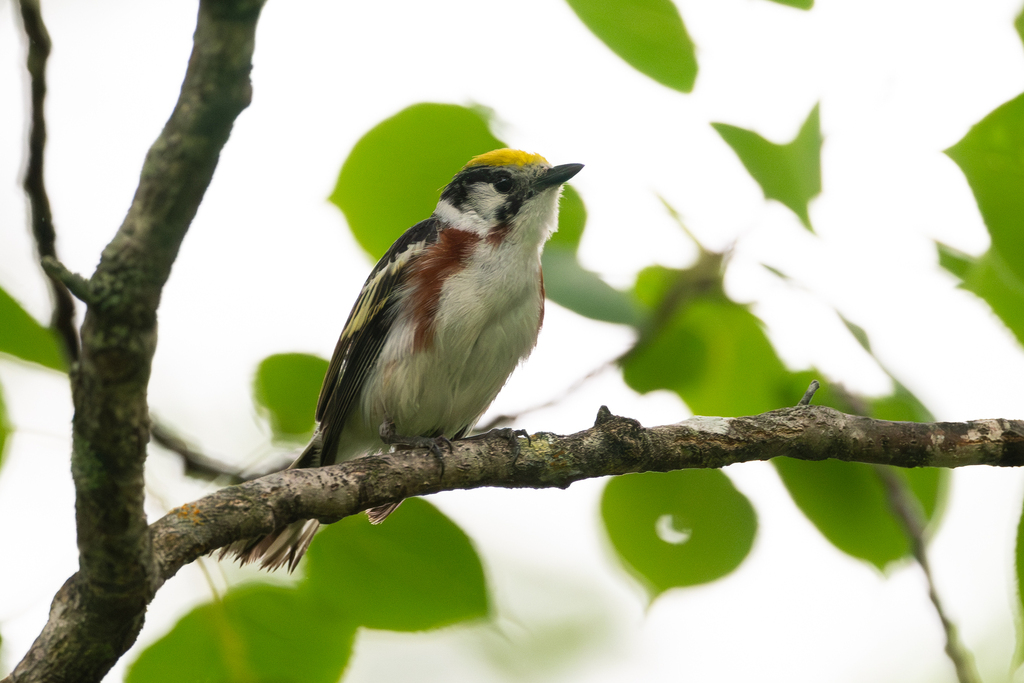
- Chestnut-sided WarblerDendroica pensylvanica
- Common GrackleQuiscalus quiscula
- Eastern PhoebeSayornis phoebe
- Eurasian Collared-doveStreptopelia decaocto
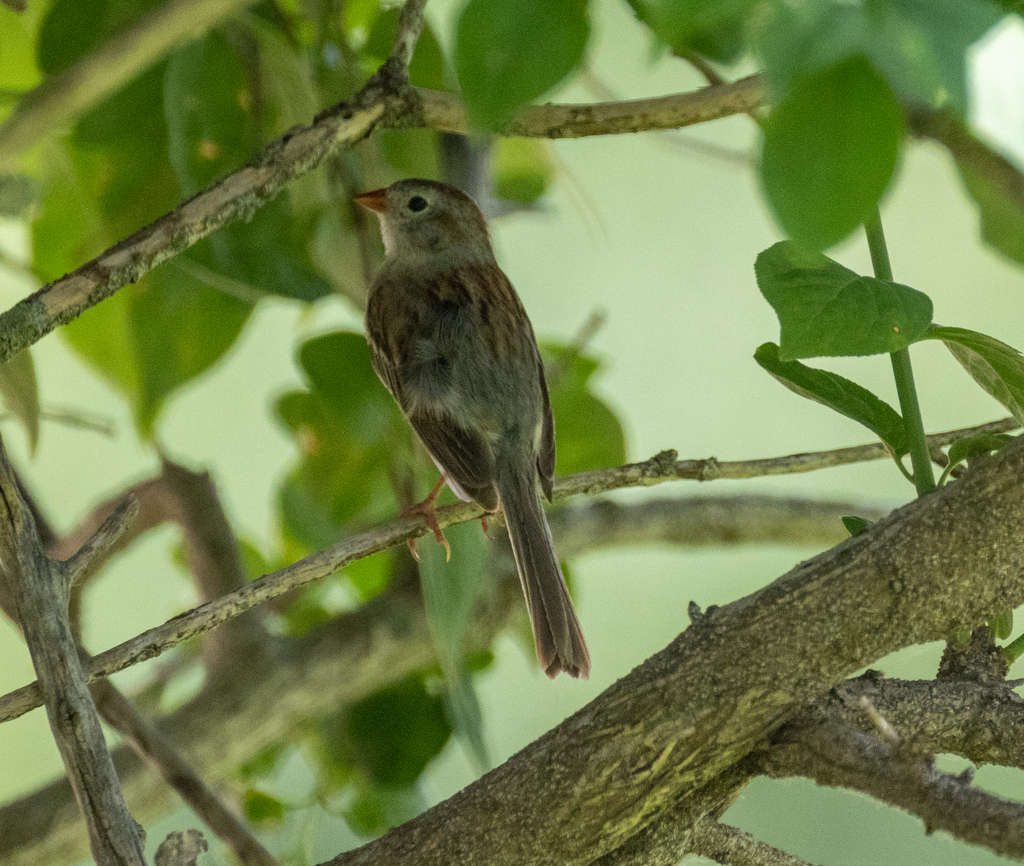
- Field SparrowSpizella pusilla
- Hooded WarblerWilsonia citrina
- Indigo BuntingPasserina cyanea
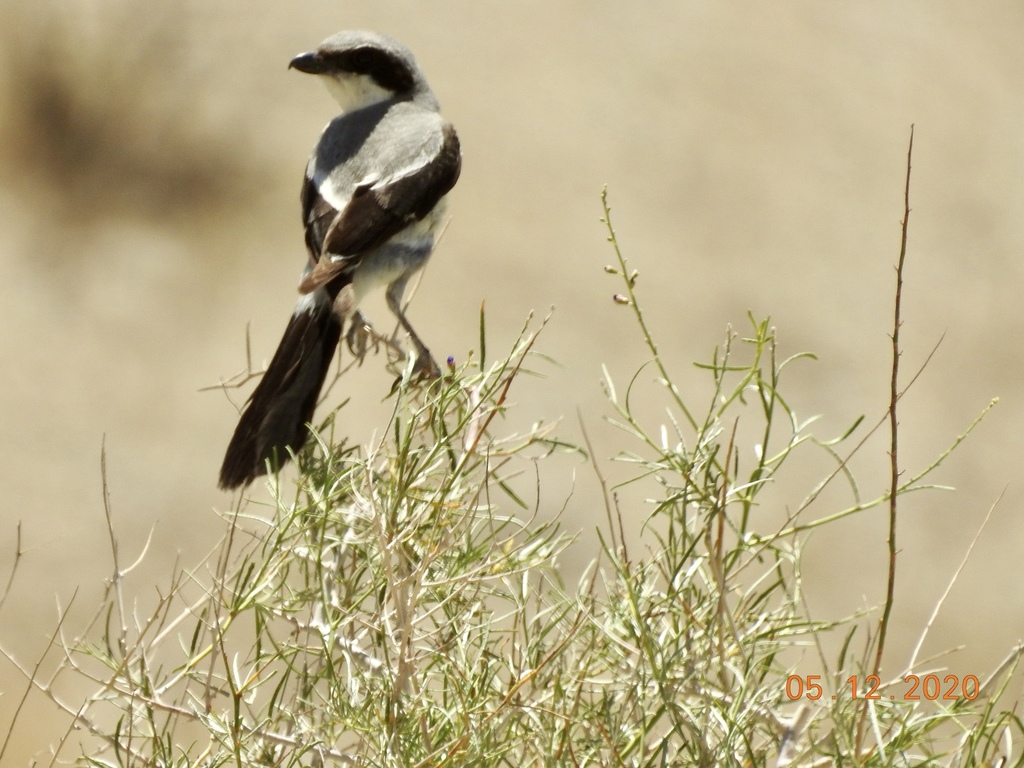
- Loggerhead ShrikeLanius ludovicianus
- Northern BobwhiteColinus virginianus
- Northern ParulaParula americana
- Northern Rough-winged SwallowStelgidopteryx serripennis
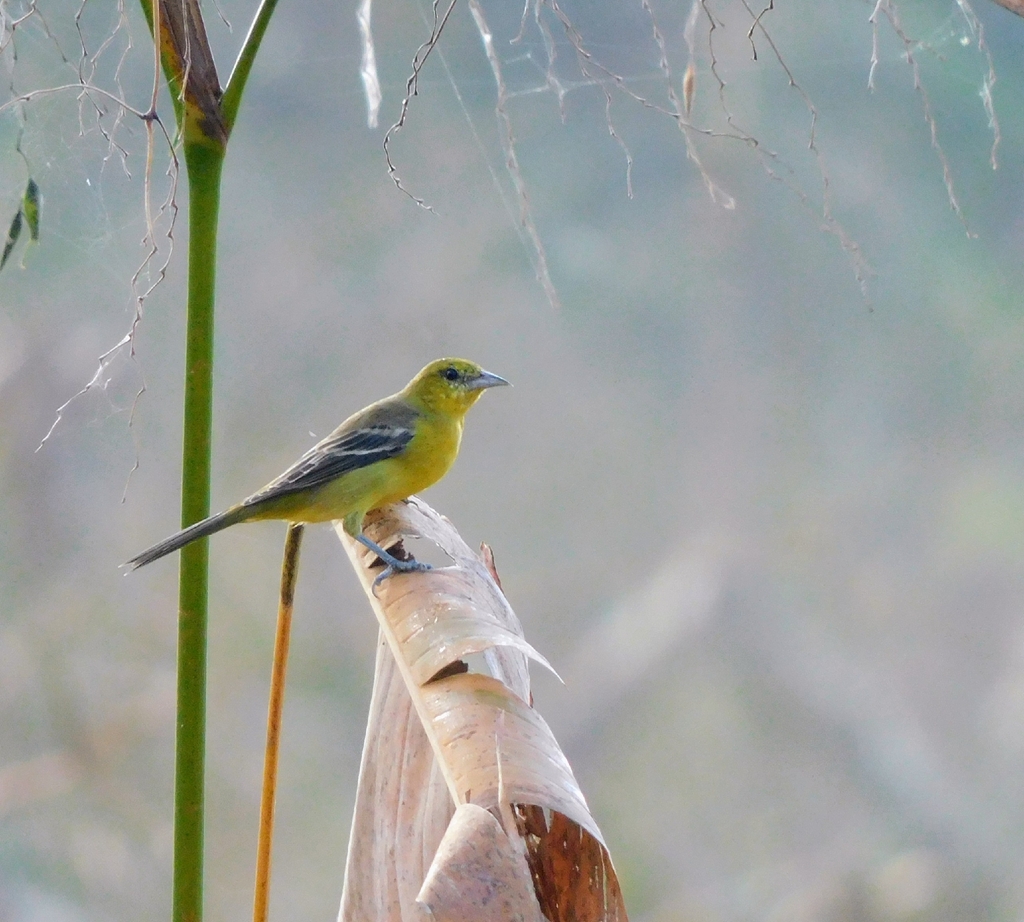
- Orchard OrioleIcterus spurius
- OvenbirdSeiurus aurocapilla
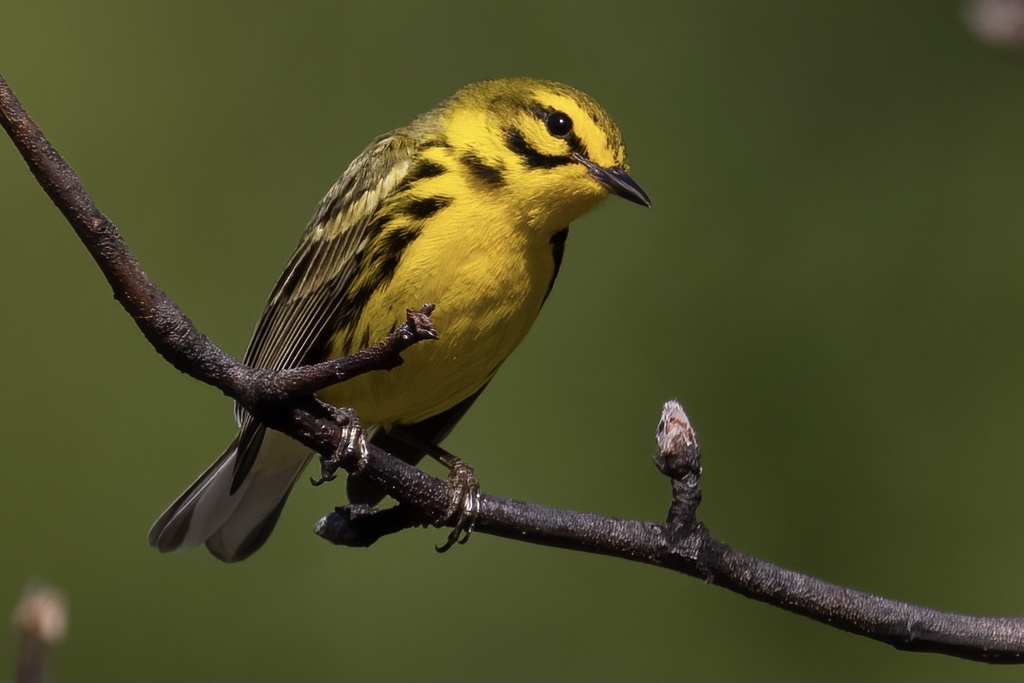
- Prairie WarblerDendroica discolor
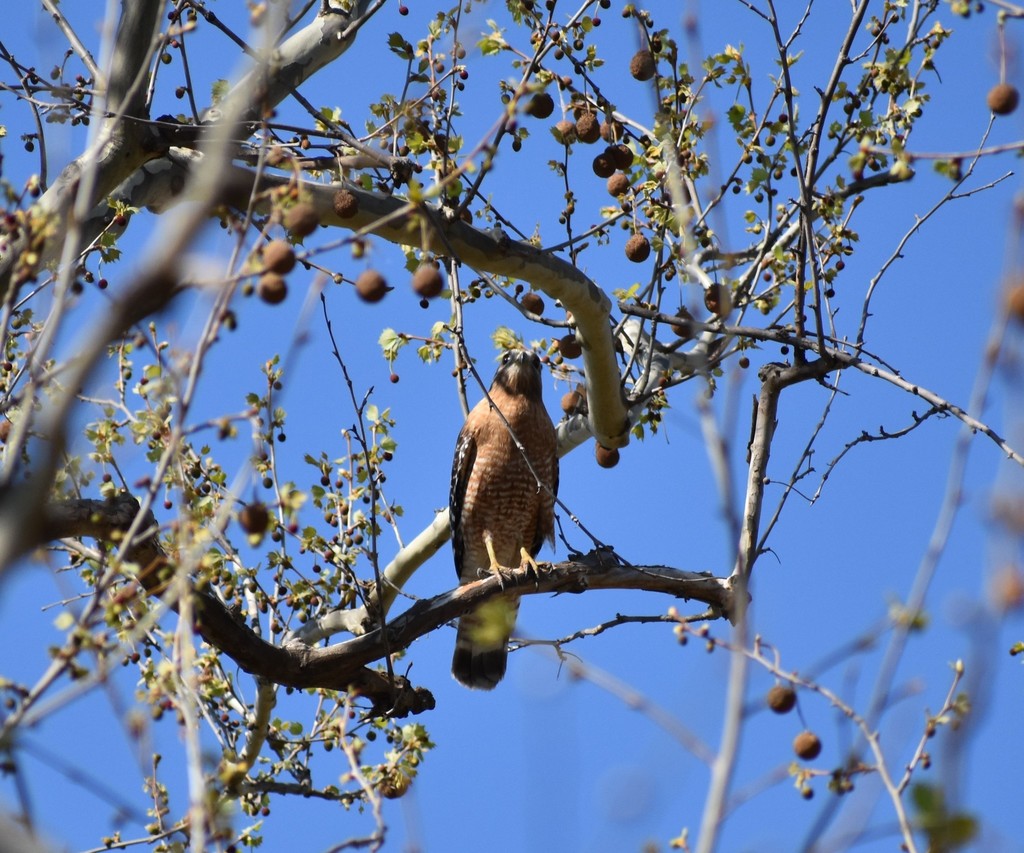
- Red-shouldered HawkButeo lineatus
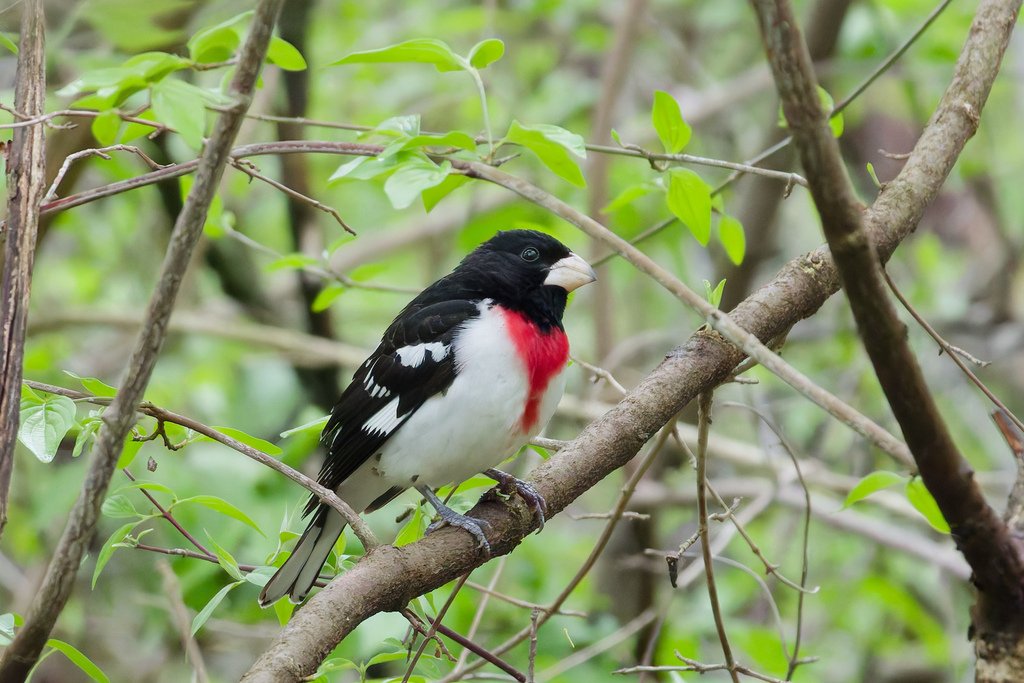
- Rose-breasted GrosbeakPheucticus ludovicianus
- Swainson's WarblerLimnothlypis swainsonii
- Tree SwallowTachycineta bicolor
- VeeryCatharus fuscescens
- White-crowned SparrowZonotrichia leucophrys
- White-eyed VireoVireo griseus
- Worm-eating WarblerHelmitheros vermivorum
- Yellow-throated WarblerDendroica dominica













Who uses this plant?
 22CaterpillarsGenus host records with ranges including WV
Genus host records with ranges including WV · Lespedeza
- Adelphia petrellaRusty-Banded Adelphia
- Aristotelia roseosuffusellaPink-Washed Aristotelia
- Automeris ioIo Moth
- Caenurgina erechteaClover Looper Moth, Common Grass Moth, Forage Looper
- Cecropterus bathyllusSouthern Cloudywing
- Cecropterus lyciadesHoary Edge
- Cecropterus pyladesNorthern Cloudywing
- Choristoneura obsoletanaObsolete Leafroller
- Colias eurythemeOrange Sulphur, Alfalfa Butterfly
- Cupido comyntasEastern Tailed-Blue
Show all 22
- Dasylophia anguinaBlack-Spotted Prominent
- Epargyreus clarusSilver-Spotted Skipper
- Helicoverpa zeaCorn Earworm Moth
- Hypena scabraGreen Cloverworm Bomolocha, Black Snout
- Morrisonia confusaConfused Woodgrain
- Ptichodis herbarumCommon Ptichodis
- Spodoptera frugiperdaFall Armyworm Moth
- Stilbosis tesquellaHog-Peanut Leaf-Sewer
- Strymon melinusGray Hairstreak
- Triclonella pergandeellaSweetclover Root Borer, Bush-Clover Triclonella
- Utetheisa ornatrixOrnate Moth, Pink Underwing, Rattlebox Moth, Bella Moth
- Porphyrosela desmodiella
 16BeesSoutheastern regional records
Southeastern regional records · Lespedeza
Individual names are not available yet.
Noori, Seltmann & Orr 2026, A curated and integrated dataset for exploring global bee-plant interactions (GloBI), Zenodo, CC BY 4.0 0Specialist beesPollen specialists
 4BirdsRecorded genus food-resource interactions; not a state feeding claim
Recorded genus food-resource interactions; not a state feeding claim · Lespedeza
- Agelaius phoeniceusRed-winged Blackbird
- Colinus virginianusNorthern Bobwhite
- Meleagris gallopavoWild Turkey
- Molothrus aterBrown-headed Cowbird
Direct food only: birds recorded eating this genus across North America. Caterpillars on host plants also feed nesting birds. NC Native Plant Society: butterfly gardening
 1AntsRecorded seed interactions
- Pogonomyrmex badius
Pogonomyrmex badius: Seed predation.
No records yet · Beetles · Flies · Adult butterflies / moths · Other wasps · Other insects
Plant details
- Family
- Fabaceae
- Flower color
- White
- Growth rate
- Moderate
- Growth habit
- Several stems
- Foliage color
- Dark green
- Fruit begins
- Fall
- Fruit ends
- Winter
What its natural habitat tells you
Safety has not been reviewed for this plant; check toxicity and thorns before planting.
Growing sources and scope
- Bloom · “Late summer” · USDA PLANTS · Nationwide species characteristics; local growing conditions may vary
- Flower color · “White” · USDA PLANTS · Nationwide species characteristics; local growing conditions may vary
- Foliage color · “Dark green” · USDA PLANTS · Nationwide species characteristics; local growing conditions may vary
- Fruit begins · “Fall” · USDA PLANTS · Nationwide species characteristics; local growing conditions may vary
- Fruit ends · “Winter” · USDA PLANTS · Nationwide species characteristics; local growing conditions may vary
- Growth habit · “Several stems” · USDA PLANTS · Nationwide species characteristics; local growing conditions may vary
- Growth rate · “Moderate” · USDA PLANTS · Nationwide species characteristics; local growing conditions may vary
- Height · “About 6 feet” · USDA PLANTS · Nationwide species characteristics; local growing conditions may vary
- primary_flower_color · “white” · USDA PLANTS
Conservation status
| West Virginia rank | S5 |
|---|---|
| Global rank | G5 |
| WV status | Not verified |
| Federal status | Not verified |
Will it fit your yard?
Check this plant against your county, sun and soil moisture. Conditions are checked in your browser.
Sources
- NatureServe Explorer
- USDA PLANTS
- Vascular Plants of North Carolina (NC Natural Heritage Program)
- West Virginia occurrence source
- Shropshire & Tallamy 2025, Lepidoptera of North America north of Mexico, ZooKeys 1261 (ODbL)
- Noori, Seltmann & Orr 2026, A curated and integrated dataset for exploring global bee-plant interactions (GloBI), Zenodo, CC BY 4.0
- Smith, Bachelder, Russell, Morales, Mosher & Seltmann 2024, Bee-Specialization-Modeling v0.6.1 (specialist host table compiled from J. Fowler's pollen specialist bee lists), Zenodo, CC BY 4.0
- Hurlbert, Olsen, Sawyer & Winner 2021, Avian Diet Database, Scientific Data 8: 260 (CC0)
- Narango, Tallamy & Shropshire 2020, Few keystone plant genera support the majority of Lepidoptera species, Nature Communications