

Bird
Tree Swallow
Tachycineta bicolor
Lives in Virginia all year and nests here. Found in all 133 counties and cities, across 17 habitats.
- Here
- All year
- Nesting
- Nests here
- Range
- All 133 counties and cities
- Habitats
- 17

At a glance
- Group
- Birds
- Here
- All year
- Nesting
- Nests here
- Range
- All 133 counties and cities
- Habitats
- 17
- Habitat models
- Summer, Winter
Where it lives
The places its habitat model includes. It is not found everywhere a habitat occurs.
Habitats in Virginia 17
Each habitat page lists the plants and wildlife also found there.
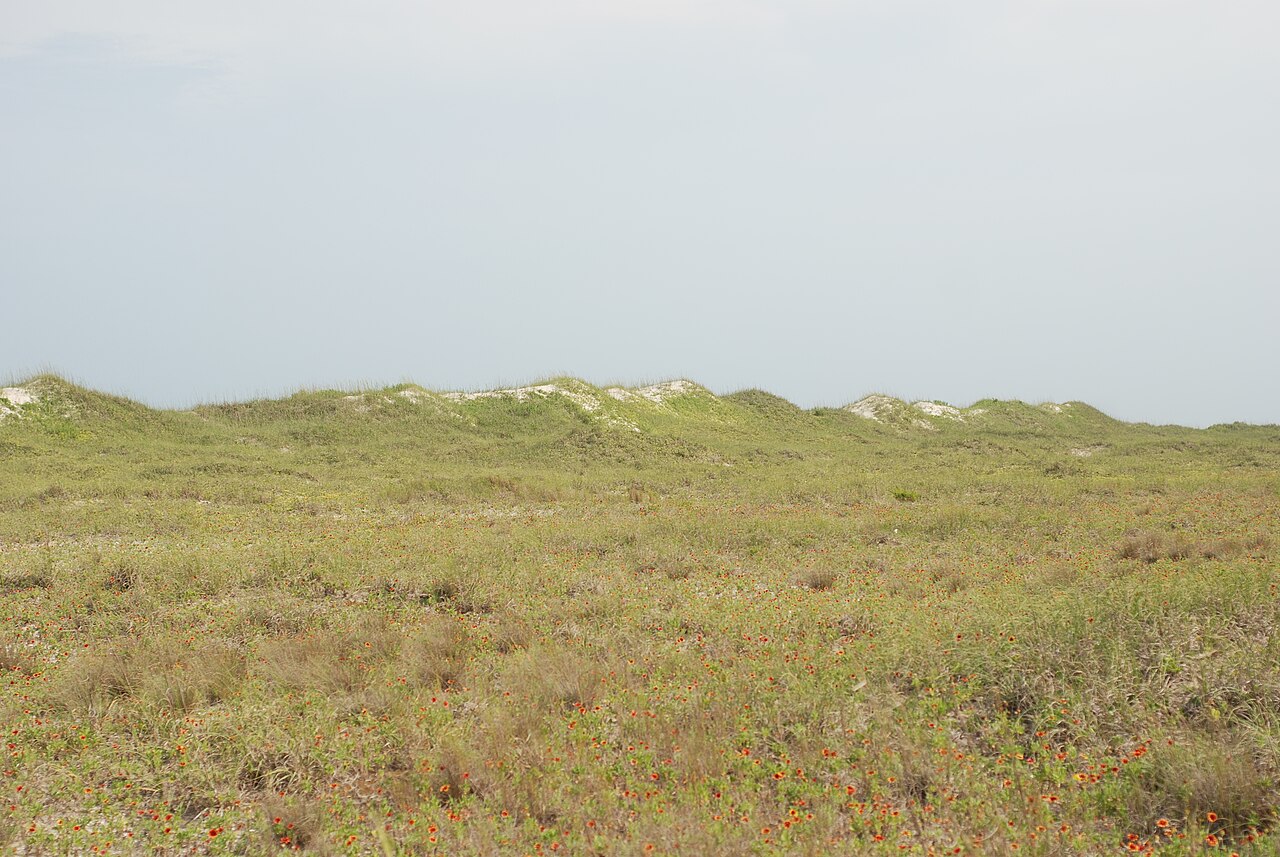
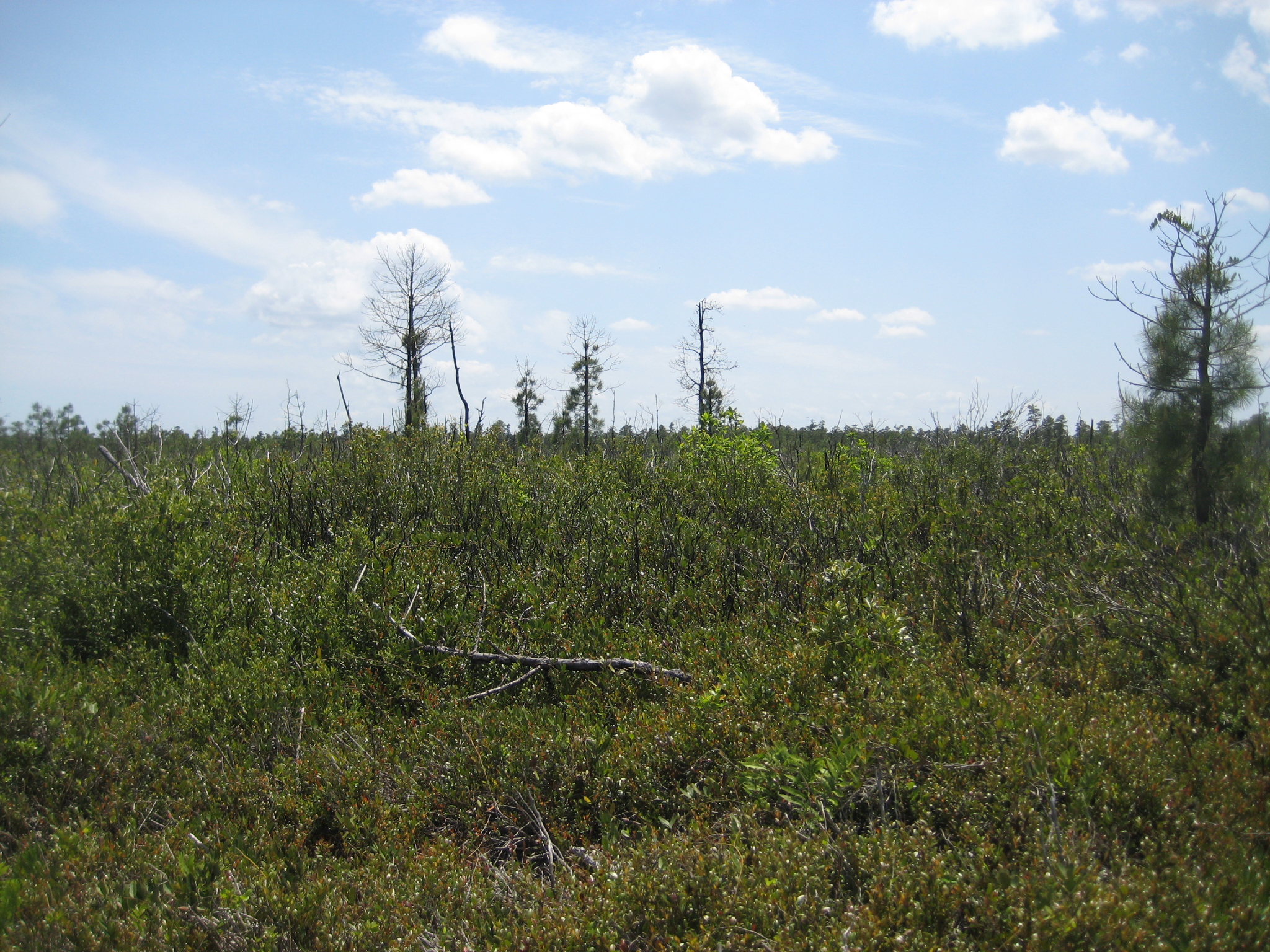
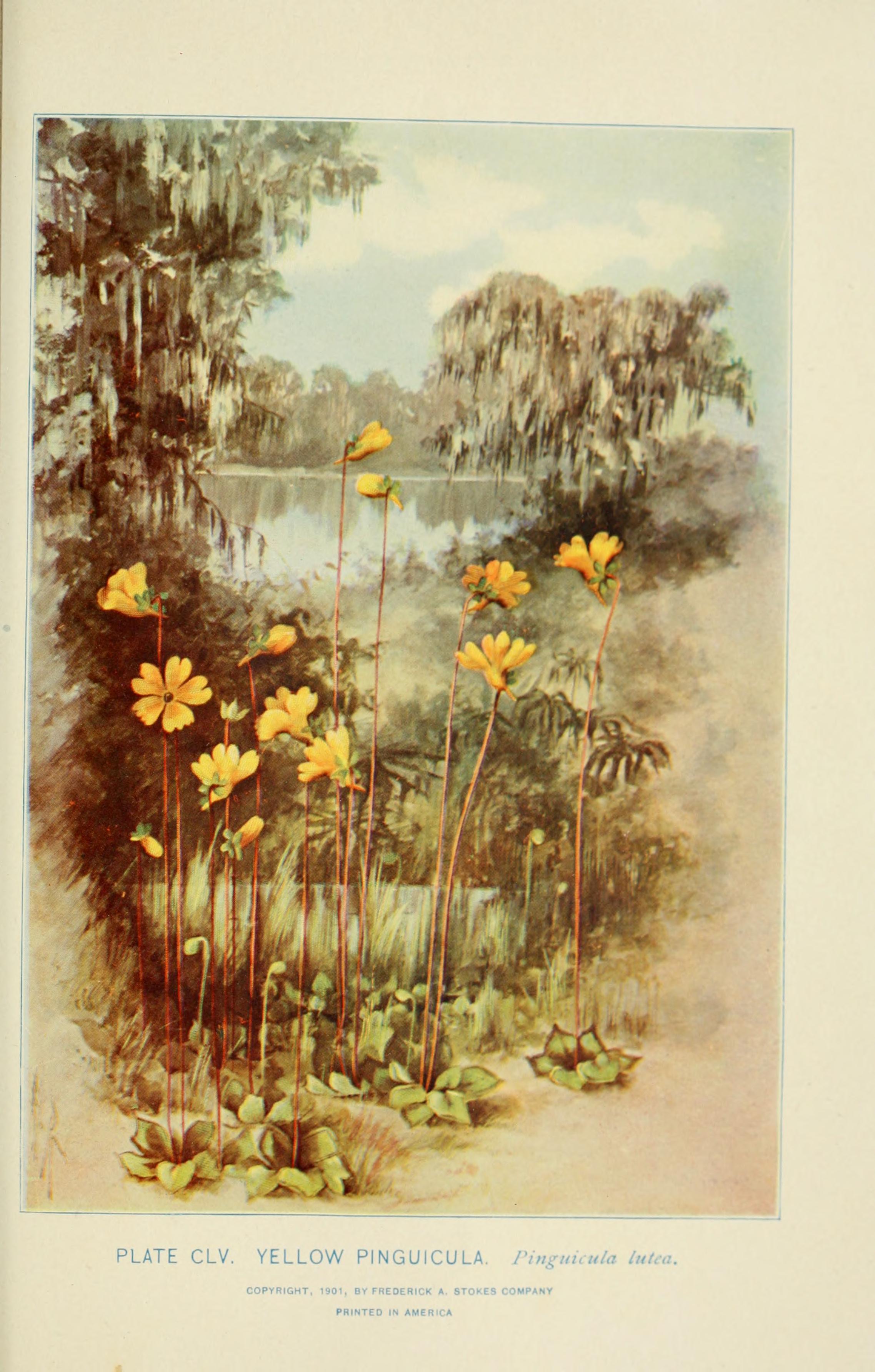
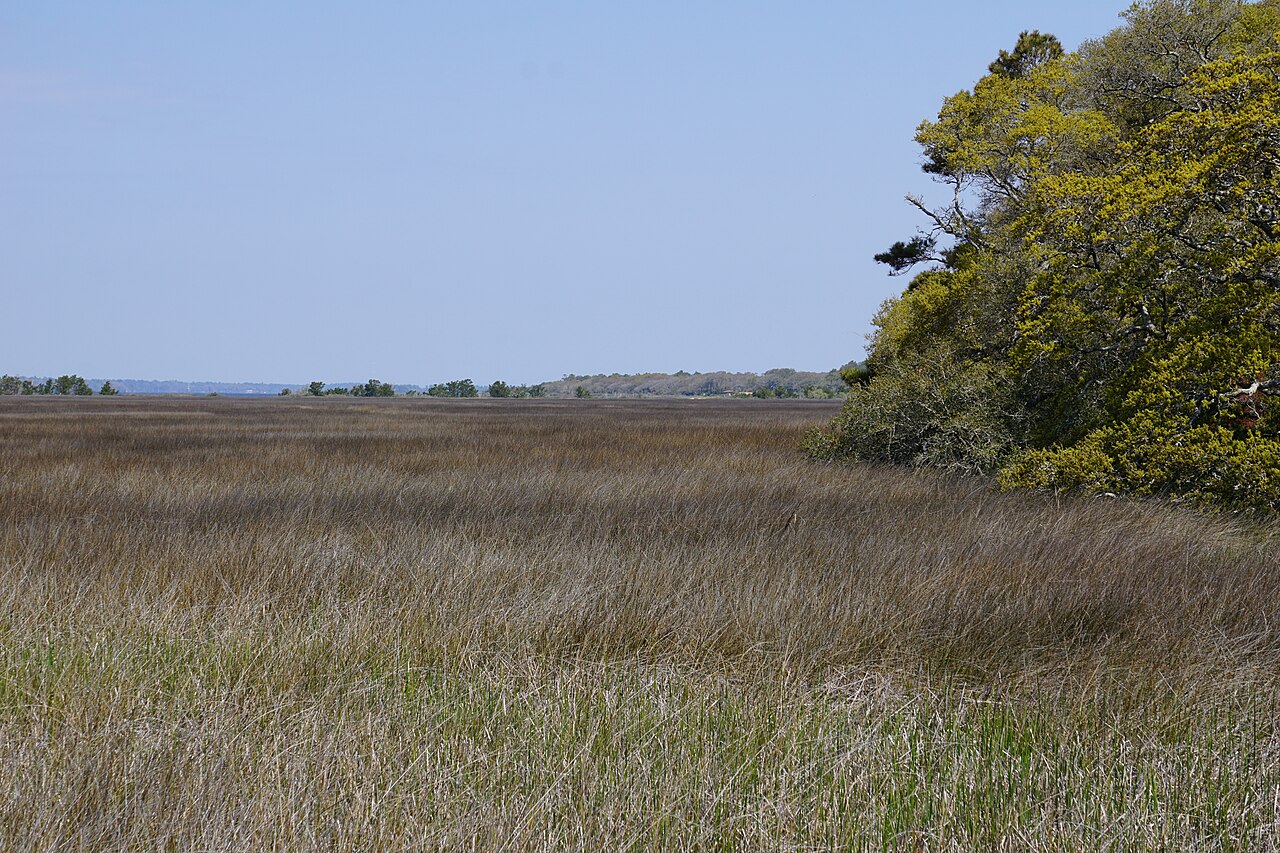
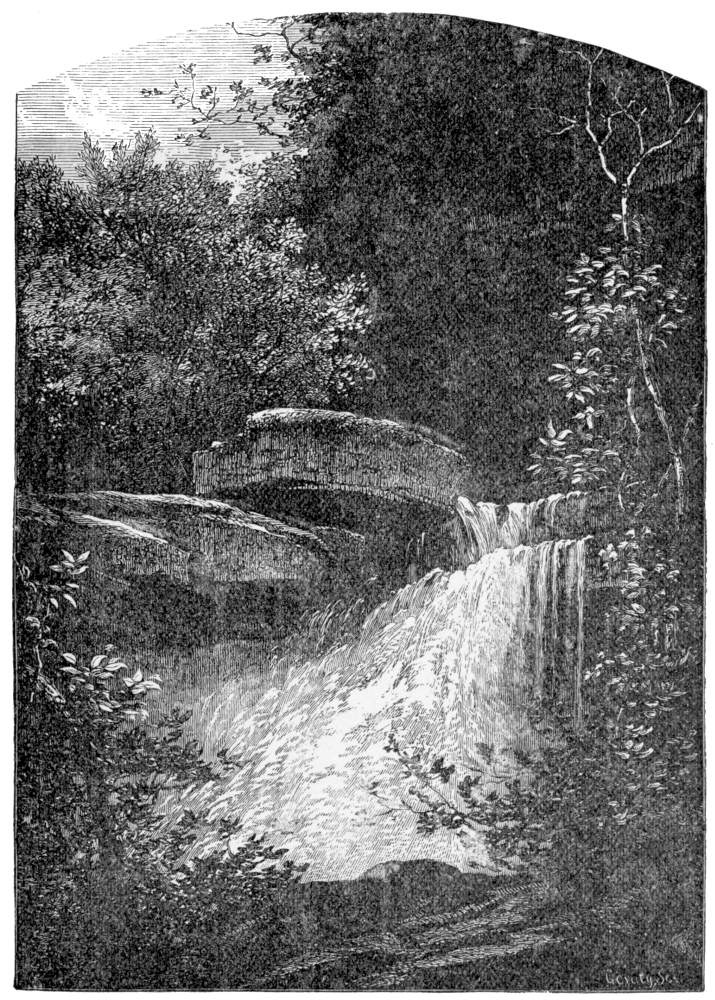
Streams, rivers and their banks
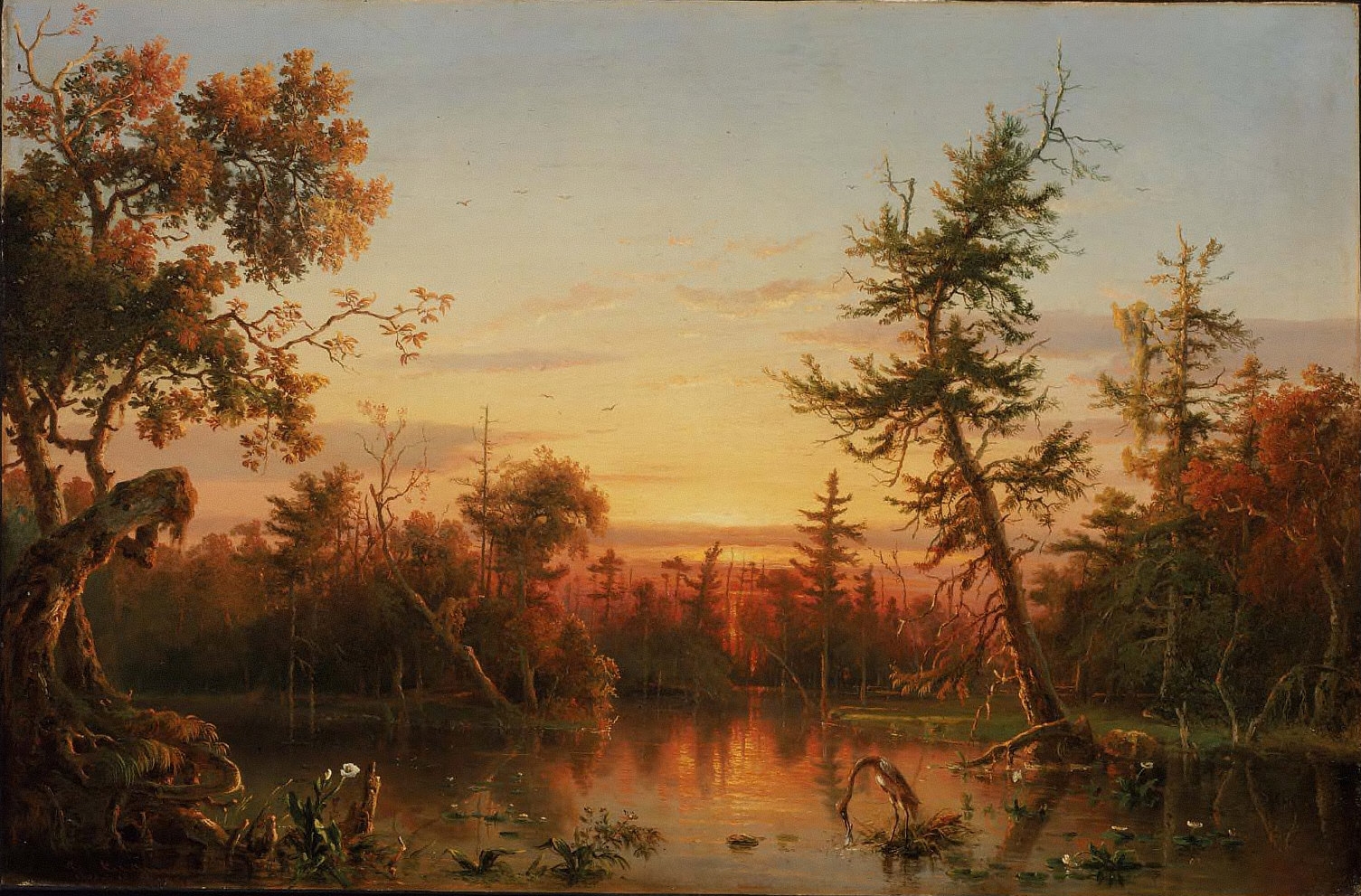
Coastal tidal marshes (salinity not stated)
Tidal marshes of the Atlantic and Gulf coasts where the source does not say whether the water is fresh, brackish or salt. A stated salinity files the marsh under freshwater tidal marshes or salt and brackish marshes instead.
Depression ponds and limesinks
Shallow ponds in Coastal Plain depressions, such as limesinks and the ponds in some Carolina bays, that rise and fall with the seasons.
Disturbed and introduced wetlands
Wet ground taken over by weedy or introduced plants after disturbance, such as common reed, Chinese tallow or tamarisk stands; the upland counterpart is roadsides, fields and disturbed ground.
Floodplain and bottomland forests
Forests on low ground beside rivers and streams that flood from time to time.
Marshes along tidal rivers where the water is fresh but rises and falls with the tide.
Roadsides, fields and disturbed ground
Ground opened by people: roadsides, old fields, pastures, fencerows and lots.
Salt and brackish open water of sounds, bays and estuaries, with the mud and sand flats and seagrass beds that tides cover and uncover; the vegetated marsh is salt and brackish marshes.
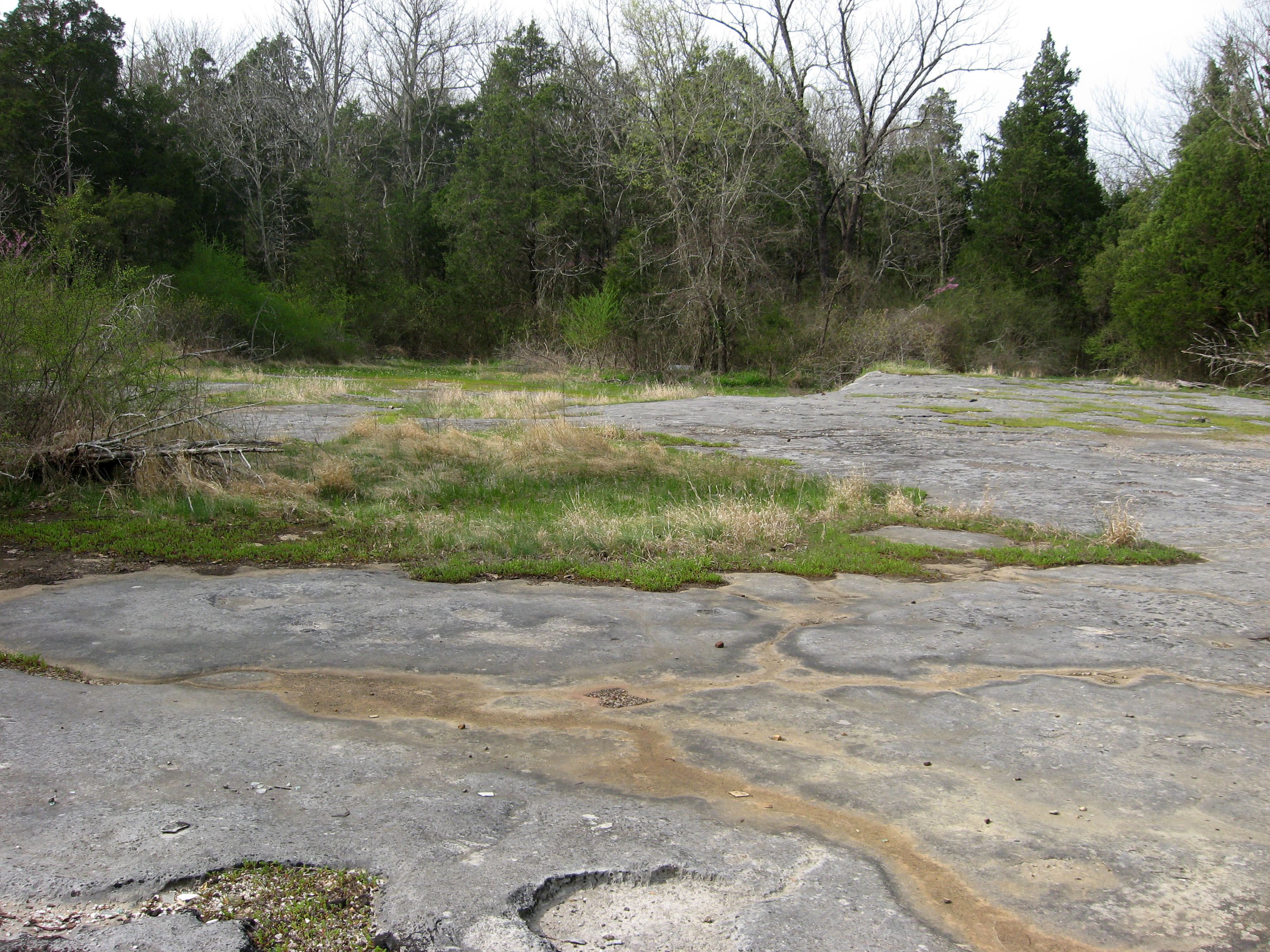
Glades, barrens and outcrops on limestone
Forests and open woodlands on dry ridges and slopes, often oak or pine.
Granite and other acidic rock outcrops
Bare or thin-soil rock on granite, gneiss, sandstone, quartzite and similar acidic rock, including granite flatrocks and domes.
Steep, sun-baked slopes of loose shale with sparse oaks and Virginia pine and their own endemic wildflowers. Linked only where the source names shale barrens; calcareous shale stays with the limestone glades.
Other habitats in its models (101)
Land cover, or classes with no habitat page in Virginia.
- Developed, Low Intensity Summer and winter.
- Open Water (Aquaculture) Summer and winter.
- Unconsolidated Shore (Lake/River/Pond) Summer and winter.
- Unconsolidated Shore Winter.
- Florida Panhandle Beach Vegetation Winter.
- East Gulf Coastal Plain Black Belt Calcareous Prairie and Woodland - Herbaceous Modifier Summer and winter.
- Crosstimbers Oak Forest and Woodland Summer, only within 250 m of water.
- North-Central Interior Dry-Mesic Oak Forest and Woodland Summer, only within 250 m of water.
- North-Central Interior Dry Oak Forest and Woodland Summer, only within 250 m of water.
- East-Central Texas Plains Post Oak Savanna and Woodland Winter.
- East-Central Texas Plains Riparian Forest Winter.
- East-Central Texas Plains Floodplain Forest Winter.
- Lower Mississippi River Dune Woodland and Forest Winter.
- Western Great Plains Wooded Draw and Ravine Summer and winter.
- East Gulf Coastal Plain Black Belt Calcareous Prairie and Woodland - Woodland Modifier Summer and winter.
- Allegheny-Cumberland Dry Oak Forest and Woodland - Pine Modifier Summer, only within 250 m of water.
- Central Interior Highlands Dry Acidic Glade and Barrens Summer, only within 250 m of water.
- Florida Longleaf Pine Sandhill - Open Understory Modifier Winter.
- East-Central Texas Plains Pine Forest and Woodland Winter.
- North-Central Interior Oak Savanna Summer, only within 250 m of water.
- North-Central Oak Barrens Summer, only within 250 m of water.
- Southern Piedmont Glade and Barrens Summer and winter.
- Nashville Basin Limestone Glade Summer, only within 250 m of water.
- Central Appalachian Alkaline Glade and Woodland Summer, only within 250 m of water.
- Central Interior Highlands Calcareous Glade and Barrens Summer, only within 250 m of water.
- West Gulf Coastal Plain Catahoula Barrens Winter.
- West Gulf Coastal Plain Nepheline Syenite Glade Winter.
- Atlantic Coastal Plain Xeric River Dune Winter.
- Eastern Highland Rim Prairie and Barrens - Dry Modifier Summer and winter.
- Central Mixedgrass Prairie Summer, only within 250 m of water.
- North-Central Interior Sand and Gravel Tallgrass Prairie Summer, only within 250 m of water.
- Arkansas Valley Prairie and Woodland Summer, only within 250 m of water.
- Central Tallgrass Prairie Summer, only within 250 m of water.
- Florida Dry Prairie Winter.
- West Gulf Coastal Plain Northern Calcareous Prairie Winter.
- West Gulf Coastal Plain Southern Calcareous Prairie Winter.
- East Gulf Coastal Plain Jackson Prairie and Woodland Summer and winter.
- Atlantic Coastal Plain Southern Dune and Maritime Grassland Winter.
- Southwest Florida Dune and Coastal Grassland Winter.
- Texas-Louisiana Coastal Prairie Winter.
- East Gulf Coastal Plain Dune and Coastal Grassland Winter.
- Central and Upper Texas Coast Dune and Coastal Grassland Winter.
- Recently Logged Areas Summer, only within 250 m of water.
- Harvested Forest - Grass/Forb Regeneration Summer and winter.
- Recently Burned Summer and winter.
- Recently Burned Forest Summer and winter.
- Recently Burned Grassland Summer and winter.
- Introduced Upland Vegetation - Forbland Summer and winter.
- Introduced Upland Vegetation - Annual Grassland Summer and winter.
- Introduced Upland Vegetation - Perennial Grassland Summer and winter.
- Atlantic Coastal Plain Central Salt and Brackish Tidal Marsh Summer and winter.
- Atlantic Coastal Plain Indian River Lagoon Tidal Marsh Winter.
- Mississippi Sound Salt and Brackish Tidal Marsh Winter.
- Florida Big Bend Salt-Brackish Tidal Marsh Winter.
- Southern Coastal Plain Nonriverine Basin Swamp - Okefenokee Taxodium Modifier Winter.
- Southern Coastal Plain Nonriverine Basin Swamp - Okefenokee Bay/Gum Modifier Winter.
- Southern Coastal Plain Nonriverine Basin Swamp - Okefenokee Pine Modifier Winter.
- Southern Coastal Plain Nonriverine Basin Swamp - Okefenokee Nupea Modifier Winter.
- Southern Coastal Plain Nonriverine Basin Swamp - Okefenokee Clethra Modifier Winter.
- Atlantic Coastal Plain Clay-Based Carolina Bay Herbaceous Wetland Winter.
- West Gulf Coastal Plain Seepage Swamp and Baygall Winter.
- East Gulf Coastal Plain Tidal Wooded Swamp Winter.
- South Florida Everglades Sawgrass Marsh Winter.
- Central Interior and Appalachian Shrub-Herbaceous Wetland Systems Summer.
- Floridian Highlands Freshwater Marsh Winter.
- Central Florida Herbaceous Seep Winter.
- Florida Big Bend Fresh-Oligohaline Tidal Marsh Winter.
- West Gulf Coastal Plain Near-Coast Large River Swamp Winter.
- South Florida Bayhead Swamp Winter.
- Southern Coastal Plain Nonriverine Basin Swamp Winter.
- Southern Coastal Plain Herbaceous Seepage Bog Winter.
- Atlantic Coastal Plain Central Fresh-Oligohaline Tidal Marsh Summer and winter.
- South Florida Dwarf Cypress Savanna Winter.
- South Florida Wet Marl Prairie Winter.
- East Gulf Coastal Plain Savanna and Wet Prairie Winter.
- Texas Saline Coastal Prairie Winter.
- Eastern Great Plains Wet Meadow, Prairie, and Marsh Winter.
- South Florida Cypress Dome Winter.
- Western Great Plains Depressional Wetland Systems Winter.
- Central Florida Herbaceous Pondshore Winter.
- East Gulf Coastal Plain Southern Depression Pondshore Summer and winter.
- East Gulf Coastal Plain Large River Floodplain Forest - Forest Modifier Summer and winter.
- East Gulf Coastal Plain Large River Floodplain Forest - Herbaceous Modifier Summer and winter.
- South-Central Interior Large Floodplain - Herbaceous Modifier Summer.
- Western Great Plains Floodplain Systems Winter.
- Eastern Great Plains Floodplain Systems Winter.
- Western Great Plains Floodplain Winter.
- Mississippi River Riparian Forest Summer and winter.
- Mississippi River Low Floodplain (Bottomland) Forest Winter.
- West Gulf Coastal Plain Large River Floodplain Forest Winter.
- Atlantic Coastal Plain Small Blackwater River Floodplain Forest Winter.
- Red River Large Floodplain Forest Summer and winter.
- East Gulf Coastal Plain Small Stream and River Floodplain Forest Summer and winter.
- Southern Coastal Plain Blackwater River Floodplain Forest Winter.
- Texas-Louisiana Coastal Prairie Slough Winter.
- Mississippi River Floodplain and Riparian Forest Summer and winter.
- Atlantic Coastal Plain Southern Wet Pine Savanna and Flatwoods Winter.
- West Gulf Coastal Plain Wet Longleaf Pine Savanna and Flatwoods Winter.
- South-Central Interior / Upper Coastal Plain Wet Flatwoods Summer.
- North-Central Interior Wet Flatwoods Summer.
- Lower Mississippi River Flatwoods Winter.
Seasons in Virginia
- Year-round: nests here, in 53 of 133 counties and cities.
- Migratory: does not nest here, in 15 of 133 counties and cities.
- Summer: nests here, in 89 of 133 counties and cities.
Also found in this habitat
Plants 691
Plants named in NatureServe descriptions of these habitats that grow in Virginia. Shared habitat, not food.
- Red MapleAcer rubrum
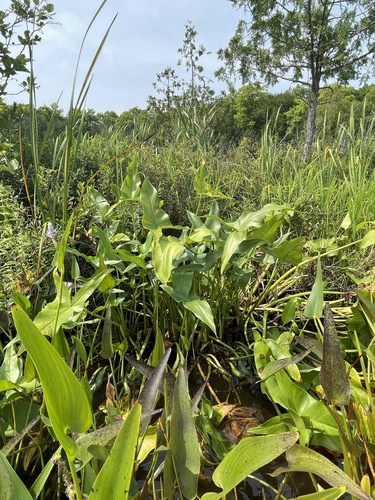
- Green Arrow-arumPeltandra virginica
- Rice CutgrassLeersia oryzoides
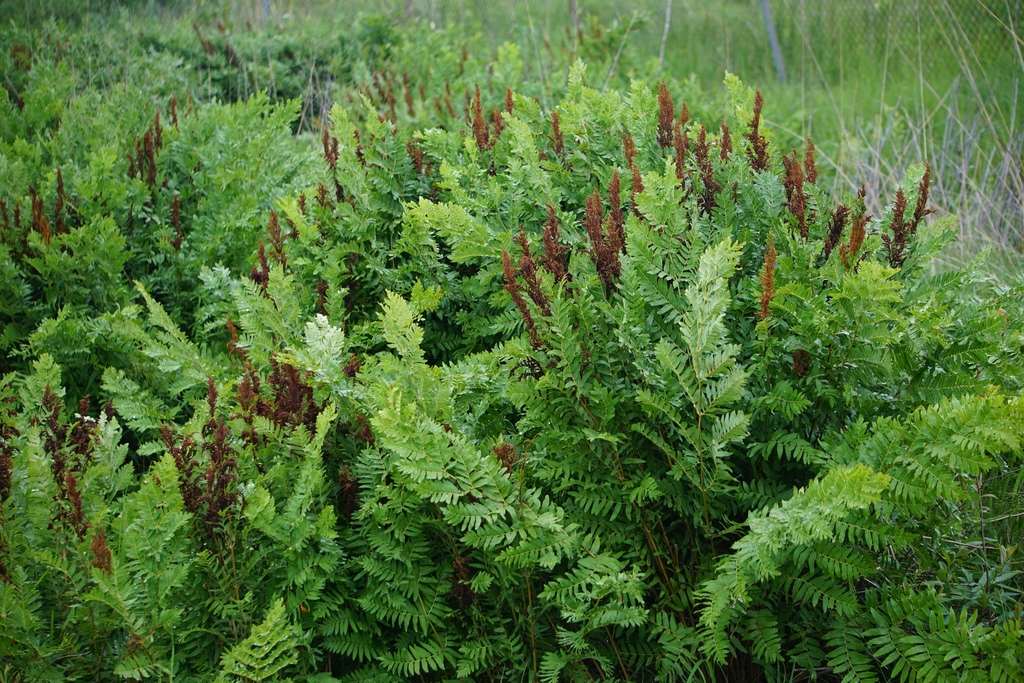
- Royal FernOsmunda spectabilis
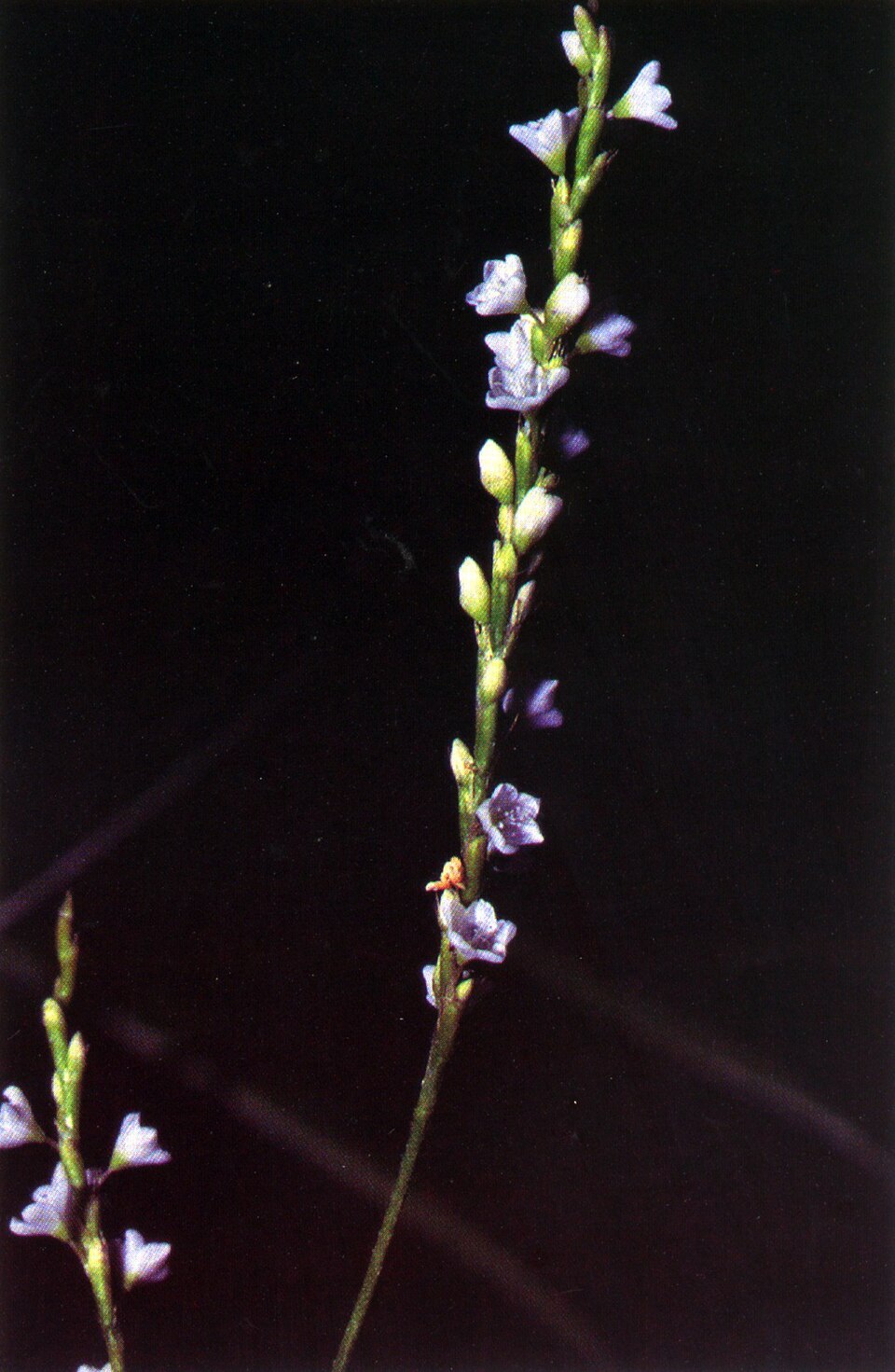
- Dotted SmartweedPersicaria punctata
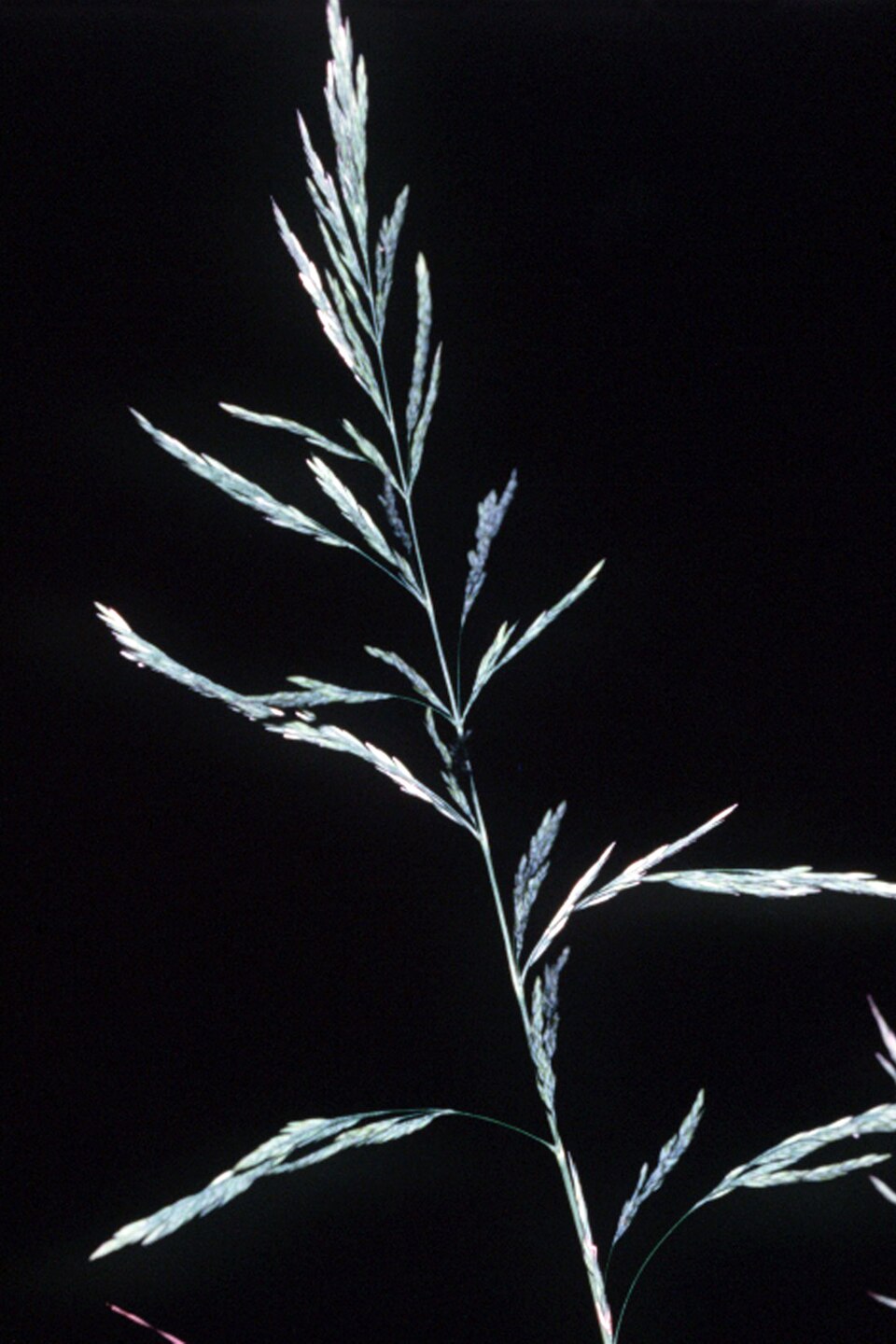
- Sweet WoodreedCinna arundinacea
- Poverty OatgrassDanthonia spicata
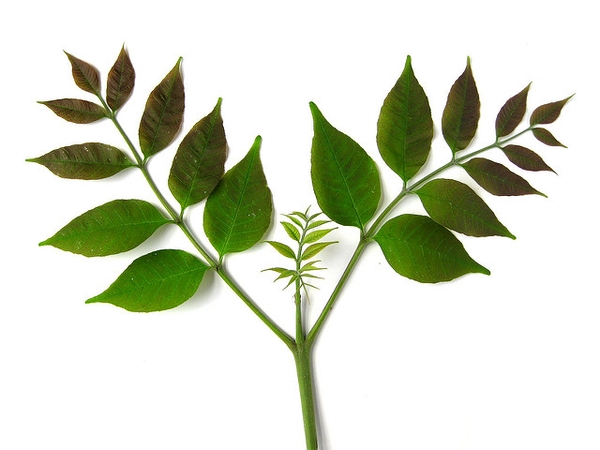
- White AshFraxinus americana
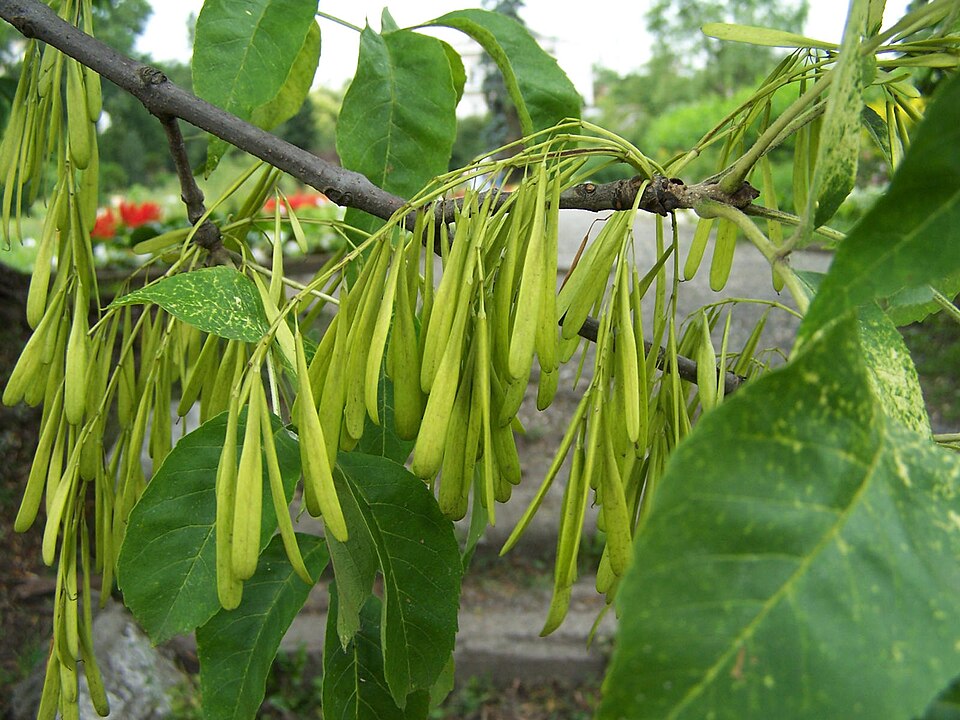
- Green AshFraxinus pennsylvanica
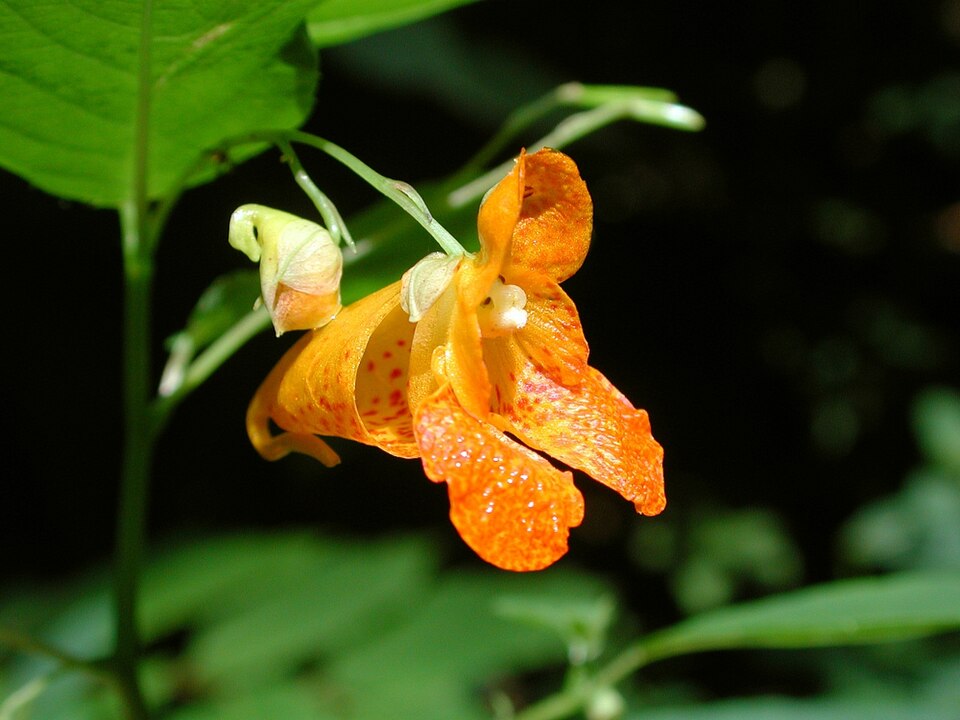
- Spotted JewelweedImpatiens capensis
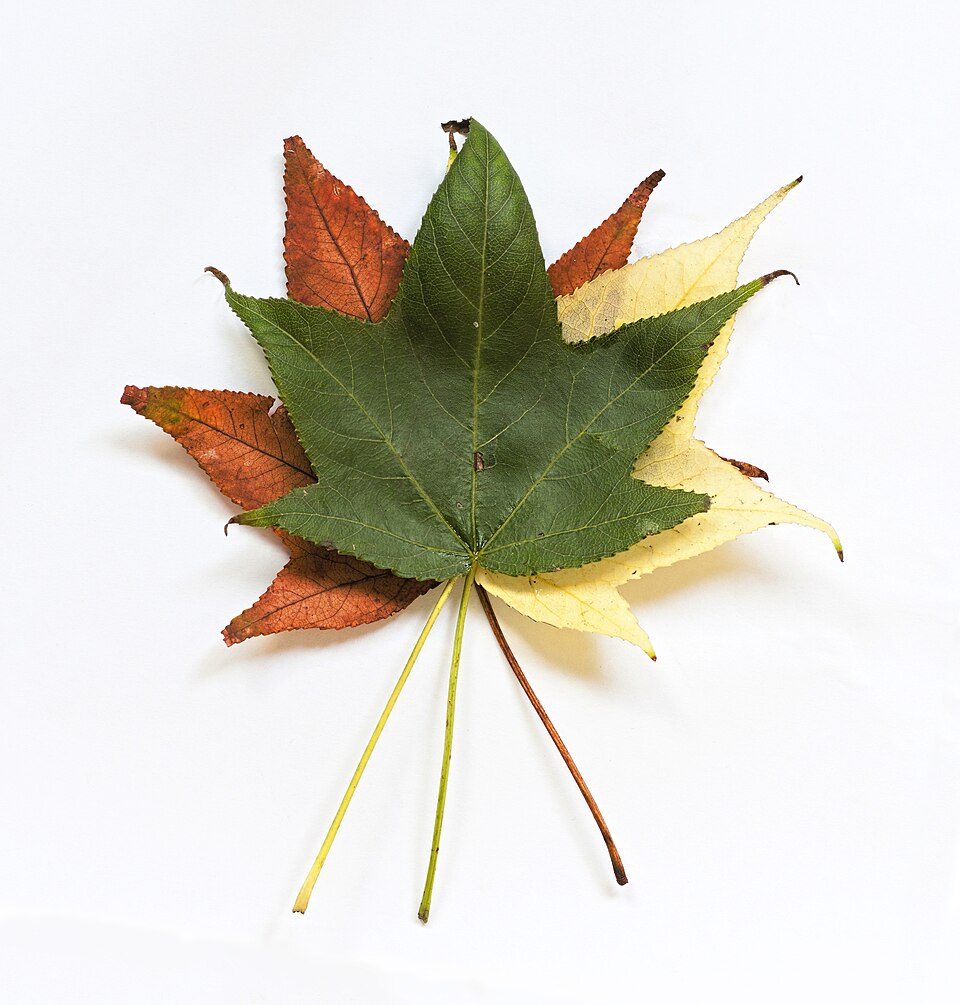
- SweetgumLiquidambar styraciflua
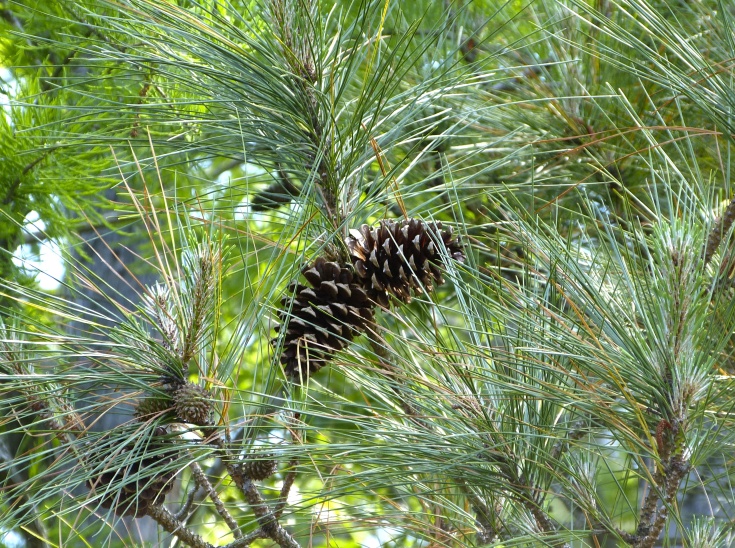
- Loblolly PinePinus taeda
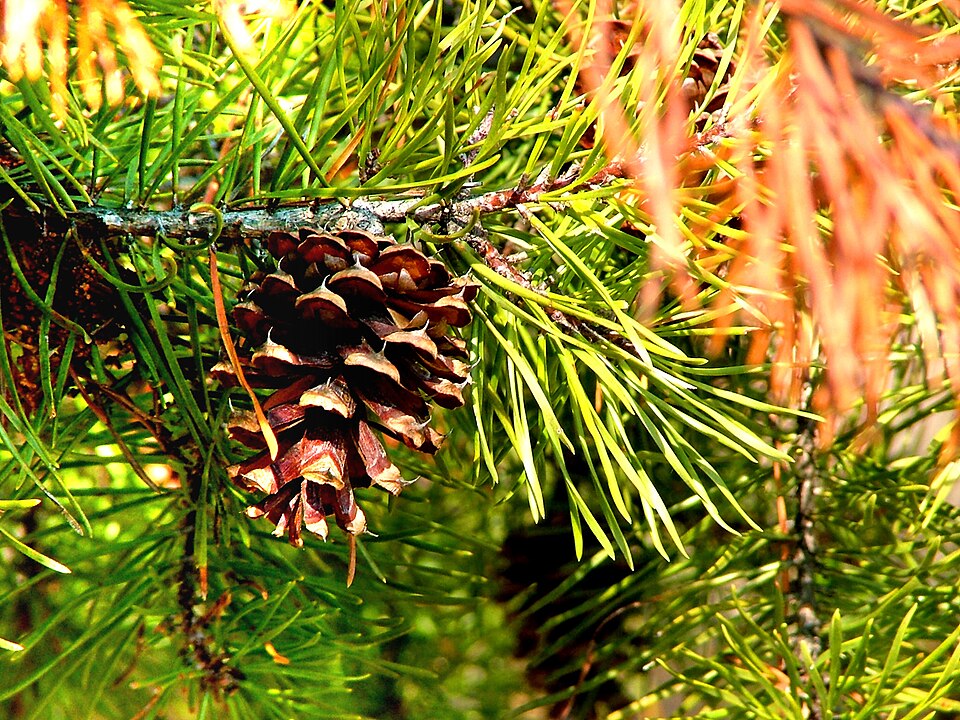
- Virginia PinePinus virginiana
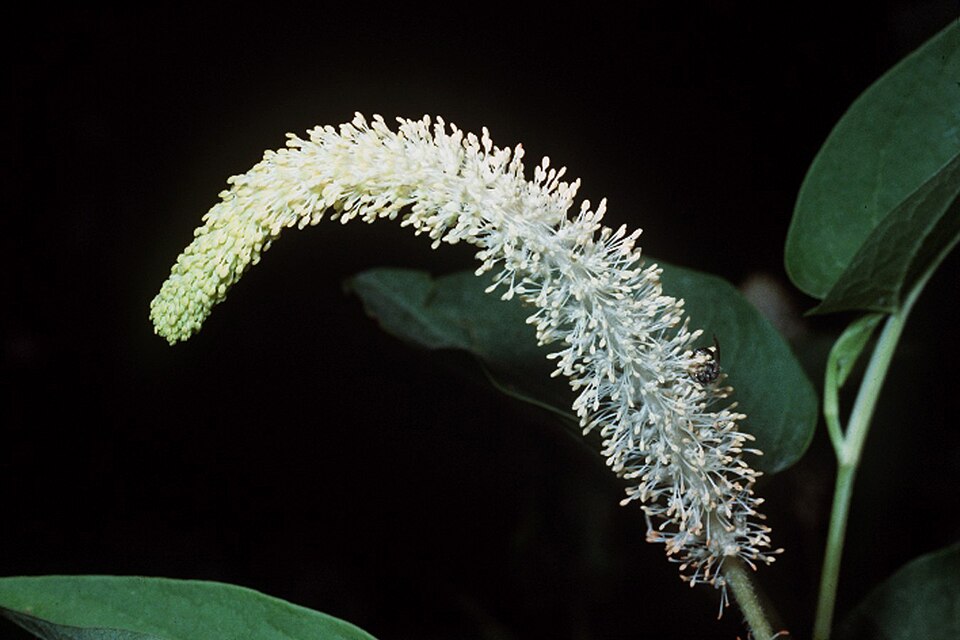
- Lizard's-tailSaururus cernuus
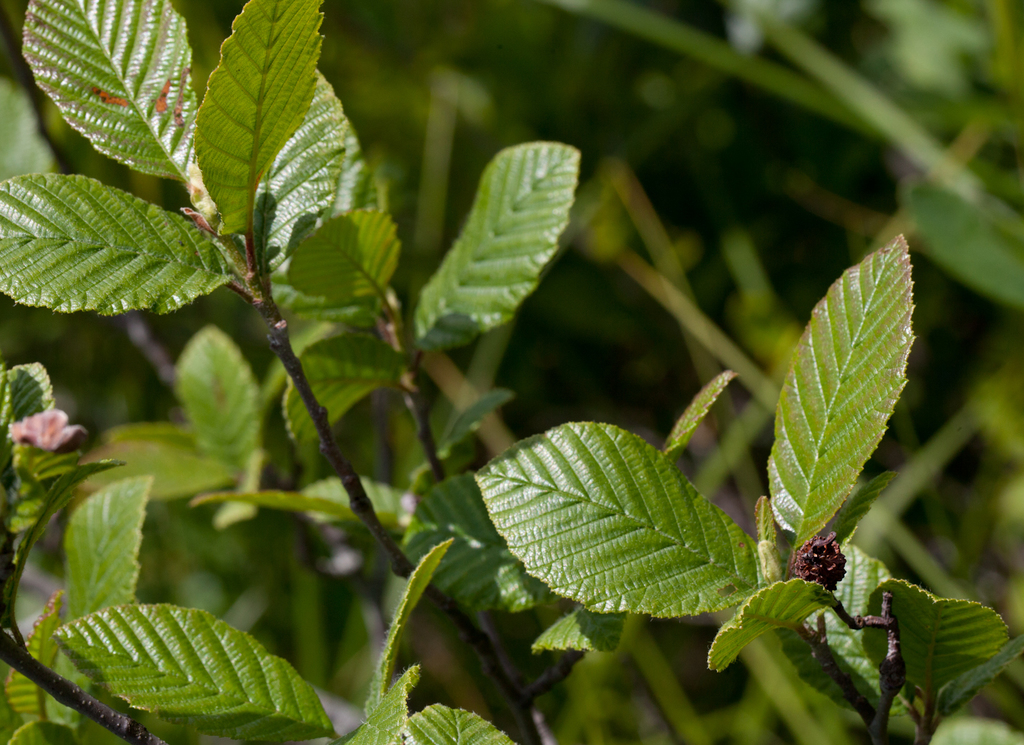
- Hazel AlderAlnus serrulata
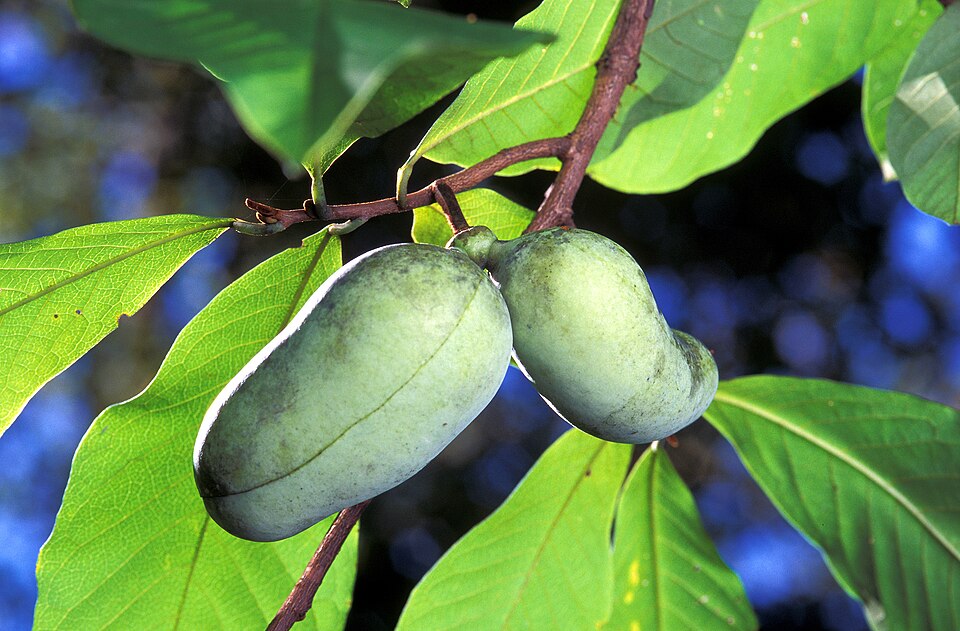
- Common PawpawAsimina triloba
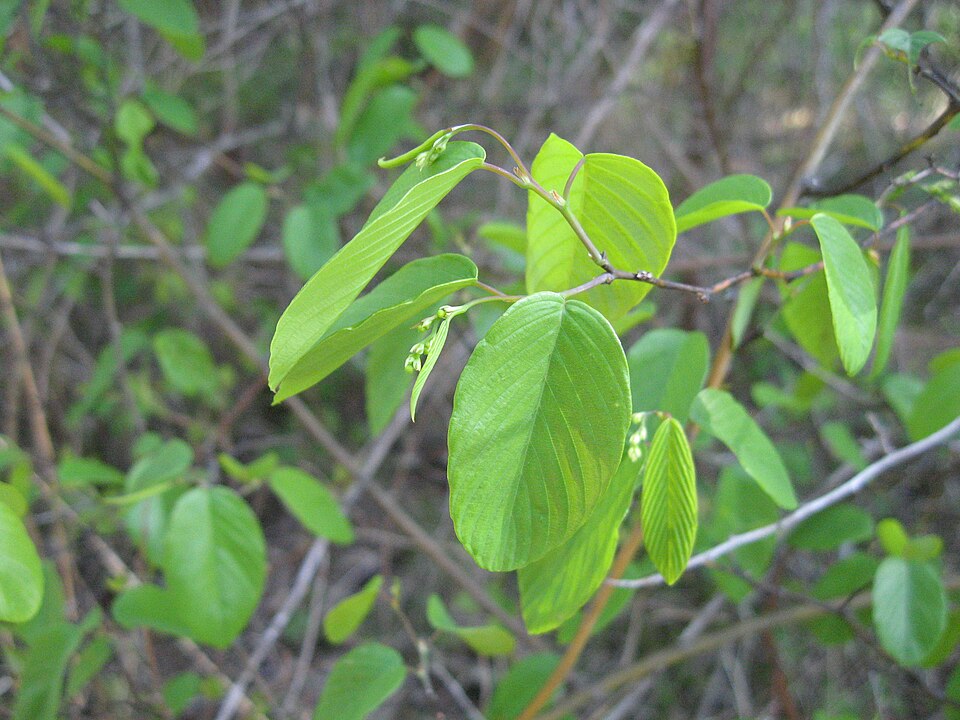
- SupplejackBerchemia scandens
- False NettleBoehmeria cylindrica
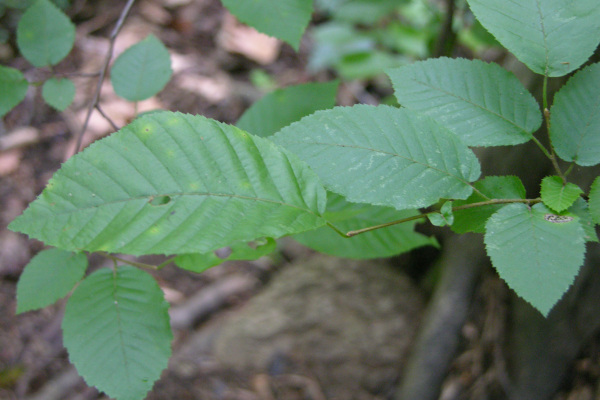
- American HornbeamCarpinus caroliniana
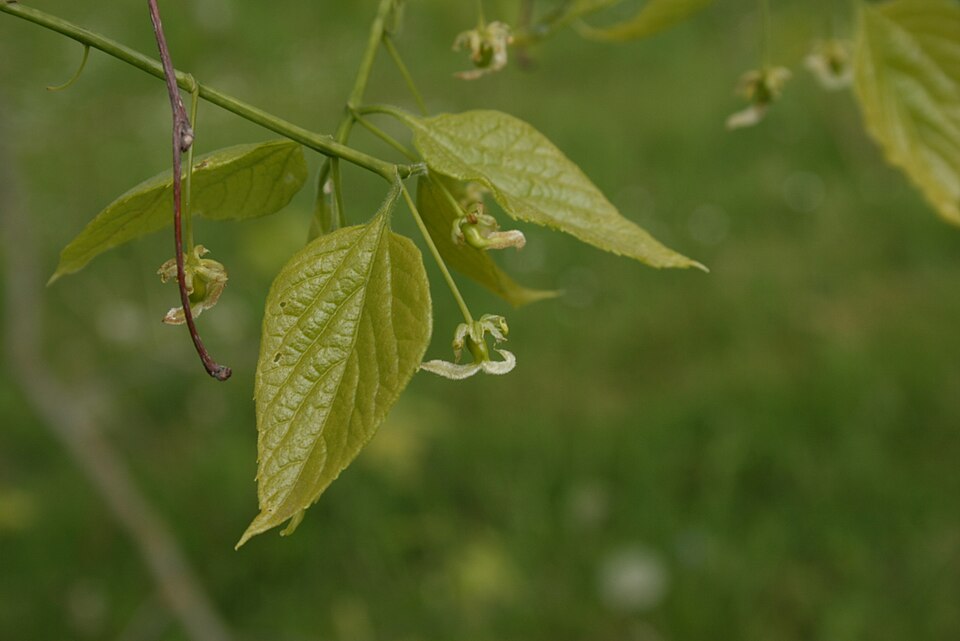
- Common HackberryCeltis occidentalis
- Northern SpicebushLindera benzoin
- Marsh SeedboxLudwigia palustris
- Common WaxmyrtleMorella cerifera
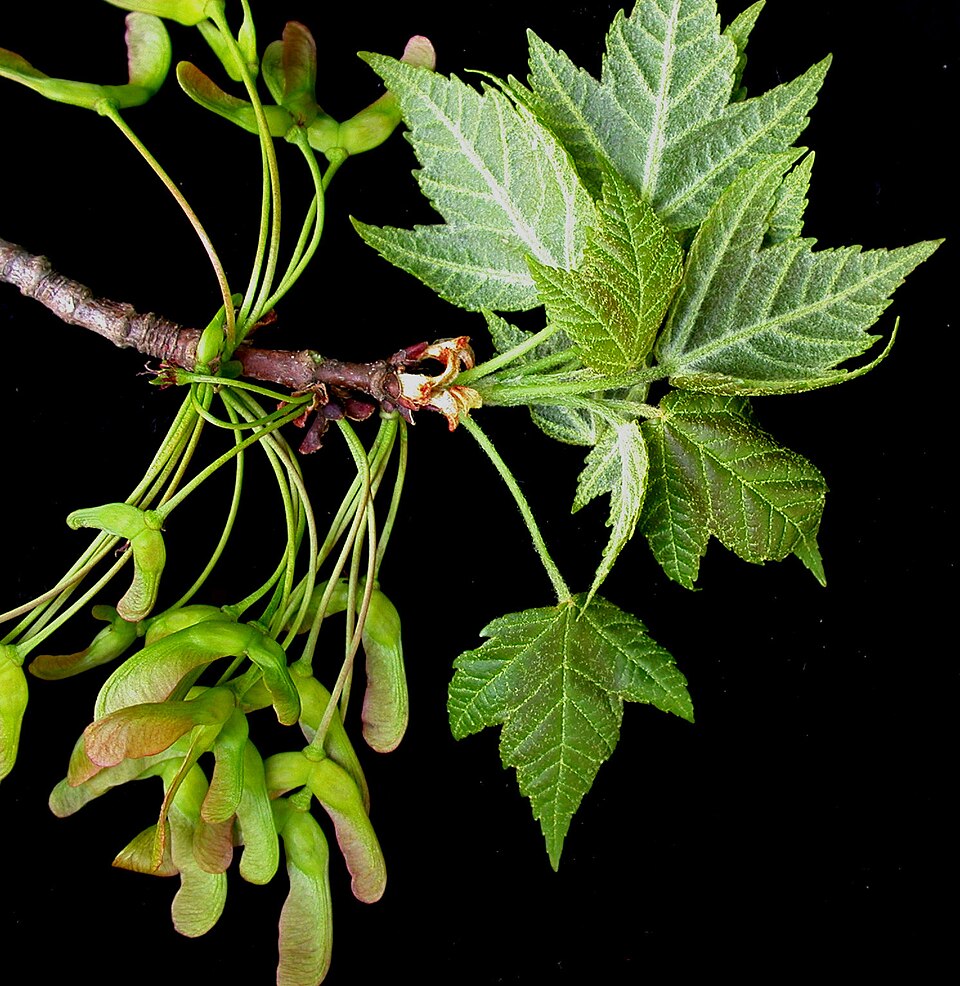
- Swamp TupeloNyssa biflora
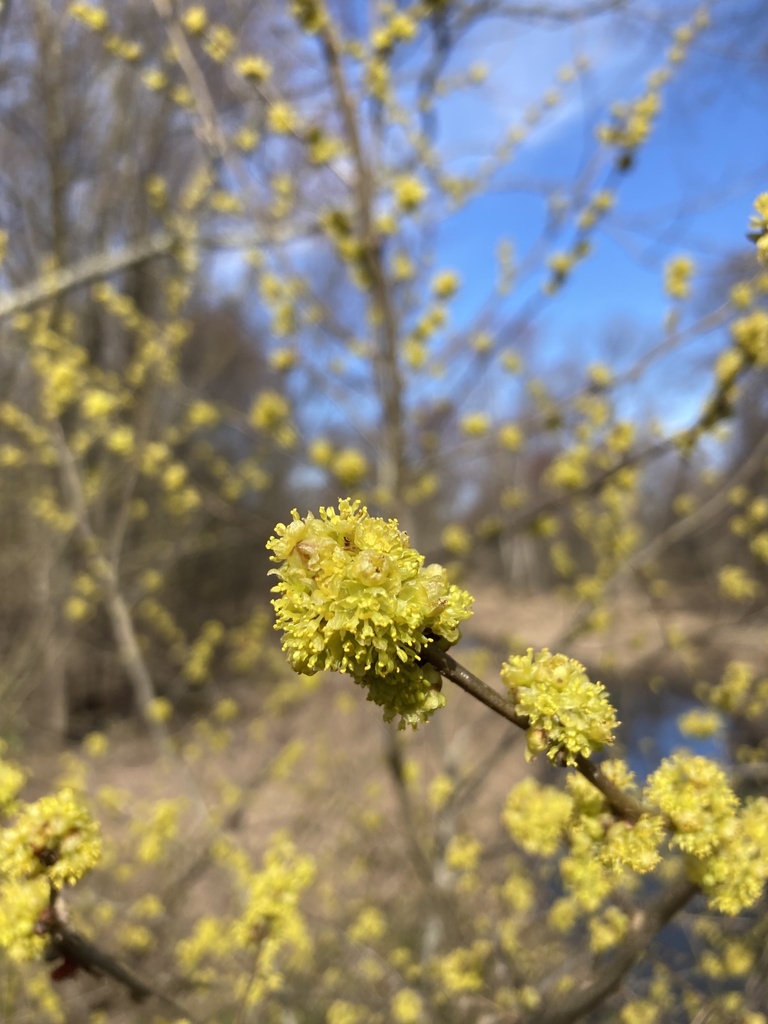
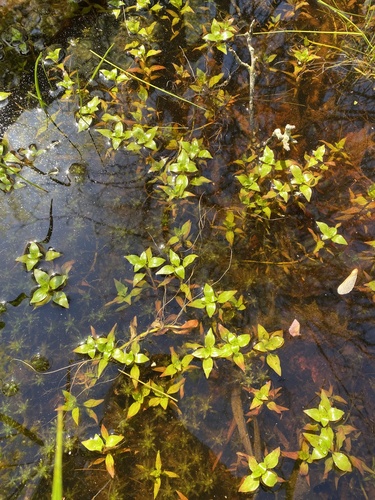
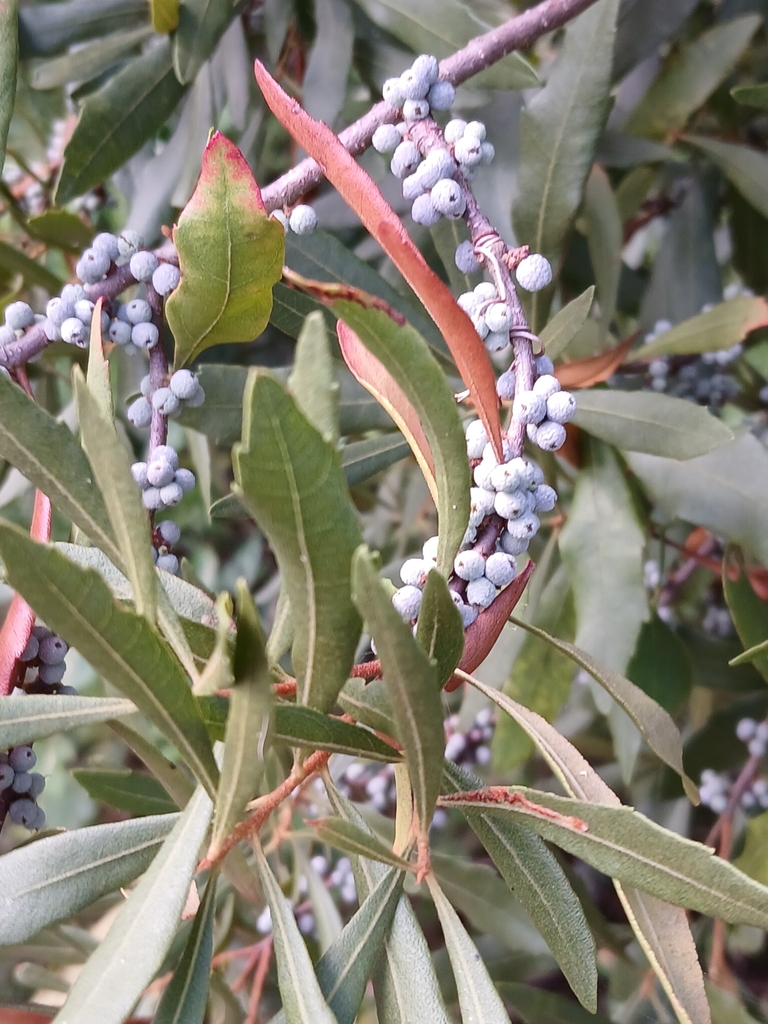
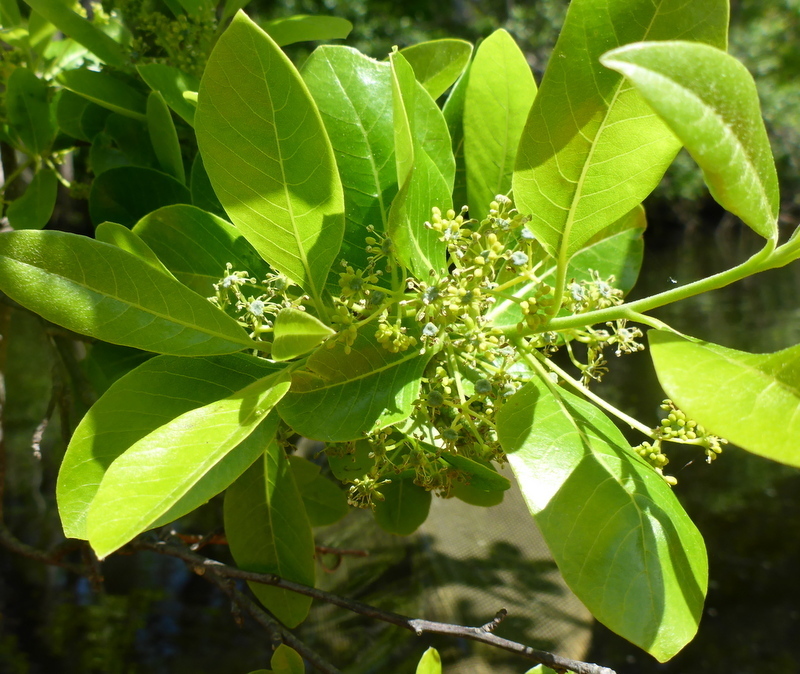
Wildlife 264
Other animals whose habitat models include the same habitats in Virginia. Not sighting records.
- Hairy WoodpeckerPicoides villosus
- Indigo BuntingPasserina cyanea
- Least BitternIxobrychus exilis
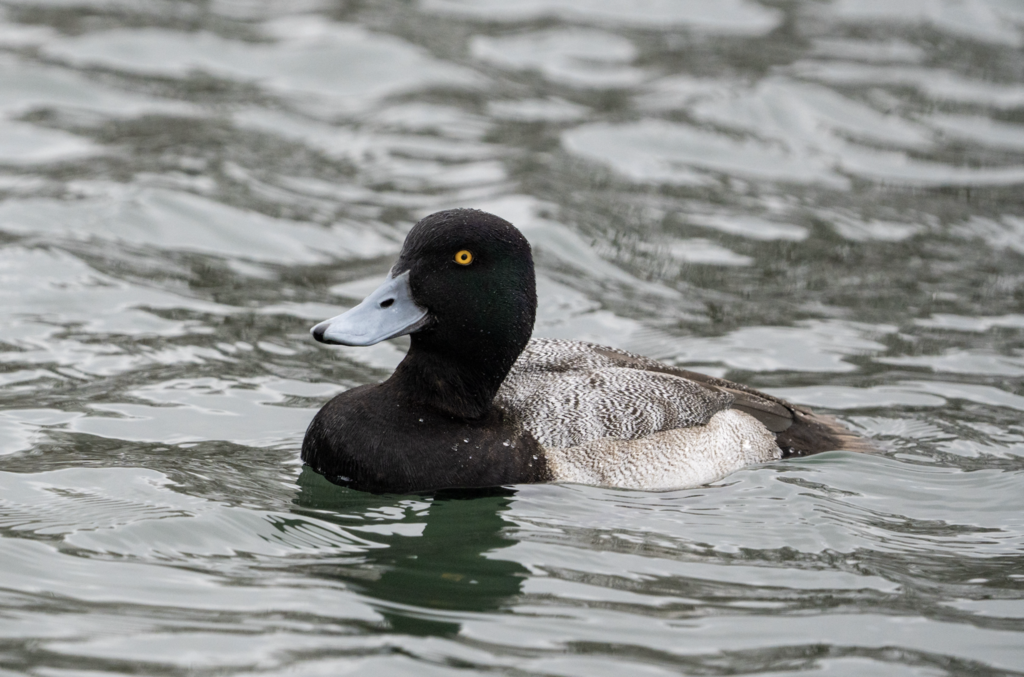
- Lesser ScaupAythya affinis
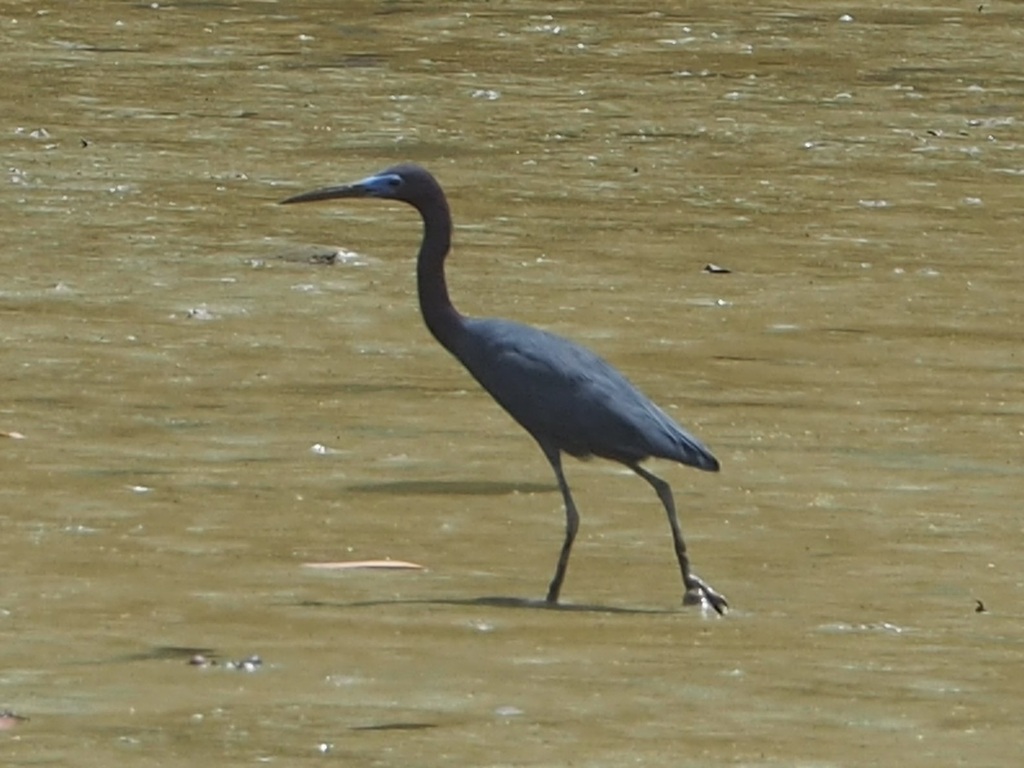
- Little Blue HeronEgretta caerulea
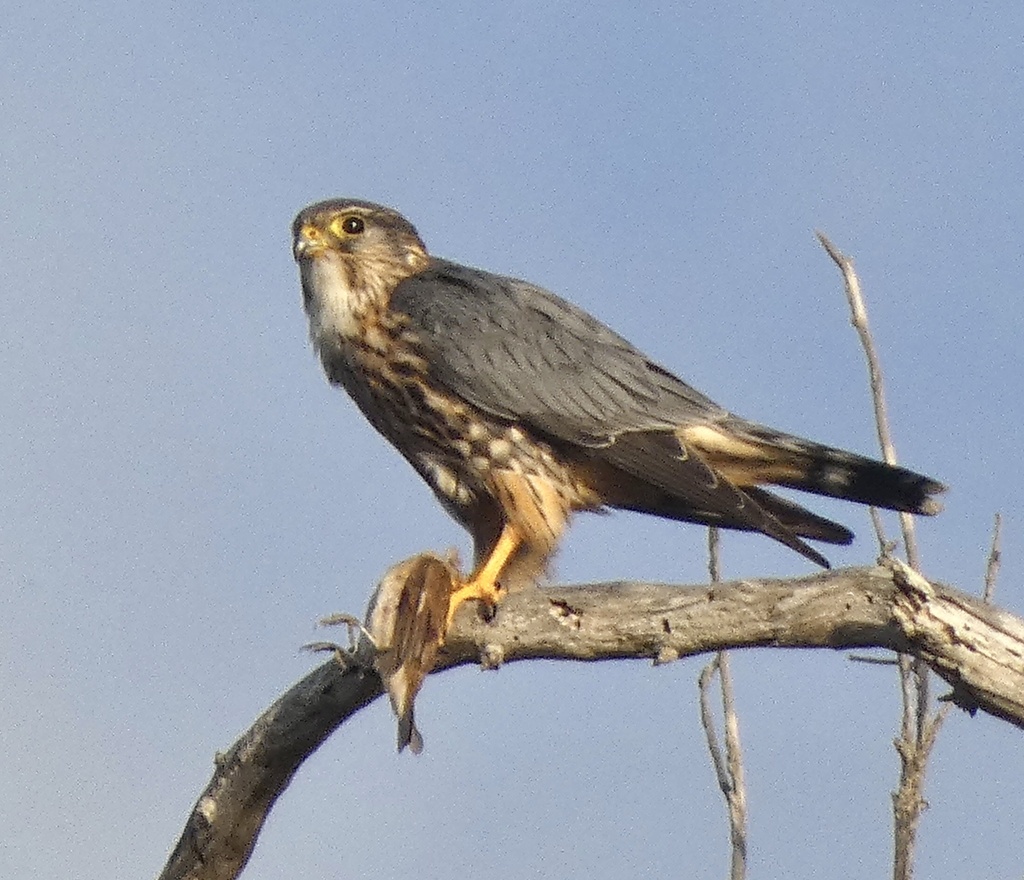
- MerlinFalco columbarius
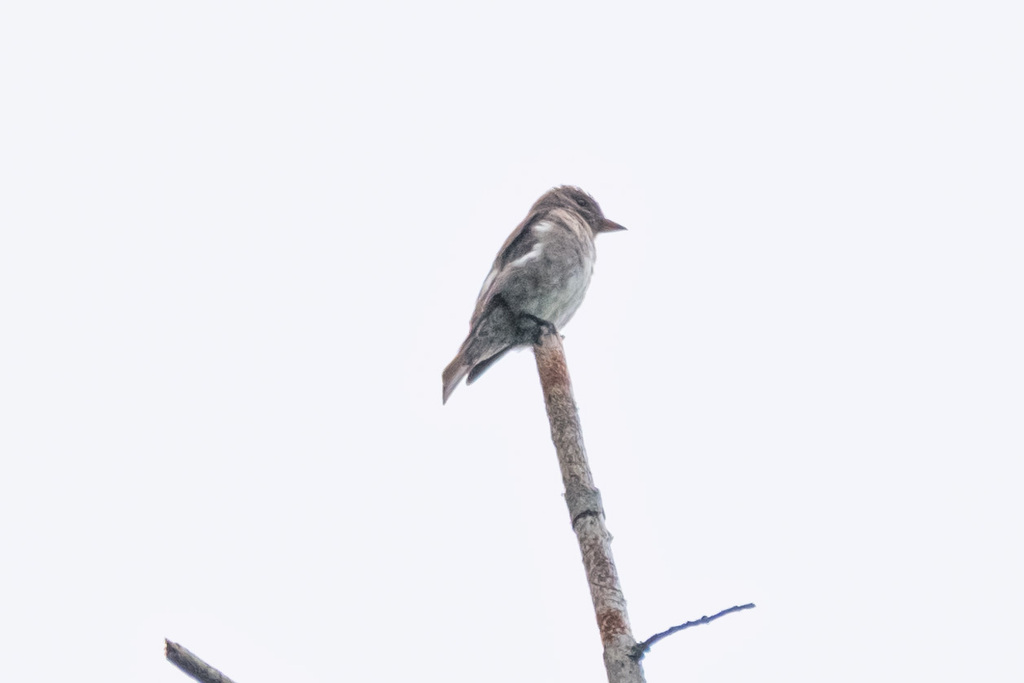
- Olive-sided FlycatcherContopus cooperi
- Pine SiskinCarduelis pinus
- Purple FinchCarpodacus purpureus
- Red-bellied WoodpeckerMelanerpes carolinus
- Red-shouldered HawkButeo lineatus
- Ring-billed GullLarus delawarensis
- Ring-necked DuckAythya collaris
- Ruby-crowned KingletRegulus calendula
- Ruddy DuckOxyura jamaicensis
- Semipalmated PloverCharadrius semipalmatus
- Stilt SandpiperCalidris himantopus
- Tufted TitmouseBaeolophus bicolor
- Tundra SwanCygnus columbianus
- White IbisEudocimus albus
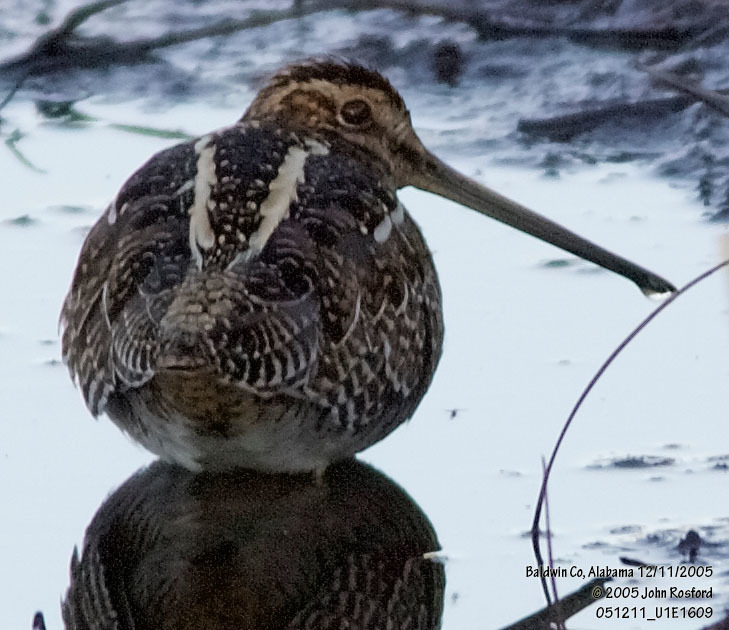
- Wilson's SnipeGallinago delicata
- Wood DuckAix sponsa
- Yellow-bellied SapsuckerSphyrapicus varius
- Yellow-billed CuckooCoccyzus americanus






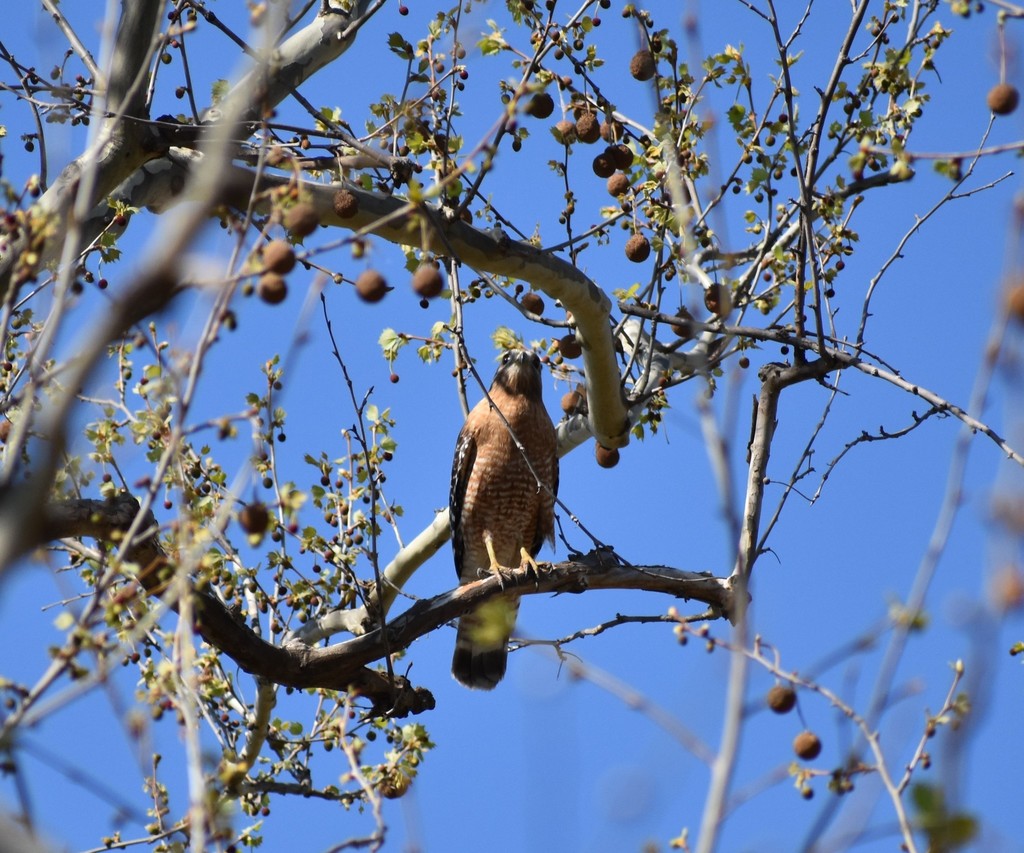
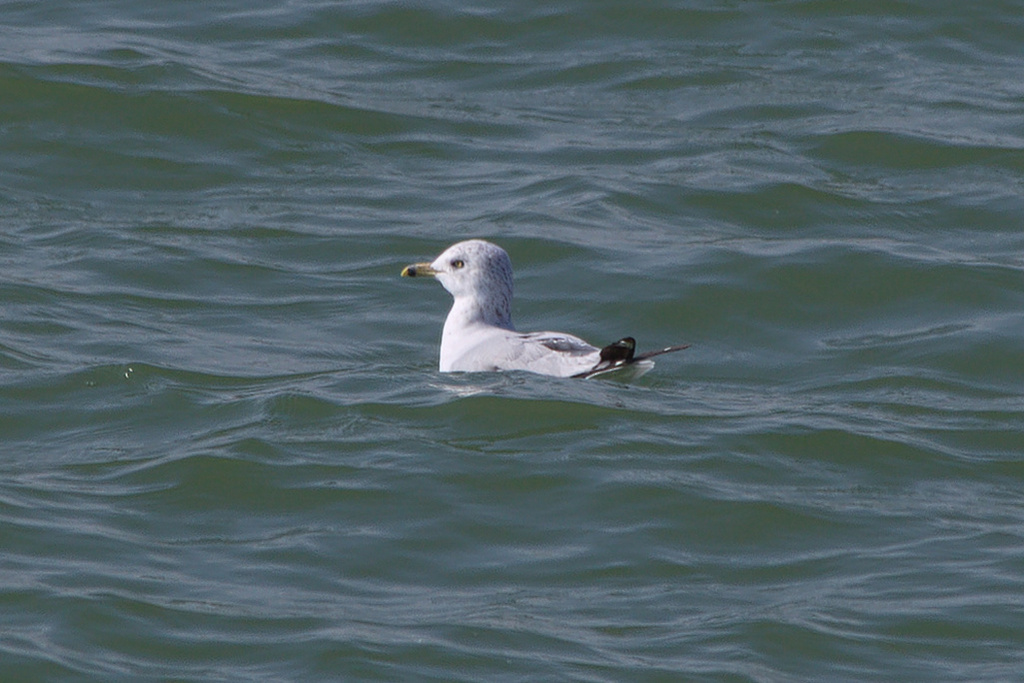
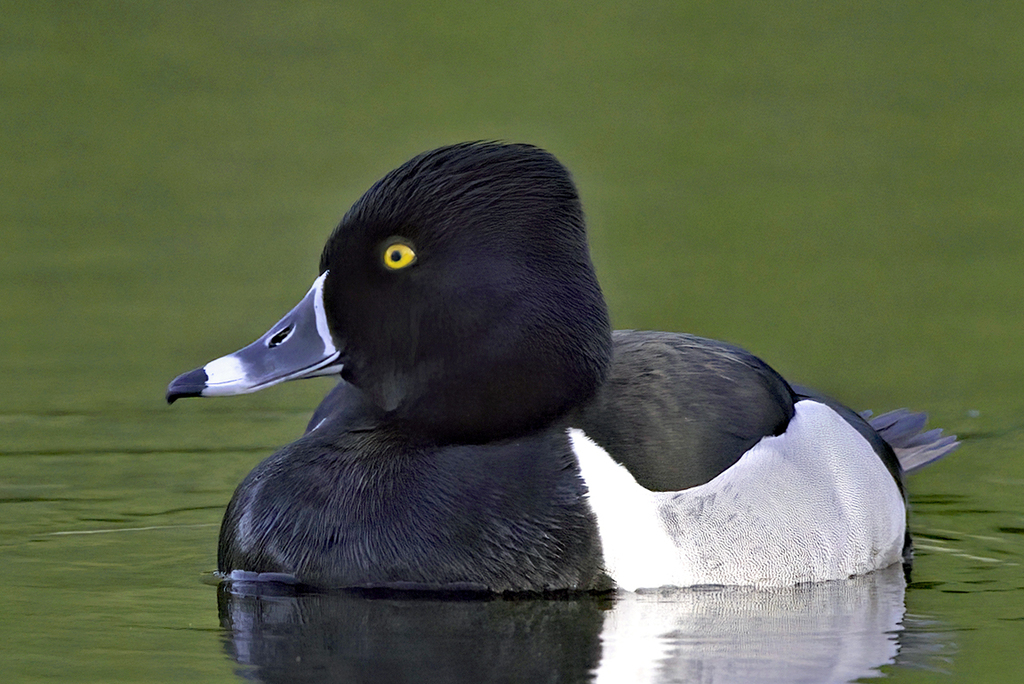

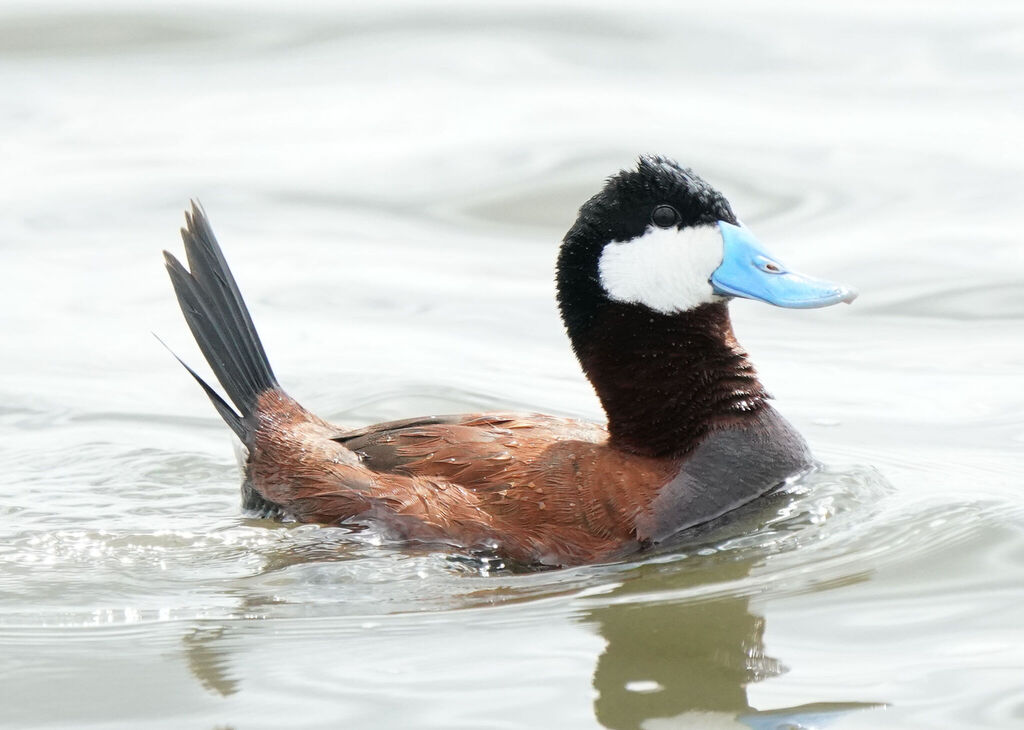
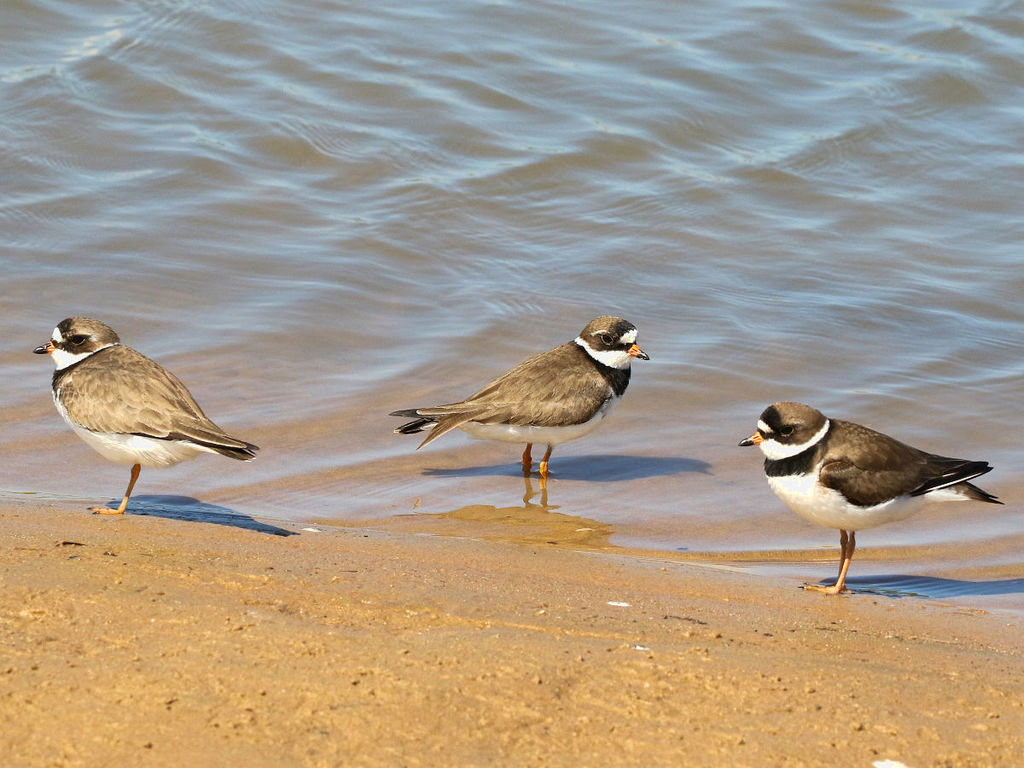
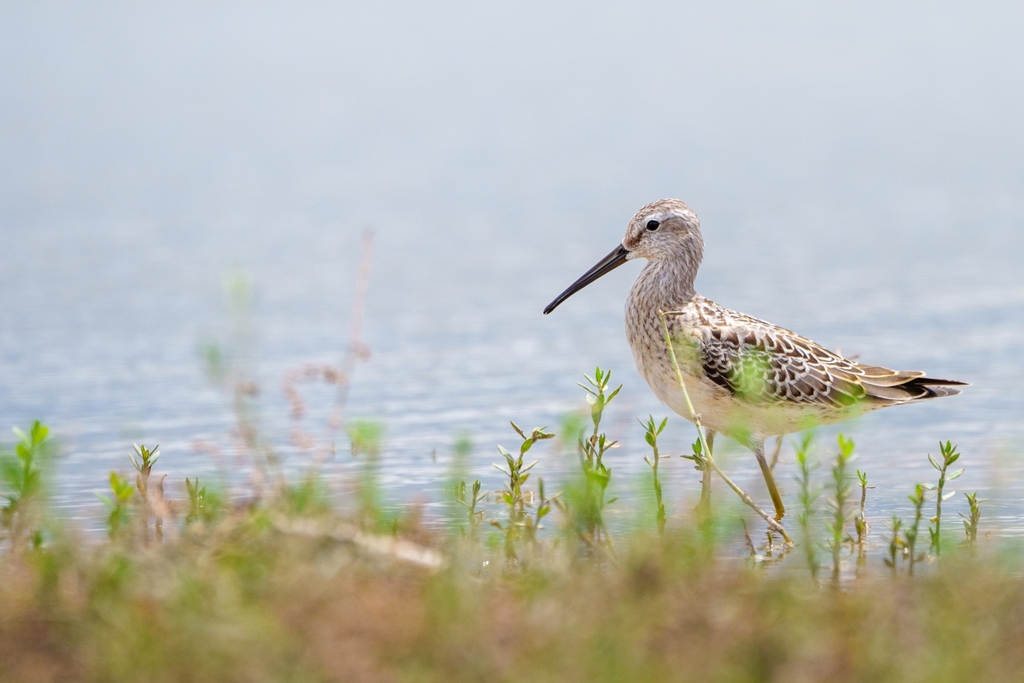

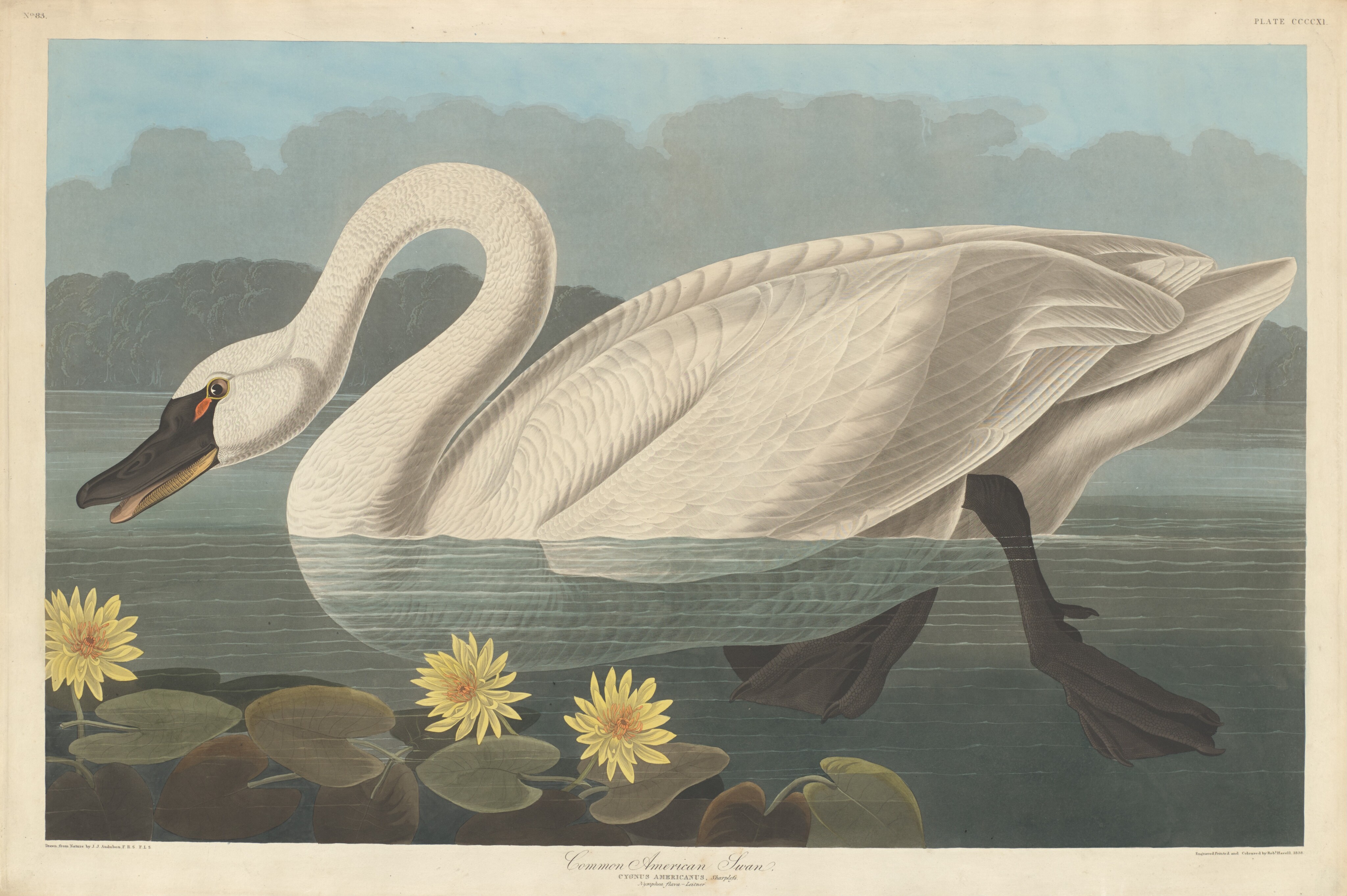
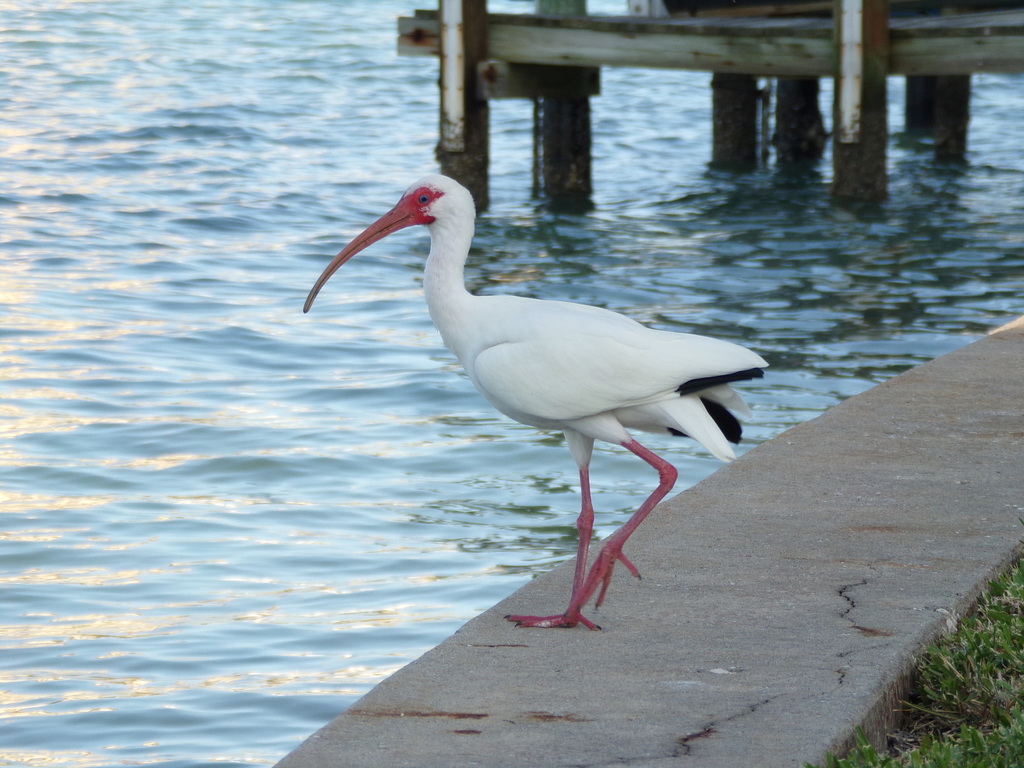





NatureServe Explorer, CC BY 4.0. USGS Gap Analysis Project habitat models.
Sources
- USGS Gap Analysis Project habitat models (2001)
- USGS GAP winter habitat model for Tree Swallow Avoids forest interior
- USGS Gap Analysis Project range maps (2001), modeled by watershed; migratory gives no dates
- NatureServe Explorer (CC BY 4.0), habitat names
- US Census TIGER/Line counties
- Names follow the USGS Gap Analysis Project (2001)