

Bird
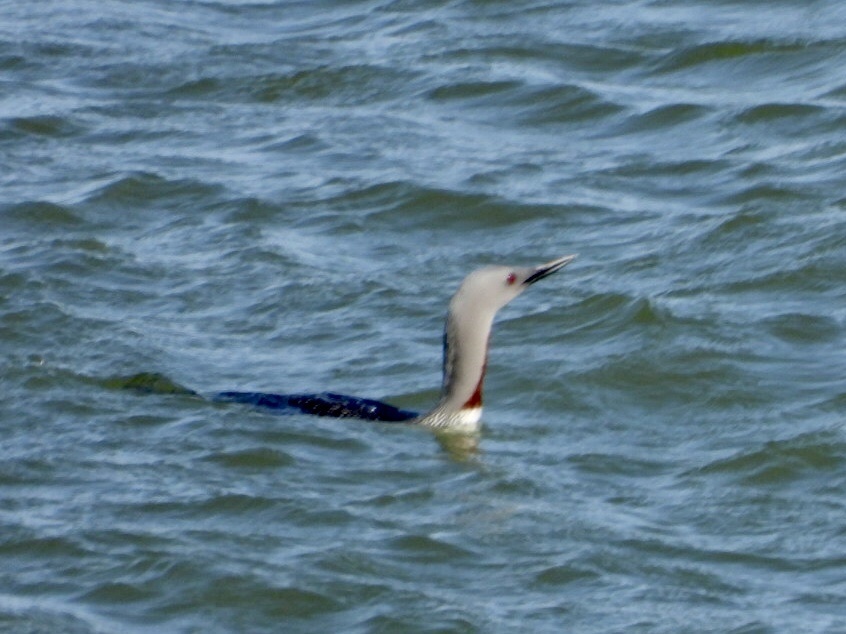
Red-throated Loon
Gavia stellata
A winter visitor to Virginia, found in 33 of 133 counties and cities and 7 habitats.
- Here
- Winter
- Nesting
- Not known to nest here
- Range
- 33 of 133 counties and cities
- Habitats
- 7
At a glance
- Group
- Birds
- Here
- Winter
- Nesting
- Not known to nest here
- Range
- 33 of 133 counties and cities
- Habitats
- 7
- Habitat models
- Winter
Where it lives
The places its habitat model includes. It is not found everywhere a habitat occurs.
Habitats in Virginia 7
Each habitat page lists the plants and wildlife also found there.
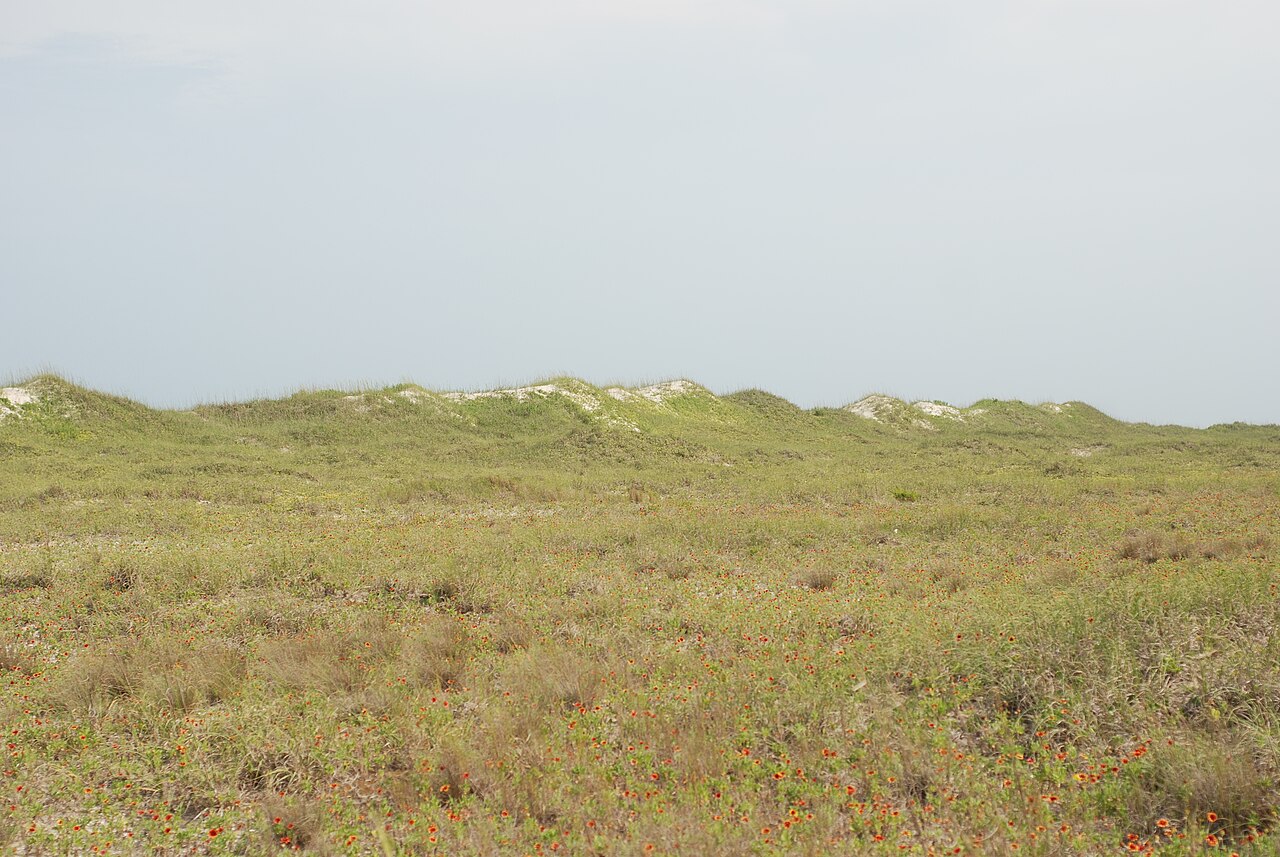
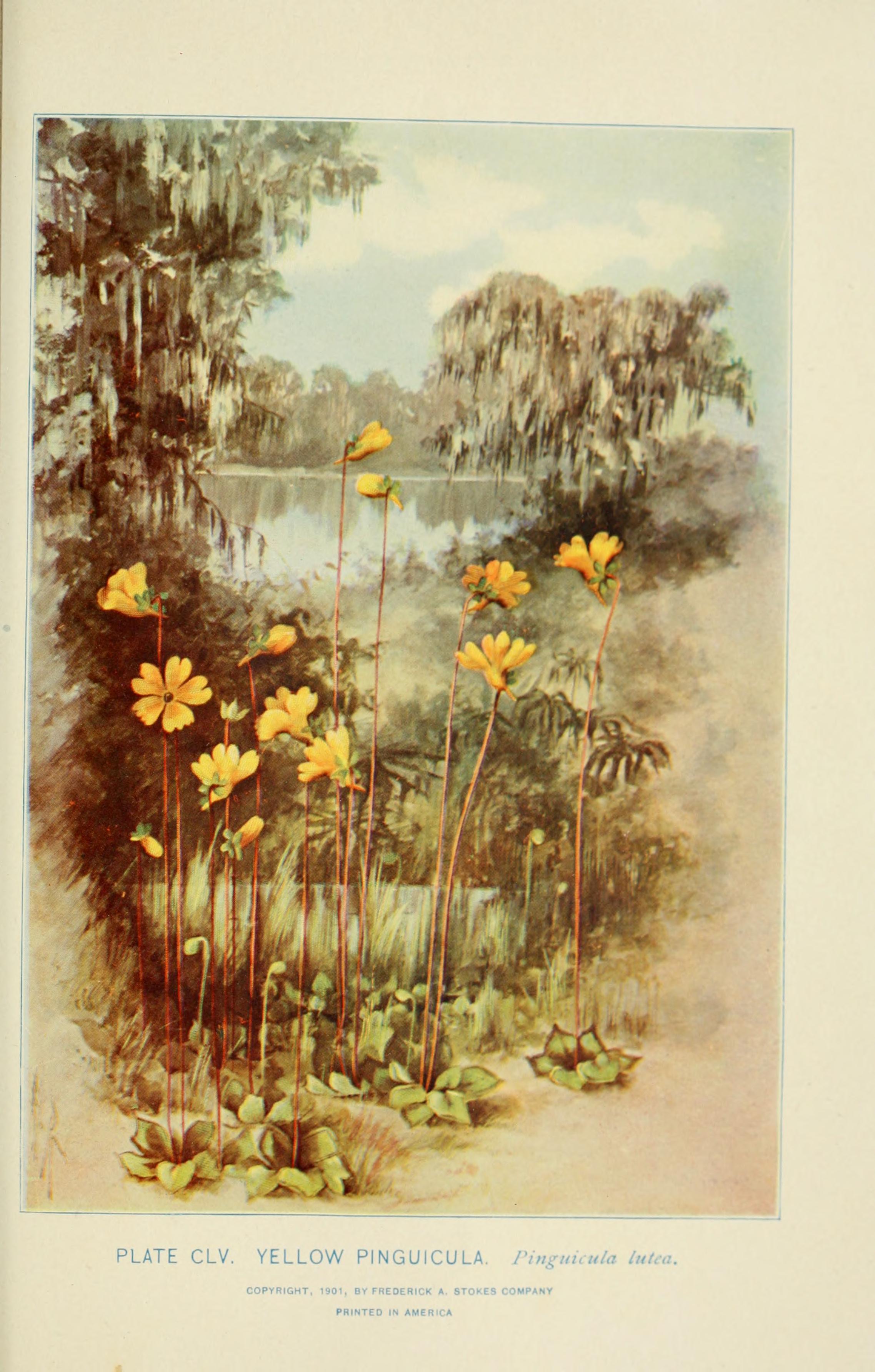
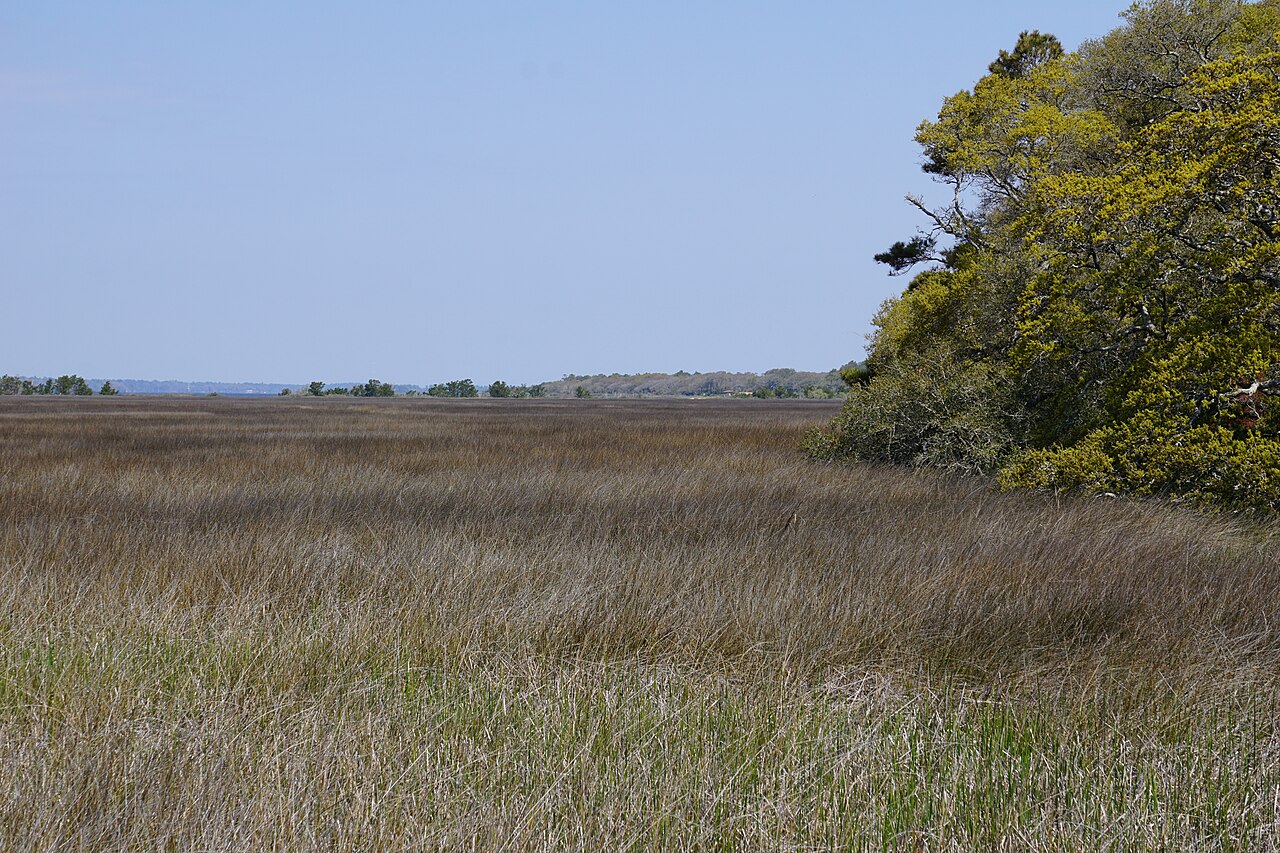
Coastal tidal marshes (salinity not stated)
Tidal marshes of the Atlantic and Gulf coasts where the source does not say whether the water is fresh, brackish or salt. A stated salinity files the marsh under freshwater tidal marshes or salt and brackish marshes instead.
Disturbed and introduced wetlands
Wet ground taken over by weedy or introduced plants after disturbance, such as common reed, Chinese tallow or tamarisk stands; the upland counterpart is roadsides, fields and disturbed ground.
Marshes along tidal rivers where the water is fresh but rises and falls with the tide.
Salt and brackish open water of sounds, bays and estuaries, with the mud and sand flats and seagrass beds that tides cover and uncover; the vegetated marsh is salt and brackish marshes.
Other habitats in its models (5)
Land cover, or classes with no habitat page in Virginia.
- Unconsolidated Shore (Lake/River/Pond) Winter.
- Unconsolidated Shore Winter.
- Atlantic Coastal Plain Central Salt and Brackish Tidal Marsh Winter.
- Atlantic Coastal Plain Indian River Lagoon Tidal Marsh Winter.
- Atlantic Coastal Plain Central Fresh-Oligohaline Tidal Marsh Winter.
Seasons in Virginia
- Winter: does not nest here, in 33 of 133 counties and cities.
Also found in this habitat
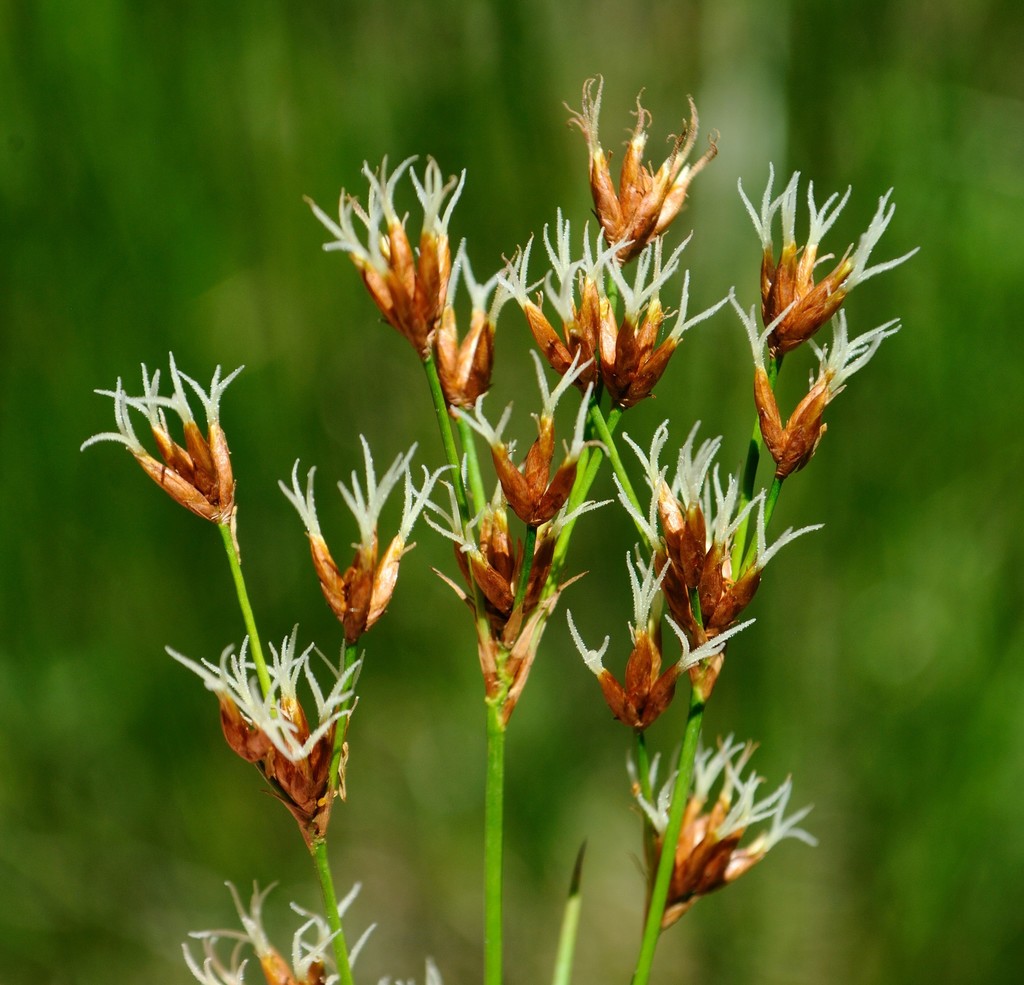
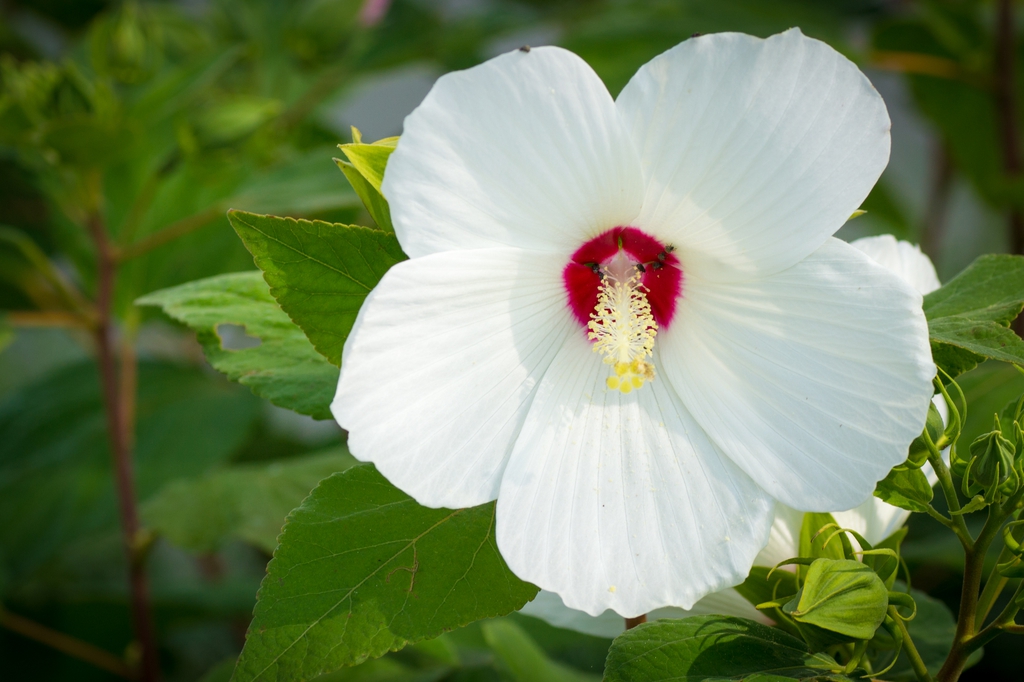
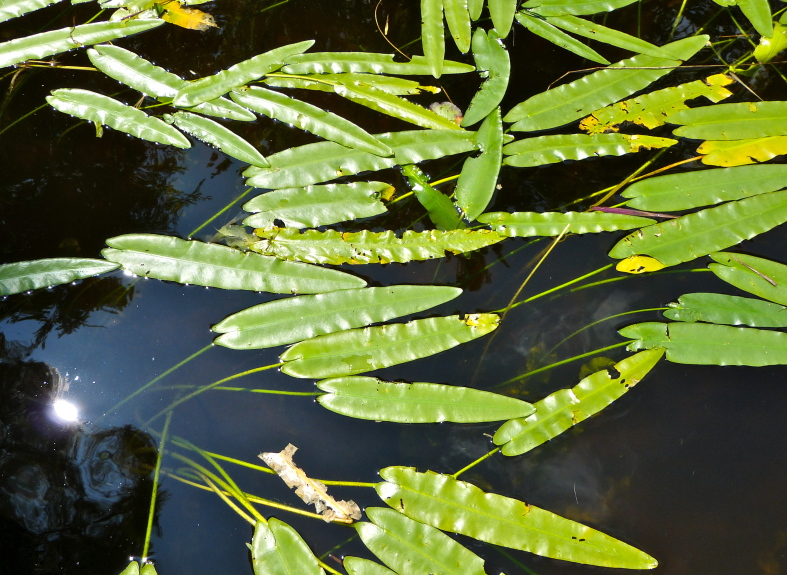
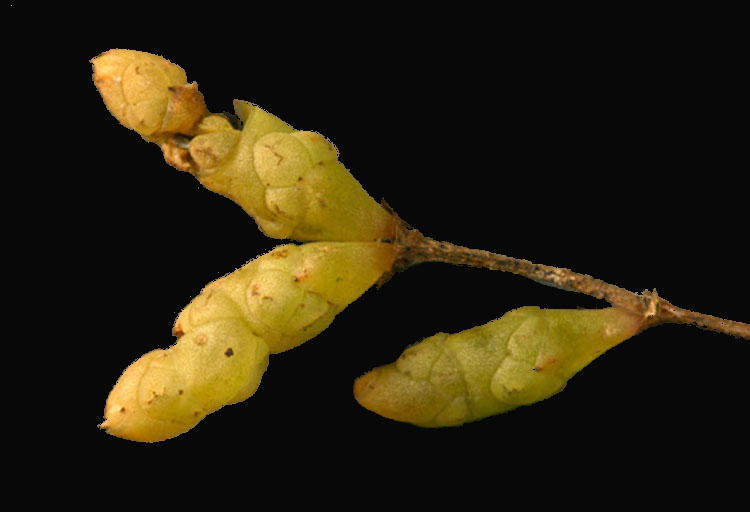
Plants 103
Plants named in NatureServe descriptions of these habitats that grow in Virginia. Shared habitat, not food.
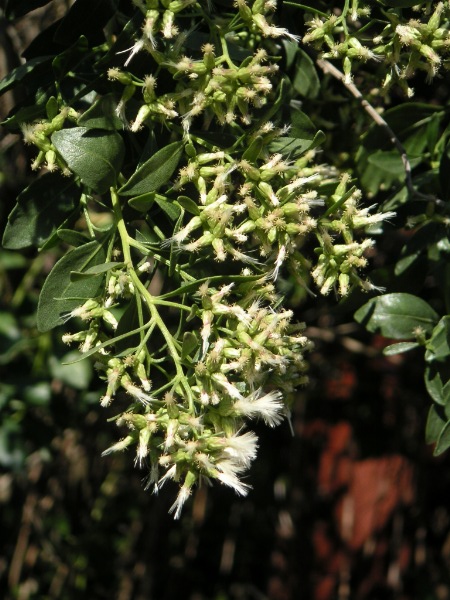
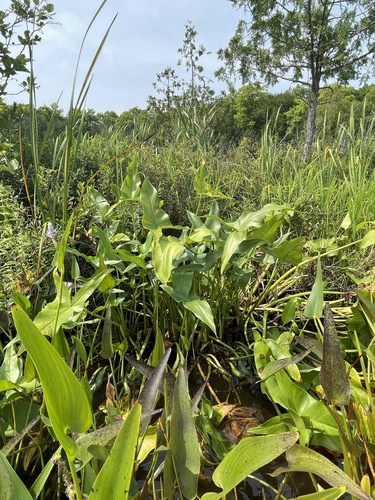
- Groundsel-treeBaccharis halimifolia
- Creeping SpikerushEleocharis fallax
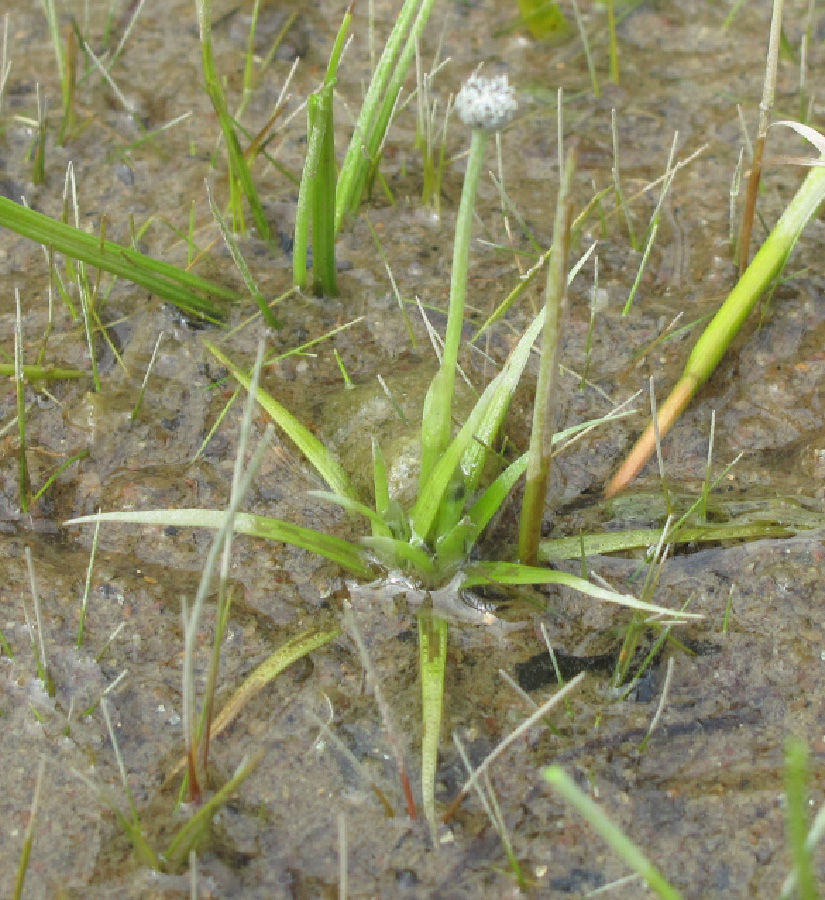
- Estuary PipewortEriocaulon parkeri
- Bigleaf Marsh-elderIva frutescens
- Rice CutgrassLeersia oryzoides
- Welsh MudwortLimosella australis
- Marsh SeedboxLudwigia palustris
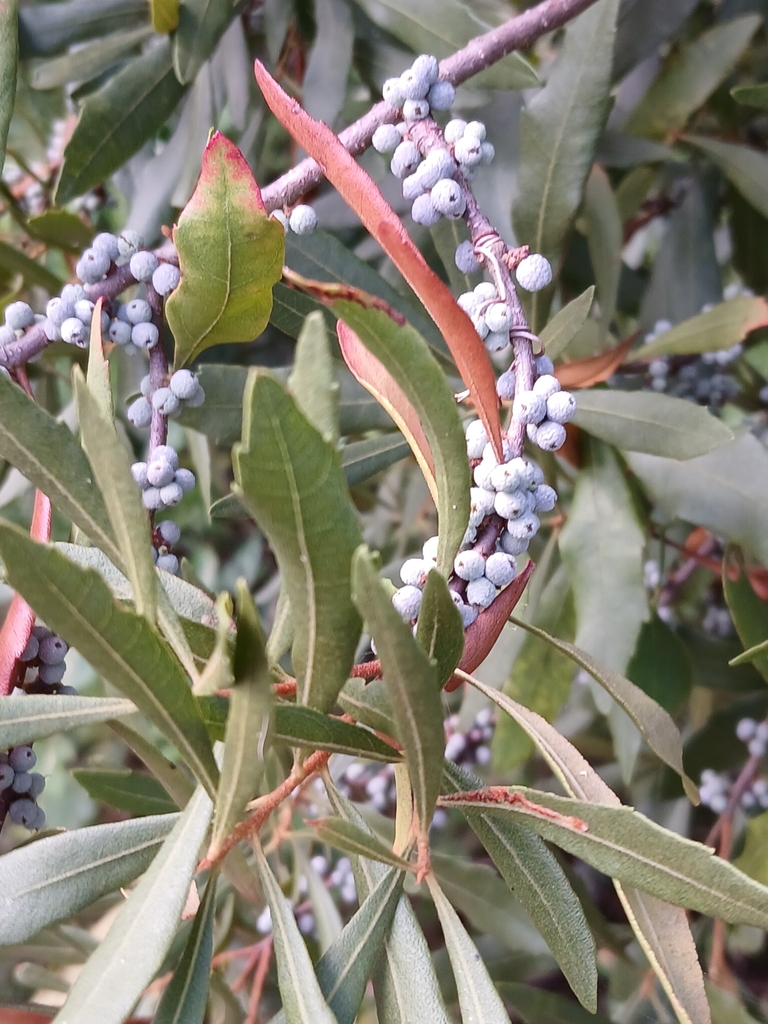
- Common WaxmyrtleMorella cerifera
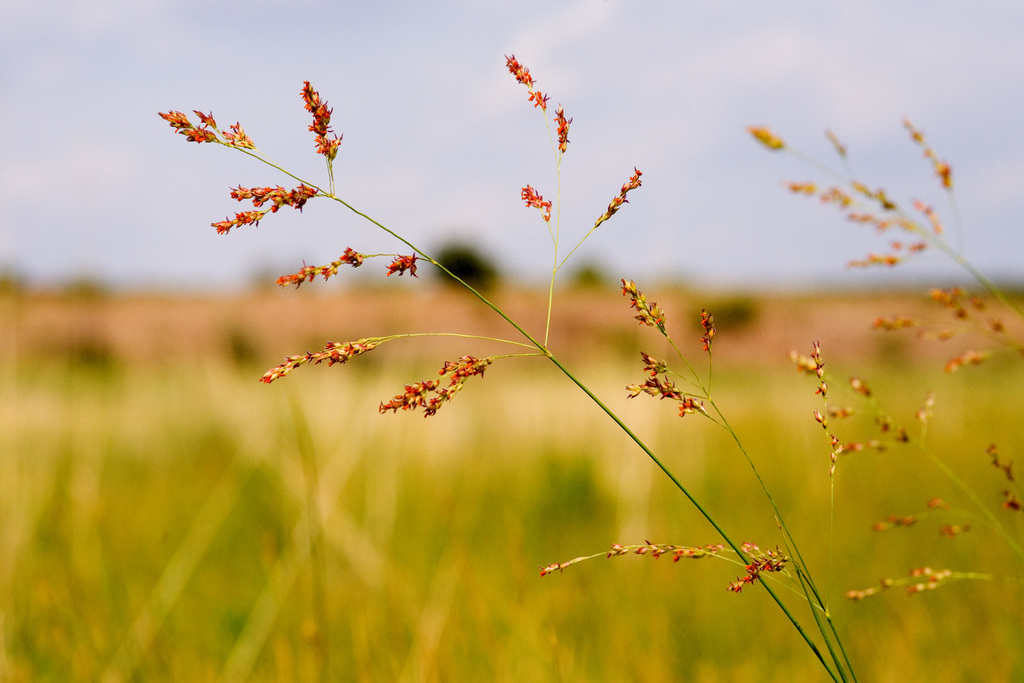
- SwitchgrassPanicum virgatum
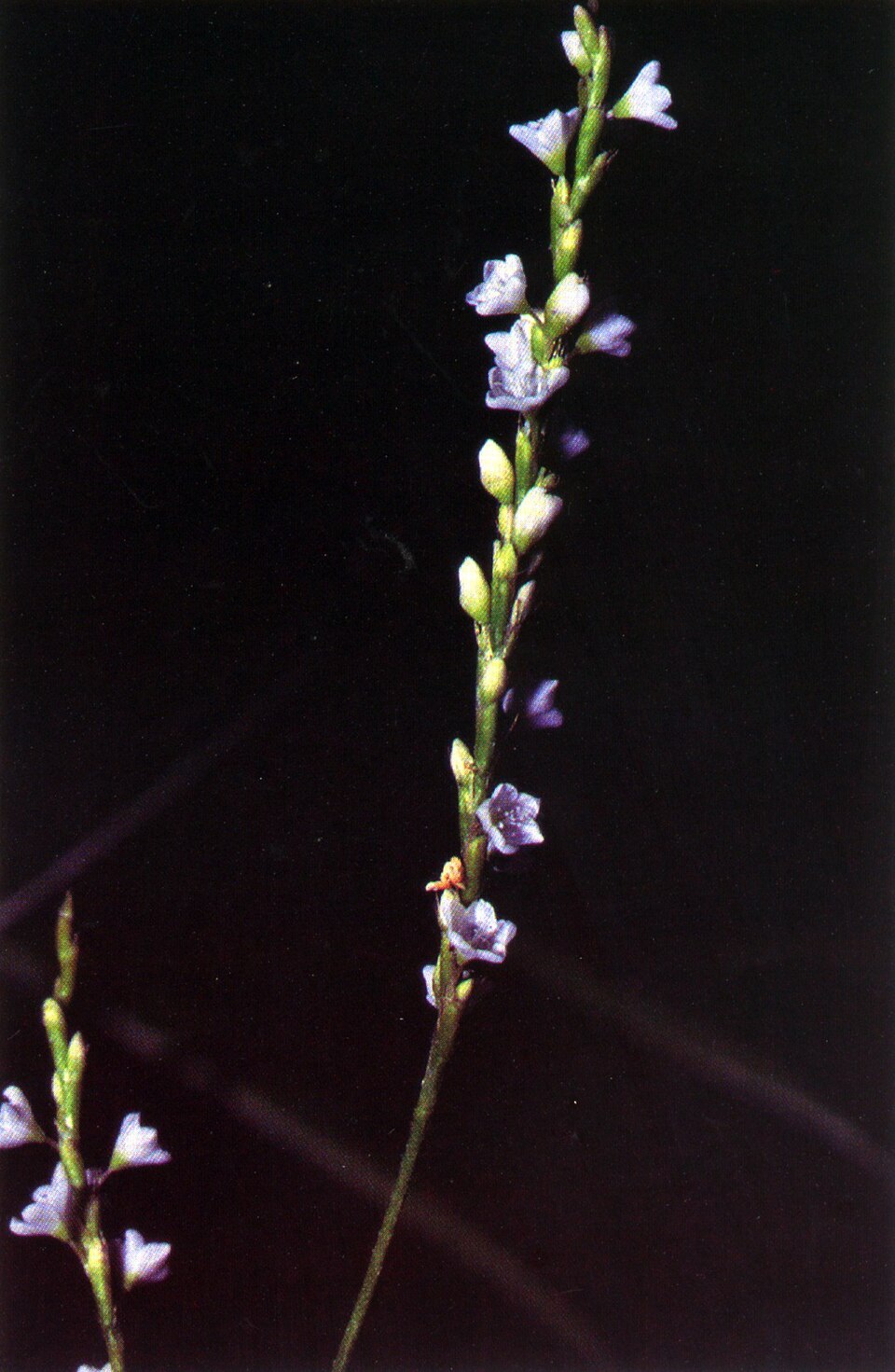
- Dotted SmartweedPersicaria punctata
- Dwarf ArrowheadSagittaria subulata
- Saltmarsh CordgrassSpartina alterniflora
- Sensitive JointvetchAeschynomene virginica
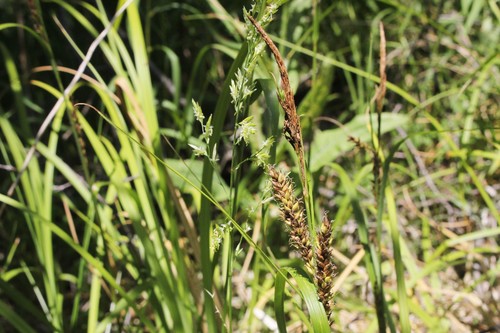
- Shoreline SedgeCarex hyalinolepis
- Twig-rushCladium mariscoides
- Seashore SaltgrassDistichlis spicata
- Dwarf SpikerushEleocharis parvula
- Beaked SpikerushEleocharis rostellata
- Swamp RosemallowHibiscus moscheutos
- Shore QuillwortIsoetes riparia
- Black NeedlerushJuncus roemerianus
- Narrowleaf Pond-lilyNuphar sagittifolia
- Green Arrow-arumPeltandra virginica
- Dwarf GlasswortSalicornia bigelovii
Wildlife 219
Other animals whose habitat models include the same habitats in Virginia. Not sighting records.
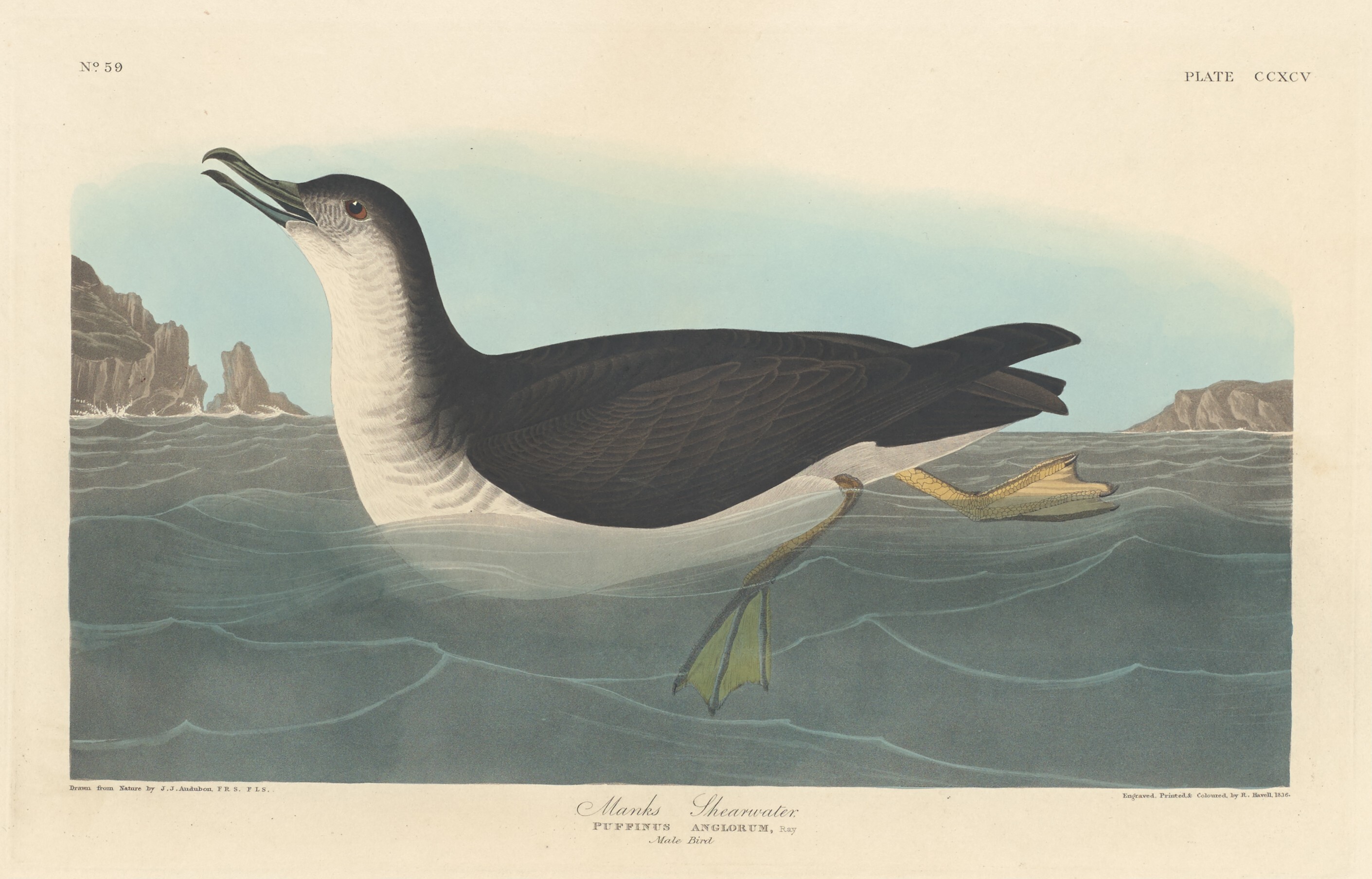
- Manx ShearwaterPuffinus puffinus
- Mourning DoveZenaida macroura
- Northern FlickerColaptes auratus
- Northern ParulaParula americana
- Northern Saw-whet OwlAegolius acadicus
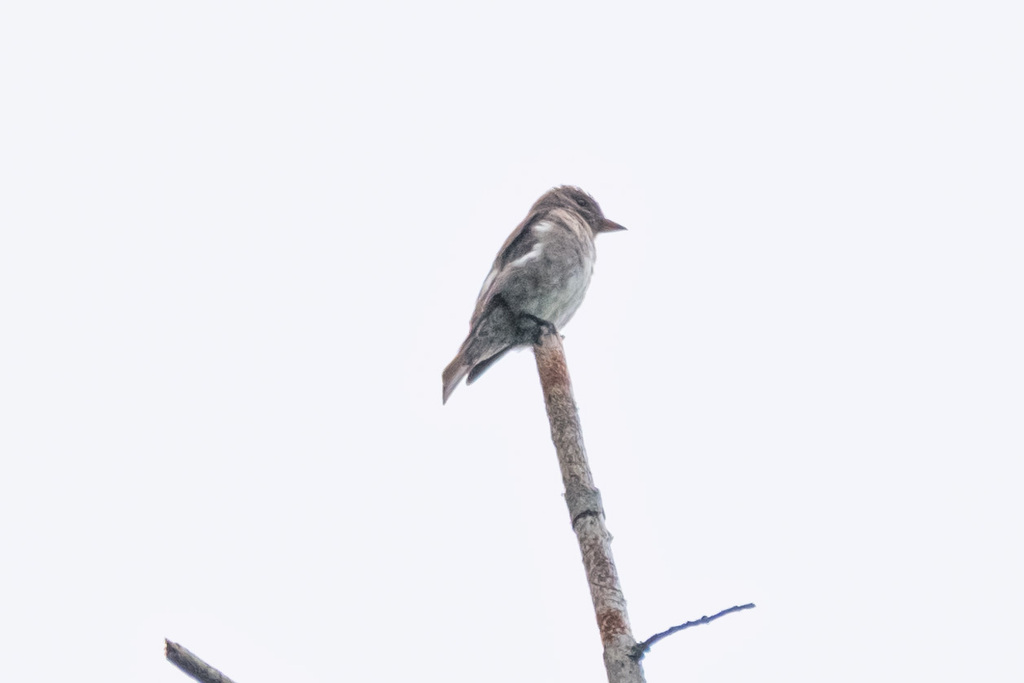
- Olive-sided FlycatcherContopus cooperi
- Orange-crowned WarblerVermivora celata
- Orchard OrioleIcterus spurius
- OvenbirdSeiurus aurocapilla
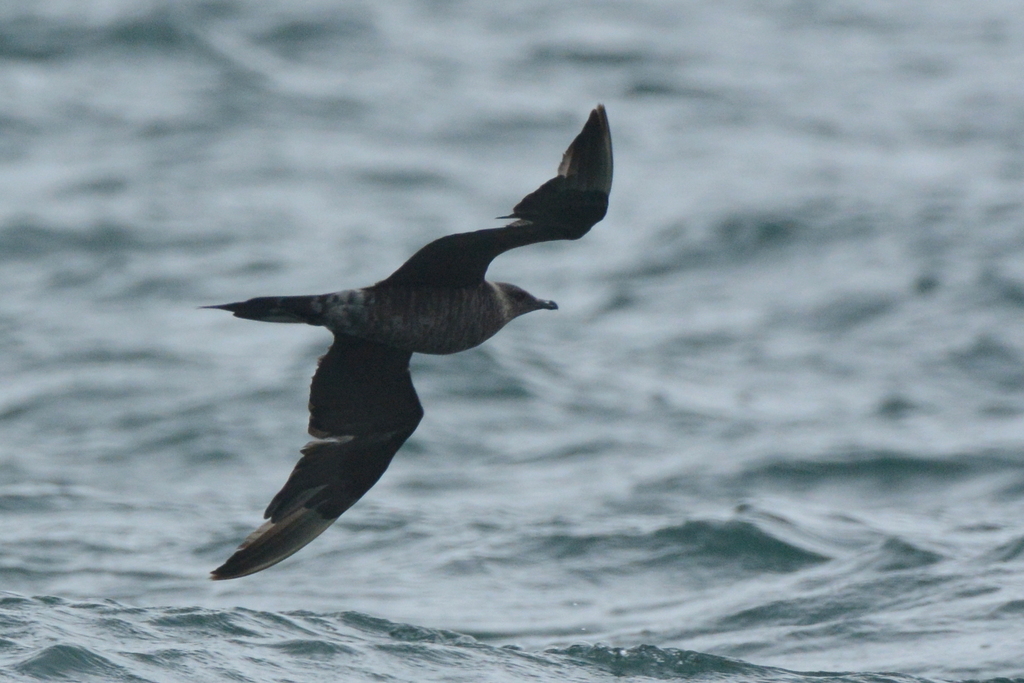
- Parasitic JaegerStercorarius parasiticus
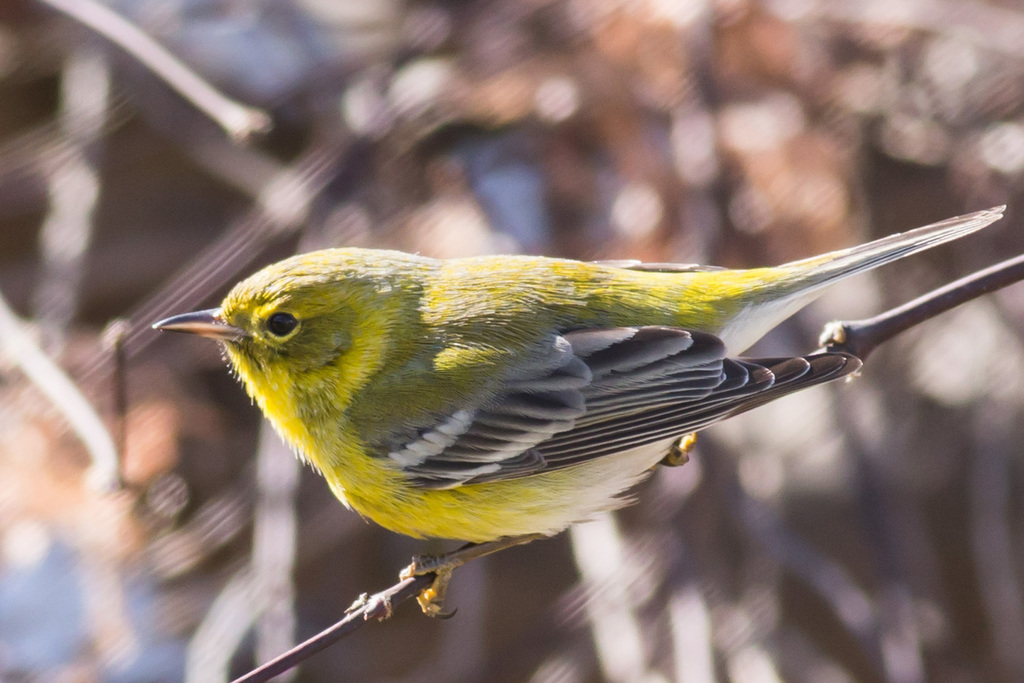
- Pine WarblerDendroica pinus
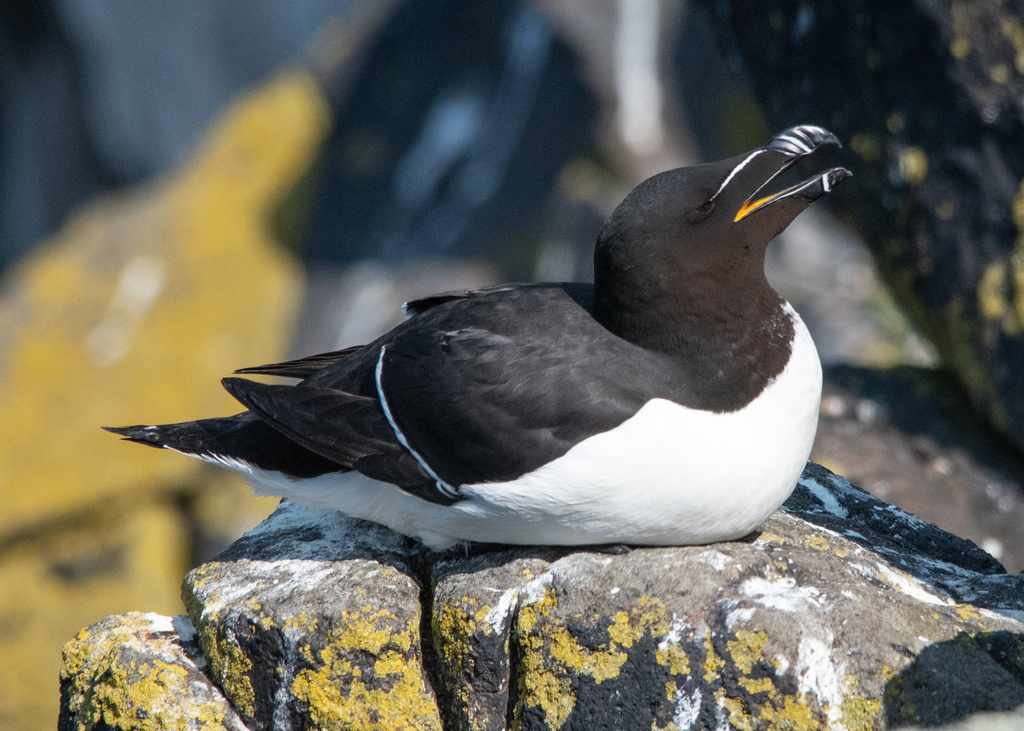
- RazorbillAlca torda
- Red-bellied WoodpeckerMelanerpes carolinus
- Red-breasted NuthatchSitta canadensis
- Rock PigeonColumba livia
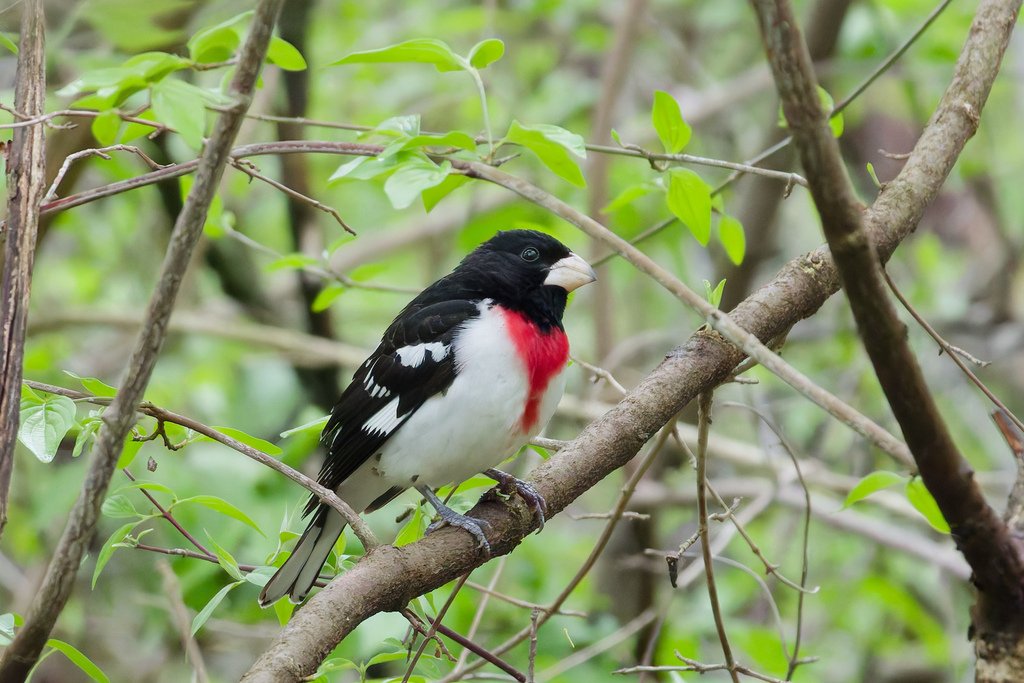
- Rose-breasted GrosbeakPheucticus ludovicianus
- Ruby-throated HummingbirdArchilochus colubris
- Scarlet TanagerPiranga olivacea
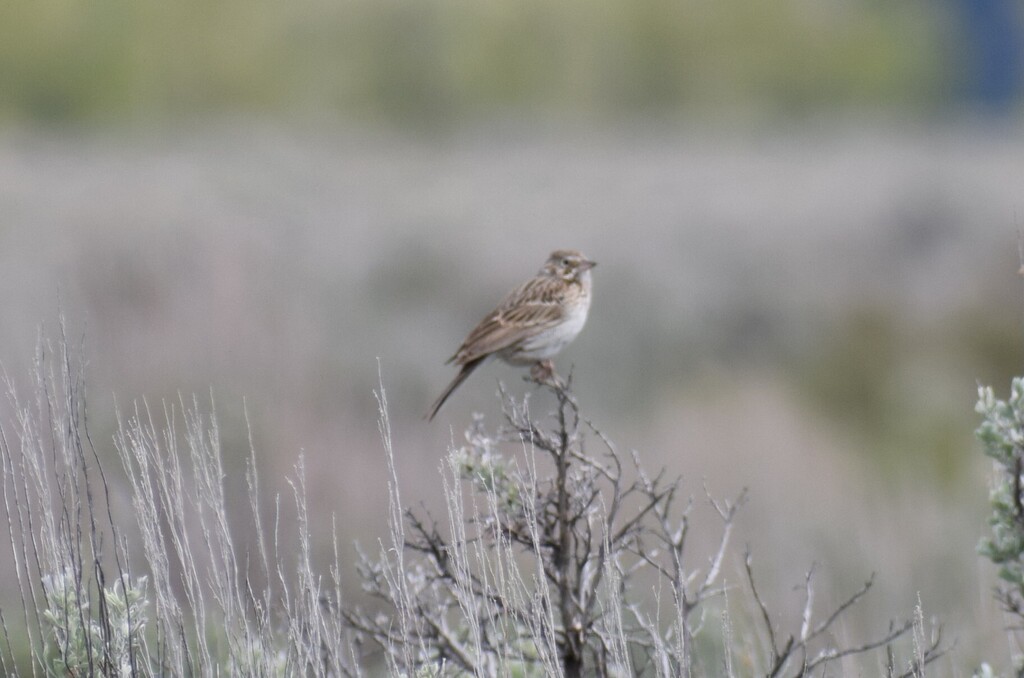
- Vesper SparrowPooecetes gramineus
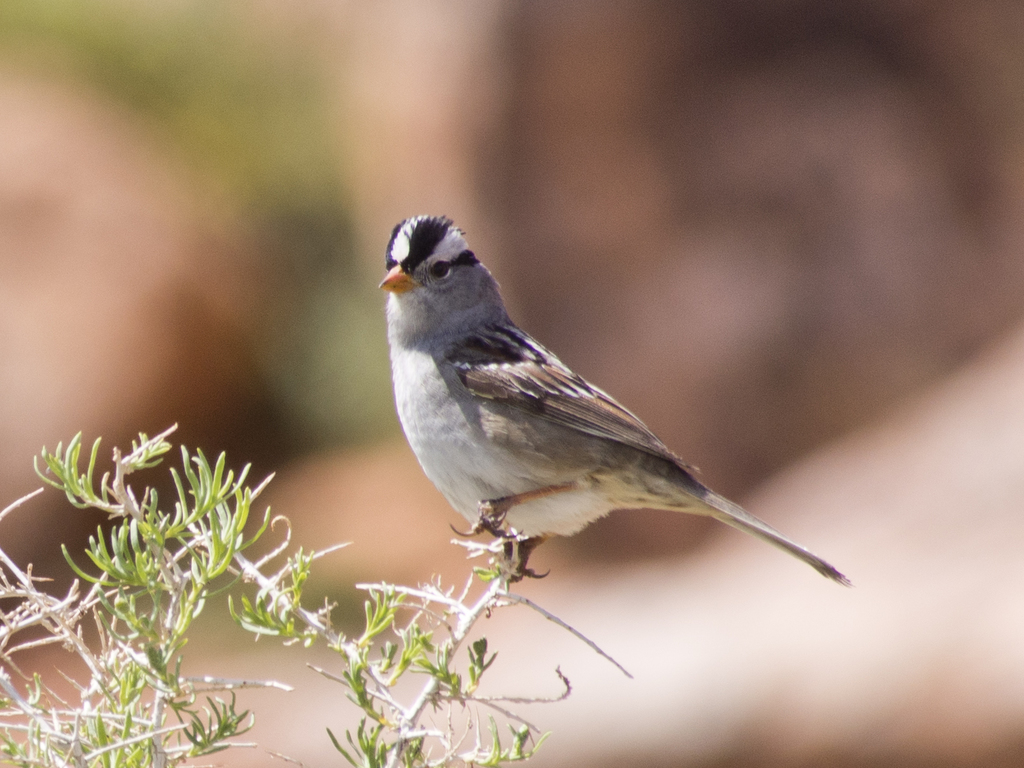
- White-crowned SparrowZonotrichia leucophrys
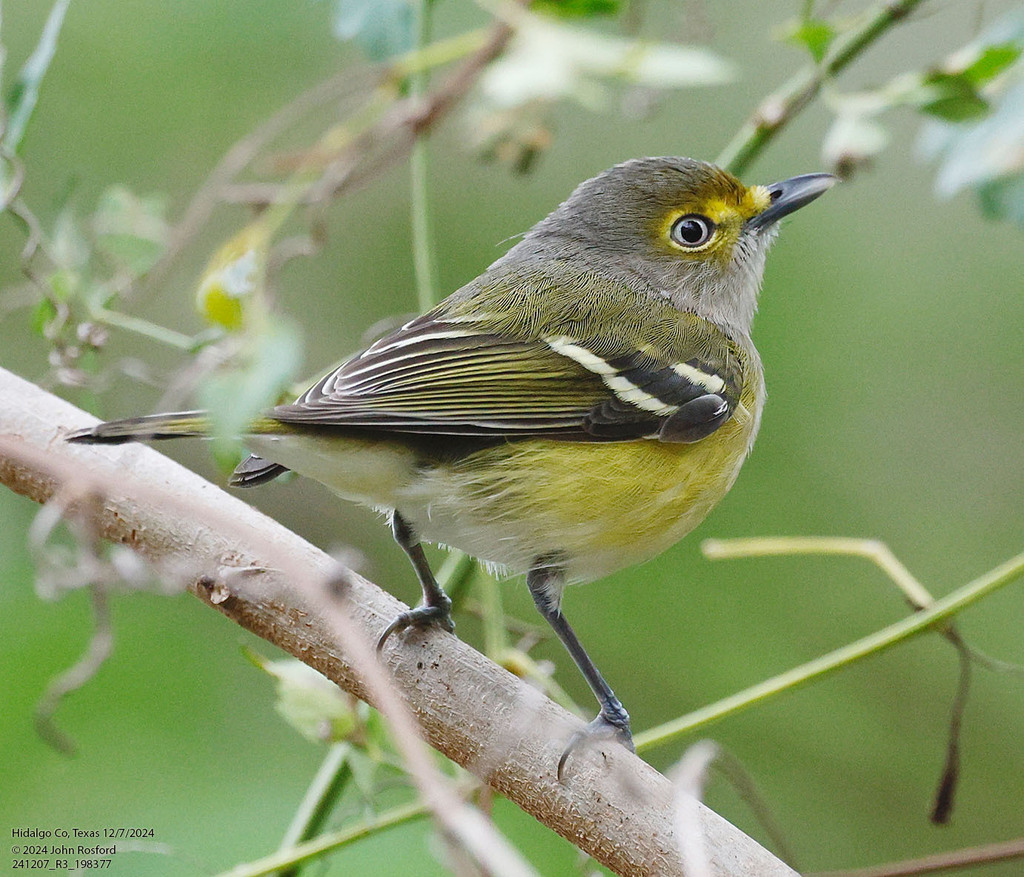
- White-eyed VireoVireo griseus
- Willow FlycatcherEmpidonax traillii
- Wood ThrushHylocichla mustelina
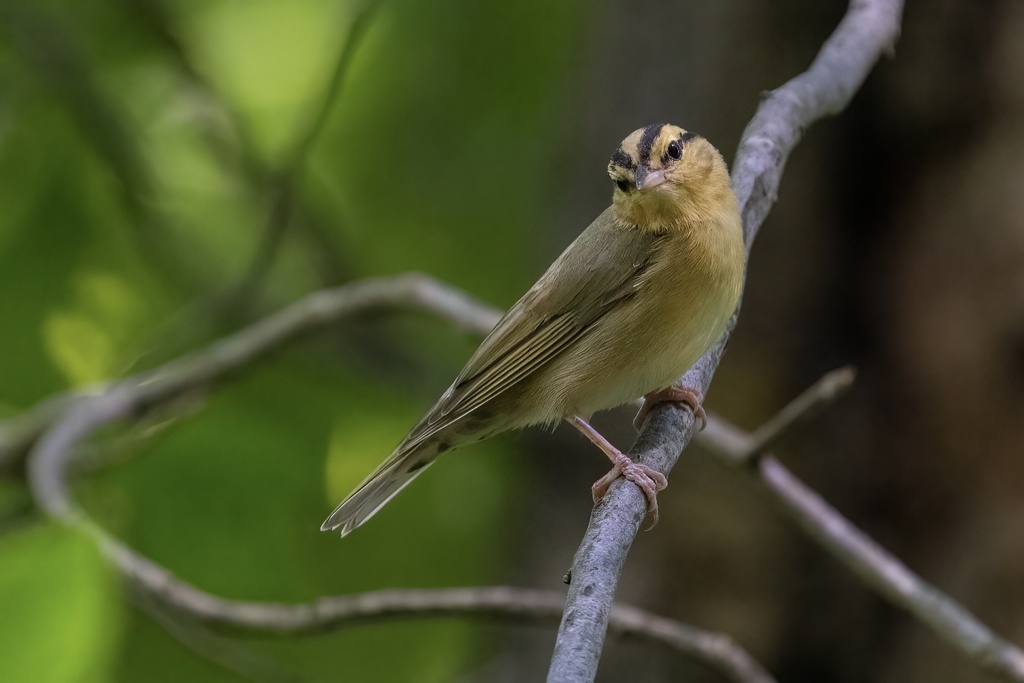
- Worm-eating WarblerHelmitheros vermivorum















NatureServe Explorer, CC BY 4.0. USGS Gap Analysis Project habitat models.
Sources
- USGS Gap Analysis Project habitat models (2001)
- USGS GAP winter habitat model for Red-throated Loon Brackish or salt water only
- USGS Gap Analysis Project range maps (2001), modeled by watershed; migratory gives no dates
- NatureServe Explorer (CC BY 4.0), habitat names
- US Census TIGER/Line counties
- Names follow the USGS Gap Analysis Project (2001)