

Bird
Mallard
Anas platyrhynchos
Lives in Virginia all year and nests here. Found in all 133 counties and cities, across 13 habitats.
- Here
- All year
- Nesting
- Nests here
- Range
- All 133 counties and cities
- Habitats
- 13

At a glance
- Group
- Birds
- Here
- All year
- Nesting
- Nests here
- Range
- All 133 counties and cities
- Habitats
- 13
- Habitat models
- Summer, Winter
Where it lives
The places its habitat model includes. It is not found everywhere a habitat occurs.
Habitats in Virginia 13
Each habitat page lists the plants and wildlife also found there.
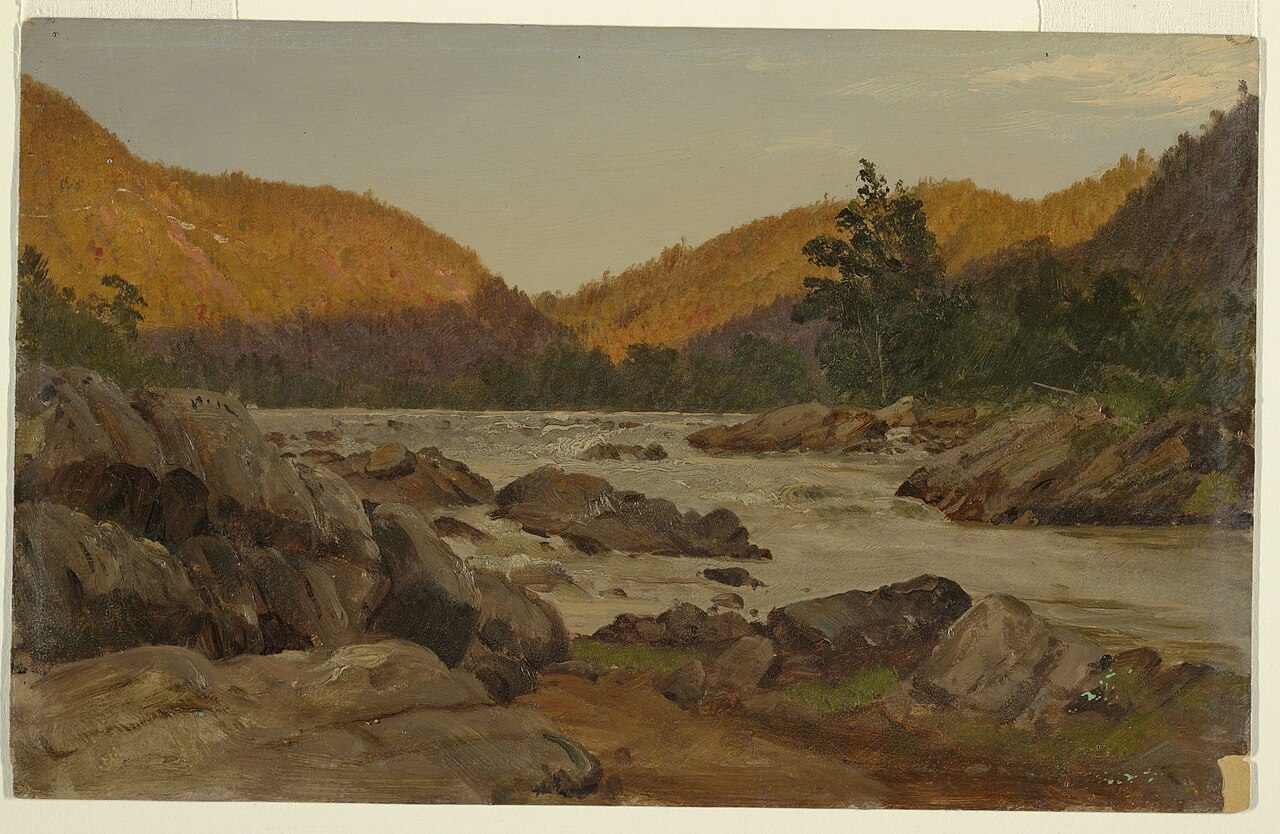
Streams, rivers and their banks
Open sand of beaches, dunes and the hollows between them.
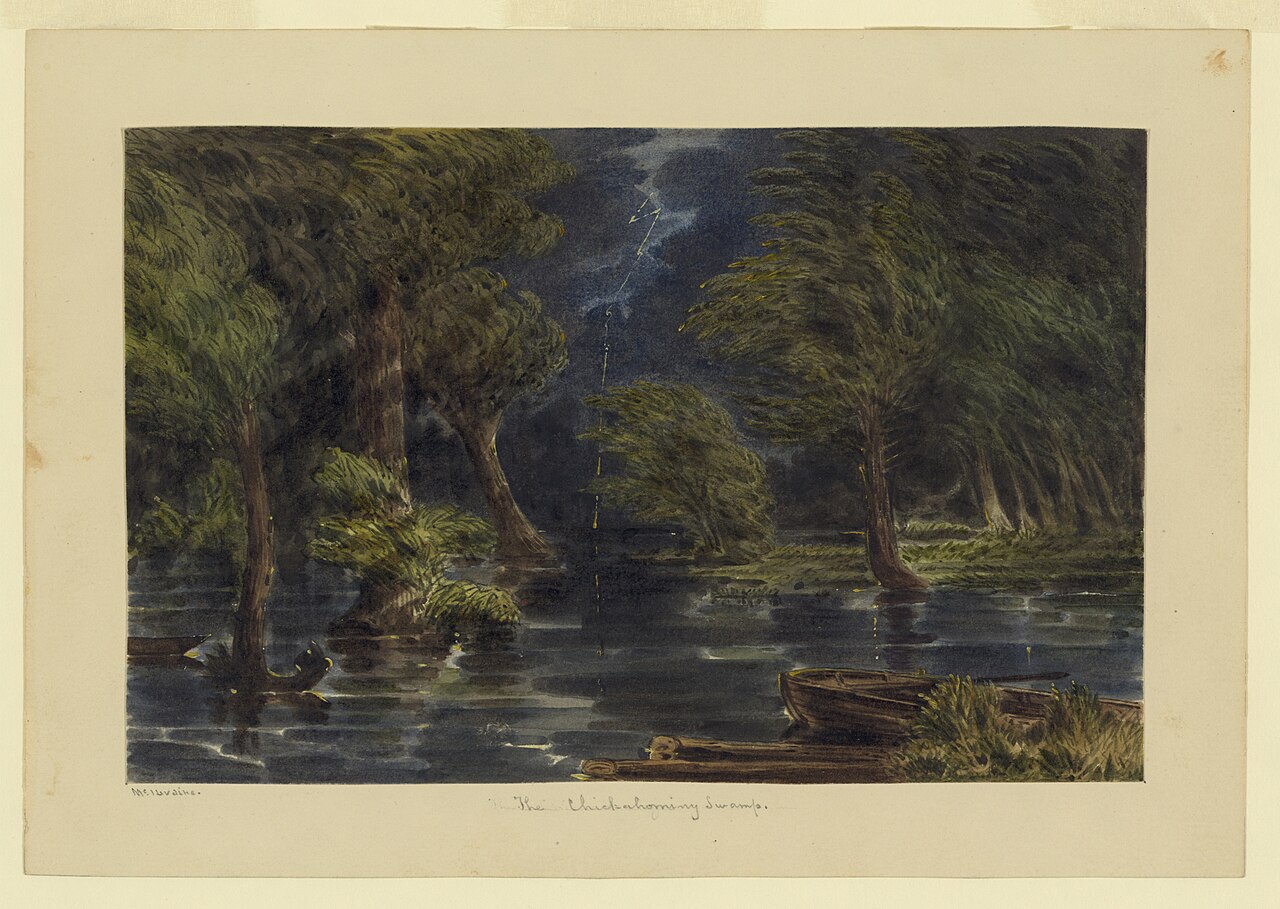
Coastal tidal marshes (salinity not stated)
Tidal marshes of the Atlantic and Gulf coasts where the source does not say whether the water is fresh, brackish or salt. A stated salinity files the marsh under freshwater tidal marshes or salt and brackish marshes instead.
Depression ponds and limesinks
Shallow ponds in Coastal Plain depressions, such as limesinks and the ponds in some Carolina bays, that rise and fall with the seasons.
Disturbed and introduced wetlands
Wet ground taken over by weedy or introduced plants after disturbance, such as common reed, Chinese tallow or tamarisk stands; the upland counterpart is roadsides, fields and disturbed ground.
Floodplain and bottomland forests
Forests on low ground beside rivers and streams that flood from time to time.
Marshes along tidal rivers where the water is fresh but rises and falls with the tide.
Flat, poorly drained uplands and terraces with oaks, sweetgum and sometimes loblolly pine, wet in winter and dry in summer, but neither a floodplain nor a swamp.
Wet, open, peaty mountain wetlands fed by seepage, often with sphagnum moss.
Dense evergreen shrub wetlands and bay forests on wet, acid peat of the Coastal Plain.
Still water and its edges: ponds, lakes, millponds and reservoirs.
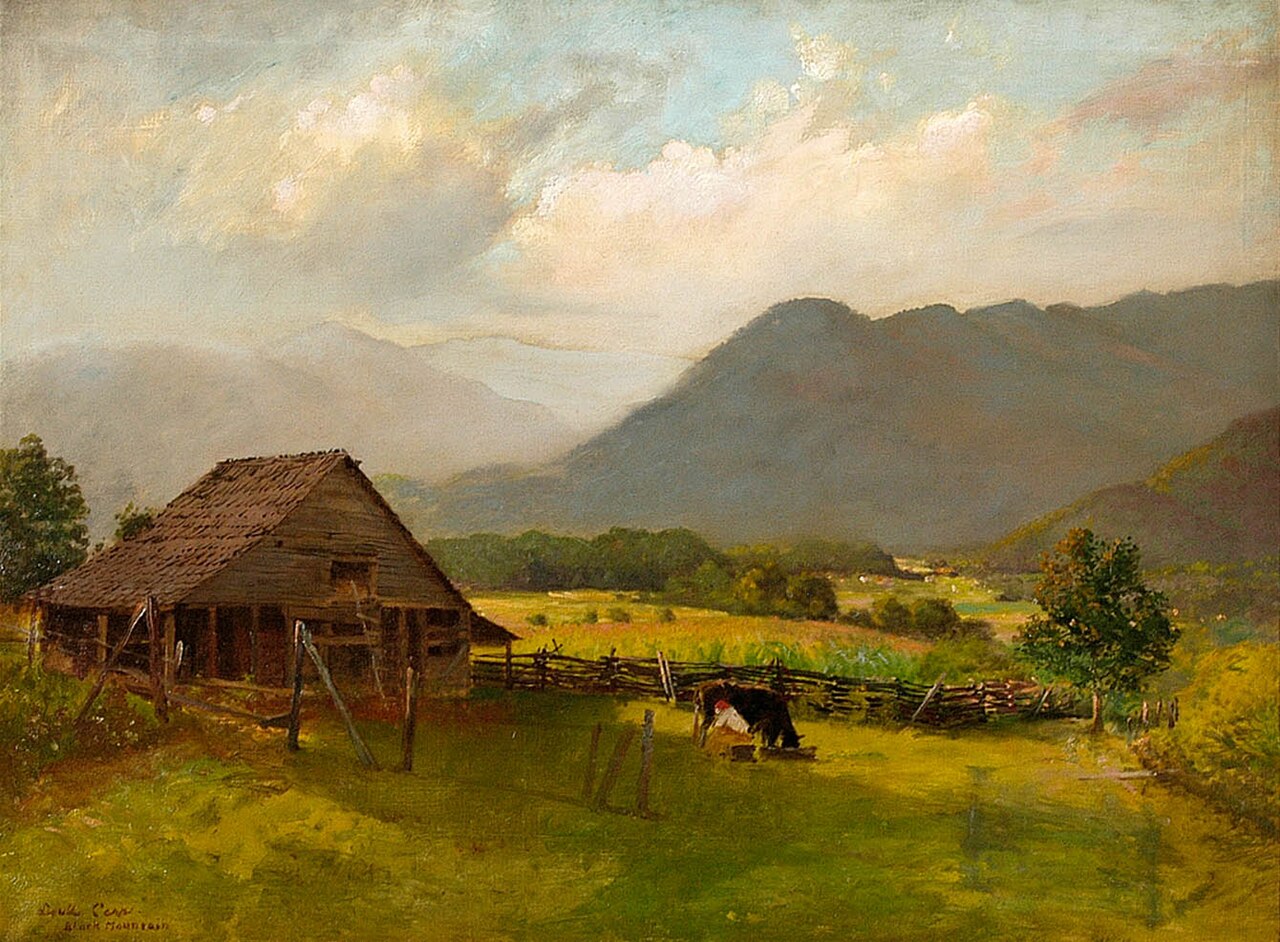
Roadsides, fields and disturbed ground
Other habitats in its models (58)
Land cover, or classes with no habitat page in Virginia. Those recorded in Virginia first, the rest by region.
Elsewhere in the South (31)
- Atlantic Coastal Plain Central Fresh-Oligohaline Tidal Marsh Summer and winter.
- Atlantic Coastal Plain Indian River Lagoon Tidal Marsh Winter.
- Atlantic Coastal Plain Small Blackwater River Floodplain Forest Winter.
- Central Florida Herbaceous Pondshore Winter.
- Central Florida Herbaceous Seep Winter.
- East Gulf Coastal Plain Savanna and Wet Prairie Winter.
- East Gulf Coastal Plain Small Stream and River Floodplain Forest Summer and winter.
- East Gulf Coastal Plain Tidal Wooded Swamp Summer and winter.
- East-Central Texas Plains Riparian Forest Winter.
- Florida Big Bend Fresh-Oligohaline Tidal Marsh Summer and winter.
- Floridian Highlands Freshwater Marsh Summer and winter.
- Mississippi River Bottomland Depression Summer.
- Mississippi River Low Floodplain (Bottomland) Forest Summer and winter.
- Mississippi River Riparian Forest Summer.
- South Florida Everglades Sawgrass Marsh Winter.
- South Florida Freshwater Slough and Gator Hole Winter.
- South Florida Wet Marl Prairie Winter.
- South-Central Interior / Upper Coastal Plain Wet Flatwoods Summer.
- Southern Coastal Plain Blackwater River Floodplain Forest Winter.
- Southern Coastal Plain Herbaceous Seepage Bog Summer.
- Southern Coastal Plain Hydric Hammock Summer.
- Southern Coastal Plain Nonriverine Basin Swamp Summer.
- Southern Coastal Plain Nonriverine Cypress Dome Summer.
- Southern Coastal Plain Seepage Swamp and Baygall Summer.
- West Gulf Coastal Plain Large River Floodplain Forest Summer and winter.
- West Gulf Coastal Plain Near-Coast Large River Swamp Summer and winter.
- West Gulf Coastal Plain Nepheline Syenite Glade Winter, only within 250 m of water.
- West Gulf Coastal Plain Northern Calcareous Prairie Winter, only within 250 m of water.
- West Gulf Coastal Plain Seepage Swamp and Baygall Summer and winter.
- West Gulf Coastal Plain Small Stream and River Forest Summer and winter.
- Western Great Plains Floodplain Summer.
Northeast (1)
- North-Central Interior Wet Flatwoods Summer and winter.
Midwest (2)
- Western Great Plains Open Freshwater Depression Wetland Summer.
- Western Great Plains Saline Depression Wetland Summer.
Land cover and other classes (24)
- Atlantic Coastal Plain Clay-Based Carolina Bay Forested Wetland Summer.
- Atlantic Coastal Plain Clay-Based Carolina Bay Herbaceous Wetland Summer and winter.
- Central Interior and Appalachian Shrub-Herbaceous Wetland Systems Summer and winter.
- Developed, Low Intensity Winter, beside its main habitat.
- East Gulf Coastal Plain Large River Floodplain Forest - Forest Modifier Summer and winter.
- East Gulf Coastal Plain Large River Floodplain Forest - Herbaceous Modifier Summer and winter.
- East Gulf Coastal Plain Southern Depression Pondshore Summer and winter.
- Eastern Great Plains Floodplain Systems Summer and winter.
- Eastern Great Plains Wet Meadow, Prairie, and Marsh Summer and winter.
- Lower Mississippi River Bottomland Depressions - Forest Modifier Summer.
- Mississippi River Floodplain and Riparian Forest Summer and winter.
- Open Water (Aquaculture) Summer and winter.
- South-Central Interior Large Floodplain - Herbaceous Modifier Summer and winter.
- Southern Coastal Plain Nonriverine Basin Swamp - Okefenokee Bay/Gum Modifier Summer.
- Southern Coastal Plain Nonriverine Basin Swamp - Okefenokee Clethra Modifier Summer.
- Southern Coastal Plain Nonriverine Basin Swamp - Okefenokee Nupea Modifier Summer.
- Southern Coastal Plain Nonriverine Basin Swamp - Okefenokee Pine Modifier Summer.
- Southern Coastal Plain Nonriverine Basin Swamp - Okefenokee Taxodium Modifier Summer.
- Tamaulipan Riparian Systems Winter.
- Texas-Louisiana Coastal Prairie Slough Winter.
- Unconsolidated Shore Summer and winter.
- Unconsolidated Shore (Lake/River/Pond) Summer and winter.
- Western Great Plains Depressional Wetland Systems Summer and winter.
- Western Great Plains Floodplain Systems Summer and winter.
Seasons in Virginia
- Year-round: nests here, in all 133 counties and cities.
Also found in this habitat
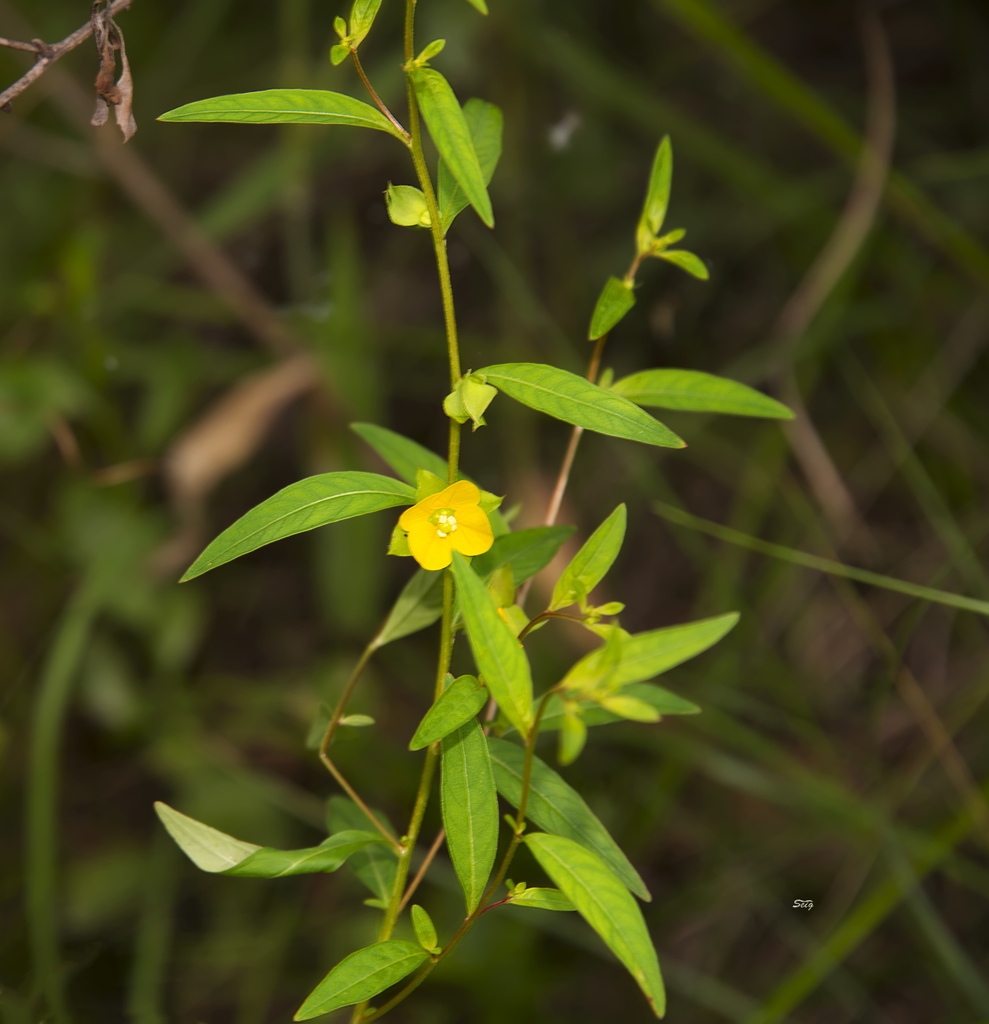
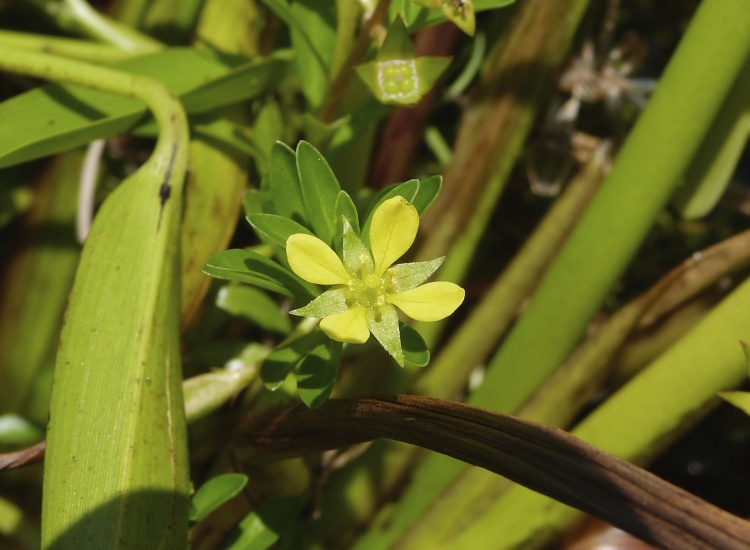
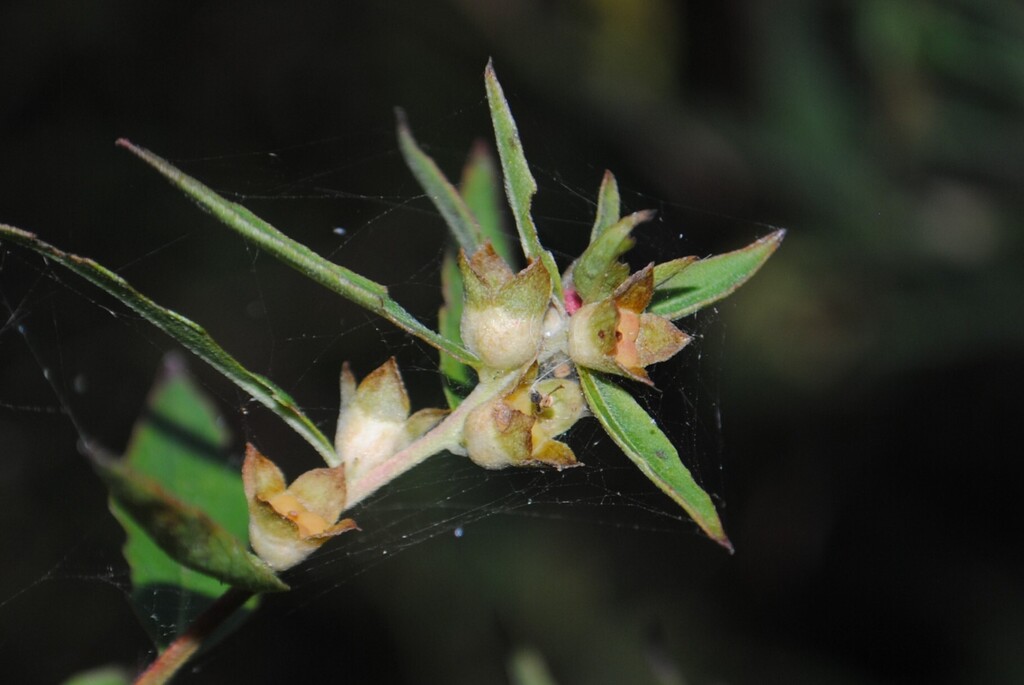
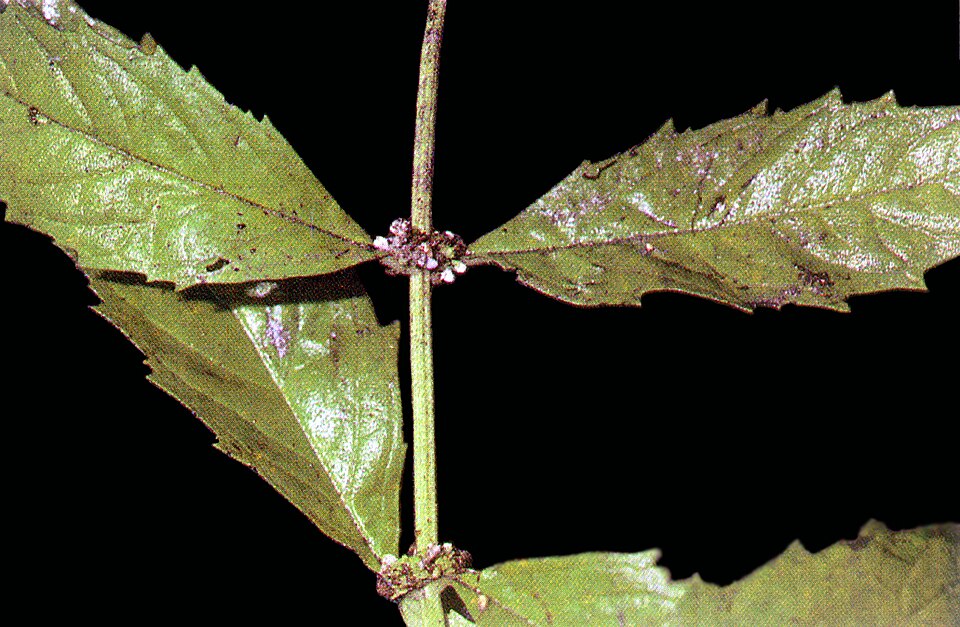
Plants 645
Plants named in NatureServe descriptions of these habitats that grow in Virginia. Shared habitat, not food.
- Seashore MallowKosteletzkya pentacarpos
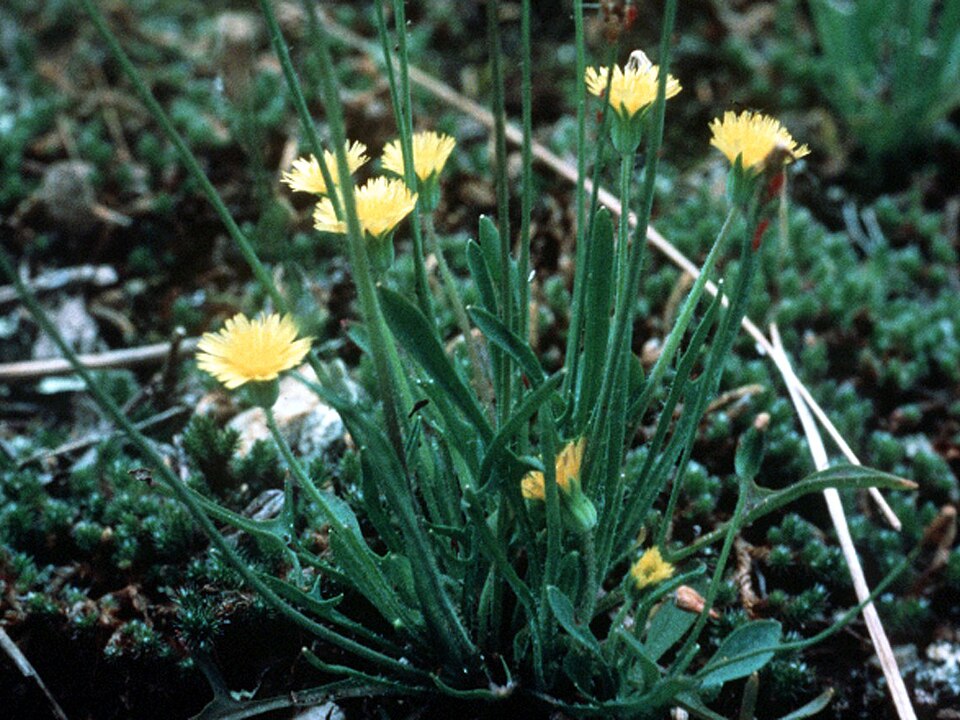
- Virginia Dwarf-dandelionKrigia virginica
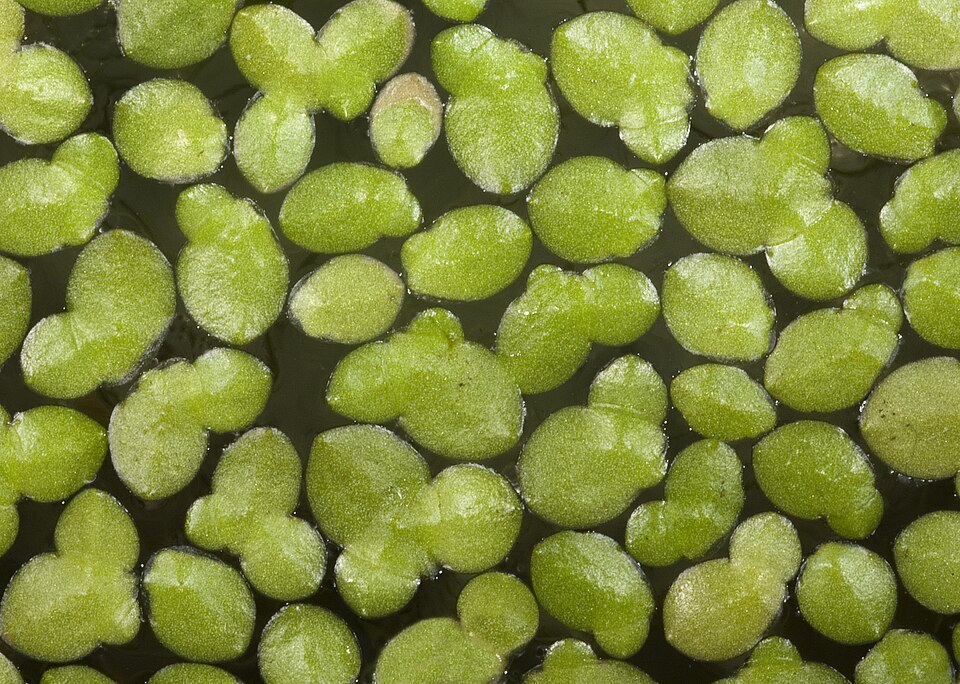
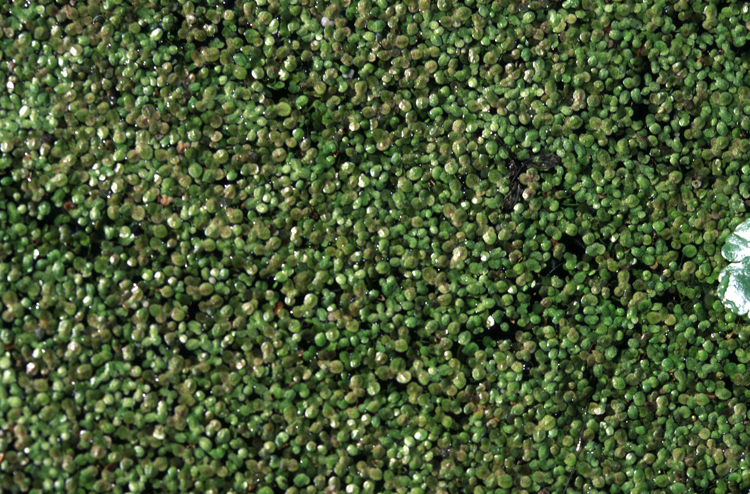
- Lesser DuckweedLemna aequinoctialis
- Least DuckweedLemna minuta
- Little DuckweedLemna obscura
- Minute DuckweedLemna perpusilla
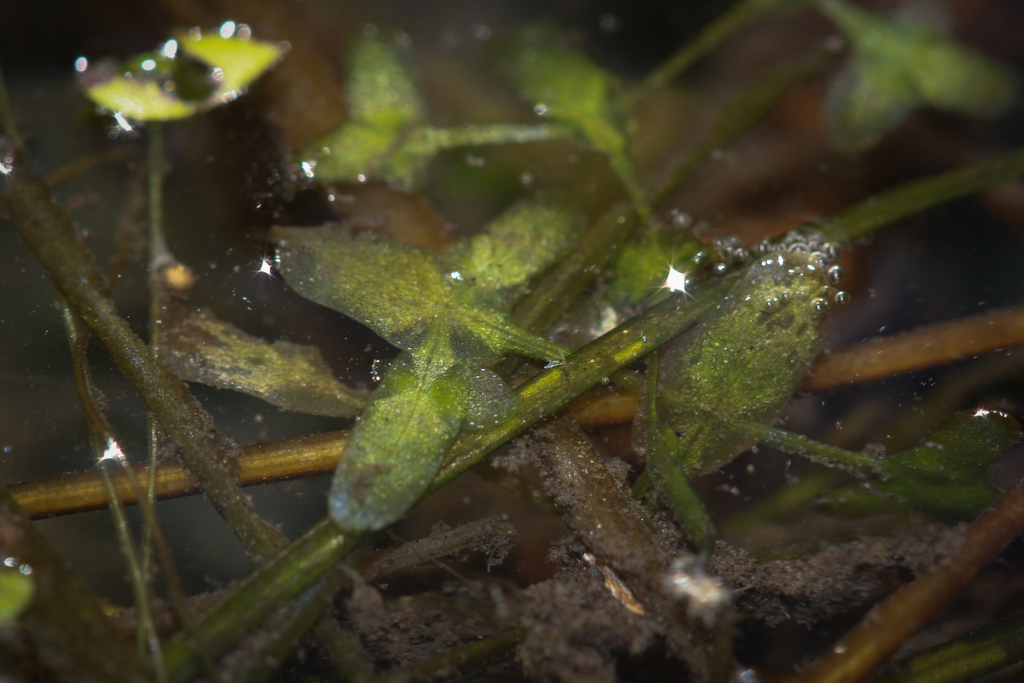
- Star DuckweedLemna trisulca
- Valdivia DuckweedLemna valdiviana
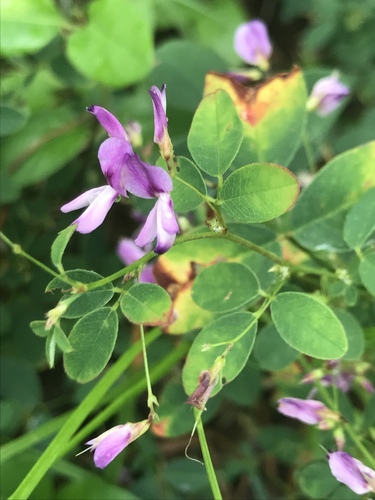
- Violet LespedezaLespedeza frutescens
- Rough Blazing-starLiatris aspera
- Heller's Blazing-starLiatris helleri
- Eastern GrasswortLilaeopsis chinensis
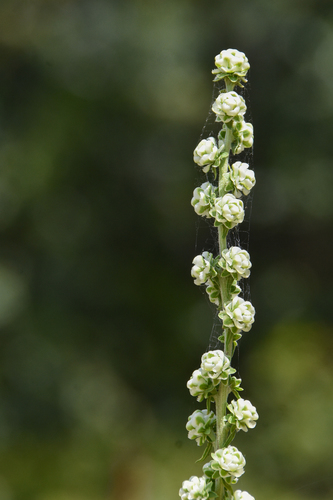
- Gray's LilyLilium grayi
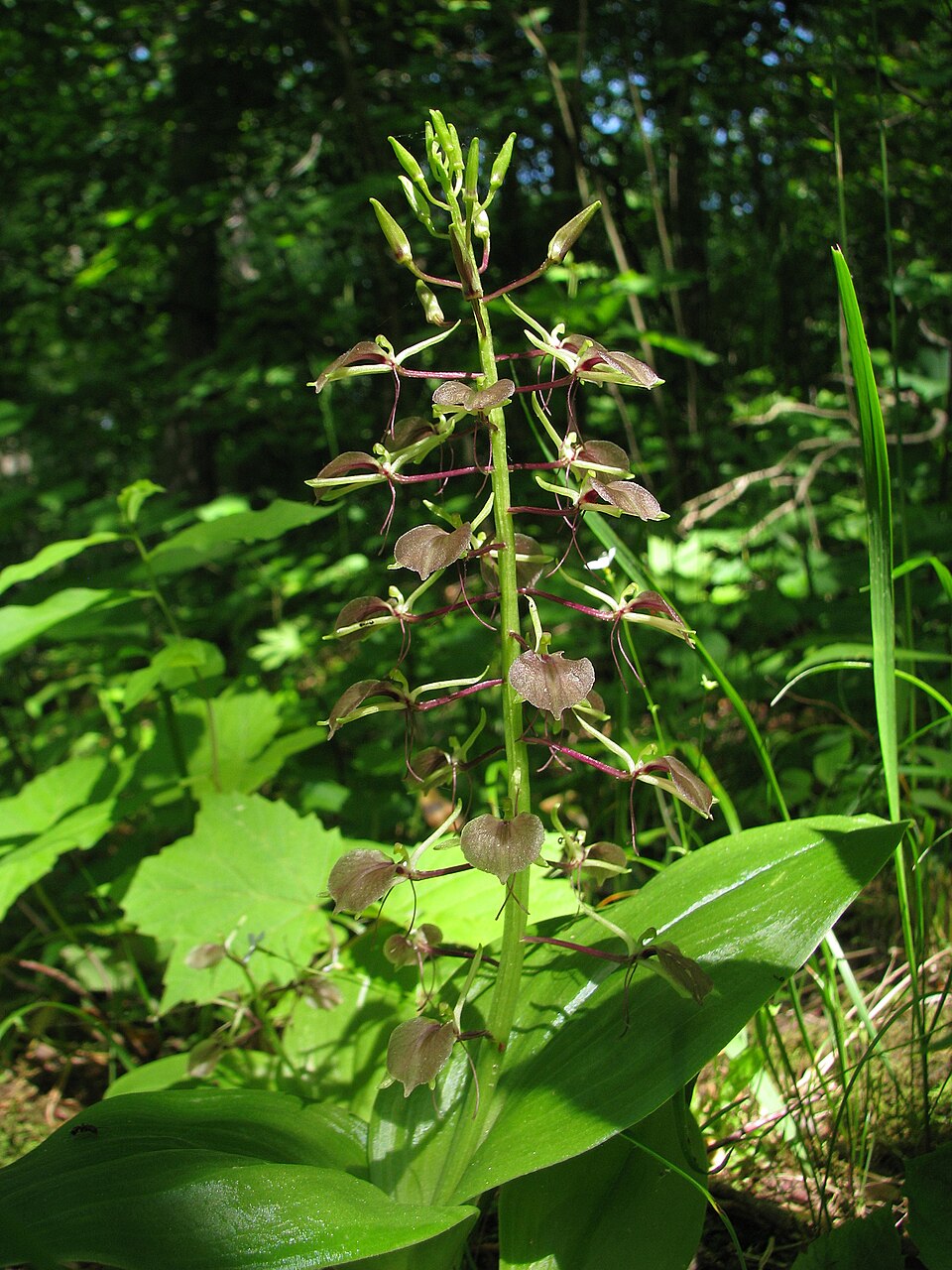
- Purple TwaybladeLiparis liliifolia
- Coastal Plain PuccoonLithospermum caroliniense
- PondspiceLitsea aestivalis
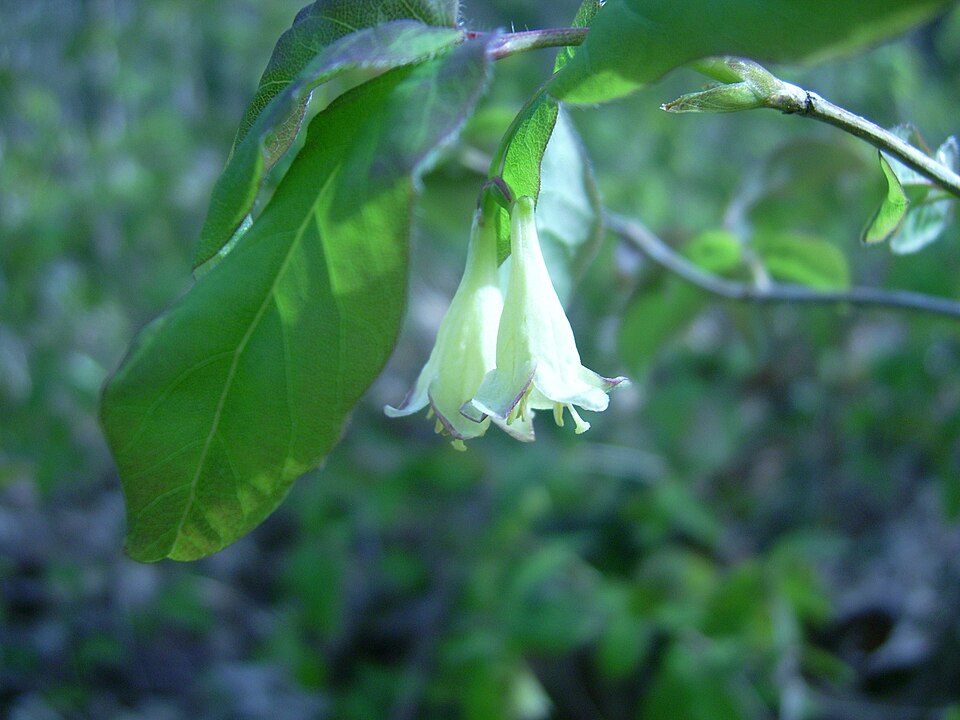
- American Fly-honeysuckleLonicera canadensis
- Bushy SeedboxLudwigia alternifolia
- Long Beach SeedboxLudwigia brevipes
- Globefruit SeedboxLudwigia sphaerocarpa
- Northern BugleweedLycopus uniflorus
- American Climbing FernLygodium palmatum
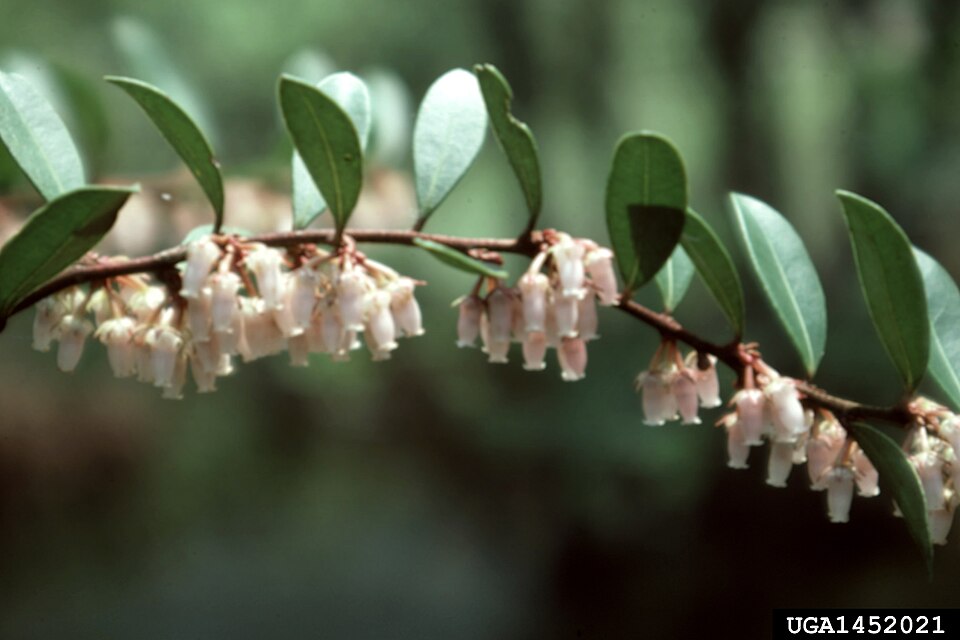
- Shining FetterbushLyonia lucida
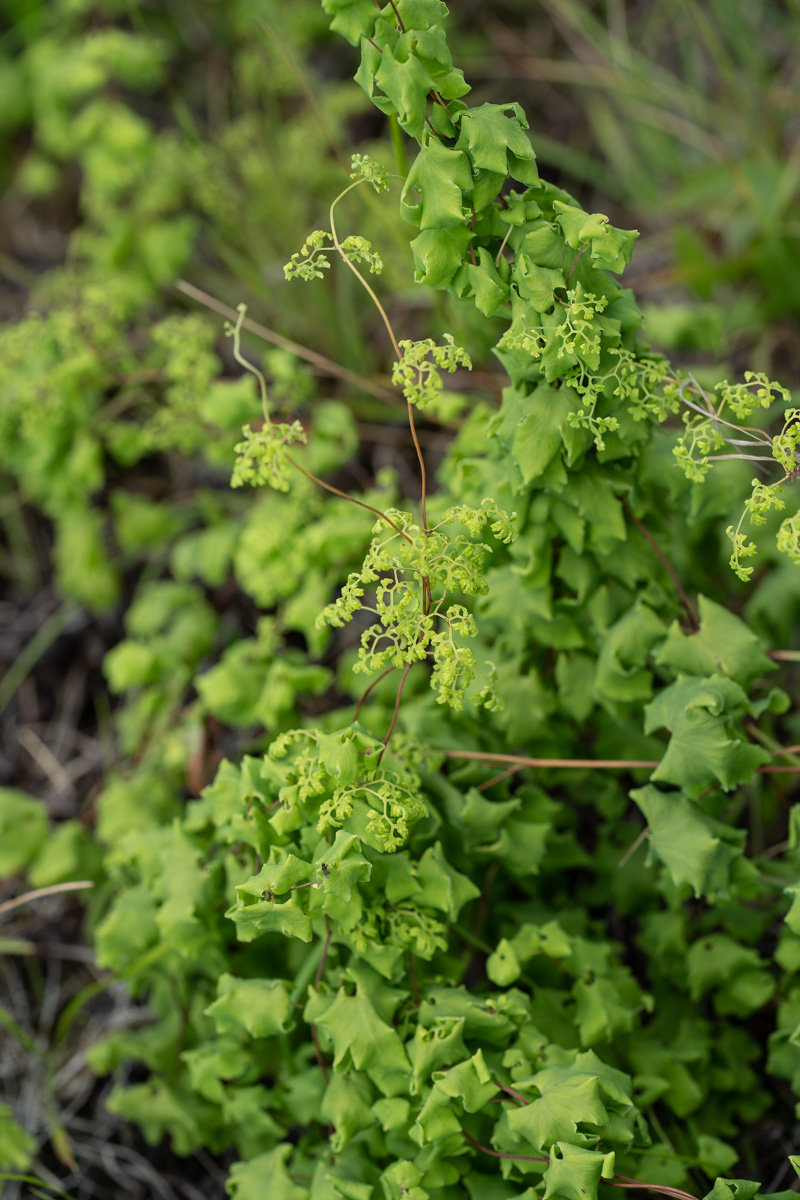
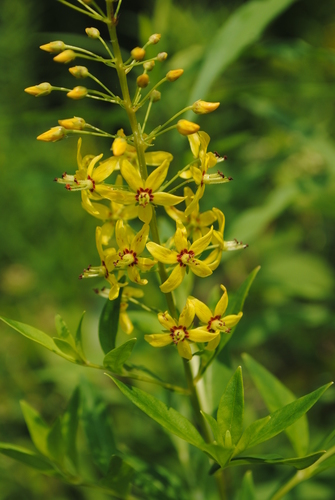
- Swamp-candlesLysimachia terrestris
Wildlife 258
Other animals whose habitat models include the same habitats in Virginia. Not sighting records.
- Common NighthawkChordeiles minor
- Common YellowthroatGeothlypis trichas
- Cooper's HawkAccipiter cooperii
- Great Blue HeronArdea herodias
- Great Horned OwlBubo virginianus
- Red-winged BlackbirdAgelaius phoeniceus
- Sharp-shinned HawkAccipiter striatus
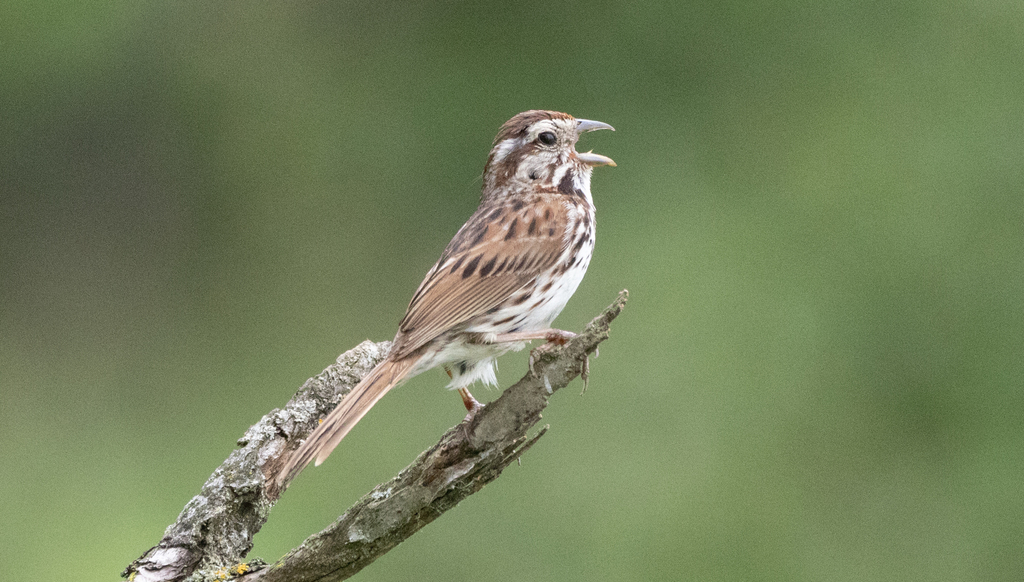
- Song SparrowMelospiza melodia
- Spotted SandpiperActitis macularius
- Turkey VultureCathartes aura
- Yellow-breasted ChatIcteria virens
- Yellow-crowned Night-heronNyctanassa violacea
- American Black DuckAnas rubripes
- American CrowCorvus brachyrhynchos
- Black-crowned Night-heronNycticorax nycticorax
- Canada GooseBranta canadensis
- Chimney SwiftChaetura pelagica
- Eastern KingbirdTyrannus tyrannus
- Great EgretArdea alba
- Green HeronButorides virescens
- Northern CardinalCardinalis cardinalis
- Red-tailed HawkButeo jamaicensis
- Rusty BlackbirdEuphagus carolinus
- Swamp SparrowMelospiza georgiana










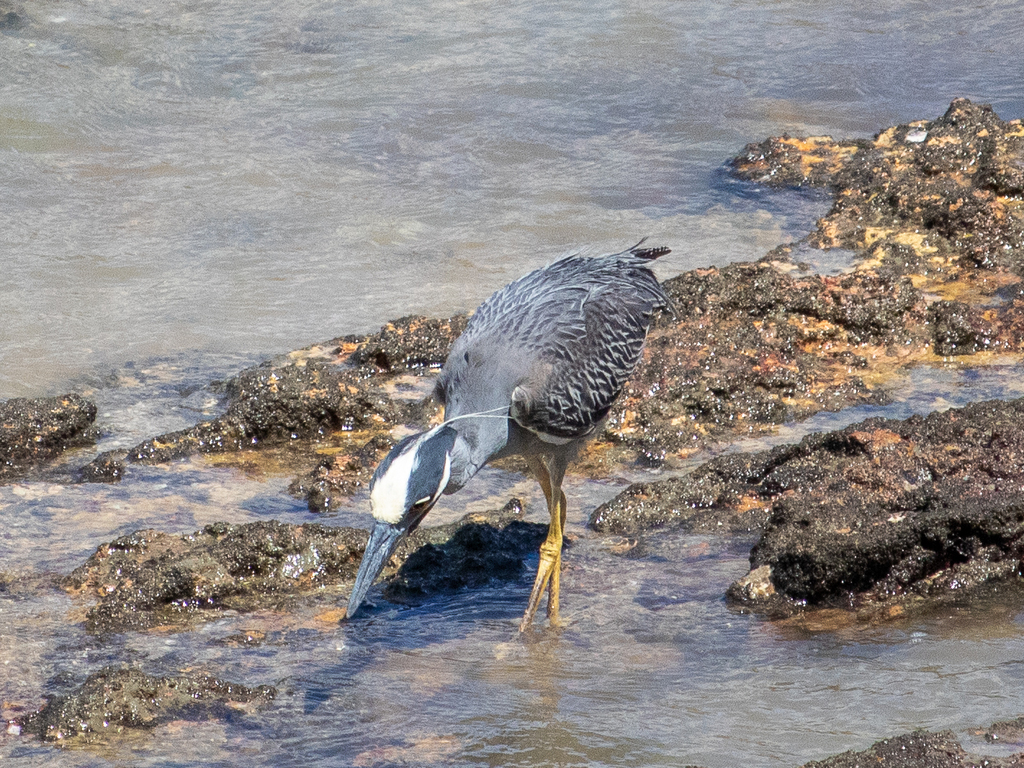










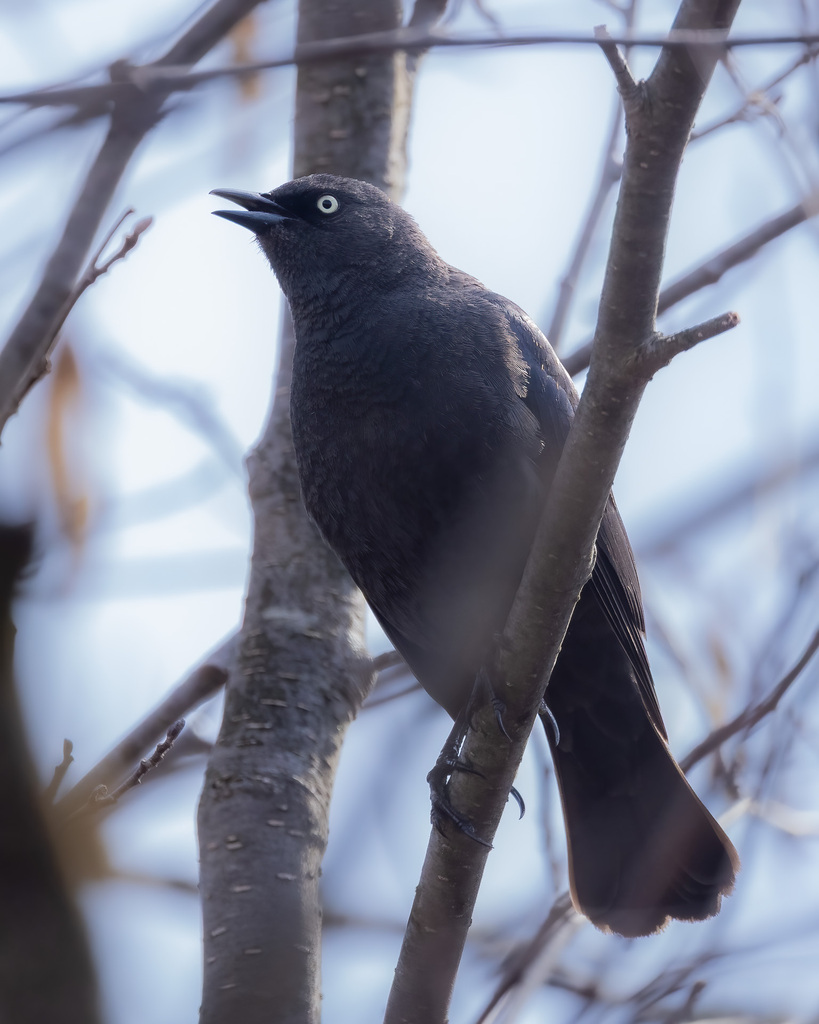
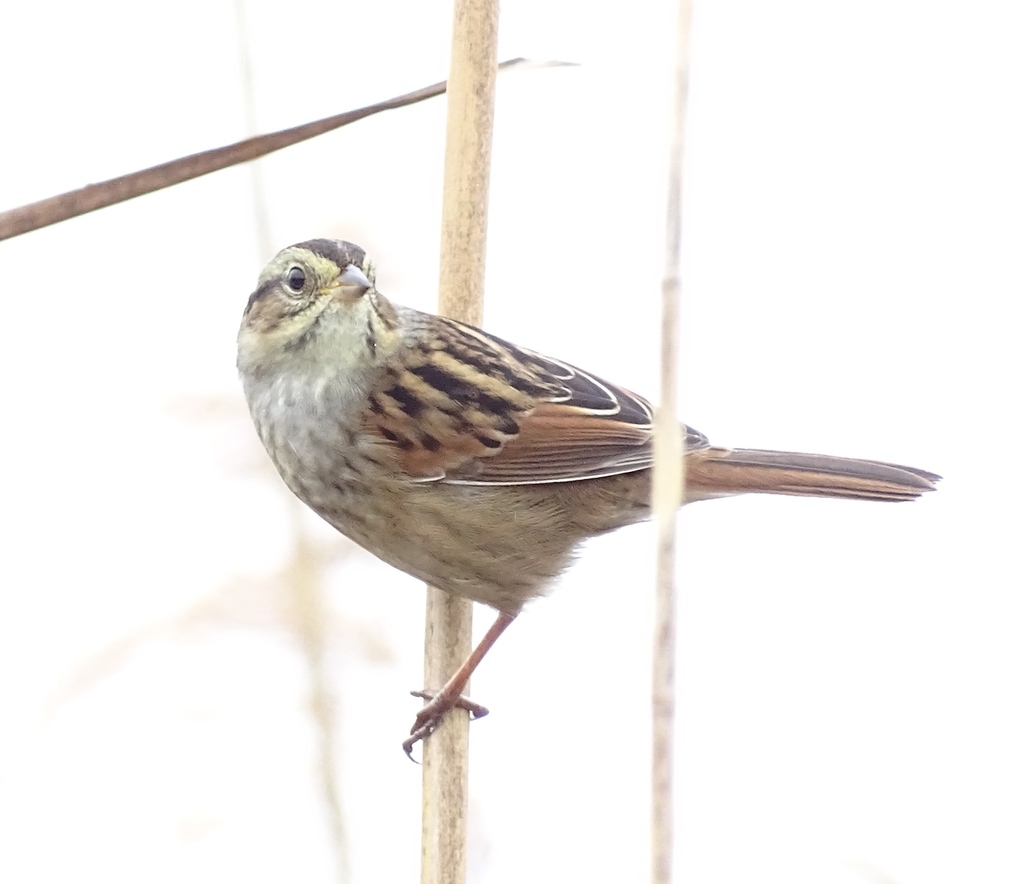


NatureServe Explorer, CC BY 4.0. USGS Gap Analysis Project habitat models.
Sources
- USGS Gap Analysis Project habitat models (2001)
- USGS GAP winter habitat model for Mallard Fresh water only
- USGS Gap Analysis Project range maps (2001), modeled by watershed; migratory gives no dates
- NatureServe Explorer (CC BY 4.0), habitat names
- US Census TIGER/Line counties
- Names follow the USGS Gap Analysis Project (2001)