

Bird
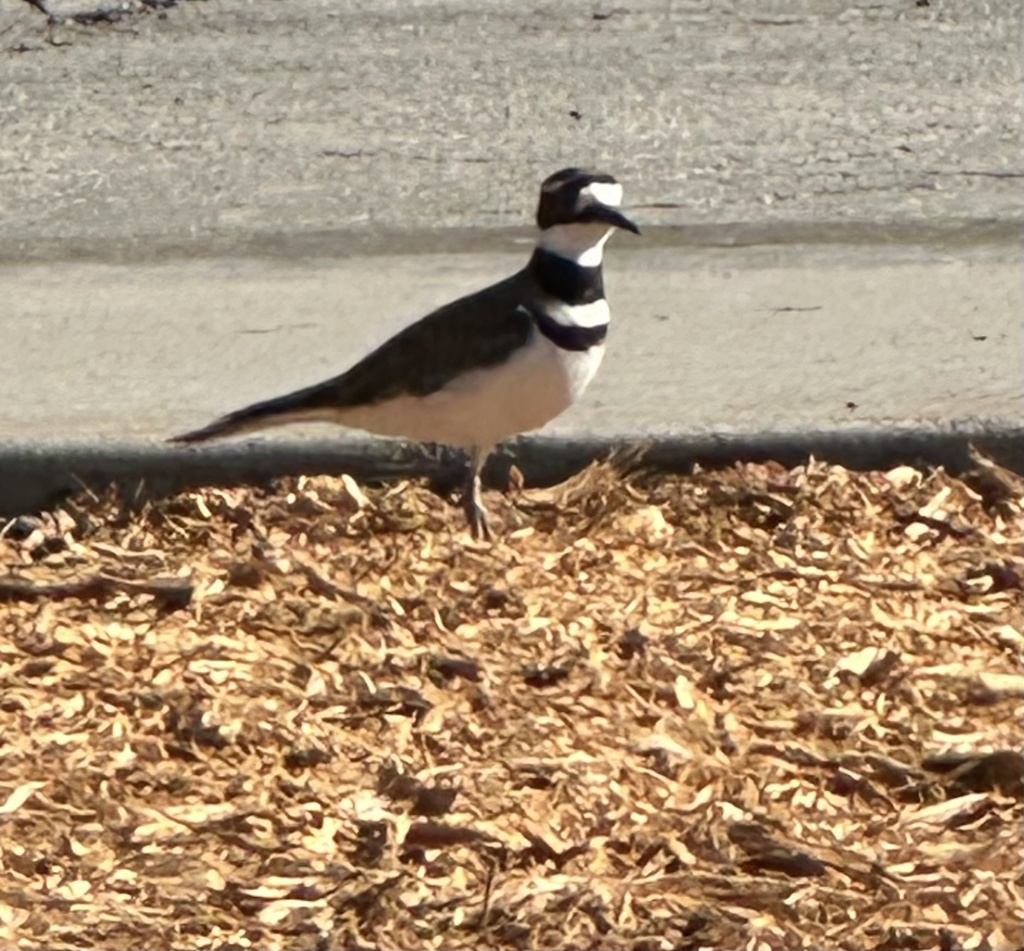
Killdeer
Charadrius vociferus
Lives in Virginia all year and nests here. Found in all 133 counties and cities, across 6 habitats.
- Here
- All year
- Nesting
- Nests here
- Range
- All 133 counties and cities
- Habitats
- 6
At a glance
- Group
- Birds
- Here
- All year
- Nesting
- Nests here
- Range
- All 133 counties and cities
- Habitats
- 6
- Habitat models
- Summer, Winter
Where it lives
The places its habitat model includes. It is not found everywhere a habitat occurs.
Habitats in Virginia 6
Each habitat page lists the plants and wildlife also found there.
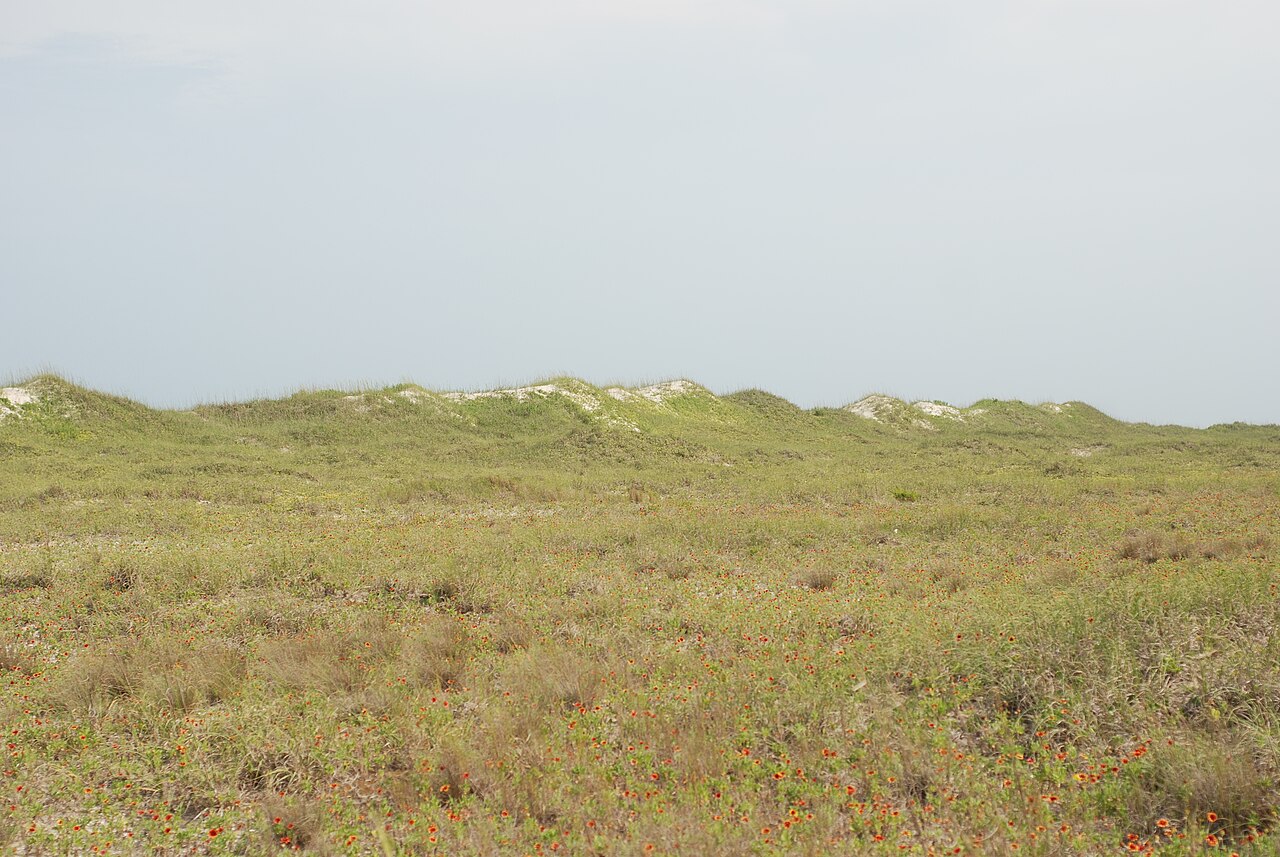
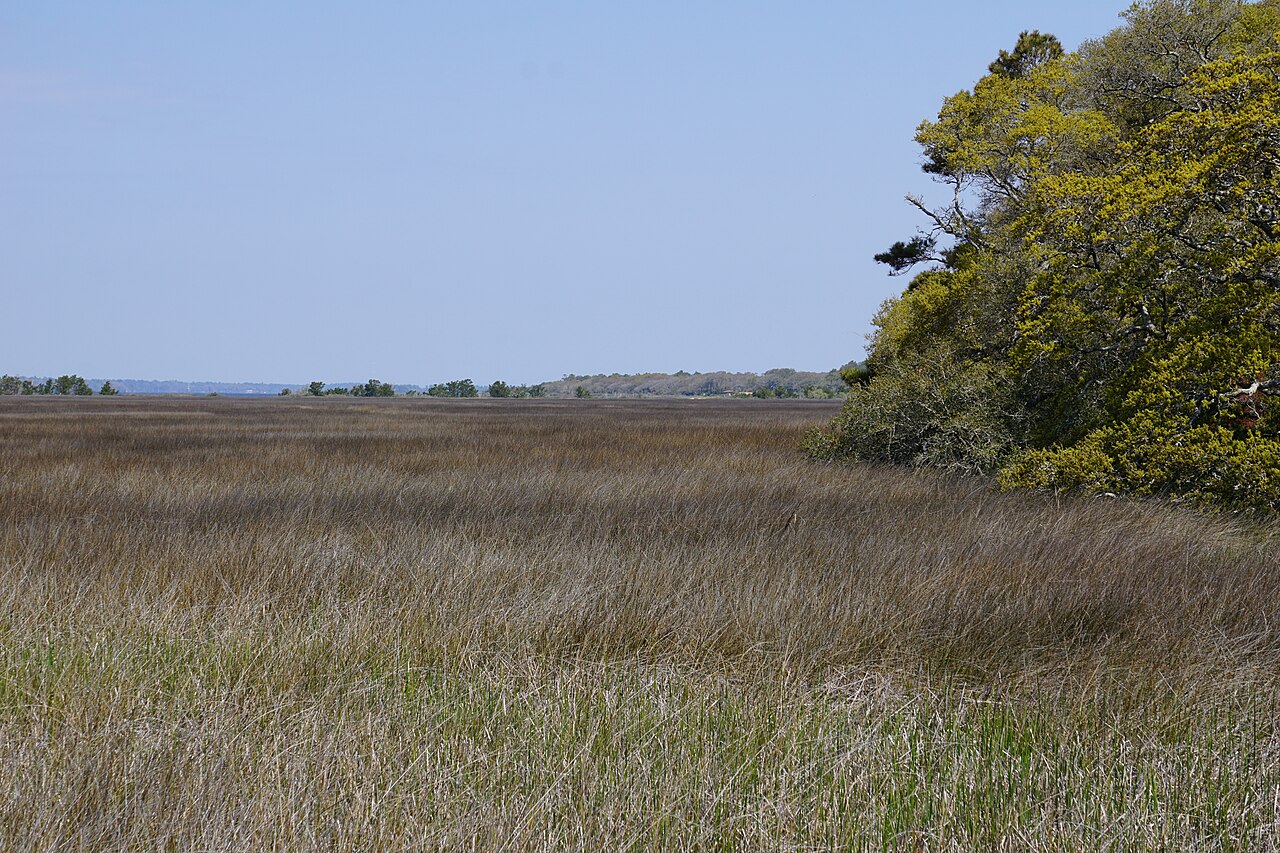
Coastal tidal marshes (salinity not stated)
Tidal marshes of the Atlantic and Gulf coasts where the source does not say whether the water is fresh, brackish or salt. A stated salinity files the marsh under freshwater tidal marshes or salt and brackish marshes instead.
Marshes along tidal rivers where the water is fresh but rises and falls with the tide.
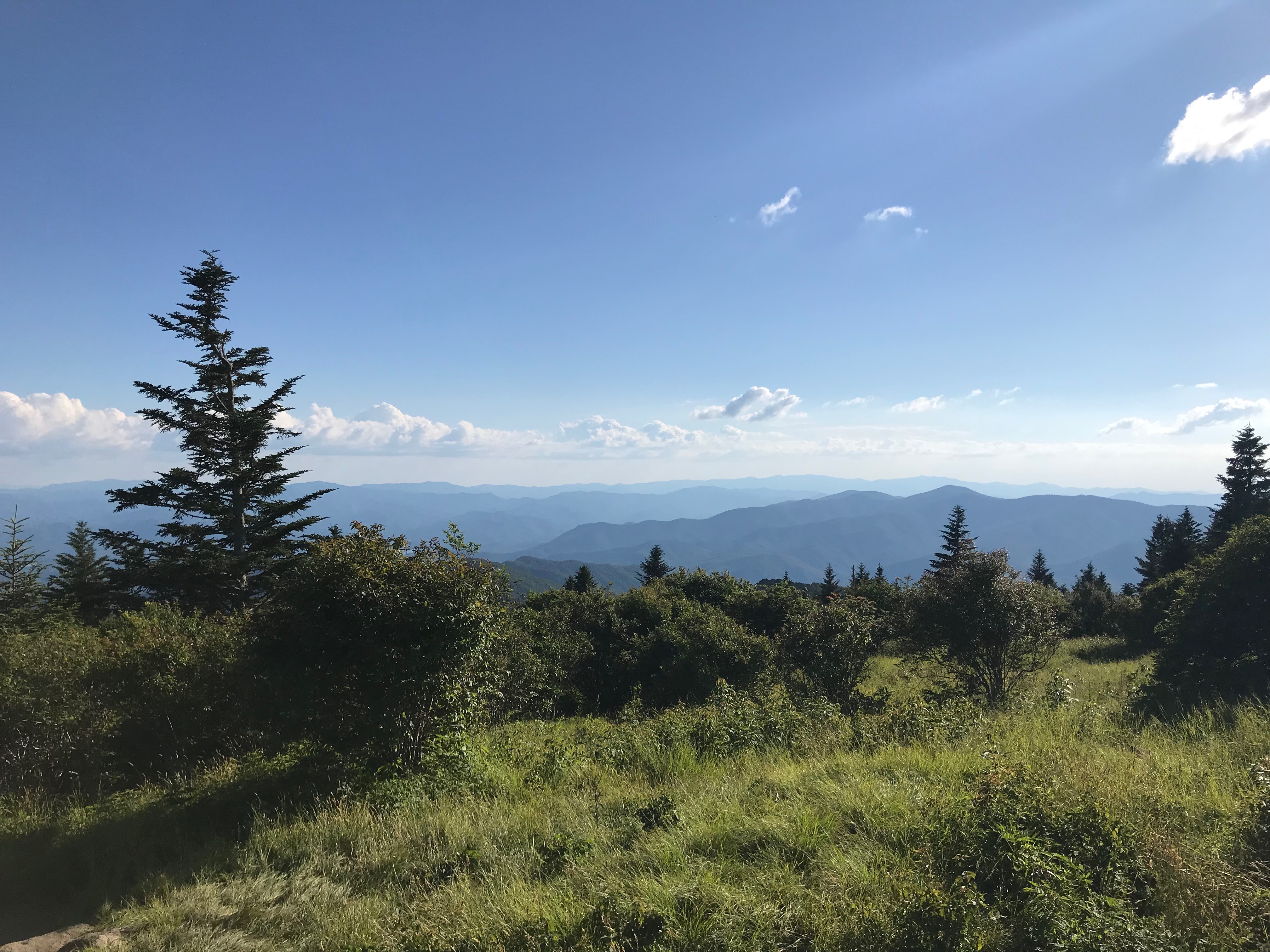
Roadsides, fields and disturbed ground
Ground opened by people: roadsides, old fields, pastures, fencerows and lots.
Other habitats in its models (86)
Land cover, or classes with no habitat page in Virginia.
- Quarries, Mines, Gravel Pits and Oil Wells Summer and winter.
- Barren Land Summer and winter.
- Atlantic Coastal Plain Southern Beach Summer and winter.
- Unconsolidated Shore (Lake/River/Pond) Summer and winter.
- Unconsolidated Shore Summer and winter.
- North American Warm Desert Active and Stabilized Dune Summer.
- Louisiana Beach Summer and winter.
- Southeast Florida Beach Summer and winter.
- Great Lakes Dune Summer.
- South Florida Shell Hash Beach Summer and winter.
- Florida Panhandle Beach Vegetation Summer and winter.
- Atlantic Coastal Plain Sea Island Beach Summer and winter.
- Southwest Florida Beach Summer and winter.
- Inter-Mountain Basins Active and Stabilized Dune Summer.
- Mediterranean California Southern Coastal Dune Summer.
- Mediterranean California Northern Coastal Dune Summer.
- North Pacific Maritime Coastal Sand Dune and Strand Summer.
- Western Great Plains Badland Summer.
- North American Warm Desert Badland Summer.
- Inter-Mountain Basins Shale Badland Summer.
- Columbia Plateau Ash and Tuff Badland Summer.
- Temperate Pacific Intertidal Mudflat Summer.
- North Pacific Serpentine Barren Summer.
- North American Warm Desert Playa Summer.
- Inter-Mountain Basins Playa Summer.
- North Pacific Alpine and Subalpine Bedrock and Scree Summer.
- Mediterranean California Alpine Bedrock and Scree Summer.
- North American Warm Desert Pavement Summer.
- North American Warm Desert Volcanic Rockland Summer.
- Mediterranean California Alpine Fell-Field Summer.
- Apacherian-Chihuahuan Semi-Desert Grassland and Steppe Summer.
- Chihuahuan Gypsophilous Grassland and Steppe Summer.
- Columbia Plateau Steppe and Grassland Summer.
- Inter-Mountain Basins Semi-Desert Shrub Steppe Summer.
- Willamette Valley Upland Prairie and Savanna Summer.
- West Gulf Coastal Plain Nepheline Syenite Glade Summer and winter.
- Atlantic Coastal Plain Xeric River Dune Summer and winter.
- Northern Atlantic Coastal Plain Heathland and Grassland Summer.
- Mediterranean California Alpine Dry Tundra Summer.
- Rocky Mountain Dry Tundra Summer.
- North Pacific Alpine and Subalpine Dry Grassland Summer.
- Mediterranean California Subalpine Meadow Summer.
- North Pacific Montane Grassland Summer.
- Rocky Mountain Subalpine-Montane Mesic Meadow Summer.
- Eastern Highland Rim Prairie and Barrens - Dry Modifier Summer and winter.
- Chihuahuan Sandy Plains Semi-Desert Grassland Summer.
- Columbia Basin Foothill and Canyon Dry Grassland Summer.
- Inter-Mountain Basins Semi-Desert Grassland Summer.
- Western Great Plains Sand Prairie Summer.
- Western Great Plains Shortgrass Prairie Summer.
- Florida Dry Prairie Summer and winter.
- West Gulf Coastal Plain Northern Calcareous Prairie Summer and winter.
- West Gulf Coastal Plain Southern Calcareous Prairie Summer and winter.
- Tamaulipan Clay Grassland Summer.
- Chihuahuan Loamy Plains Desert Grassland Summer.
- California Central Valley and Southern Coastal Grassland Summer.
- Atlantic Coastal Plain Southern Dune and Maritime Grassland Summer and winter.
- Southwest Florida Dune and Coastal Grassland Summer and winter.
- Texas-Louisiana Coastal Prairie Summer and winter.
- East Gulf Coastal Plain Dune and Coastal Grassland Summer and winter.
- Northern Atlantic Coastal Plain Dune and Swale Summer.
- Central and Upper Texas Coast Dune and Coastal Grassland Summer and winter.
- South Texas Dune and Coastal Grassland Summer.
- Recently Burned Grassland Summer and winter.
- Introduced Upland Vegetation - Perennial Grassland and Forbland Summer.
- Acadian Salt Marsh and Estuary Systems Summer.
- Atlantic Coastal Plain Central Salt and Brackish Tidal Marsh Summer and winter.
- Atlantic Coastal Plain Indian River Lagoon Tidal Marsh Summer and winter.
- Mississippi Sound Salt and Brackish Tidal Marsh Summer and winter.
- Temperate Pacific Tidal Salt and Brackish Marsh Summer.
- Florida Big Bend Salt-Brackish Tidal Marsh Summer and winter.
- North Pacific Intertidal Freshwater Wetland Summer.
- North American Arid West Emergent Marsh Summer.
- Florida Big Bend Fresh-Oligohaline Tidal Marsh Summer and winter.
- Atlantic Coastal Plain Central Fresh-Oligohaline Tidal Marsh Summer and winter.
- Inter-Mountain Basins Interdunal Swale Wetland Summer.
- Mediterranean California Subalpine-Montane Fen Summer.
- Texas Saline Coastal Prairie Summer and winter.
- Eastern Great Plains Wet Meadow, Prairie, and Marsh Summer and winter.
- Rocky Mountain Alpine-Montane Wet Meadow Summer.
- Temperate Pacific Montane Wet Meadow Summer.
- Chihuahuan-Sonoran Desert Bottomland and Swale Grassland Summer.
- Great Plains Prairie Pothole Summer.
- Northern California Claypan Vernal Pool Summer.
- Inter-Mountain Basins Alkaline Closed Depression Summer.
- Cumberland Riverscour Summer and winter.
Seasons in Virginia
- Year-round: nests here, in 115 of 133 counties and cities.
- Summer: nests here, in 42 of 133 counties and cities.
Also found in this habitat
Plants 178
Plants named in NatureServe descriptions of these habitats that grow in Virginia. Shared habitat, not food.
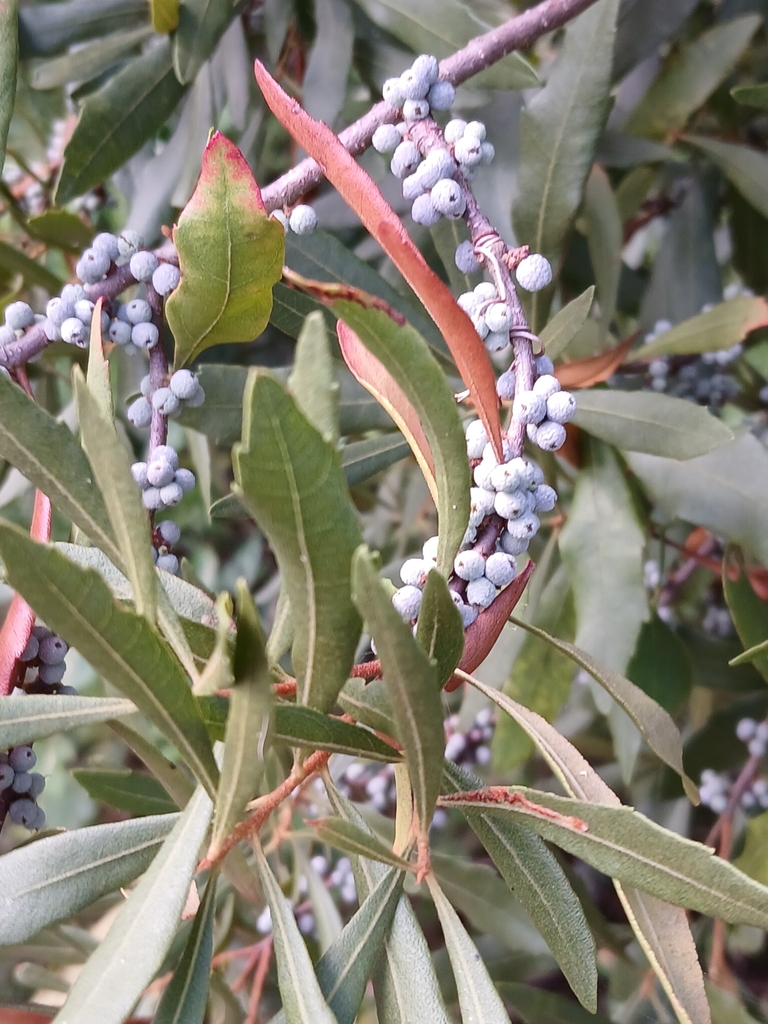
- Common WaxmyrtleMorella cerifera
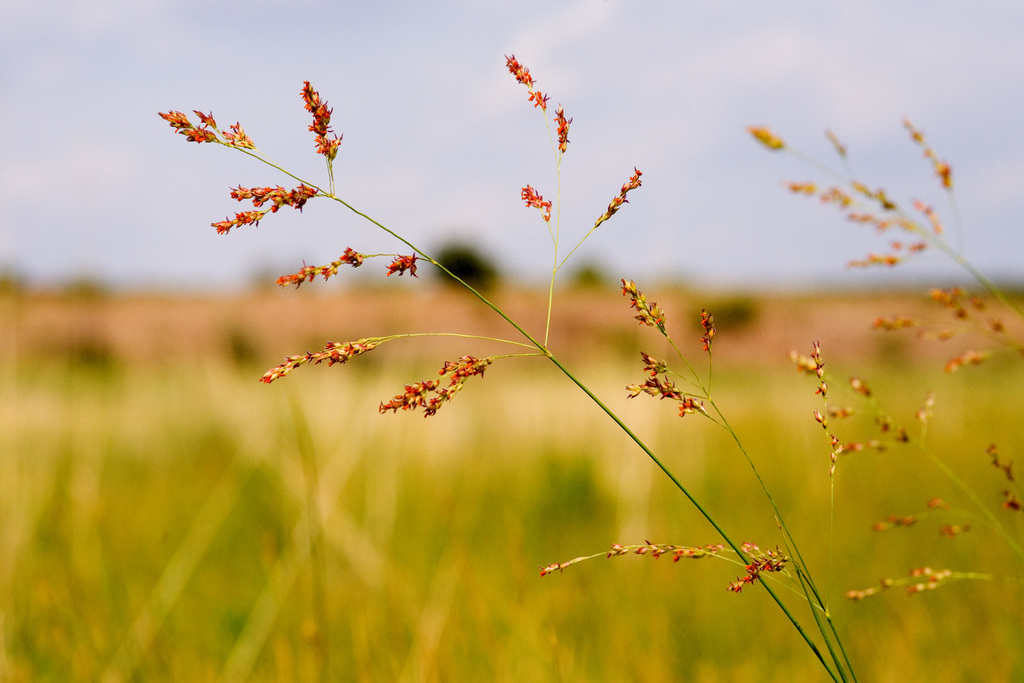
- SwitchgrassPanicum virgatum
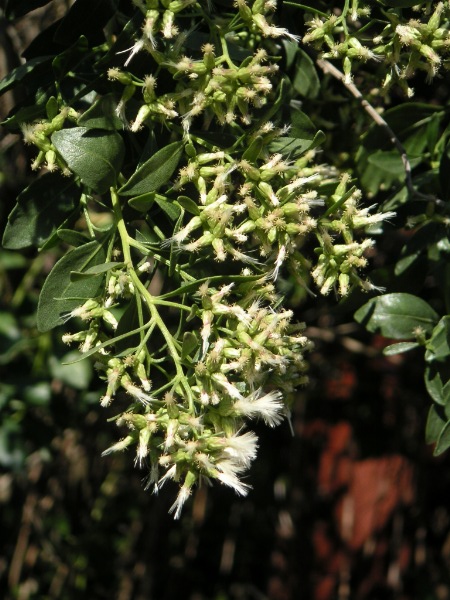
- Groundsel-treeBaccharis halimifolia
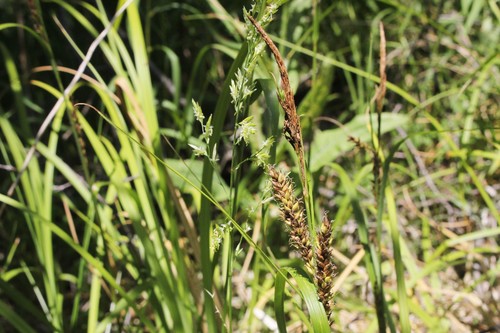
- Shoreline SedgeCarex hyalinolepis
- Creeping SpikerushEleocharis fallax
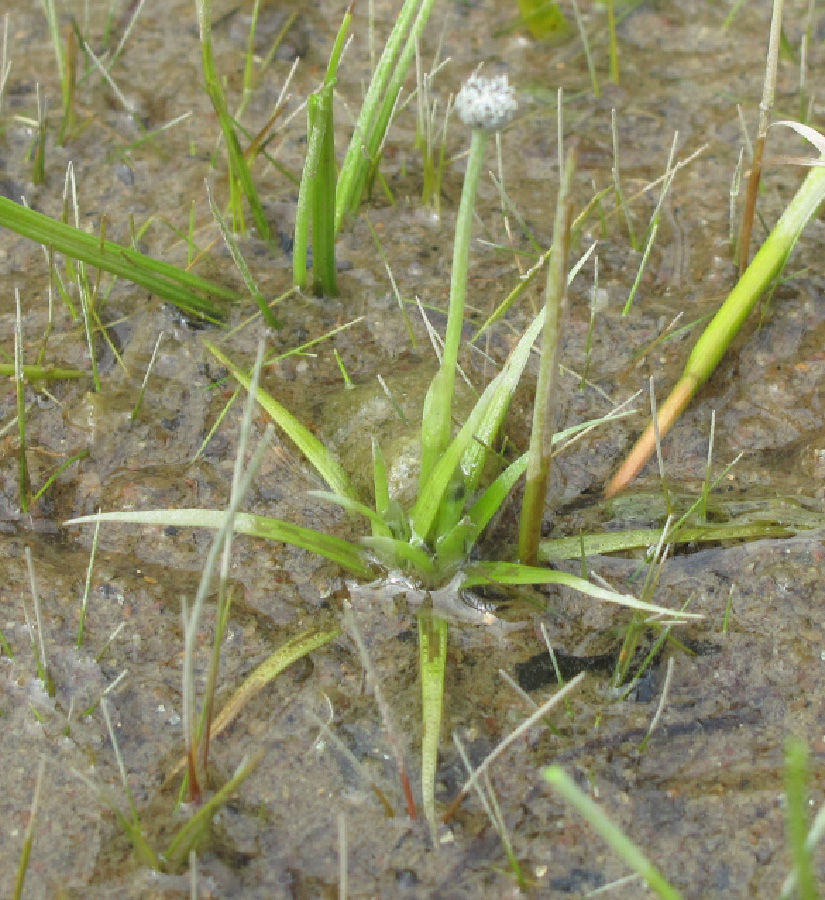
- Estuary PipewortEriocaulon parkeri
- Bigleaf Marsh-elderIva frutescens
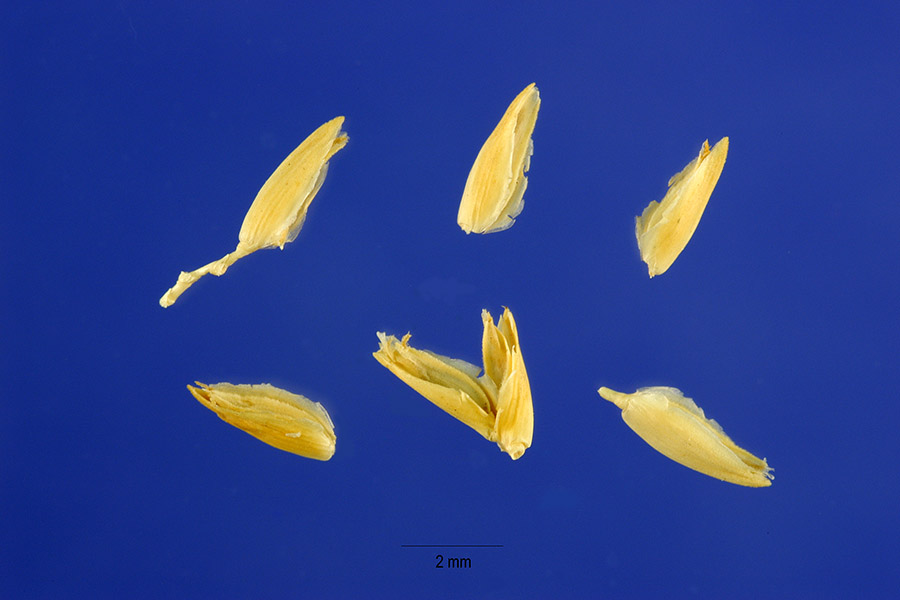
- Rice CutgrassLeersia oryzoides
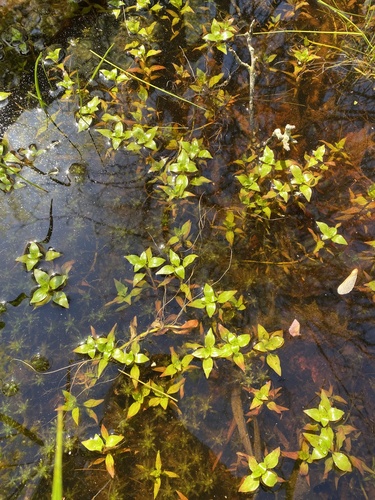
- Welsh MudwortLimosella australis
- Marsh SeedboxLudwigia palustris
- Dotted SmartweedPersicaria punctata
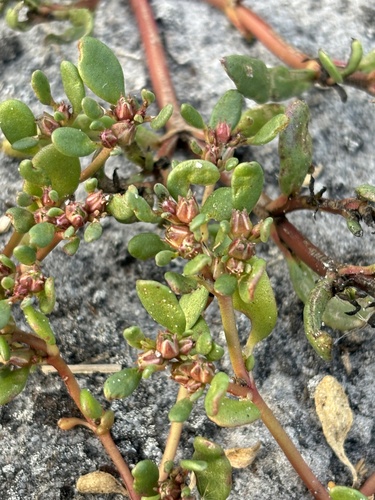
- Slender Sea-purslaneSesuvium maritimum
- Saltmarsh CordgrassSpartina alterniflora
- Saltmeadow CordgrassSpartina patens
- Sensitive JointvetchAeschynomene virginica
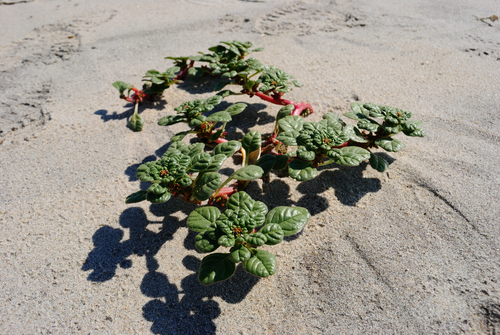
- Seabeach AmaranthAmaranthus pumilus
- Seashore SaltgrassDistichlis spicata
- Dwarf SpikerushEleocharis parvula
- Beaked SpikerushEleocharis rostellata
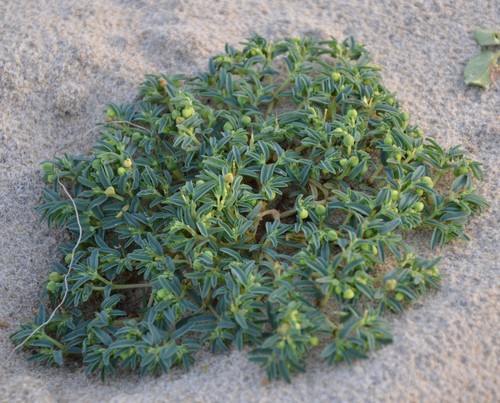
- Northern Seaside SpurgeEuphorbia polygonifolia
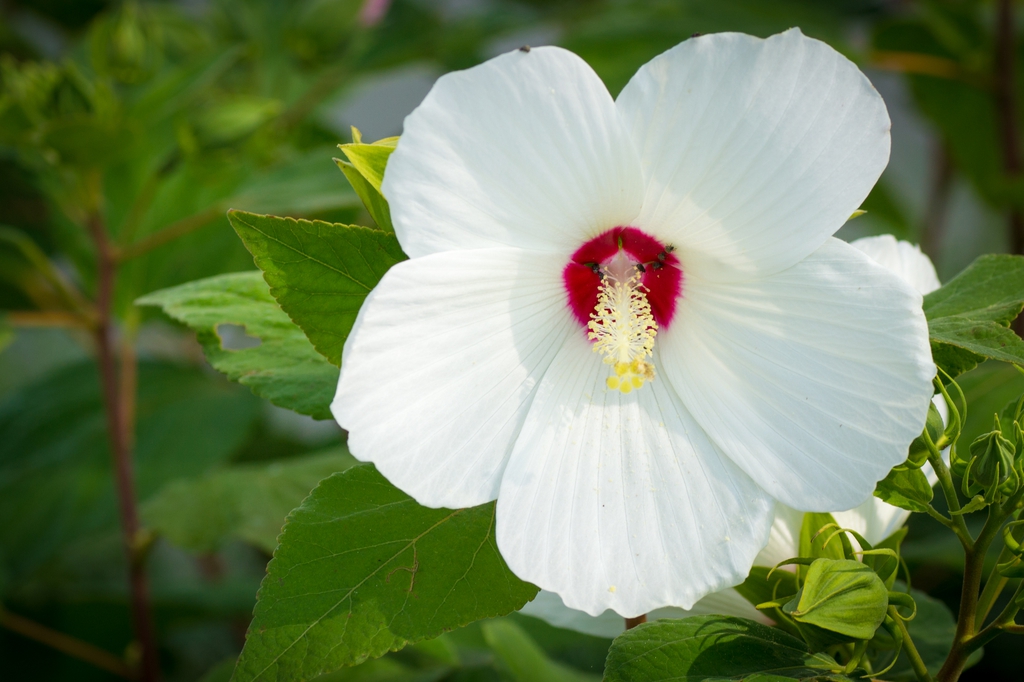
- Swamp RosemallowHibiscus moscheutos
- Shore QuillwortIsoetes riparia
- Black NeedlerushJuncus roemerianus
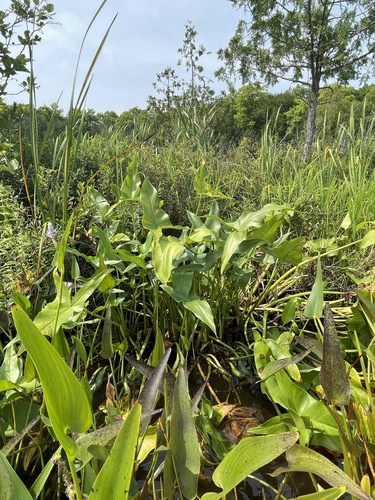
- Green Arrow-arumPeltandra virginica
Wildlife 226
Other animals whose habitat models include the same habitats in Virginia. Not sighting records.
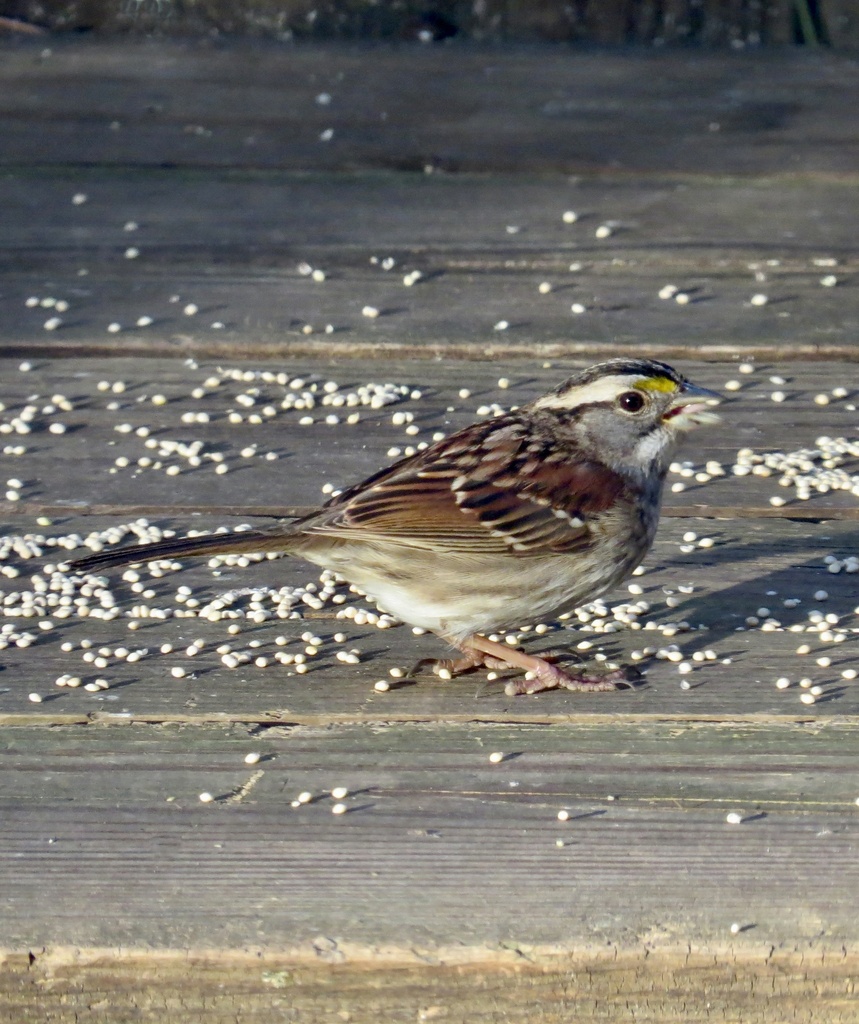
- White-throated SparrowZonotrichia albicollis
- Yellow-rumped WarblerDendroica coronata
- American GoldfinchCarduelis tristis
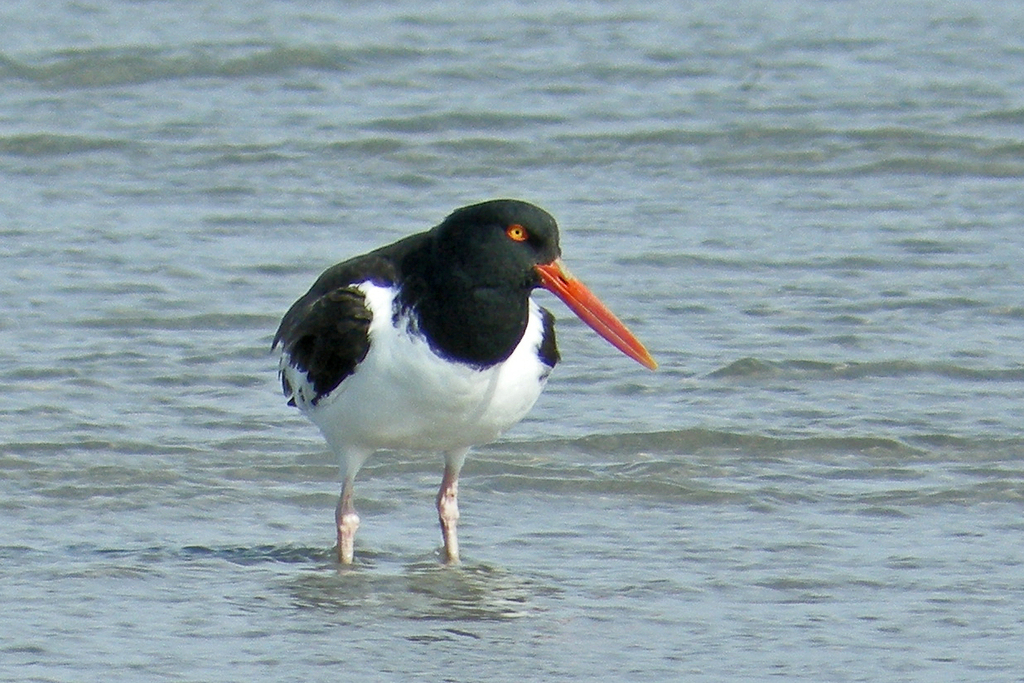
- American OystercatcherHaematopus palliatus
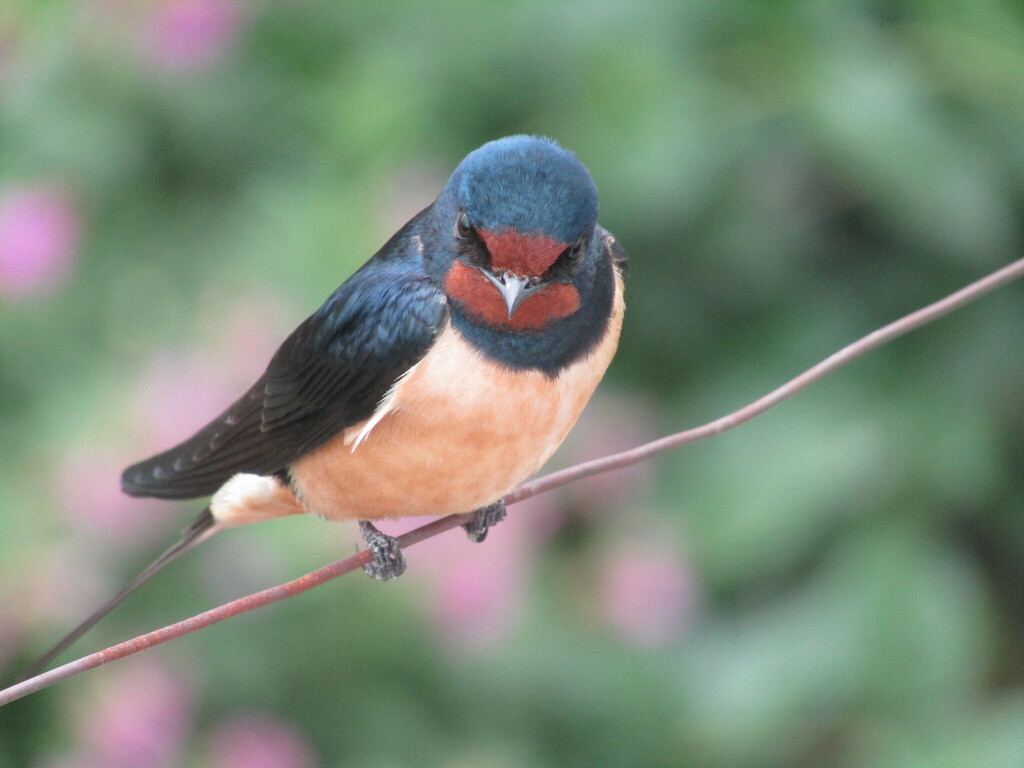
- Barn SwallowHirundo rustica
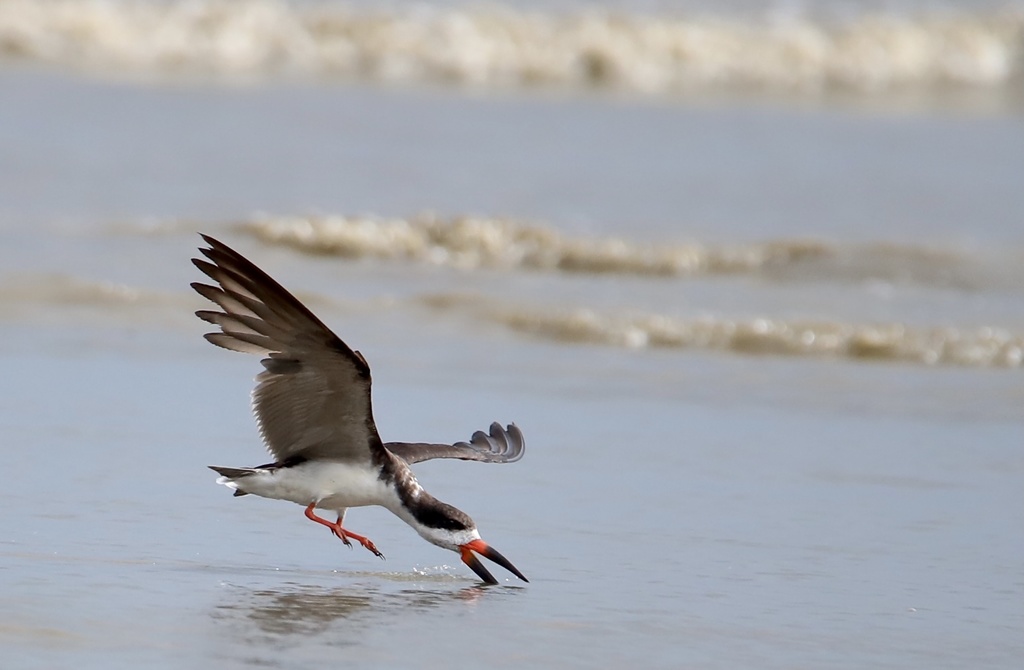
- Black SkimmerRynchops niger
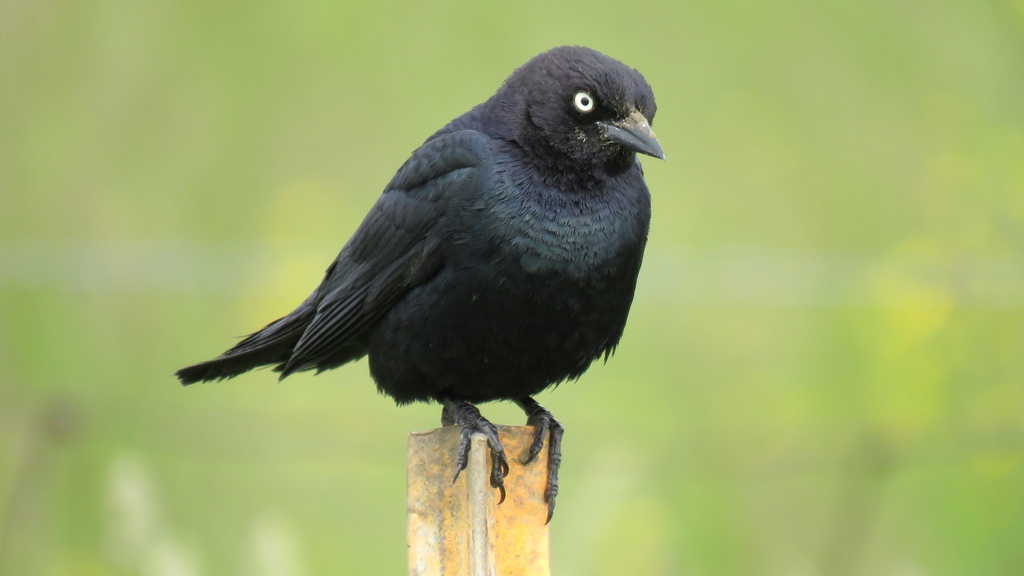
- Brewer's BlackbirdEuphagus cyanocephalus
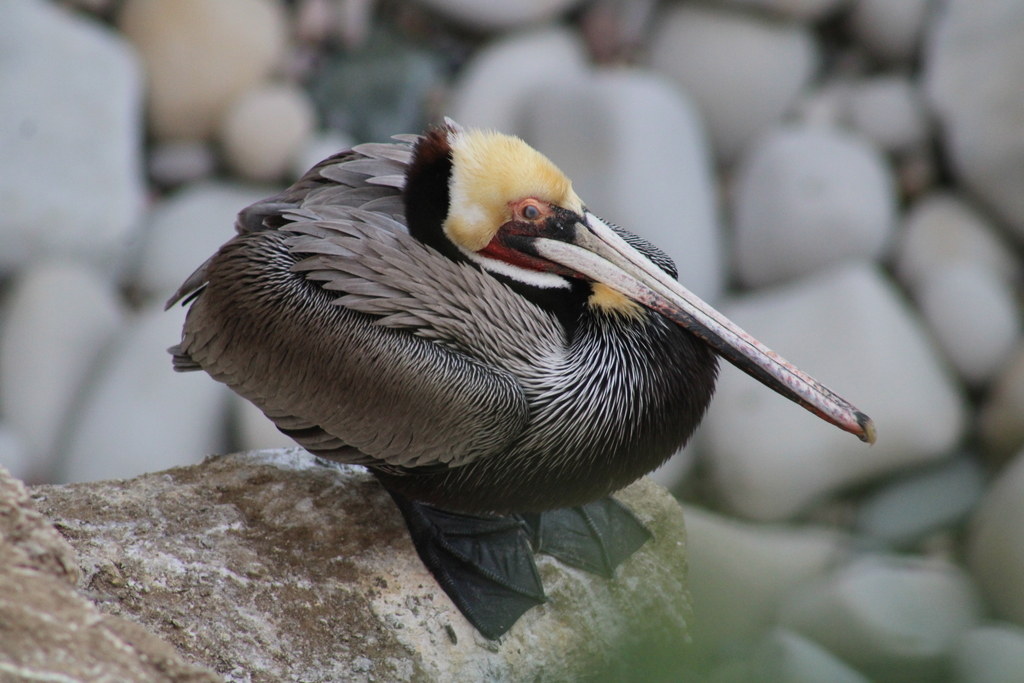
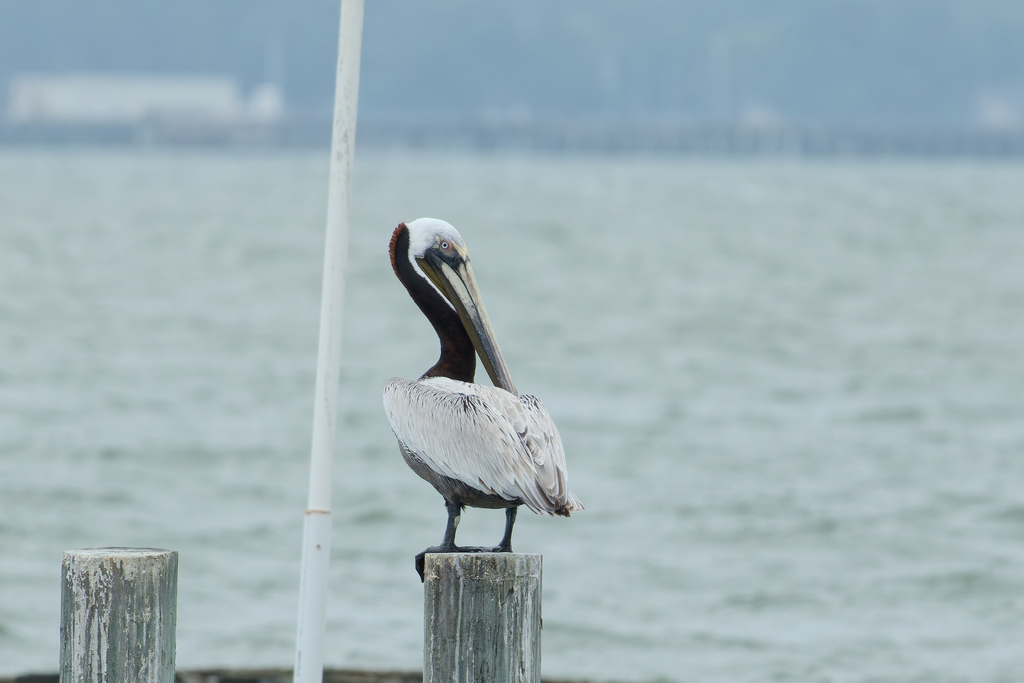
- Brown PelicanPelecanus occidentalis
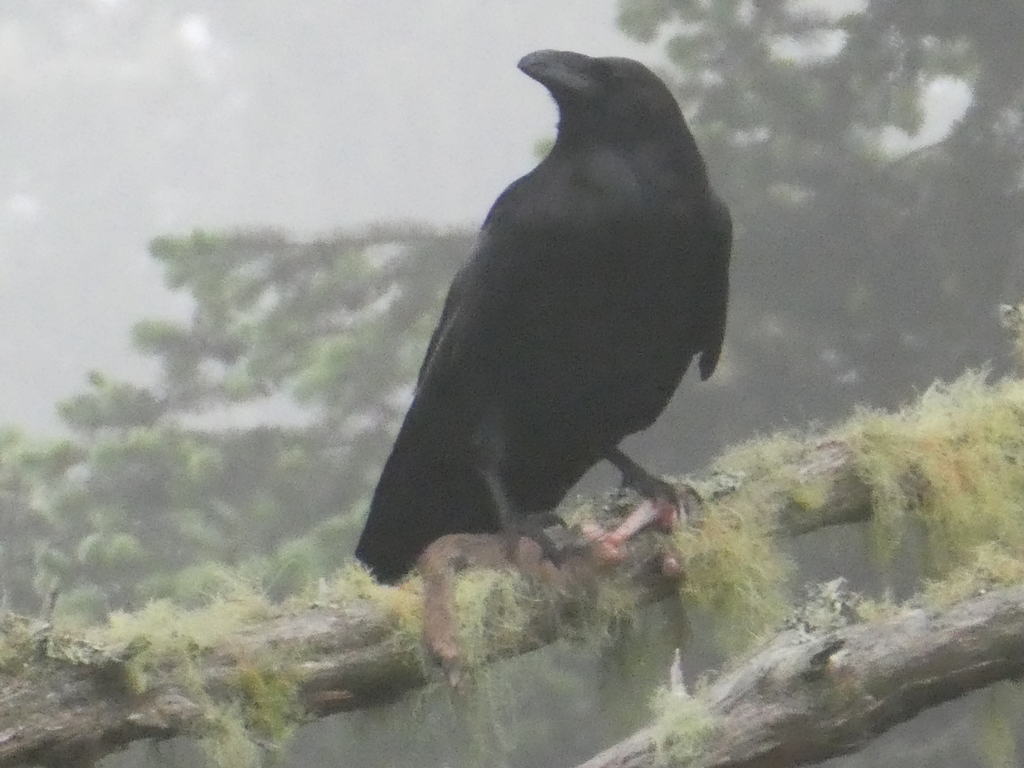
- Common RavenCorvus corax
- Eastern Brown PelicanPelecanus occidentalis carolinensis
- Eastern PhoebeSayornis phoebe
- Eastern TowheePipilo erythrophthalmus
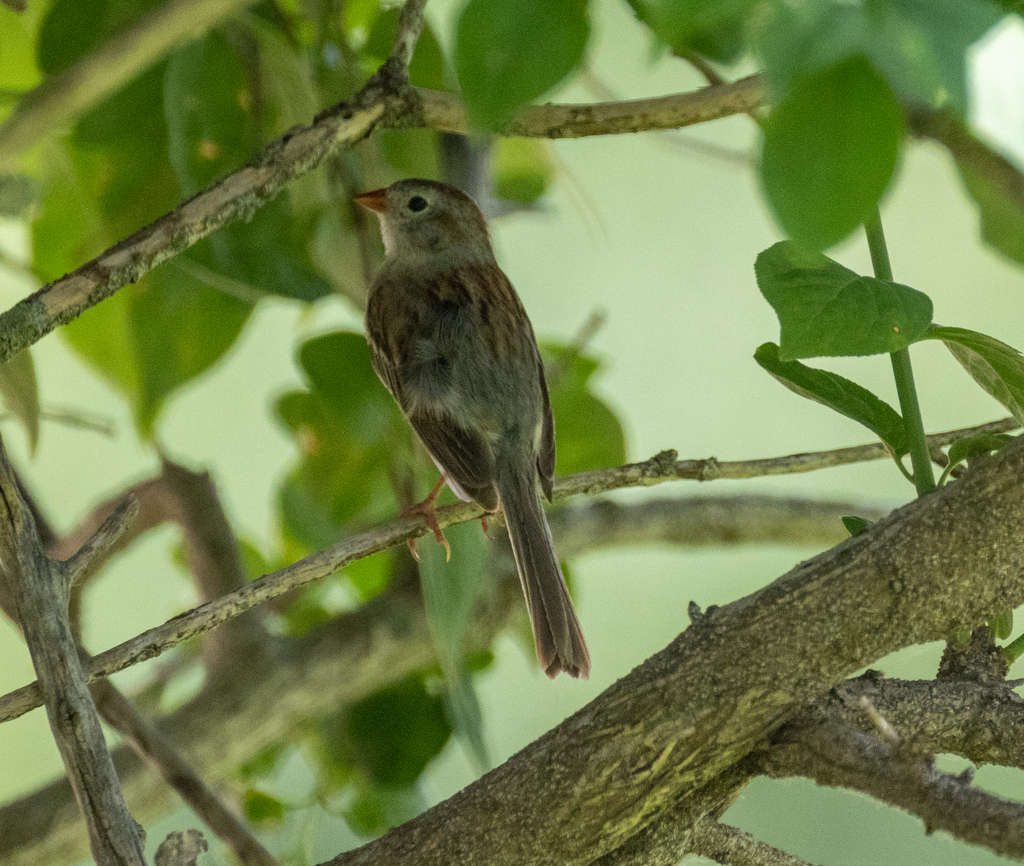
- Field SparrowSpizella pusilla
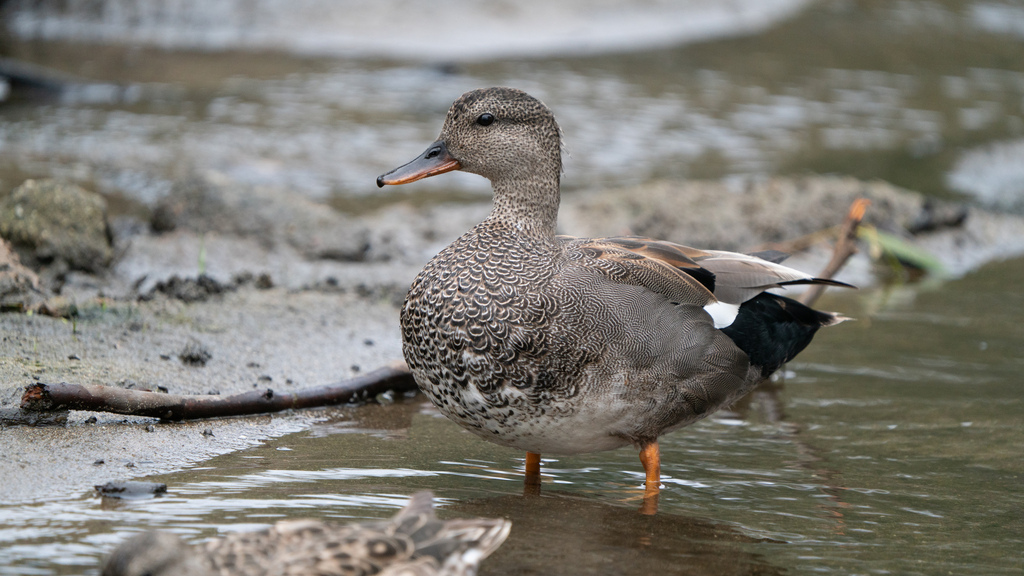
- GadwallAnas strepera
- Greater YellowlegsTringa melanoleuca
- Gull-billed TernGelochelidon nilotica
- Hooded MerganserLophodytes cucullatus
- Horned LarkEremophila alpestris
- Indigo BuntingPasserina cyanea
- Lesser ScaupAythya affinis
- Lesser YellowlegsTringa flavipes
- Little Blue HeronEgretta caerulea
- Marbled GodwitLimosa fedoa
- Nelson's Sharp-tailed SparrowAmmodramus nelsoni




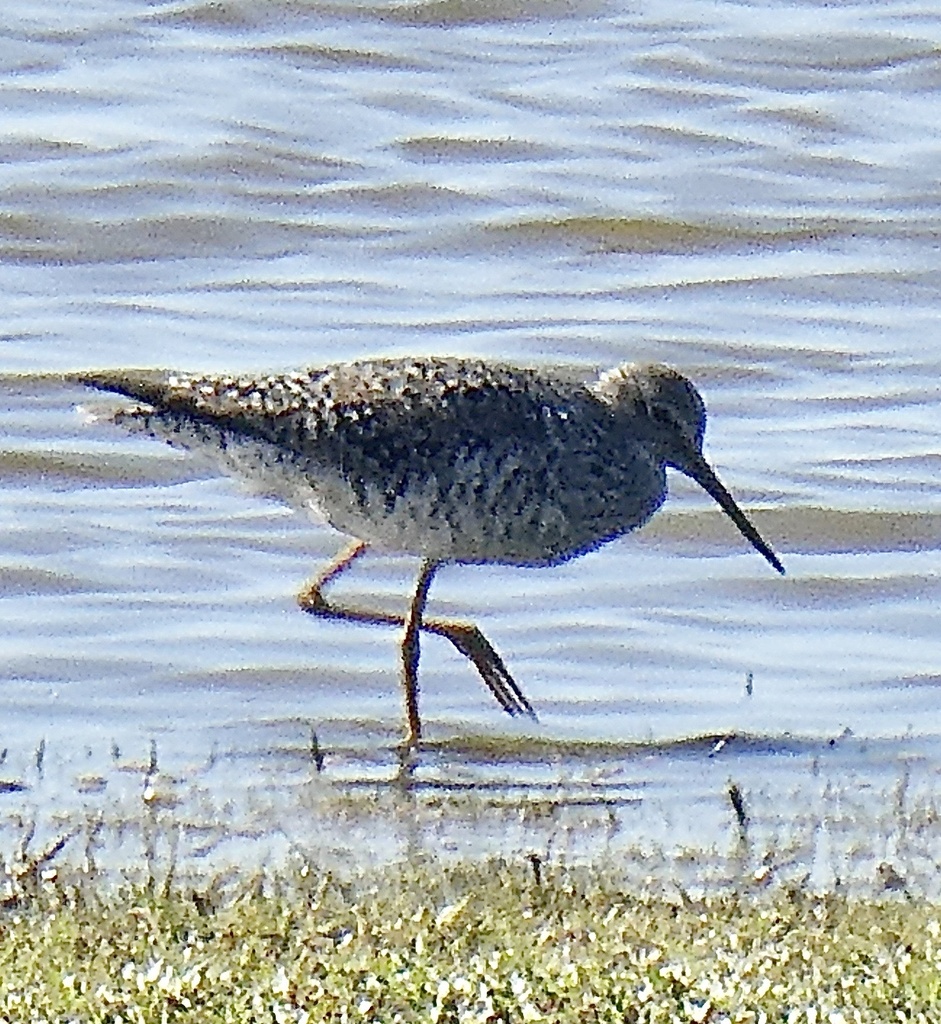
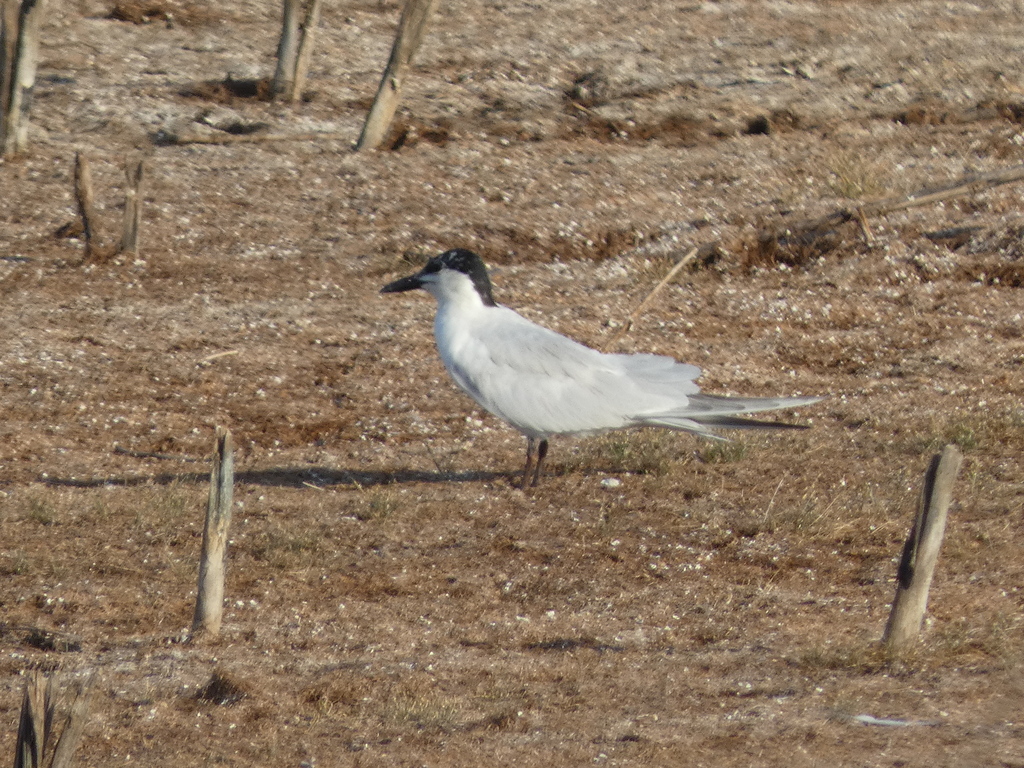

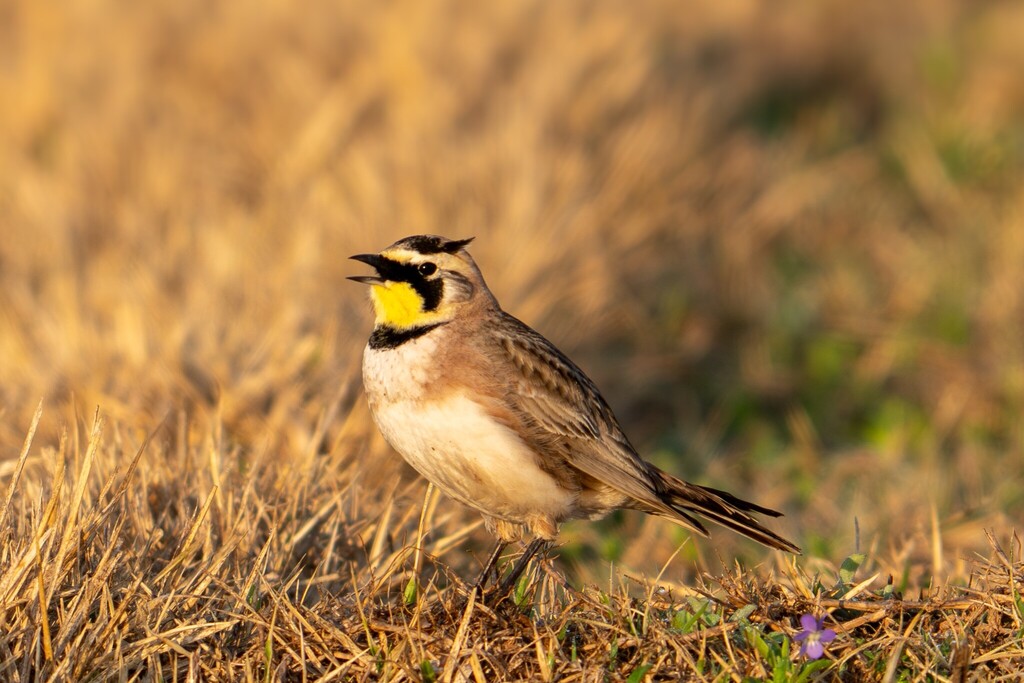


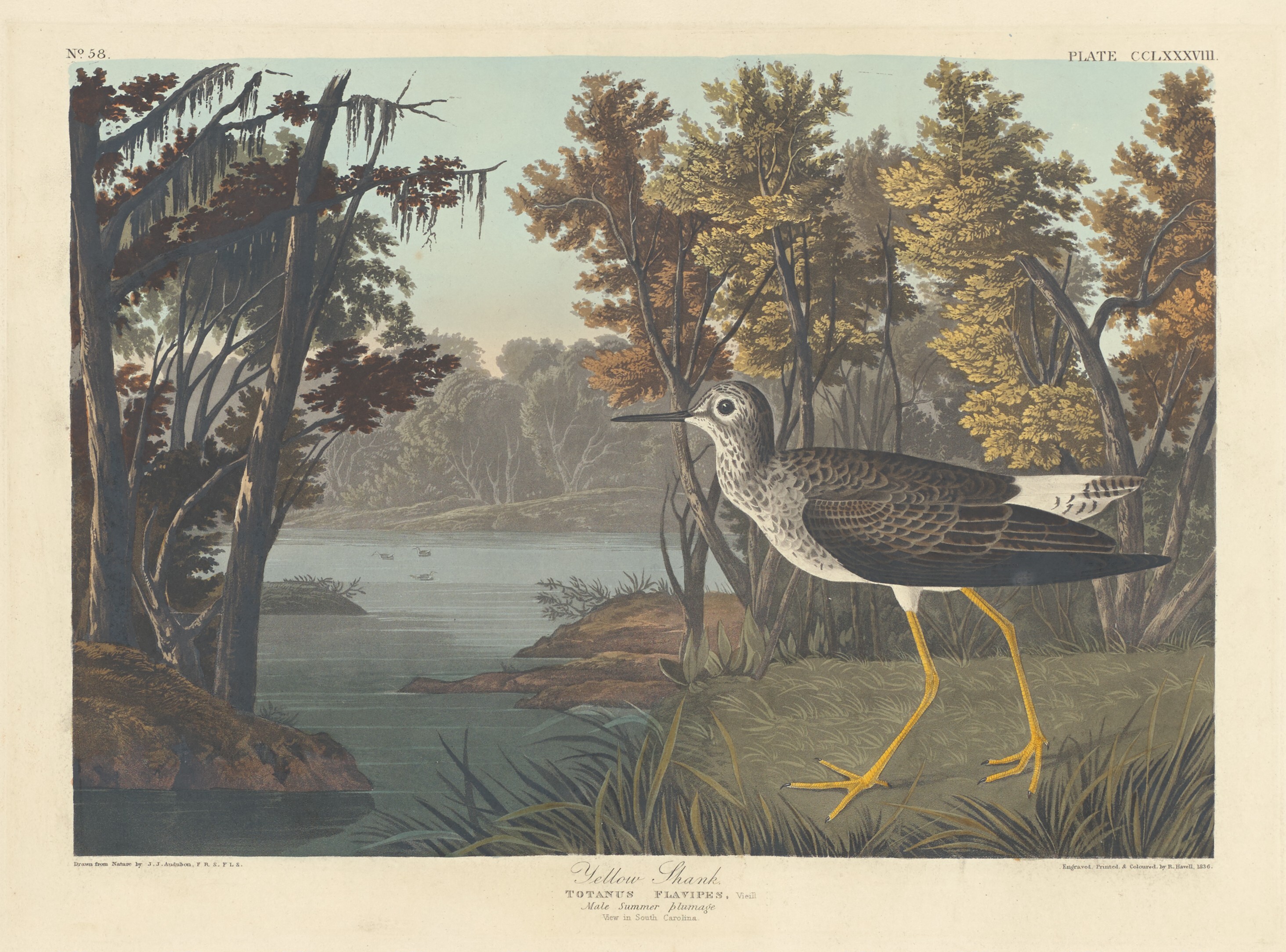
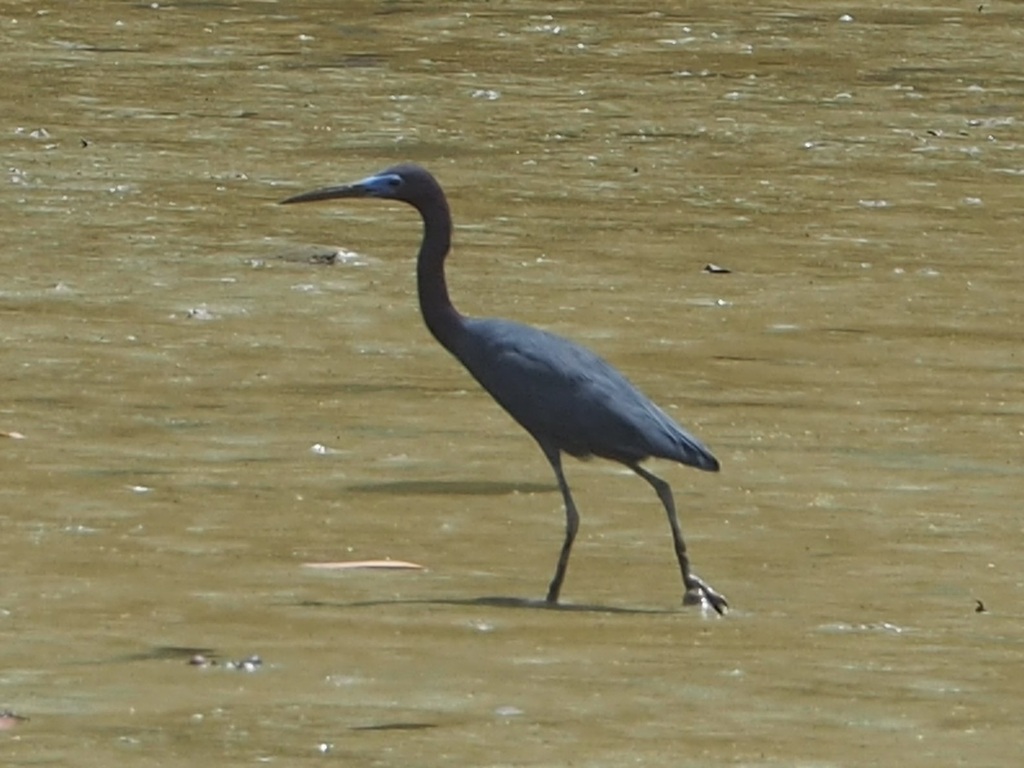
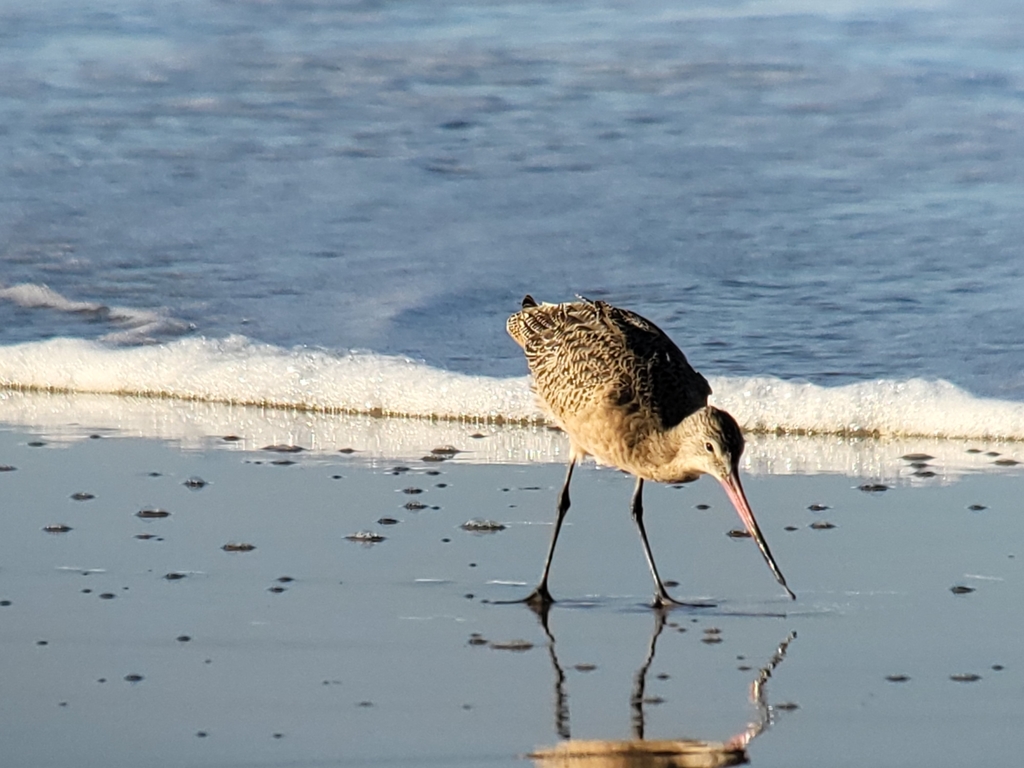
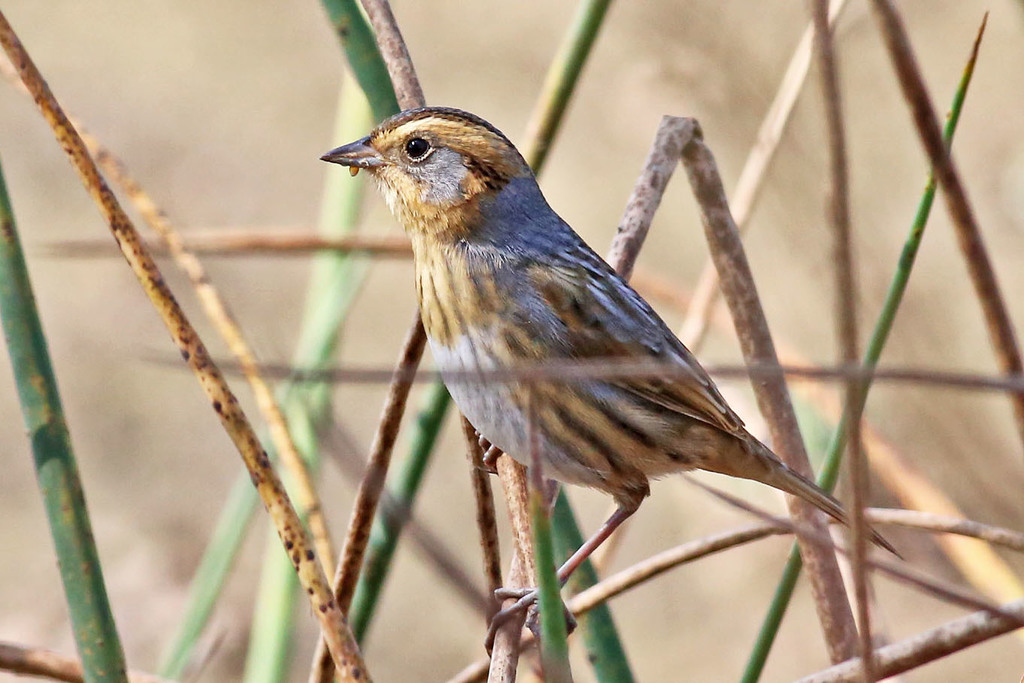


NatureServe Explorer, CC BY 4.0. USGS Gap Analysis Project habitat models.
Sources
- USGS Gap Analysis Project habitat models (2001)
- USGS GAP winter habitat model for Killdeer
- USGS Gap Analysis Project range maps (2001), modeled by watershed; migratory gives no dates
- NatureServe Explorer (CC BY 4.0), habitat names
- US Census TIGER/Line counties
- Names follow the USGS Gap Analysis Project (2001)