

Bird
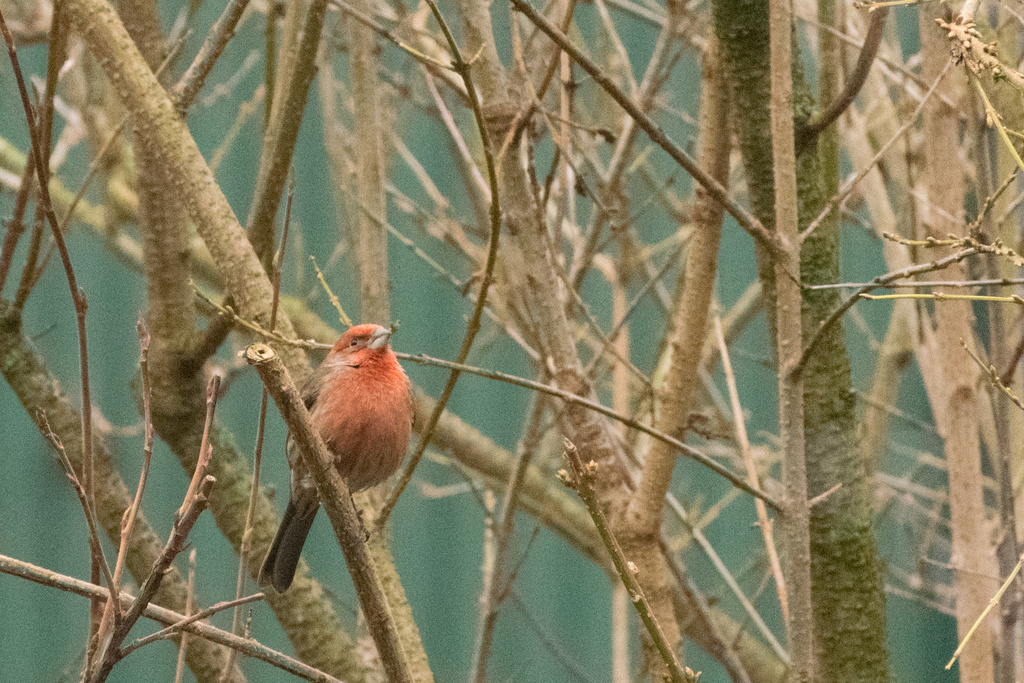
House Finch
Carpodacus mexicanus
Lives in Virginia all year and nests here. Found in all 133 counties and cities, across 3 habitats.
- Here
- All year
- Nesting
- Nests here
- Range
- All 133 counties and cities
- Habitats
- 3
At a glance
- Group
- Birds
- Here
- All year
- Nesting
- Nests here
- Range
- All 133 counties and cities
- Habitats
- 3
- Habitat models
- Year-round
Where it lives
The places its habitat model includes. It is not found everywhere a habitat occurs.
Habitats in Virginia 3
Each habitat page lists the plants and wildlife also found there.

Roadsides, fields and disturbed ground
Ground opened by people: roadsides, old fields, pastures, fencerows and lots.
Tree plantations and managed pine
Planted or intensively managed stands of pine or hardwoods grown for timber; a land use rather than a natural community.
Other habitats in its models (17)
Land cover, or classes with no habitat page in Virginia.
- Developed, Low Intensity Year-round.
- Developed, Medium Intensity Year-round.
- Developed, High Intensity Year-round.
- East Gulf Coastal Plain Black Belt Calcareous Prairie and Woodland - Herbaceous Modifier Year-round.
- East Gulf Coastal Plain Northern Dry Upland Hardwood Forest - Offsite Pine Modifier Year-round.
- West Gulf Coastal Plain Catahoula Barrens Year-round.
- Central Mixedgrass Prairie Year-round.
- Arkansas Valley Prairie and Woodland Year-round.
- Florida Dry Prairie Year-round.
- West Gulf Coastal Plain Northern Calcareous Prairie Year-round.
- West Gulf Coastal Plain Southern Calcareous Prairie Year-round.
- Harvested Forest - Grass/Forb Regeneration Year-round.
- Recently Burned Grassland Year-round.
- Recently Burned Shrubland Year-round.
- Introduced Upland Vegetation - Forbland Year-round.
- Introduced Upland Vegetation - Perennial Grassland Year-round.
- Western Great Plains Floodplain Systems Year-round.
Seasons in Virginia
- Year-round: nests here, in all 133 counties and cities.
Also found in this habitat
Wildlife 179
Other animals whose habitat models include the same habitats in Virginia. Not sighting records.
- Brown CreeperCerthia americana
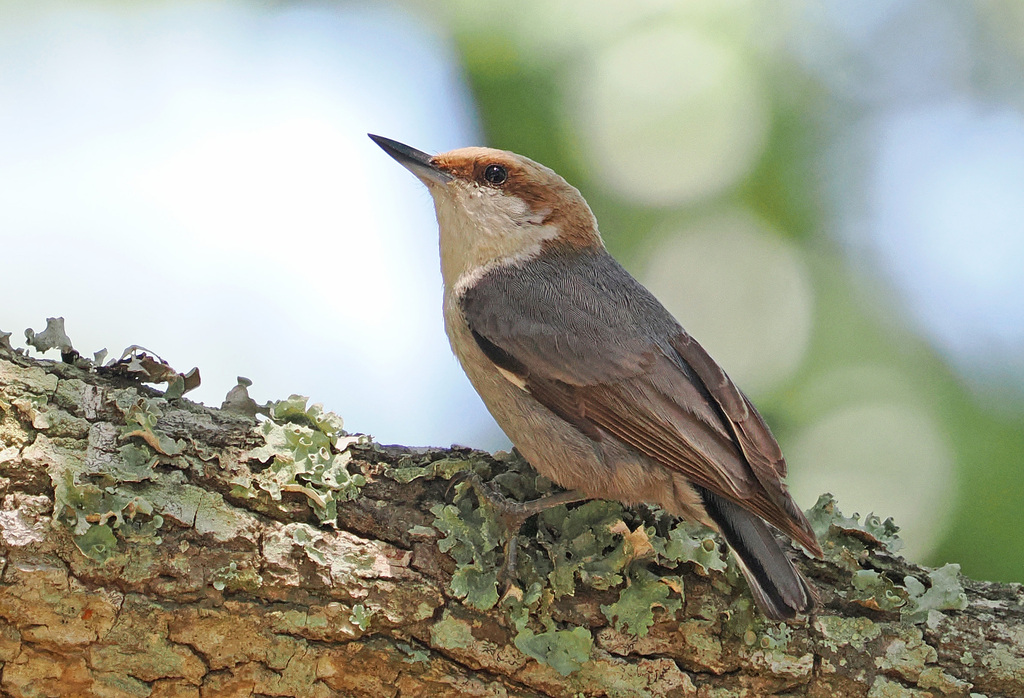
- Brown-headed NuthatchSitta pusilla
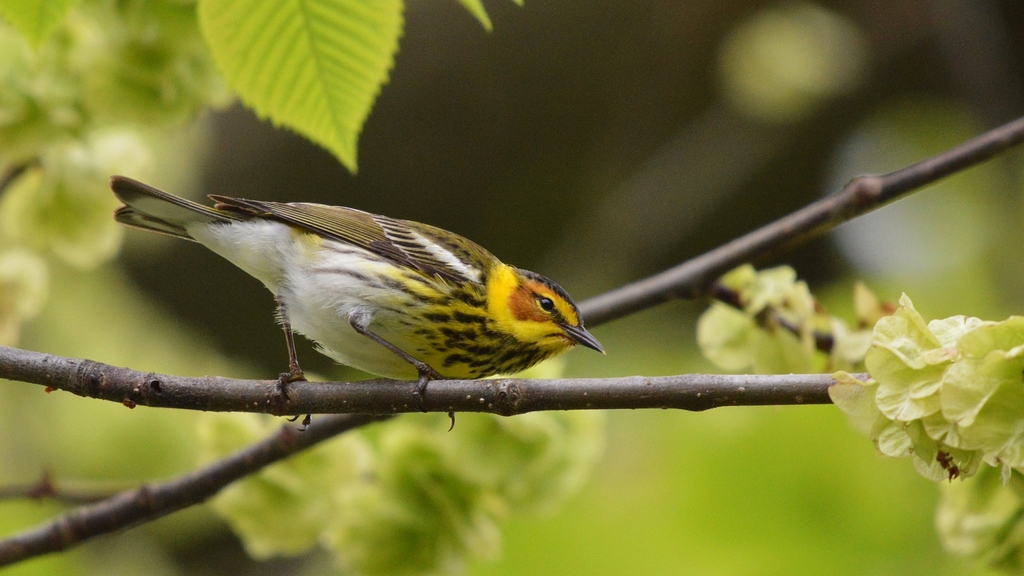
- Cape May WarblerDendroica tigrina
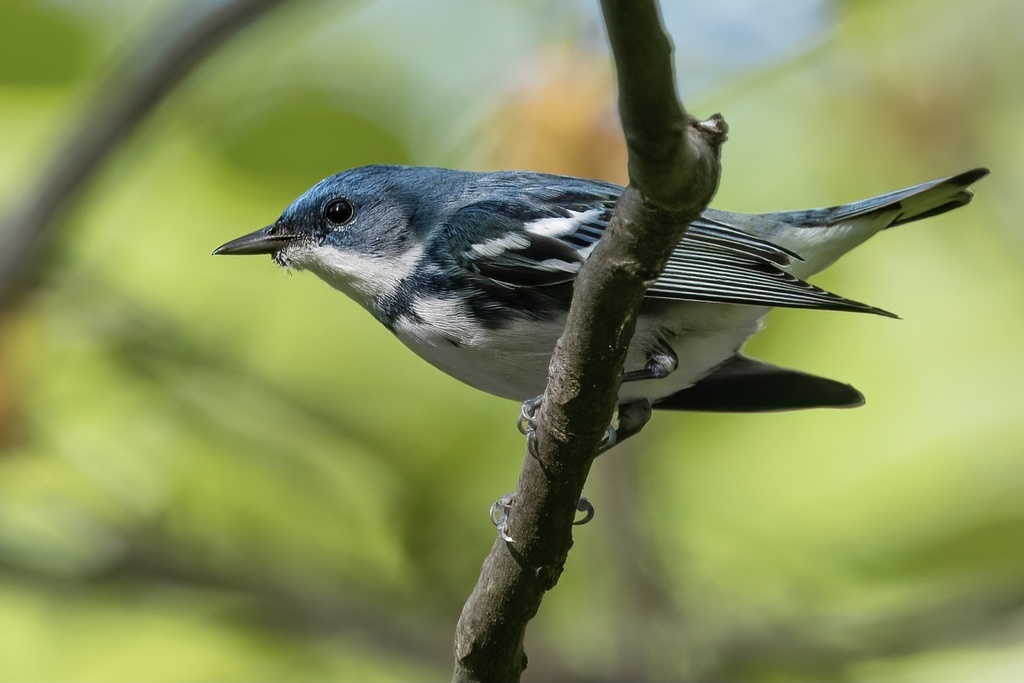
- Cerulean WarblerDendroica cerulea
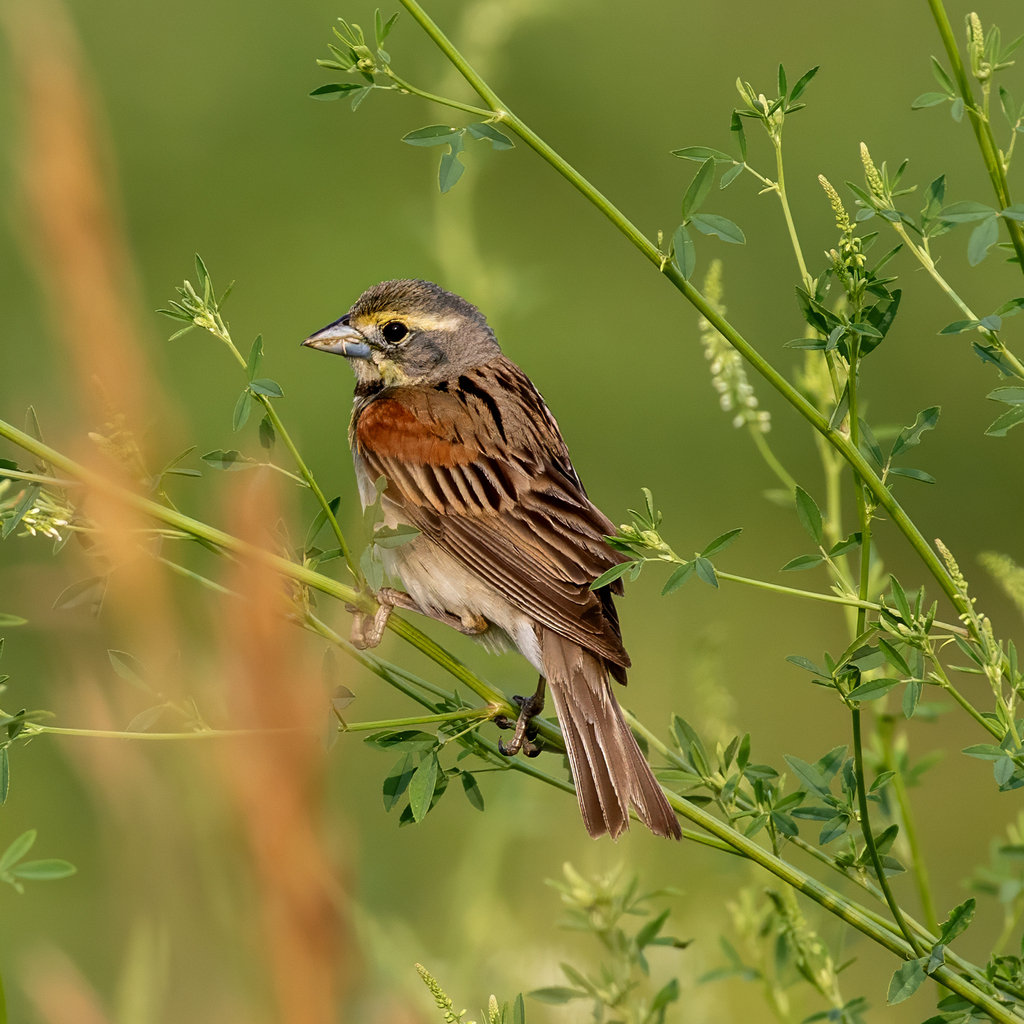
- DickcisselSpiza americana
- Double-crested CormorantPhalacrocorax auritus
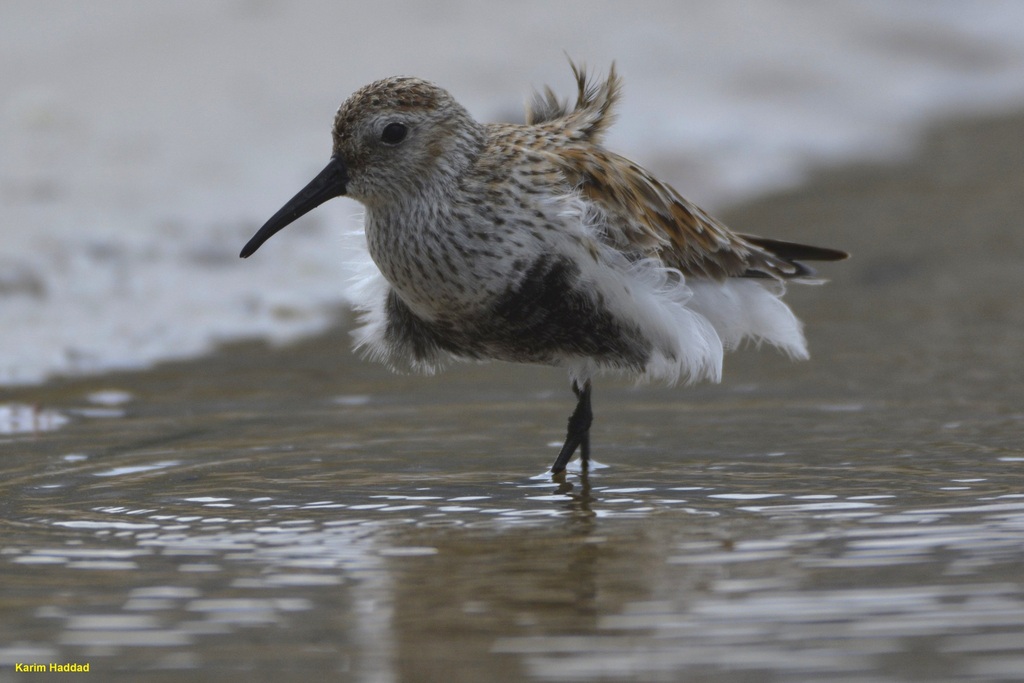
- DunlinCalidris alpina
- Eastern Wood-peweeContopus virens
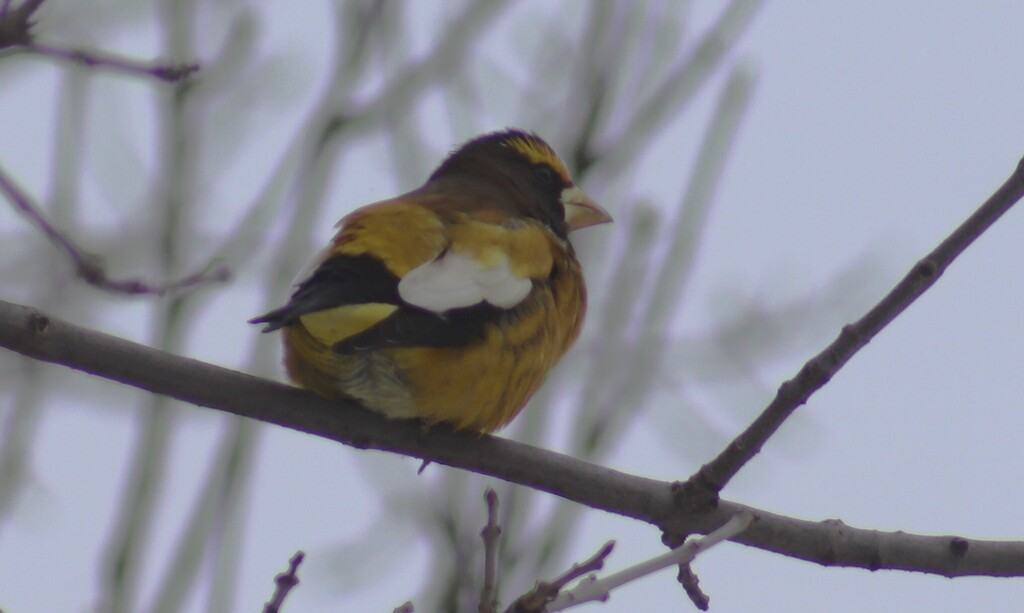
- Evening GrosbeakCoccothraustes vespertinus
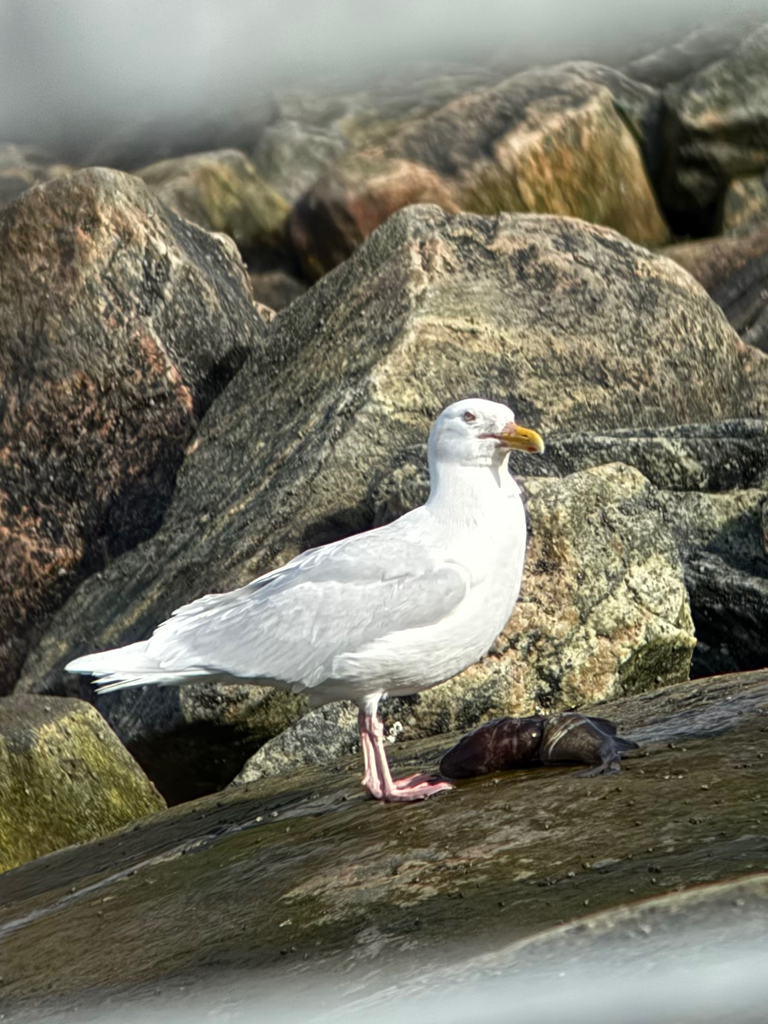
- Glaucous GullLarus hyperboreus
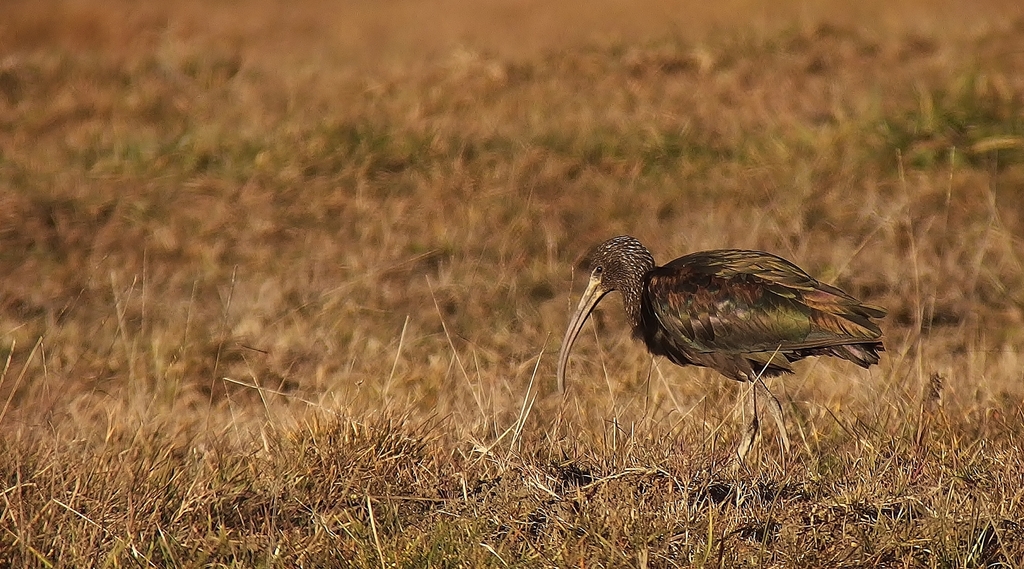
- Glossy IbisPlegadis falcinellus
- Golden-crowned KingletRegulus satrapa
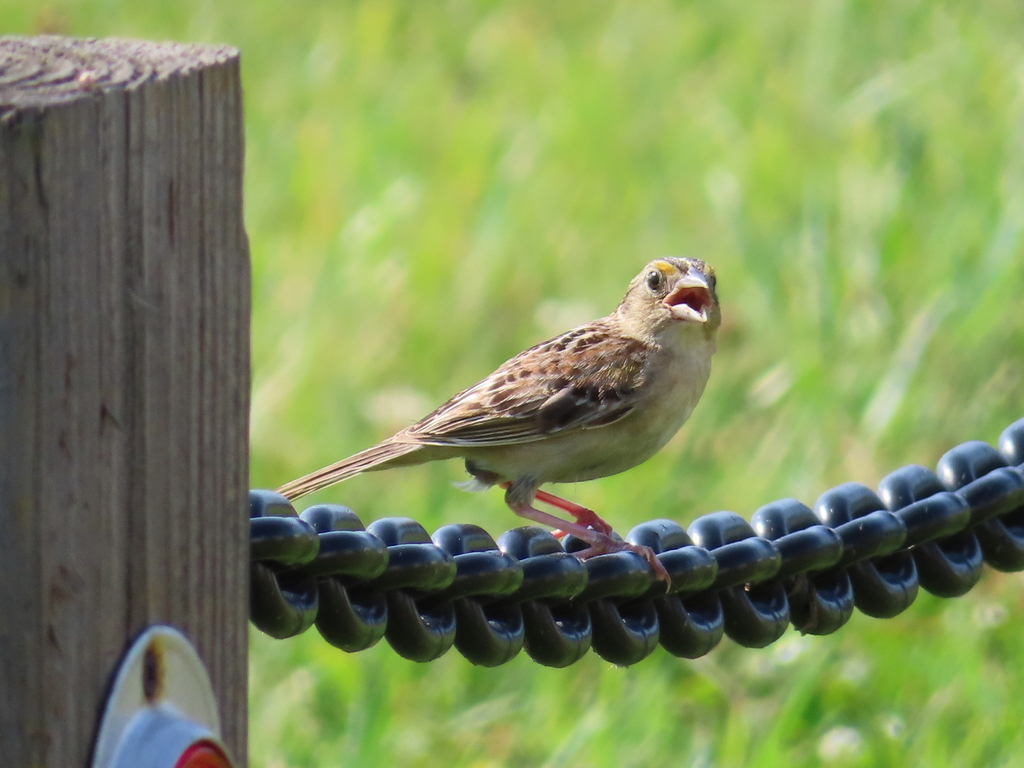
- Grasshopper SparrowAmmodramus savannarum
- Great Blue HeronArdea herodias
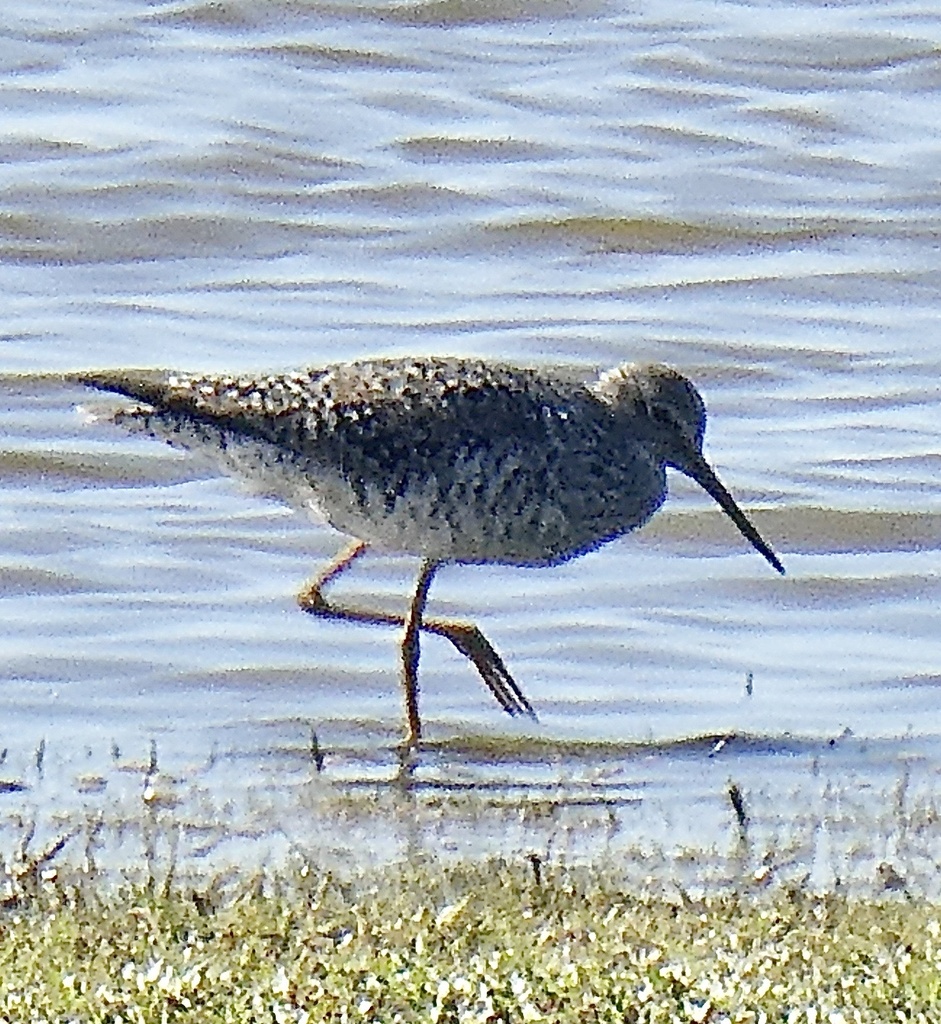
- Greater YellowlegsTringa melanoleuca
- Hairy WoodpeckerPicoides villosus
- Hermit ThrushCatharus guttatus
- Hooded WarblerWilsonia citrina
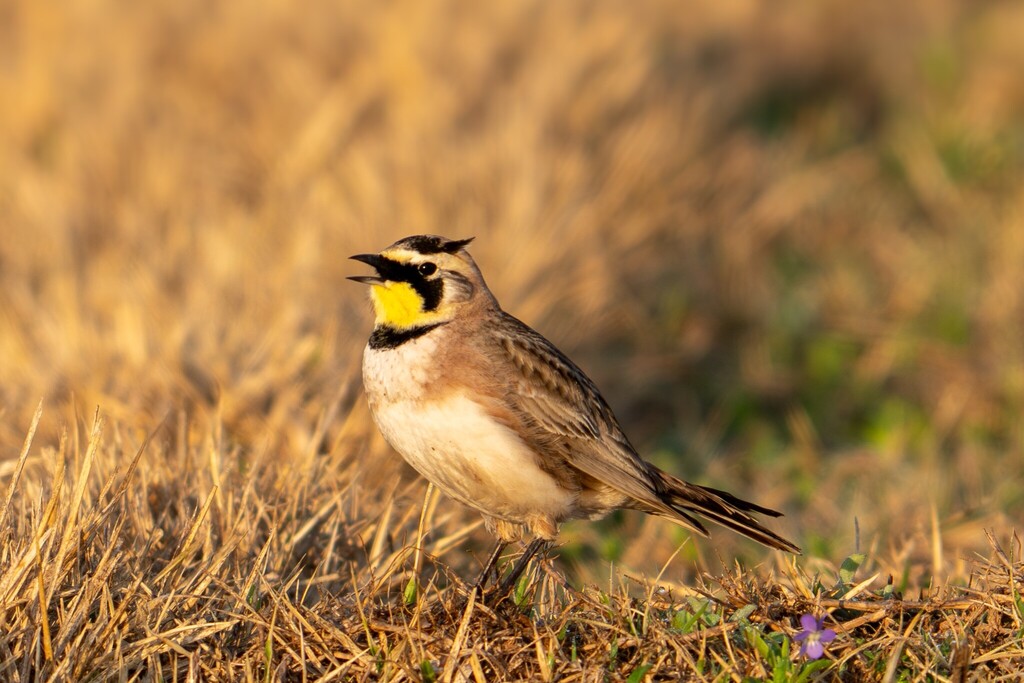
- Horned LarkEremophila alpestris
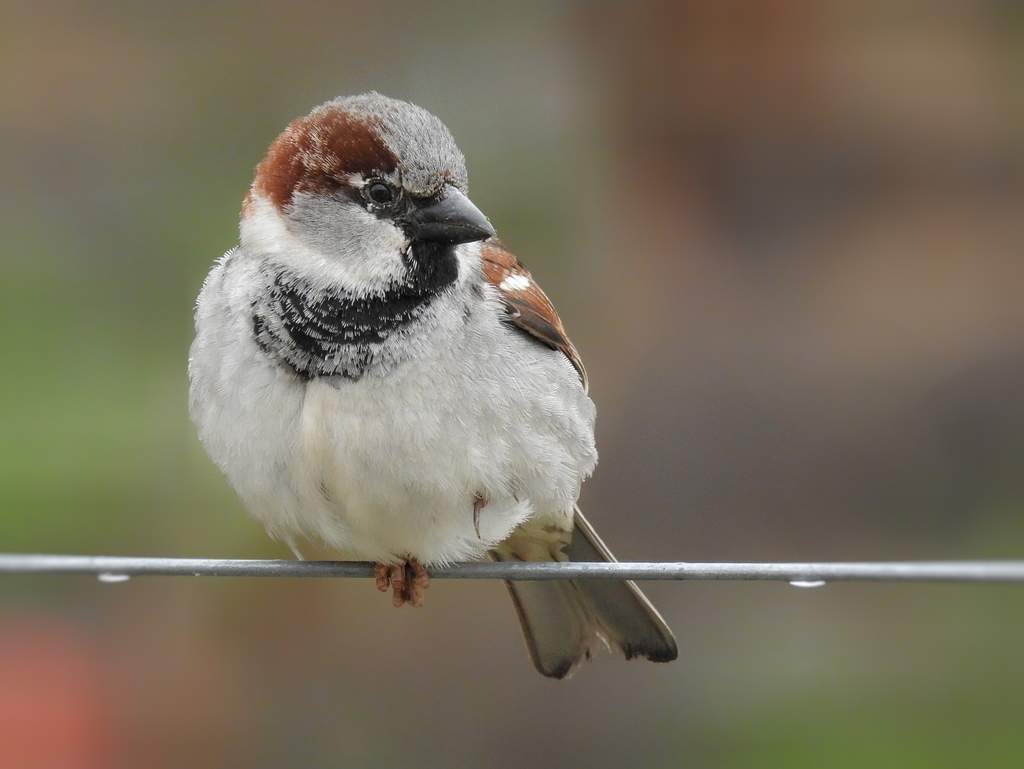
- House SparrowPasser domesticus
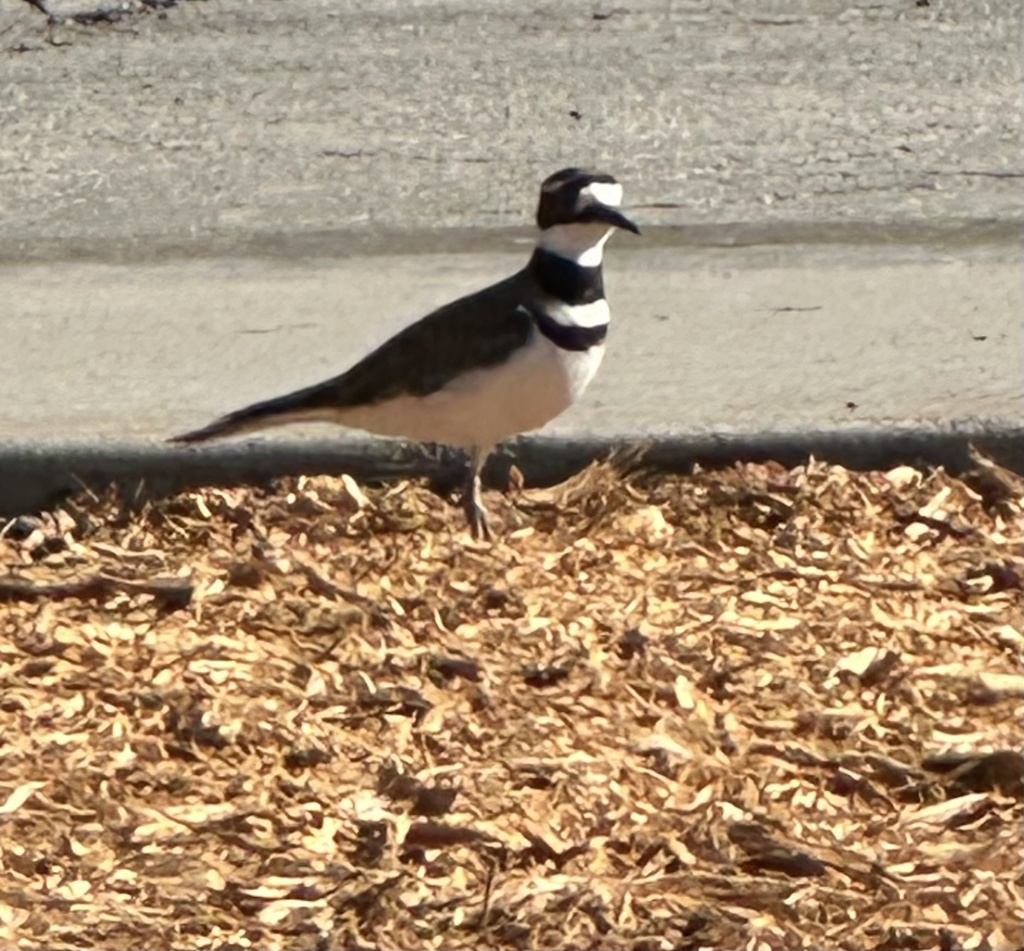
- KilldeerCharadrius vociferus
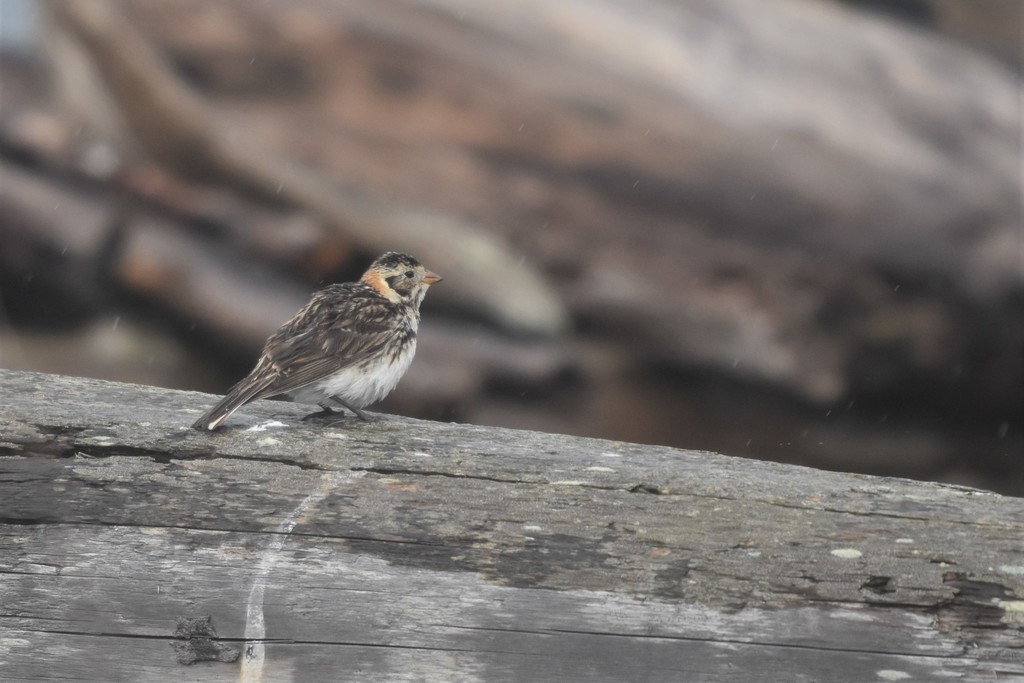
- Lapland LongspurCalcarius lapponicus
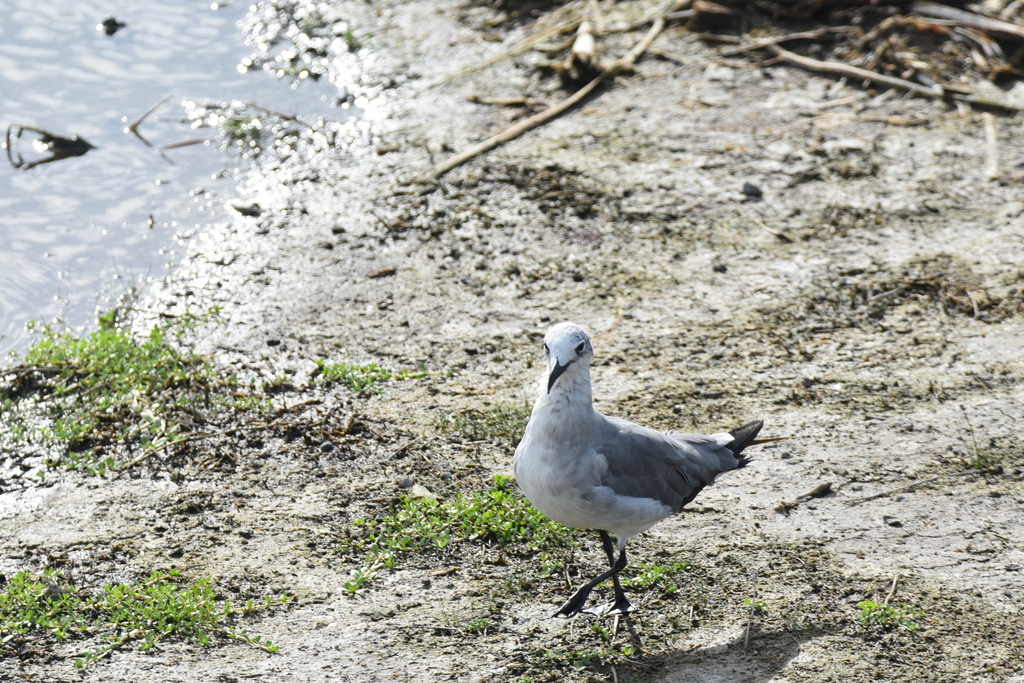
- Laughing GullLeucophaeus atricilla
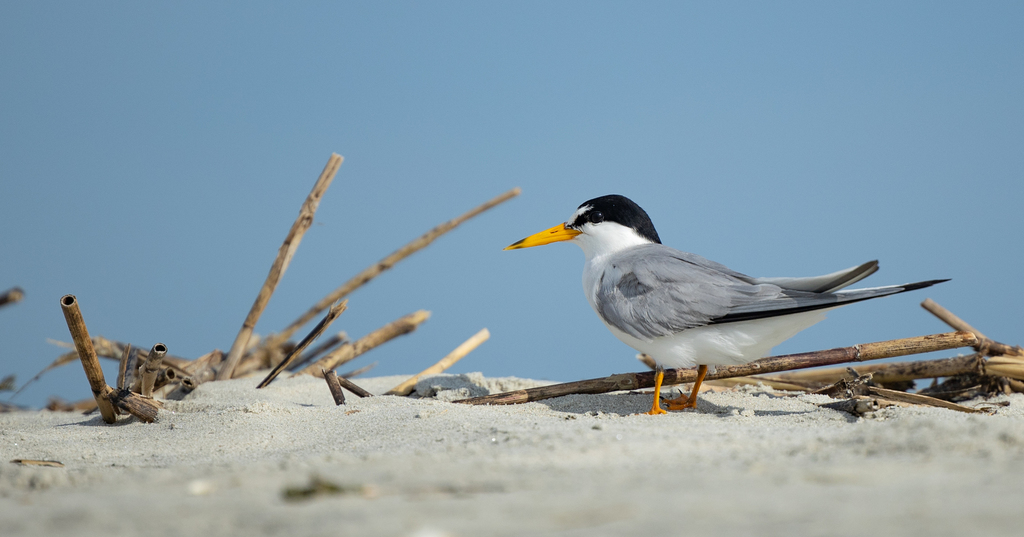
- Least TernSternula antillarum








NatureServe Explorer, CC BY 4.0. USGS Gap Analysis Project habitat models.
Sources
- USGS Gap Analysis Project habitat models (2001)
- USGS GAP year-round habitat model for House Finch Elevation -47 to 914 m. Avoids forest interior
- USGS Gap Analysis Project range maps (2001), modeled by watershed; migratory gives no dates
- NatureServe Explorer (CC BY 4.0), habitat names
- US Census TIGER/Line counties
- Names follow the USGS Gap Analysis Project (2001)