

Bird
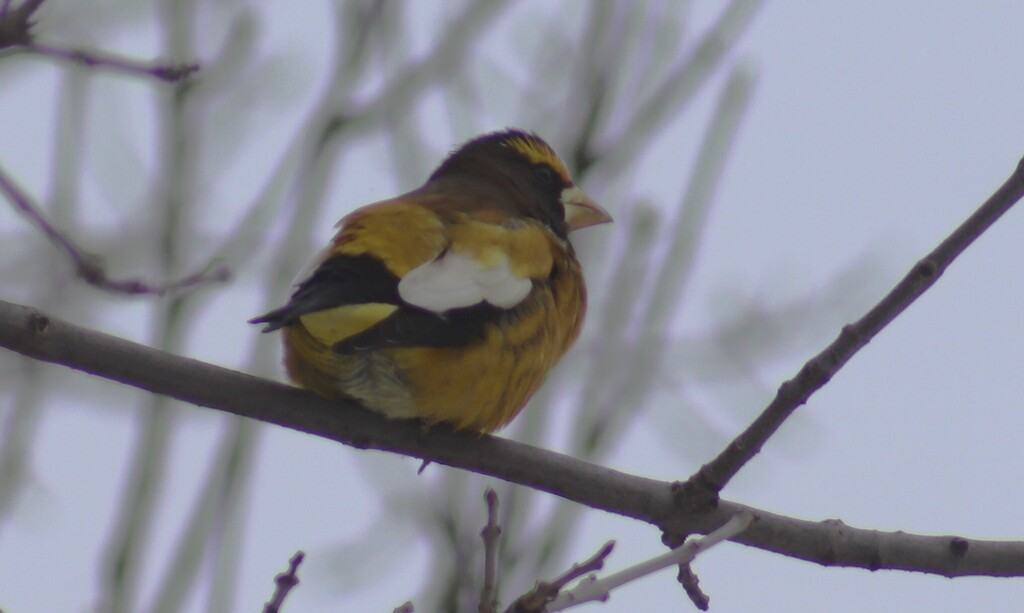
Evening Grosbeak
Coccothraustes vespertinus
A winter visitor to Virginia, found in all 133 counties and cities and 10 habitats.
- Here
- Winter
- Nesting
- Not known to nest here
- Range
- All 133 counties and cities
- Habitats
- 10
At a glance
- Group
- Birds
- Here
- Winter
- Nesting
- Not known to nest here
- Range
- All 133 counties and cities
- Habitats
- 10
- Habitat models
- Winter
Where it lives
The places its habitat model includes. It is not found everywhere a habitat occurs.
Habitats in Virginia 10
Each habitat page lists the plants and wildlife also found there.
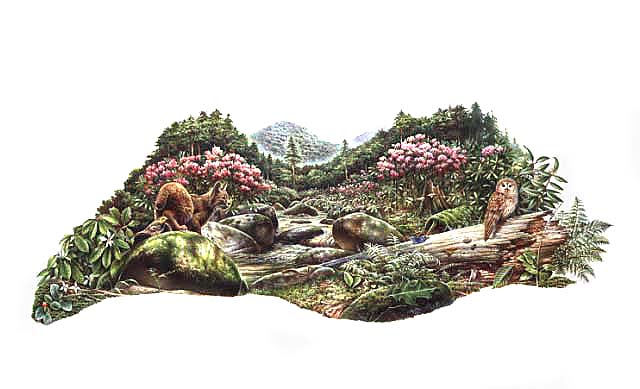
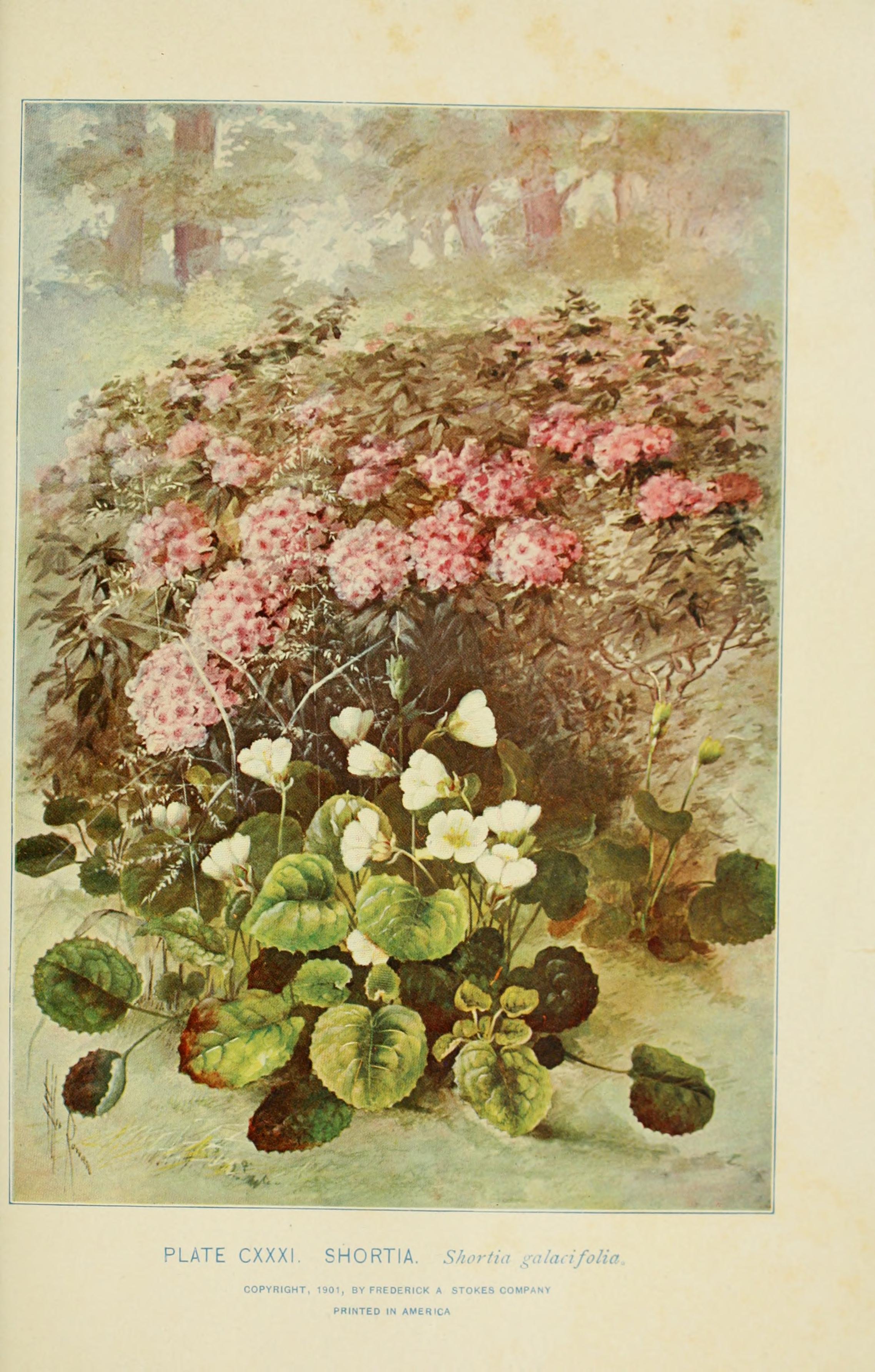
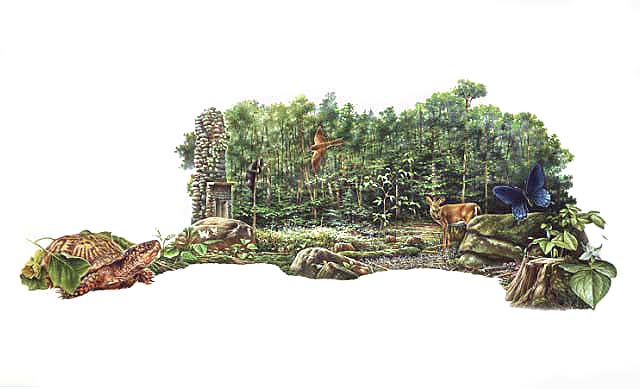
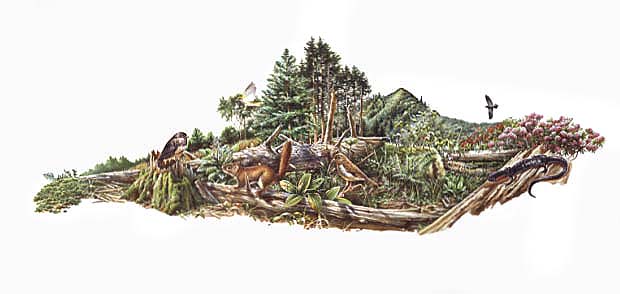
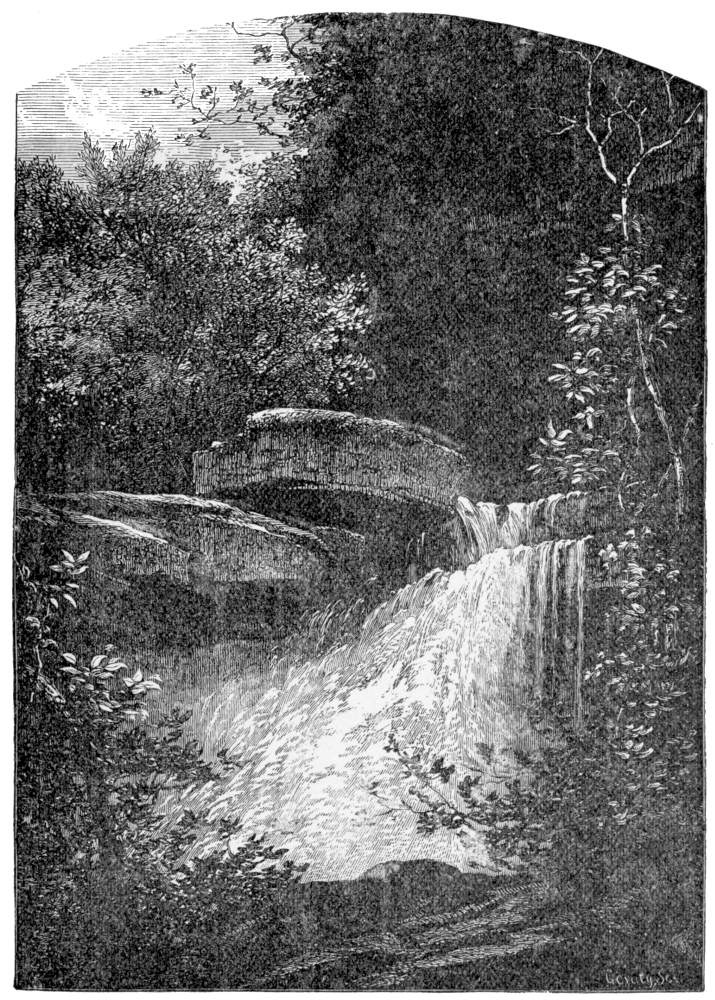
Streams, rivers and their banks
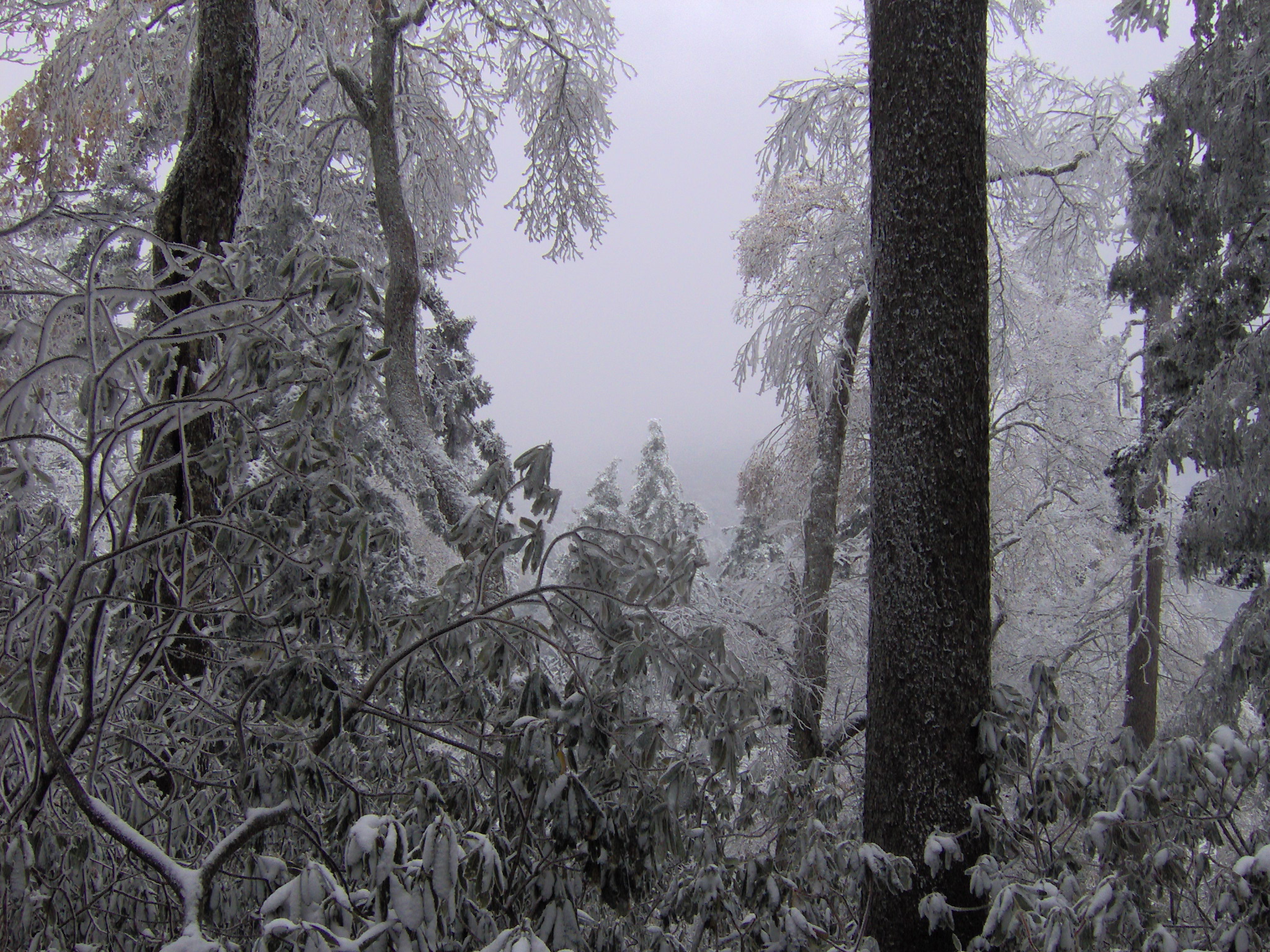
Forests and open woodlands on dry ridges and slopes, often oak or pine.
Floodplain and bottomland forests
Forests on low ground beside rivers and streams that flood from time to time.
Forests between dry and moist, often oak-hickory on slopes.
Tree plantations and managed pine
Planted or intensively managed stands of pine or hardwoods grown for timber; a land use rather than a natural community.
Other habitats in its models (13)
Land cover, or classes with no habitat page in Virginia.
- Orchards Vineyards and Other High Structure Agriculture Winter.
- North-Central Interior Dry-Mesic Oak Forest and Woodland Winter.
- North-Central Interior Maple-Basswood Forest Winter.
- Southern Piedmont Dry Oak-(Pine) Forest - Loblolly Pine Modifier Winter.
- Allegheny-Cumberland Dry Oak Forest and Woodland - Pine Modifier Winter.
- Southern Piedmont Dry Oak-(Pine) Forest - Mixed Modifier Winter.
- Southern Piedmont Dry Oak-Heath Forest - Mixed Modifier Winter.
- Southeastern Interior Longleaf Pine Woodland Winter.
- Acadian Low-Elevation Spruce-Fir-Hardwood Forest Winter.
- Atlantic Coastal Plain Upland Longleaf Pine Woodland Winter.
- Acadian-Appalachian Montane Spruce-Fir Forest Winter.
- Atlantic Coastal Plain Fall-line Sandhills Longleaf Pine Woodland - Offsite Hardwood Modifier Winter.
- Central Appalachian Alkaline Glade and Woodland Winter.
Seasons in Virginia
- Winter: does not nest here, in all 133 counties and cities.
Also found in this habitat
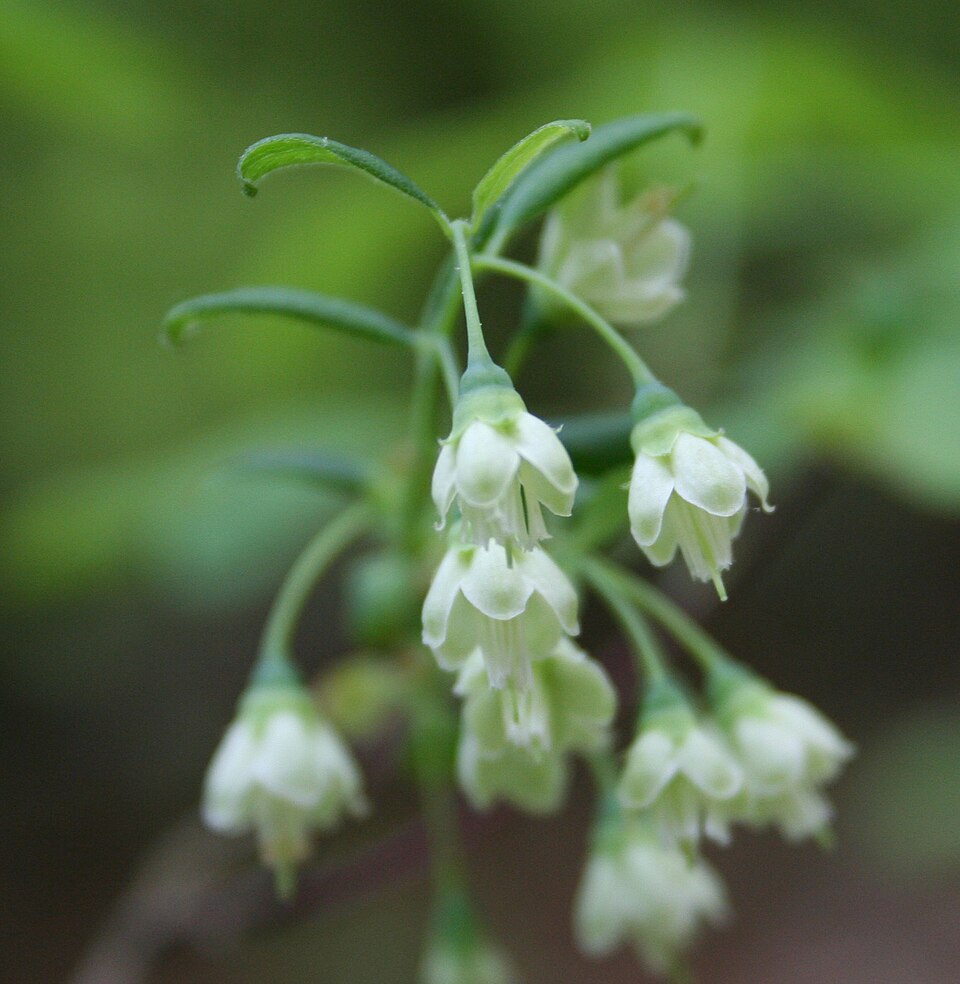
Plants 774
Plants named in NatureServe descriptions of these habitats that grow in Virginia. Shared habitat, not food.
- Red MapleAcer rubrum
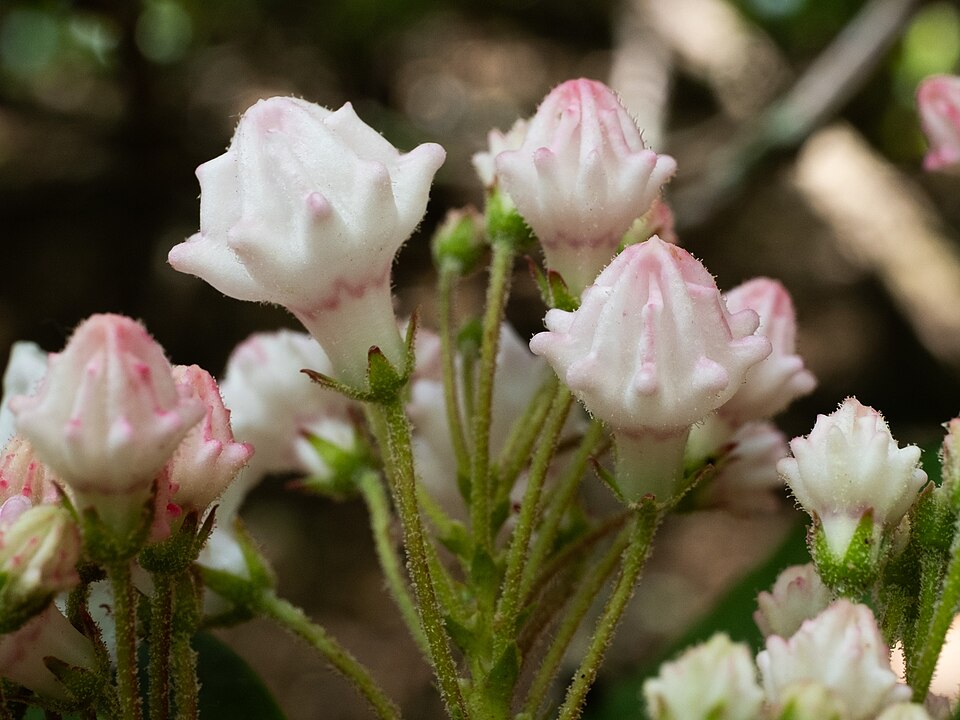
- Mountain LaurelKalmia latifolia
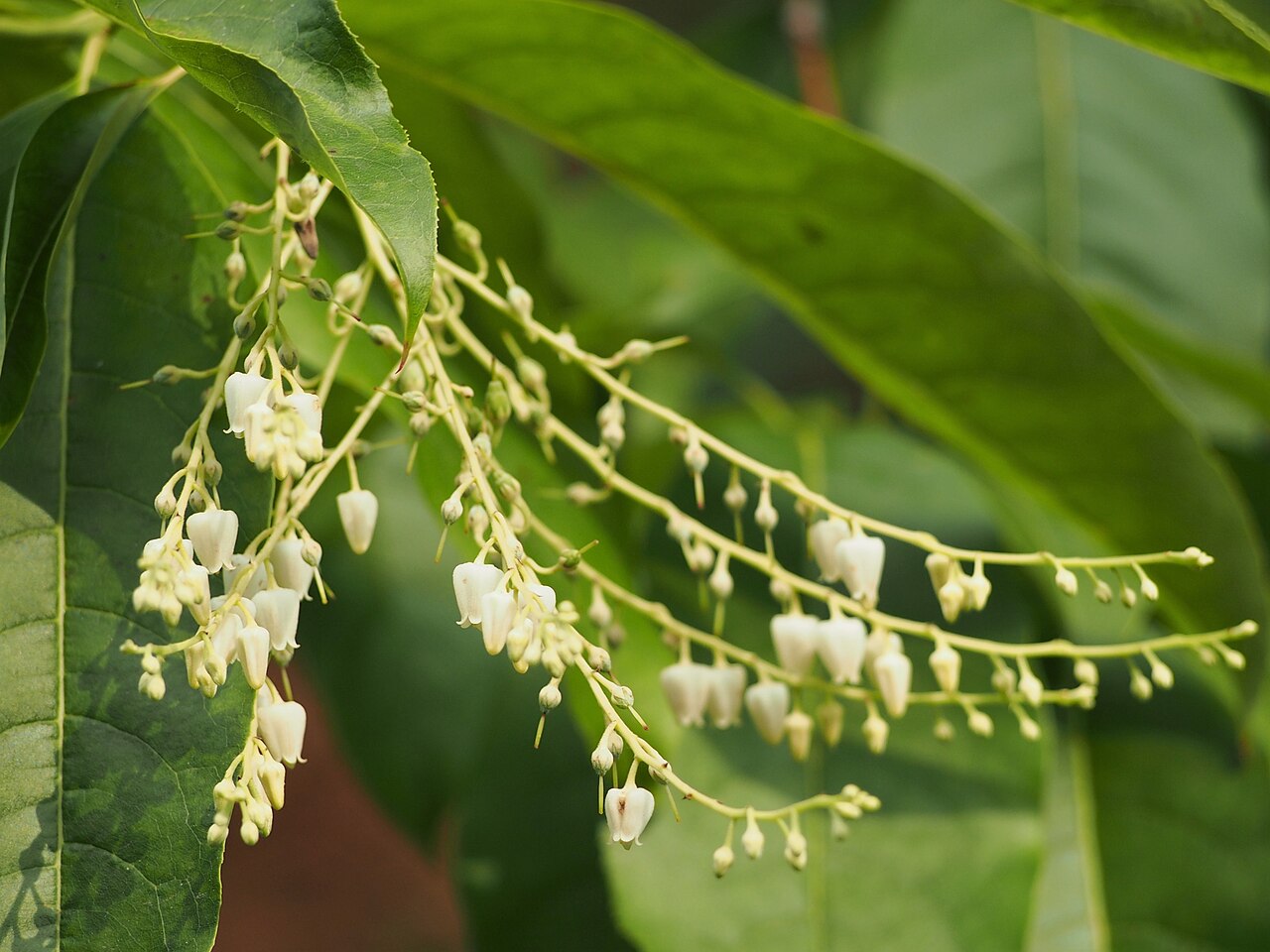
- SourwoodOxydendrum arboreum
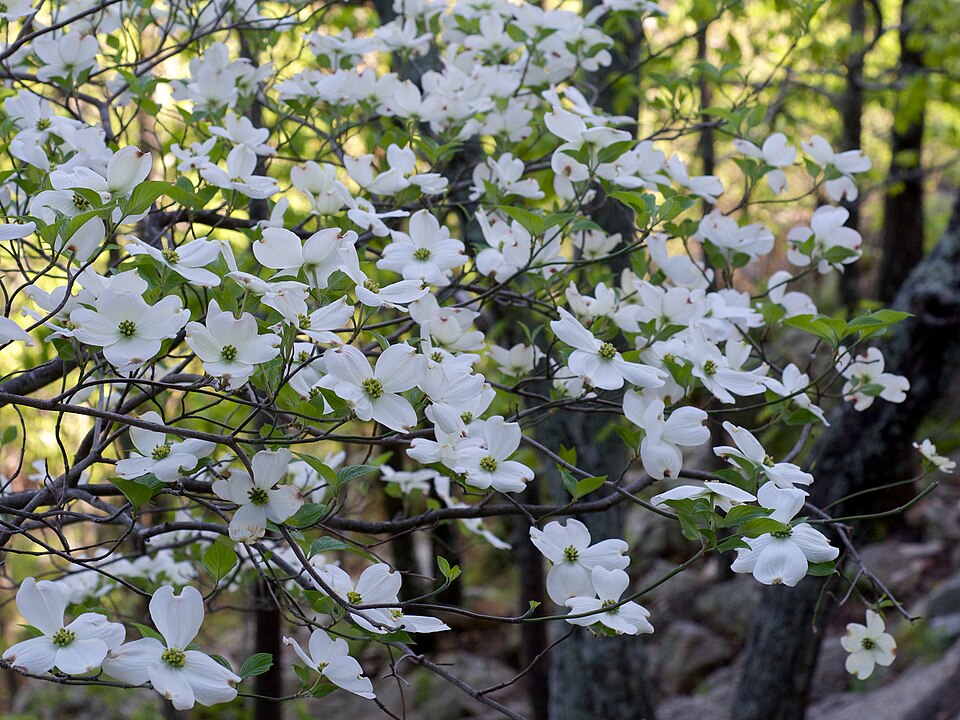
- Flowering DogwoodBenthamidia florida
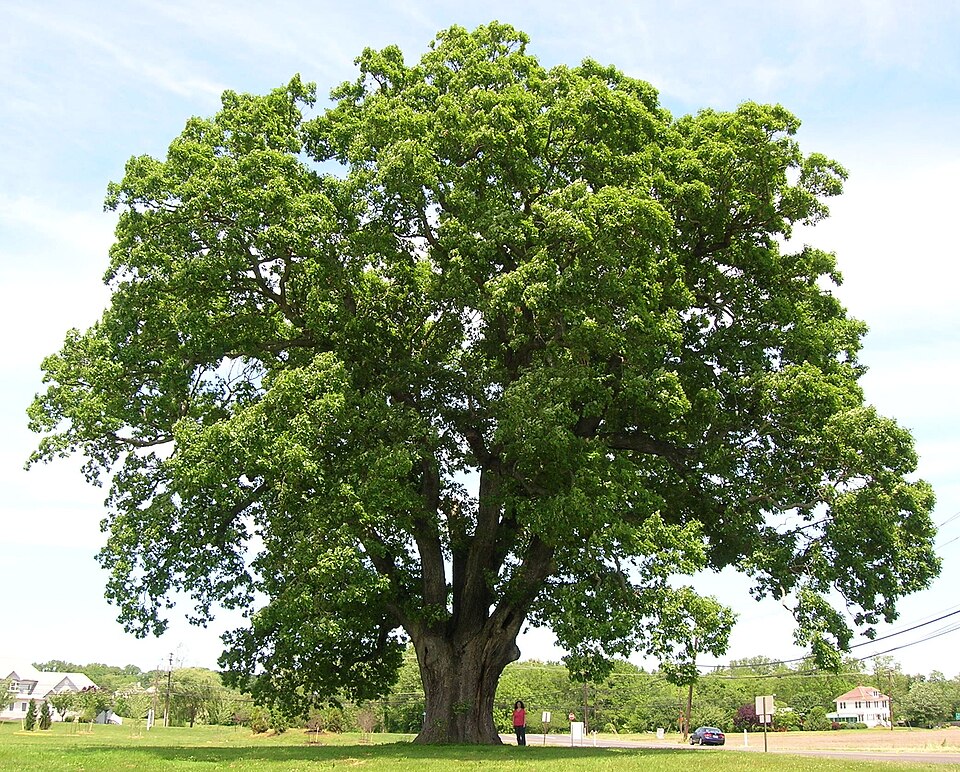
- White OakQuercus alba
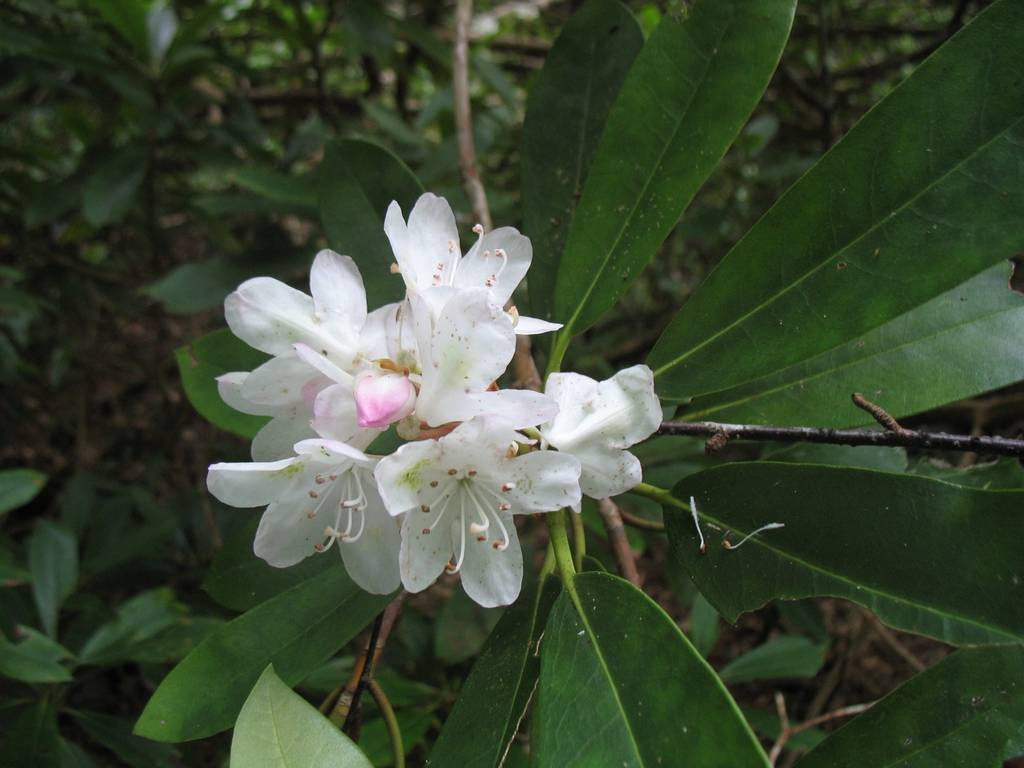
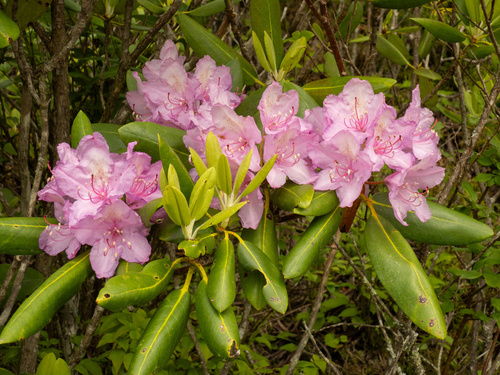
- Rosebay RhododendronRhododendron maximum
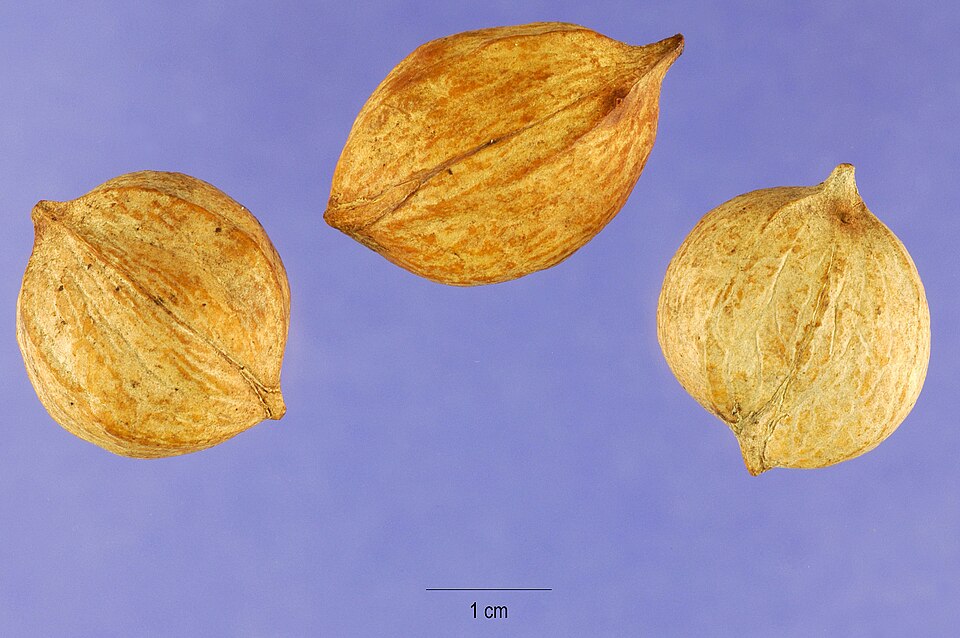
- Pignut HickoryCarya glabra
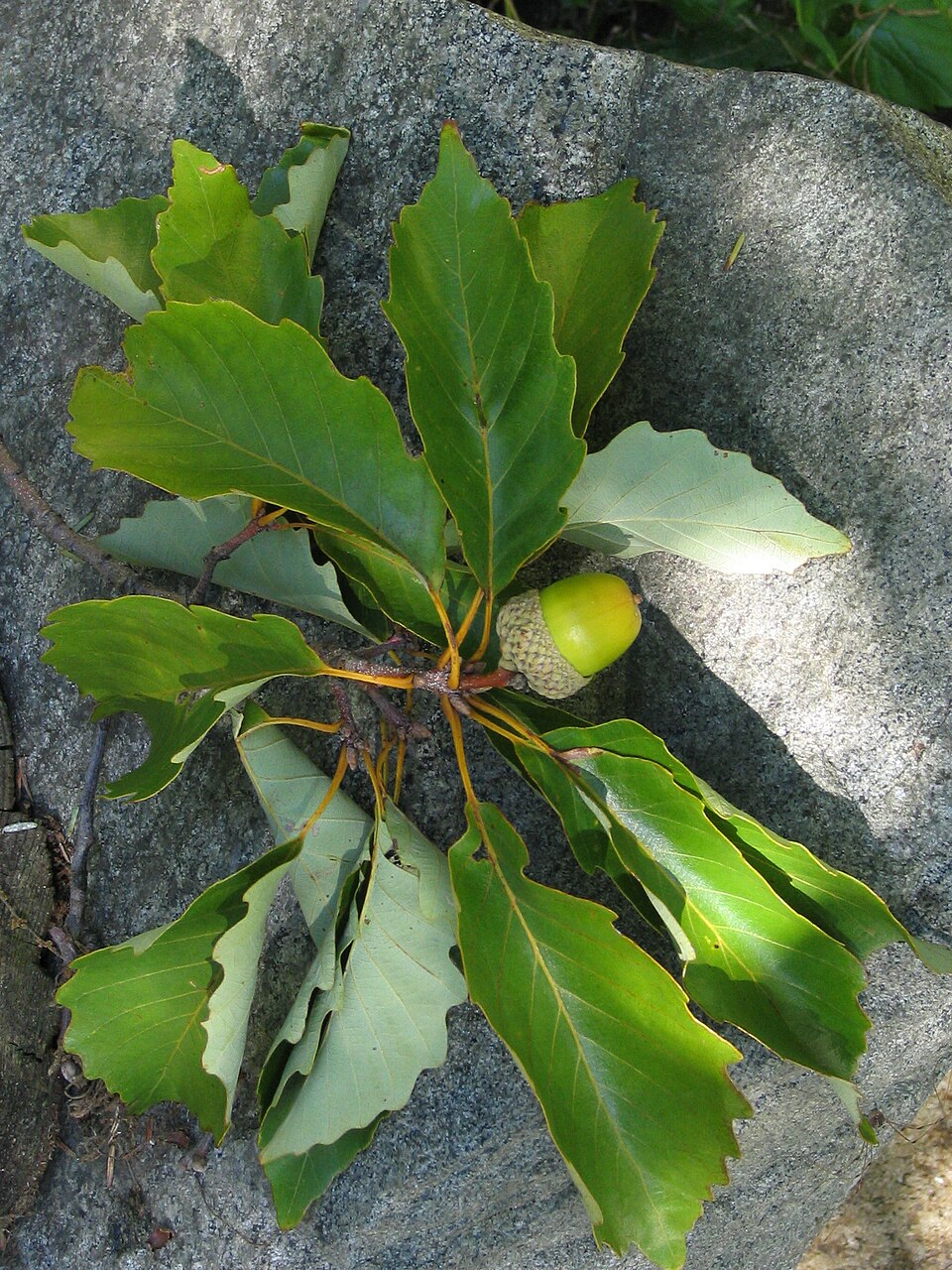
- Chestnut OakQuercus montana
- Mockernut HickoryCarya tomentosa
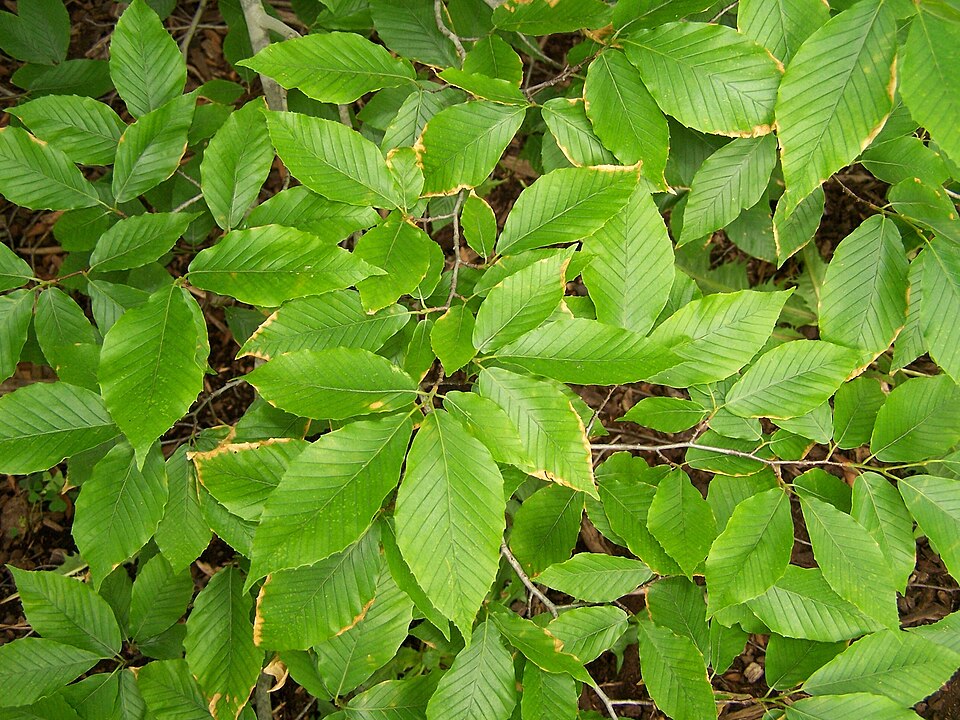
- American BeechFagus grandifolia
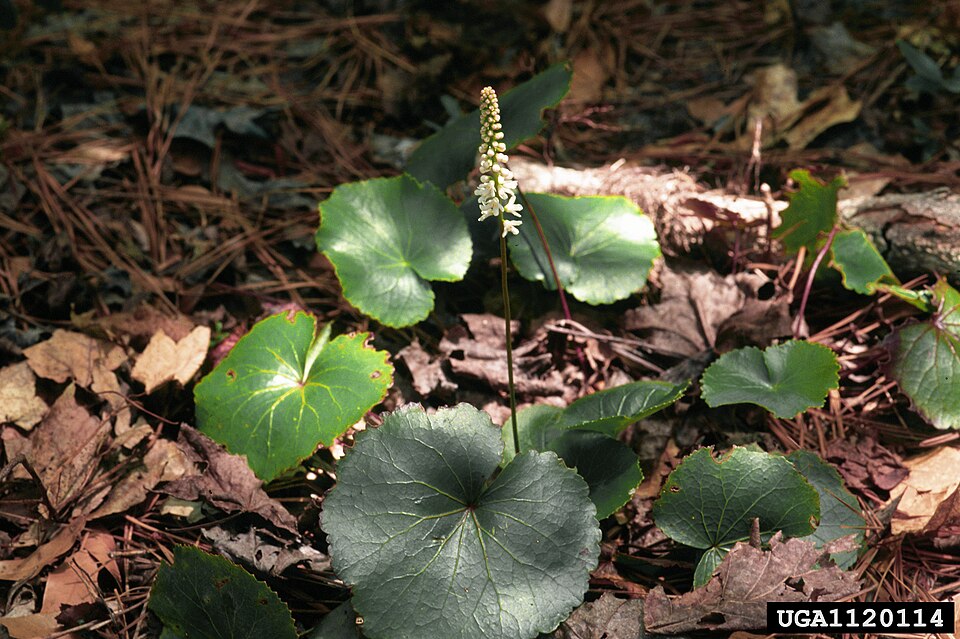
- GalaxGalax urceolata
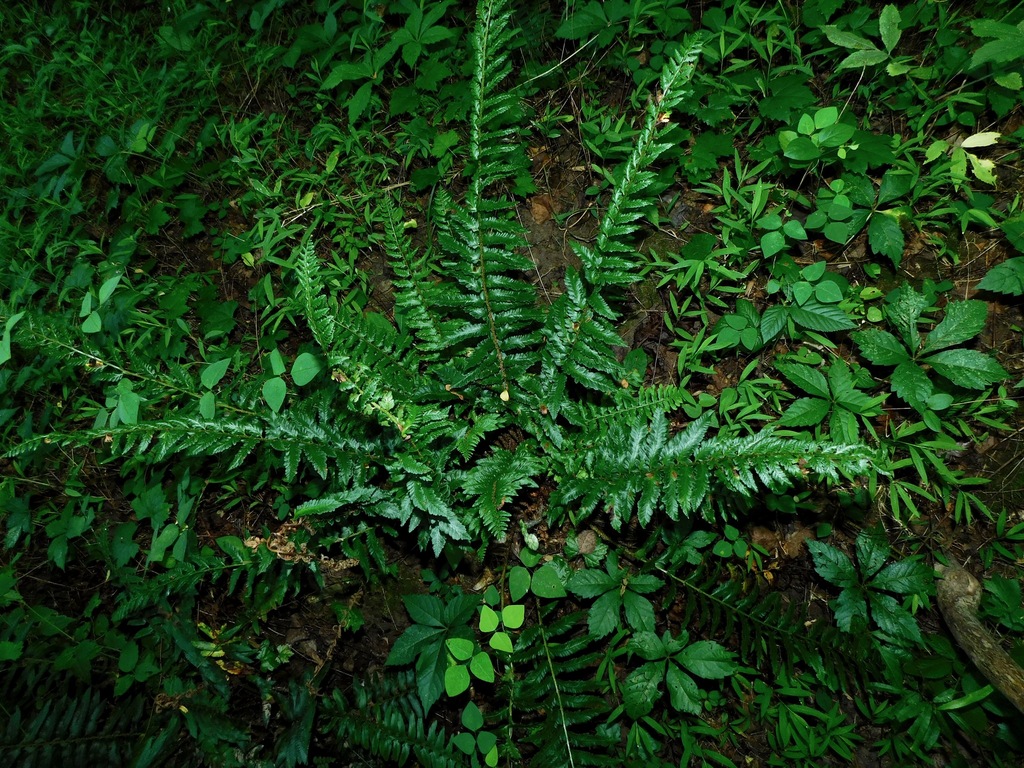
- Christmas FernPolystichum acrostichoides
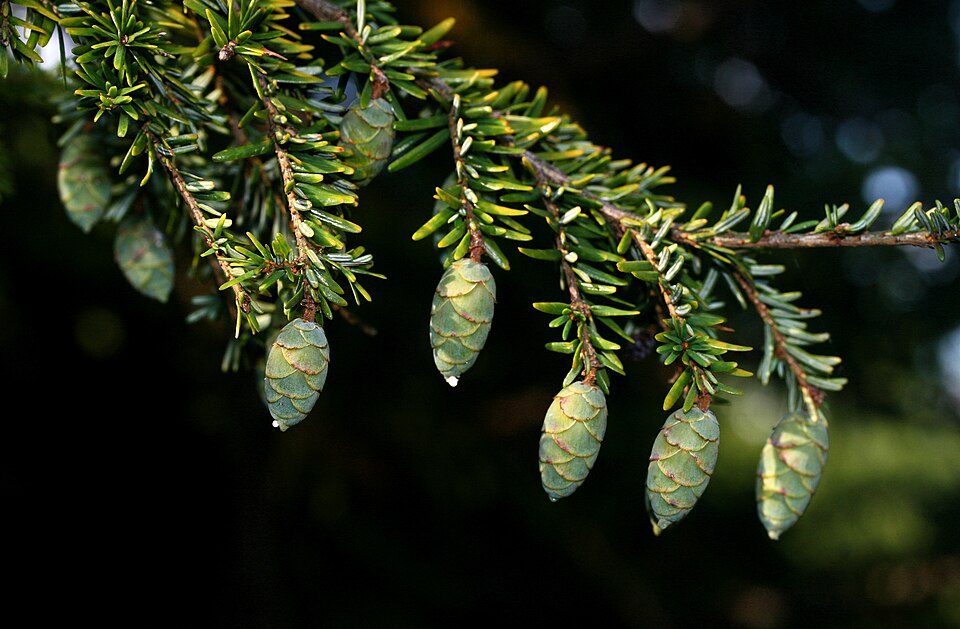
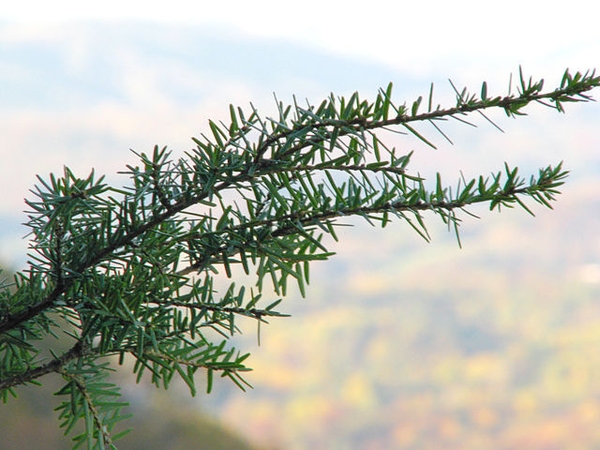
- Eastern HemlockTsuga canadensis
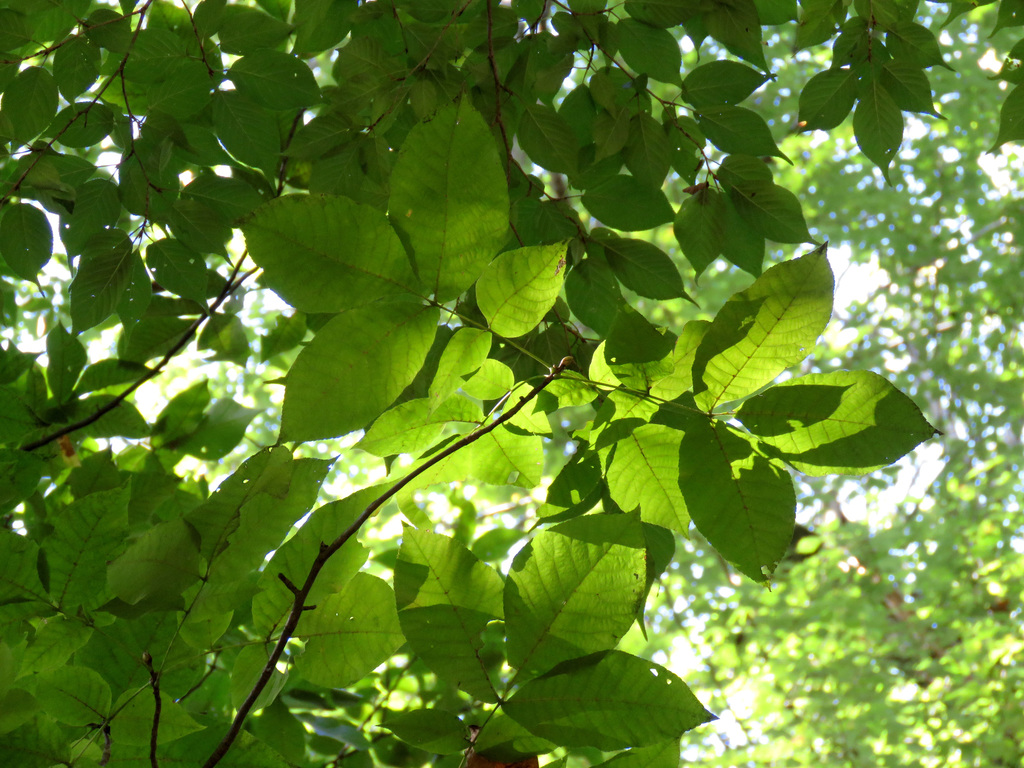
- White AshFraxinus americana
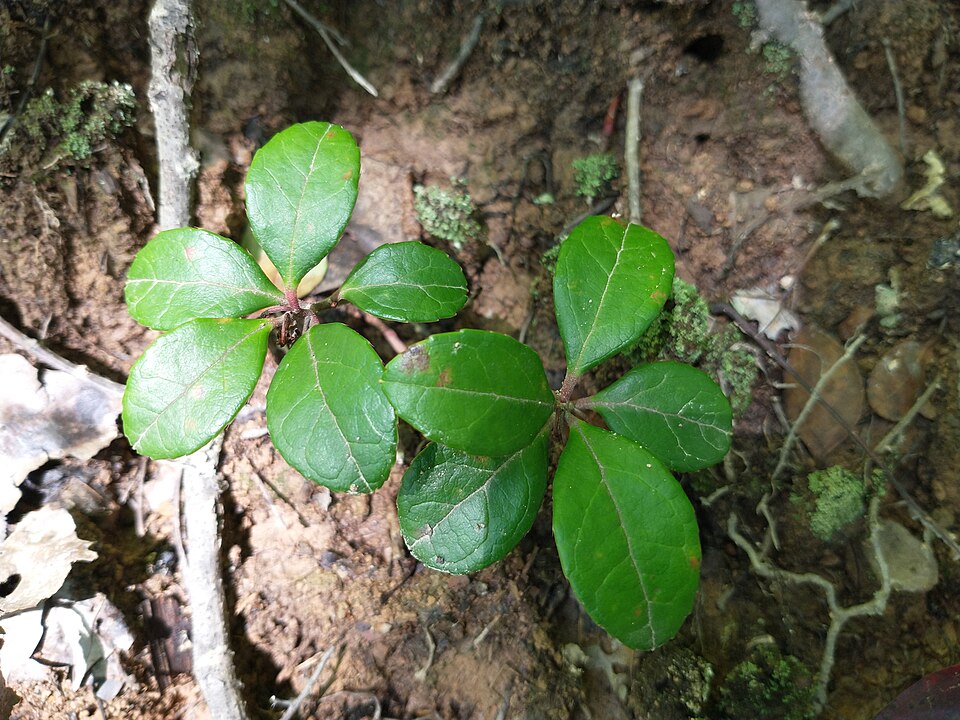
- Eastern TeaberryGaultheria procumbens
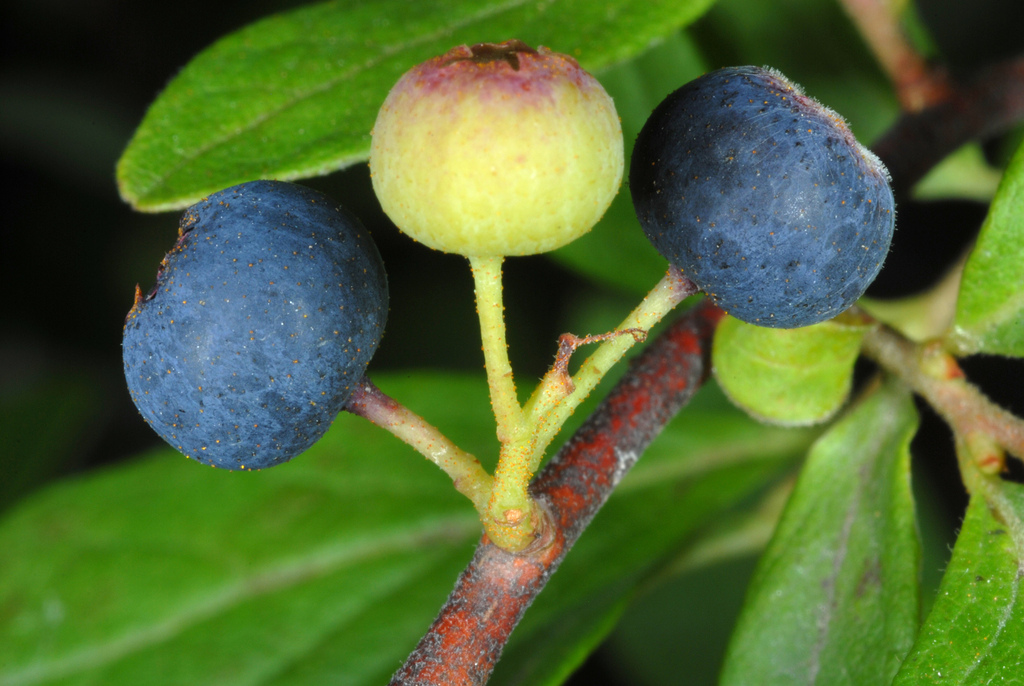
- Black HuckleberryGaylussacia baccata
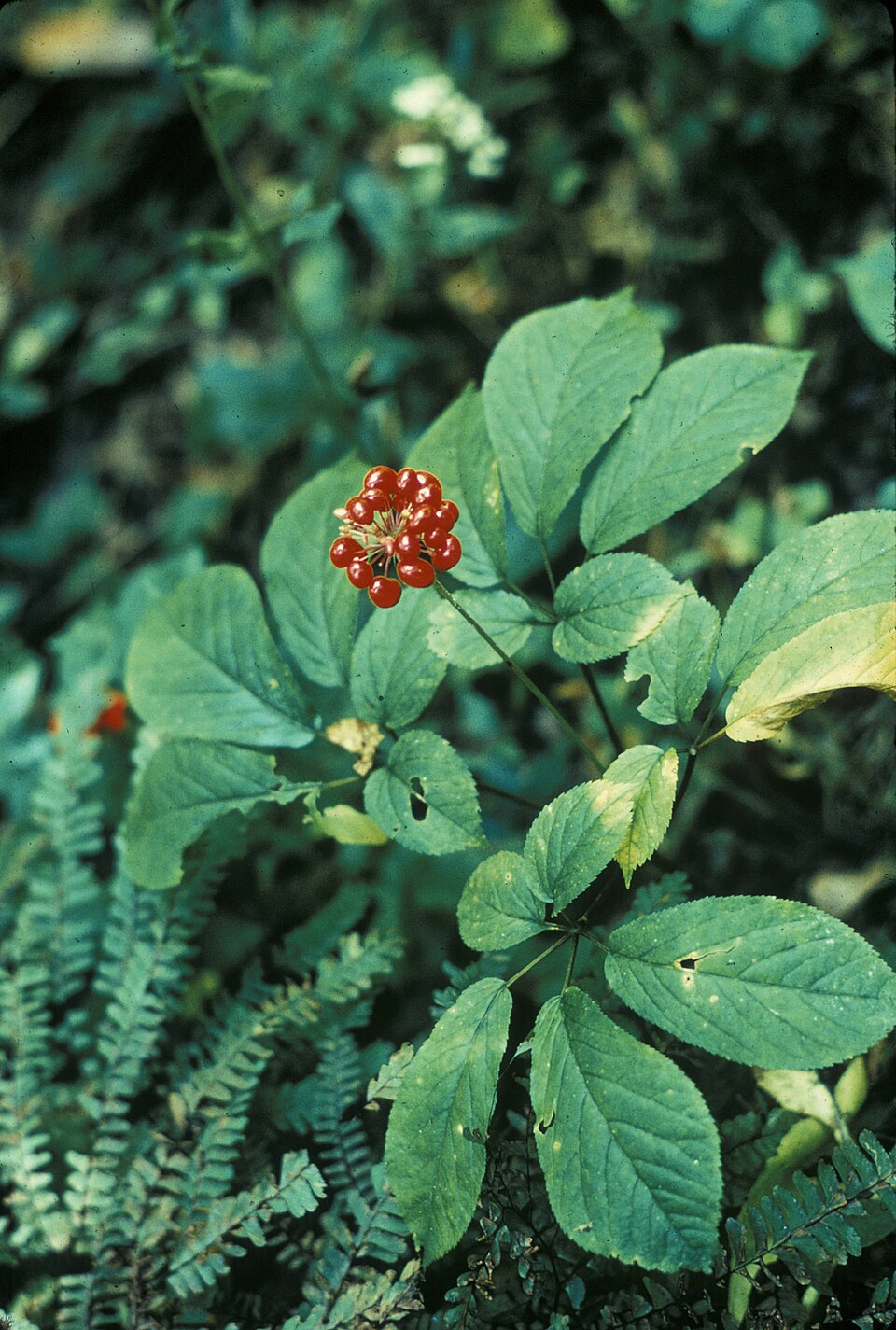
- American GinsengPanax quinquefolius
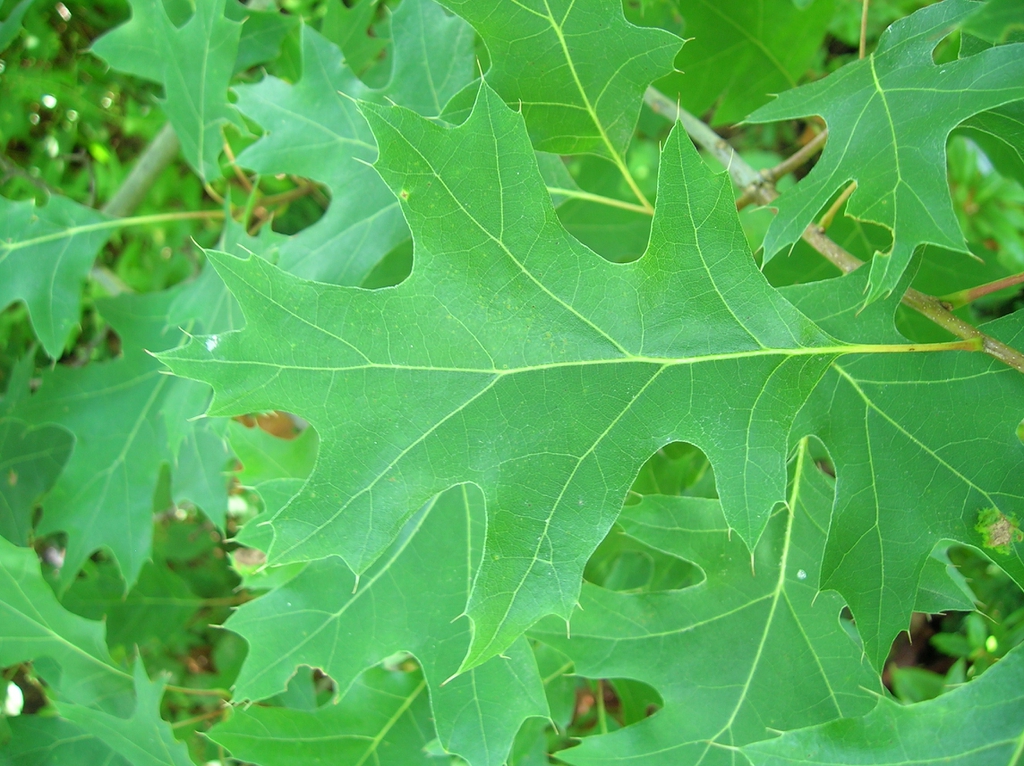
- Scarlet OakQuercus coccinea
- Catawba RhododendronRhododendron catawbiense
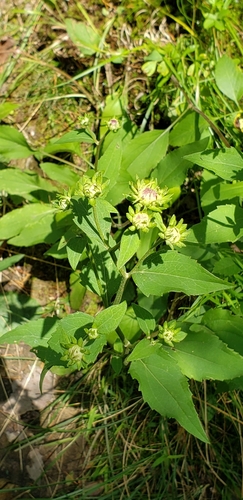
- Sun-facing ConeflowerRudbeckia heliopsidis
- Carolina HemlockTsuga caroliniana
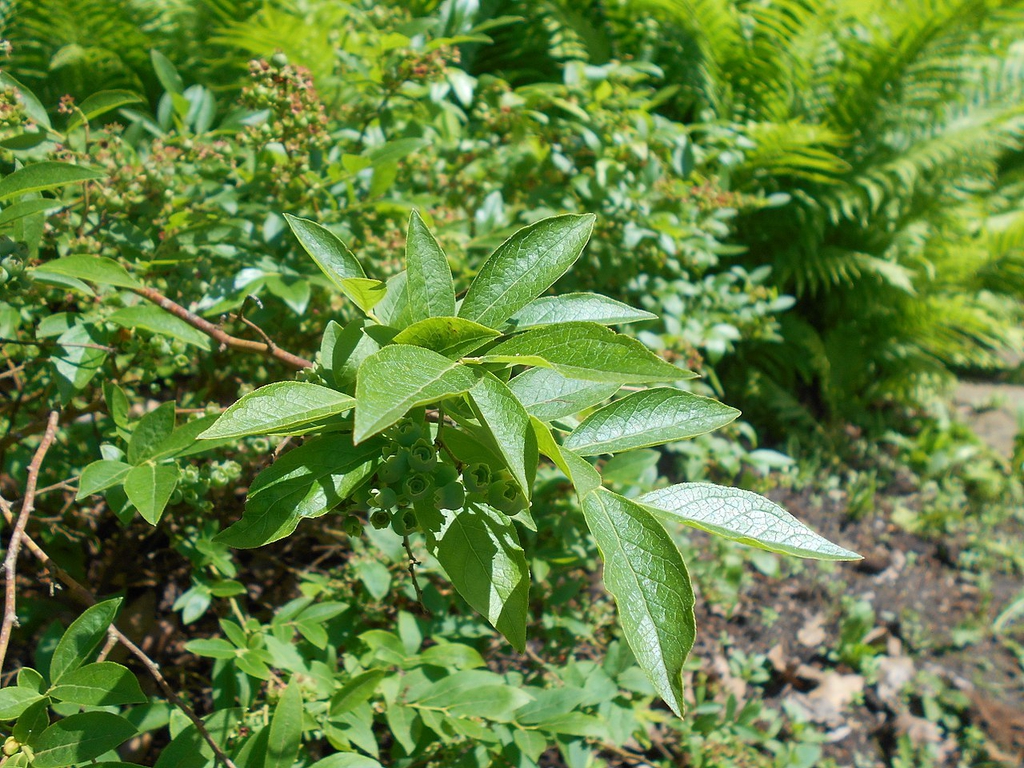
- Hillside BlueberryVaccinium pallidum
- DeerberryVaccinium stamineum
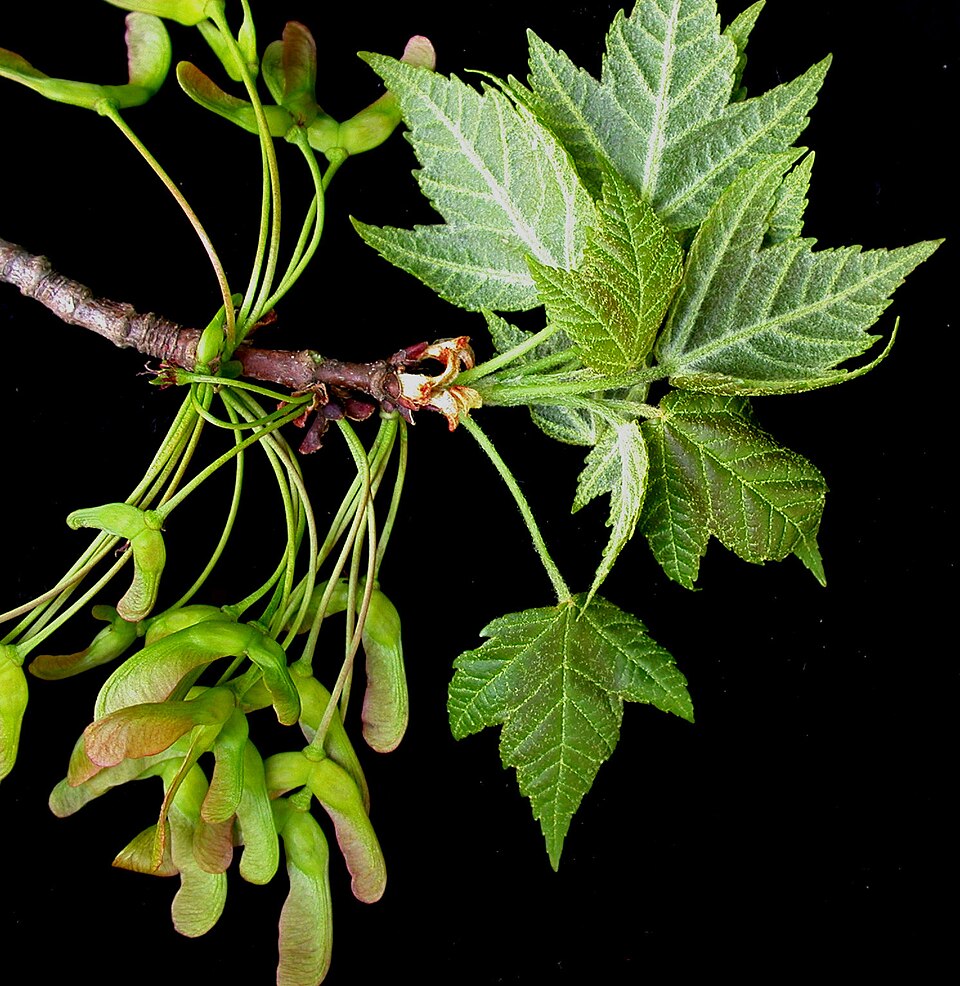
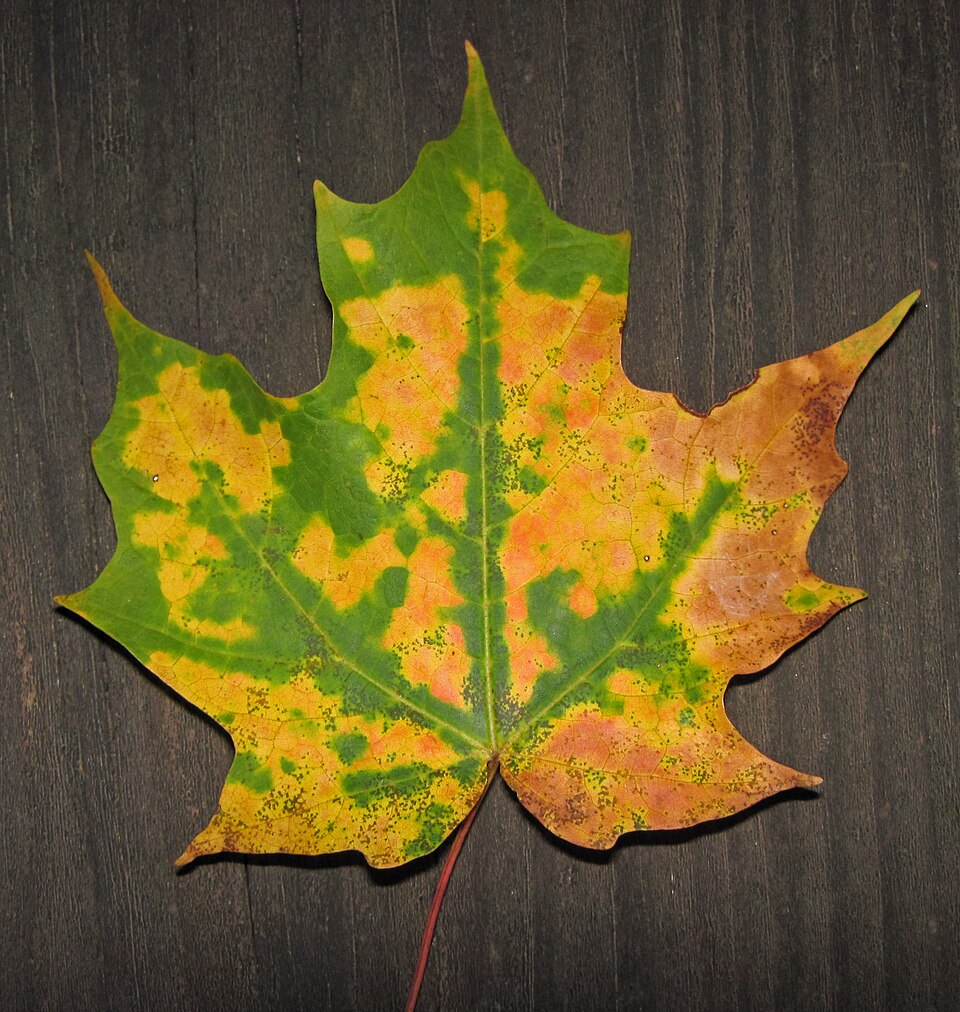
- Sugar MapleAcer saccharum

Wildlife 168
Other animals whose habitat models include the same habitats in Virginia. Not sighting records.
- Northern CardinalCardinalis cardinalis
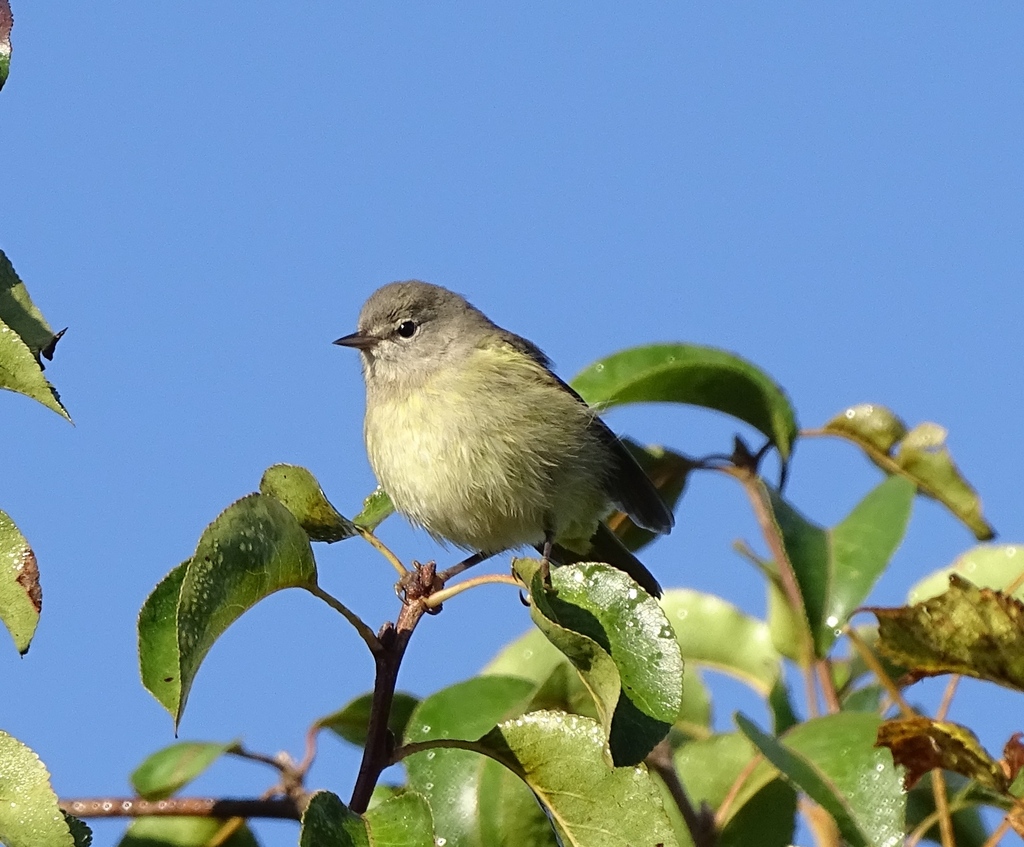
- Orange-crowned WarblerVermivora celata
- OspreyPandion haliaetus
- OvenbirdSeiurus aurocapilla
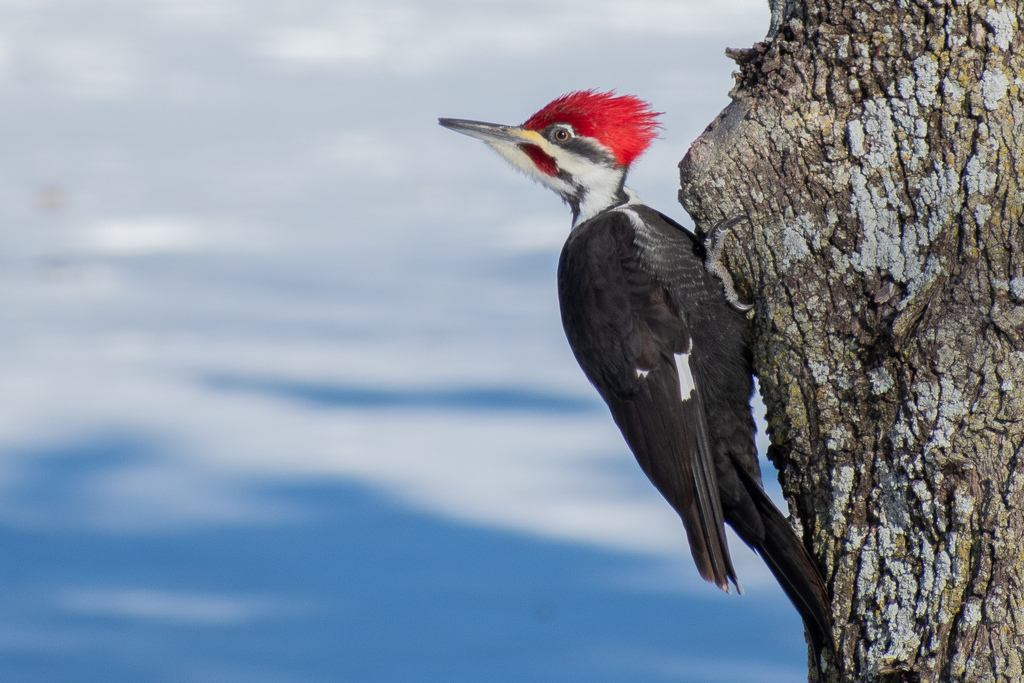
- Pileated WoodpeckerDryocopus pileatus
- Purple FinchCarpodacus purpureus
- Red-tailed HawkButeo jamaicensis
- Ruby-crowned KingletRegulus calendula
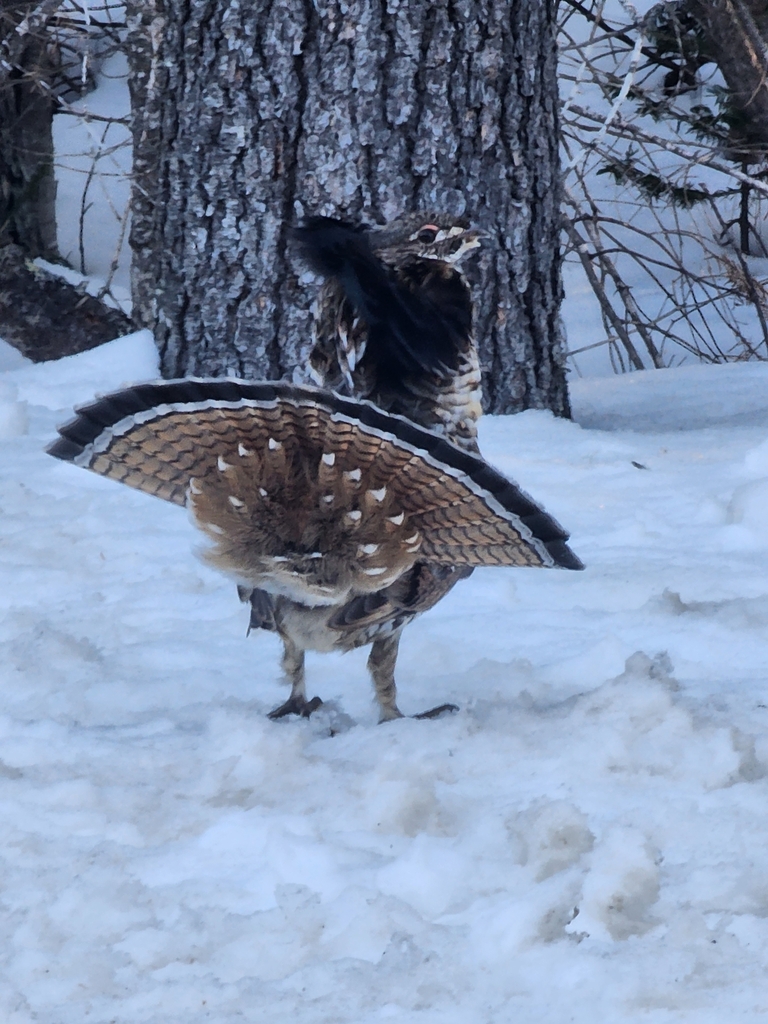
- Ruffed GrouseBonasa umbellus
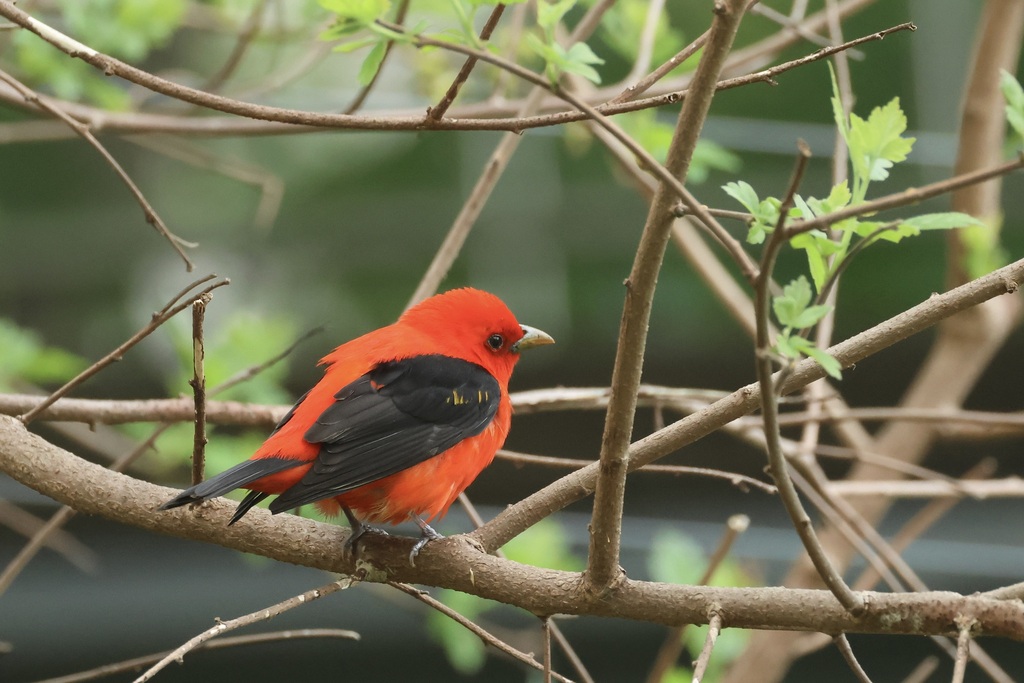
- Scarlet TanagerPiranga olivacea
- Sharp-shinned HawkAccipiter striatus
- Tufted TitmouseBaeolophus bicolor
- Turkey VultureCathartes aura
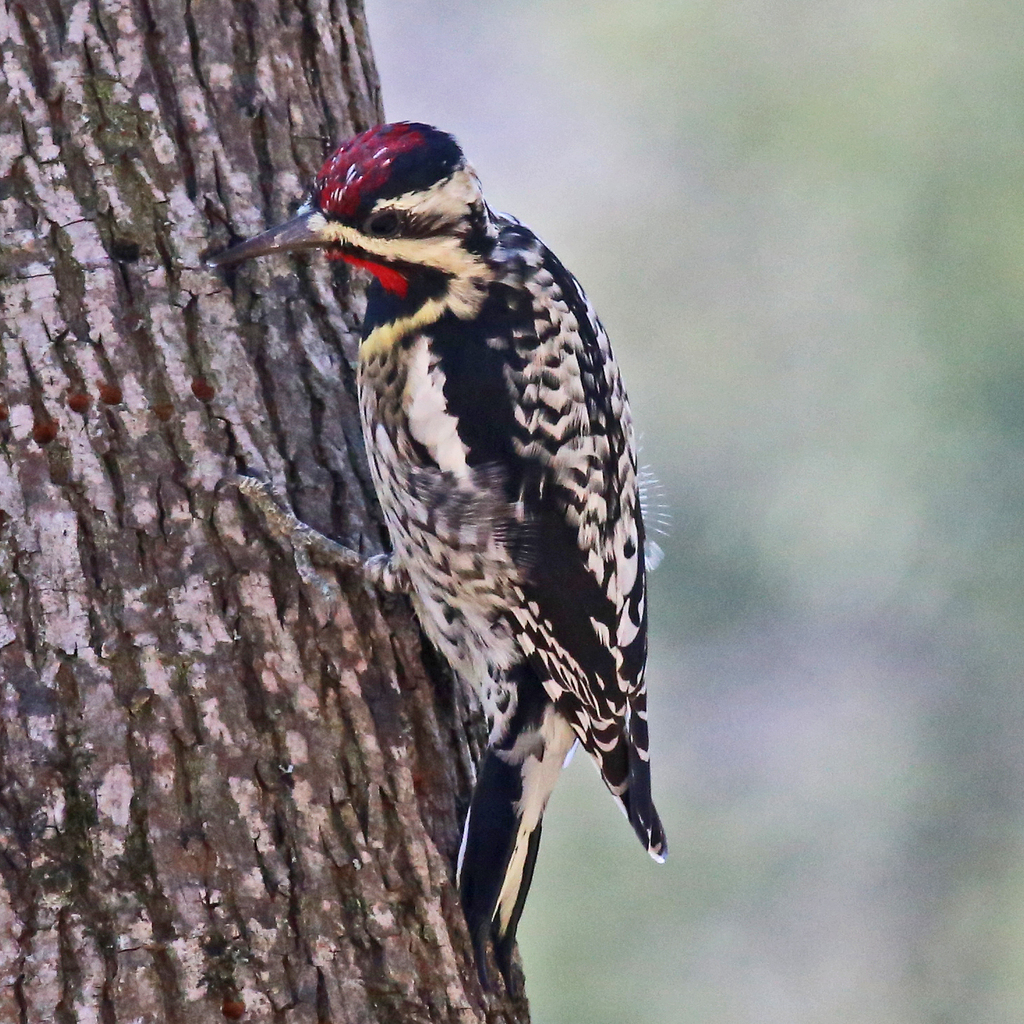
- Yellow-bellied SapsuckerSphyrapicus varius
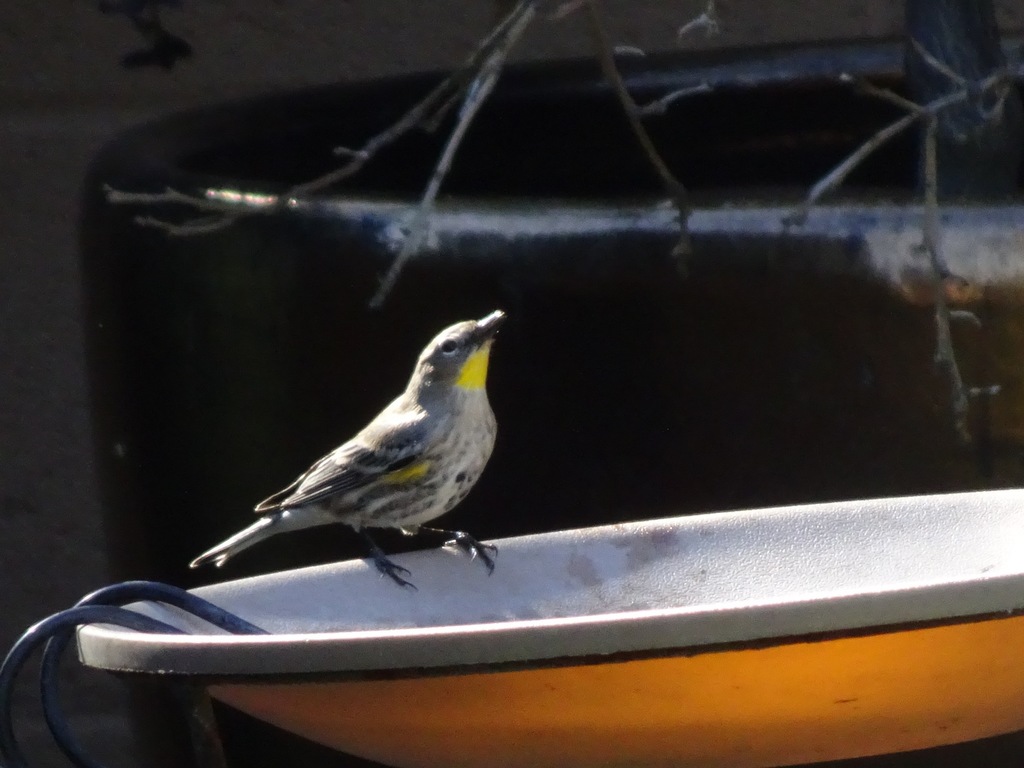
- Yellow-rumped WarblerDendroica coronata
- American KestrelFalco sparverius
- American RedstartSetophaga ruticilla
- Black-billed CuckooCoccyzus erythropthalmus
- Blue GrosbeakPasserina caerulea
- Blue-gray GnatcatcherPolioptila caerulea
- Broad-winged HawkButeo platypterus
- Brown ThrasherToxostoma rufum
- Carolina WrenThryothorus ludovicianus
- Cerulean WarblerDendroica cerulea

















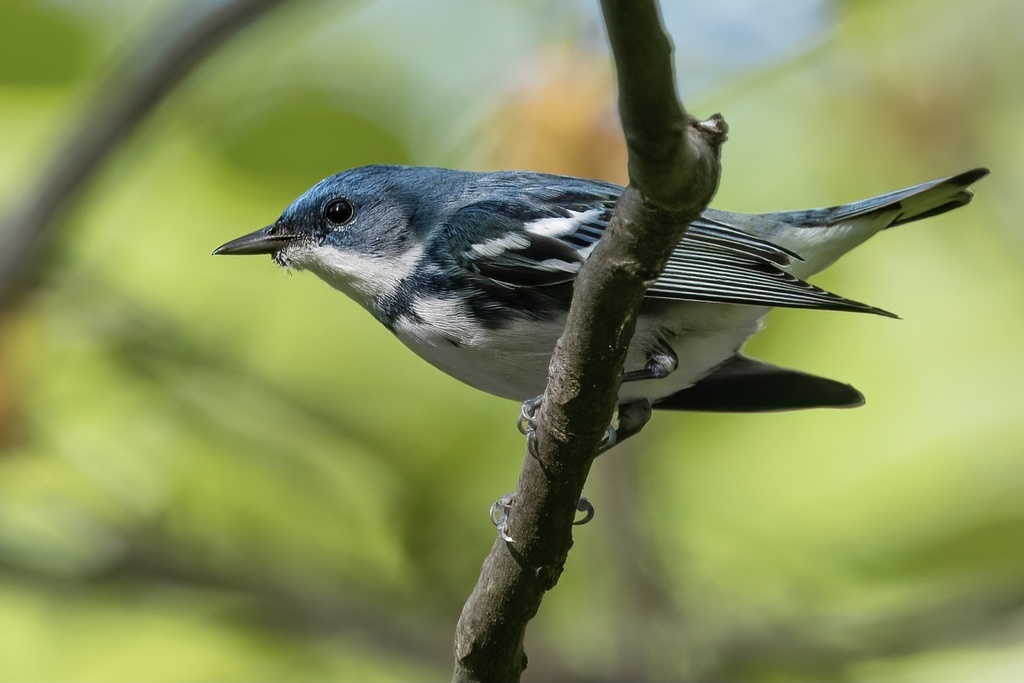

NatureServe Explorer, CC BY 4.0. USGS Gap Analysis Project habitat models.
Sources
- USGS Gap Analysis Project habitat models (2001)
- USGS GAP winter habitat model for Evening Grosbeak
- USGS Gap Analysis Project range maps (2001), modeled by watershed; migratory gives no dates
- NatureServe Explorer (CC BY 4.0), habitat names
- US Census TIGER/Line counties
- Names follow the USGS Gap Analysis Project (2001)