

Bird
Brown-headed Nuthatch
Sitta pusilla
Lives in Virginia all year and nests here. Found in 67 of 133 counties and cities, across 4 habitats.
- Here
- All year
- Nesting
- Nests here
- Range
- 67 of 133 counties and cities
- Habitats
- 4
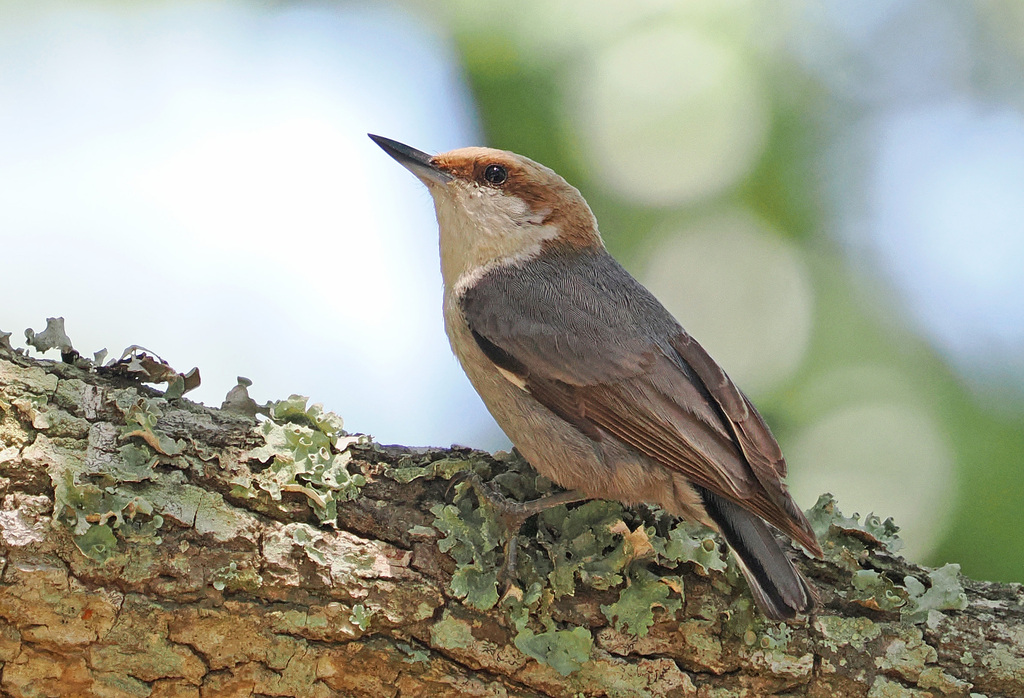
At a glance
- Group
- Birds
- Here
- All year
- Nesting
- Nests here
- Range
- 67 of 133 counties and cities
- Habitats
- 4
- Habitat models
- Year-round
Where it lives
The places its habitat model includes. It is not found everywhere a habitat occurs.
Habitats in Virginia 4
Each habitat page lists the plants and wildlife also found there.
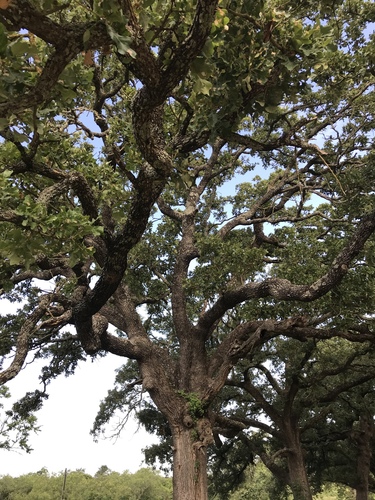
Forests and open woodlands on dry ridges and slopes, often oak or pine.
Flat, sandy Coastal Plain pine woodlands, wetter than sandhills and denser than savannas.
Open, fire-kept longleaf pine stands over grasses and wildflowers on wet to moist sandy soil.
Roadsides, fields and disturbed ground
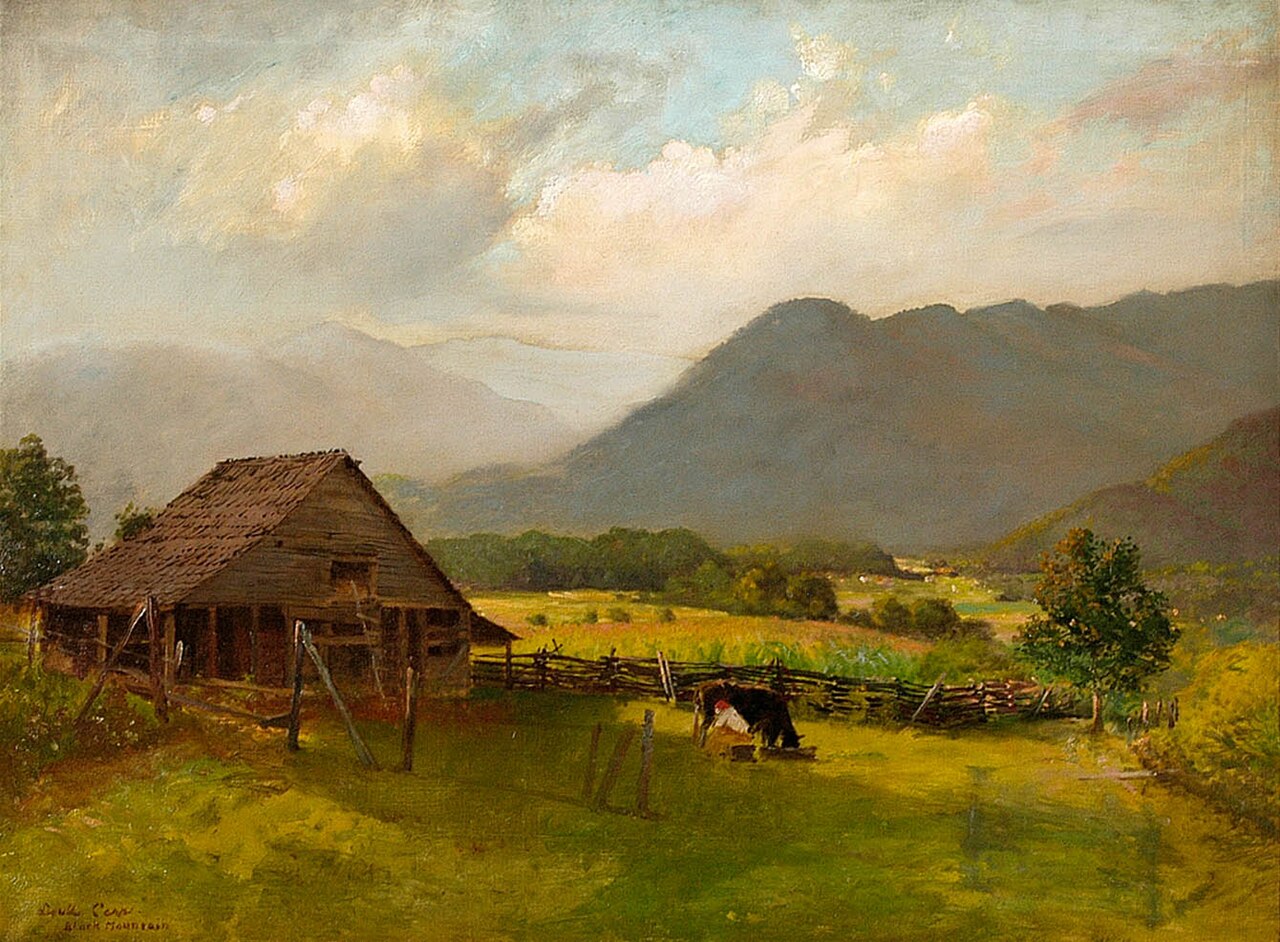
Other habitats in its models (34)
Land cover, or classes with no habitat page in Virginia. Those recorded in Virginia first, the rest by region.
In Virginia 1
- Atlantic Coastal Plain Upland Longleaf Pine Woodland Year-round.
Elsewhere in the South (12)
- Atlantic Coastal Plain Southern Maritime Forest Year-round.
- Atlantic Coastal Plain Southern Wet Pine Savanna and Flatwoods Year-round.
- Central Florida Pine Flatwoods Year-round.
- East Gulf Coastal Plain Maritime Forest Year-round.
- East Gulf Coastal Plain Southern Loblolly-Hardwood Flatwoods Year-round.
- South Florida Pine Flatwoods Year-round.
- Southeastern Interior Longleaf Pine Woodland Year-round.
- West Gulf Coastal Plain Pine-Hardwood Flatwoods Year-round.
- West Gulf Coastal Plain Pine-Hardwood Forest Year-round.
- West Gulf Coastal Plain Sandhill Oak and Shortleaf Pine Forest and Woodland Year-round.
- West Gulf Coastal Plain Upland Longleaf Pine Forest and Woodland Year-round.
- West Gulf Coastal Plain Wet Longleaf Pine Savanna and Flatwoods Year-round.
Land cover and other classes (21)
- Allegheny-Cumberland Dry Oak Forest and Woodland - Pine Modifier Year-round.
- Atlantic Coastal Plain Fall-Line Sandhills Longleaf Pine Woodland - Loblolly Modifier Year-round.
- Atlantic Coastal Plain Fall-line Sandhills Longleaf Pine Woodland - Open Understory Modifier Year-round.
- Atlantic Coastal Plain Fall-line Sandhills Longleaf Pine Woodland - Scrub/Shrub Understory Modifier Year-round.
- Developed, Low Intensity Year-round, beside its main habitat.
- East Gulf Coastal Plain Black Belt Calcareous Prairie and Woodland - Herbaceous Modifier Year-round.
- East Gulf Coastal Plain Interior Shortleaf Pine-Oak Forest - Mixed Modifier Year-round.
- East Gulf Coastal Plain Interior Upland Longleaf Pine Woodland - Loblolly Modifier Year-round.
- East Gulf Coastal Plain Interior Upland Longleaf Pine Woodland - Open Understory Modifier Year-round.
- East Gulf Coastal Plain Interior Upland Longleaf Pine Woodland - Scrub/Shrub Modifier Year-round.
- East Gulf Coastal Plain Jackson Plain Dry Flatwoods - Open Understory Modifier Year-round.
- East Gulf Coastal Plain Near-Coast Pine Flatwoods - Open Understory Modifier Year-round.
- East Gulf Coastal Plain Near-Coast Pine Flatwoods - Scrub/Shrub Understory Modifier Year-round.
- East Gulf Coastal Plain Northern Dry Upland Hardwood Forest - Offsite Pine Modifier Year-round.
- Florida Longleaf Pine Sandhill - Open Understory Modifier Year-round.
- Florida Longleaf Pine Sandhill - Scrub/Shrub Understory Modifier Year-round.
- Northeastern Interior Dry Oak Forest - Virginia/Pitch Pine Modifier Year-round.
- Southern Piedmont Dry Oak-(Pine) Forest - Loblolly Pine Modifier Year-round.
- Southern Piedmont Dry Oak-(Pine) Forest - Mixed Modifier Year-round.
- Southern Piedmont Dry Oak-Heath Forest - Mixed Modifier Year-round.
- Southern Ridge and Valley Dry Calcareous Forest - Pine modifier Year-round.
- The model distinguishes open pine habitat from nearby denser pine.
Seasons in Virginia
- Year-round: nests here, in 67 of 133 counties and cities.
Also found in this habitat
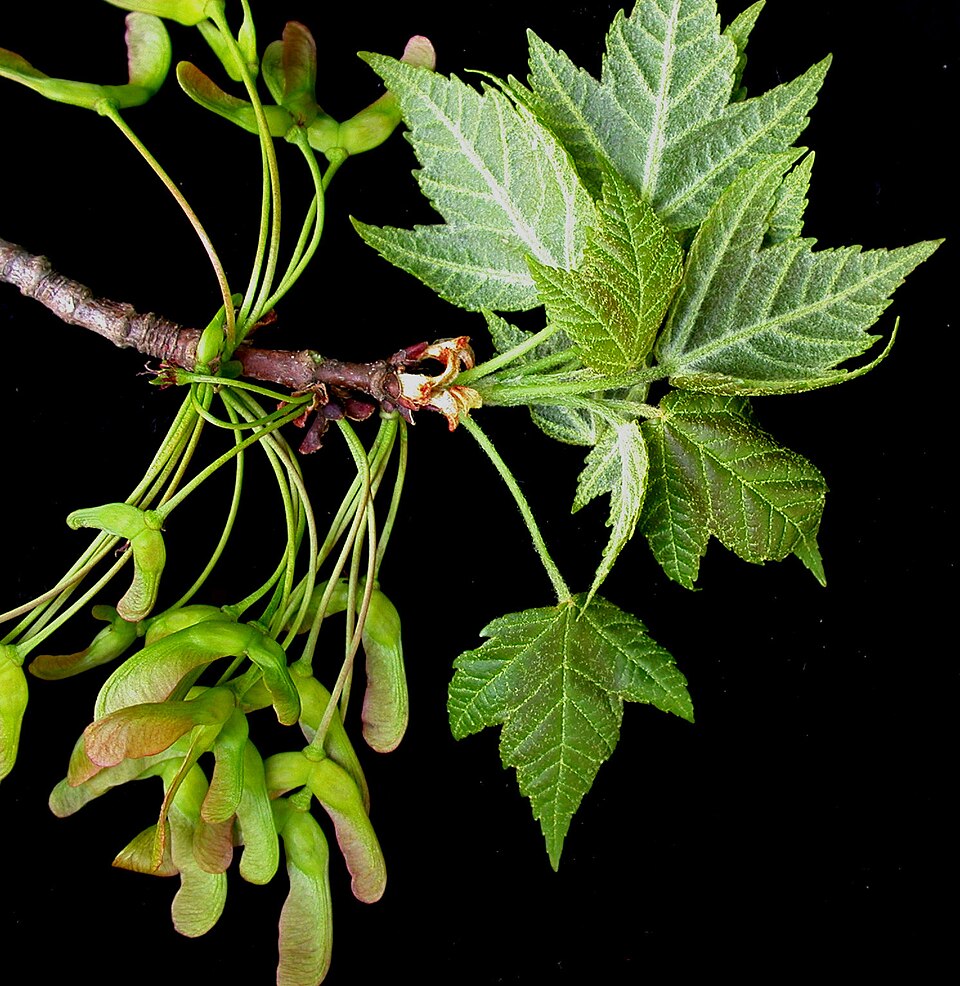
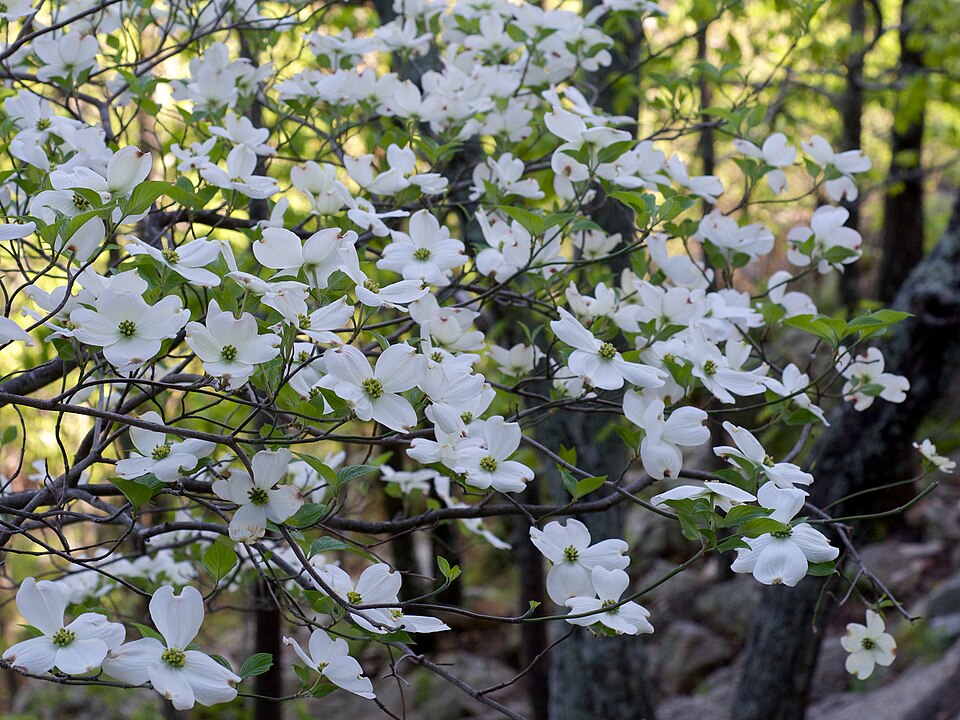
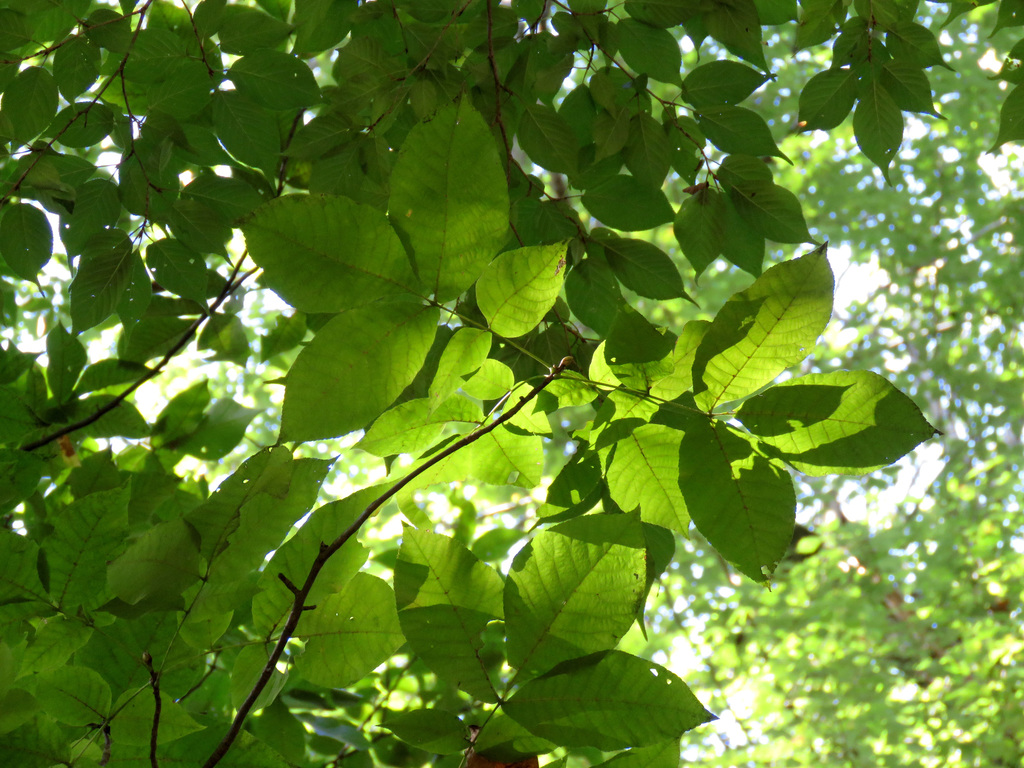
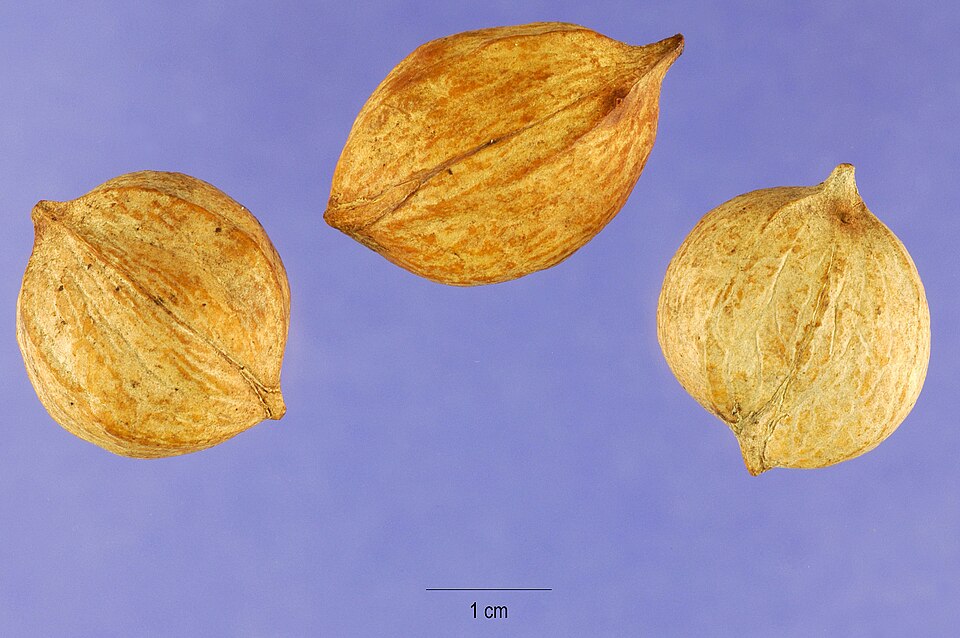
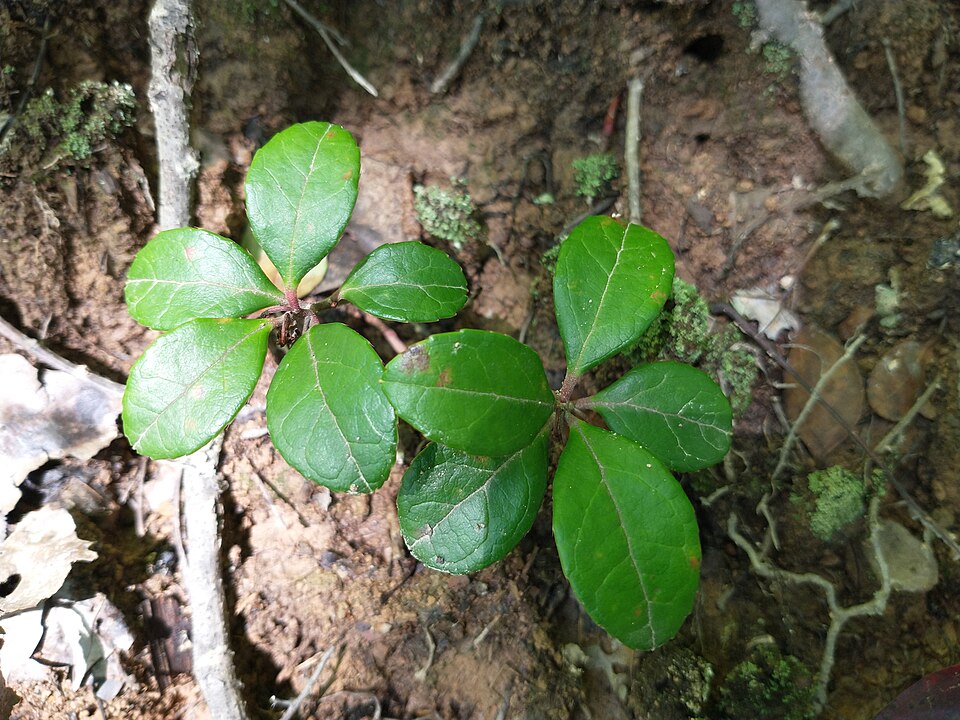
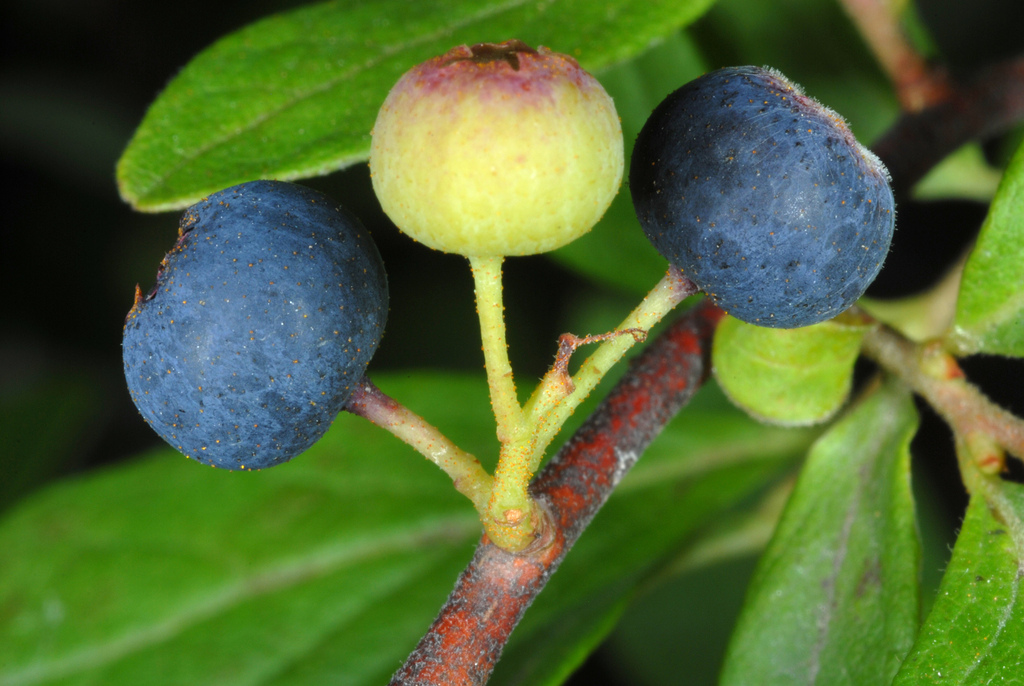
Plants 367
Plants named in NatureServe descriptions of these habitats that grow in Virginia. Shared habitat, not food.
- Red MapleAcer rubrum
- Flowering DogwoodBenthamidia florida
- Pignut HickoryCarya glabra
- Mockernut HickoryCarya tomentosa
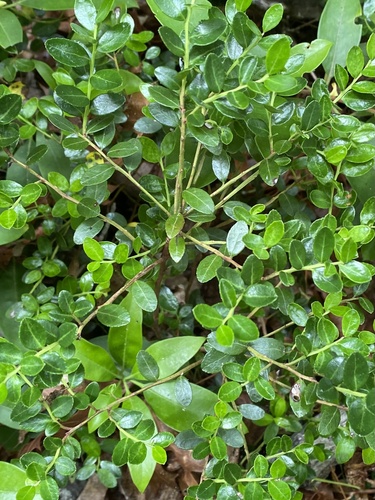
- Eastern TeaberryGaultheria procumbens
- Black HuckleberryGaylussacia baccata
- BlackgumNyssa sylvatica
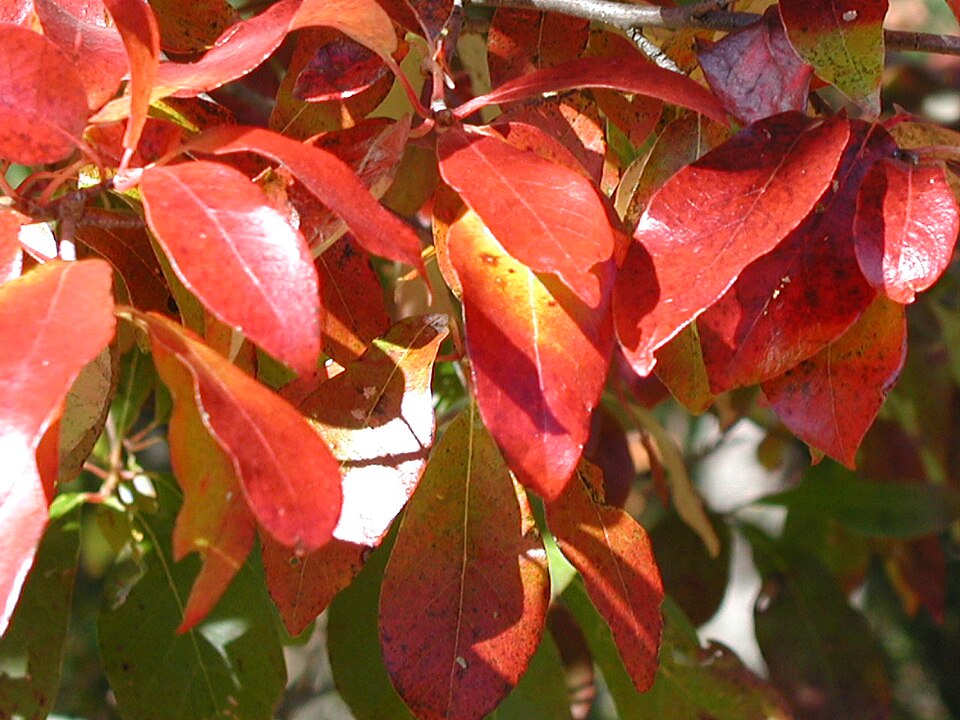
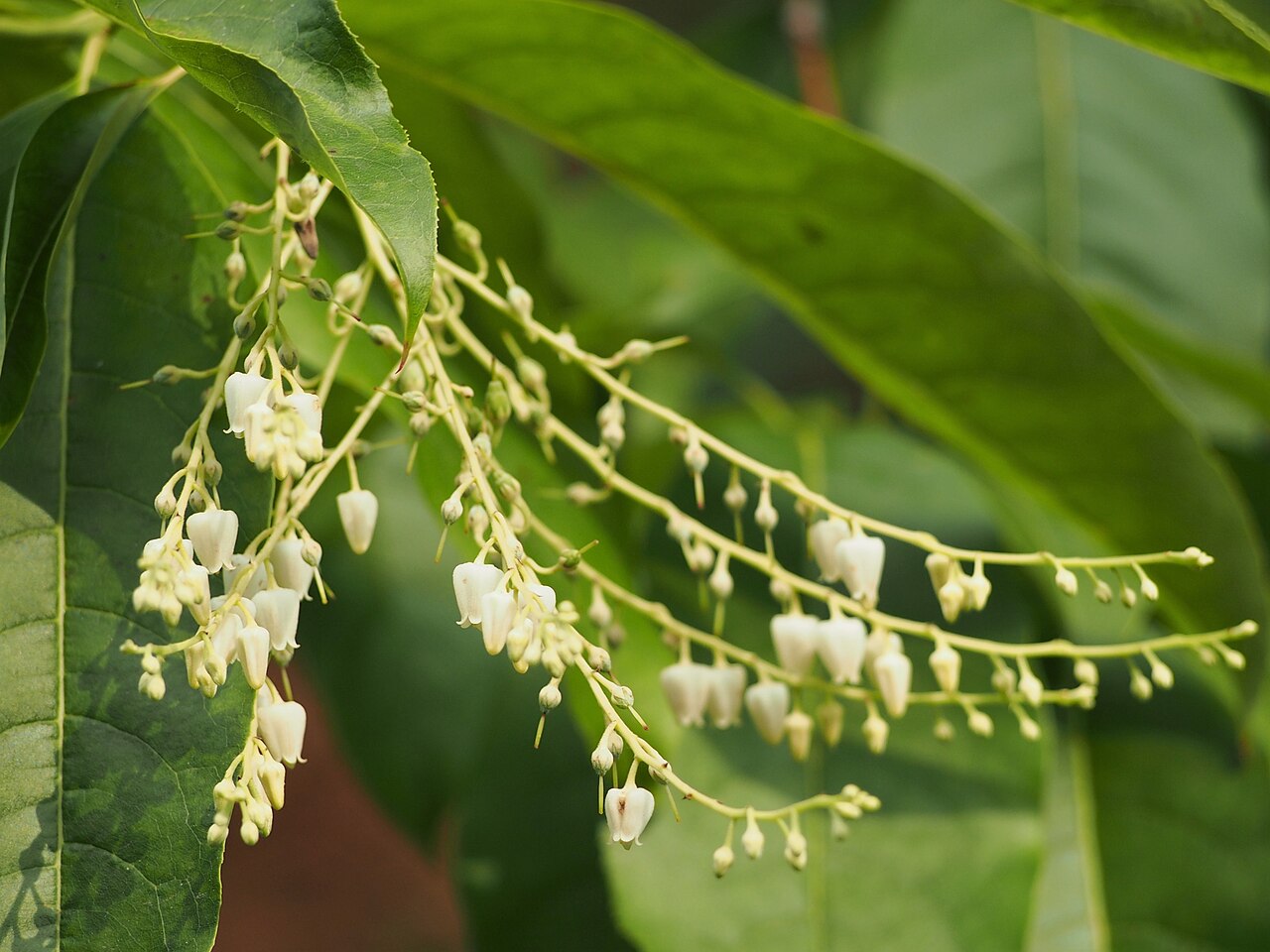
- SourwoodOxydendrum arboreum
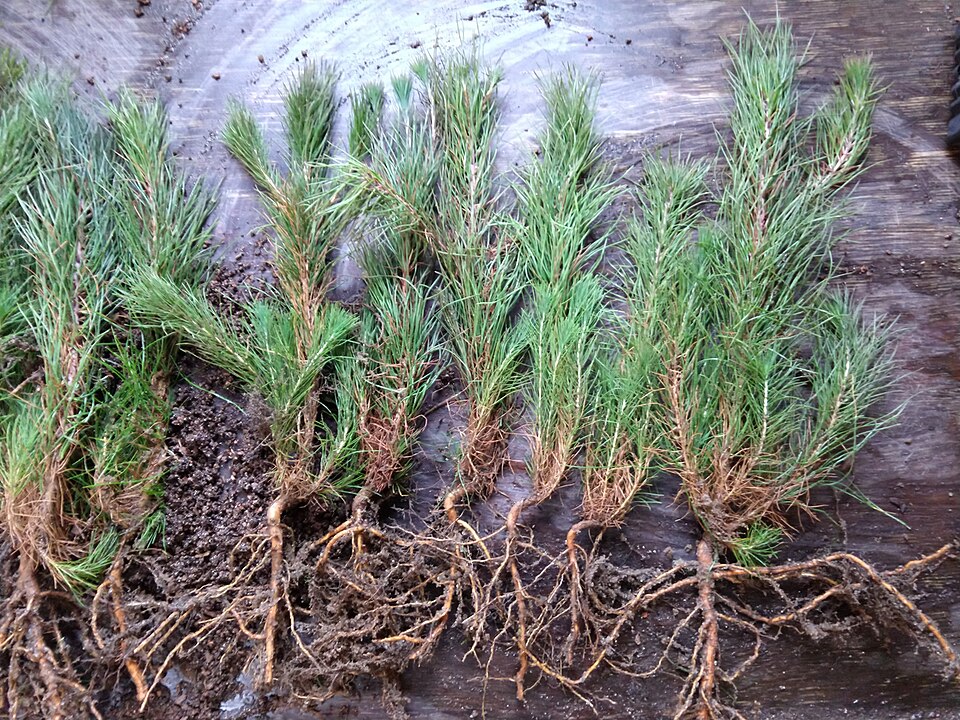
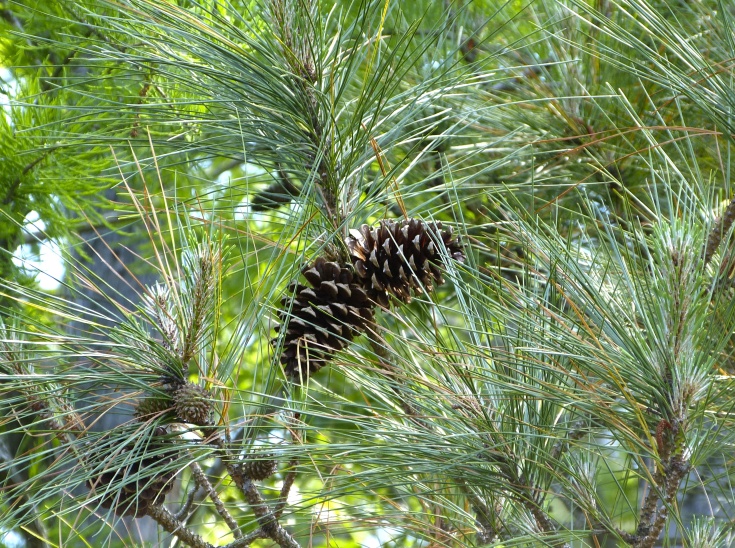
- Shortleaf PinePinus echinata
- Southern Red OakQuercus falcata
- Post OakQuercus stellata
- Sun-facing ConeflowerRudbeckia heliopsidis
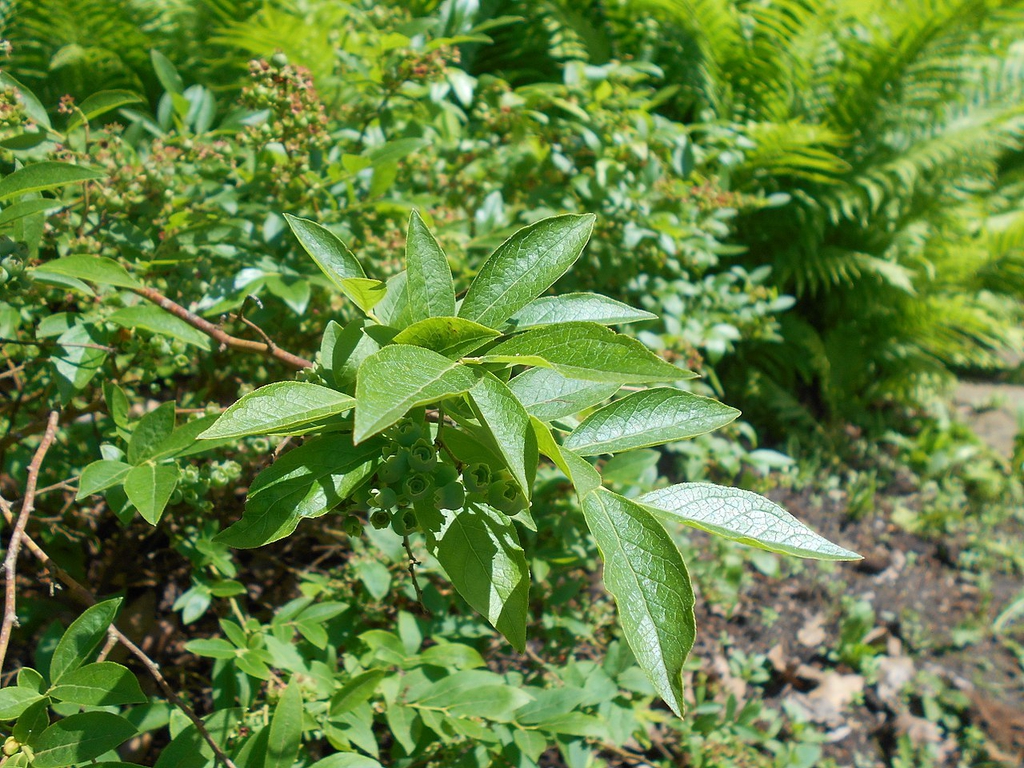
- Hillside BlueberryVaccinium pallidum
- DeerberryVaccinium stamineum
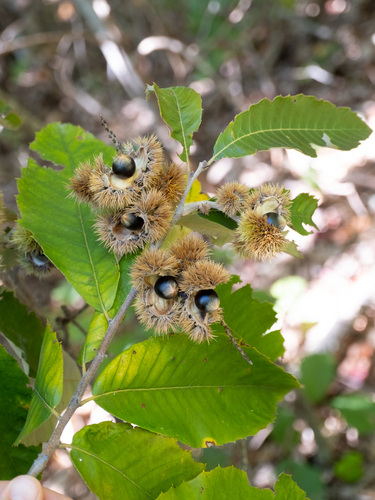
- Allegheny ChinquapinCastanea pumila
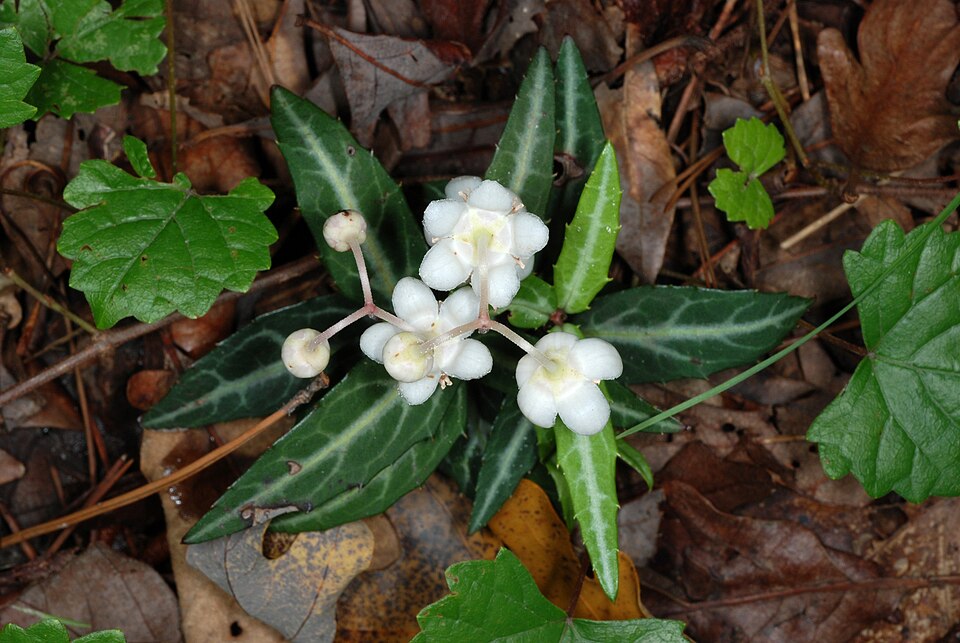
- Spotted WintergreenChimaphila maculata
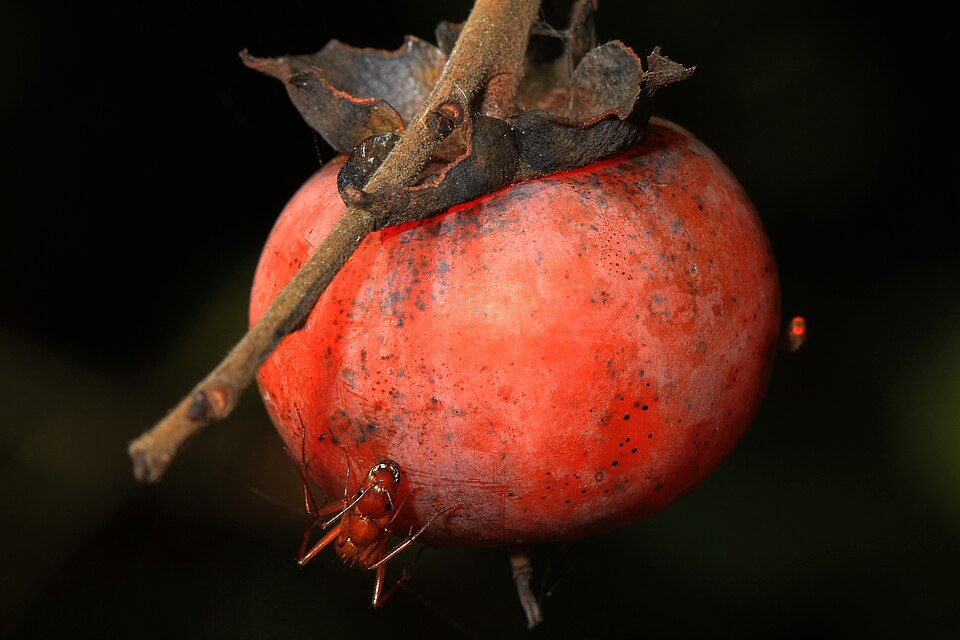
- American PersimmonDiospyros virginiana
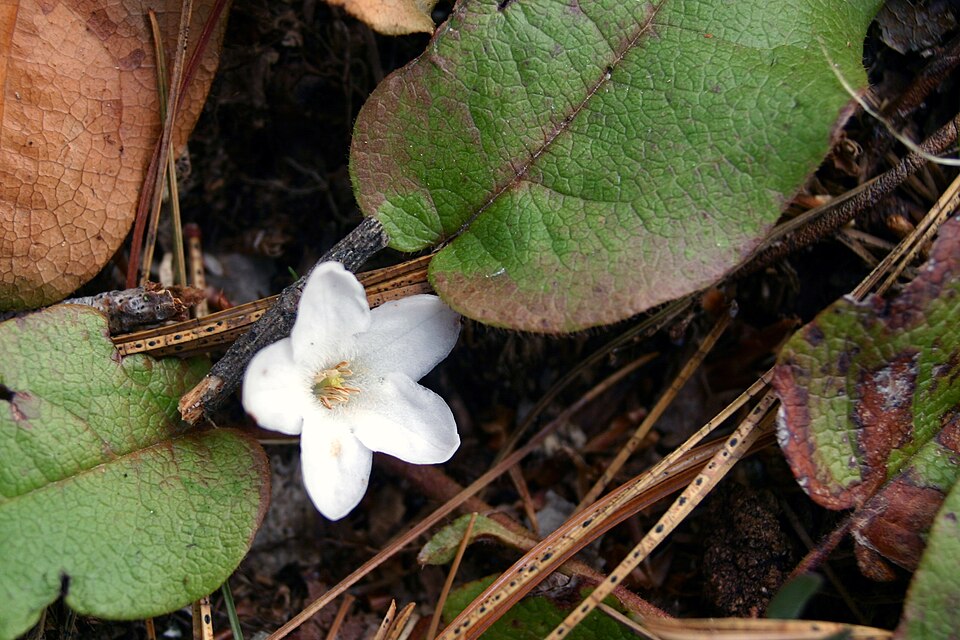
- Trailing ArbutusEpigaea repens
- Box HuckleberryGaylussacia brachycera
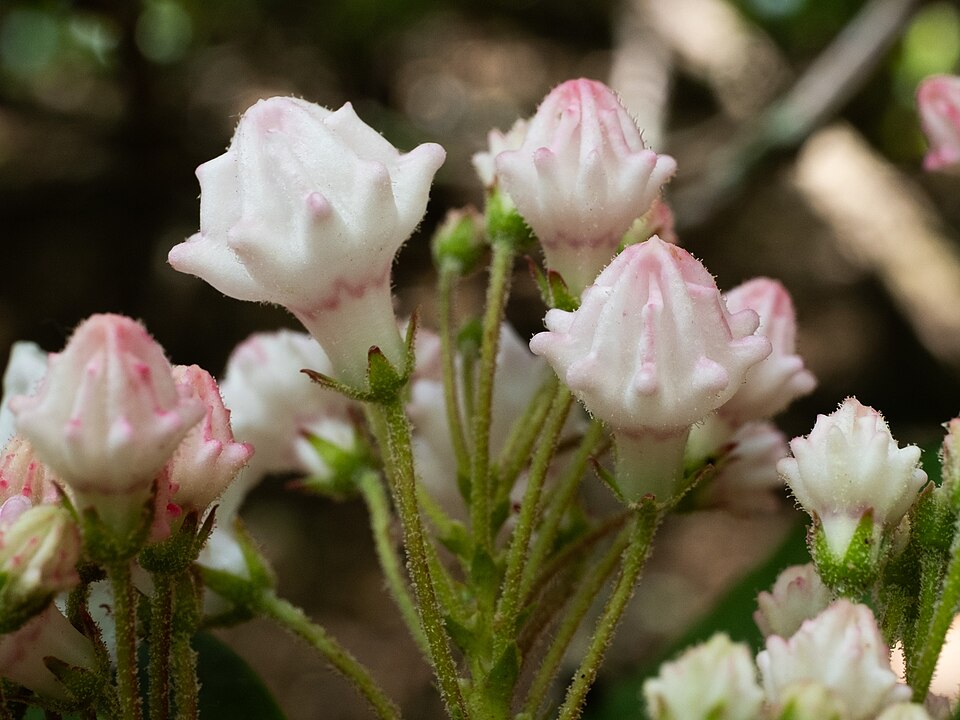
- Mountain LaurelKalmia latifolia
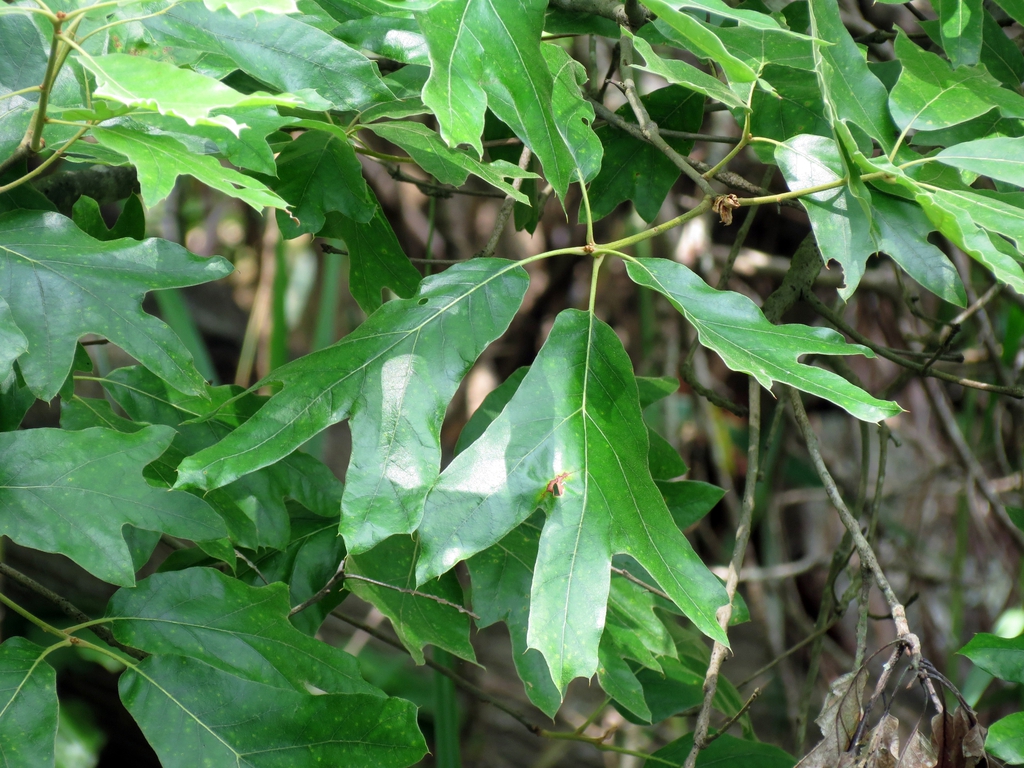
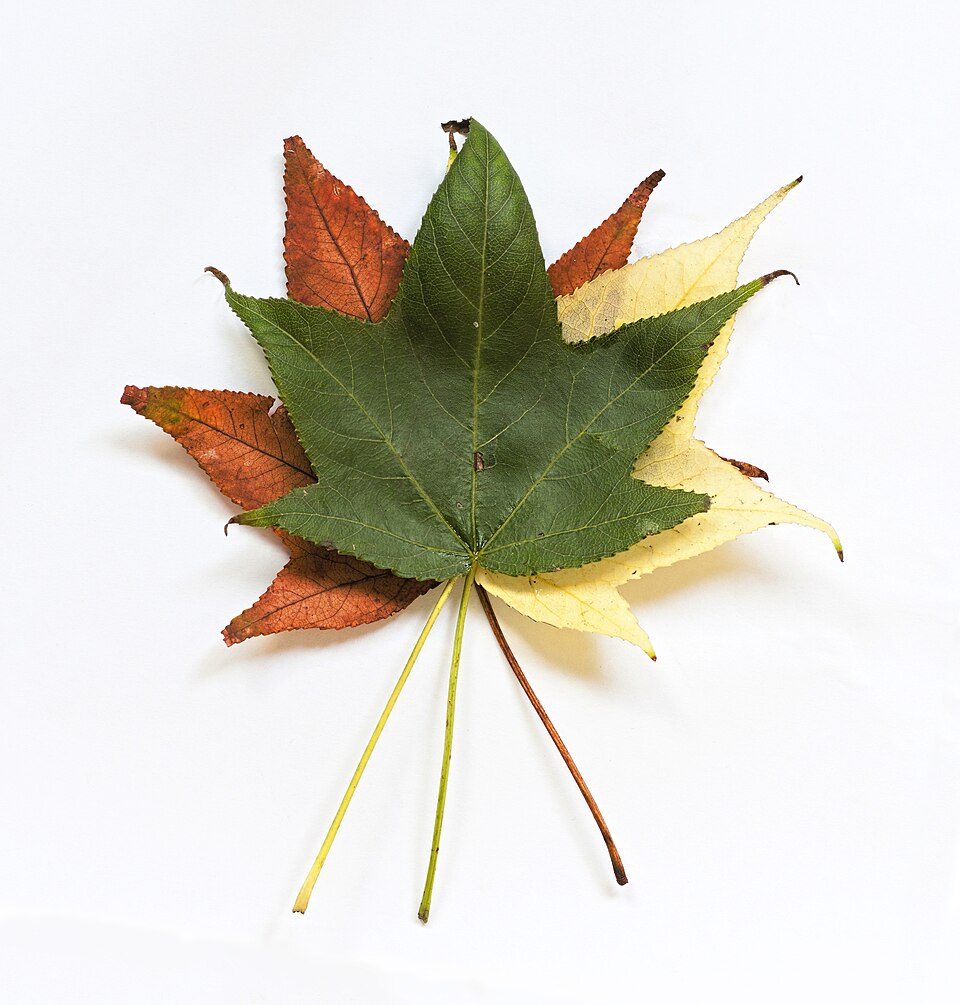
- SweetgumLiquidambar styraciflua
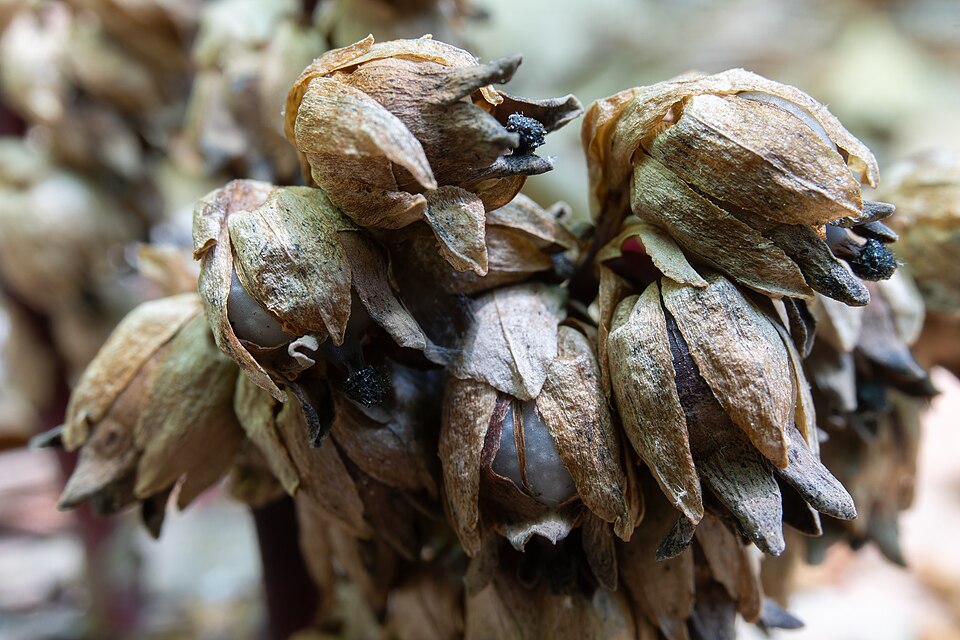
- Sweet PinesapMonotropsis odorata
- Loblolly PinePinus taeda
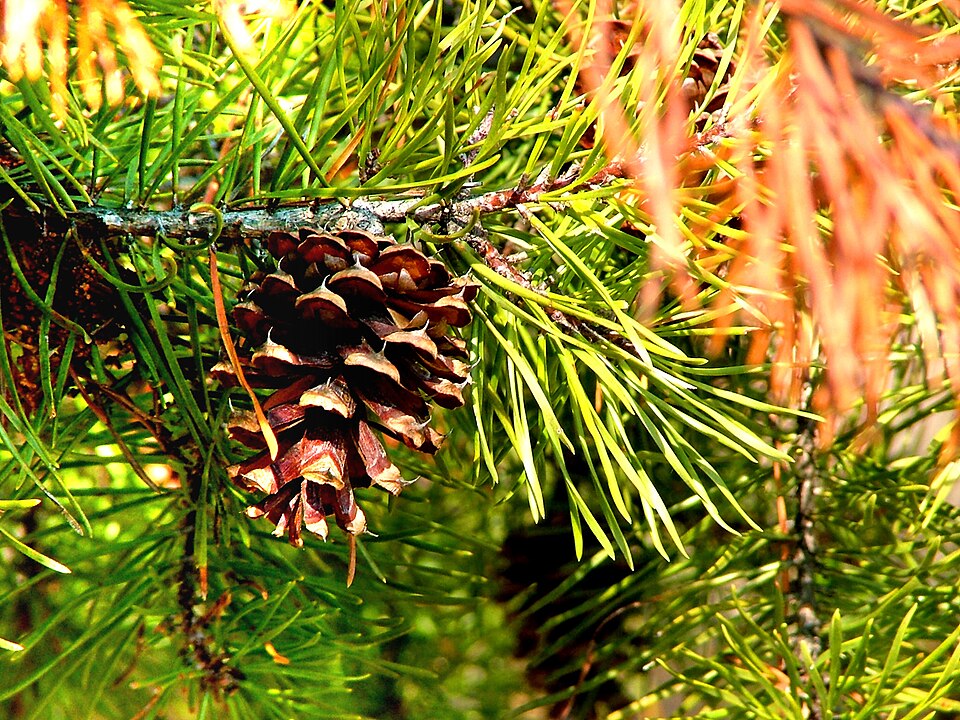
- Virginia PinePinus virginiana
Wildlife 197
Other animals whose habitat models include the same habitats in Virginia. Not sighting records.
- European StarlingSturnus vulgaris
- Great Crested FlycatcherMyiarchus crinitus
- Great Horned OwlBubo virginianus
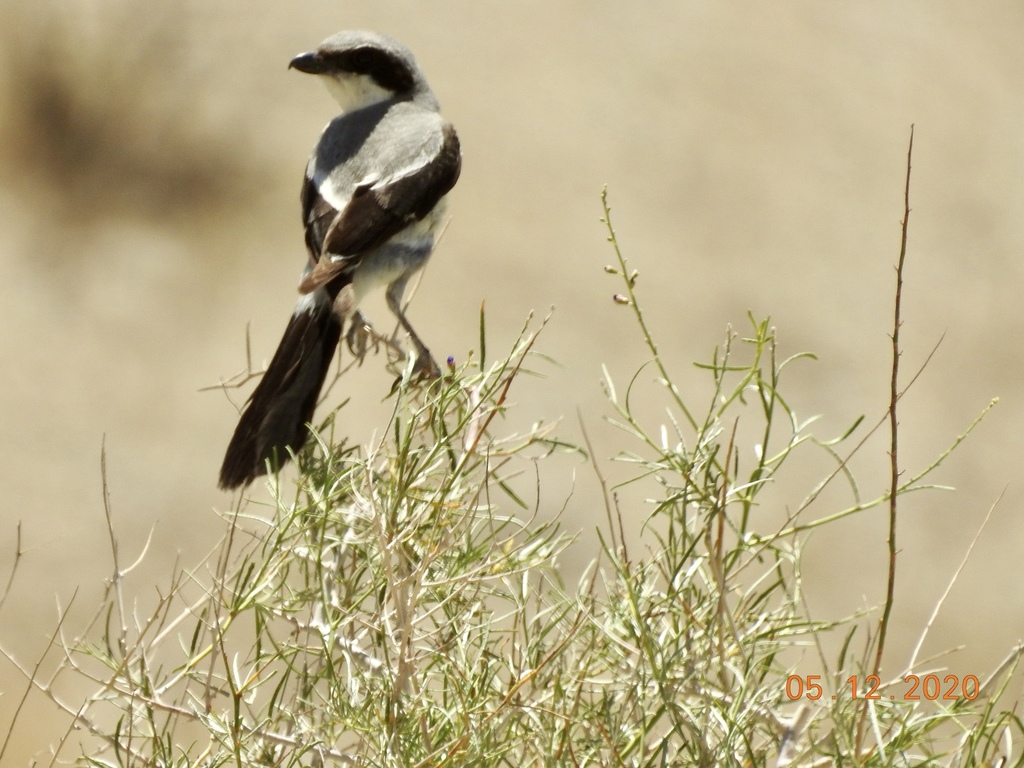
- Loggerhead ShrikeLanius ludovicianus
- Mourning DoveZenaida macroura
- Northern BobwhiteColinus virginianus
- Northern CardinalCardinalis cardinalis
- Northern FlickerColaptes auratus
- Northern MockingbirdMimus polyglottos
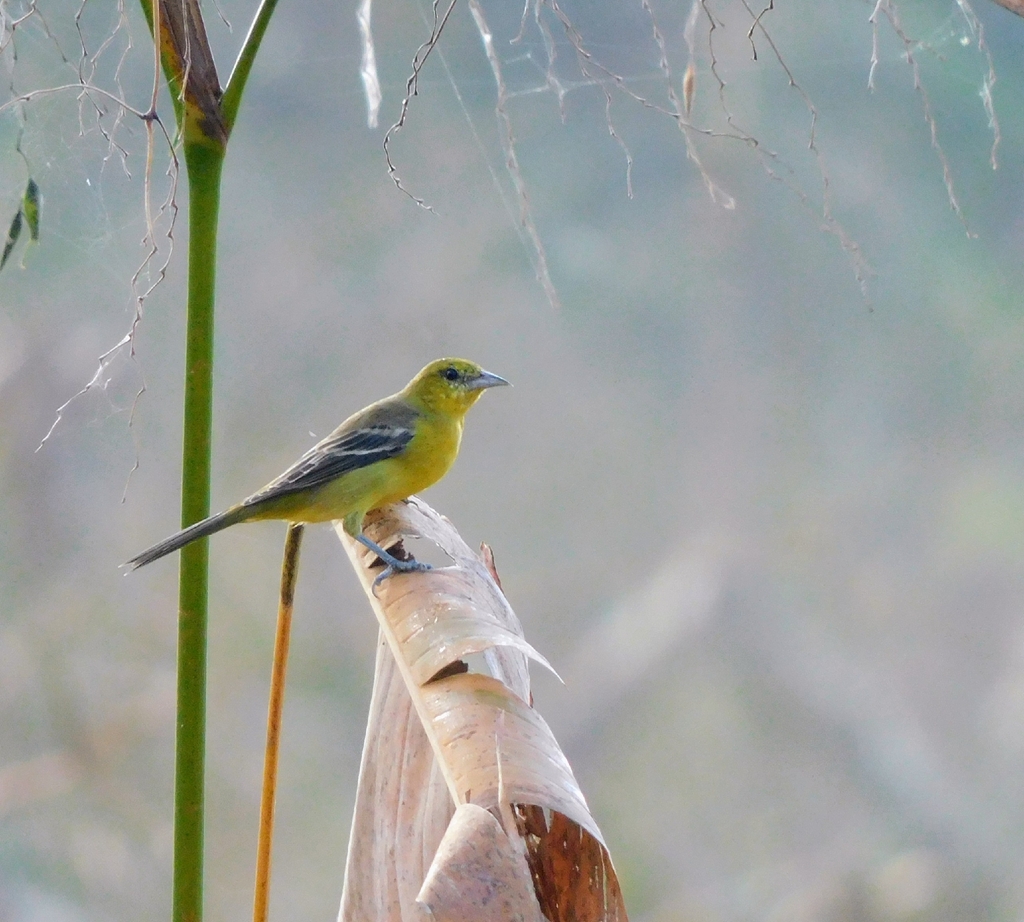
- Orchard OrioleIcterus spurius
- Pileated WoodpeckerDryocopus pileatus
- Purple FinchCarpodacus purpureus
- Red-bellied WoodpeckerMelanerpes carolinus
- Red-headed WoodpeckerMelanerpes erythrocephalus
- Red-shouldered HawkButeo lineatus
- Red-tailed HawkButeo jamaicensis
- Red-winged BlackbirdAgelaius phoeniceus
- Ruby-crowned KingletRegulus calendula
- Sharp-shinned HawkAccipiter striatus
- Spotted SandpiperActitis macularius
- Tufted TitmouseBaeolophus bicolor
- Turkey VultureCathartes aura
- White-eyed VireoVireo griseus
- White-throated SparrowZonotrichia albicollis






















NatureServe Explorer, CC BY 4.0. USGS Gap Analysis Project habitat models.
Sources
- USGS Gap Analysis Project habitat models (2001)
- USGS GAP year-round habitat model for Brown-headed Nuthatch Elevation sea level to 762 m
- USGS Gap Analysis Project range maps (2001), modeled by watershed; migratory gives no dates
- NatureServe Explorer (CC BY 4.0), habitat names
- US Census TIGER/Line counties
- Names follow the USGS Gap Analysis Project (2001)