

Bird
Blue-gray Gnatcatcher
Polioptila caerulea
Lives in Virginia all year and nests here. Found in all 133 counties and cities, across 20 habitats.
- Here
- All year
- Nesting
- Nests here
- Range
- All 133 counties and cities
- Habitats
- 20

At a glance
- Group
- Birds
- Here
- All year
- Nesting
- Nests here
- Range
- All 133 counties and cities
- Habitats
- 20
- Habitat models
- Summer, Winter
Where it lives
The places its habitat model includes. It is not found everywhere a habitat occurs.
Habitats in Virginia 20
Each habitat page lists the plants and wildlife also found there.
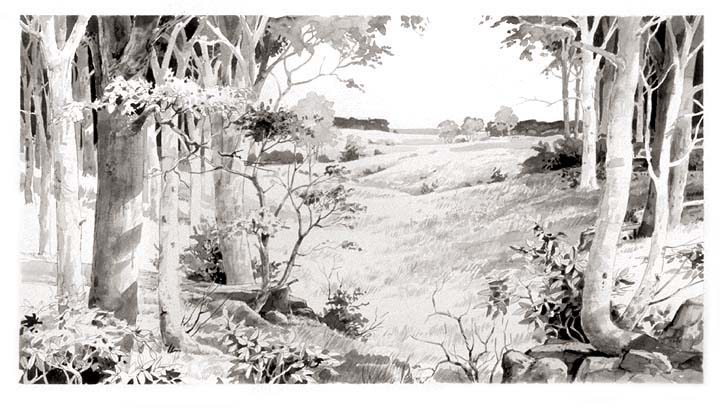
Glades, barrens and outcrops on limestone
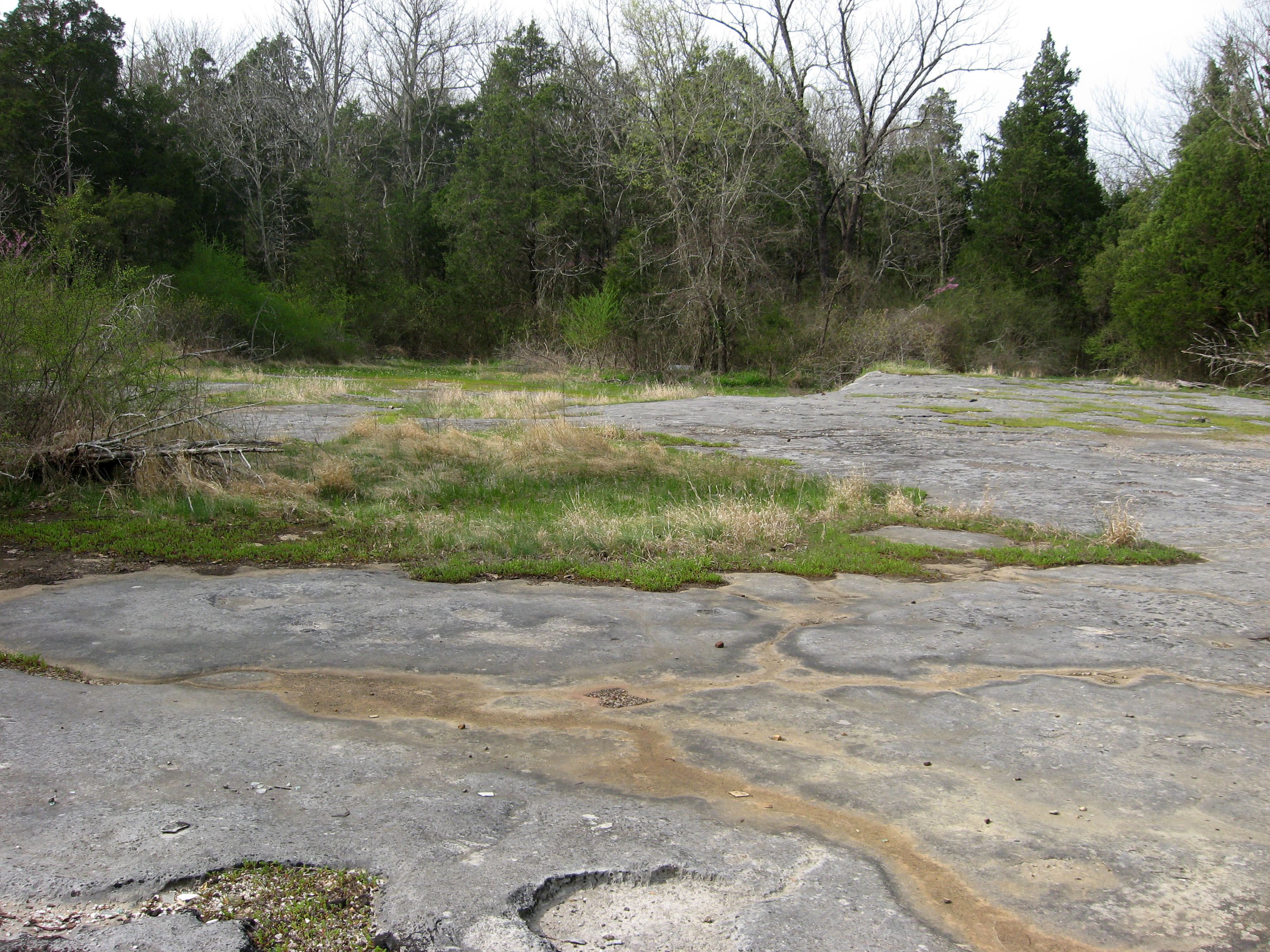
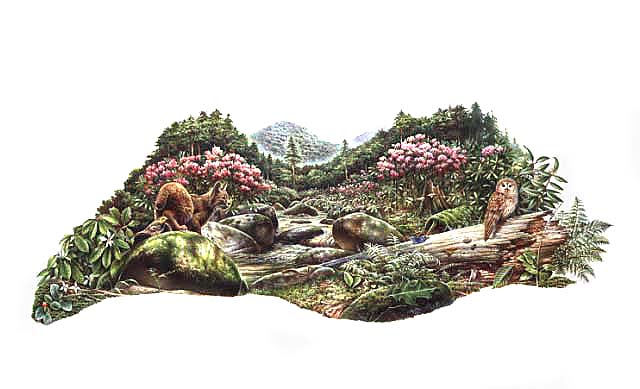
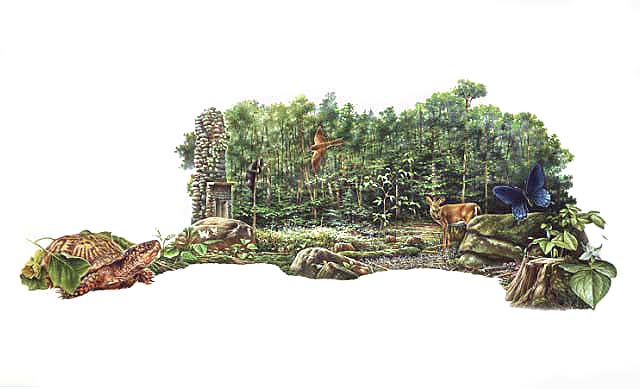
Streams, rivers and their banks
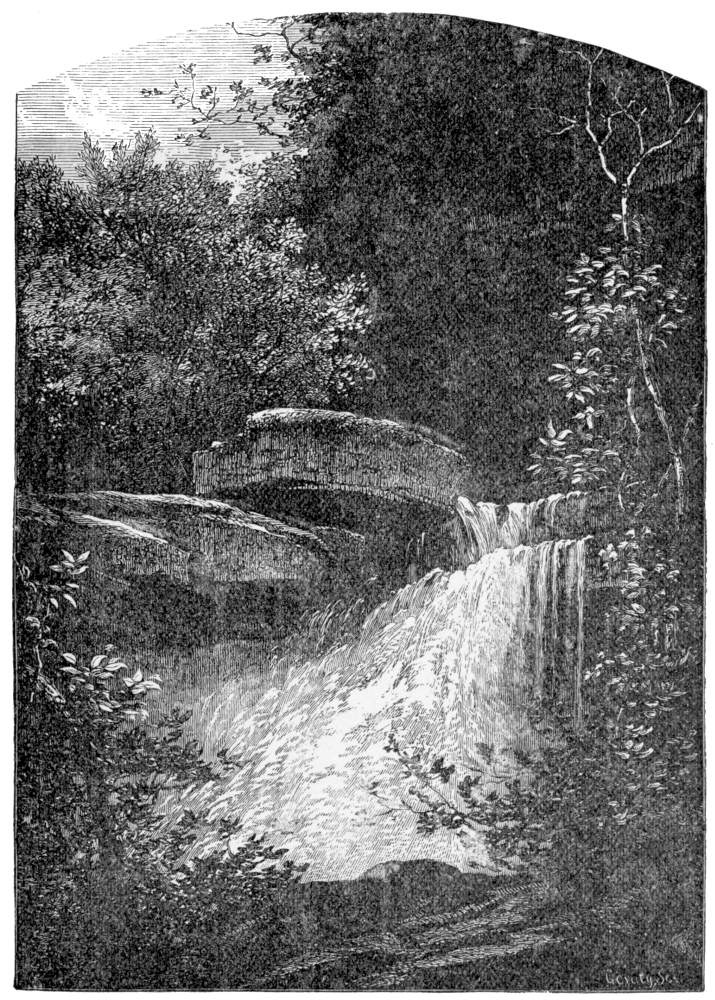
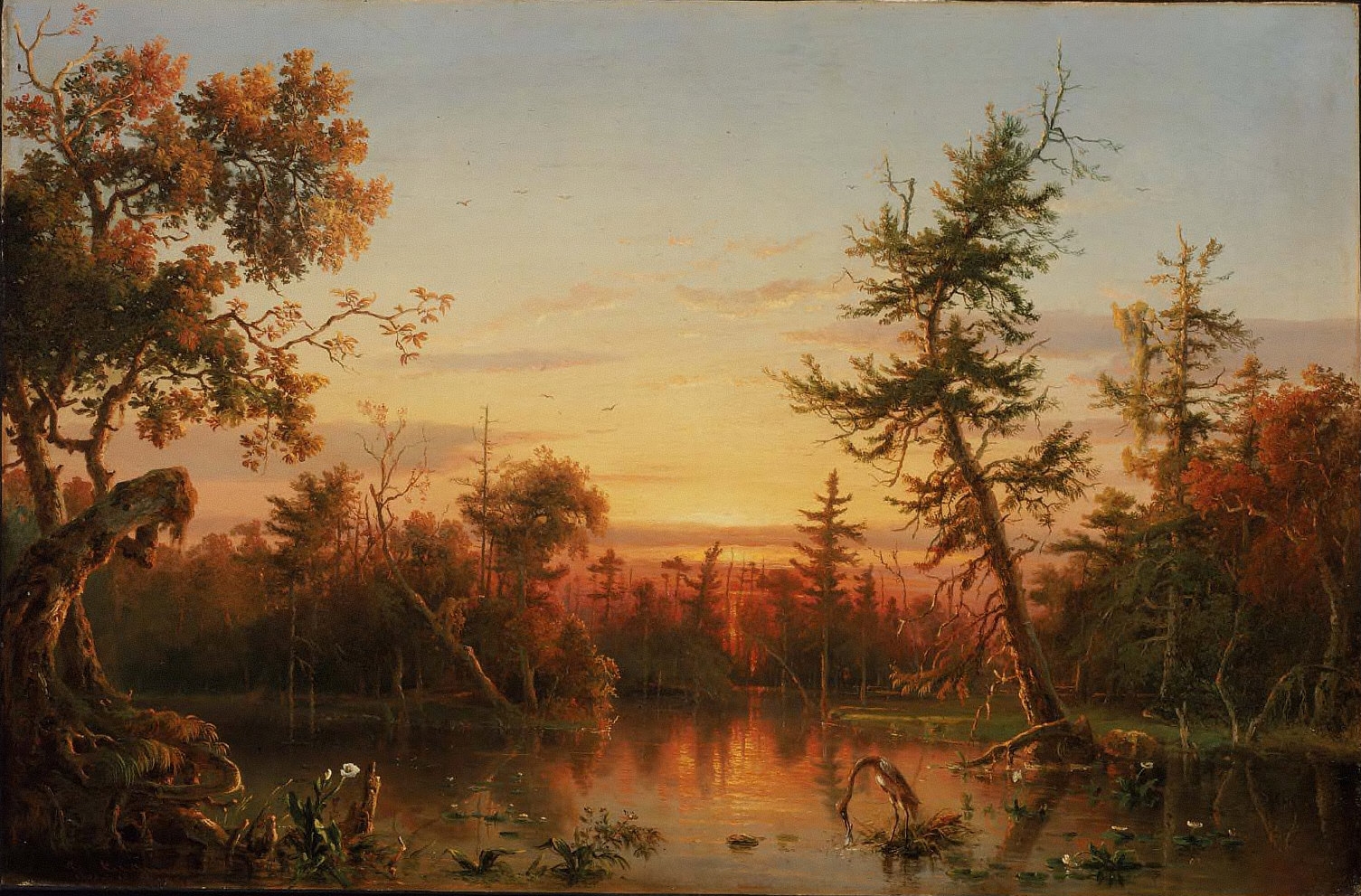
Disturbed and introduced wetlands
Wet ground taken over by weedy or introduced plants after disturbance, such as common reed, Chinese tallow or tamarisk stands; the upland counterpart is roadsides, fields and disturbed ground.
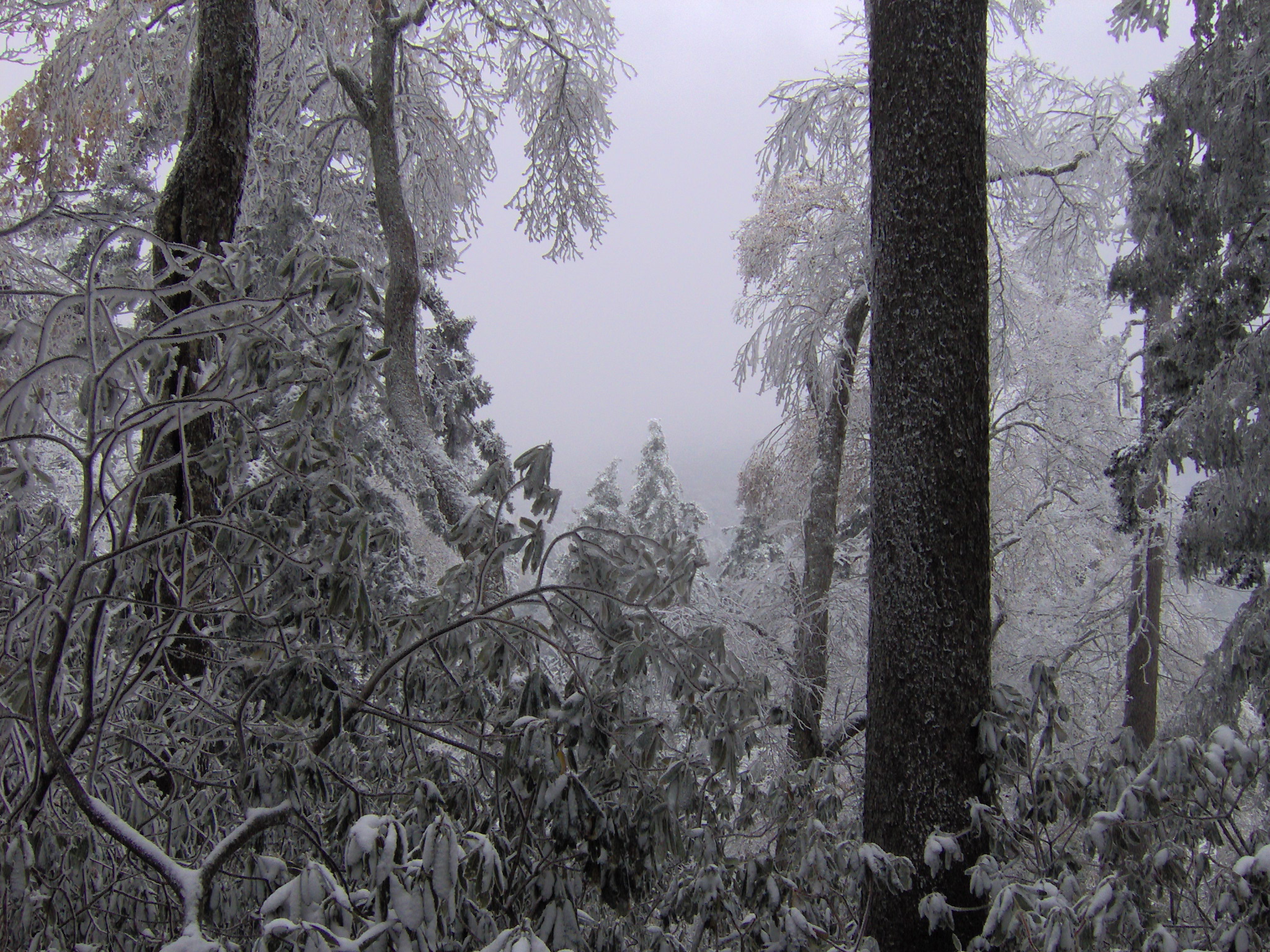
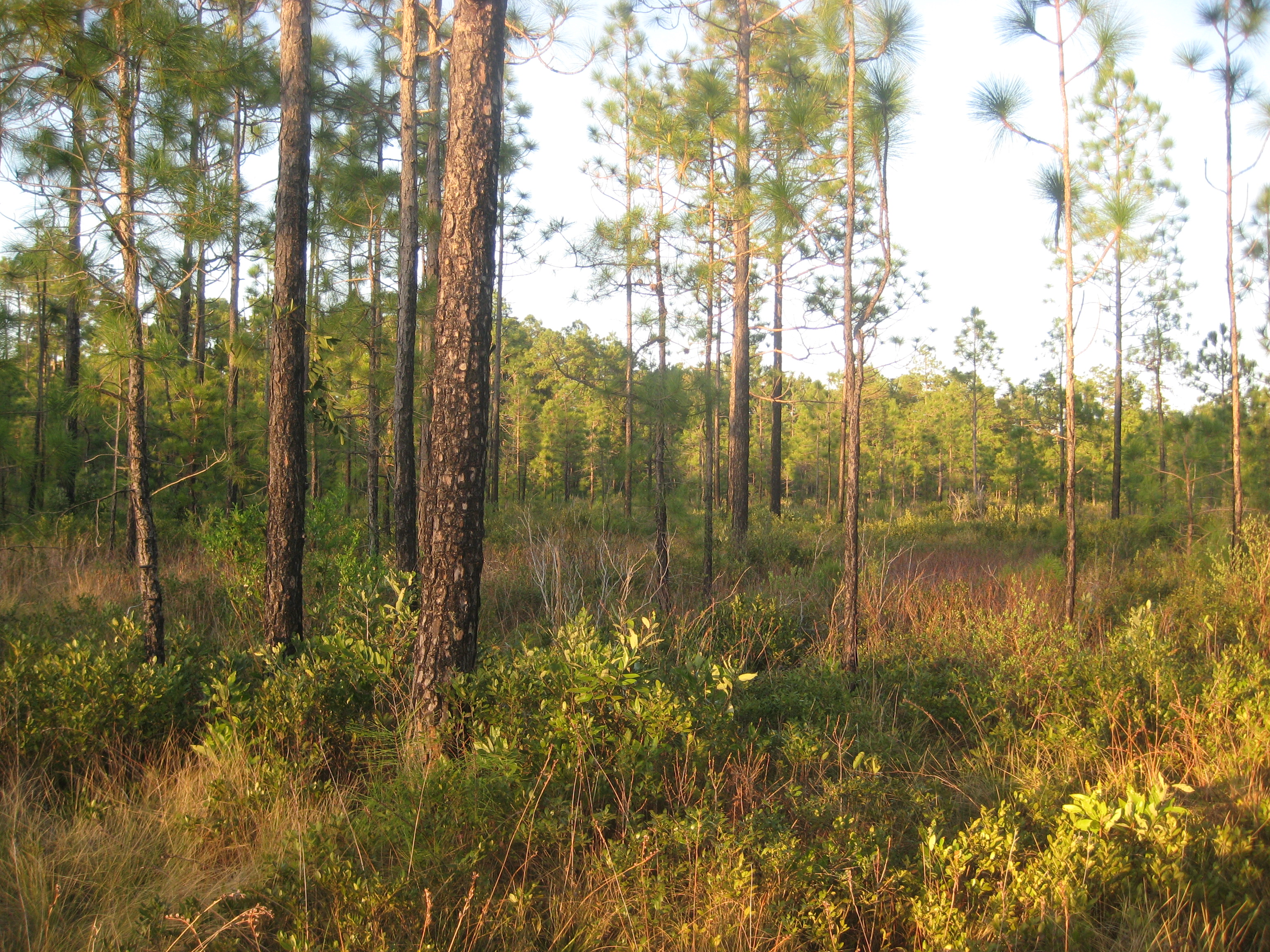
Forests and open woodlands on dry ridges and slopes, often oak or pine.
Floodplain and bottomland forests
Forests on low ground beside rivers and streams that flood from time to time.
Flat, poorly drained uplands and terraces with oaks, sweetgum and sometimes loblolly pine, wet in winter and dry in summer, but neither a floodplain nor a swamp.
Salt-pruned forests and shrub thickets behind coastal dunes.
Forests between dry and moist, often oak-hickory on slopes.
Roadsides, fields and disturbed ground
Ground opened by people: roadsides, old fields, pastures, fencerows and lots.
Steep, sun-baked slopes of loose shale with sparse oaks and Virginia pine and their own endemic wildflowers. Linked only where the source names shale barrens; calcareous shale stays with the limestone glades.
Tree plantations and managed pine
Planted or intensively managed stands of pine or hardwoods grown for timber; a land use rather than a natural community.
Other habitats in its models (113)
Land cover, or classes with no habitat page in Virginia.
- Developed, Low Intensity Summer and winter.
- East Gulf Coastal Plain Limestone Forest Summer and winter.
- East Gulf Coastal Plain Northern Loess Plain Oak-Hickory Upland - Hardwood Modifier Summer.
- Northeastern Interior Dry Oak Forest-Hardwood Modifier Summer and winter.
- Northeastern Interior Dry Oak Forest - Mixed Modifier Summer and winter.
- Laurentian-Acadian Northern Hardwoods Forest Summer and winter.
- Ozark-Ouachita Dry-Mesic Oak Forest Summer and winter.
- Southern Interior Low Plateau Dry-Mesic Oak Forest Summer and winter.
- East Gulf Coastal Plain Northern Dry Upland Hardwood Forest Summer.
- Crosstimbers Oak Forest and Woodland Summer and winter.
- North-Central Interior Dry-Mesic Oak Forest and Woodland Summer and winter.
- North-Central Interior Dry Oak Forest and Woodland Summer and winter.
- Ouachita Montane Oak Forest Summer and winter.
- North-Central Interior Beech-Maple Forest Summer and winter.
- North-Central Interior Maple-Basswood Forest Summer and winter.
- East Gulf Coastal Plain Northern Loess Bluff Forest Summer and winter.
- East Gulf Coastal Plain Southern Loess Bluff Forest Summer and winter.
- South Florida Hardwood Hammock Summer and winter.
- Southwest Florida Coastal Strand and Maritime Hammock Summer and winter.
- Southeast Florida Coastal Strand and Maritime Hammock Summer and winter.
- Central and South Texas Coastal Fringe Forest and Woodland Summer and winter.
- West Gulf Coastal Plain Chenier and Upper Texas Coastal Fringe Forest and Woodland Summer and winter.
- Mississippi River Alluvial Plain Dry-Mesic Loess Slope Forest Summer and winter.
- East-Central Texas Plains Post Oak Savanna and Woodland Summer and winter.
- East-Central Texas Plains Riparian Forest Summer and winter.
- Southern Coastal Plain Oak Dome and Hammock Summer and winter.
- Ozark-Ouachita Dry Oak Woodland Summer and winter.
- East Gulf Coastal Plain Maritime Forest Summer and winter.
- Lower Mississippi River Dune Woodland and Forest Summer and winter.
- Edwards Plateau Limestone Savanna and Woodland Summer and winter.
- Mississippi Delta Maritime Forest Summer and winter.
- Western Great Plains Wooded Draw and Ravine Summer.
- Southern Crowley's Ridge Mesic Loess Slope Forest Summer and winter.
- West Gulf Coastal Plain Mesic Hardwood Forest Summer and winter.
- East Gulf Coastal Plain Northern Mesic Hardwood Forest Summer and winter.
- Ozark-Ouachita Mesic Hardwood Forest Summer and winter.
- East Gulf Coastal Plain Southern Mesic Slope Forest Summer and winter.
- Atlantic Coastal Plain Southern Maritime Forest Summer and winter.
- East Gulf Coastal Plain Interior Shortleaf Pine-Oak Forest - Hardwood Modifier Summer and winter.
- East Gulf Coastal Plain Black Belt Calcareous Prairie and Woodland - Woodland Modifier Summer and winter.
- East Gulf Coastal Plain Interior Shortleaf Pine-Oak Forest - Mixed Modifier Summer and winter.
- Southern Piedmont Dry Oak-(Pine) Forest - Mixed Modifier Summer and winter.
- Southern Piedmont Dry Oak-Heath Forest - Mixed Modifier Summer and winter.
- West Gulf Coastal Plain Upland Longleaf Pine Forest and Woodland Summer and winter.
- Laurentian-Acadian Northern Pine-(Oak) Forest Summer and winter.
- Ozark-Ouachita Shortleaf Pine-Oak Forest and Woodland Summer and winter.
- West Gulf Coastal Plain Pine-Hardwood Forest Summer and winter.
- Northern Crowley's Ridge Sand Forest Summer.
- Atlantic Coastal Plain Upland Longleaf Pine Woodland Summer and winter.
- East-Central Texas Plains Pine Forest and Woodland Summer and winter.
- Ozark-Ouachita Shortleaf Pine-Bluestem Woodland Summer and winter.
- Atlantic Coastal Plain Fall-line Sandhills Longleaf Pine Woodland - Offsite Hardwood Modifier Summer.
- Acadian-Appalachian Subalpine Woodland and Heath-Krummholz Summer and winter.
- Tamaulipan Mixed Deciduous Thornscrub Winter, only within 120 m of water.
- Tamaulipan Mesquite Upland Scrub Winter, only within 120 m of water.
- Tamaulipan Calcareous Thornscrub Winter, only within 120 m of water.
- North-Central Interior Oak Savanna Summer and winter.
- North-Central Oak Barrens Summer and winter.
- Central Appalachian Alkaline Glade and Woodland Summer and winter.
- Central Interior Highlands Calcareous Glade and Barrens Summer and winter.
- Western Great Plains Mesquite Woodland and Shrubland Winter, only within 120 m of water.
- Introduced Upland Vegetation - Treed Summer and winter.
- Southern Coastal Plain Nonriverine Basin Swamp - Okefenokee Taxodium Modifier Summer and winter.
- Southern Coastal Plain Nonriverine Basin Swamp - Okefenokee Bay/Gum Modifier Summer and winter.
- Southern Coastal Plain Nonriverine Basin Swamp - Okefenokee Pine Modifier Summer and winter.
- Southern Coastal Plain Nonriverine Basin Swamp - Okefenokee Clethra Modifier Summer and winter.
- Southern Coastal Plain Seepage Swamp and Baygall Summer and winter.
- West Gulf Coastal Plain Seepage Swamp and Baygall Summer and winter.
- East Gulf Coastal Plain Tidal Wooded Swamp Summer and winter.
- Laurentian-Acadian Swamp Systems Summer and winter.
- Central Interior and Appalachian Shrub-Herbaceous Wetland Systems Summer and winter.
- Laurentian-Acadian Shrub-Herbaceous Wetland Systems Summer and winter.
- West Gulf Coastal Plain Near-Coast Large River Swamp Summer and winter.
- South Florida Bayhead Swamp Summer and winter.
- Southern Coastal Plain Nonriverine Basin Swamp Summer and winter.
- Atlantic Coastal Plain Clay-Based Carolina Bay Forested Wetland Summer and winter.
- South Florida Dwarf Cypress Savanna Summer and winter.
- Laurentian-Acadian Alkaline Conifer-Hardwood Swamp Summer and winter.
- Boreal Acidic Peatland Systems Summer and winter.
- Lower Mississippi River Bottomland Depressions - Forest Modifier Summer and winter.
- South Florida Cypress Dome Summer and winter.
- Southern Coastal Plain Nonriverine Cypress Dome Summer and winter.
- Mississippi River Bottomland Depression Summer and winter.
- East Gulf Coastal Plain Large River Floodplain Forest - Forest Modifier Summer and winter.
- Western Great Plains Floodplain Systems Summer and winter.
- Eastern Great Plains Floodplain Systems Summer and winter.
- Laurentian-Acadian Floodplain Systems Summer and winter.
- Tamaulipan Riparian Systems Summer and winter.
- Mississippi River Riparian Forest Summer and winter.
- Cumberland Riverscour Summer and winter.
- Mississippi River Low Floodplain (Bottomland) Forest Summer and winter.
- Southern Coastal Plain Hydric Hammock Summer and winter.
- West Gulf Coastal Plain Small Stream and River Forest Summer and winter.
- West Gulf Coastal Plain Large River Floodplain Forest Summer and winter.
- Atlantic Coastal Plain Small Blackwater River Floodplain Forest Summer and winter.
- Red River Large Floodplain Forest Summer and winter.
- East Gulf Coastal Plain Small Stream and River Floodplain Forest Summer and winter.
- Southern Coastal Plain Blackwater River Floodplain Forest Summer and winter.
- Mississippi River Floodplain and Riparian Forest Summer and winter.
- Ozark-Ouachita Riparian Summer and winter.
- East Gulf Coastal Plain Near-Coast Pine Flatwoods - Offsite Hardwood Modifier Summer and winter.
- East Gulf Coastal Plain Near-Coast Pine Flatwoods - Scrub/Shrub Understory Modifier Summer and winter.
- South Florida Pine Flatwoods Summer and winter.
- Atlantic Coastal Plain Southern Wet Pine Savanna and Flatwoods Summer and winter.
- West Gulf Coastal Plain Wet Longleaf Pine Savanna and Flatwoods Summer and winter.
- Central Florida Pine Flatwoods Summer and winter.
- East Gulf Coastal Plain Near-Coast Pine Flatwoods Summer and winter.
- East Gulf Coastal Plain Southern Loblolly-Hardwood Flatwoods Summer and winter.
- South-Central Interior / Upper Coastal Plain Wet Flatwoods Summer and winter.
- West Gulf Coastal Plain Pine-Hardwood Flatwoods Summer and winter.
- North-Central Interior Wet Flatwoods Summer and winter.
- Lower Mississippi River Flatwoods Summer and winter.
- West Gulf Coastal Plain Nonriverine Wet Hardwood Flatwoods Summer and winter.
Seasons in Virginia
- Year-round: nests here, in 9 of 133 counties and cities.
- Summer: nests here, in 131 of 133 counties and cities.
Also found in this habitat
Plants 1112
Plants named in NatureServe descriptions of these habitats that grow in Virginia. Shared habitat, not food.
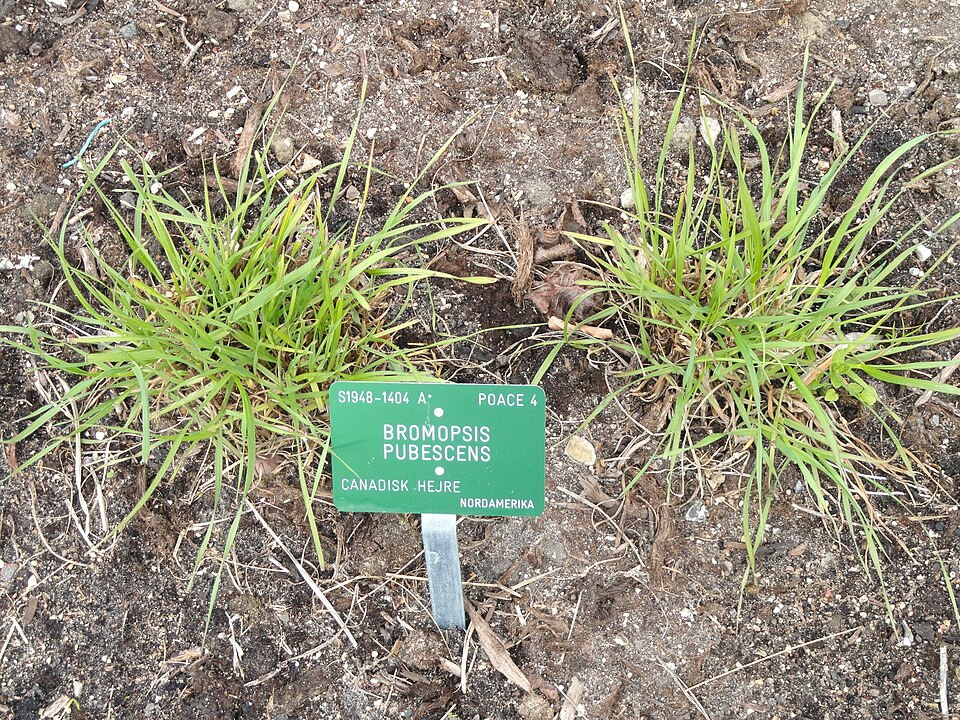
- Hairy Woodland BromeBromus pubescens
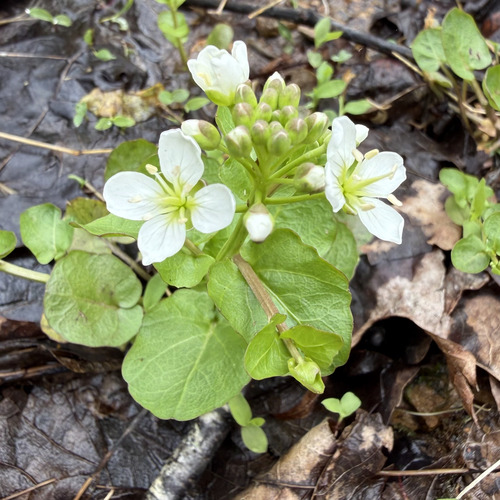
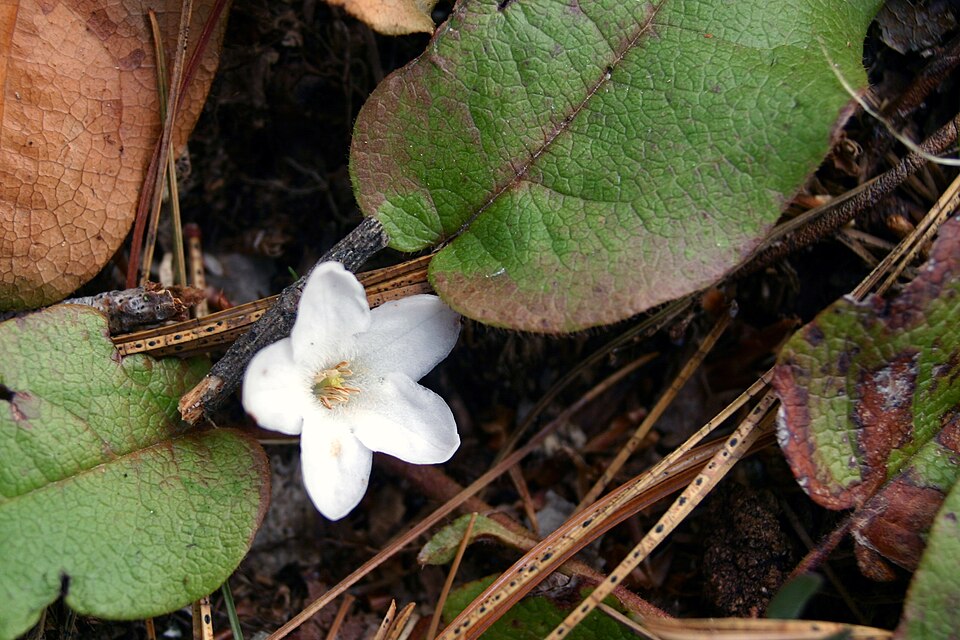
- American BittercressCardamine rotundifolia
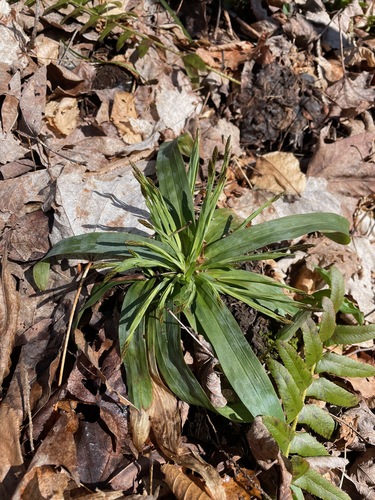
- Appalachian Woodland SedgeCarex austrolucorum
- Broadleaf SedgeCarex platyphylla
- Variable SedgeCarex polymorpha
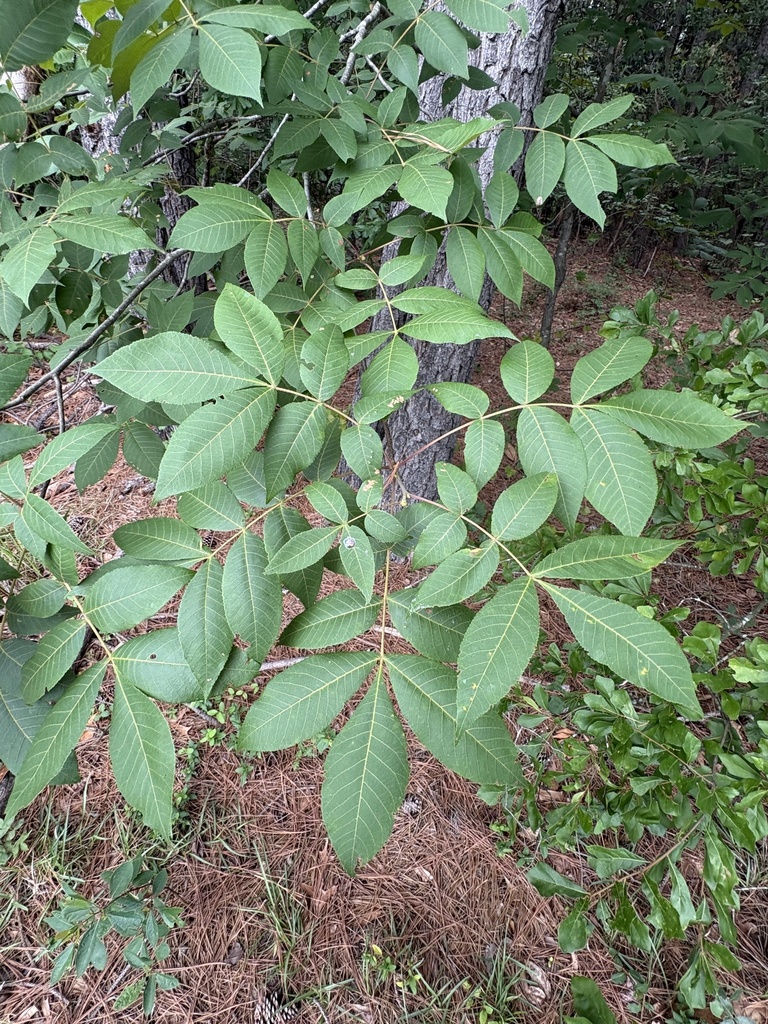
- Sand HickoryCarya pallida
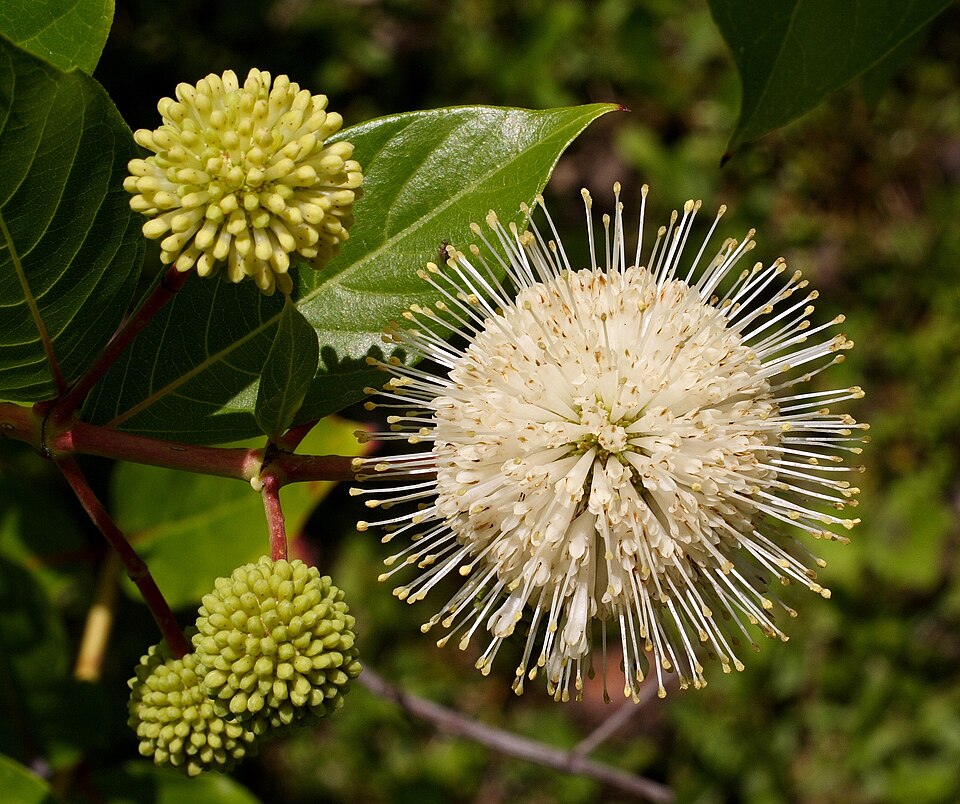
- ButtonbushCephalanthus occidentalis
- Longleaf SpikegrassChasmanthium sessiliflorum
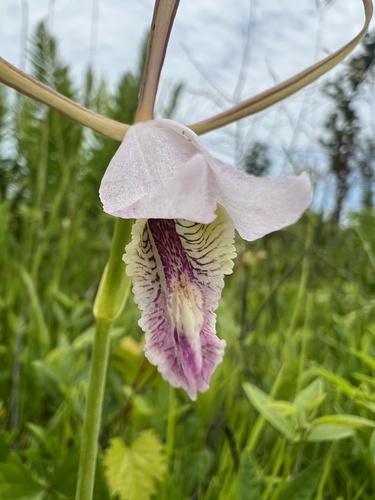
- Appalachian Small Spreading PogoniaCleistesiopsis bifaria
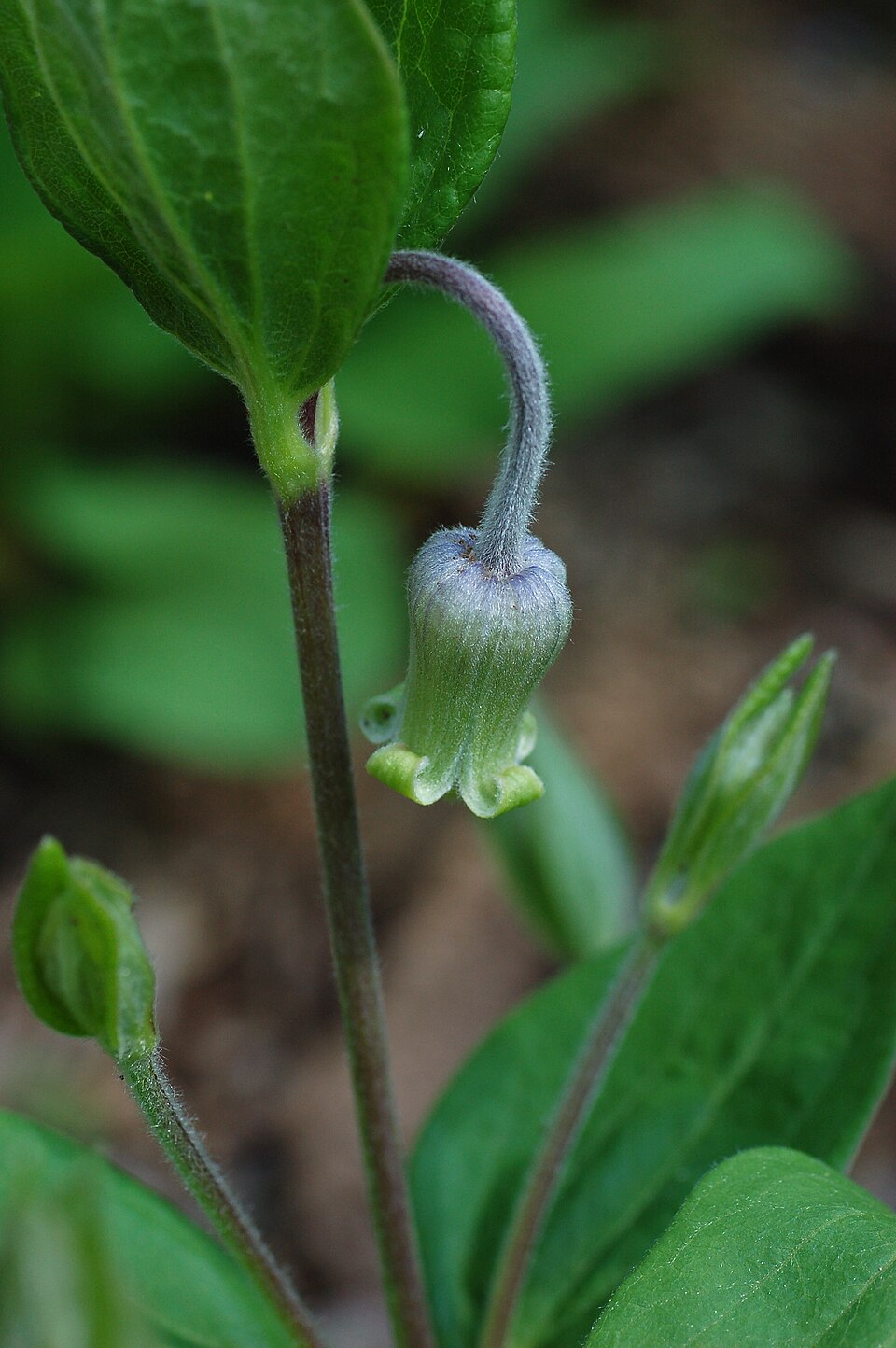
- Addison's LeatherflowerClematis addisonii
- CurlyheadsClematis ochroleuca
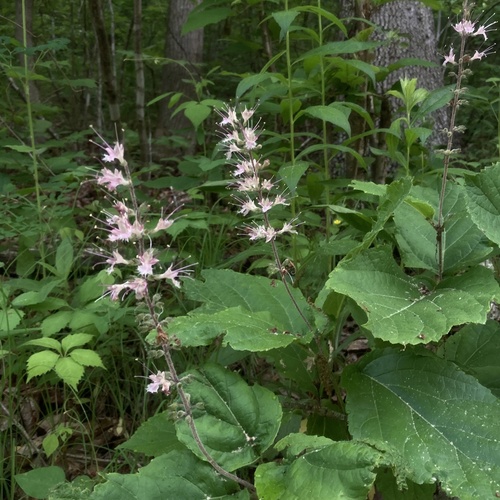
- Whorled HorsebalmCollinsonia verticillata
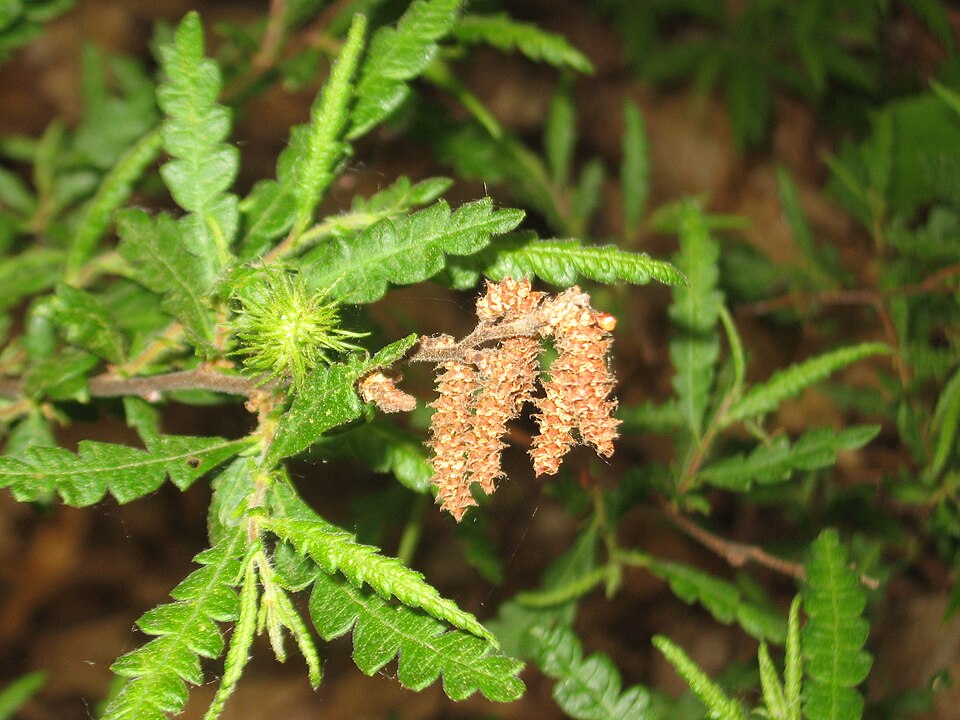
- Sweet-fernComptonia peregrina
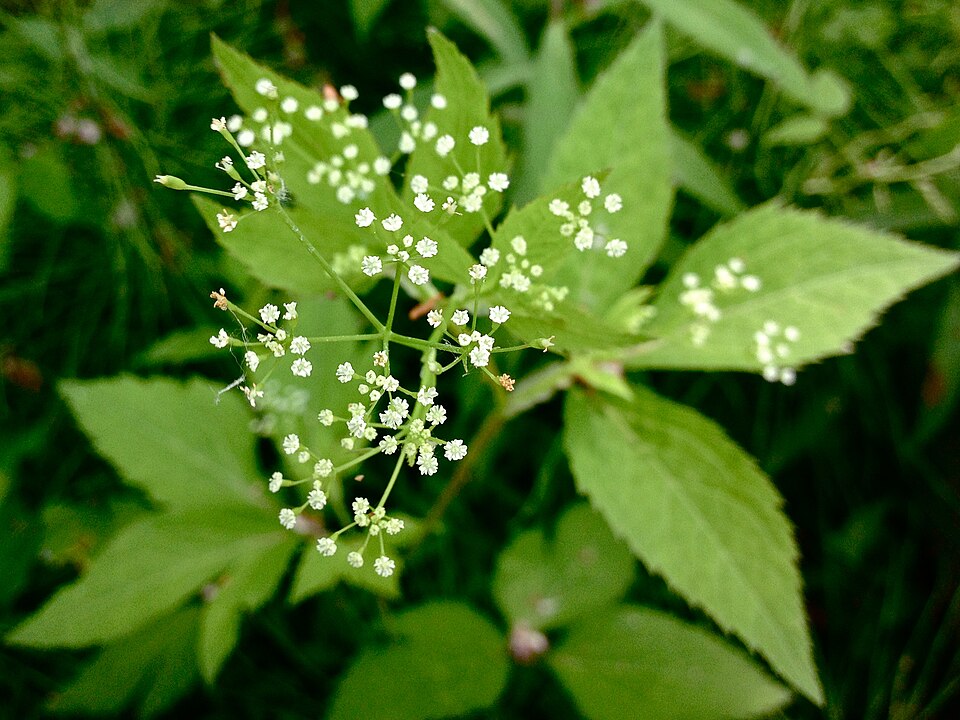
- Canadian HonewortCryptotaenia canadensis
- Bosc's WitchgrassDichanthelium boscii
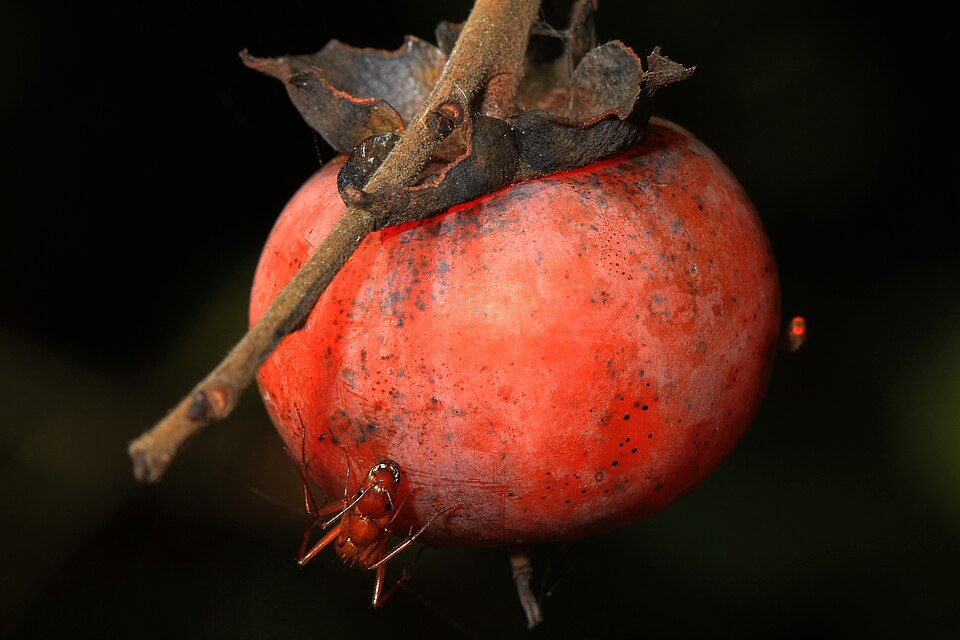
- American PersimmonDiospyros virginiana
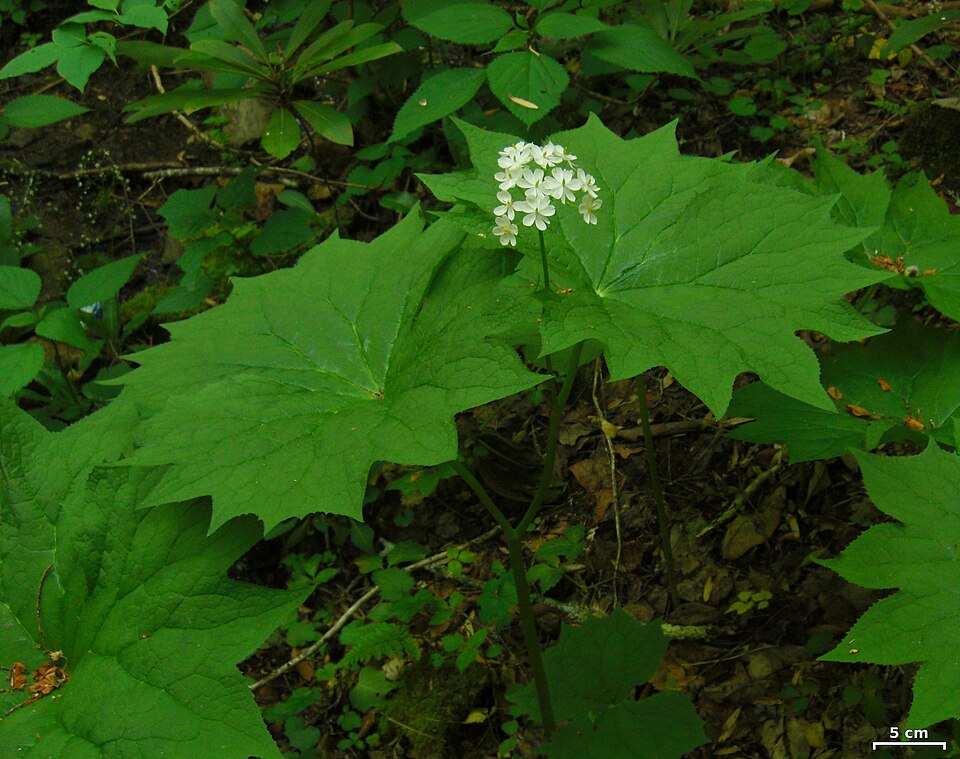
- Umbrella-leafDiphylleia cymosa
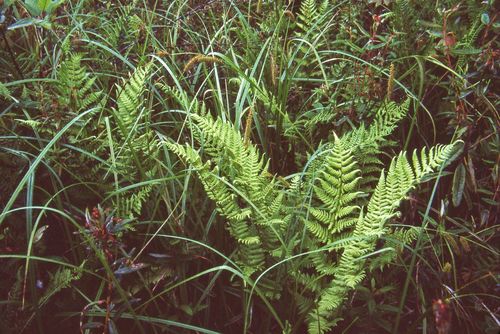
- Spinulose Wood-fernDryopteris carthusiana
- Trailing ArbutusEpigaea repens
- Swamp FetterbushEubotrys racemosus
- Pumpkin AshFraxinus profunda
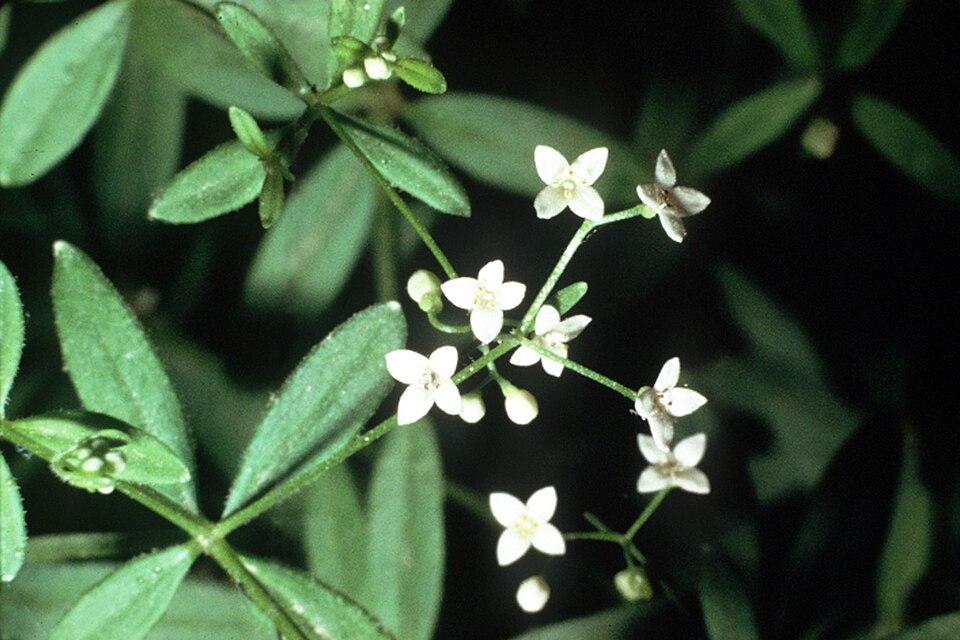
- Bluntleaf BedstrawGalium obtusum
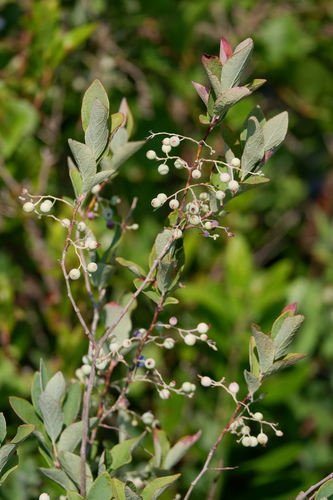
- DangleberryGaylussacia frondosa
Wildlife 249
Other animals whose habitat models include the same habitats in Virginia. Not sighting records.
- American GoldfinchCarduelis tristis
- American RobinTurdus migratorius
- Cedar WaxwingBombycilla cedrorum
- Common NighthawkChordeiles minor
- Cooper's HawkAccipiter cooperii
- Eastern KingbirdTyrannus tyrannus
- European StarlingSturnus vulgaris
- Great Horned OwlBubo virginianus
- Red-tailed HawkButeo jamaicensis
- Sharp-shinned HawkAccipiter striatus
- Turkey VultureCathartes aura
- Yellow-breasted ChatIcteria virens
- American CrowCorvus brachyrhynchos
- Blue GrosbeakPasserina caerulea
- Carolina WrenThryothorus ludovicianus
- Mourning DoveZenaida macroura
- Northern CardinalCardinalis cardinalis
- Northern FlickerColaptes auratus
- Northern MockingbirdMimus polyglottos
- Purple FinchCarpodacus purpureus
- Ruby-crowned KingletRegulus calendula
- Spotted SandpiperActitis macularius
- Tufted TitmouseBaeolophus bicolor
- Yellow-rumped WarblerDendroica coronata


























NatureServe Explorer, CC BY 4.0. USGS Gap Analysis Project habitat models.
Sources
- USGS Gap Analysis Project habitat models (2001)
- USGS GAP winter habitat model for Blue-gray Gnatcatcher Elevation -47 to 1,219 m
- USGS Gap Analysis Project range maps (2001), modeled by watershed; migratory gives no dates
- NatureServe Explorer (CC BY 4.0), habitat names
- US Census TIGER/Line counties
- Names follow the USGS Gap Analysis Project (2001)