

Bird
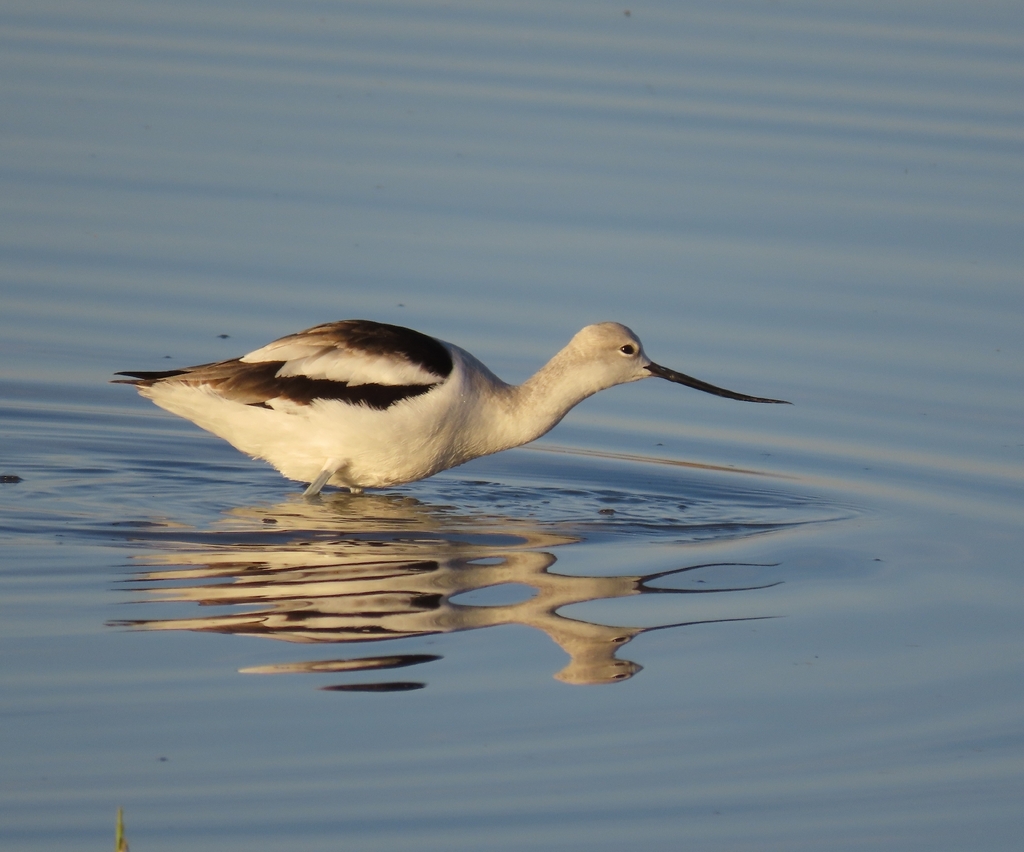
American Avocet
Recurvirostra americana
Passes through Virginia on migration. Found in 43 of 133 counties and cities, across 8 habitats.
- Here
- On migration
- Nesting
- Not known to nest here
- Range
- 43 of 133 counties and cities
- Habitats
- 8
At a glance
- Group
- Birds
- Here
- On migration
- Nesting
- Not known to nest here
- Range
- 43 of 133 counties and cities
- Habitats
- 8
- Habitat models
- Winter
Where it lives
The places its habitat model includes. It is not found everywhere a habitat occurs.
Habitats in Virginia 8
Each habitat page lists the plants and wildlife also found there.
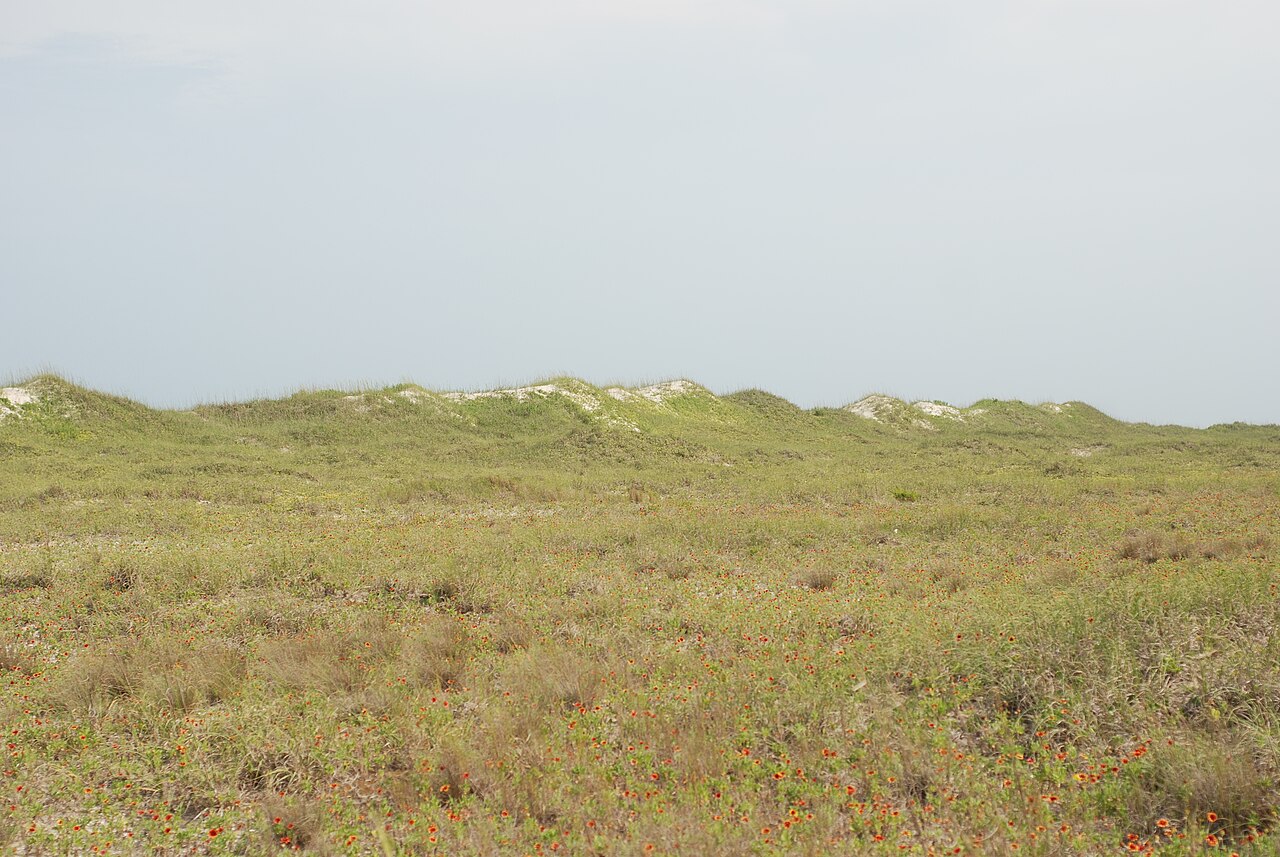
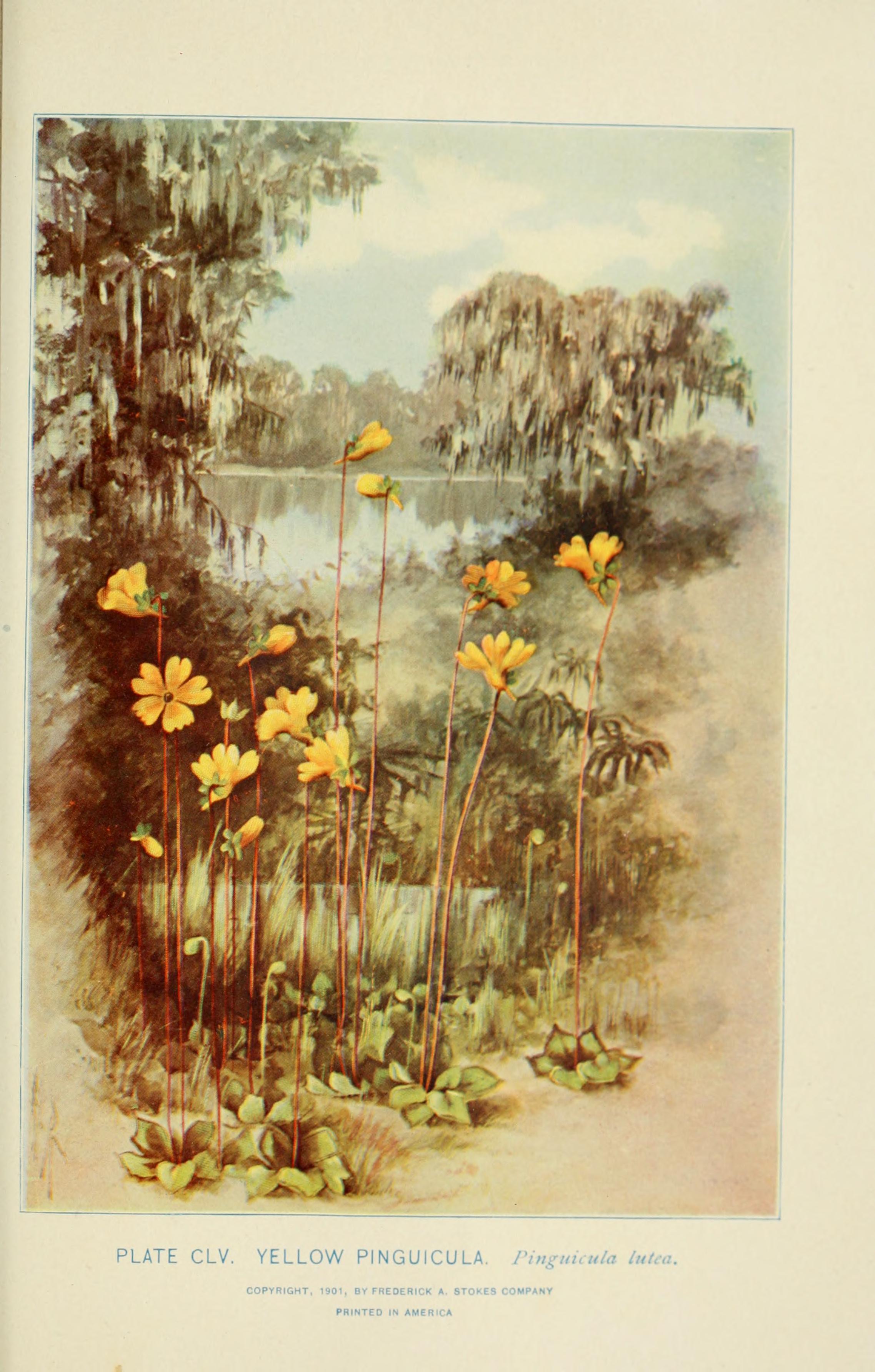
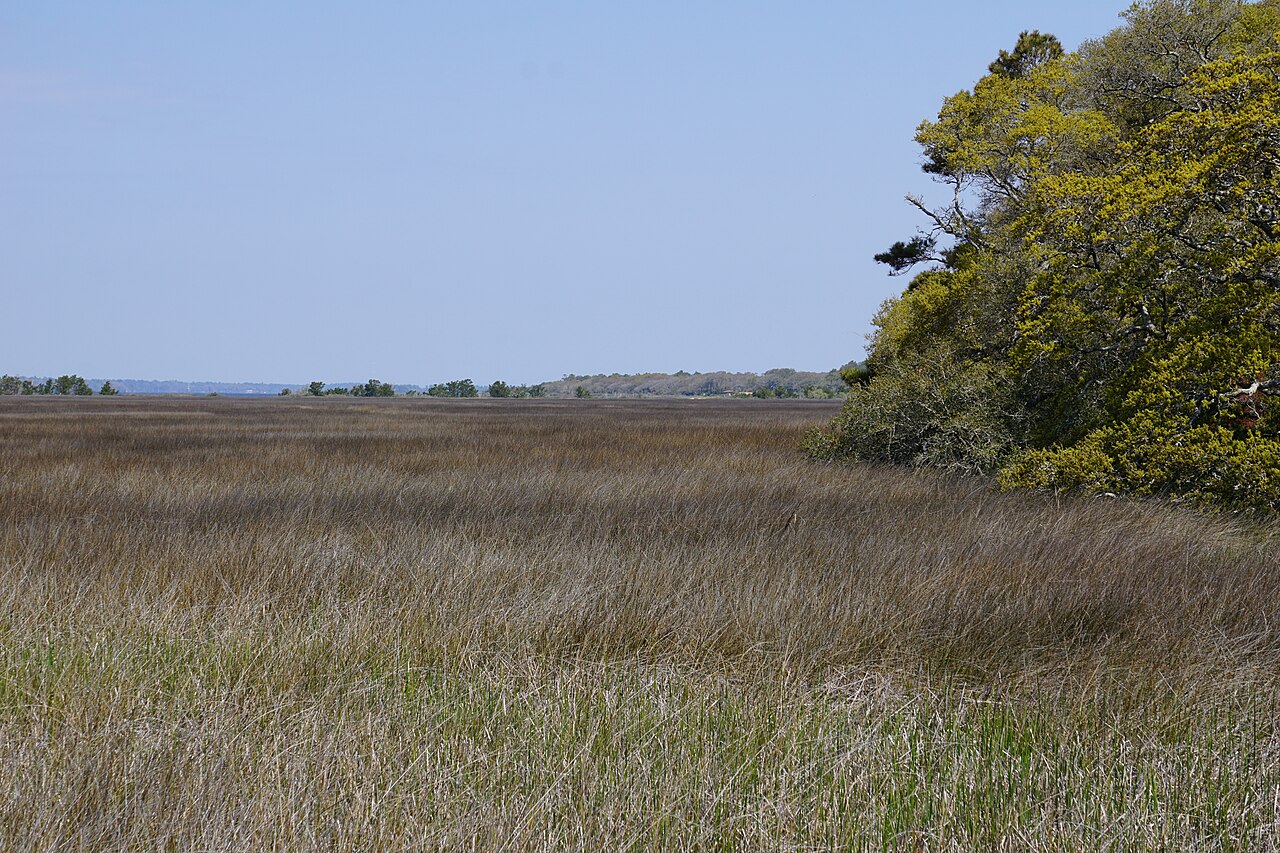
Coastal tidal marshes (salinity not stated)
Tidal marshes of the Atlantic and Gulf coasts where the source does not say whether the water is fresh, brackish or salt. A stated salinity files the marsh under freshwater tidal marshes or salt and brackish marshes instead.
Disturbed and introduced wetlands
Wet ground taken over by weedy or introduced plants after disturbance, such as common reed, Chinese tallow or tamarisk stands; the upland counterpart is roadsides, fields and disturbed ground.
Marshes along tidal rivers where the water is fresh but rises and falls with the tide.
Salt and brackish open water of sounds, bays and estuaries, with the mud and sand flats and seagrass beds that tides cover and uncover; the vegetated marsh is salt and brackish marshes.
Roadsides, fields and disturbed ground
Ground opened by people: roadsides, old fields, pastures, fencerows and lots.
Other habitats in its models (71)
Land cover, or classes with no habitat page in Virginia.
- Open Water (Aquaculture) Winter.
- Barren Land Winter, only within 120 m of water.
- Atlantic Coastal Plain Southern Beach Winter.
- Unconsolidated Shore (Lake/River/Pond) Winter.
- Unconsolidated Shore Winter.
- North American Warm Desert Active and Stabilized Dune Winter.
- Upper Texas Coast Beach Winter.
- Louisiana Beach Winter.
- Southeast Florida Beach Winter.
- South Florida Shell Hash Beach Winter.
- Atlantic Coastal Plain Sea Island Beach Winter.
- Southwest Florida Beach Winter.
- Mediterranean California Southern Coastal Dune Winter.
- Texas Coastal Bend Beach Winter.
- North American Warm Desert Badland Winter, only within 120 m of water.
- Temperate Pacific Intertidal Mudflat Winter.
- Temperate Pacific Freshwater Mudflat Winter.
- North American Warm Desert Playa Winter.
- Mediterranean California Serpentine Barrens Winter, only within 120 m of water.
- North American Warm Desert Pavement Winter, only within 120 m of water.
- Chihuahuan Mixed Salt Desert Scrub Winter, only within 120 m of water.
- Sonora-Mojave Mixed Salt Desert Scrub Winter, only within 120 m of water.
- Chihuahuan Gypsophilous Grassland and Steppe Winter, only within 120 m of water.
- Columbia Plateau Steppe and Grassland Winter, only within 120 m of water.
- Atlantic Coastal Plain Xeric River Dune Winter.
- Colorado Plateau Mixed Low Sagebrush Shrubland Winter, only within 120 m of water.
- Inter-Mountain Basins Mat Saltbush Shrubland Winter, only within 120 m of water.
- Mediterranean California Subalpine Meadow Winter, only within 120 m of water.
- North Pacific Montane Grassland Winter, only within 120 m of water.
- Northern Rocky Mountain Lower Montane, Foothill and Valley Grassland Winter, only within 120 m of water.
- Rocky Mountain Subalpine-Montane Mesic Meadow Winter, only within 120 m of water.
- Southern Rocky Mountain Montane-Subalpine Grassland Winter, only within 120 m of water.
- Central Mixedgrass Prairie Winter, only within 120 m of water.
- Chihuahuan Sandy Plains Semi-Desert Grassland Winter, only within 120 m of water.
- Columbia Basin Foothill and Canyon Dry Grassland Winter, only within 120 m of water.
- Inter-Mountain Basins Semi-Desert Grassland Winter, only within 120 m of water.
- Columbia Basin Palouse Prairie Winter, only within 120 m of water.
- Western Great Plains Foothill and Piedmont Grassland Winter, only within 120 m of water.
- Western Great Plains Sand Prairie Winter, only within 120 m of water.
- Western Great Plains Shortgrass Prairie Winter, only within 120 m of water.
- Tamaulipan Savanna Grassland Winter, only within 120 m of water.
- Tamaulipan Clay Grassland Winter, only within 120 m of water.
- South Texas Sand Sheet Grassland Winter, only within 120 m of water.
- Chihuahuan Loamy Plains Desert Grassland Winter, only within 120 m of water.
- California Mesic Serpentine Grassland Winter, only within 120 m of water.
- California Northern Coastal Grassland Winter, only within 120 m of water.
- Texas-Louisiana Coastal Prairie Winter, only within 120 m of water.
- Central and Upper Texas Coast Dune and Coastal Grassland Winter.
- South Texas Dune and Coastal Grassland Winter.
- Recently Burned Forest Winter, only within 120 m of water.
- Introduced Upland Vegetation - Annual Grassland Winter, only within 120 m of water.
- Atlantic Coastal Plain Central Salt and Brackish Tidal Marsh Winter.
- Atlantic Coastal Plain Indian River Lagoon Tidal Marsh Winter.
- Mississippi Sound Salt and Brackish Tidal Marsh Winter.
- Temperate Pacific Tidal Salt and Brackish Marsh Winter.
- Florida Big Bend Salt-Brackish Tidal Marsh Winter.
- South Florida Everglades Sawgrass Marsh Winter.
- Floridian Highlands Freshwater Marsh Winter.
- North American Arid West Emergent Marsh Winter.
- Temperate Pacific Freshwater Emergent Marsh Winter.
- Florida Big Bend Fresh-Oligohaline Tidal Marsh Winter.
- South Florida Mangrove Swamp Winter.
- Atlantic Coastal Plain Central Fresh-Oligohaline Tidal Marsh Winter.
- North Pacific Bog and Fen Winter.
- Mediterranean California Subalpine-Montane Fen Winter.
- Mediterranean California Serpentine Fen Winter.
- Texas Saline Coastal Prairie Winter.
- Eastern Great Plains Wet Meadow, Prairie, and Marsh Winter.
- Chihuahuan-Sonoran Desert Bottomland and Swale Grassland Winter.
- Inter-Mountain Basins Greasewood Flat Winter, only within 120 m of water.
- Western Great Plains Floodplain Winter.
Seasons in Virginia
- Migratory: does not nest here, in 43 of 133 counties and cities.
Also found in this habitat
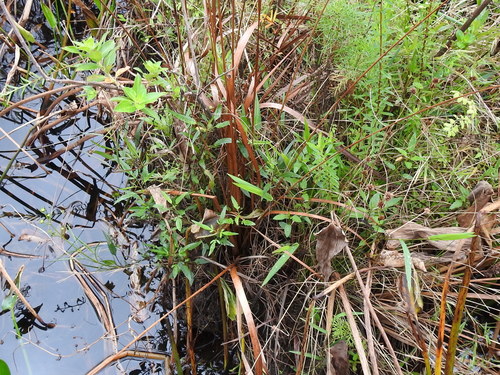
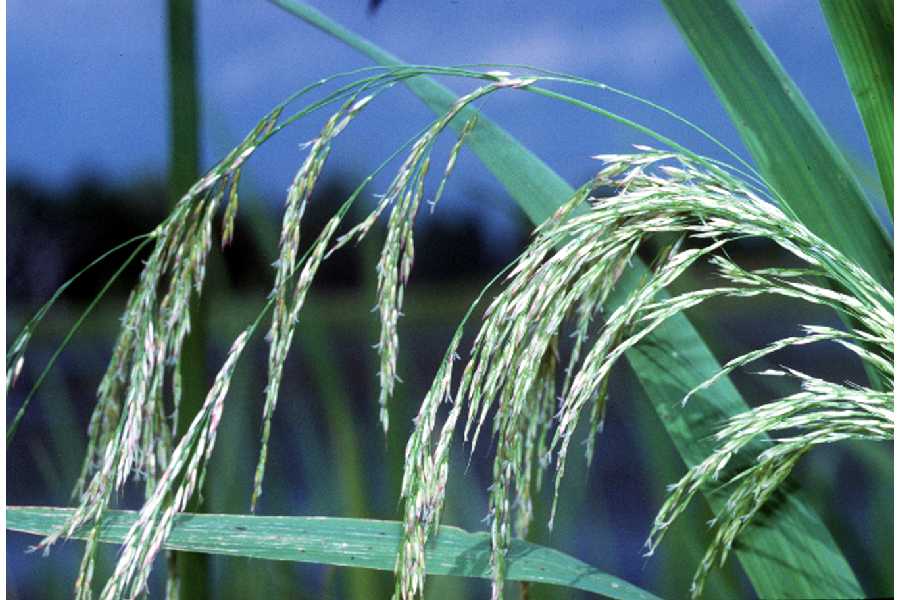
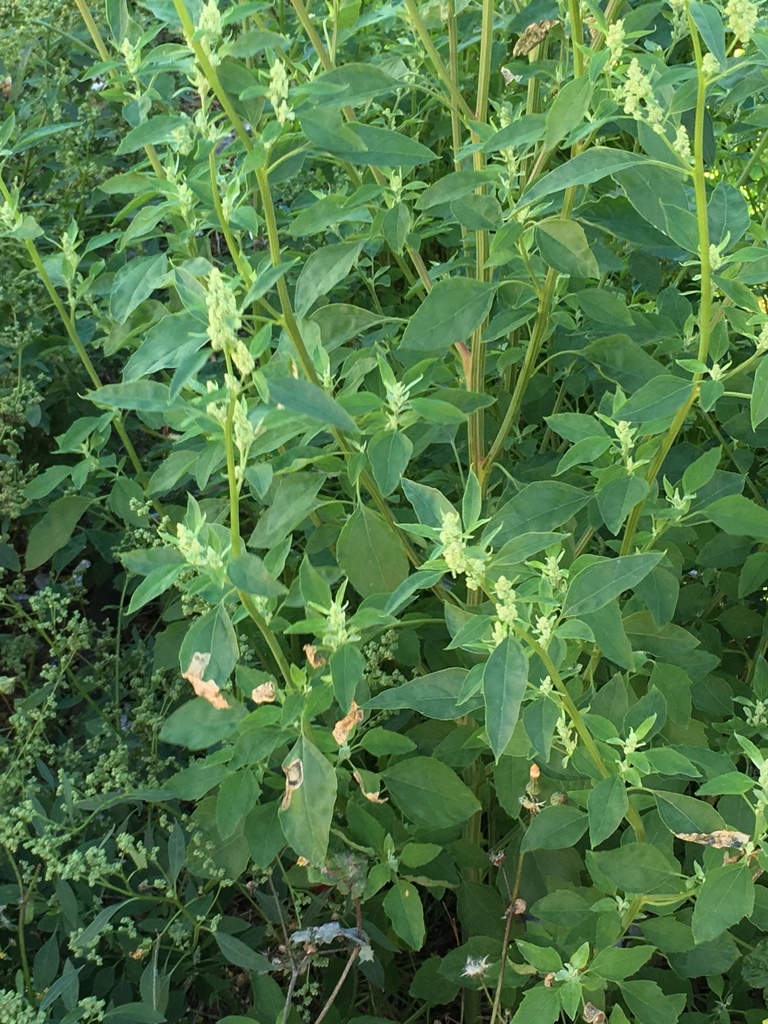
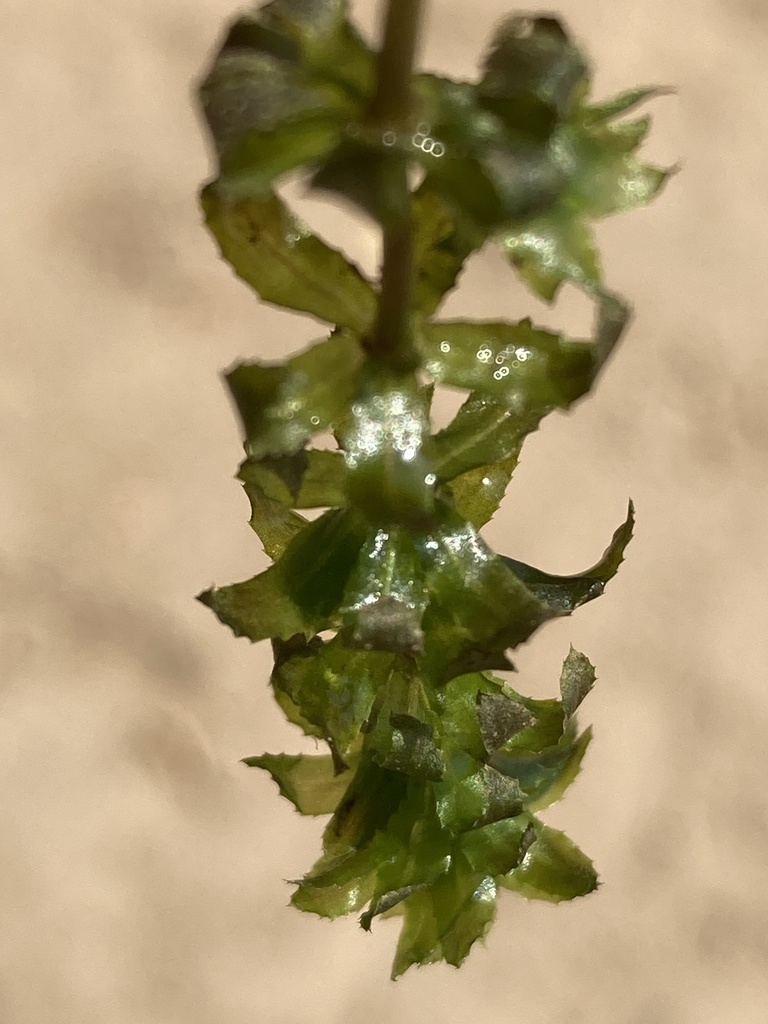
Plants 112
Plants named in NatureServe descriptions of these habitats that grow in Virginia. Shared habitat, not food.
- Broadleaf CattailTypha latifolia
- Fringed Yellow-eyed-grassXyris fimbriata
- Southern Wild-riceZizaniopsis miliacea
- Common ReedPhragmites australis
- Spear Orach; Spear Saltbush; Spear Salt BushAtriplex patula
- Lambs QuartersChenopodium album
- Hair FescueFestuca filiformis
- HydrillaHydrilla verticillata
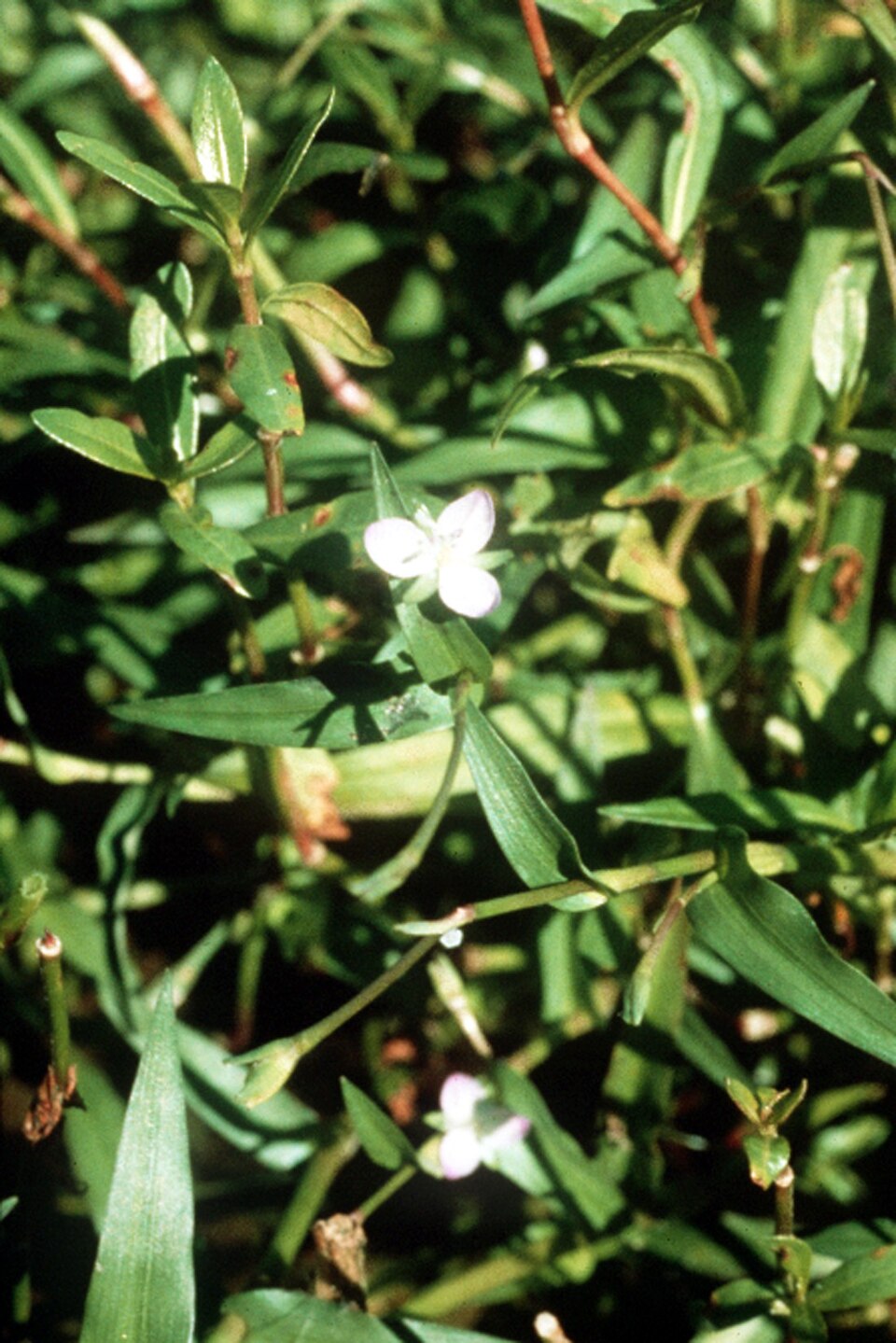
- Marsh DewflowerMurdannia keisak
- Common SaltwortSalsola kali
- Common Sea-blite, White Sea-bliteSuaeda maritima
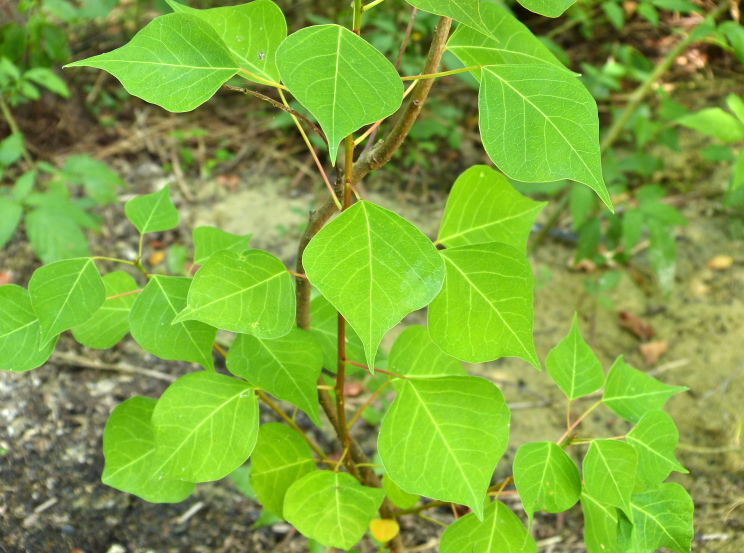
- Chinese Tallow-treeTriadica sebifera
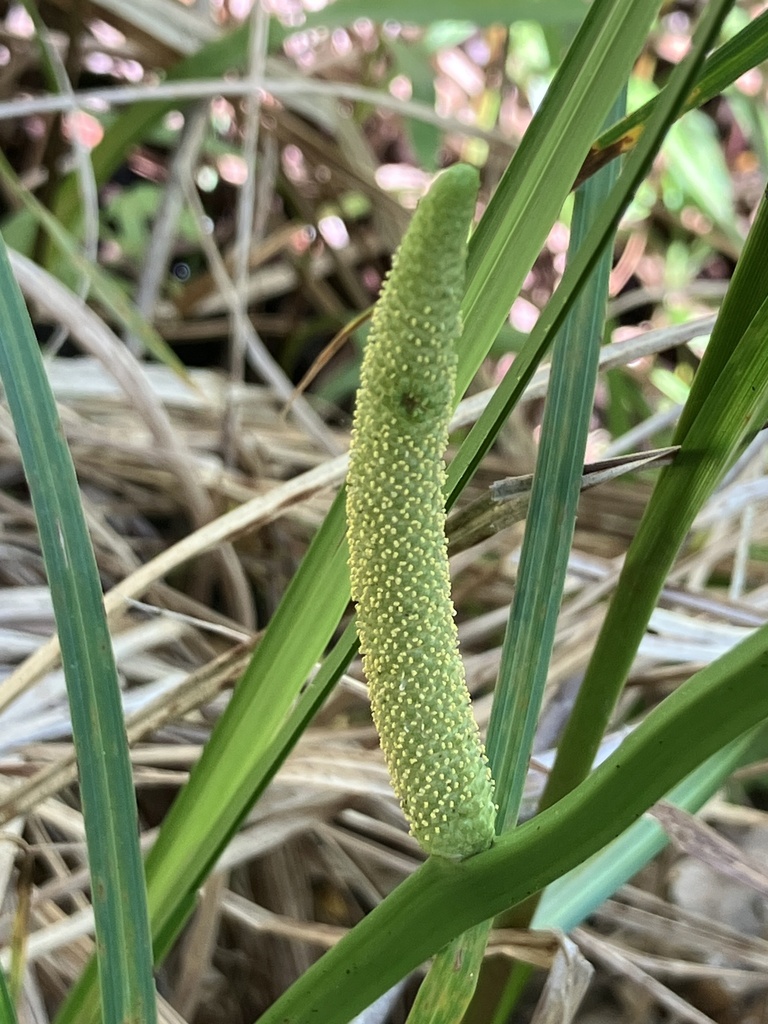
- European SweetflagAcorus calamus
- Creeping BentgrassAgrostis stolonifera
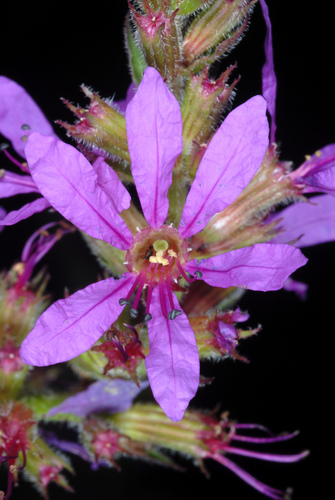
- Purple LoosestrifeLythrum salicaria
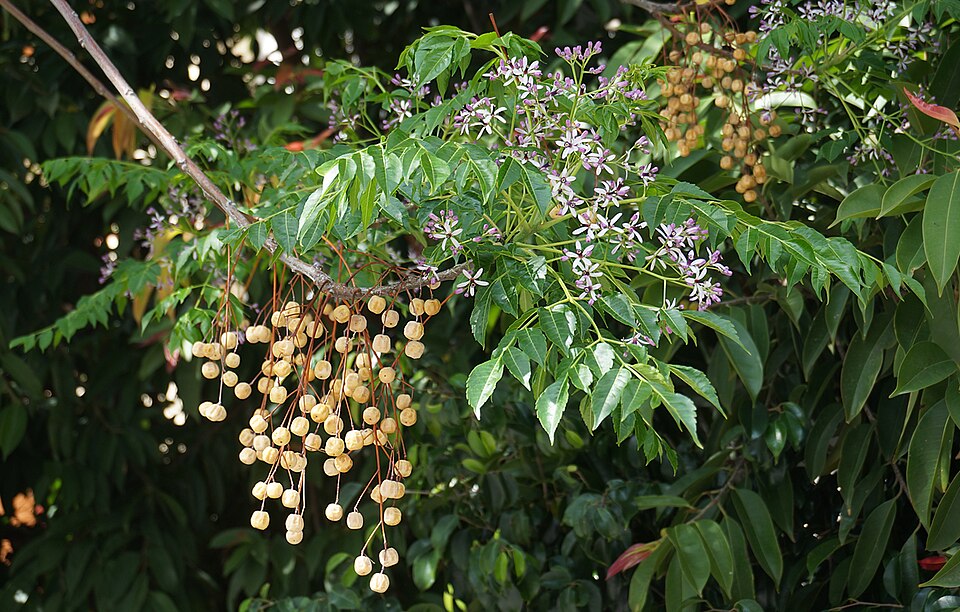
- ChinaberryMelia azedarach
Wildlife 247
Other animals whose habitat models include the same habitats in Virginia. Not sighting records.
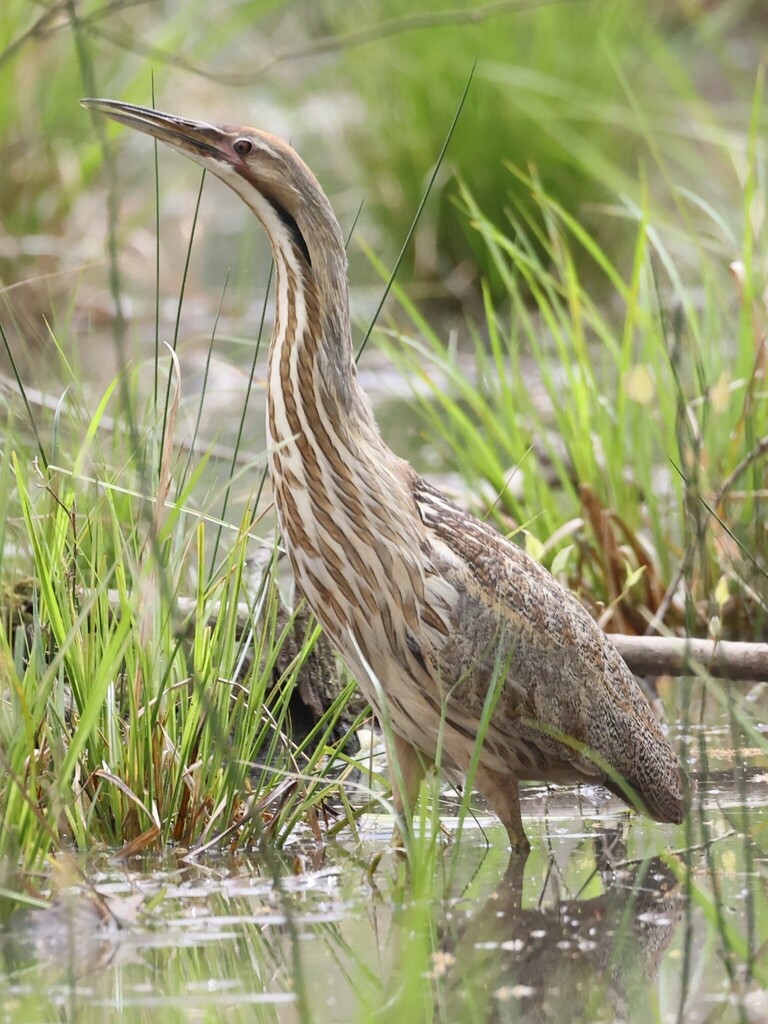
- American BitternBotaurus lentiginosus
- American Black DuckAnas rubripes
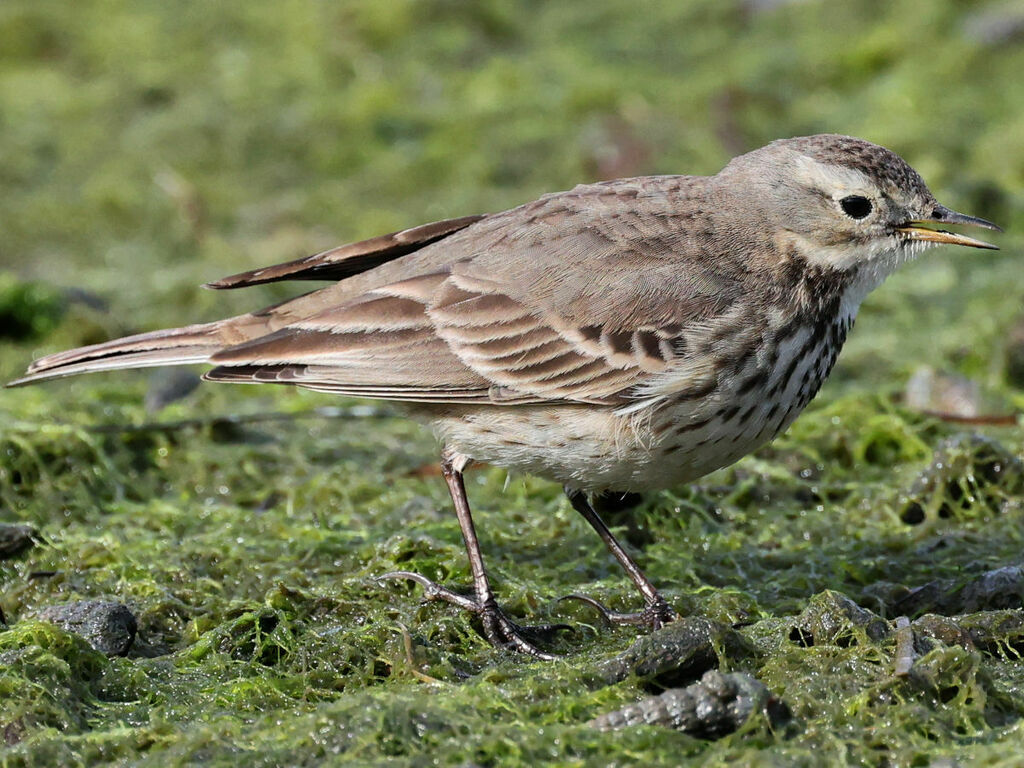
- American PipitAnthus rubescens
- Bank SwallowRiparia riparia
- Black-crowned Night-heronNycticorax nycticorax
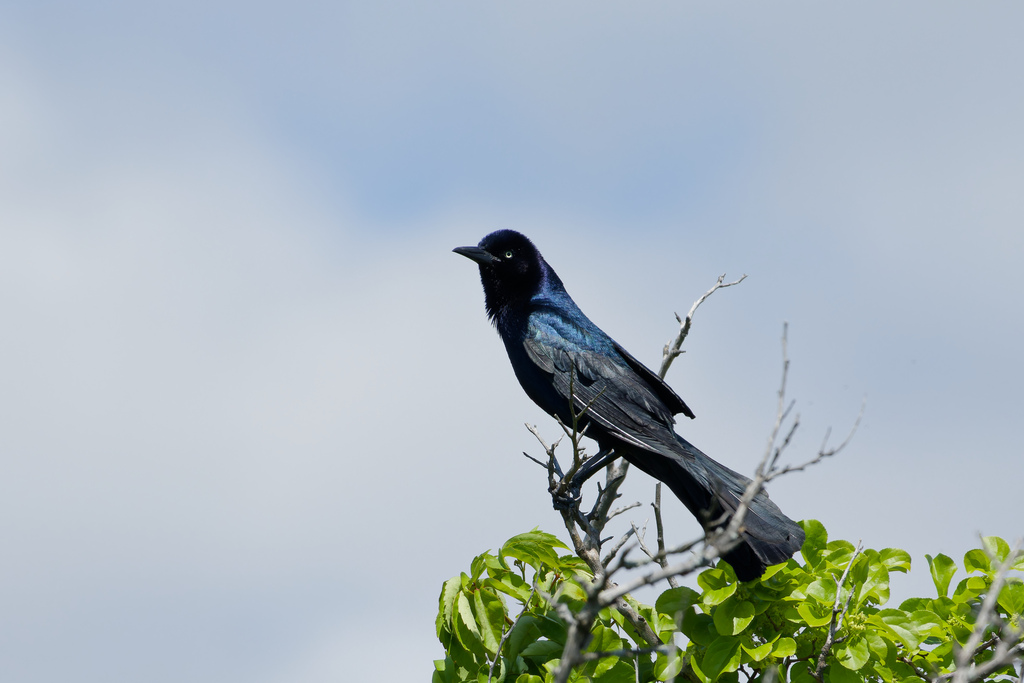
- Boat-tailed GrackleQuiscalus major
- Canada GooseBranta canadensis
- Common NighthawkChordeiles minor
- Great Blue HeronArdea herodias
- Great Horned OwlBubo virginianus
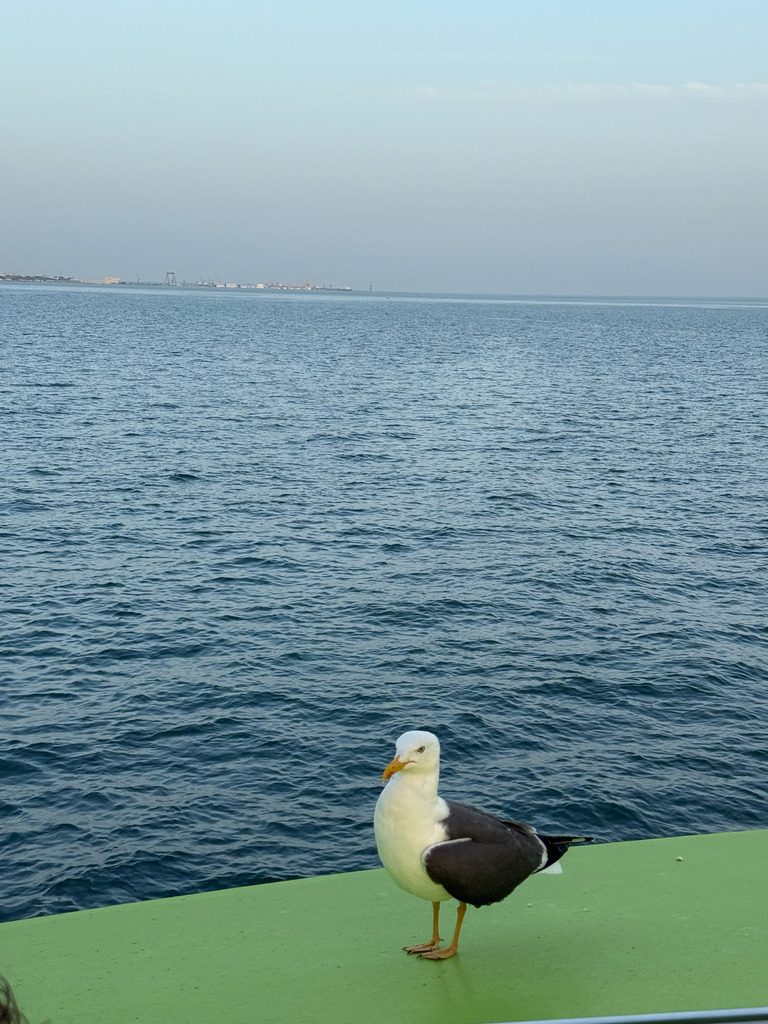
- Lesser Black-backed GullLarus fuscus
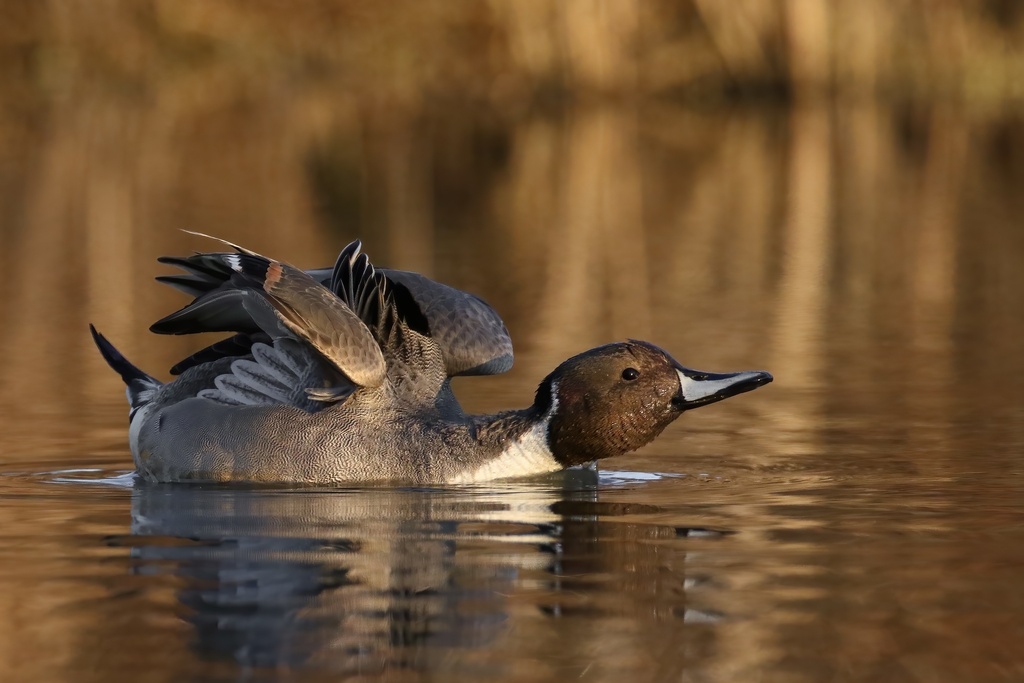
- Northern PintailAnas acuta
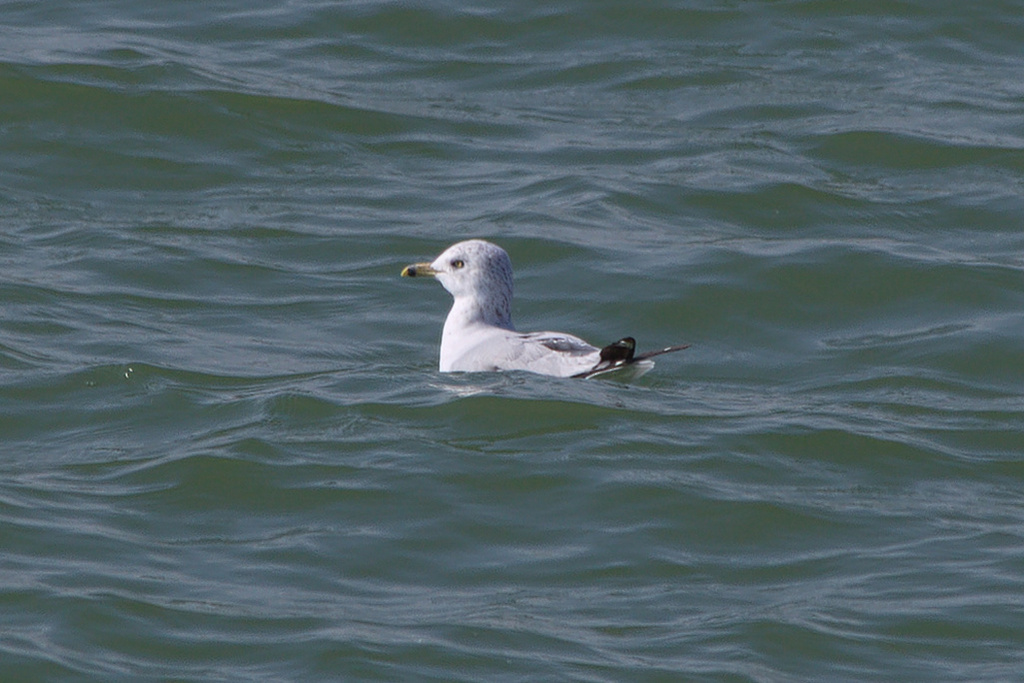
- Ring-billed GullLarus delawarensis
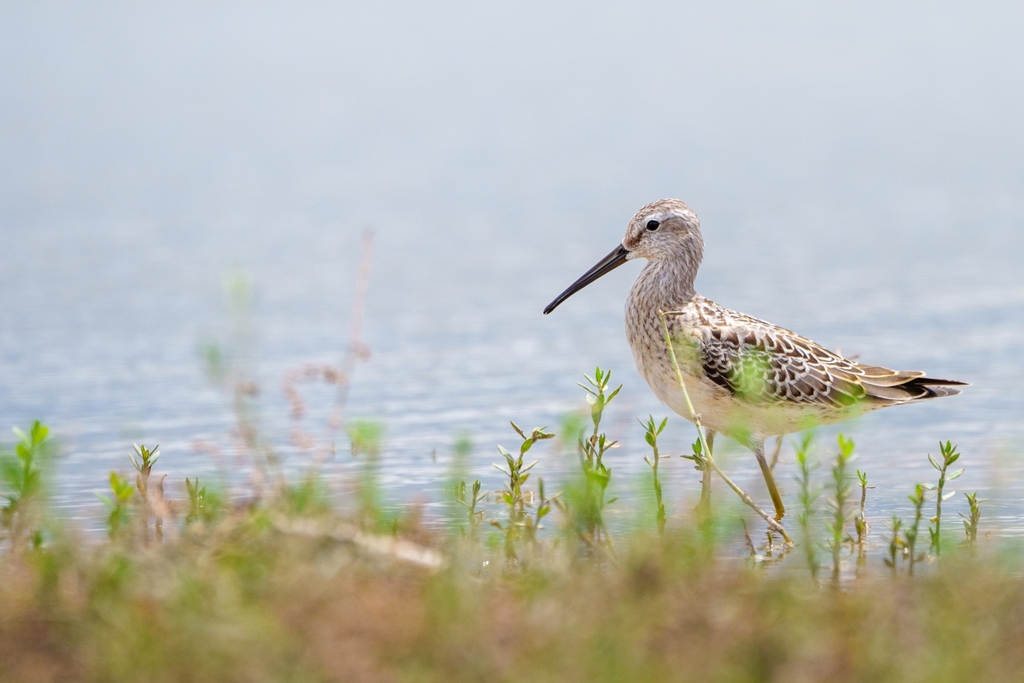
- Stilt SandpiperCalidris himantopus
- Tree SwallowTachycineta bicolor
- Tundra SwanCygnus columbianus
- Yellow-crowned Night-heronNyctanassa violacea
- American CootFulica americana
- American WigeonAnas americana
- Bald EagleHaliaeetus leucocephalus
- Belted KingfisherMegaceryle alcyon
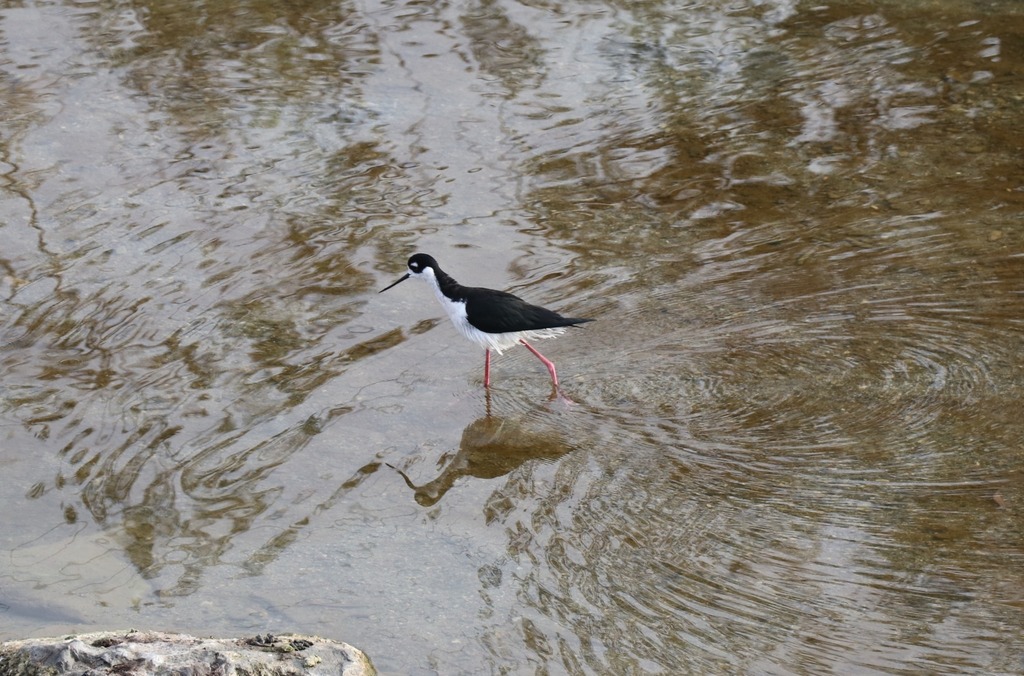
- Black-necked StiltHimantopus mexicanus
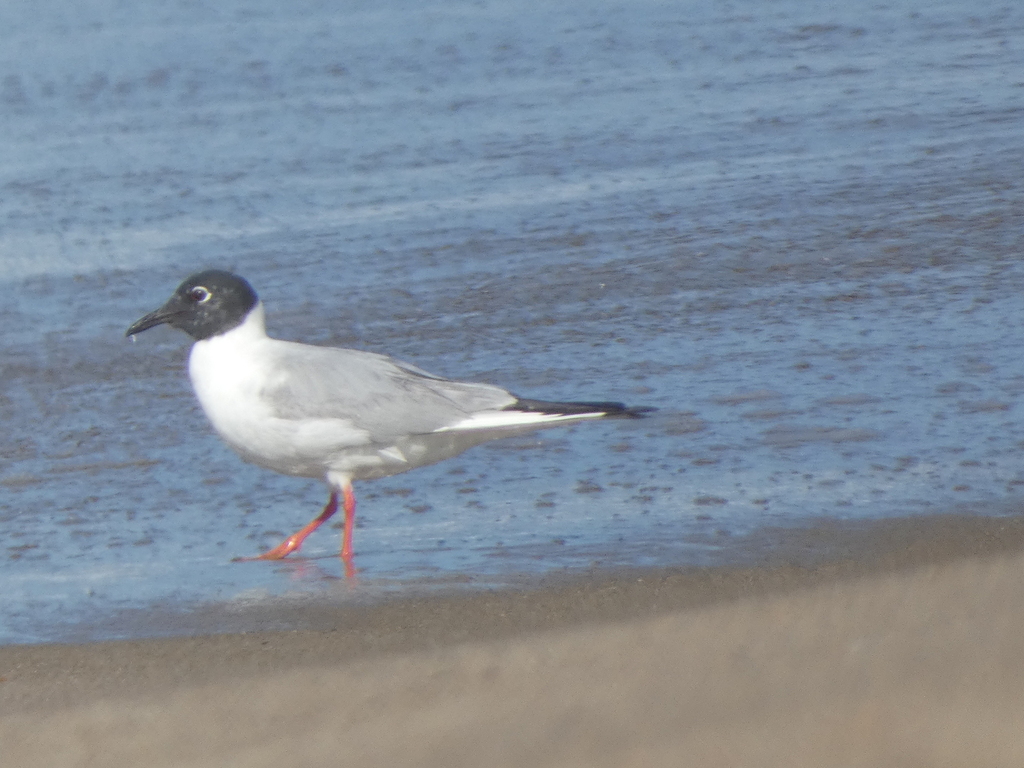
- Bonaparte's GullChroicocephalus philadelphia
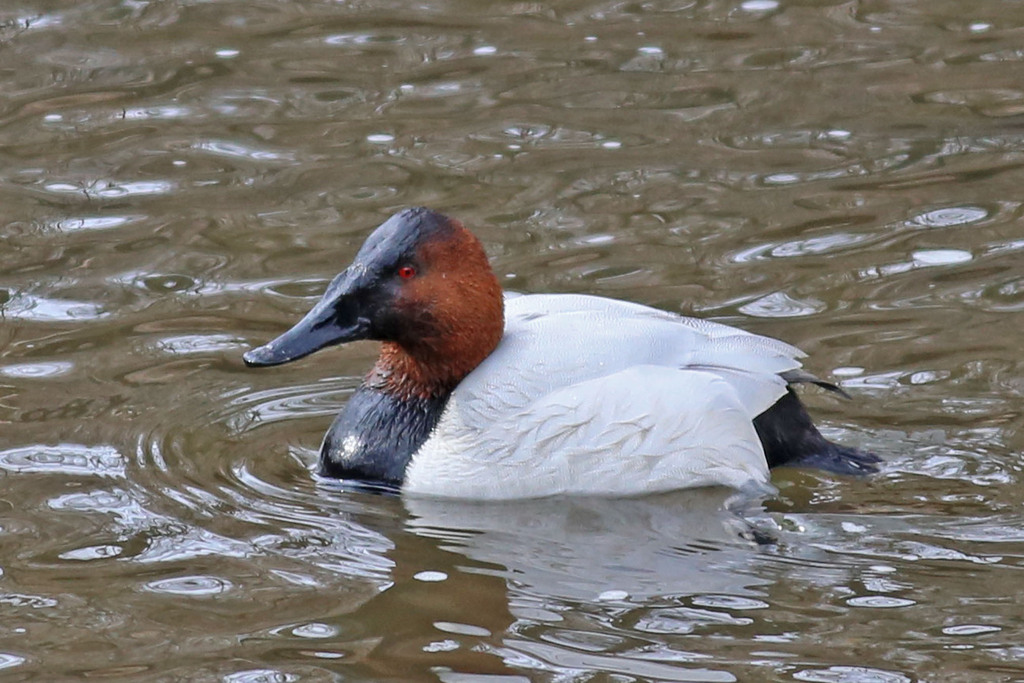
- CanvasbackAythya valisineria








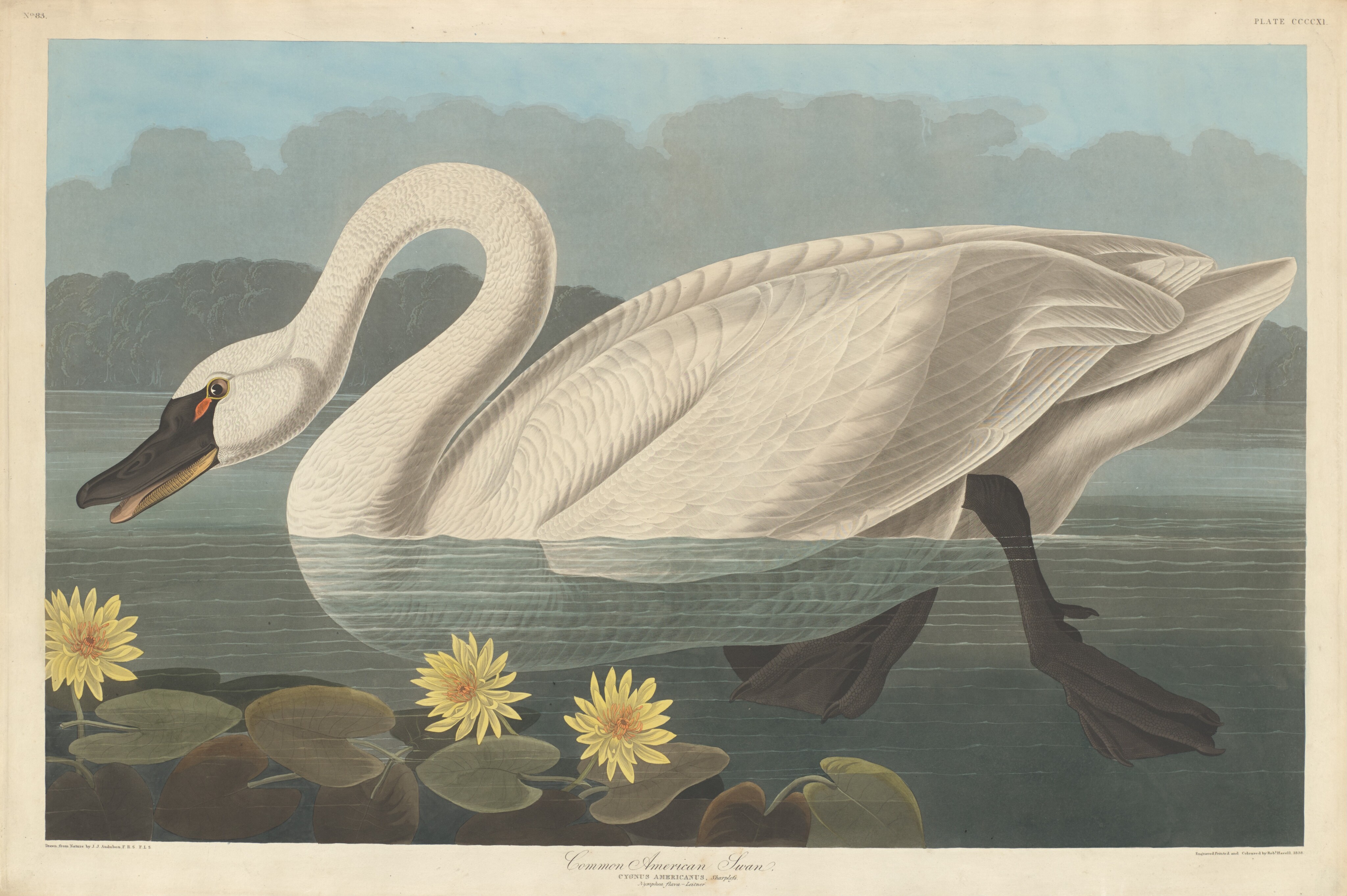
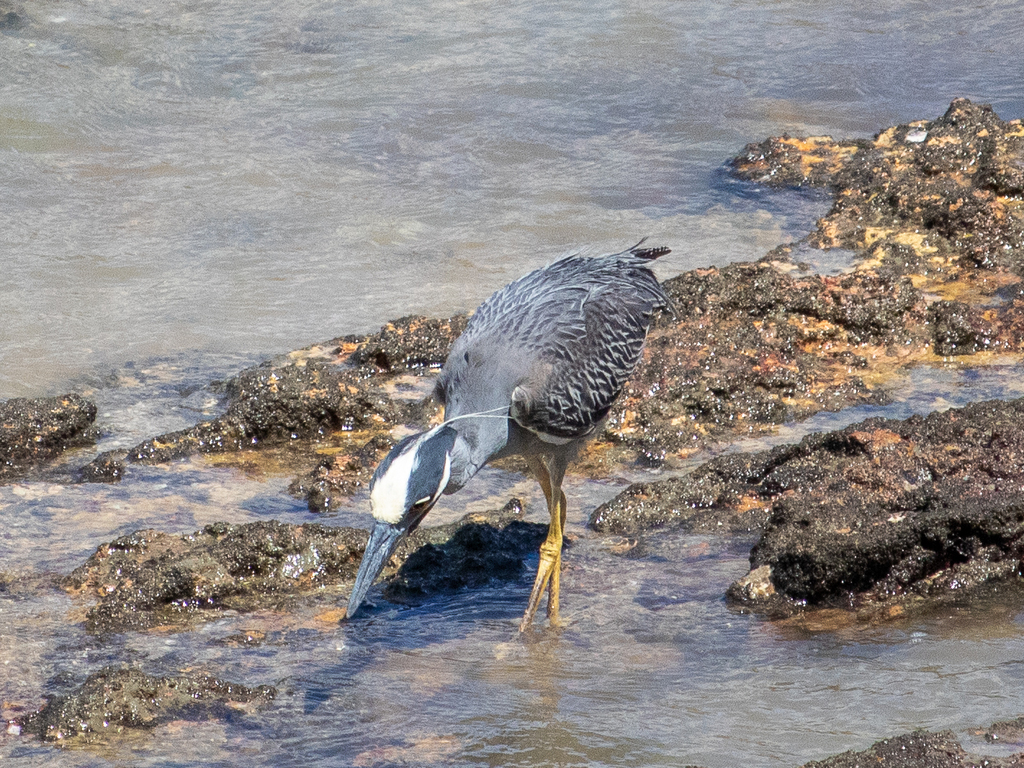
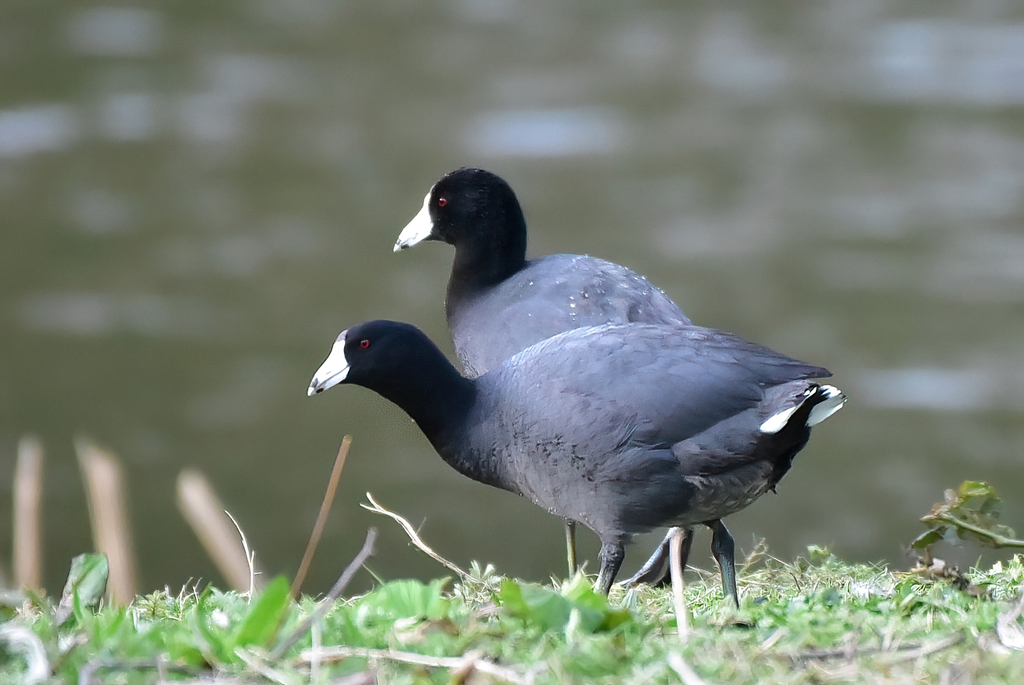
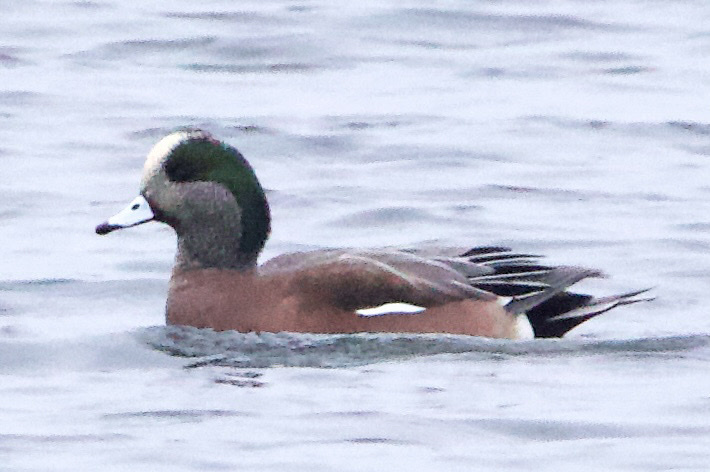




NatureServe Explorer, CC BY 4.0. USGS Gap Analysis Project habitat models.
Sources
- USGS Gap Analysis Project habitat models (2001)
- USGS GAP winter habitat model for American Avocet Elevation 0 to 2,896 m
- USGS Gap Analysis Project range maps (2001), modeled by watershed; migratory gives no dates
- NatureServe Explorer (CC BY 4.0), habitat names
- US Census TIGER/Line counties
- Names follow the USGS Gap Analysis Project (2001)