

Tea Viburnum
Viburnum setigerum
Found in suburban forests, commonly planted horticulturally, escaping into nearby forests and woodlands. FloraQuest, phone app (app page) What its natural habitat tells you
Not native to Virginia. How scores work Is it native here?
Profile 76%
- Height
- 8–12 feet
- Spread
- 6–8 feet
- Light
- Full sun, Partial shade
- Soil moisture
- Usually moist
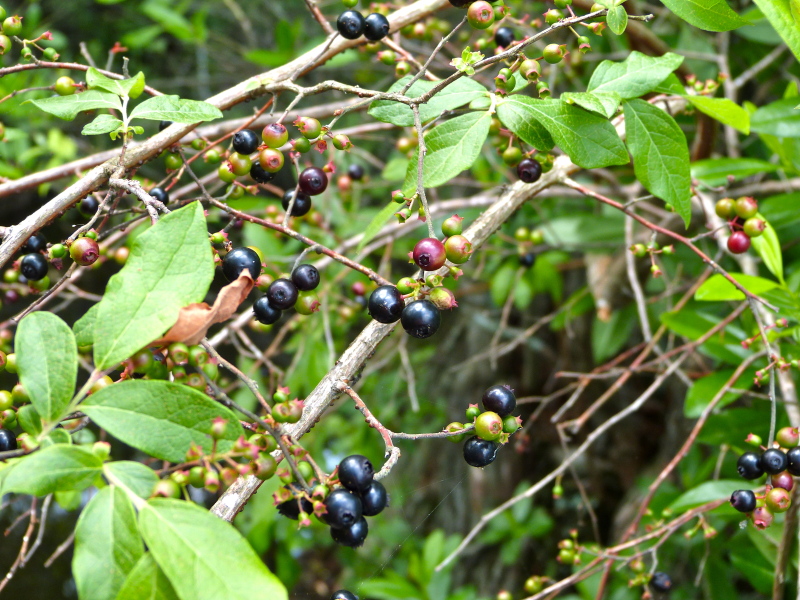
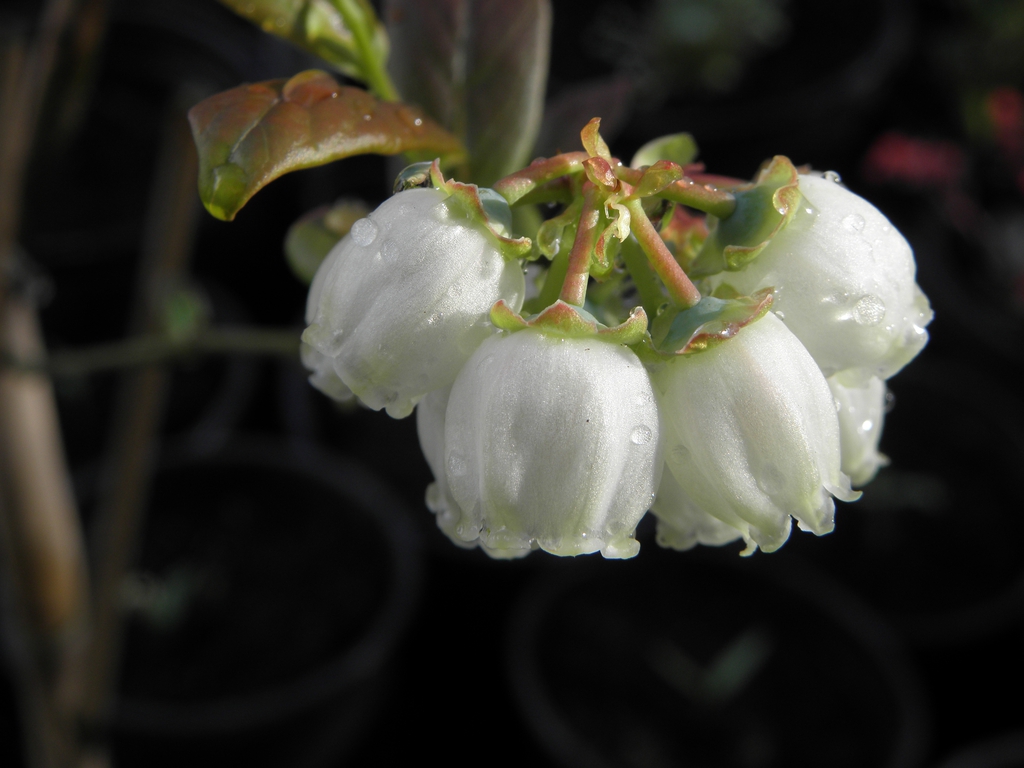
No photograph yet. Looking for an old drawing…
Plant this instead
Choose your county to list local plants first.
No recorded swaps for this county. Try the garden finder.
At a glance
- Life cycle
- Woody perennial
- Leaves
- Deciduous
- Bloom
- May
- Fruiting season
- September
Recorded in 6 Virginia counties.
Natural habitats
Places it grows wild. Not a planting requirement. Each habitat page lists the plants and wildlife also found there.
Forest or woodland where the source does not say how moist or dry.
Who uses this plant?
 105CaterpillarsGenus host records with ranges including VA
Genus host records with ranges including VA · Viburnum
- Celastrina ladonSpring Azure
- Hemaris thysbeHummingbird Clearwing
- Acasis viridataOlive-and-Black Carpet
- Acharia stimuleaSaddleback Caterpillar Moth
- Achatia distinctaDistinct Quaker
- Acleris viburnana"North American" Schaller's Acleris
- Acronicta fallaxThe Green Marvel
- Acronicta oblinitaSmeared Dagger
- Adoneta spinuloidesPurple-Crested Slug
- Agnorisma badinodisPale-Banded Dart
Show all 105
- Amorbia humerosanaWhite-Lined Leafroller Moth
- Amphipyra pyramidoidesMiranda Underwing, Copper Underwing, Copper Amphipyra
- Anagrapha falciferaCelery Looper Moth
- Anania tertialisCrowned Anania, Crowned Phlyctaenia
- Anavitrinella pampinariaCommon Gray, Cranberry Spanworm
- Antepione thisoariaVariable Antepione
- Apatelodes torrefactaSpotted Apatelodes
- Archips argyrospilaFruit-Tree Leafroller Moth
- Archips purpuranaOmnivorous Leafroller Moth
- Argyrotaenia juglandanaHickory Leafroller
- Argyrotaenia marianaGray-Banded Leafroller Moth
- Argyrotaenia velutinanaRed-Banded Leafroller Moth, Jack Pine Tube Moth
- Autographa amplaLarge Looper Moth, Broken-Banded Y, Climbing Looper
- Automeris ioIo Moth
- Calledapteryx dryopterataBrown Scoopwing
- Callophrys henriciHenry's Elfin
- Callosamia prometheaPromethea Silkmoth, Promethea Moth
- Cecrita guttivittaMaple Prominent, Saddled Prominent
- Celastrina neglectaSummer Azure
- Cenopis diluticostanaSpring Dead-Leaf Roller Moth, Oak Cenopis
- Cenopis reticulatanaReticulated Fruitworm Moth
- Choristoneura parallelaParallel-Banded Leafroller, Spotted Fireworm Moth
- Choristoneura rosaceanaOblique-Banded Leafroller Moth, Rosaceous Leaf Roller
- Crocigrapha normaniNorman's Quaker
- Darapsa choerilusAzalea Sphinx
- Eacles imperialisImperial Moth, Imperial Spiny Caterpillar
- Ennomos subsignariaElm Spanworm Moth
- Epiglaea declivaSloping Sallow
- Epirrita autumnataThe Autumnal Moth, November Moth
- Erannis tiliariaLinden Looper Moth, Western Winter Moth, Lime Looper
- Euchlaena irrariaLeast-Marked Euchlaena
- Euchlaena marginariaOchre Euchlaena
- Eulia ministranaFerruginous Eulia
- Euphydryas phaetonThe Baltimore, The Black Checker
- Eupithecia miserulataCommon Eupithacia, Common Pug
- Eupithecia satyrataSatyr Pug
- Euplexia benesimilisAmerican Angle Shades
- Eupsilia morrisoniMorrison's Sallow
- Eutrapela clematariaCurved-Tooth Geometer, Purplish Brown Looper
- Glyptocera consobrinellaViburnum Glyptocera, Glyptocera Moth
- Halysidota tessellarisBanded Tussock Moth, Pale Tiger Moth
- Harrisimemna trisignataHarris's Three-Spot
- Hemaris diffinisSnowberry Clearwing
- Hyalophora cecropiaCecropia Silkmoth, Cecropia Moth
- Hypena scabraGreen Cloverworm Bomolocha, Black Snout
- Hyphantria cuneaFall Webworm
- Iridopsis defectariaBrown-Shaded Gray, Willow Looper
- Iridopsis ephyrariaPale-Winged Gray
- Iridopsis larvariaBent-Line Gray
- Kocakina fidelisIntractable Quaker, Green Fruitworm, Fourlined Green Fruitworm
- Lacinipolia loreaBridled Arches, Bridle Groundcat
- Lomographa vestaliataWhite Spring Moth
- Lycophotia phyllophoraBrick Dart, Leafy Dart
- Lytrosis unitariaCommon Lytrosis
- Machimia tentoriferellaGold-Striped Leaftier Moth
- Megalopyge opercularisSouthern Flannel Moth, Puss Caterpillar
- Melanolophia canadariaCanadian Melanolphia, Variable Redmarked Looper
- Metaxaglaea inultaUnsalted Sallow, Viburnum Sallow
- Metaxaglaea semitariaFootpath Sallow
- Morrisonia confusaConfused Woodgrain
- Morrisonia evictaBicolored Woodgrain
- Oedemasia concinnaRed-Humped Caterpillar, Red-Humped Appleworm
- Oiketicus abbotiiAbbot's Bagworm Moth
- Olethreutes appendiceumServiceberry Leafroller
- Oreta roseaRose Hooktip
- Orgyia leucostigmaWhite-Marked Tussock Moth
- Orthofidonia exornataPale Viburnum Geometer
- Orthofidonia flavivenataYellow-Veined Geometer
- Orthosia rubescensRuby Quaker
- Orthotaenia undulanaDusky Leafroller
- Packardia geminataJeweled Tail Slug Moth
- Pandemis limitataThree-Lined Leafroller Moth
- Paonias excaecataBlinded Sphinx, Blind Eyed Sphinx
- Phlogophora periculosaBrown Angle Shades
- Plagodis alcoolariaHollow-Spotted Plagodis
- Plagodis pulverariaAmerican Barred Umber, Barred Umber
- Platynota idaeusalisTufted Apple-Bud Moth
- Pleuroprucha insulsariaCommon Tan Wave
- Prochoerodes lineolaLarge Maple Spanworm Moth
- Pyrrharctia isabellaIsabella Tiger Moth, Banded Woolybear
- Schizura badiaChestnut Schizura
- Schizura ipomaeaeMorning-Glory Prominent, Checkered-Fringe Prominent
- Sparganothis sulfureanaSparganothis Fruitworm Moth, Sulfur Leafroller, False Yellow-Head
- Spiramater lutraDarling Mamestra, Splashed Arches, Otter Spiramater, Otter Arches
- Spoladea recurvalisHawaiian Beet Webworm
- Synanthedon fatiferaLesser Viburnum Clearwing
- Synanthedon viburniViburnum Borer
- Synchlora frondariaSouthern Emerald
- Tetracis cachexiataWhite Slant-Line
- Thyridopteryx ephemeraeformisEvergreen Bagworm Moth
- Xanthotype sospetaCrocus Geometer
- Xestia c-nigrumSpotted Cut-Worm, Setaceous Hebrew Character, Lesser Black-letter Dart
- Xestia dolosaGreater Black-Letter Dart, Greater Spotted Cutworm
- Zale horridaHorrid Zale, Sacled Zale
- Acleris placidana
 —BeesSoutheastern regional records
 —Specialist beesPollen specialists
 18BirdsRecorded genus food-resource interactions; not a state feeding claim
Recorded genus food-resource interactions; not a state feeding claim · Viburnum
- Bombycilla cedrorumCedar Waxwing
- Turdus migratoriusAmerican Robin
- Acanthis flammeaCommon Redpoll
- Aix sponsaWood Duck
- Bonasa umbellusRuffed Grouse
- Catharus guttatusHermit Thrush
- Catharus minimus/bicknelliGray-cheeked/Bicknell's Thrush
- Catharus ustulatusSwainson's Thrush
- Falcipennis canadensisSpruce Grouse
- Lagopus lagopusWillow Ptarmigan
Show all 18
- Meleagris gallopavoWild Turkey
- Mimus polyglottosNorthern Mockingbird
- Pinicola enucleatorPine Grosbeak
- Sialia sialisEastern Bluebird
- Sturnus vulgarisEuropean Starling
- Vireo griseusWhite-eyed Vireo
- Vireo olivaceusRed-eyed Vireo
- Vireo solitariusBlue-headed Vireo
Direct food only: birds recorded eating this genus across North America. Caterpillars on host plants also feed nesting birds. NC Native Plant Society: butterfly gardening
Plant details
- Family
- Viburnaceae
- Hardiness
- Zones 5a–7b
- Soil pH
- Acidic to neutral
- Flower color
- Yellow or white
- Fruit begins
- September
- Fruit ends
- September
Safety has not been reviewed for this plant; check toxicity and thorns before planting.
Growing sources and scope
- Bloom · “May” · FloraQuest: Carolinas, Georgia (Southeastern Flora Team), phone app (app page) · Carolinas and Georgia
- Flower color · “Yellow or white” · NC Extension Plant Toolbox
- Fruit begins · “September” · FloraQuest: Carolinas, Georgia (Southeastern Flora Team), phone app (app page) · Carolinas and Georgia
- Fruit ends · “September” · FloraQuest: Carolinas, Georgia (Southeastern Flora Team), phone app (app page) · Carolinas and Georgia
- Hardiness · “Zones 5a–7b” · NC Extension Plant Toolbox
- Height · “8–12 feet” · NC Extension Plant Toolbox
- Leaves · “Deciduous” · NC Extension Plant Toolbox
- Life cycle · “Woody perennial” · NC Extension Plant Toolbox
- Light · “Full sun (6 or more hours of direct sunlight a day); Partial shade (direct sunlight only part of the day, 2-6 hours)” · NC Extension Plant Toolbox
- Soil · “Occasionally wet” · NC Extension Plant Toolbox
- Soil pH · “Acidic to neutral” · NC Extension Plant Toolbox
- Spread · “6–8 feet” · NC Extension Plant Toolbox
Conservation status
| Virginia rank | Not available |
|---|---|
| Global rank | GNR |
| VA status | Not verified |
| Federal status | Not verified |
Sources
- Digital Atlas of the Virginia Flora
- USDA PLANTS
- Shropshire & Tallamy 2025, Lepidoptera of North America north of Mexico, ZooKeys 1261 (ODbL)
- Noori, Seltmann & Orr 2026, A curated and integrated dataset for exploring global bee-plant interactions (GloBI), Zenodo, CC BY 4.0
- Smith, Bachelder, Russell, Morales, Mosher & Seltmann 2024, Bee-Specialization-Modeling v0.6.1 (specialist host table compiled from J. Fowler's pollen specialist bee lists), Zenodo, CC BY 4.0
- Hurlbert, Olsen, Sawyer & Winner 2021, Avian Diet Database, Scientific Data 8: 260 (CC0)
- Narango, Tallamy & Shropshire 2020, Few keystone plant genera support the majority of Lepidoptera species, Nature Communications