

Slippery Elm
Ulmus rubra
Found in moist to fairly dry calcareous forests, rich bottomlands, rich cove forests in the low Mountains. FloraQuest, phone app (app page) What its natural habitat tells you
Native to Virginia. How scores work Is it native here?
Profile 100%
- Height
- 40–70 feet
- Spread
- 30–50 feet
- Light
- Full sun, Partial shade
- Soil moisture
- Somewhat dry to moist
Space about 30 ft apart from its recorded spread. Enter your bed size for a count
Will it fit your yard?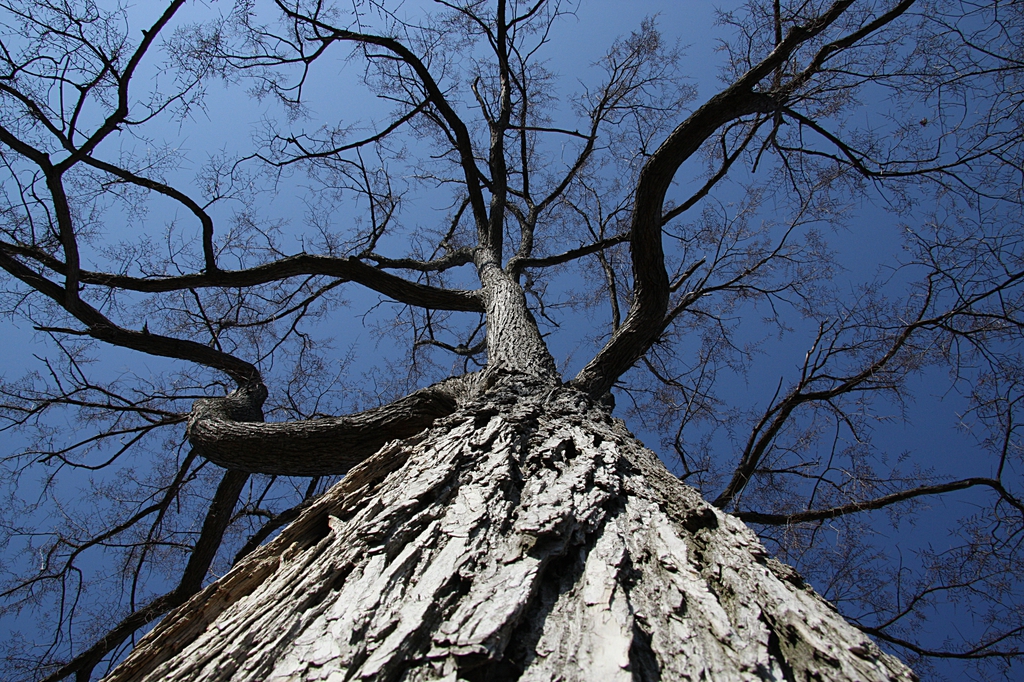
Dutch elm disease. This elm is susceptible to Dutch elm disease. Plant caution source
At a glance
- Life cycle
- Woody perennial
- Leaves
- Deciduous
- Bloom
- February to April
- Fruiting season
- March to May
Recorded in 98 Virginia counties.
Natural habitats
Places it grows wild. Not a planting requirement. Each habitat page lists the plants and wildlife also found there.
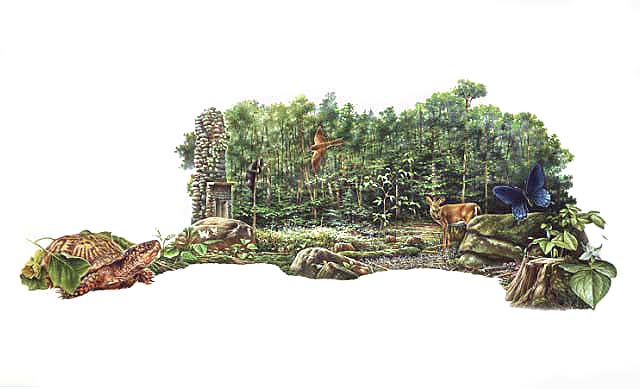
Forest or woodland where the source does not say how moist or dry.
Floodplain and bottomland forests
Forests on low ground beside rivers and streams that flood from time to time.
Also found with this plant
Wildlife whose habitat models include habitats this plant grows in, in Virginia. Shared habitat, not food. 147 animals.
- Golden-crowned KingletRegulus satrapa
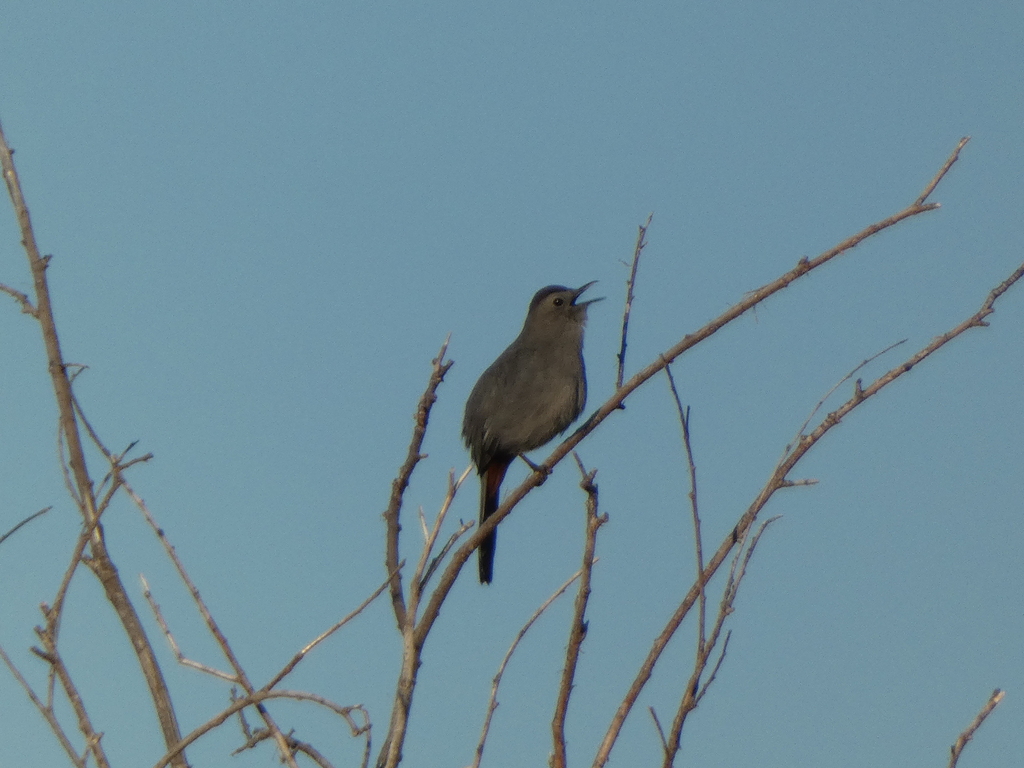
- Gray CatbirdDumetella carolinensis
- Hairy WoodpeckerPicoides villosus
- Hooded MerganserLophodytes cucullatus
- Northern FlickerColaptes auratus
- Northern MockingbirdMimus polyglottos
- OspreyPandion haliaetus
- Pine SiskinCarduelis pinus
- Purple FinchCarpodacus purpureus
- Red-headed WoodpeckerMelanerpes erythrocephalus
- Red-winged BlackbirdAgelaius phoeniceus
- Ruby-crowned KingletRegulus calendula
- Spotted SandpiperActitis macularius
- Tufted TitmouseBaeolophus bicolor
- White-breasted NuthatchSitta carolinensis
- White-throated SparrowZonotrichia albicollis
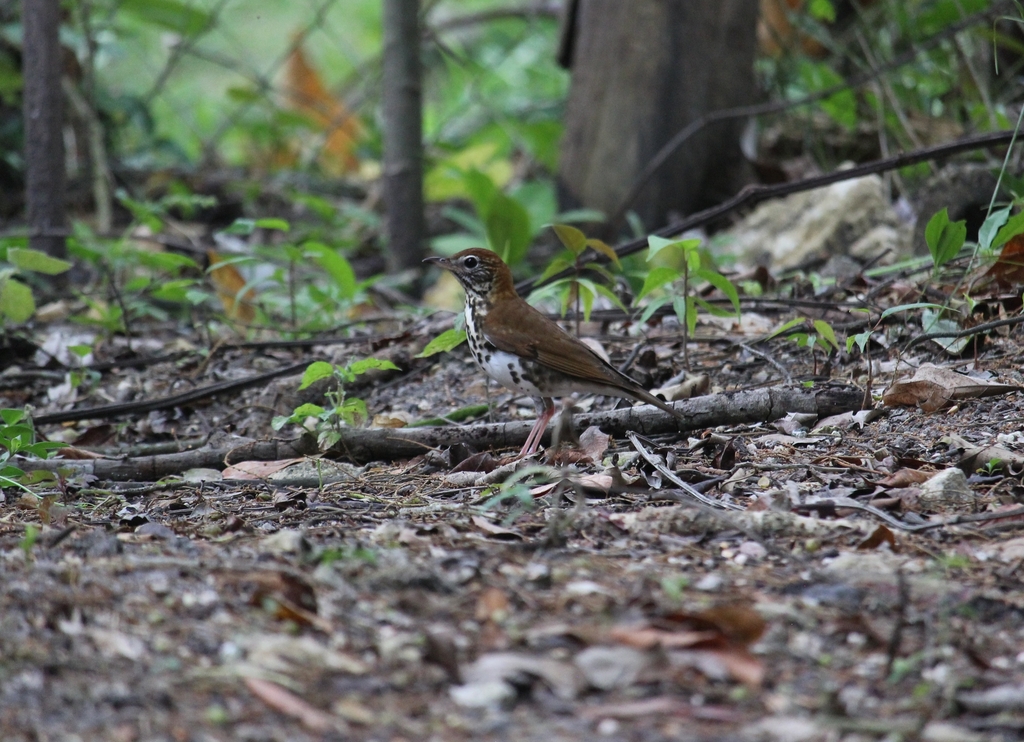
- Wood ThrushHylocichla mustelina
- Yellow-bellied SapsuckerSphyrapicus varius
- Yellow-billed CuckooCoccyzus americanus
- Yellow-breasted ChatIcteria virens
- Yellow-rumped WarblerDendroica coronata
- Acadian FlycatcherEmpidonax virescens
- American RedstartSetophaga ruticilla
- Baltimore OrioleIcterus galbula






















Who uses this plant?
 182CaterpillarsGenus host records with ranges including VA
Genus host records with ranges including VA · Ulmus
- Antheraea polyphemusPolyphemus Moth
- Nymphalis antiopaMourning Cloak
- Polygonia interrogationisQuestion Mark
- Acharia stimuleaSaddleback Caterpillar Moth
- Achatia distinctaDistinct Quaker
- Acrobasis indigenellaLeaf Crumpler
- Acronicta americanaAmerican Dagger
- Acronicta funeralisFunerary Dagger, Paddle Caterpillar
- Acronicta impletaYellow-Haired Dagger
- Acronicta impressaImpressive Dagger, Printed Dagger
Show all 182
- Acronicta interruptaInterrupted Dagger
- Acronicta morulaOchre Dagger
- Acronicta oblinitaSmeared Dagger
- Acronicta spinigeraNondescript Dagger
- Acronicta vinnulaDelightful Dagger, Ashy Dagger
- Actias lunaLuna Moth
- Adoneta spinuloidesPurple-Crested Slug
- Aethalura intertextaFour-Barred Gray
- Alsophila pometariaFall Cankerworm Moth
- Amorbia humerosanaWhite-Lined Leafroller Moth
- Amphipyra pyramidoidesMiranda Underwing, Copper Underwing, Copper Amphipyra
- Anarta trifoliiThe Nutmeg, Clover Cutworm
- Anatrachyntis badiaFlorida Pink Scavanger Caterpillar
- Anavitrinella pampinariaCommon Gray, Cranberry Spanworm
- Ancylis fuscocilianaSpider-Web Leaffolder
- Ancylosis undulatellaSugarbeet Crown Borer
- Antaeotricha leucillanaWell-Marked Leaf Tier, Pale Gray Bird-Dropping Moth
- Archips argyrospilaFruit-Tree Leafroller Moth
- Archips negundanaLarger Boxelder Leafroller Moth
- Argyrotaenia marianaGray-Banded Leafroller Moth
- Argyrotaenia velutinanaRed-Banded Leafroller Moth, Jack Pine Tube Moth
- Automeris ioIo Moth
- Besma quercivorariaOak Besma
- Biston betulariaSalt-and-Pepper Geometer, Cleft-Headed Looper
- Callima argenticinctellaOrange-Headed Epicallima
- Campaea perlataPale Beauty, Fringed Looper
- Canarsia ulmiarrosorellaElm Leaftier Moth
- Catocala clintoniiClinton's Underwing
- Cecrita biundataWavy-Lined Heterocampa
- Cecrita guttivittaMaple Prominent, Saddled Prominent
- Cenopis pettitanaMaple-Basswood Leafroller Moth
- Ceratomia amyntorElm Sphinx
- Charadra deridensThe Laugher
- Choristoneura fractivittanaBroken-Banded Leafroller, Lined Corn-Borer Moth
- Choristoneura rosaceanaOblique-Banded Leafroller Moth, Rosaceous Leaf Roller
- Clepsis persicanaWhite Triangle Tortrix
- Clostera inclusaAngle-Lined Prominent, Poplar Tent Maker, Poplar Leaf-Tier
- Coelodasys unicornisUnicorn Caterpillar Moth
- Colocasia propinquilineaClosebanded Yellowhorn
- Crocigrapha normaniNorman's Quaker
- Dasychira basiflavaYellow-Based Tussock Moth
- Dasychira dorsipennataSharp-Lined Tussock Moth
- Dasychira obliquataStreaked Tussock Moth
- Dasychira plagiataNorthern Conifer Tussock Moth
- Dasychira vagansVariable Tussock Moth
- Datana ministraYellow-Necked Caterpillar Moth
- Eacles imperialisImperial Moth, Imperial Spiny Caterpillar
- Ectropis crepusculariaThe Small Engrailed, Saddleback Looper
- Ennomos magnariaMaple Spanworm Moth, Notchwing Geometer
- Ennomos subsignariaElm Spanworm Moth
- Epirrita autumnataThe Autumnal Moth, November Moth
- Episimus argutanaSumac Leaftier
- Erannis tiliariaLinden Looper Moth, Western Winter Moth, Lime Looper
- Euchlaena johnsonariaJohnson's Euchlaena
- Euchlaena marginariaOchre Euchlaena
- Euclea delphiniiSpiny Oak-Slug Moth
- Eulithis diversilineataLesser Grapevine Looper Moth
- Euphyia intermediataSharp-Angled Carpet Moth, The Intermediate
- Eupithecia miserulataCommon Eupithacia, Common Pug
- Eupsilia morrisoniMorrison's Sallow
- Eutrapela clematariaCurved-Tooth Geometer, Purplish Brown Looper
- Euzophera semifuneralisAmerican Plum Borer
- Grapholita prunivoraLesser Apple Worm
- Halysidota tessellarisBanded Tussock Moth, Pale Tiger Moth
- Haploa leconteiLeconte's Haploa
- Haploa reversaReversed Haploa
- Herpetogramma pertextalisBold-Feathered Grass Moth
- Heterogenea shurtleffiRed-Eyed Button Slug
- Hyalophora cecropiaCecropia Silkmoth, Cecropia Moth
- Hydrelia albiferaFragile White Carpet
- Hyles lineataWhite-Lined Sphinx
- Hypagyrtis piniataPine Measuringworm Moth, Pine Variant
- Hypagyrtis unipunctataOne-Spotted Variant
- Hypena abalienalisWhite-Lined Bomolocha, White-Lined Snout
- Hypena scabraGreen Cloverworm Bomolocha, Black Snout
- Hyperstrotia pervertensDotted Graylet
- Hyperstrotia villificansWhite-Lined Graylet
- Hyphantria cuneaFall Webworm
- Hypoprepia fucosaPainted Lichen Moth
- Iridopsis ephyrariaPale-Winged Gray
- Iridopsis humariaSmall Purplish Gray
- Isa textulaCrowned Slug
- Kocakina fidelisIntractable Quaker, Green Fruitworm, Fourlined Green Fruitworm
- Lambdina fervidariaCurve-Lined Looper Moth
- Lambdina fiscellariaHemlock Looper, Western Oak Looper
- Limenitis arthemisBanded Purple, Red-Spotted Admiral
- Lithacodes fasciolaYellow-Shouldered Slug
- Lithophane antennataAshen Pinion
- Lithophane bethuneiBethune's Pinion
- Lithophane dispositaGreen-Gray Pinion, Dashed Grey Pinion
- Lithophane innominataNameless Pinion
- Lithophane petulcaWanton Pinion
- Lochmaeus bilineataDouble-Lined Prominent
- Lochmaeus manteoVariable Oakleaf Caterpillar Moth
- Lophocampa caryaeHickory Tussock Moth, Hickory Tiger Moth
- Lophocampa maculataSpotted Tussock Moth, Yellow-Spotted Tiger Moth
- Lycia ypsilonWoolly Gray
- Machimia tentoriferellaGold-Striped Leaftier Moth
- Malacosoma americanaEastern Tent Caterpillar
- Malacosoma disstriaForest Tent Caterpillar
- Megalopyge crispataBlack-Waved Flannel Moth, Crinkled Flannel Moth
- Megalopyge opercularisSouthern Flannel Moth, Puss Caterpillar
- Melanchra adjunctaHitched Arches
- Melanolophia canadariaCanadian Melanolphia, Variable Redmarked Looper
- Melanolophia signatariaSignate Melanolphia
- Morrisonia confusaConfused Woodgrain
- Morrisonia latexFluid Arches, Fluid Mamestra
- Nematocampa resistariaFilament Bearer, Horned Spanworm Moth
- Nemoria mimosariaWhite-Fringed Emerald
- Nerice bidentataDouble-Toothed Prominent
- Norape cretataWhite Flannel Moth
- Nymphalis l-albumCompton Tortoiseshell
- Nymphalis milbertiMilbert's Tortoise Shell, Fire-Rim Tortoise Shell
- Oedemasia concinnaRed-Humped Caterpillar, Red-Humped Appleworm
- Oedemasia semirufescensRed-Washed Prominent
- Oegoconia novimundiFour-Spotted Yellowneck, 4-Spotted Yellowneck
- Olethreutes lacunanomLacuna Moth
- Oreana unicolorellaLadder-Marked Caterpillar
- Orgyia definitaDefinite Tussock Moth
- Orgyia leucostigmaWhite-Marked Tussock Moth
- Orthonama obstipataThe Gem
- Orthosia garmaniGarman's Quaker
- Orthosia hibisciSpeckled Green Fruitworm Moth, Speckled Green Quaker
- Orthosia revictaSubdued Quaker
- Orthotaenia undulanaDusky Leafroller
- Paleacrita vernataSpring Cankerworm Moth
- Pandemis canadanaGreen Aspen Leaftier
- Pandemis lamprosanaWoodgrain Leafroller
- Pandemis limitataThree-Lined Leafroller Moth
- Panopoda carneicostaBrown Panopoda, Hickory Panopoda
- Pantographa limataBasswood Leafroller Moth
- Paonias excaecataBlinded Sphinx, Blind Eyed Sphinx
- Papaipema nebrisStalk Borer
- Papilio glaucusEastern Tiger Swallowtail
- Paraclemensia acerifoliellaMaple Leafcutter, Maple Case-Bearer
- Parasa chlorisSmaller Parasa, Green Slug Moth
- Perimede erransellaGray Perimede
- Pero ancetariaHubner's Pero
- Phaeoura quernariaOak Beauty Moth
- Phigalia strigatariaSmall Phigalia, Small Oak Looper
- Phigalia titeaThe Half-Wing Geometer, Spiney Looper, Eastern Oak Looper
- Phyllodesma americanaLappet Moth, American Lappet Moth, Southern Lappet Moth
- Plagodis fervidariaFervid Plagodis
- Platynota flavedanaBlack-Shaded Platynota
- Pococera asperatellaMaple Webworm
- Polygonia commaEastern Comma
- Prionoxystus robiniaeCarpenterworm Moth, Black Locust Borer, Cottonwood Borer
- Probole amicariaFriendly Probole
- Prochoerodes lineolaLarge Maple Spanworm Moth
- Prolimacodes badiaSkiff Moth, Skiff Caterpillar
- Protoboarmia porcelariaPorcelain Gray, Dashedlined Looper
- Pyrrharctia isabellaIsabella Tiger Moth, Banded Woolybear
- Schizura ipomaeaeMorning-Glory Prominent, Checkered-Fringe Prominent
- Scopula limboundataLarge Lace-Border
- Selenia kentariaKent's Geometer
- Sicya maculariaSharp-Lined Yellow
- Smerinthus jamaicensisTwin-Spotted Sphinx
- Sparganothis sulfureanaSparganothis Fruitworm Moth, Sulfur Leafroller, False Yellow-Head
- Spilosoma virginicaVirginian Tiger Moth, Yellow Woolybear Moth, Yellow Bear
- Sunira bicoloragoBicolored Sallow
- Symmerista leucitysOrange-Humped Mapleworm
- Tetracis cachexiataWhite Slant-Line
- Theisoa constrictellaConstricted Twirler
- Thyridopteryx ephemeraeformisEvergreen Bagworm Moth
- Tolype velledaLarge Tolype, Large Lappet Moth, Vellada Lappet Moth
- Utetheisa ornatrixOrnate Moth, Pink Underwing, Rattlebox Moth, Bella Moth
- Vanessa carduiPainted Lady, Cosmopolite
- Xanthotype sospetaCrocus Geometer
- Zale minereaColorful Zale
- Argyresthia undulatella
- Xenotemna pallorana
- Zamopsyche commentella
 4BeesSoutheastern regional records
Southeastern regional records · Ulmus
Individual names are not available yet.
Noori, Seltmann & Orr 2026, A curated and integrated dataset for exploring global bee-plant interactions (GloBI), Zenodo, CC BY 4.0 0Specialist beesPollen specialists
 5BirdsRecorded genus food-resource interactions; not a state feeding claim
Recorded genus food-resource interactions; not a state feeding claim · Ulmus
- Aix sponsaWood Duck
- Bonasa umbellusRuffed Grouse
- Columba liviaRock Pigeon
- Ortalis vetulaPlain Chachalaca
- Passer domesticusHouse Sparrow
Direct food only: birds recorded eating this genus across North America. Caterpillars on host plants also feed nesting birds. NC Native Plant Society: butterfly gardening
No records yet · Ants · Beetles · Flies · Adult butterflies / moths · Other wasps · Other insects
Plant details
- Family
- Ulmaceae
- Hardiness
- Zones 3a–9b
- Soil pH
- Acidic to alkaline
- Flower color
- Green or red
- Growth rate
- Rapid
- Growth habit
- Single stem
- Foliage color
- Green
- Fruit begins
- March
- Fruit ends
- May
Growing sources and scope
- Bloom · “February to April” · FloraQuest: Carolinas, Georgia (Southeastern Flora Team), phone app (app page) (ranked first; USDA PLANTS differs) · Carolinas and Georgia
- Flower color · “Green or red” · NC Extension Plant Toolbox (ranked first; USDA PLANTS differs)
- Foliage color · “Green” · USDA PLANTS · Nationwide species characteristics; local growing conditions may vary
- Fruit begins · “March” · FloraQuest: Carolinas, Georgia (Southeastern Flora Team), phone app (app page) (ranked first; NC Extension Plant Toolbox, USDA PLANTS differ) · Carolinas and Georgia
- Fruit ends · “May” · FloraQuest: Carolinas, Georgia (Southeastern Flora Team), phone app (app page) (ranked first; NC Extension Plant Toolbox, USDA PLANTS differ) · Carolinas and Georgia
- Growth habit · “Single stem” · USDA PLANTS · Nationwide species characteristics; local growing conditions may vary
- Growth rate · “Rapid” · USDA PLANTS · Nationwide species characteristics; local growing conditions may vary
- Hardiness · “Zones 3a–9b” · NC Extension Plant Toolbox
- Height · “40–70 feet” · NC Extension Plant Toolbox (ranked first; USDA PLANTS, Minnesota Wildflowers differ)
- Leaves · “Deciduous” · NC Extension Plant Toolbox
- Life cycle · “Woody perennial” · NC Extension Plant Toolbox
- Light · “Full sun (6 or more hours of direct sunlight a day); Partial shade (direct sunlight only part of the day, 2-6 hours)” · NC Extension Plant Toolbox
- Soil · “Moist; Occasionally dry” · NC Extension Plant Toolbox
- Soil pH · “Acidic to alkaline” · NC Extension Plant Toolbox
- Spread · “30–50 feet” · NC Extension Plant Toolbox
Also known as
Red Elm
Conservation status
| Virginia rank | S5 |
|---|---|
| Global rank | G5 |
| VA status | Not verified |
| Federal status | Not verified |
Will it fit your yard?
Check this plant against your county, sun and soil moisture. Conditions are checked in your browser.
Sources
- Digital Atlas of the Virginia Flora
- USDA PLANTS
- Vascular Plants of North Carolina (NC Natural Heritage Program)
- NatureServe Explorer
- Shropshire & Tallamy 2025, Lepidoptera of North America north of Mexico, ZooKeys 1261 (ODbL)
- Noori, Seltmann & Orr 2026, A curated and integrated dataset for exploring global bee-plant interactions (GloBI), Zenodo, CC BY 4.0
- Smith, Bachelder, Russell, Morales, Mosher & Seltmann 2024, Bee-Specialization-Modeling v0.6.1 (specialist host table compiled from J. Fowler's pollen specialist bee lists), Zenodo, CC BY 4.0
- Hurlbert, Olsen, Sawyer & Winner 2021, Avian Diet Database, Scientific Data 8: 260 (CC0)
- Narango, Tallamy & Shropshire 2020, Few keystone plant genera support the majority of Lepidoptera species, Nature Communications