

Eastern Hemlock
Tsuga canadensis
Found in streams, rivers and their banks; moist forests; rich cove forests. Weakley, Flora of the Southeastern United States (2025), Northern Tier edition What its natural habitat tells you
Native to Virginia. How scores work Is it native here?
Profile 100%
- Height
- 40–70 feet
- Spread
- 25–35 feet
- Light
- Dappled sunlight, Deep shade, Partial shade
- Soil moisture
- Usually moist
Space about 30 ft apart from its recorded spread. Enter your bed size for a count
Will it fit your yard?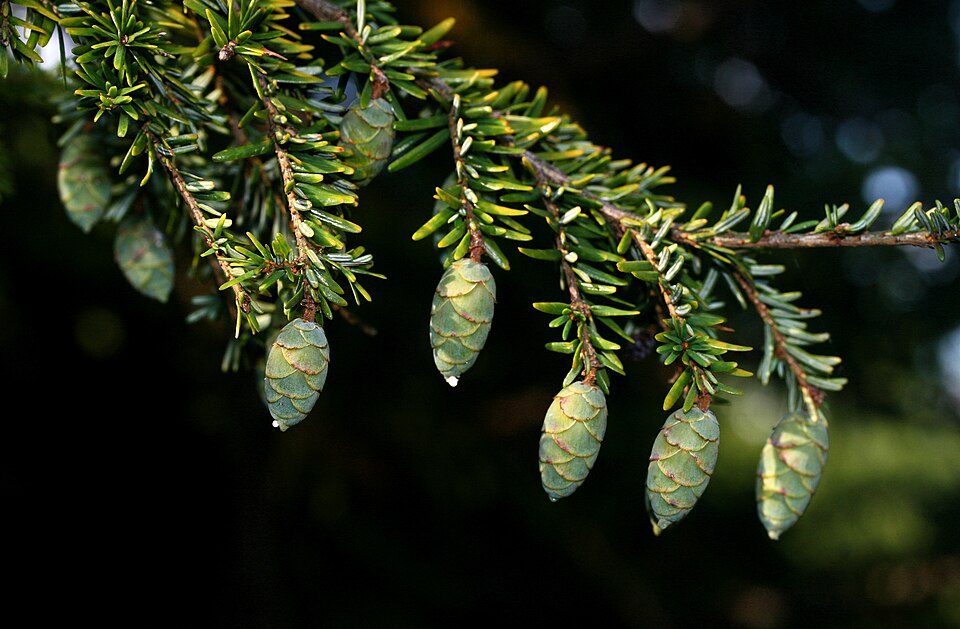
Hemlock woolly adelgid. The hemlock woolly adelgid is severely affecting this species. Plant caution source
At a glance
- Life cycle
- Woody perennial
- Leaves
- Evergreen
- Bloom
- March to April
- Fruiting season
- September to November
Recorded in 67 Virginia counties.
Natural habitats
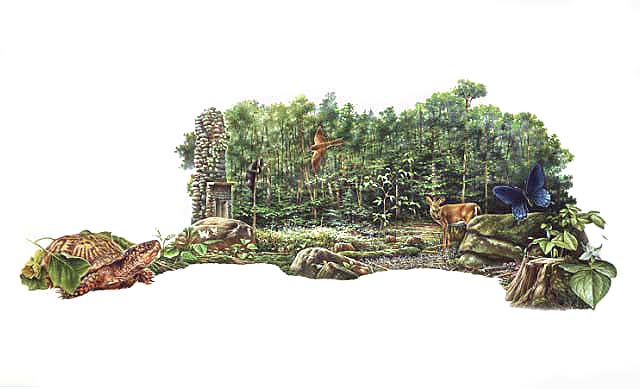
Places it grows wild. Not a planting requirement. Each habitat page lists the plants and wildlife also found there.
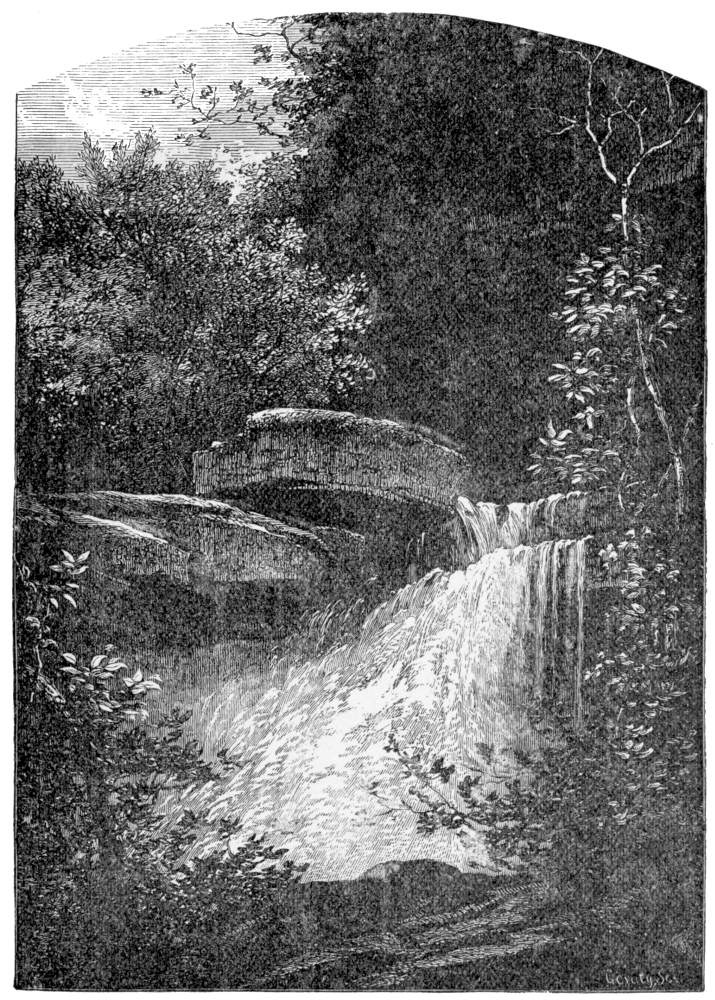
Streams, rivers and their banks
Also found with this plant
Wildlife whose habitat models include habitats this plant grows in, in Virginia. Shared habitat, not food. 156 animals.
- Yellow-billed CuckooCoccyzus americanus
- Bald EagleHaliaeetus leucocephalus
- Barred OwlStrix varia
- Black-and-White WarblerMniotilta varia
- Blue-gray GnatcatcherPolioptila caerulea
- Blue-headed VireoVireo solitarius
- Brown ThrasherToxostoma rufum
- Carolina WrenThryothorus ludovicianus
- Chimney SwiftChaetura pelagica
- Common GrackleQuiscalus quiscula
- Dark-eyed JuncoJunco hyemalis
- Eastern Wood-peweeContopus virens
- Fox SparrowPasserella iliaca
- Golden-winged WarblerVermivora chrysoptera
- Hooded WarblerWilsonia citrina
- Red-breasted NuthatchSitta canadensis
- Red-winged BlackbirdAgelaius phoeniceus
- Scarlet TanagerPiranga olivacea
- White-throated SparrowZonotrichia albicollis
- Baltimore OrioleIcterus galbula
- Black-throated Blue WarblerDendroica caerulescens
- Black-throated Green WarblerDendroica virens
- Broad-winged HawkButeo platypterus
- Carolina ChickadeePoecile carolinensis












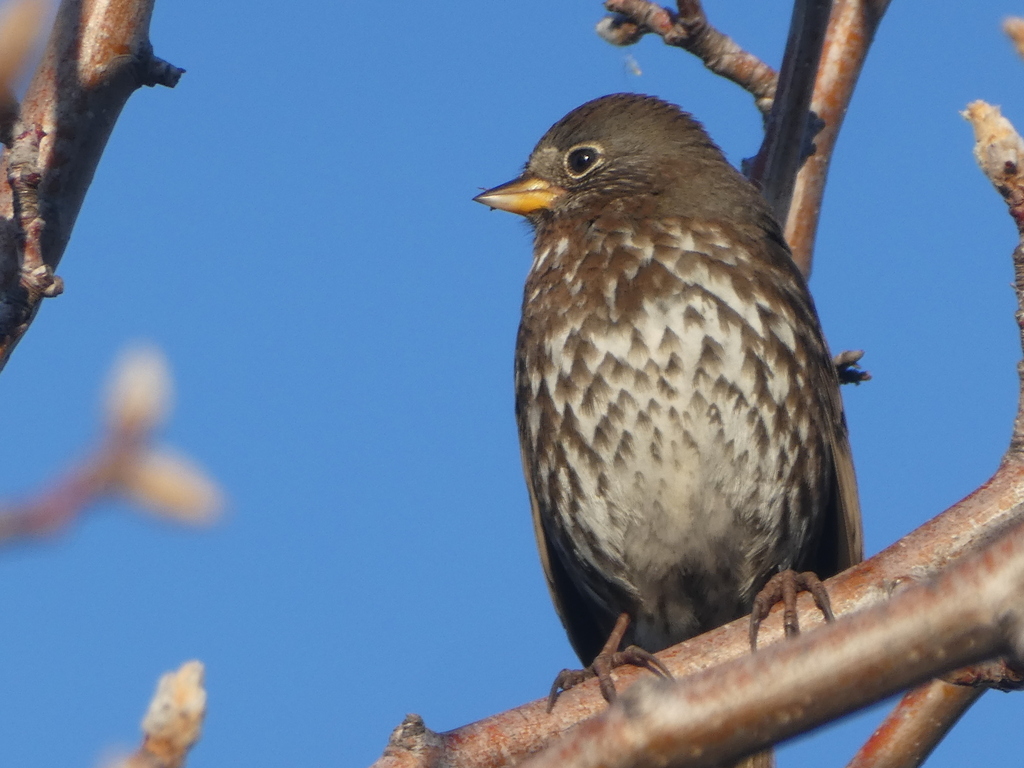
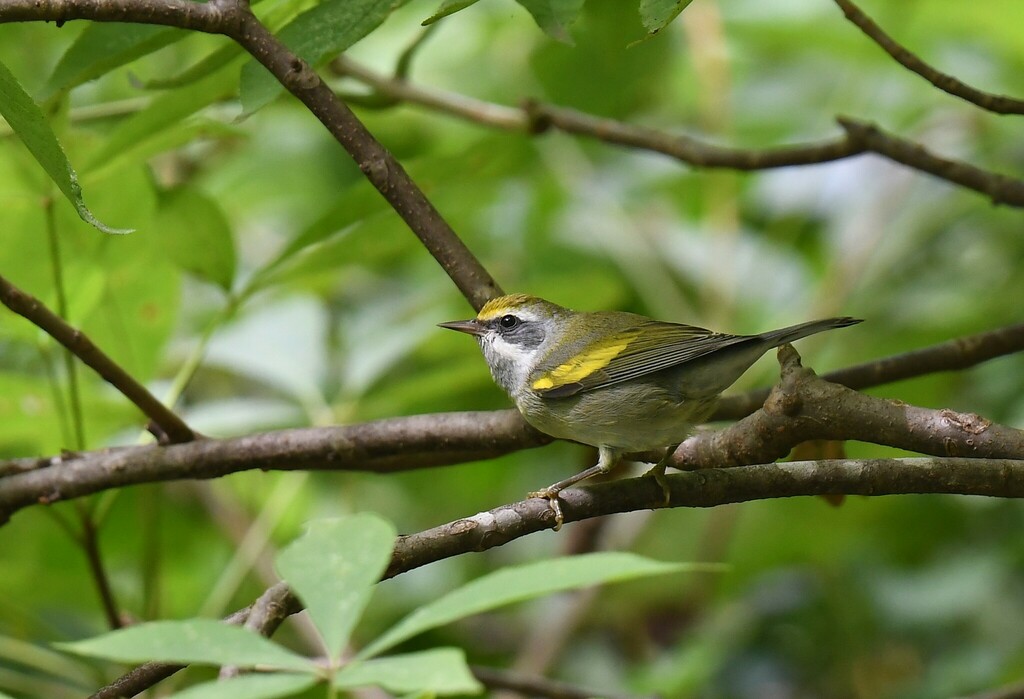



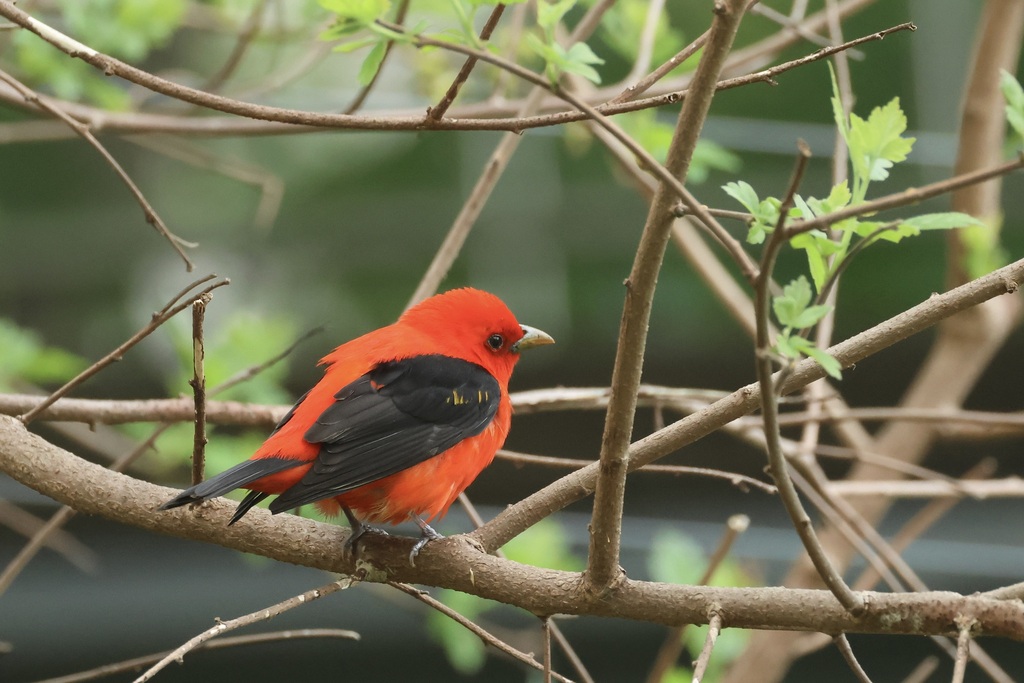



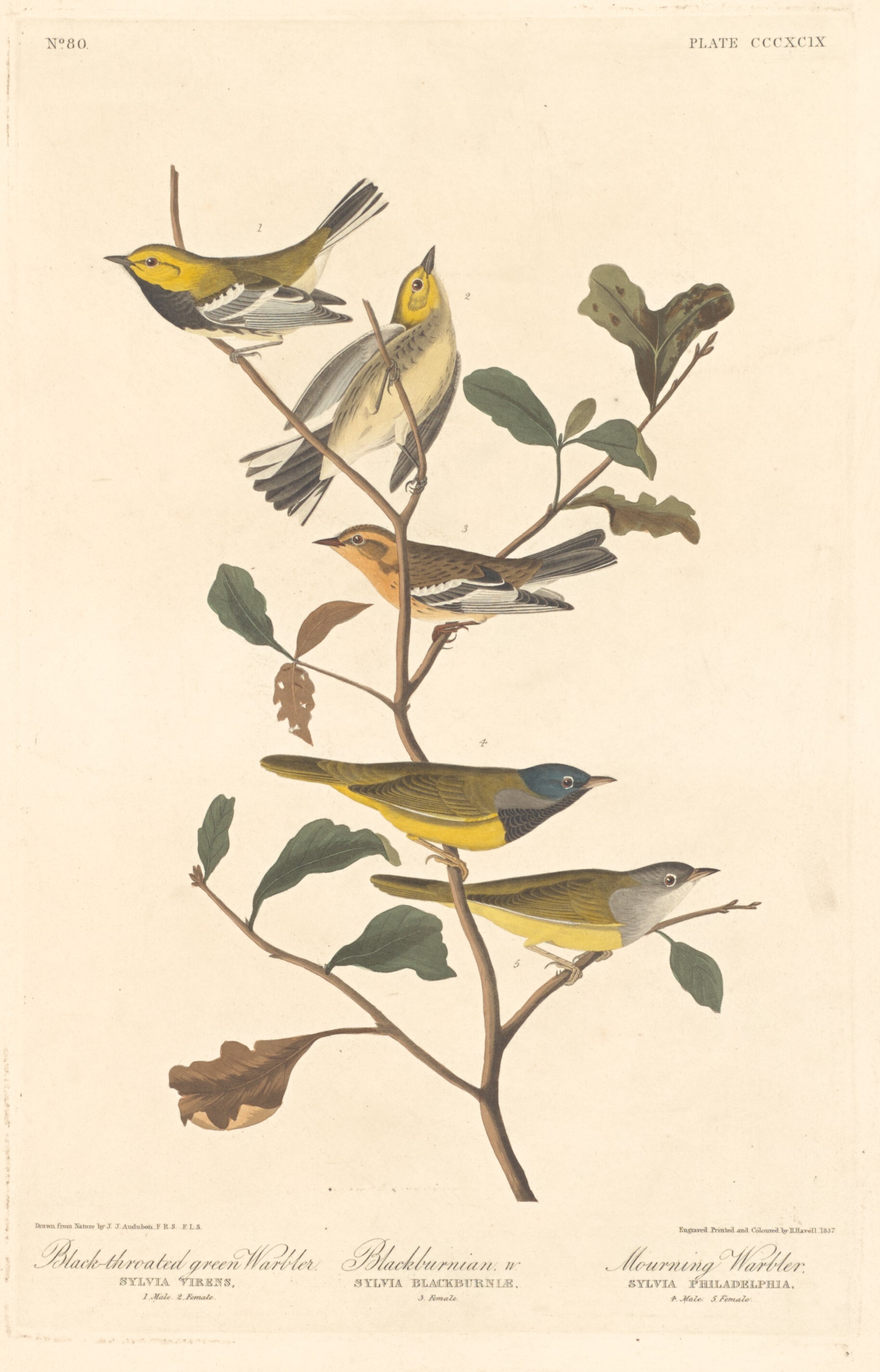



Who uses this plant?
 80CaterpillarsGenus host records with ranges including VA
Genus host records with ranges including VA · Tsuga
- Acleris varianaEastern Blackheaded Budworm
- Amorbia humerosanaWhite-Lined Leafroller Moth
- Anavitrinella pampinariaCommon Gray, Cranberry Spanworm
- Anticlea vasiliataVariable Carpet
- Argyrotaenia occultanaFall Spruce Needle Moth
- Argyrotaenia pinatubanaPine Tube Moth
- Argyrotaenia tabulanaLodgepole Needletier
- Argyrotaenia velutinanaRed-Banded Leafroller Moth, Jack Pine Tube Moth
- Callophrys gryneusOlive Hairstreak, Juniper Hairstreak, Nelson's Hairstreak
- Campaea perlataPale Beauty, Fringed Looper
Show all 80
- Caripeta divisataGray Spruce Looper Moth
- Chloropteryx tepperariaAngled-Winged Emerald
- Choristoneura fumiferanaSpruce Budworm Moth
- Choristoneura rosaceanaOblique-Banded Leafroller Moth, Rosaceous Leaf Roller
- Cladara limitariaMottled Gray Carpet, Yellow-Lined Conifer Looper, Yellow-Lined Forest Looper, Black-Angled Wave
- Coleotechnites apicitripunctellaGreen Hemlock Needleminer Moth
- Dasychira plagiataNorthern Conifer Tussock Moth
- Dasychira vagansVariable Tussock Moth
- Dysstroma citrataDark Marbled Carpet
- Eacles imperialisImperial Moth, Imperial Spiny Caterpillar
- Ectropis crepusculariaThe Small Engrailed, Saddleback Looper
- Elaphria versicolorVariegated Midget
- Epinotia radicanaRed-Striped Needleworm Moth
- Epirrita autumnataThe Autumnal Moth, November Moth
- Eucopina tocullionanaWhite Pine Cone Borer
- Eufidonia notatariaPowder Moth
- Eulithis propulsataCurrant Eulithis
- Eupithecia palpataSmall Pine Looper, Palpata Pug
- Euplexia benesimilisAmerican Angle Shades
- Eutrapela clematariaCurved-Tooth Geometer, Purplish Brown Looper
- Feralia comstockiComstock's Sallow
- Feralia jocosaJocose Sallow, The Joker
- Hesperumia sulphurariaSulphur Moth
- Hyalophora cecropiaCecropia Silkmoth, Cecropia Moth
- Hydriomena divisariaBlack-Dashed Hydriomena, Transverse-Banded Looper
- Hydriomena renunciataRenounced Hydriomena
- Hypagyrtis piniataPine Measuringworm Moth, Pine Variant
- Iridopsis ephyrariaPale-Winged Gray
- Iridopsis humariaSmall Purplish Gray
- Lambdina fervidariaCurve-Lined Looper Moth
- Lambdina fiscellariaHemlock Looper, Western Oak Looper
- Lambdina pellucidariaYellow-Headed Looper, Eastern Pine Looper
- Lithophane innominataNameless Pinion
- Macaria bisignataRed-Headed Inchworm
- Macaria fissinotataHemlock Angle
- Macaria signariaPale-Marked Angle, Spruce-Fir Looper, Dusky Peacock
- Melanolophia canadariaCanadian Melanolphia, Variable Redmarked Looper
- Metalectra quadrisignataFour-Spotted Fungus Moth, 4-Spotted Fungus Moth
- Morrisonia latexFluid Arches, Fluid Mamestra
- Nematocampa resistariaFilament Bearer, Horned Spanworm Moth
- Nemoria mimosariaWhite-Fringed Emerald
- Nepytia canosariaFalse Hemlock Looper Moth, Evergreen Span Worm
- Nepytia semiclusariaPine Conelet Looper
- Orgyia leucostigmaWhite-Marked Tussock Moth
- Orthosia hibisciSpeckled Green Fruitworm Moth, Speckled Green Quaker
- Orthosia rubescensRuby Quaker
- Palthis angulalisDark-Spotted Palthis
- Panthea acronyctoidesBlack Zigzag, Tufted Spruce Caterpillar
- Panthea furcillaEastern Panthea, Tufted Pine Panthea
- Paralobesia palliolanaSpruce Mlcromoth
- Pero morrisonariaMorrison's Pero
- Phlogophora periculosaBrown Angle Shades
- Plagodis fervidariaFervid Plagodis
- Plagodis pulverariaAmerican Barred Umber, Barred Umber
- Prochoerodes lineolaLarge Maple Spanworm Moth
- Protoboarmia porcelariaPorcelain Gray, Dashedlined Looper
- Spiramater lutraDarling Mamestra, Splashed Arches, Otter Spiramater, Otter Arches
- Syngrapha aliasSpruce Looper, Hooked Silver Y
- Syngrapha rectangulaSalt-and-Pepper Looper Moth
- Tetracis cachexiataWhite Slant-Line
- Thyridopteryx ephemeraeformisEvergreen Bagworm Moth
- Tolype laricisLarch Tolype, Larch Lappet Moth
- Xanthorhoe labradorensisLabrador Carpet, Packard’s Carpet
- Xestia badicollisWhite Pine Cutworm, Northern Variable Dart, White Pine Dart, Northern Pine Dart
- Xestia elimataSouthern Variable Dart, Southern Pine Dart
- Xestia praeviaEarly Conifer Dart, Praevia Dart
- Zanclognatha cruralisEarly Zanclognatha, Early Fan-Foot
- Zanclognatha dentataToothed Zanclognatha, Toothed Fan-Foot
- Apotomops wellingtoniana
- Dahlica walshella
 1BeesSoutheastern regional records
Southeastern regional records · Tsuga
Individual names are not available yet.
Noori, Seltmann & Orr 2026, A curated and integrated dataset for exploring global bee-plant interactions (GloBI), Zenodo, CC BY 4.0 0Specialist beesPollen specialists
 3BirdsRecorded genus food-resource interactions; not a state feeding claim
Recorded genus food-resource interactions; not a state feeding claim · Tsuga
- Loxia curvirostraRed Crossbill
- Loxia leucopteraWhite-winged Crossbill
- Meleagris gallopavoWild Turkey
Direct food only: birds recorded eating this genus across North America. Caterpillars on host plants also feed nesting birds. NC Native Plant Society: butterfly gardening
No records yet · Ants · Beetles · Flies · Adult butterflies / moths · Other wasps · Other insects
Plant details
- Family
- Pinaceae
- Hardiness
- Zones 3a–7b
- Soil pH
- Acidic
- Flower color
- Yellow
- Growth rate
- Slow
- Growth habit
- Single stem
- Foliage color
- Dark green
- Fruit begins
- September
- Fruit ends
- November
Growing sources and scope
- Bloom · “March to April” · Weakley, Flora of the Southeastern United States (2025), Carolinas & Georgia edition (ranked first; USDA PLANTS differs) · Carolinas and Georgia
- Flower color · “Yellow” · USDA PLANTS · Nationwide species characteristics; local growing conditions may vary
- Foliage color · “Dark green” · USDA PLANTS · Nationwide species characteristics; local growing conditions may vary
- Fruit begins · “September” · Weakley, Flora of the Southeastern United States (2025), Carolinas & Georgia edition (ranked first; USDA PLANTS differs) · Carolinas and Georgia
- Fruit ends · “November” · Weakley, Flora of the Southeastern United States (2025), Carolinas & Georgia edition (ranked first; USDA PLANTS differs) · Carolinas and Georgia
- Growth habit · “Single stem” · USDA PLANTS · Nationwide species characteristics; local growing conditions may vary
- Growth rate · “Slow” · USDA PLANTS · Nationwide species characteristics; local growing conditions may vary
- Hardiness · “Zones 3a–7b” · NC Extension Plant Toolbox
- Height · “40–70 feet” · NC Extension Plant Toolbox (ranked first; USDA PLANTS, Minnesota Wildflowers differ)
- Leaves · “Evergreen” · NC Extension Plant Toolbox
- Life cycle · “Woody perennial” · NC Extension Plant Toolbox
- Light · “Dappled sunlight (shade through upper canopy all day); Deep shade (less than 2 hours to no direct sunlight); Partial shade (direct sunlight only part of the day, 2-6 hours)” · NC Extension Plant Toolbox (ranked first; Tennessee Smart Yards, Virginia DCR Piedmont differ)
- Soil · “Moist” · NC Extension Plant Toolbox (ranked first; Tennessee Smart Yards, Virginia DCR Piedmont differ)
- Soil pH · “Acidic” · NC Extension Plant Toolbox
- Spread · “25–35 feet” · NC Extension Plant Toolbox
Also known as
Canada Hemlock
Conservation status
| Virginia rank | S4S5 |
|---|---|
| Global rank | G4G5 |
| VA status | Not verified |
| Federal status | Not verified |
Will it fit your yard?
Check this plant against your county, sun and soil moisture. Conditions are checked in your browser.
Sources
- Digital Atlas of the Virginia Flora
- USDA PLANTS
- Vascular Plants of North Carolina (NC Natural Heritage Program)
- Weakley, Flora of the Southeastern United States (2025)
- NatureServe Explorer
- Shropshire & Tallamy 2025, Lepidoptera of North America north of Mexico, ZooKeys 1261 (ODbL)
- Noori, Seltmann & Orr 2026, A curated and integrated dataset for exploring global bee-plant interactions (GloBI), Zenodo, CC BY 4.0
- Smith, Bachelder, Russell, Morales, Mosher & Seltmann 2024, Bee-Specialization-Modeling v0.6.1 (specialist host table compiled from J. Fowler's pollen specialist bee lists), Zenodo, CC BY 4.0
- Hurlbert, Olsen, Sawyer & Winner 2021, Avian Diet Database, Scientific Data 8: 260 (CC0)
- Narango, Tallamy & Shropshire 2020, Few keystone plant genera support the majority of Lepidoptera species, Nature Communications