

Common Sweetleaf
Symplocos tinctoria
Found in moist bottomland forests, pocosin edges, moist forests, ridgetop pine and oak/pine forests, pine flatwoods, longleaf pine sandhills. Weakley, Flora of the Southeastern United States (2025), Northern Tier edition What its natural habitat tells you
Native to Virginia. How scores work Is it native here?
Profile 100%
- Height
- 15–35 feet
- Spread
- 15–20 feet
- Light
- Deep shade, Full sun, Partial shade
- Soil moisture
- Somewhat dry to moist
Space about 17.5 ft apart from its recorded spread. Enter your bed size for a count
Will it fit your yard?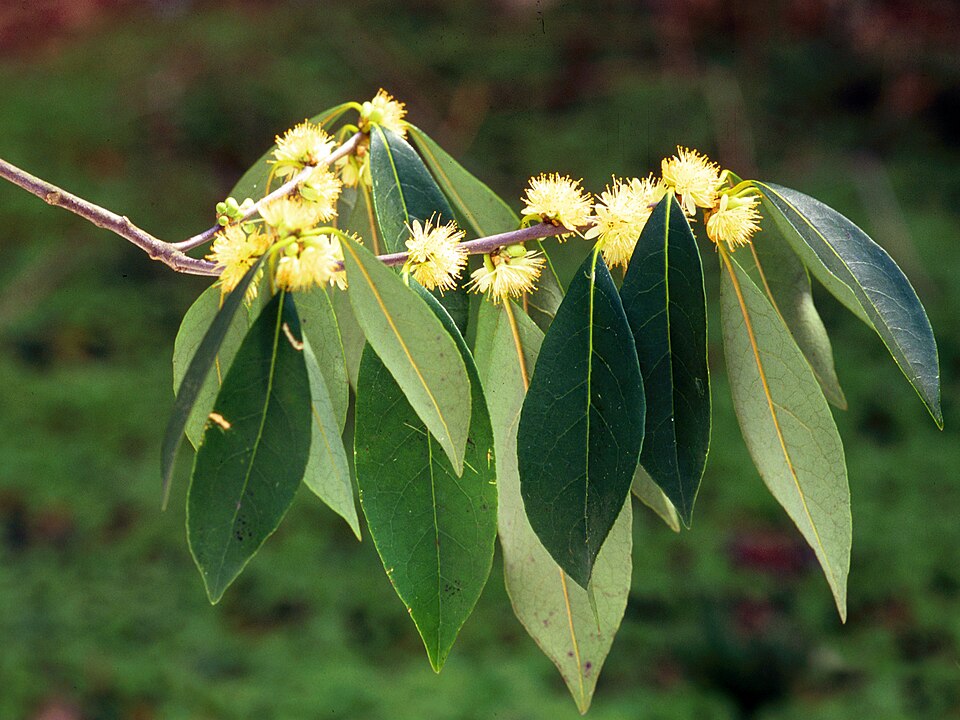
At a glance
- Life cycle
- Woody perennial
- Leaves
- Deciduous or semi-evergreen
- Bloom
- March to May
- Fruiting season
- August to September
Recorded in 32 Virginia counties.
Natural habitats
Places it grows wild. Not a planting requirement. Each habitat page lists the plants and wildlife also found there.
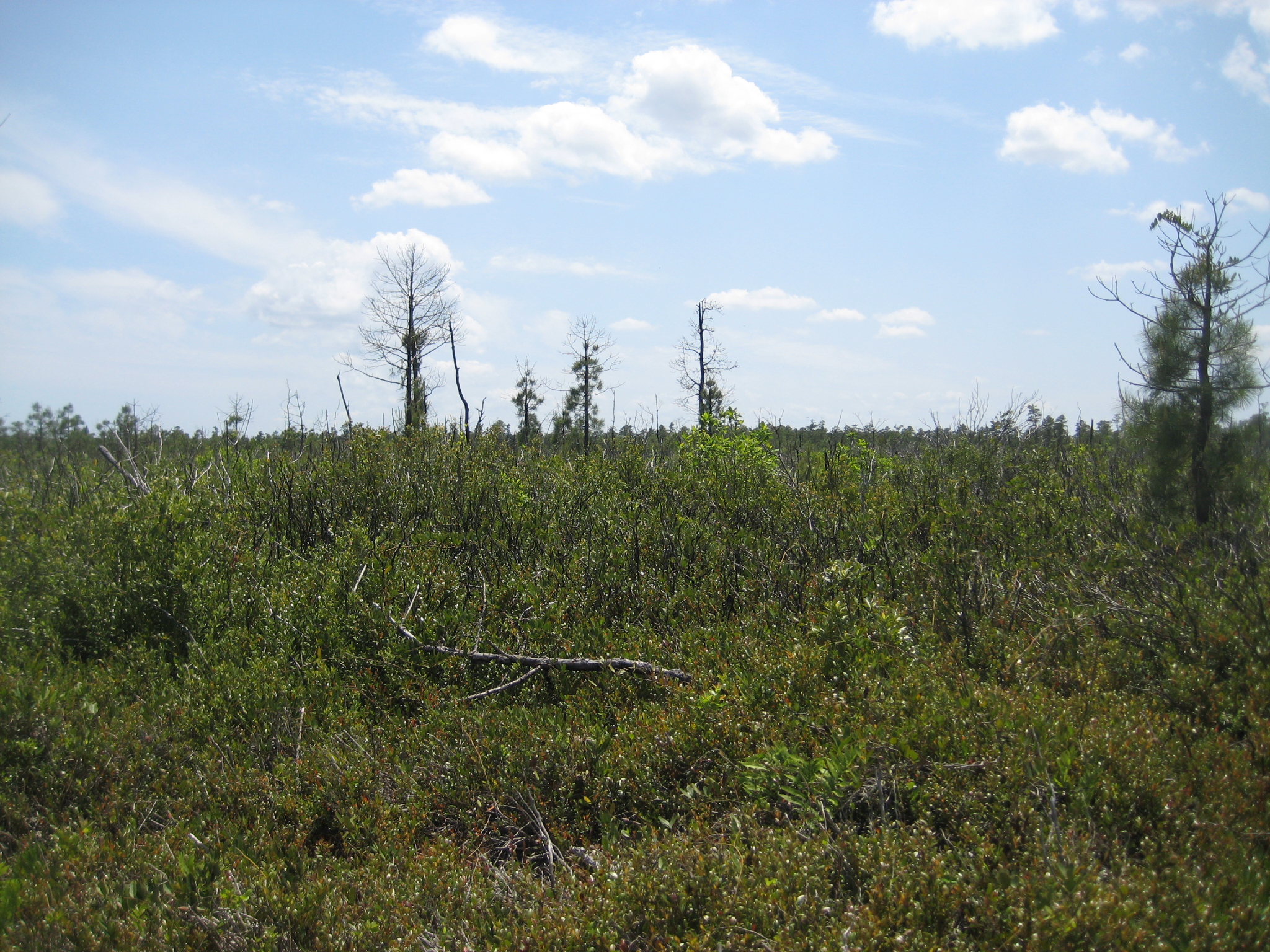
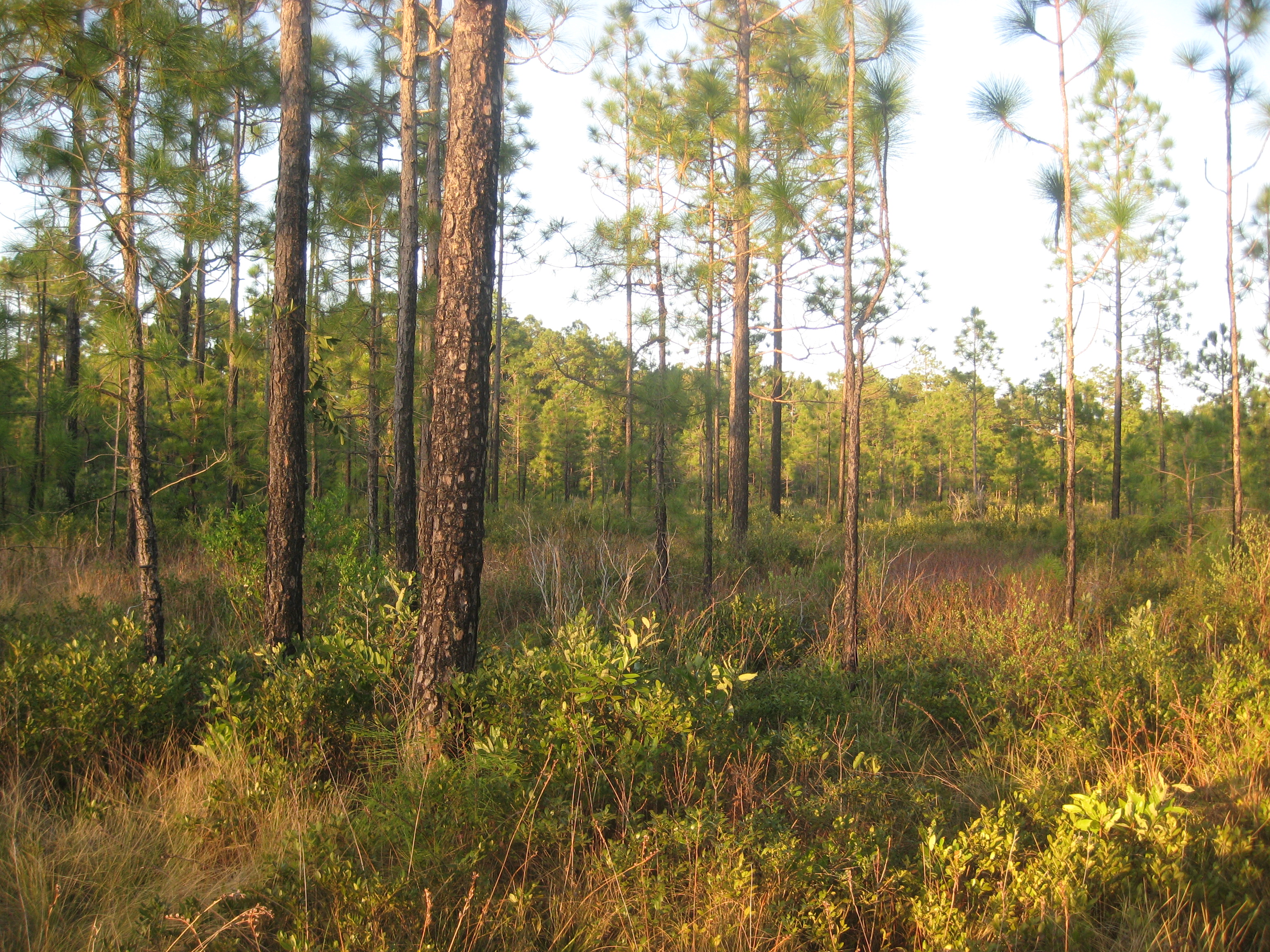
Floodplain and bottomland forests
Forests on low ground beside rivers and streams that flood from time to time.
Forest or woodland where the source does not say how moist or dry.
Dry, deep-sand ridges with longleaf pine and turkey oak, kept open by fire.
Also found with this plant
Wildlife whose habitat models include habitats this plant grows in, in Virginia. Shared habitat, not food. 147 animals.
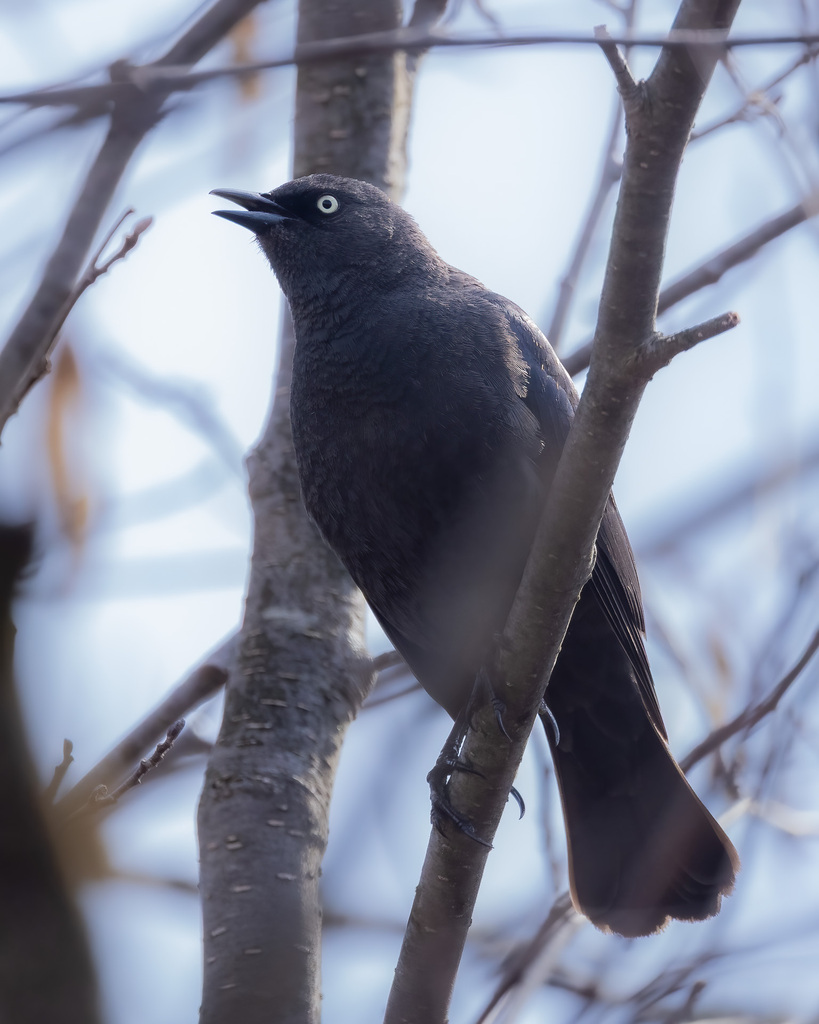
- Rusty BlackbirdEuphagus carolinus
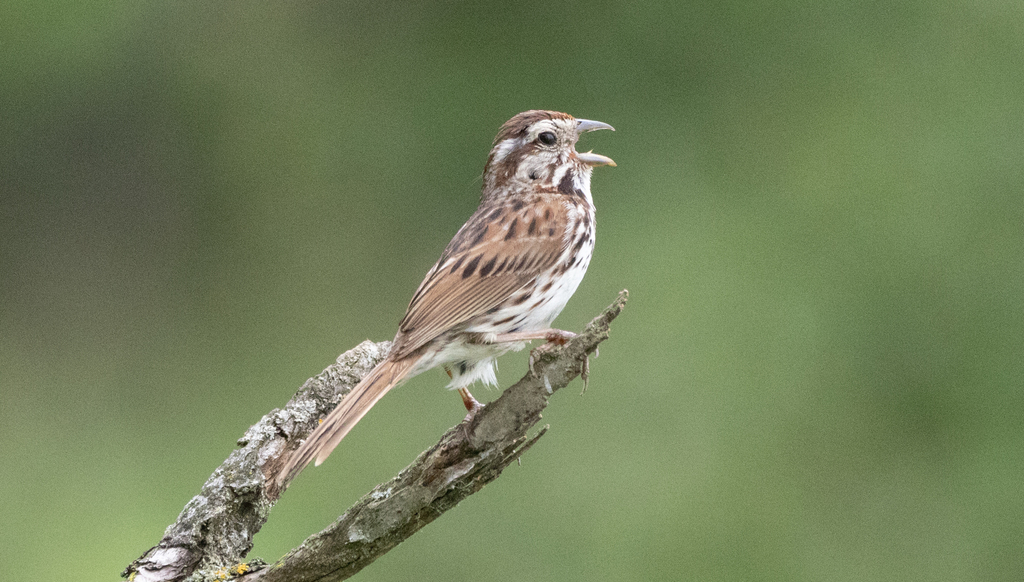
- Song SparrowMelospiza melodia
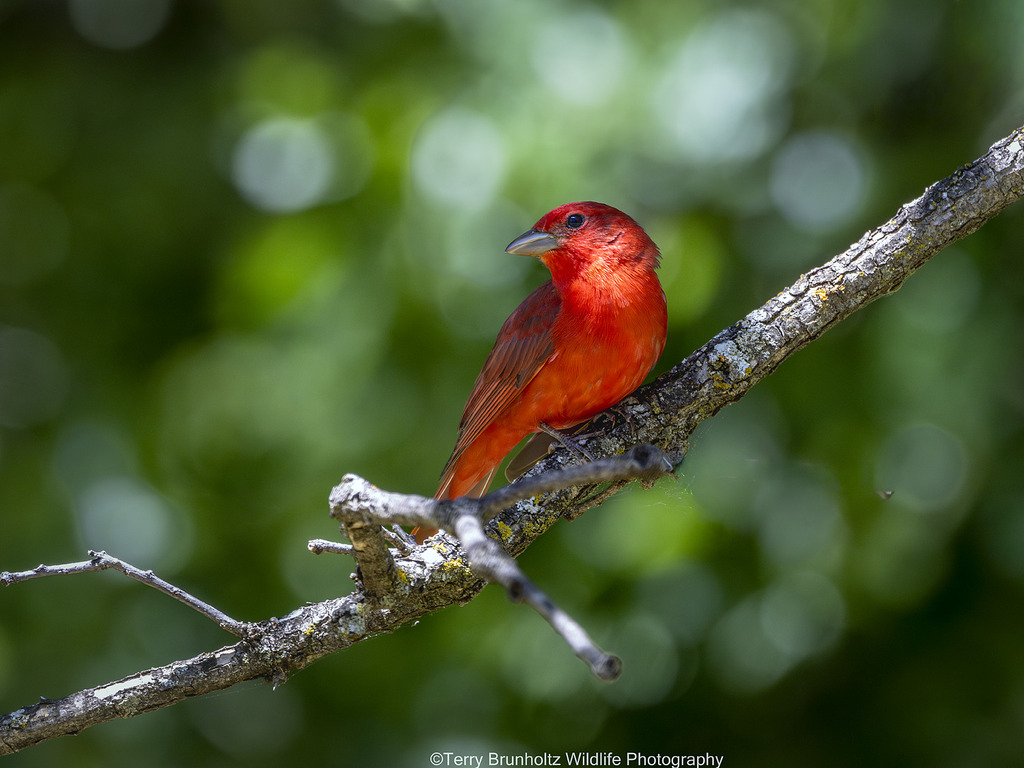
- Summer TanagerPiranga rubra
- Tree SwallowTachycineta bicolor
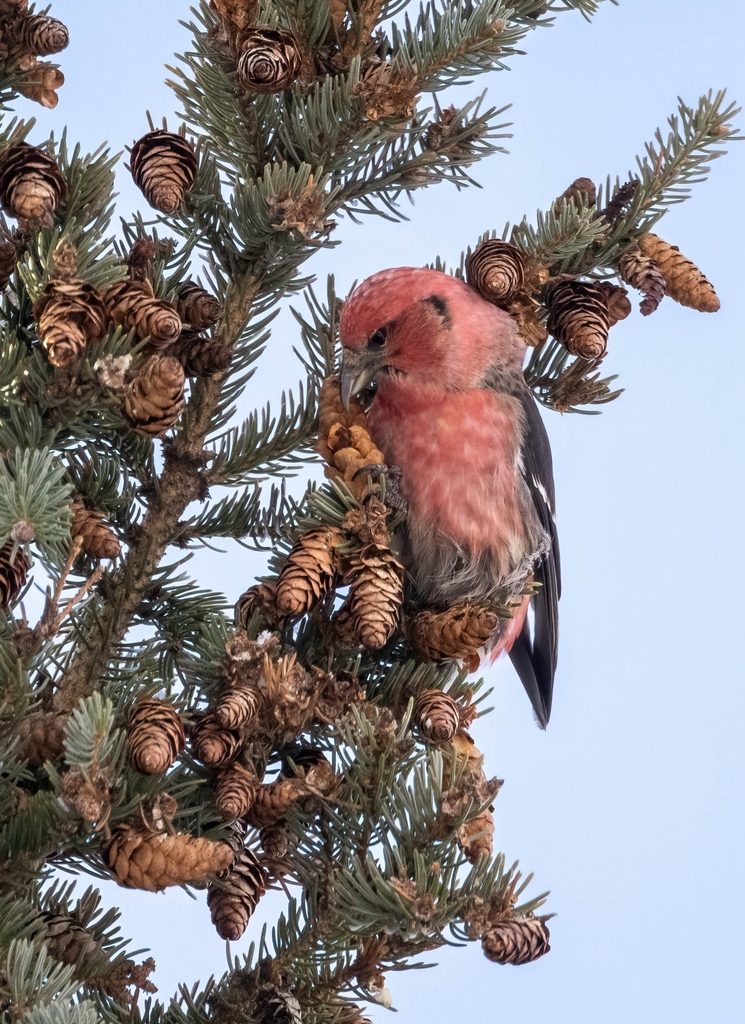
- White-winged CrossbillLoxia leucoptera
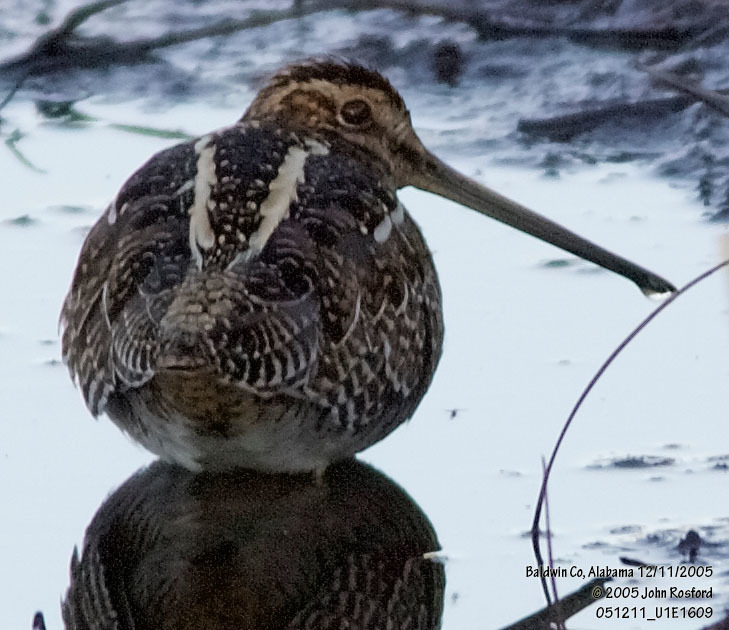
- Wilson's SnipeGallinago delicata
- Wood DuckAix sponsa
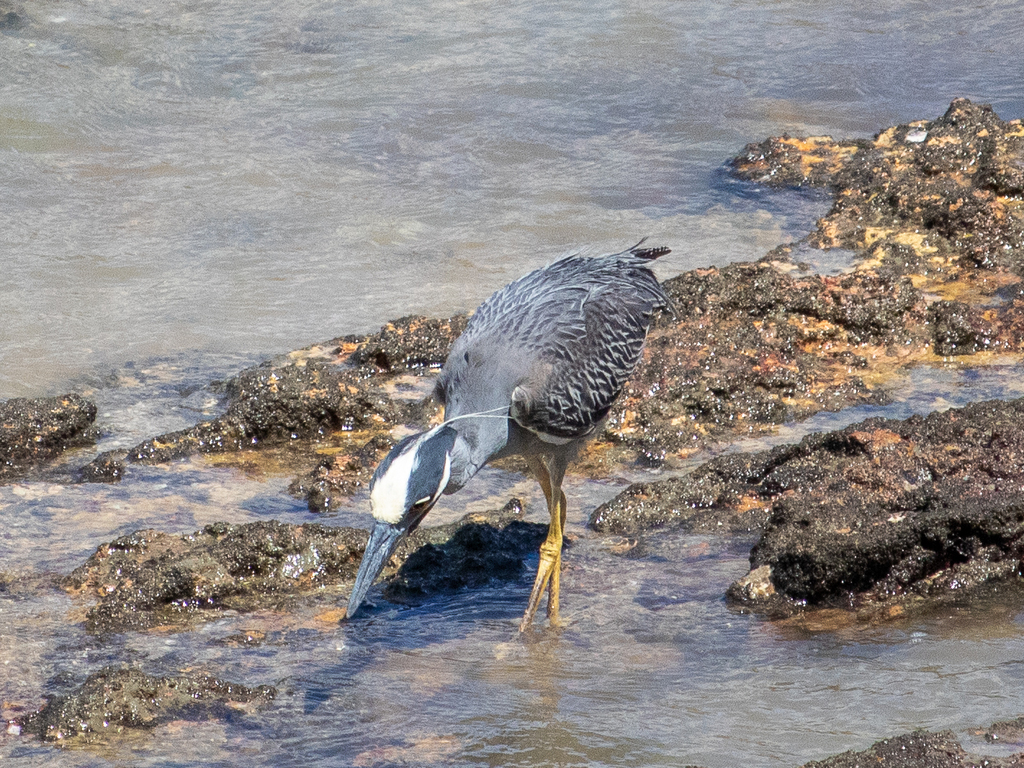
- Yellow-crowned Night-heronNyctanassa violacea
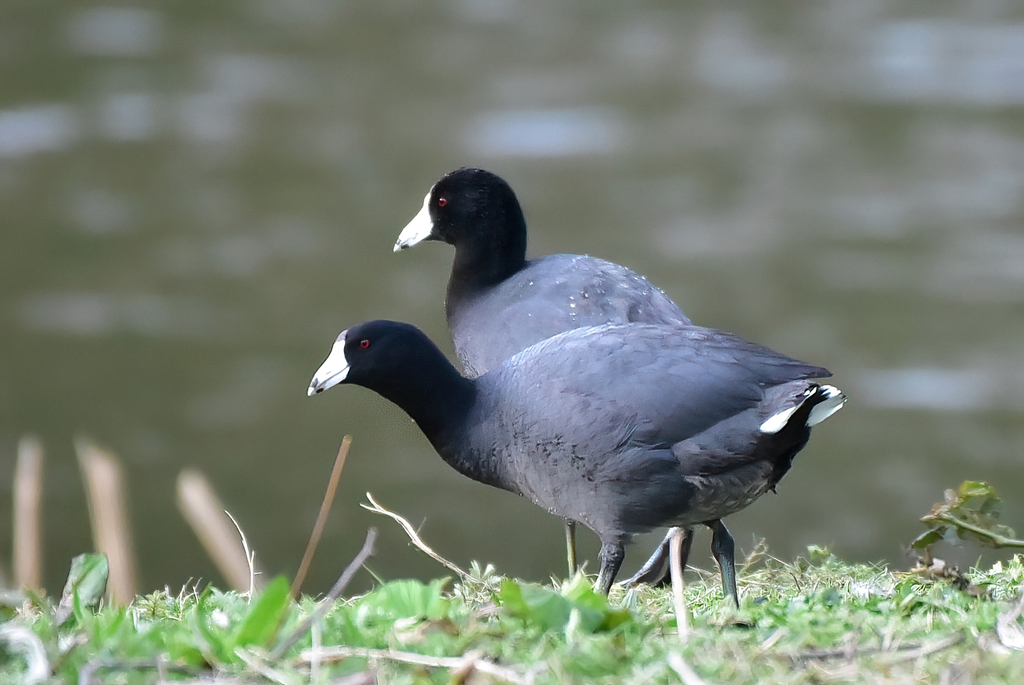
- American CootFulica americana
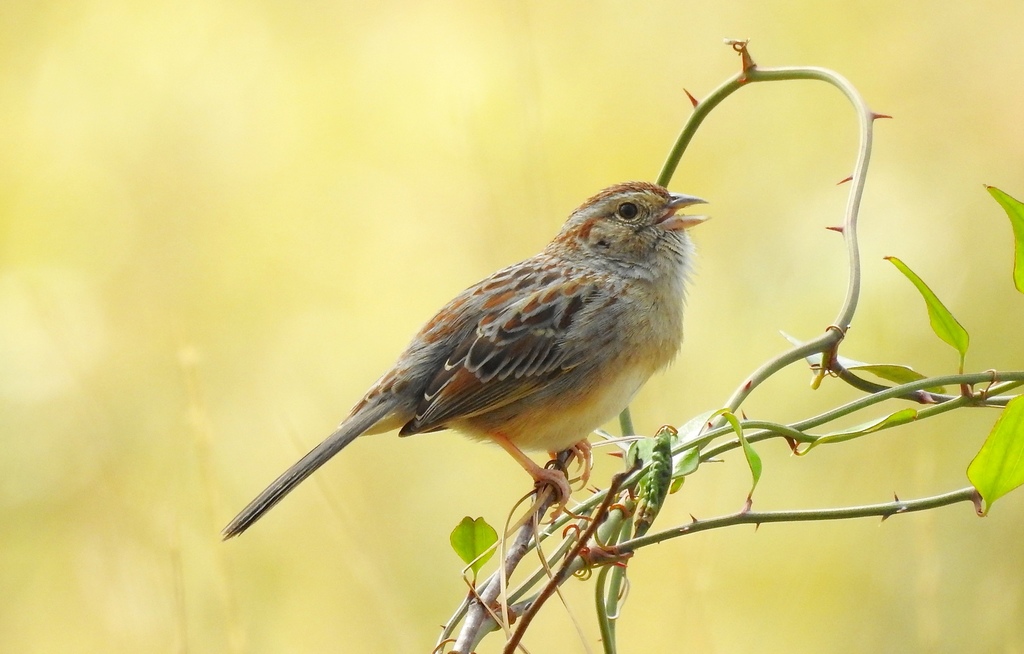
- Bachman's SparrowAimophila aestivalis
- Bank SwallowRiparia riparia
- Blackburnian WarblerDendroica fusca
- Brewer's BlackbirdEuphagus cyanocephalus
- Canada GooseBranta canadensis
- Canada WarblerWilsonia canadensis
- CanvasbackAythya valisineria
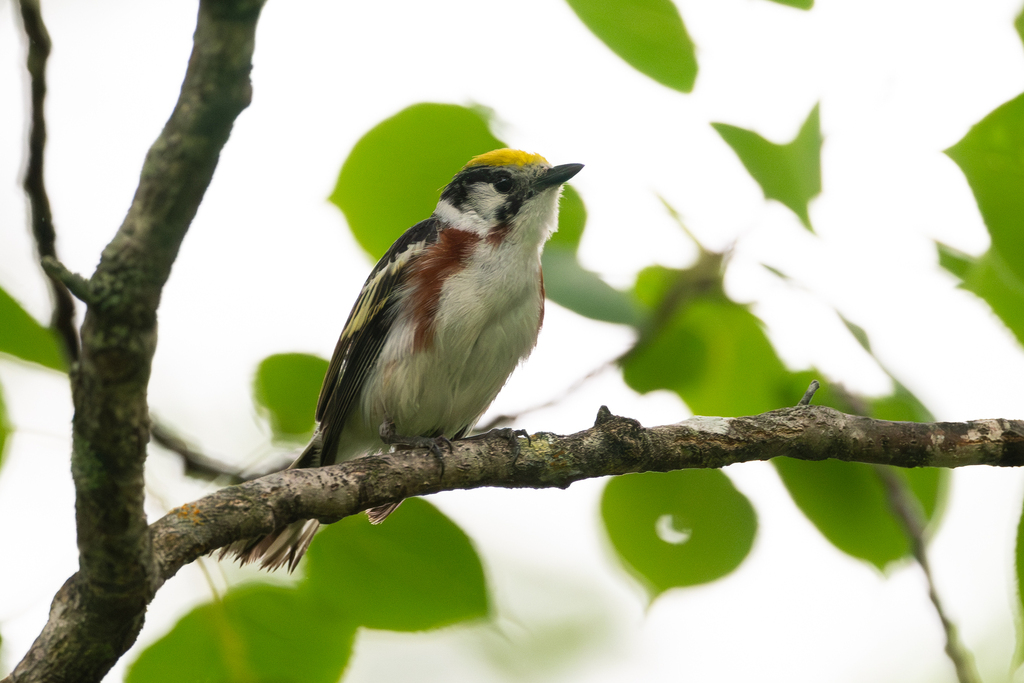
- Chestnut-sided WarblerDendroica pensylvanica
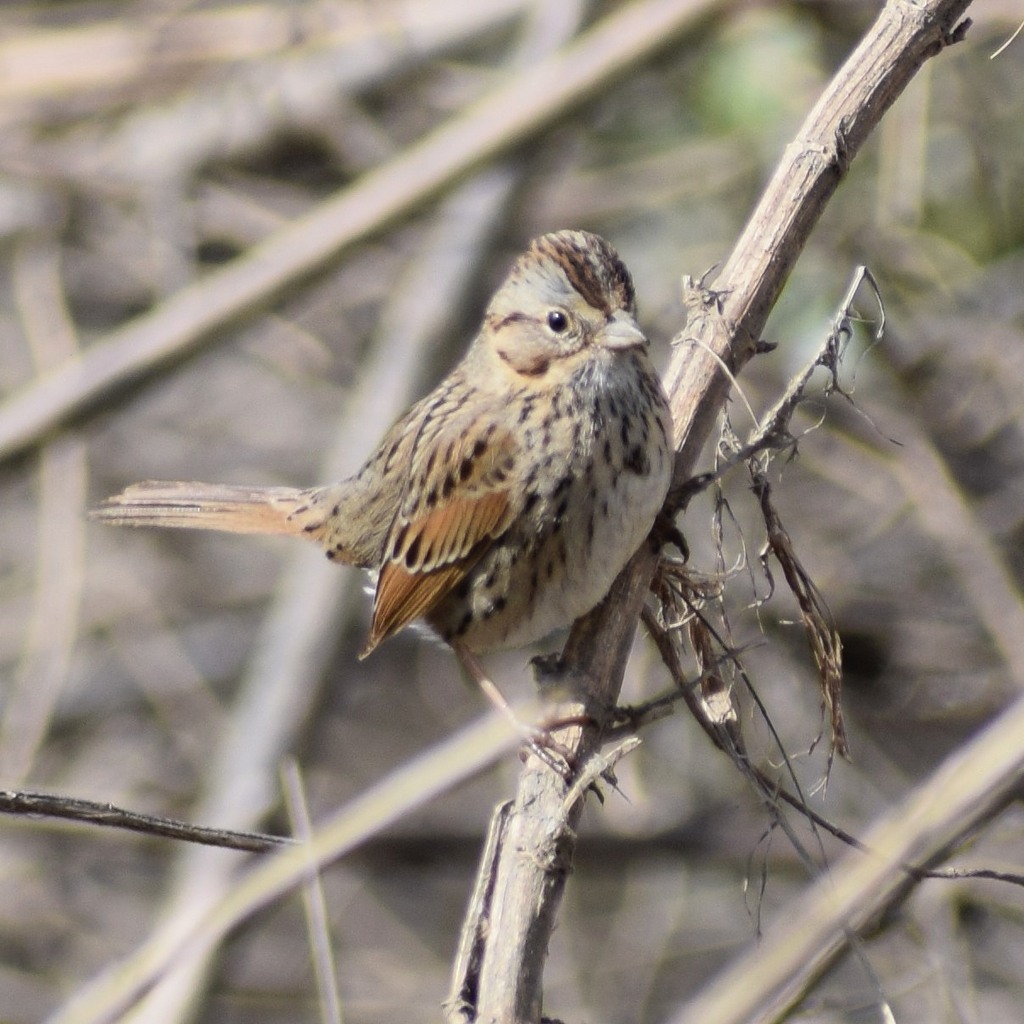
- Lincoln's SparrowMelospiza lincolnii
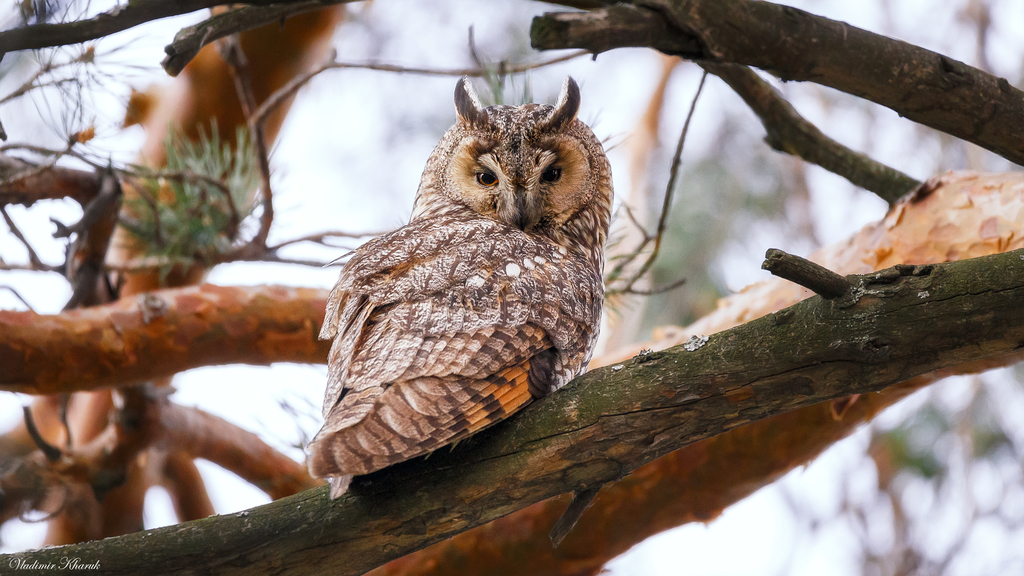
- Long-eared OwlAsio otus
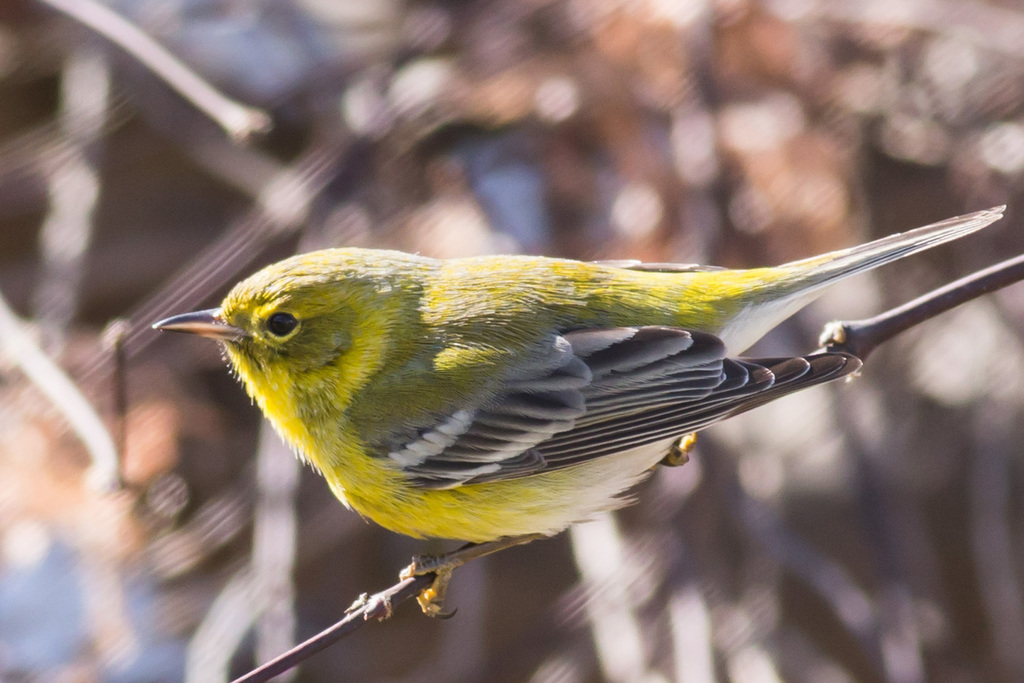
- Pine WarblerDendroica pinus
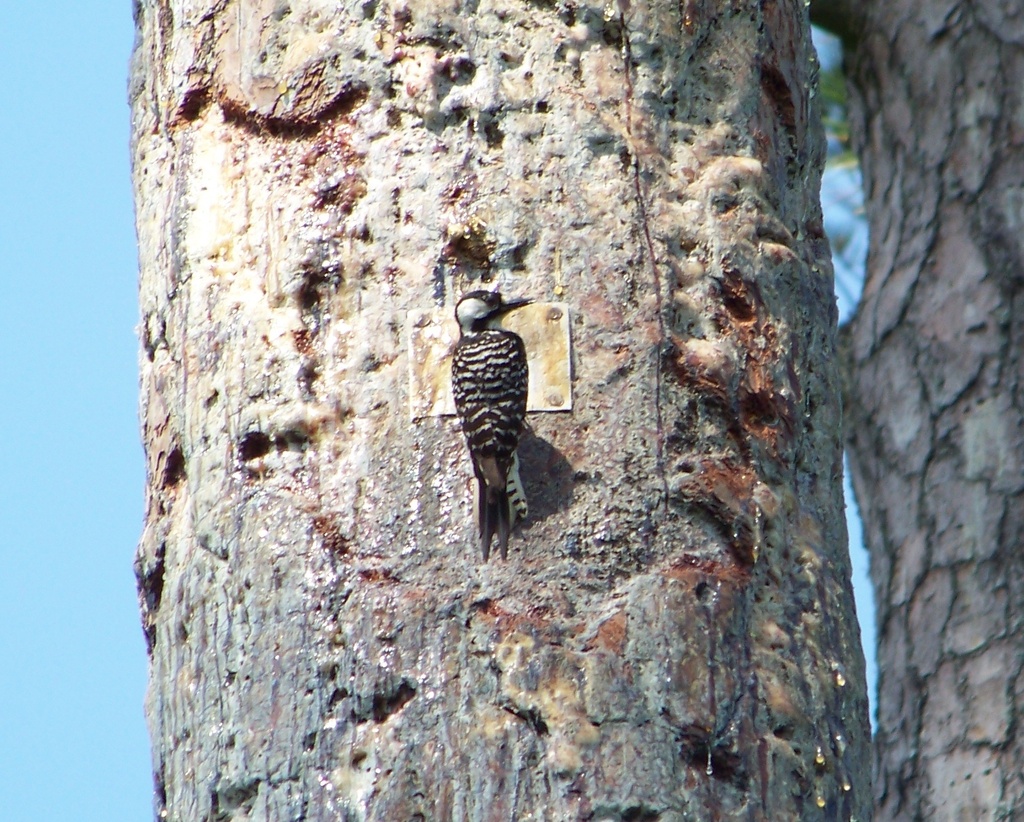
- Red-cockaded WoodpeckerPicoides borealis
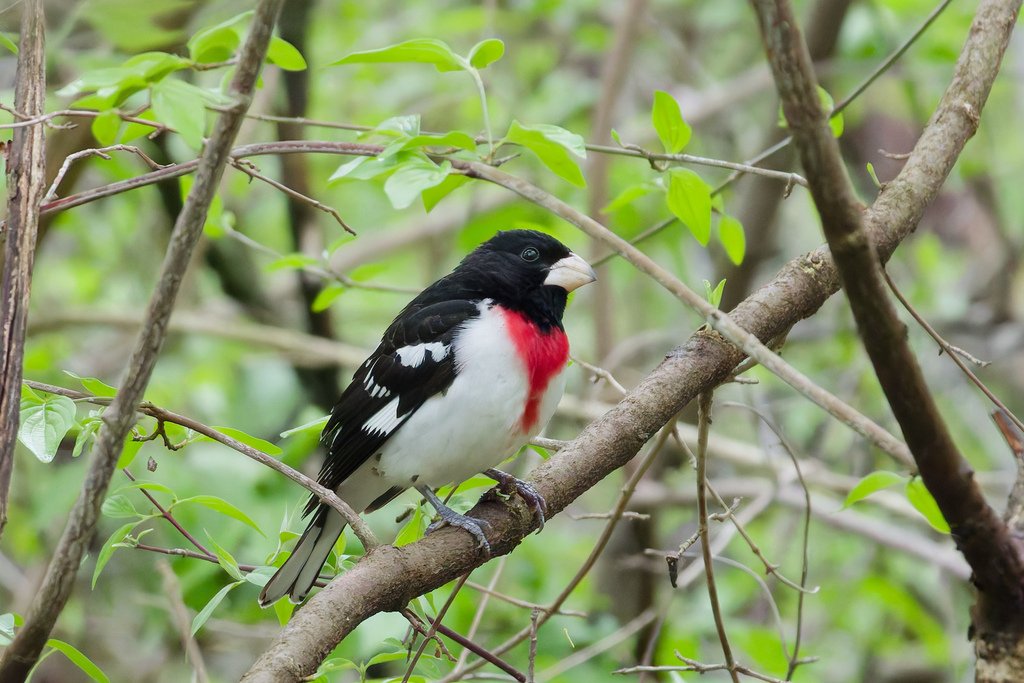
- Rose-breasted GrosbeakPheucticus ludovicianus
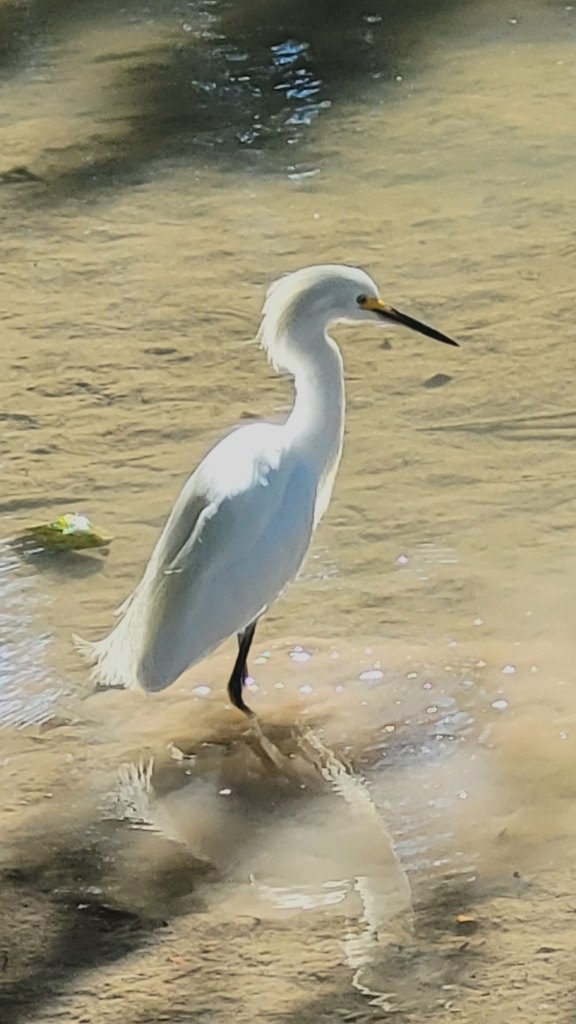
- Snowy EgretEgretta thula
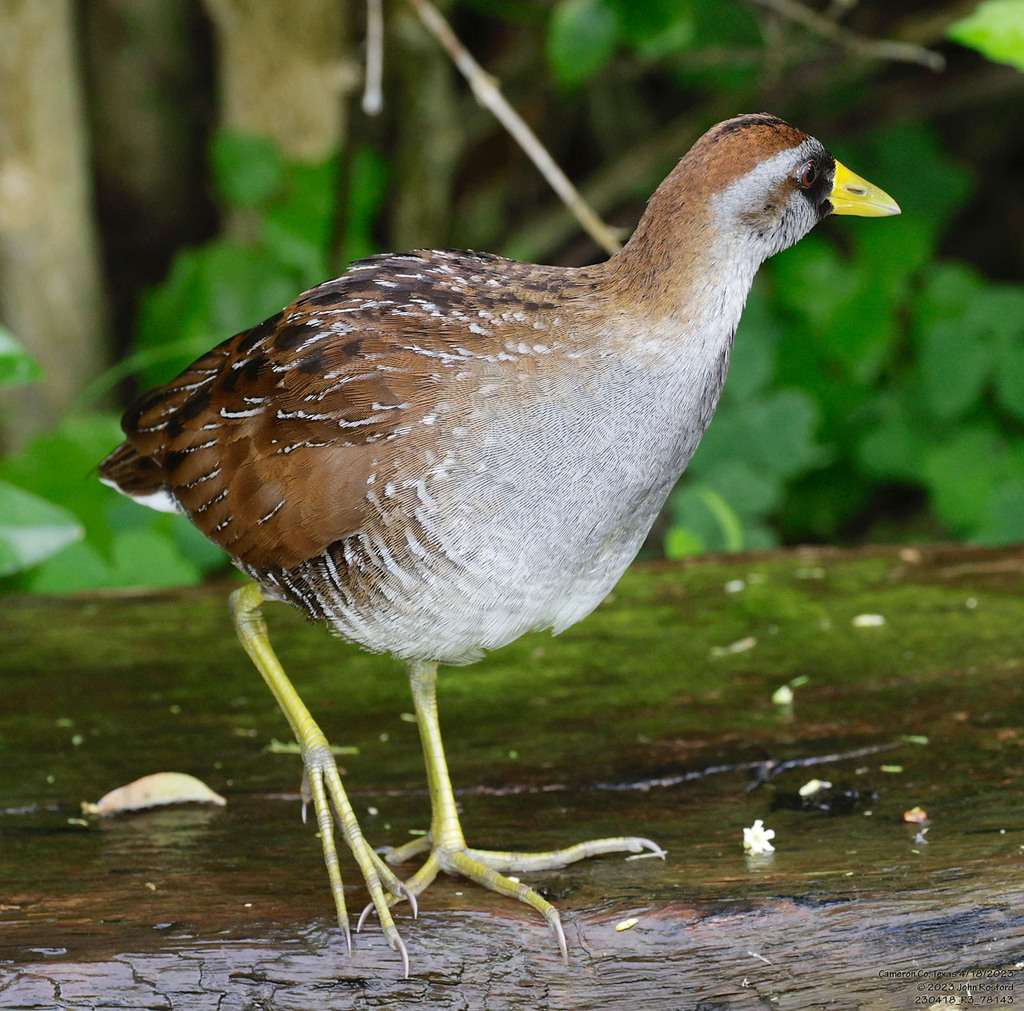
- SoraPorzana carolina



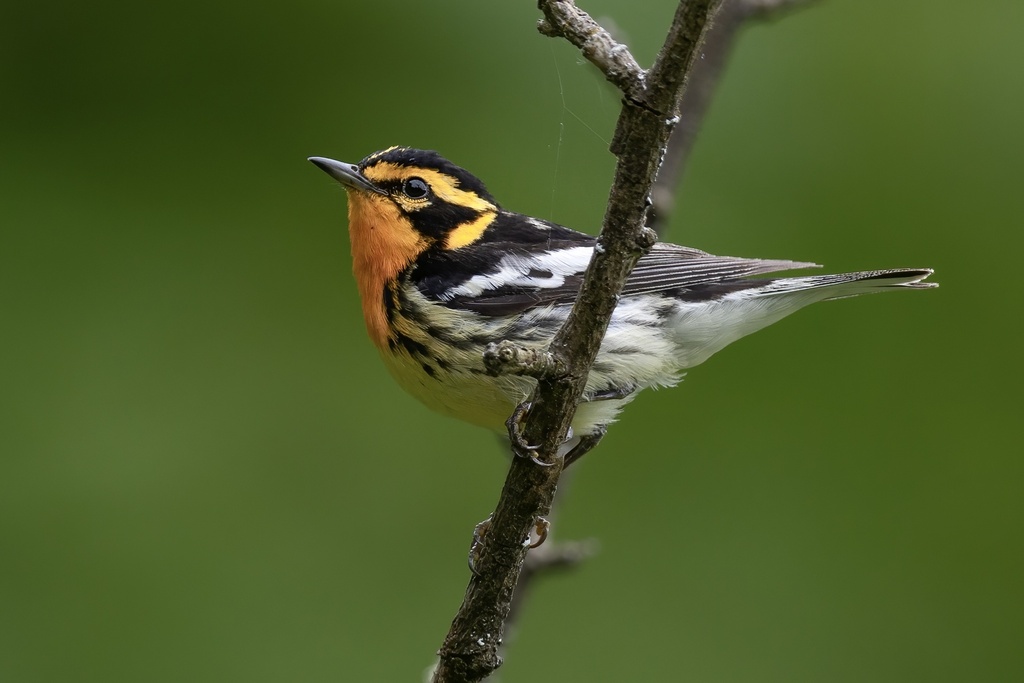
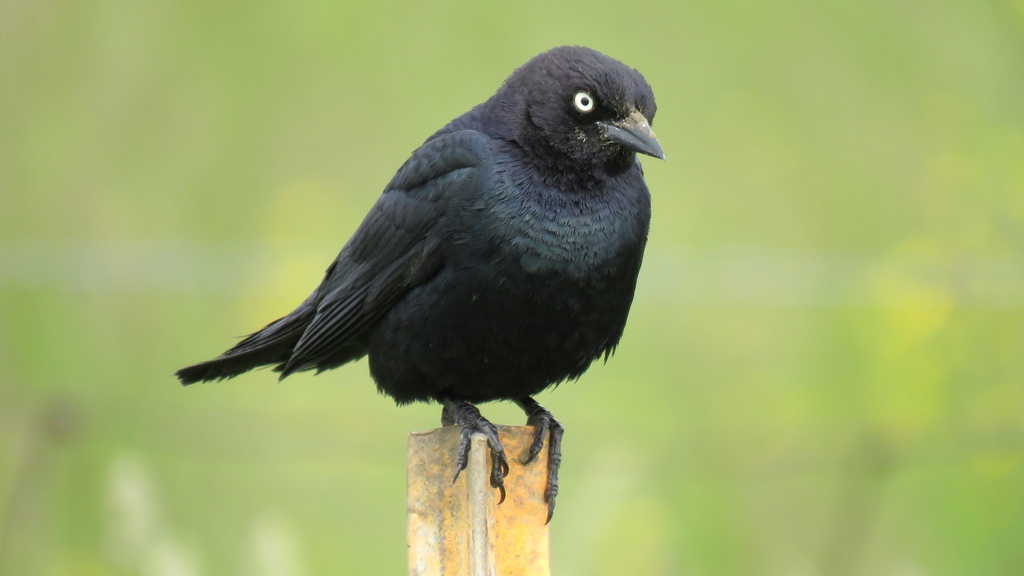

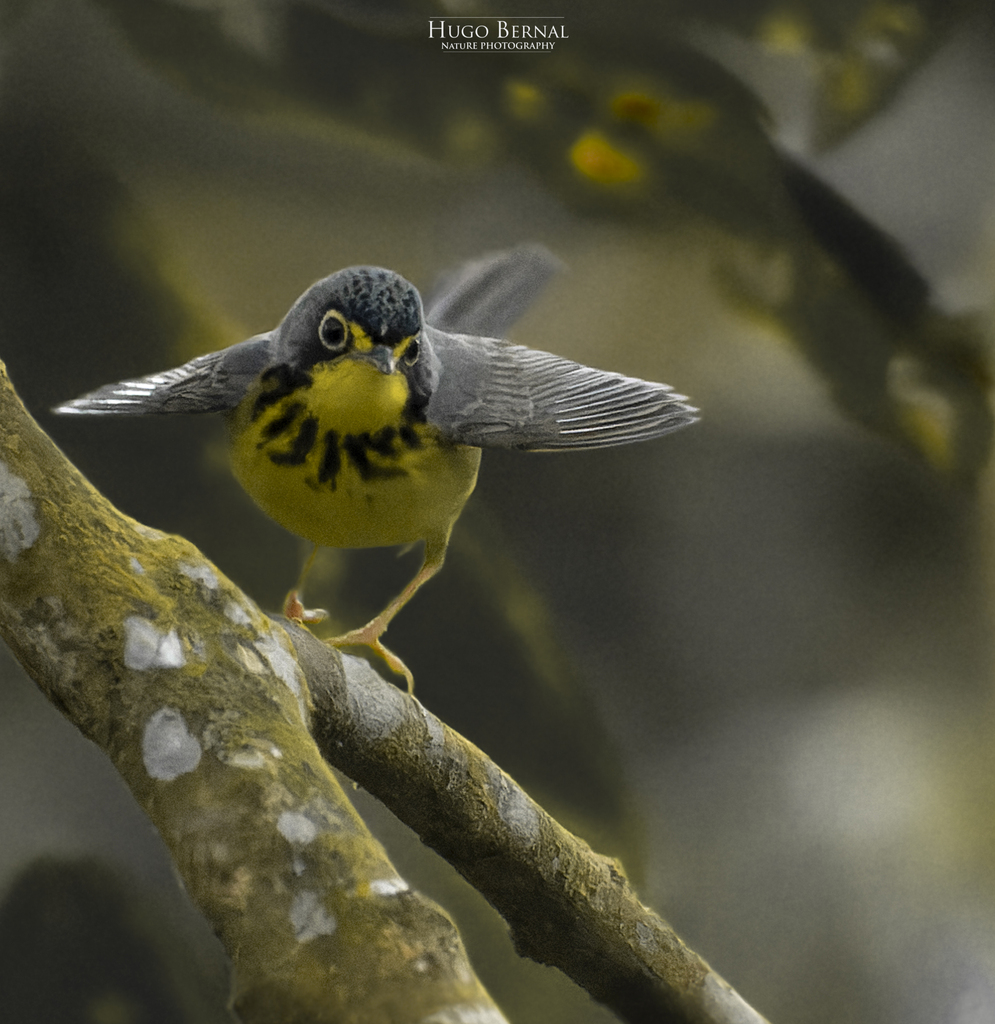
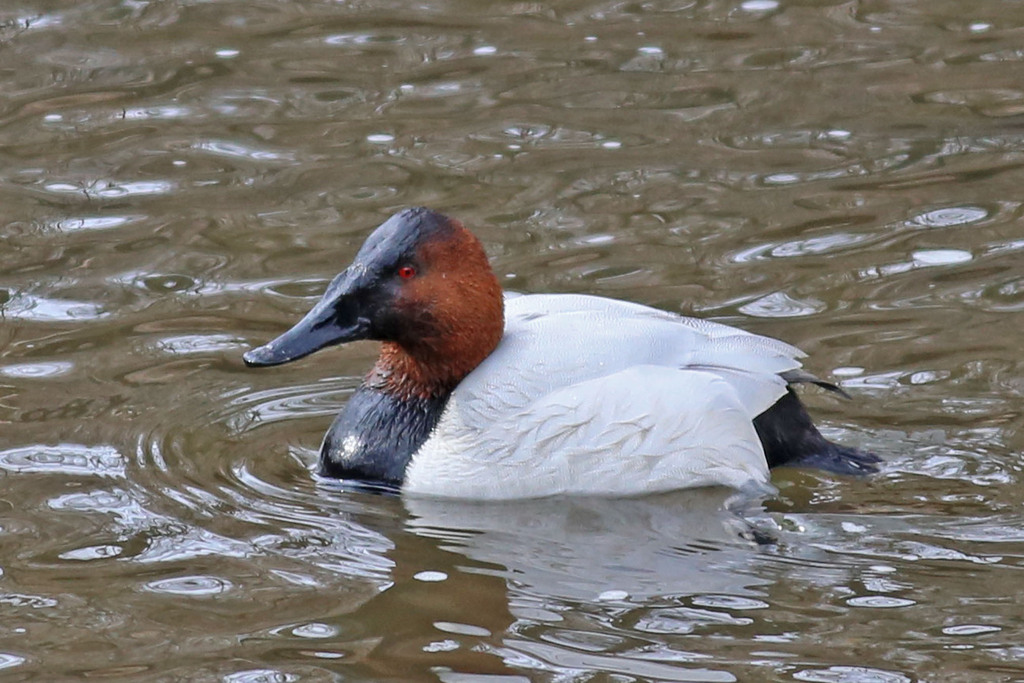

Who uses this plant?
 5CaterpillarsGenus host records with ranges including VA
Genus host records with ranges including VA · Symplocos
- Callosamia prometheaPromethea Silkmoth, Promethea Moth
- Coelodasys unicornisUnicorn Caterpillar Moth
- Epimecis hortariaTulip-Tree Beauty
- Satyrium kingiKing's Hairstreak
- Cenopis lamberti
 4BeesSoutheastern regional records
Southeastern regional records · Symplocos
Individual names are not available yet.
Noori, Seltmann & Orr 2026, A curated and integrated dataset for exploring global bee-plant interactions (GloBI), Zenodo, CC BY 4.0 0Specialist beesPollen specialists
 —BirdsRecorded genus food-resource interactions; not a state feeding claim
No records yet · Ants · Beetles · Flies · Adult butterflies / moths · Other wasps · Other insects
Plant details
- Family
- Symplocaceae
- Hardiness
- Zones 7a–9b
- Soil pH
- Acidic
- Flower color
- Cream or yellow
- Growth rate
- Moderate
- Growth habit
- Spreads by rhizomes
- Foliage color
- Yellow-green
- Fruit begins
- August
- Fruit ends
- September
Safety has not been reviewed for this plant; check toxicity and thorns before planting.
Growing sources and scope
- Bloom · “March to May” · Weakley, Flora of the Southeastern United States (2025), Carolinas & Georgia edition (ranked first; USDA PLANTS differs) · Carolinas and Georgia
- Flower color · “Cream or yellow” · NC Extension Plant Toolbox (ranked first; USDA PLANTS differs)
- Foliage color · “Yellow-green” · USDA PLANTS · Nationwide species characteristics; local growing conditions may vary
- Fruit begins · “August” · Weakley, Flora of the Southeastern United States (2025), Carolinas & Georgia edition (ranked first; USDA PLANTS differs) · Carolinas and Georgia
- Fruit ends · “September” · Weakley, Flora of the Southeastern United States (2025), Carolinas & Georgia edition (ranked first; USDA PLANTS differs) · Carolinas and Georgia
- Growth habit · “Spreads by rhizomes” · USDA PLANTS · Nationwide species characteristics; local growing conditions may vary
- Growth rate · “Moderate” · USDA PLANTS · Nationwide species characteristics; local growing conditions may vary
- Hardiness · “Zones 7a–9b” · NC Extension Plant Toolbox
- Height · “15–35 feet” · NC Extension Plant Toolbox (ranked first; USDA PLANTS differs)
- Leaves · “Deciduous or semi-evergreen” · NC Extension Plant Toolbox
- Life cycle · “Woody perennial” · NC Extension Plant Toolbox
- Light · “Deep shade (less than 2 hours to no direct sunlight); Full sun (6 or more hours of direct sunlight a day); Partial shade (direct sunlight only part of the day, 2-6 hours)” · NC Extension Plant Toolbox
- primary_flower_color · “yellow” · USDA PLANTS
- Soil · “Moist; Occasionally dry” · NC Extension Plant Toolbox
- Soil pH · “Acidic” · NC Extension Plant Toolbox
- Spread · “15–20 feet” · NC Extension Plant Toolbox
Also known as
Horsesugar; Sweetleaf
Conservation status
| Virginia rank | S5 |
|---|---|
| Global rank | G5 |
| VA status | Not verified |
| Federal status | Not verified |
Will it fit your yard?
Check this plant against your county, sun and soil moisture. Conditions are checked in your browser.
Growing cautions
- Spreads by rhizomes. USDA PLANTS lists its growth form as rhizomatous. USDA PLANTS
For planning only; these do not change the score or Fit.
Sources
- Digital Atlas of the Virginia Flora
- USDA PLANTS
- Vascular Plants of North Carolina (NC Natural Heritage Program)
- Weakley, Flora of the Southeastern United States (2025)
- NatureServe Explorer
- Shropshire & Tallamy 2025, Lepidoptera of North America north of Mexico, ZooKeys 1261 (ODbL)
- Noori, Seltmann & Orr 2026, A curated and integrated dataset for exploring global bee-plant interactions (GloBI), Zenodo, CC BY 4.0
- Smith, Bachelder, Russell, Morales, Mosher & Seltmann 2024, Bee-Specialization-Modeling v0.6.1 (specialist host table compiled from J. Fowler's pollen specialist bee lists), Zenodo, CC BY 4.0
- Hurlbert, Olsen, Sawyer & Winner 2021, Avian Diet Database, Scientific Data 8: 260 (CC0)
- Narango, Tallamy & Shropshire 2020, Few keystone plant genera support the majority of Lepidoptera species, Nature Communications