

Celandine-poppy
Stylophorum diphyllum
Native to Virginia. How scores work Is it native here?
Profile 100%
- Height
- 12–14 inches
- Spread
- 9 inches–1 foot
- Light
- Dappled sunlight, Deep shade, Partial shade
- Soil moisture
- Usually moist
Space about 1 ft apart from its recorded spread, about 100 per 100 sq ft. Enter your bed size for a count
Will it fit your yard?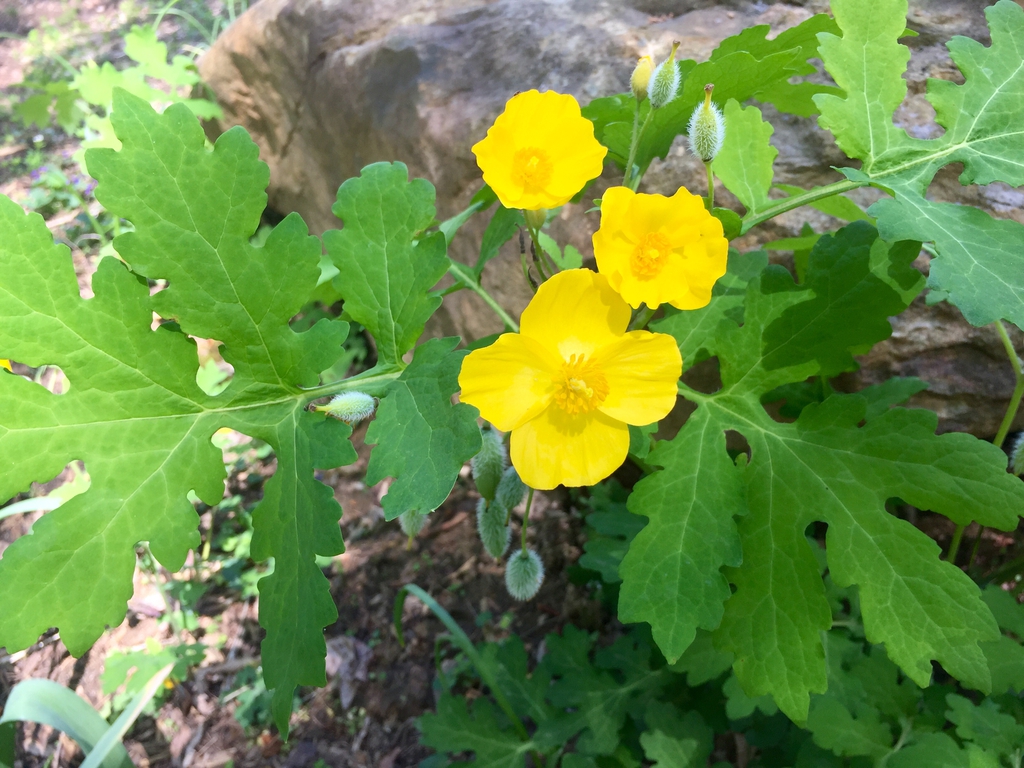
Rare or protected plant. Specialist conservation planting; excluded from routine garden suggestions. Plant caution source
Hidden from default planting suggestions. Wildlife value and native status remain unchanged.
At a glance
- Life cycle
- Perennial
- Bloom
- April to May
- Fruiting season
- Summer to fall
Not yet recorded · Leaves
Recorded in 9 Virginia counties.
Also found with this plant
Wildlife whose habitat models include habitats this plant grows in, in Virginia. Shared habitat, not food. 110 animals.
- Carolina ChickadeePoecile carolinensis
- Carolina WrenThryothorus ludovicianus
- Cedar WaxwingBombycilla cedrorum
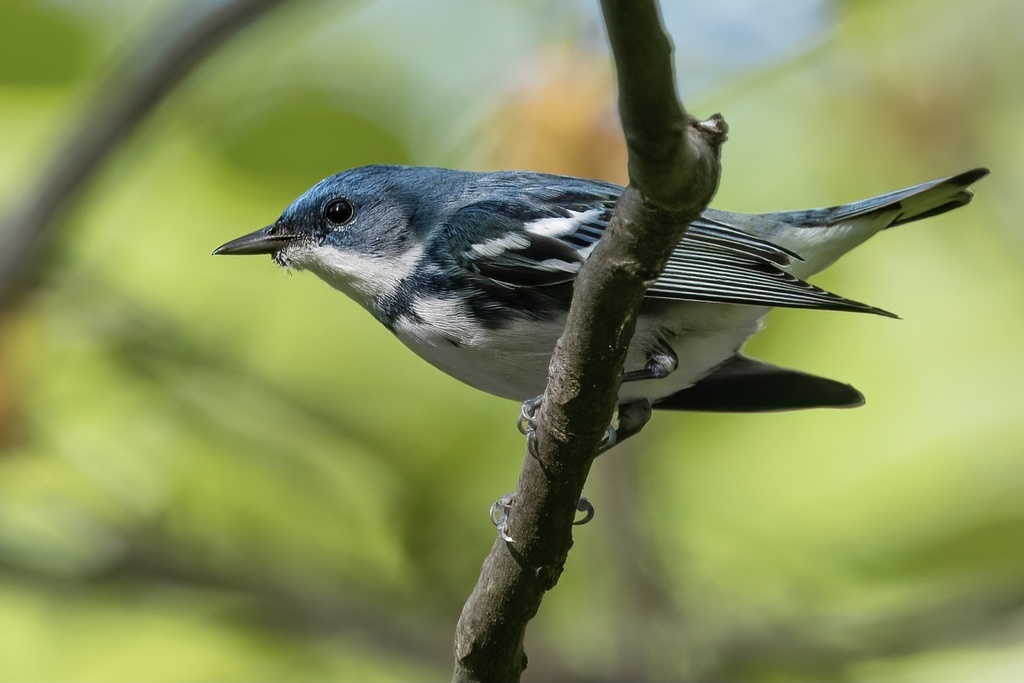
- Cerulean WarblerDendroica cerulea
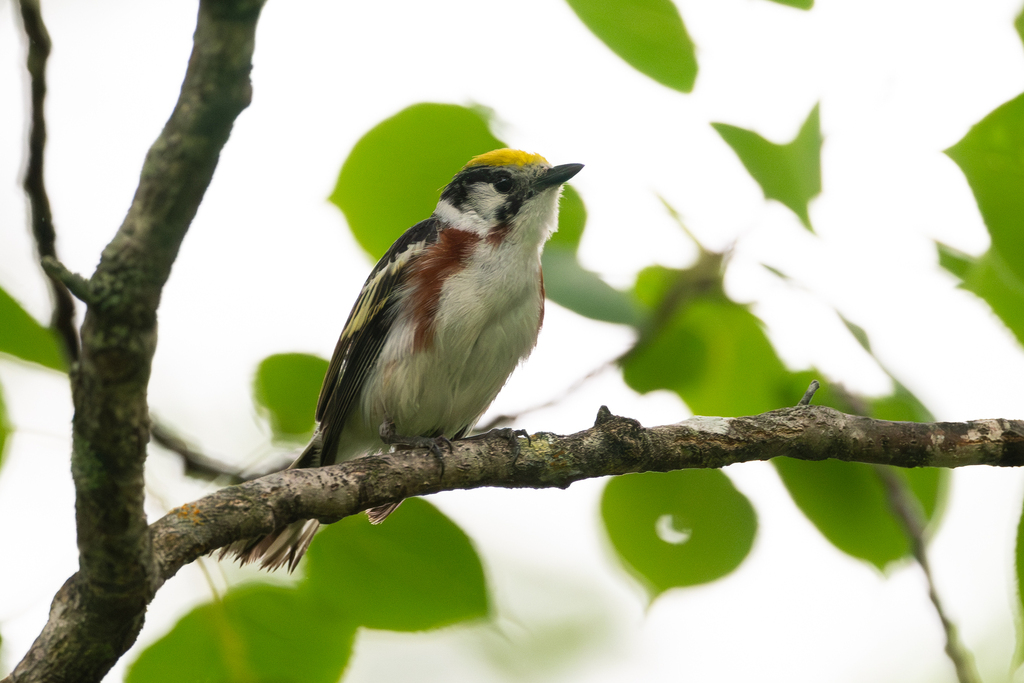
- Chestnut-sided WarblerDendroica pensylvanica
- Chimney SwiftChaetura pelagica
- Chipping SparrowSpizella passerina
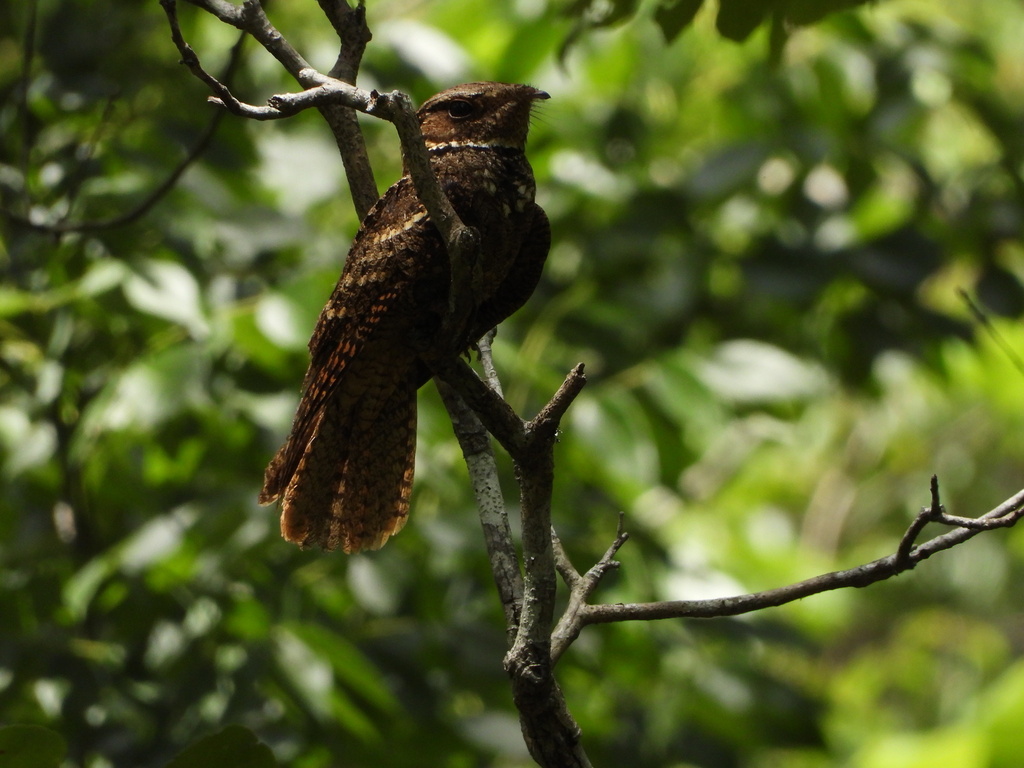
- Chuck-will's-widowCaprimulgus carolinensis
- Common GrackleQuiscalus quiscula
- Common NighthawkChordeiles minor
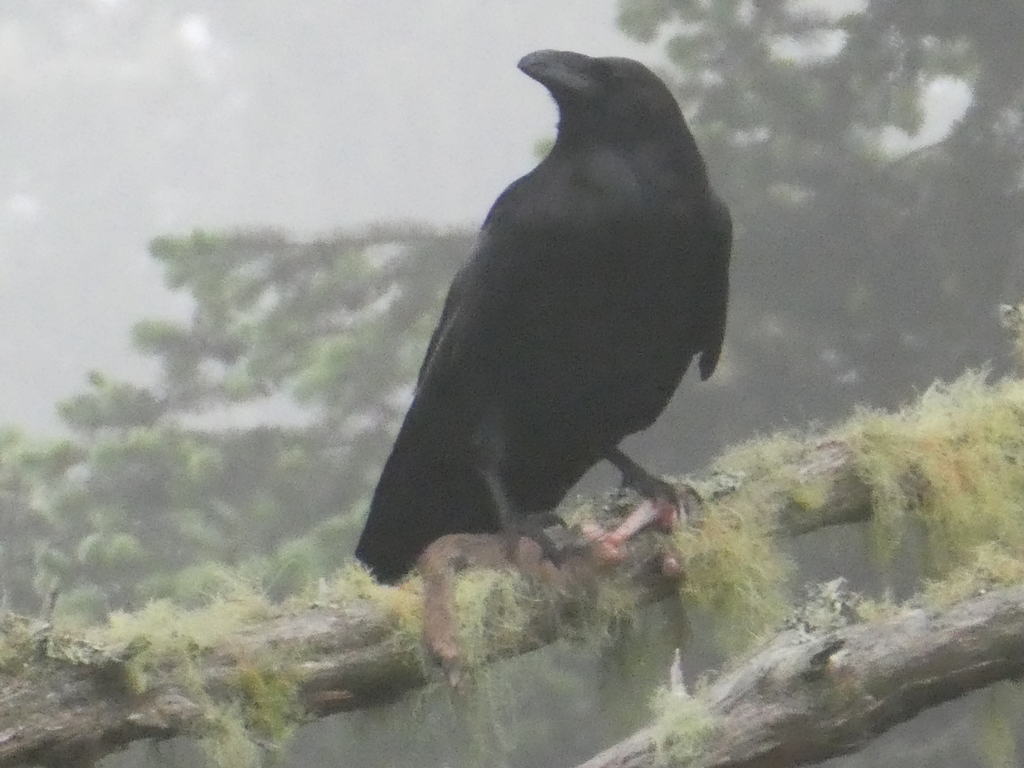
- Common RavenCorvus corax
- Common YellowthroatGeothlypis trichas
- Cooper's HawkAccipiter cooperii
- Downy WoodpeckerPicoides pubescens
- Eastern BluebirdSialia sialis
- Eastern KingbirdTyrannus tyrannus
- Eastern Screech-owlMegascops asio
- Eastern TowheePipilo erythrophthalmus
- Eastern Wood-peweeContopus virens
- European StarlingSturnus vulgaris
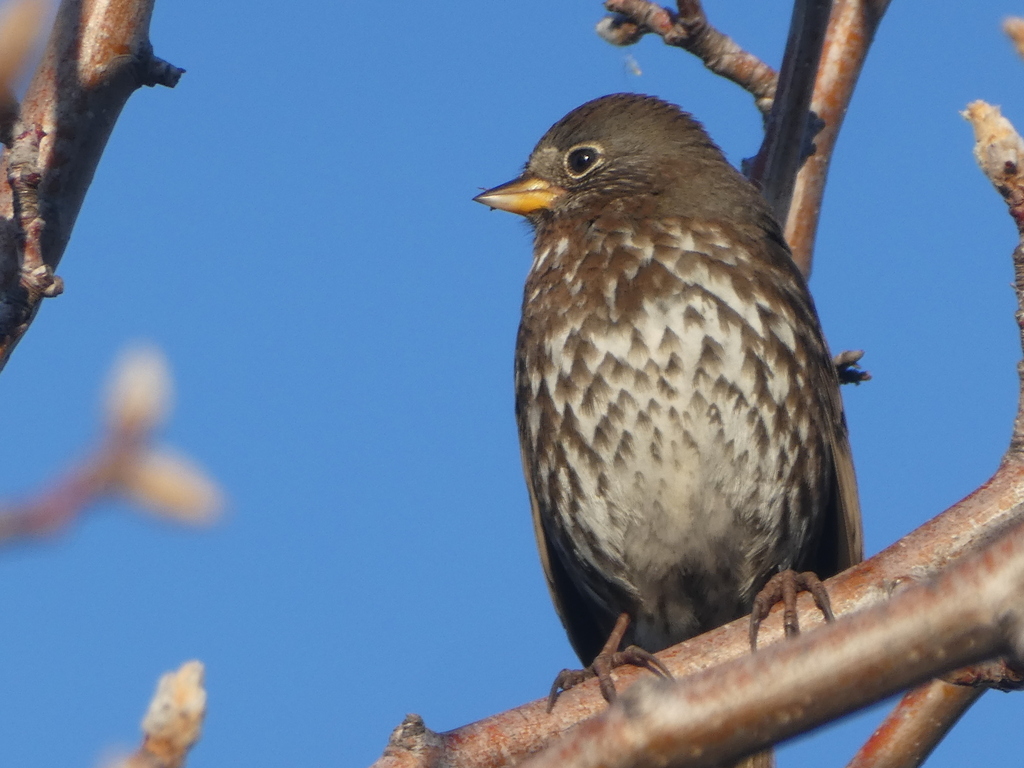
- Fox SparrowPasserella iliaca
- Golden-crowned KingletRegulus satrapa
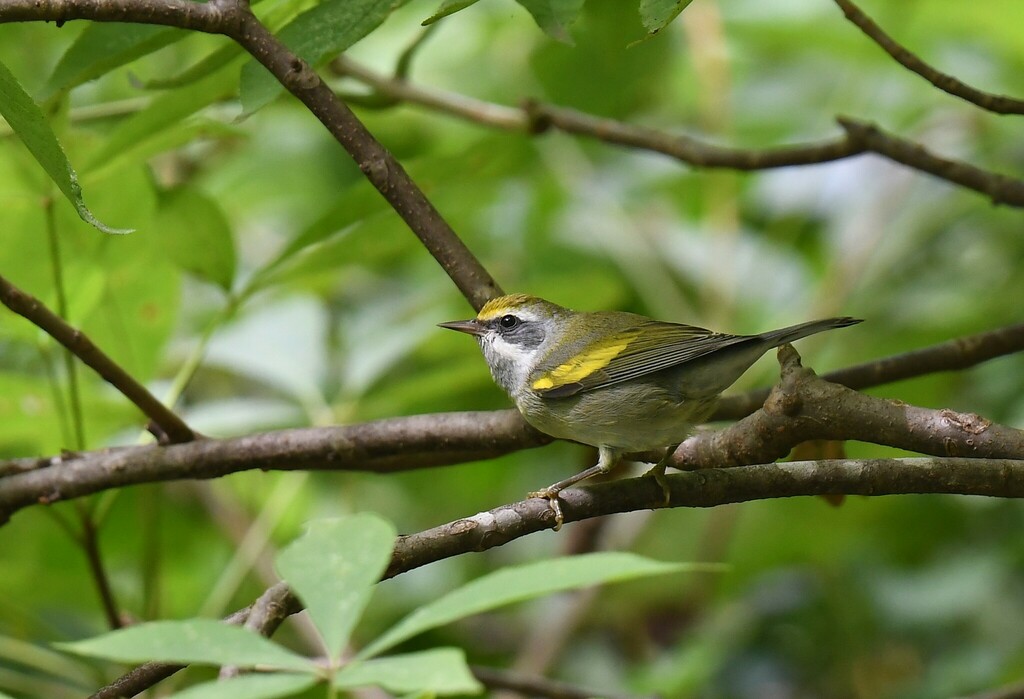
- Golden-winged WarblerVermivora chrysoptera
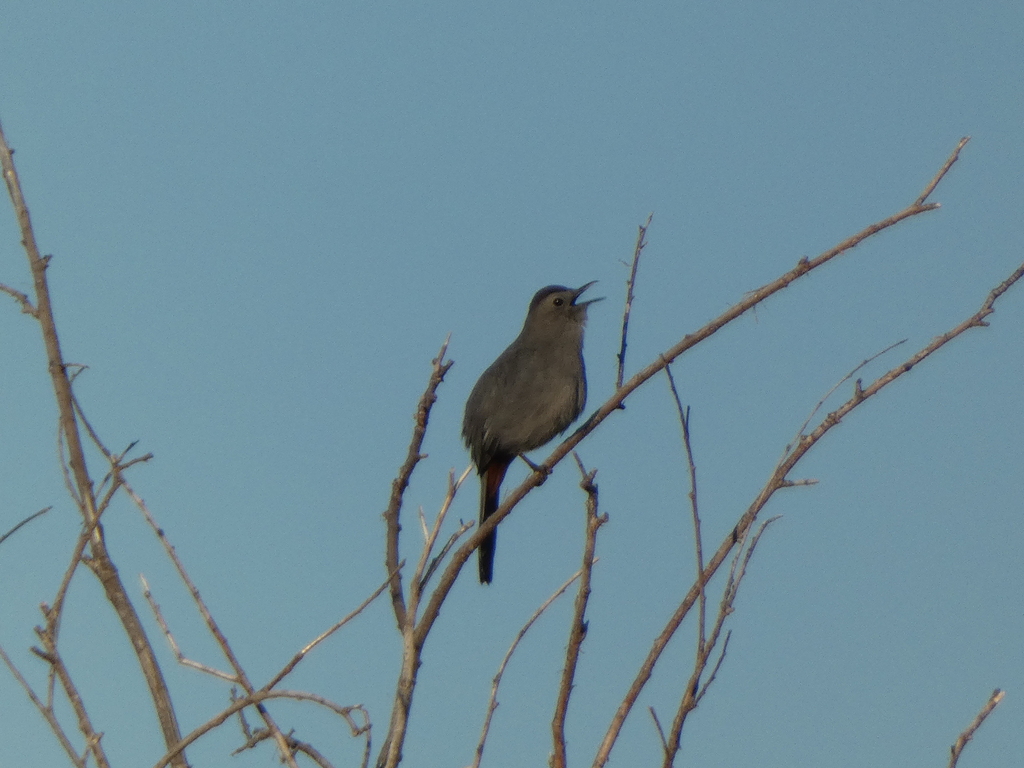
- Gray CatbirdDumetella carolinensis

















Who uses this plant?
 0CaterpillarsGenus host records with ranges including VA
 2BeesSoutheastern regional records
Southeastern regional records · Stylophorum
Individual names are not available yet.
Noori, Seltmann & Orr 2026, A curated and integrated dataset for exploring global bee-plant interactions (GloBI), Zenodo, CC BY 4.0 0Specialist beesPollen specialists
 —BirdsRecorded genus food-resource interactions; not a state feeding claim
No records yet · Ants · Beetles · Flies · Adult butterflies / moths · Other wasps · Other insects
Plant details
- Family
- Papaveraceae
- Hardiness
- Zones 4a–9b
- Soil pH
- Acidic to neutral
- Flower color
- Yellow
- Fruit begins
- Summer
- Fruit ends
- Fall
What its natural habitat tells you
Growing sources and scope
- Bloom · “April to May” · Prairie Moon 2026 Cultural Guide · Nursery cultural guide; height in flower; moisture categories retained as printed
- Flower color · “Yellow” · NC Extension Plant Toolbox
- Fruit begins · “Summer” · NC Extension Plant Toolbox · Species profile fruit display season; not a local ripening date
- Fruit ends · “Fall” · NC Extension Plant Toolbox · Species profile fruit display season; not a local ripening date
- Hardiness · “Zones 4a–9b” · NC Extension Plant Toolbox
- Height · “12–14 inches” · NC Extension Plant Toolbox (ranked first; Tennessee Smart Yards, Prairie Moon 2026 Cultural Guide differ)
- Life cycle · “Perennial” · NC Extension Plant Toolbox
- Light · “Dappled sunlight (shade through upper canopy all day); Deep shade (less than 2 hours to no direct sunlight); Partial shade (direct sunlight only part of the day, 2-6 hours)” · NC Extension Plant Toolbox (ranked first; Tennessee Smart Yards, Prairie Moon 2026 Cultural Guide differ)
- primary_flower_color · “yellow” · Prairie Moon 2026 Cultural Guide
- Soil · “Moist; Occasionally wet” · NC Extension Plant Toolbox (ranked first; Tennessee Smart Yards, Prairie Moon 2026 Cultural Guide differ)
- Soil pH · “Acidic to neutral” · NC Extension Plant Toolbox
- Spread · “9 inches–1 foot” · NC Extension Plant Toolbox
Also known as
Celandine Poppy
Conservation status
| Virginia rank | S2 |
|---|---|
| Global rank | G5 |
| VA status | Not verified |
| Federal status | Not verified |
Will it fit your yard?
Check this plant against your county, sun and soil moisture. Conditions are checked in your browser.
Growing cautions
- Self-seeds freely. Readily self-seeds. Tennessee Smart Yards
For planning only; these do not change the score or Fit.
Sources
- Virginia DCR Natural Heritage rare plant list
- Digital Atlas of the Virginia Flora
- USDA PLANTS
- NatureServe Explorer
- Shropshire & Tallamy 2025, Lepidoptera of North America north of Mexico, ZooKeys 1261 (ODbL)
- Noori, Seltmann & Orr 2026, A curated and integrated dataset for exploring global bee-plant interactions (GloBI), Zenodo, CC BY 4.0
- Smith, Bachelder, Russell, Morales, Mosher & Seltmann 2024, Bee-Specialization-Modeling v0.6.1 (specialist host table compiled from J. Fowler's pollen specialist bee lists), Zenodo, CC BY 4.0
- Hurlbert, Olsen, Sawyer & Winner 2021, Avian Diet Database, Scientific Data 8: 260 (CC0)
- Narango, Tallamy & Shropshire 2020, Few keystone plant genera support the majority of Lepidoptera species, Nature Communications