

Star Chickweed
Stellaria pubera
Also listed as Stellaria puber
Found in bottomland forests, moist slopes, coves, hammocks. Weakley, Flora of the Southeastern United States (2025), Northern Tier edition What its natural habitat tells you
Native to Virginia. How scores work Is it native here?
Profile 100%
- Height
- 6 inches–1 foot
- Spread
- 6–20 inches
- Light
- Dappled sunlight, Partial shade
- Soil moisture
- Usually moist
Space about 1 ft apart from its recorded spread, about 100 per 100 sq ft. Enter your bed size for a count
Will it fit your yard?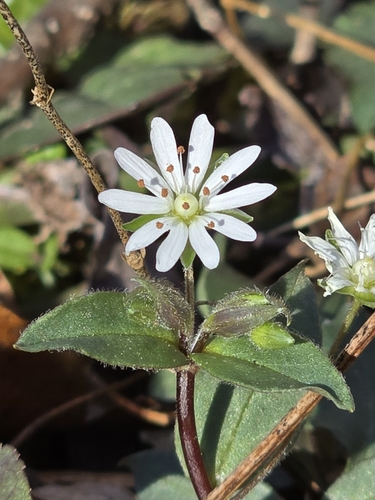
At a glance
- Life cycle
- Perennial
- Leaves
- Deciduous
- Bloom
- Spring and summer
Recorded in 82 Virginia counties.
Natural habitats
Places it grows wild. Not a planting requirement. Each habitat page lists the plants and wildlife also found there.
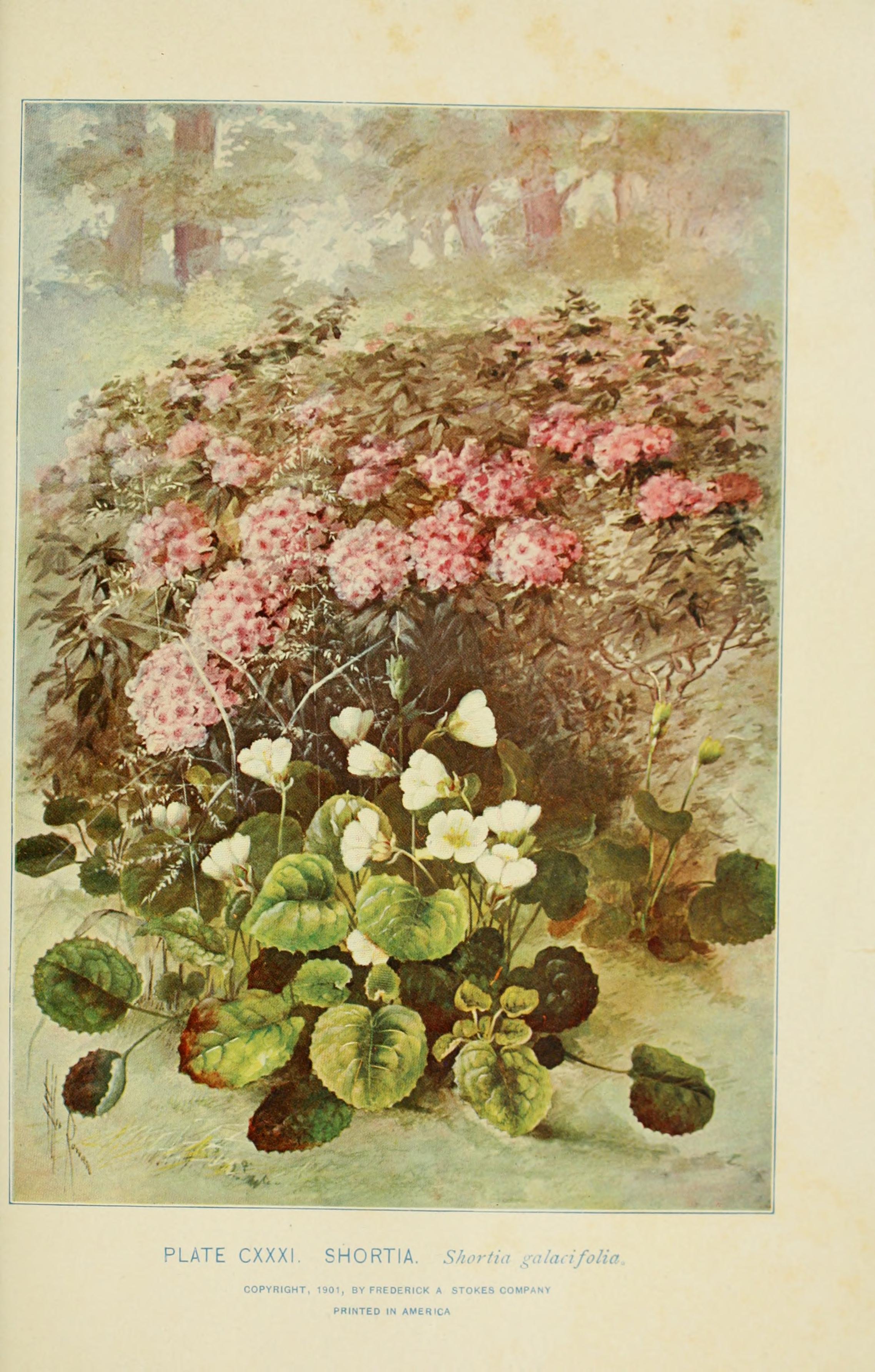
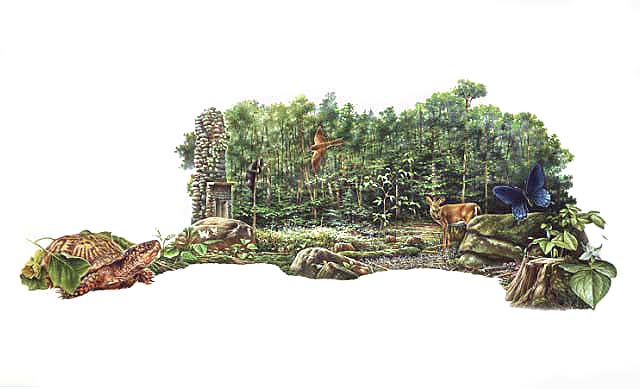
Floodplain and bottomland forests
Forests on low ground beside rivers and streams that flood from time to time.
Also found with this plant
Wildlife whose habitat models include habitats this plant grows in, in Virginia. Shared habitat, not food. 110 animals.
- Great Crested FlycatcherMyiarchus crinitus
- Great Horned OwlBubo virginianus
- Hairy WoodpeckerPicoides villosus
- Hermit ThrushCatharus guttatus
- Hooded MerganserLophodytes cucullatus
- Hooded WarblerWilsonia citrina
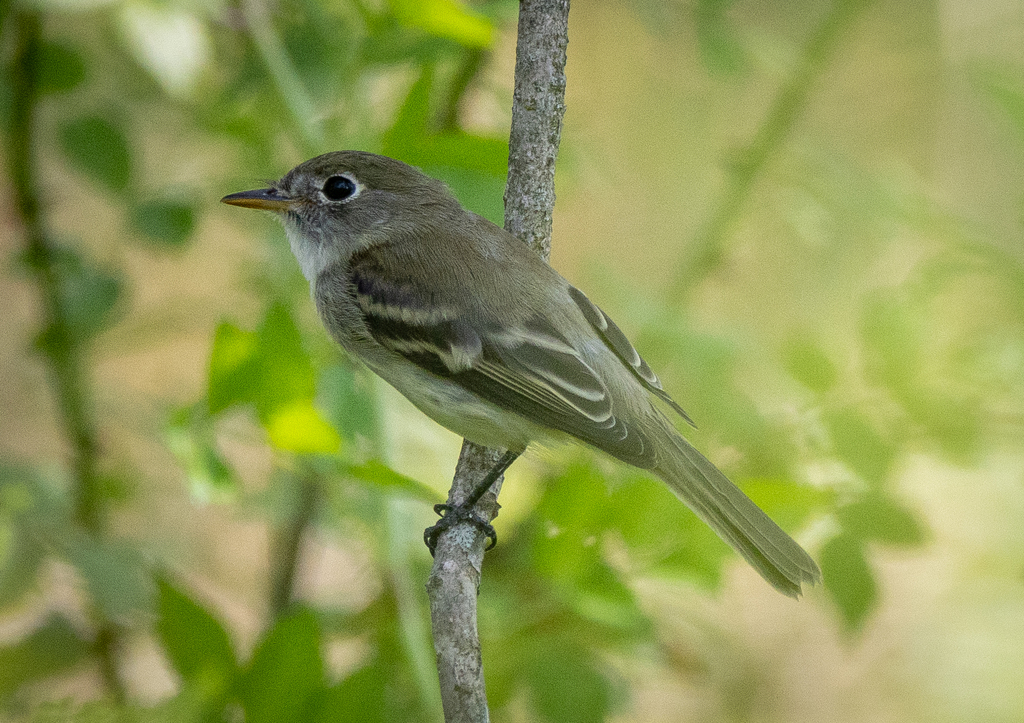
- Least FlycatcherEmpidonax minimus
- Long-eared OwlAsio otus
- Louisiana WaterthrushSeiurus motacilla
- Mourning DoveZenaida macroura
- Northern CardinalCardinalis cardinalis
- Northern FlickerColaptes auratus
- Northern MockingbirdMimus polyglottos
- Northern ParulaParula americana
- Orange-crowned WarblerVermivora celata
- OspreyPandion haliaetus
- OvenbirdSeiurus aurocapilla
- Pileated WoodpeckerDryocopus pileatus
- Pine SiskinCarduelis pinus
- Purple FinchCarpodacus purpureus
- Red-bellied WoodpeckerMelanerpes carolinus
- Red-headed WoodpeckerMelanerpes erythrocephalus
- Red-shouldered HawkButeo lineatus
- Red-tailed HawkButeo jamaicensis






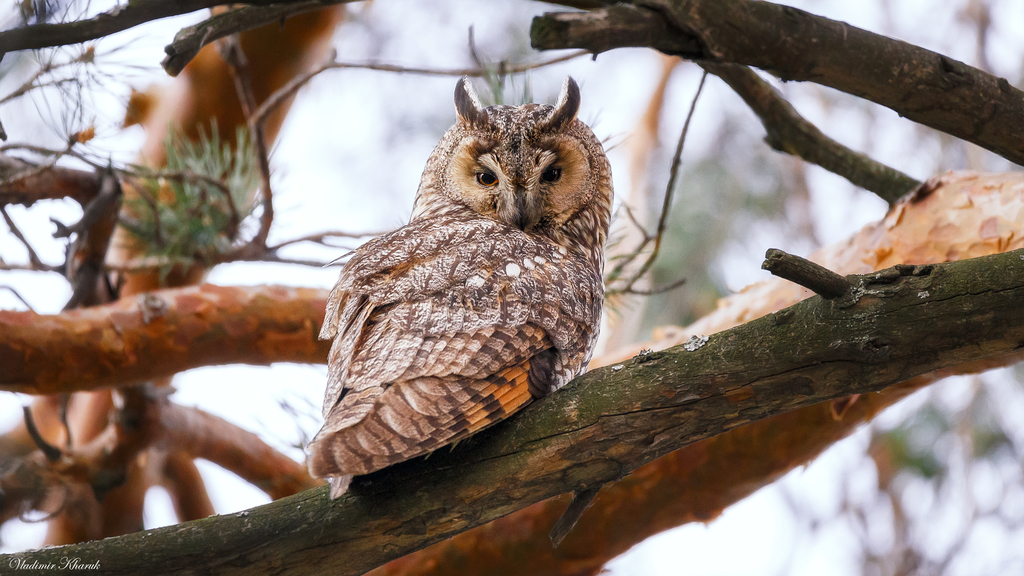






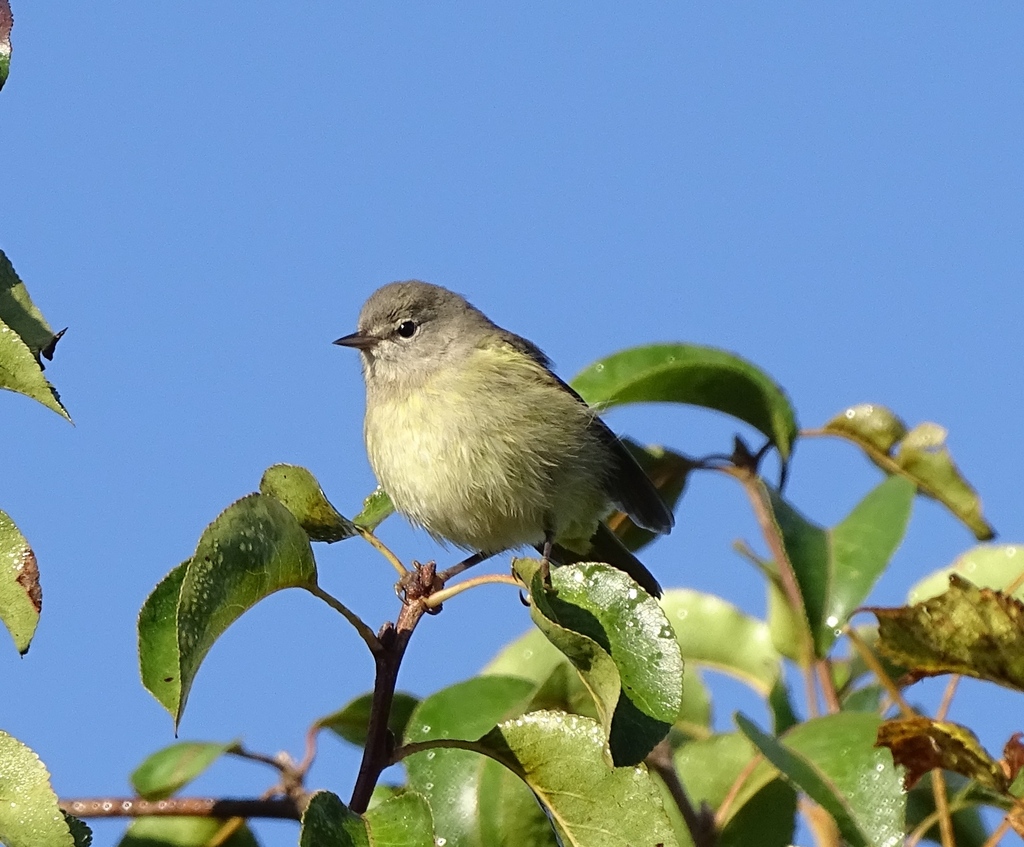







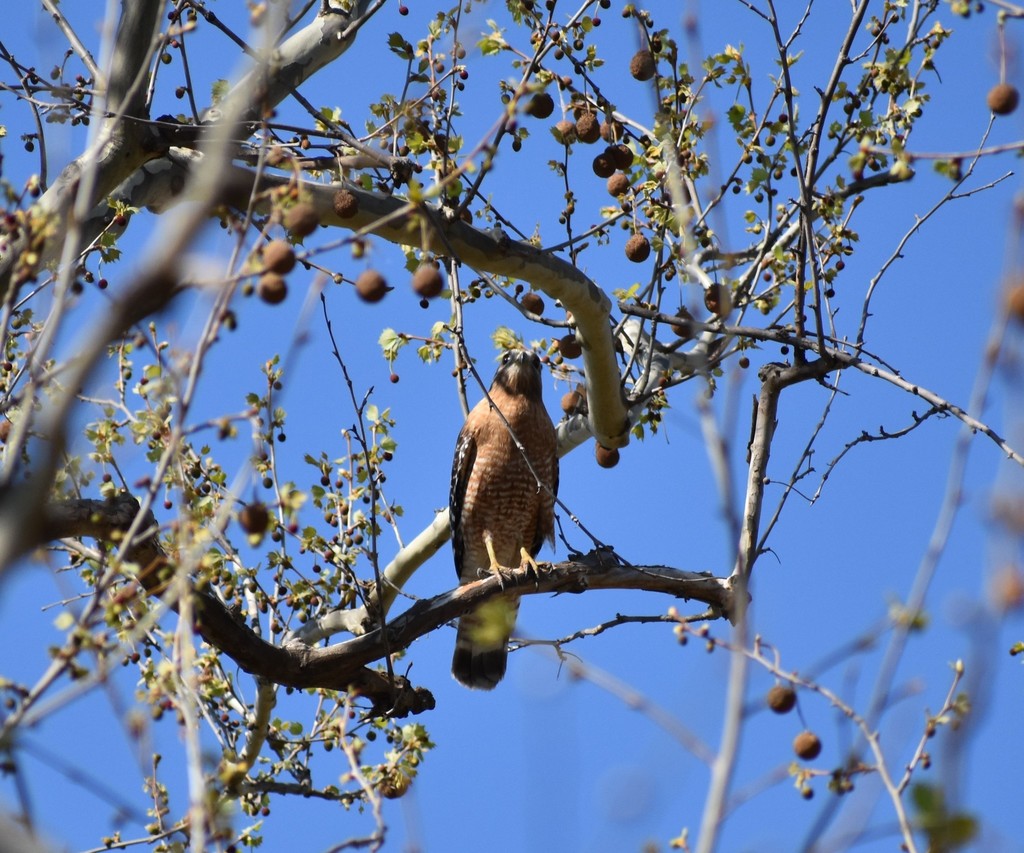

Who uses this plant?
 13CaterpillarsGenus host records with ranges including VA
Genus host records with ranges including VA · Stellaria
- Agnorisma badinodisPale-Banded Dart
- Agrotis venerabilisVenerable Dart, Dusky Cut-Worm
- Elaphria grataGrateful Midget
- Euphyia intermediataSharp-Angled Carpet Moth, The Intermediate
- Feltia jaculiferaDingy Cutworm
- Haematopis gratariaChickweed Geometer
- Hyles lineataWhite-Lined Sphinx
- Lacinipolia renigeraBristly Ground Cat, Bristly Cutworm Moth, Kidney Spotted "Mamestra"
- Lobocleta ossulariaDrab Brown Wave
- Xanthorhoe ferrugataRed Twin-Spot, Twin-Spot Carpet
Show all 13
- Xestia c-nigrumSpotted Cut-Worm, Setaceous Hebrew Character, Lesser Black-letter Dart
- Xestia dolosaGreater Black-Letter Dart, Greater Spotted Cutworm
- Xestia smithiiSmith's Dart
 6BeesSoutheastern regional records
Southeastern regional records · Stellaria
Individual names are not available yet.
Noori, Seltmann & Orr 2026, A curated and integrated dataset for exploring global bee-plant interactions (GloBI), Zenodo, CC BY 4.0 0Specialist beesPollen specialists
 18BirdsRecorded genus food-resource interactions; not a state feeding claim
Recorded genus food-resource interactions; not a state feeding claim · Stellaria
- Agelaius tricolorTricolored Blackbird
- Anser rossiiRoss's Goose
- Anthus rubescensAmerican Pipit
- Callipepla californicaCalifornia Quail
- Haemorhous mexicanusHouse Finch
- Junco hyemalisDark-eyed Junco
- Lagopus leucuraWhite-tailed Ptarmigan
- Melospiza melodiaSong Sparrow
- Melozone crissalisCalifornia Towhee
- Oreortyx pictusMountain Quail
Show all 18
- Passer domesticusHouse Sparrow
- Pheucticus melanocephalusBlack-headed Grosbeak
- Pipilo maculatusSpotted Towhee
- Spinus psaltriaLesser Goldfinch
- Spizella passerinaChipping Sparrow
- Turdus migratoriusAmerican Robin
- Zonotrichia atricapillaGolden-crowned Sparrow
- Zonotrichia leucophrysWhite-crowned Sparrow
Direct food only: birds recorded eating this genus across North America. Caterpillars on host plants also feed nesting birds. NC Native Plant Society: butterfly gardening
No records yet · Ants · Beetles · Flies · Adult butterflies / moths · Other wasps · Other insects
Plant details
- Family
- Caryophyllaceae
- Hardiness
- Zones 4a–11b
- Soil pH
- Acidic
- Flower color
- White
Safety has not been reviewed for this plant; check toxicity and thorns before planting.
Growing sources and scope
- Bloom · “Spring and summer” · NC Extension Plant Toolbox (ranked first; Weakley, Flora of the Southeastern United States (2025), Carolinas & Georgia edition differs)
- Flower color · “White” · NC Extension Plant Toolbox
- Hardiness · “Zones 4a–11b” · NC Extension Plant Toolbox
- Height · “6 inches–1 foot” · NC Extension Plant Toolbox (ranked first; Tennessee Smart Yards differs)
- Leaves · “Deciduous” · NC Extension Plant Toolbox
- Life cycle · “Perennial” · NC Extension Plant Toolbox
- Light · “Dappled sunlight (shade through upper canopy all day); Partial shade (direct sunlight only part of the day, 2-6 hours)” · NC Extension Plant Toolbox (ranked first; Virginia Cooperative Extension differs)
- primary_flower_color · “white” · NC Extension Plant Toolbox
- Soil · “Good drainage; Moist” · NC Extension Plant Toolbox (ranked first; Tennessee Smart Yards, Virginia Cooperative Extension differ)
- Soil pH · “Acidic” · NC Extension Plant Toolbox
- Spread · “6–20 inches” · NC Extension Plant Toolbox
Also known as
Giant Chickweed; Stellaria puber
Conservation status
| Virginia rank | S5 |
|---|---|
| Global rank | G5 |
| VA status | Not verified |
| Federal status | Not verified |
Will it fit your yard?
Check this plant against your county, sun and soil moisture. Conditions are checked in your browser.
Sources
- Digital Atlas of the Virginia Flora
- USDA PLANTS
- Vascular Plants of North Carolina (NC Natural Heritage Program)
- Weakley, Flora of the Southeastern United States (2025), Northern Tier edition
- NatureServe Explorer
- Shropshire & Tallamy 2025, Lepidoptera of North America north of Mexico, ZooKeys 1261 (ODbL)
- Noori, Seltmann & Orr 2026, A curated and integrated dataset for exploring global bee-plant interactions (GloBI), Zenodo, CC BY 4.0
- Smith, Bachelder, Russell, Morales, Mosher & Seltmann 2024, Bee-Specialization-Modeling v0.6.1 (specialist host table compiled from J. Fowler's pollen specialist bee lists), Zenodo, CC BY 4.0
- Hurlbert, Olsen, Sawyer & Winner 2021, Avian Diet Database, Scientific Data 8: 260 (CC0)
- Narango, Tallamy & Shropshire 2020, Few keystone plant genera support the majority of Lepidoptera species, Nature Communications