

Saltmeadow Cordgrass
Spartina patens
Found in dunes, sand flats, upper edges of tidal marshes, maritime wet grasslands, overwash flats. Weakley, Flora of the Southeastern United States (2025), Northern Tier edition What its natural habitat tells you
Native to Virginia. How scores work Is it native here?
Profile 94%
- Height
- About 2 feet
- Light
- 4 or more hours of direct sun
- Soil moisture
- Average to wet
No photograph yet. Looking for an old drawing…
At a glance
- Bloom
- Late spring
- Fruiting season
- Summer to fall
Not yet recorded · Spread · Life cycle · Leaves
Recorded in 26 Virginia counties and cities.
Natural habitats
Places it grows wild. Not a planting requirement. Each habitat page lists the plants and wildlife also found there.
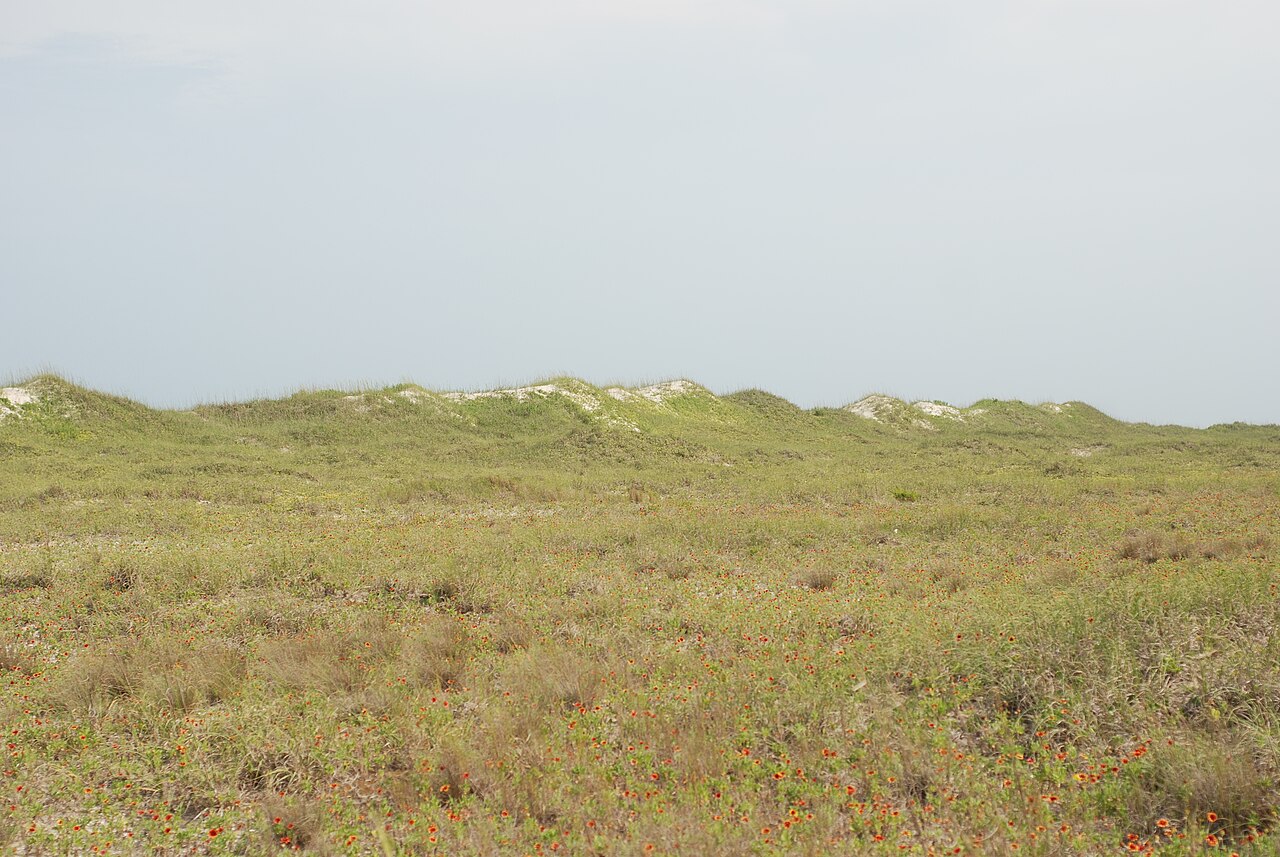
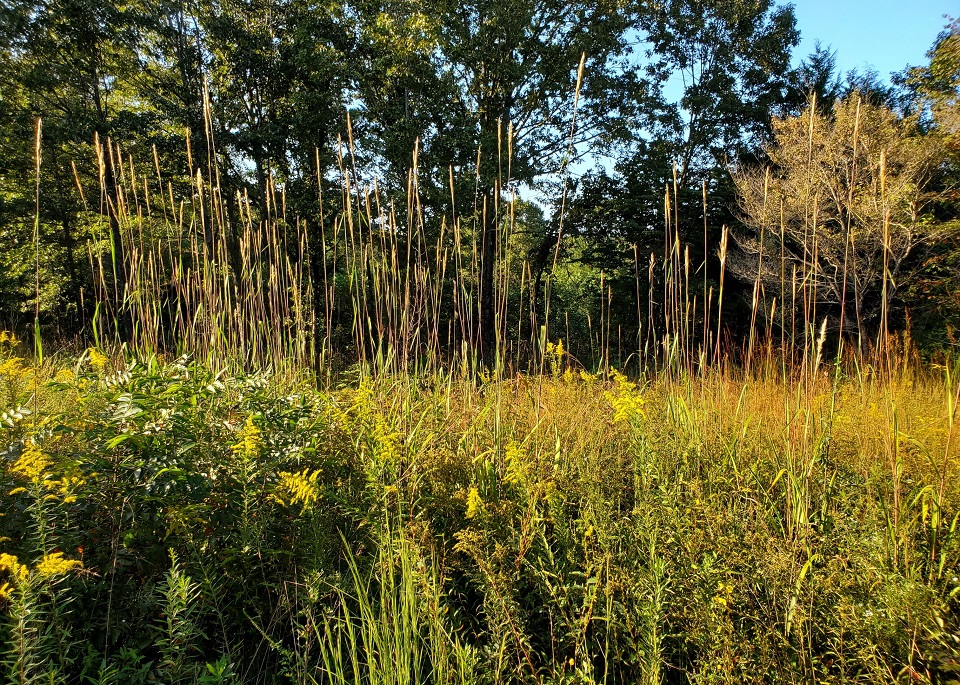
Coastal tidal marshes (salinity not stated)
Tidal marshes of the Atlantic and Gulf coasts where the source does not say whether the water is fresh, brackish or salt. A stated salinity files the marsh under freshwater tidal marshes or salt and brackish marshes instead.
Also found with this plant
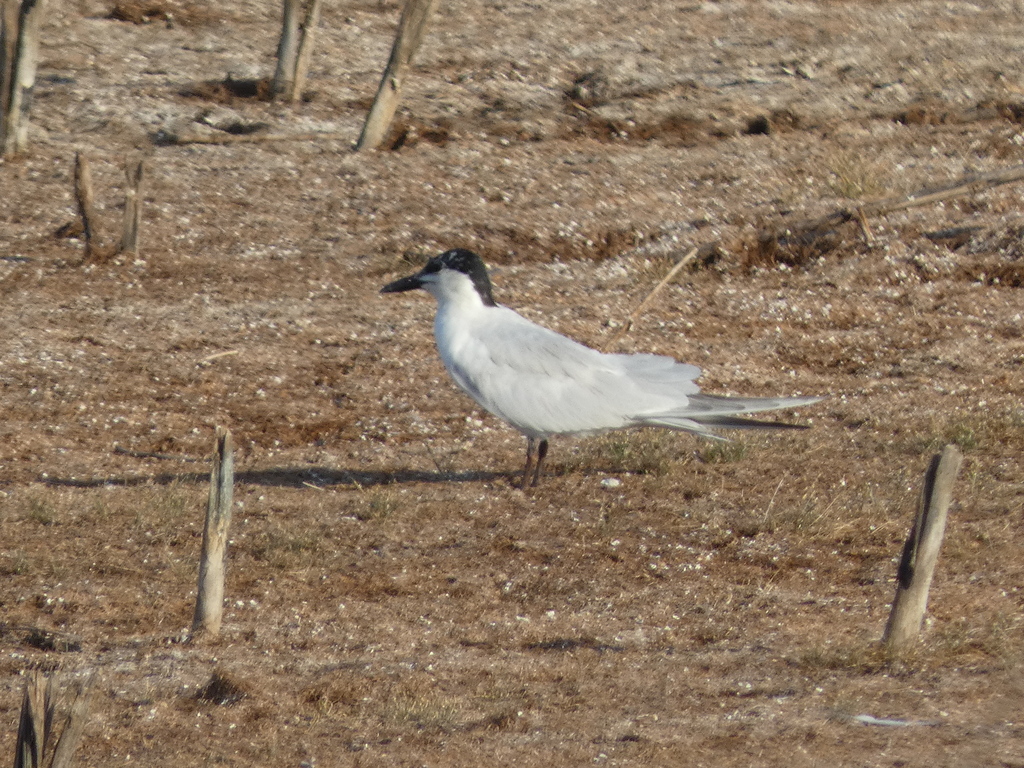
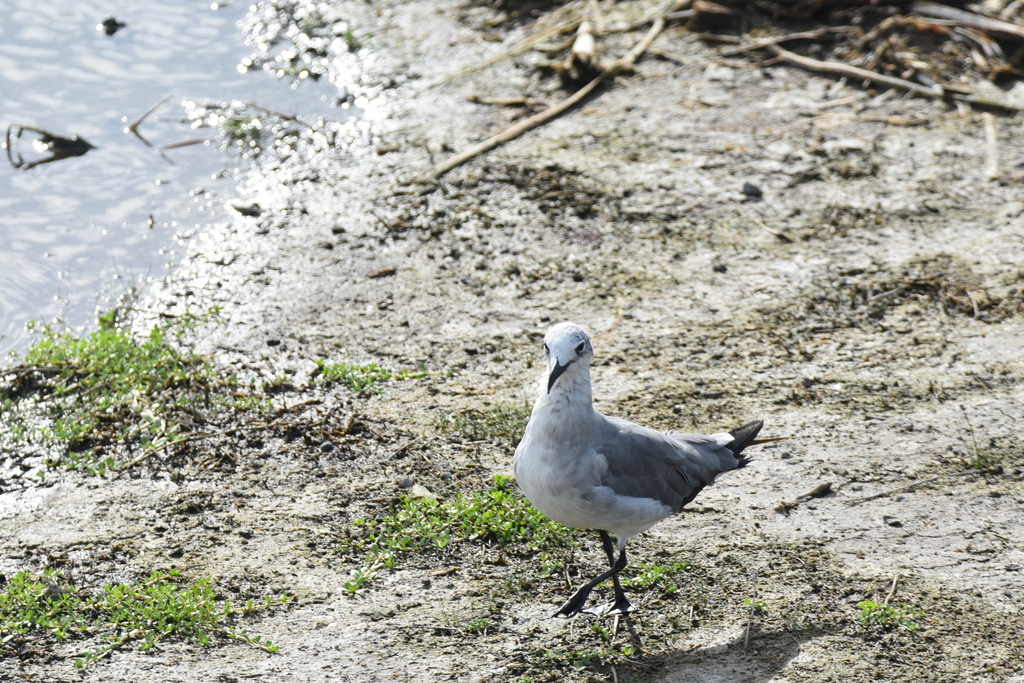
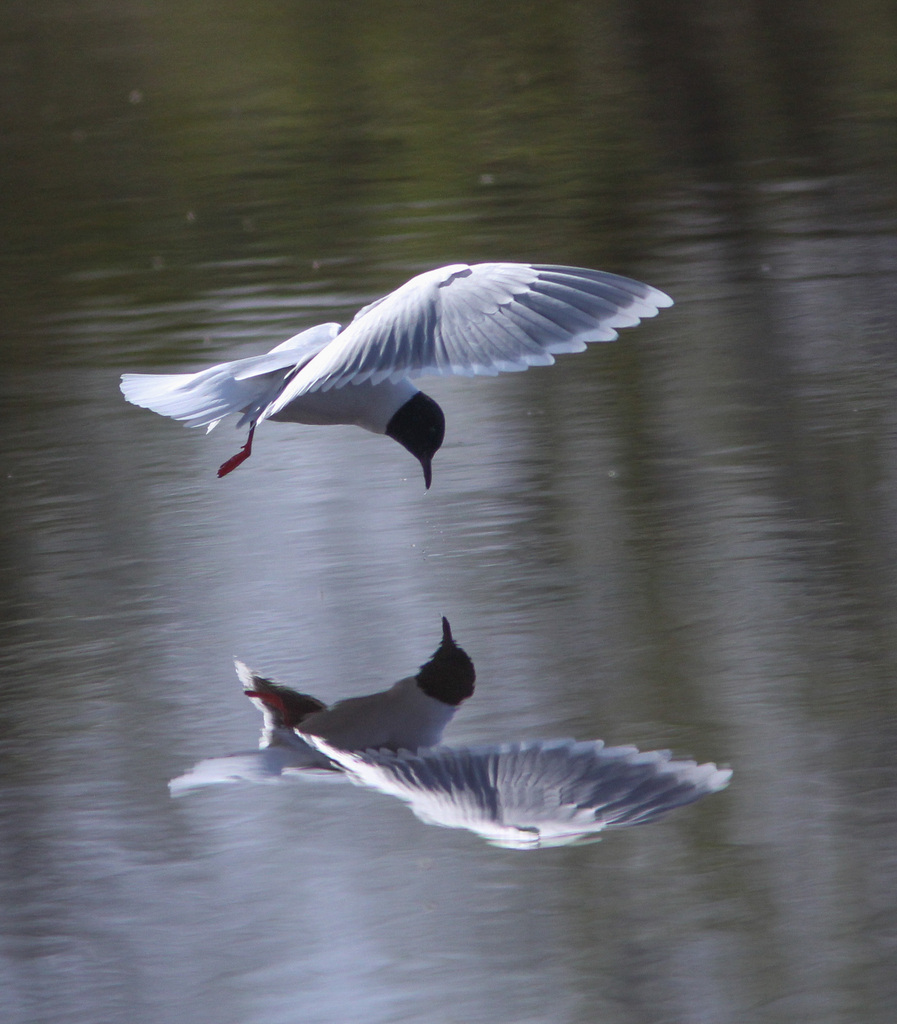
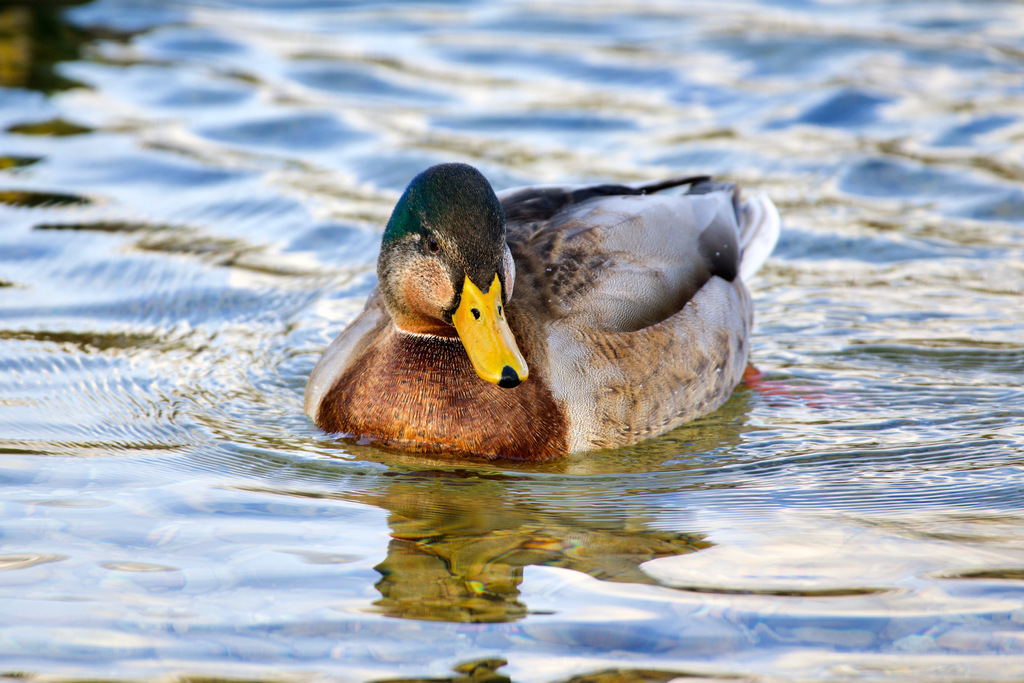
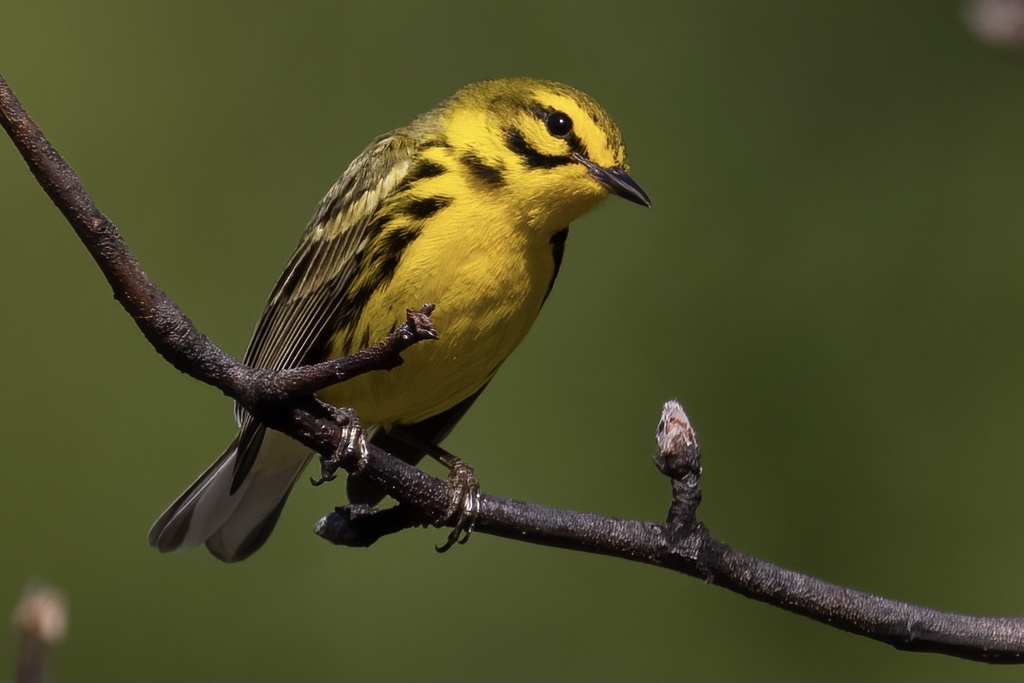
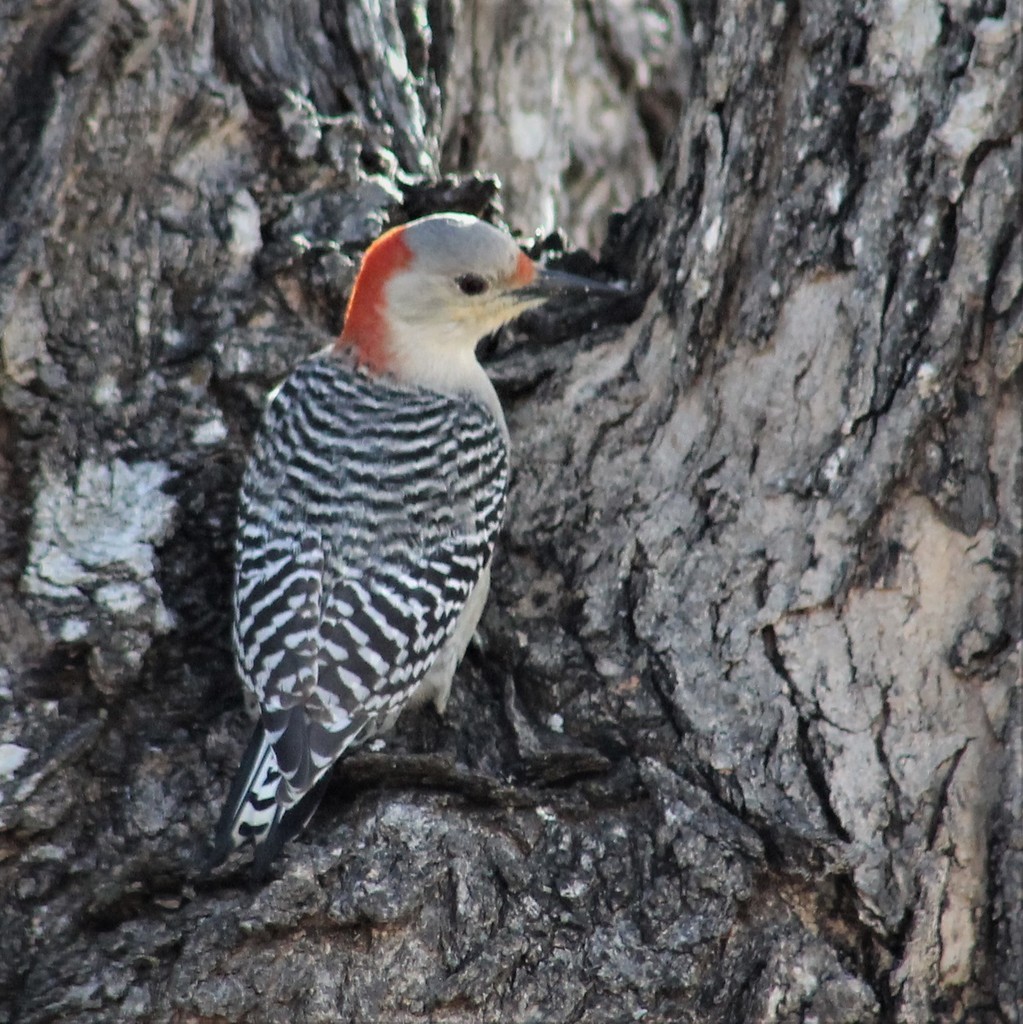
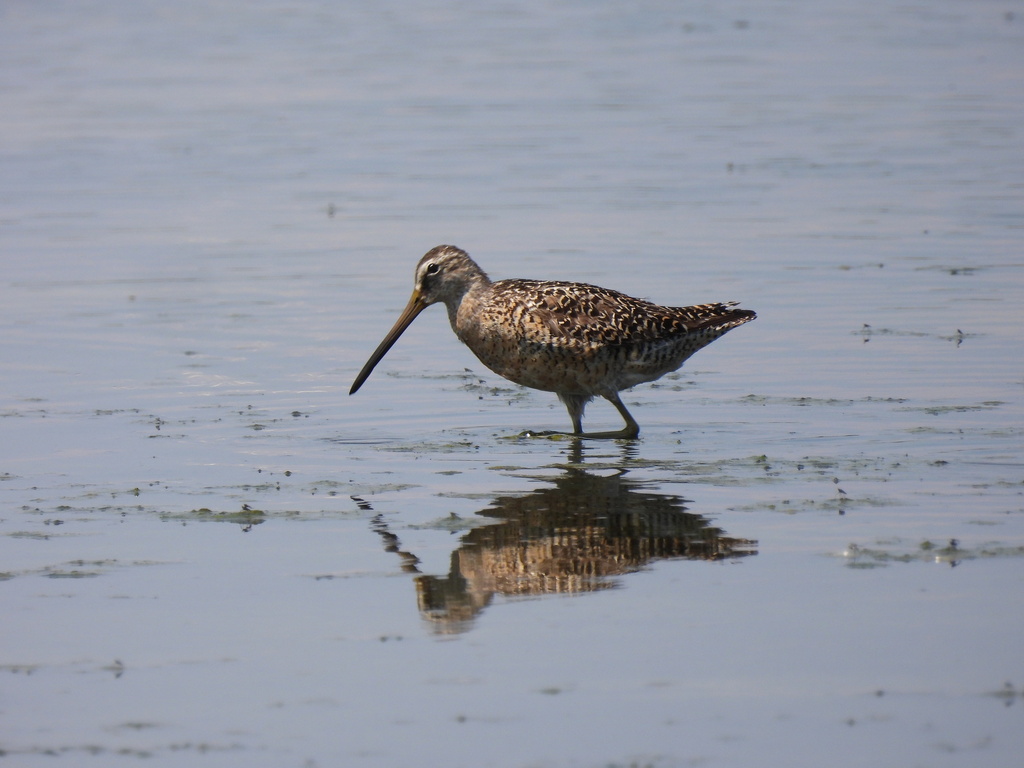
Wildlife whose habitat models include habitats this plant grows in, in Virginia. Shared habitat, not food. 174 animals.
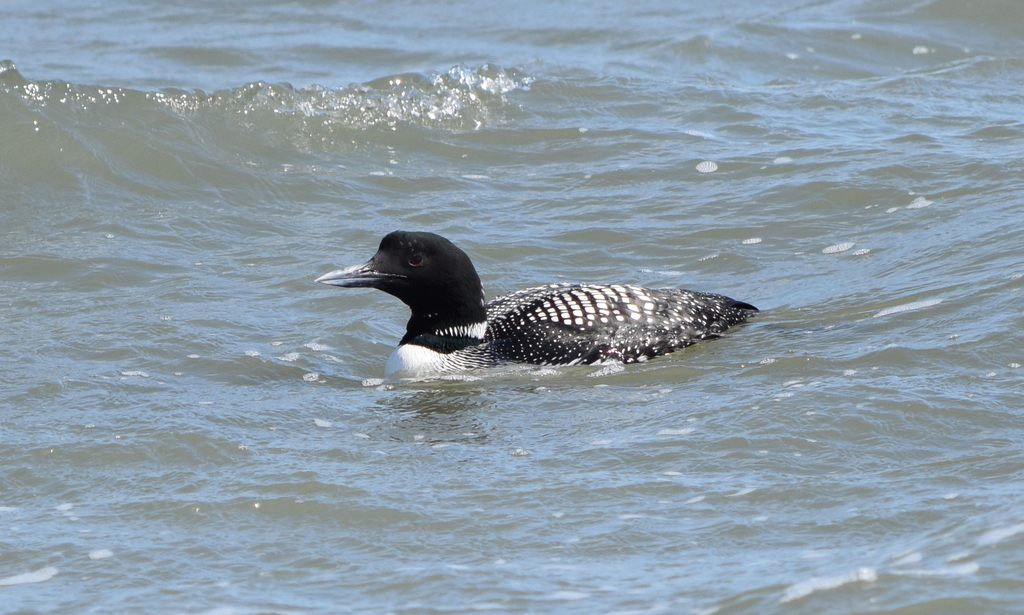
- Common LoonGavia immer
- Downy WoodpeckerPicoides pubescens
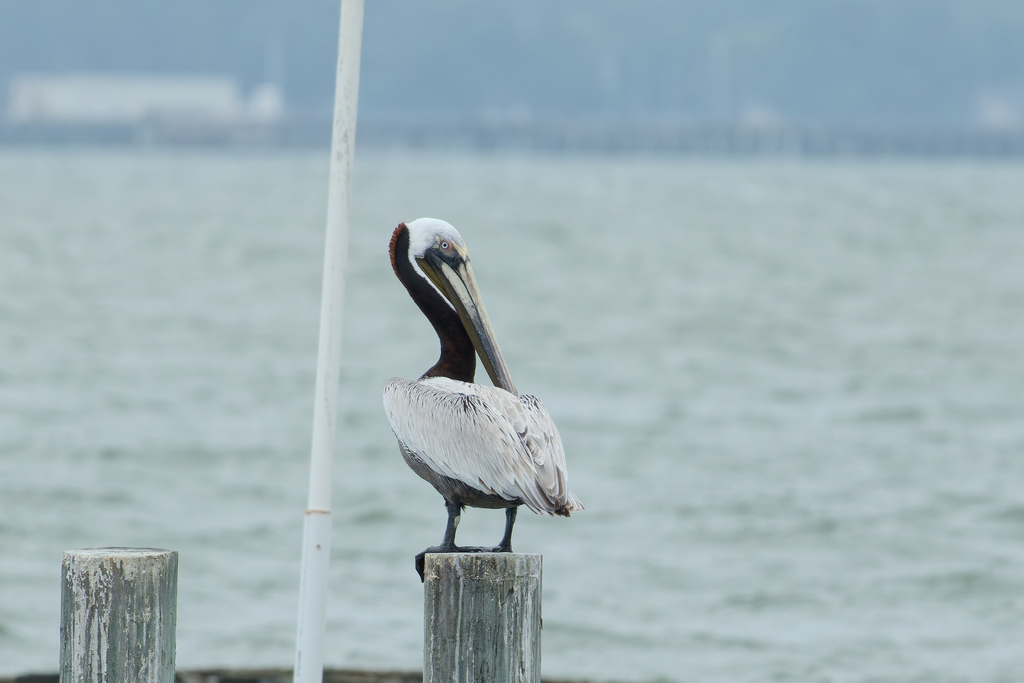
- Eastern Brown PelicanPelecanus occidentalis carolinensis
- Eastern Screech-owlMegascops asio
- Eurasian Collared-doveStreptopelia decaocto
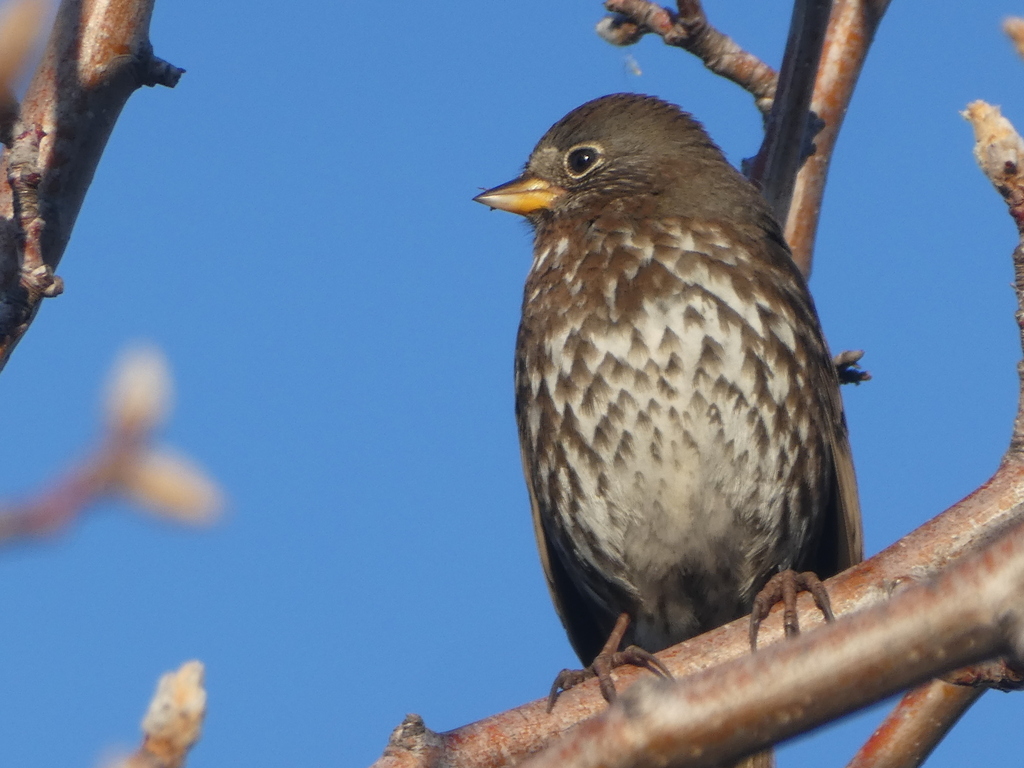
- Fox SparrowPasserella iliaca
- Golden-crowned KingletRegulus satrapa
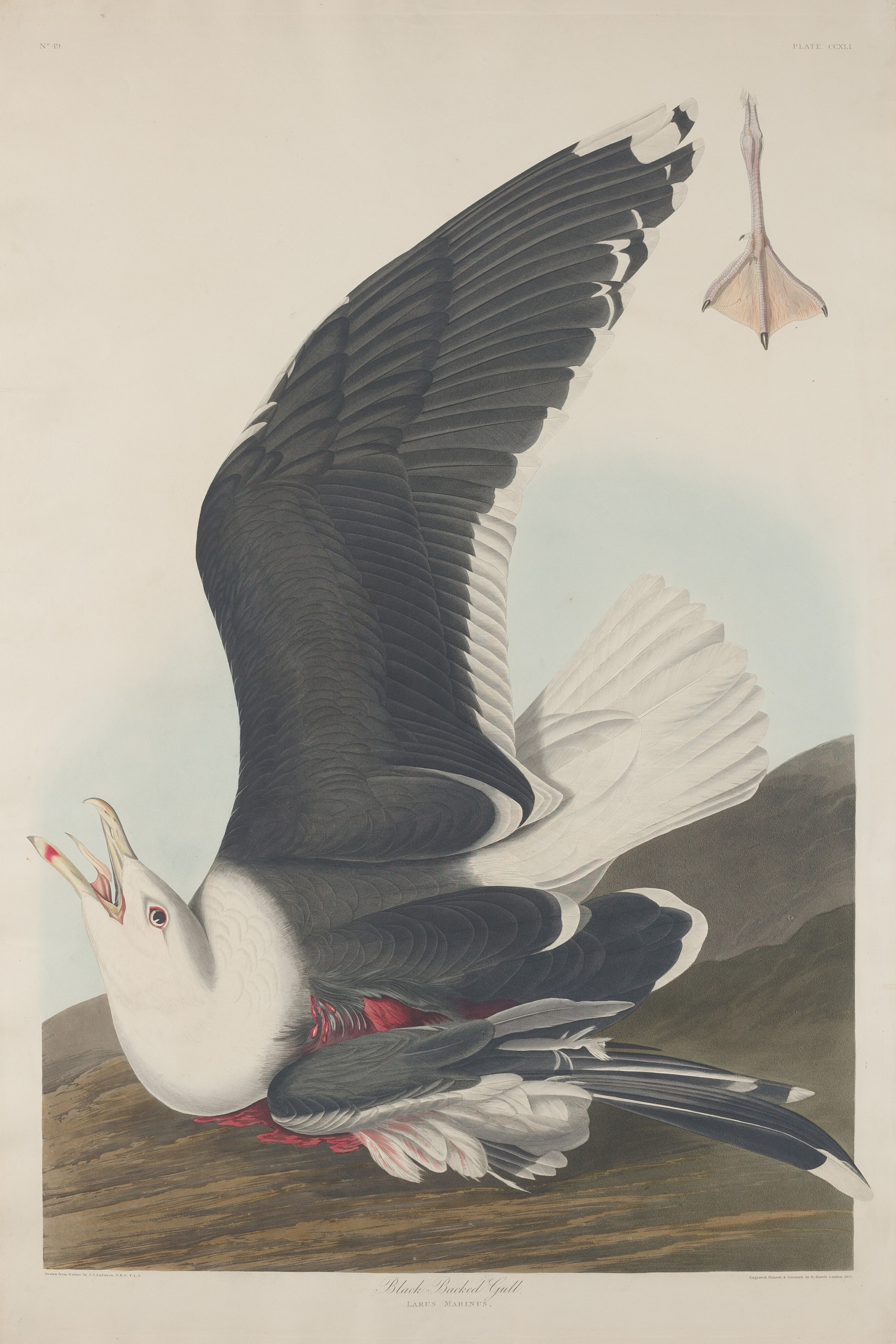
- Great Black-backed GullLarus marinus
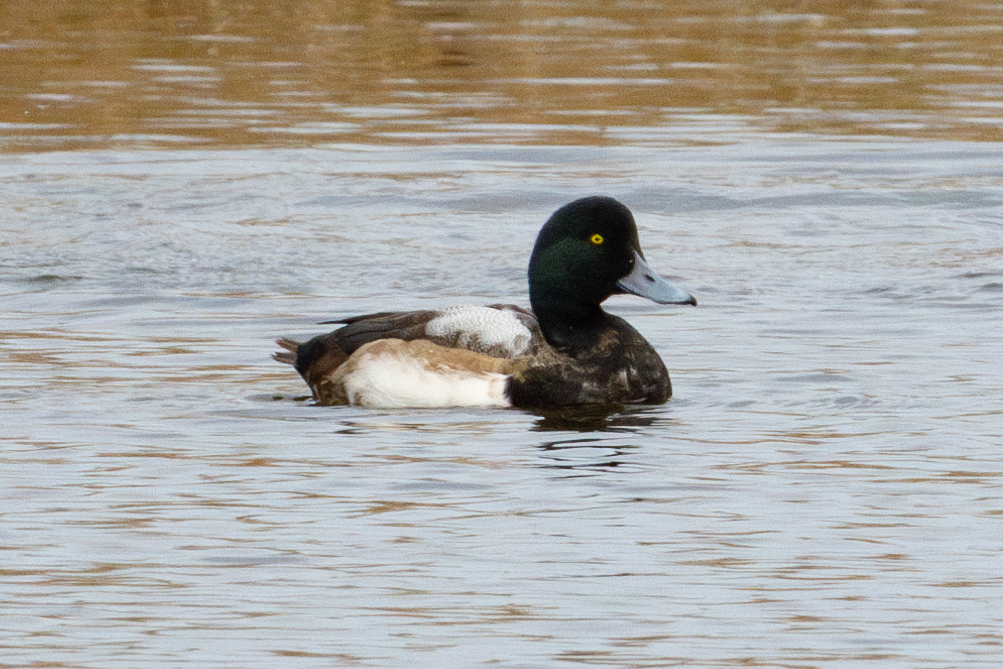
- Greater ScaupAythya marila
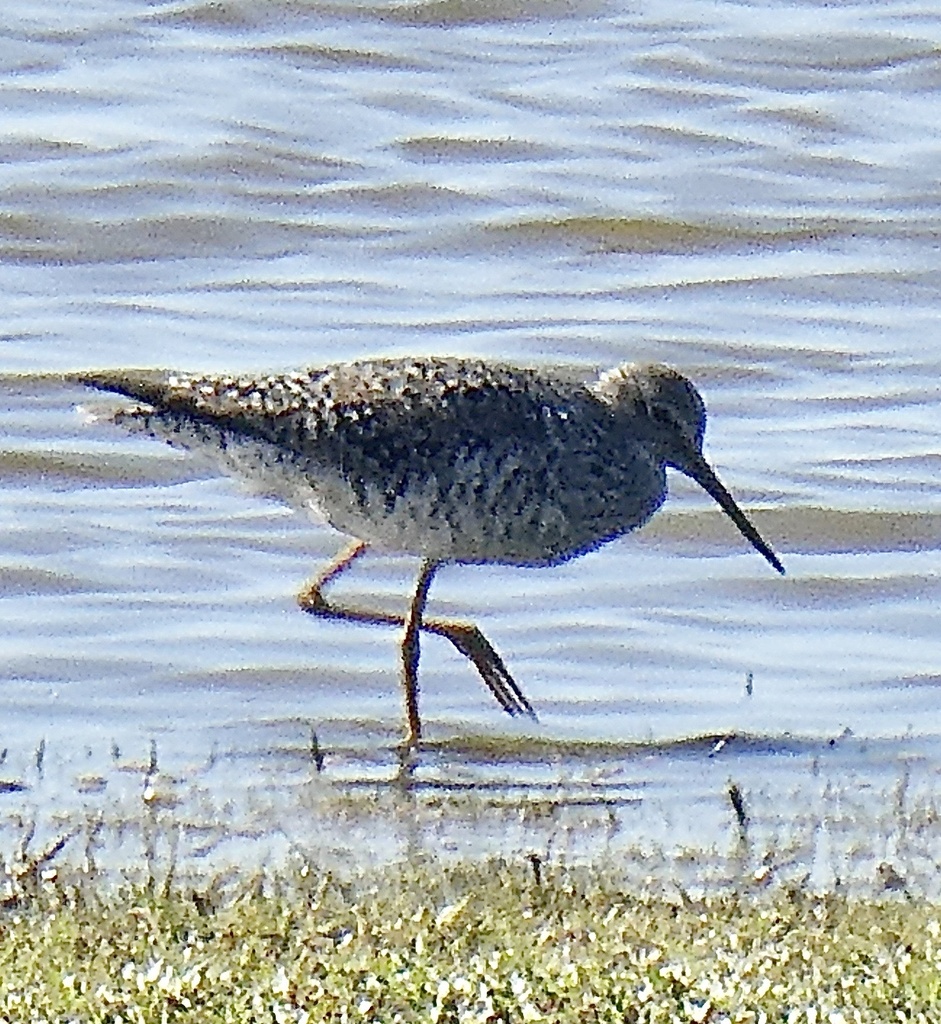
- Greater YellowlegsTringa melanoleuca
- Gull-billed TernGelochelidon nilotica
- Laughing GullLeucophaeus atricilla
- Little GullHydrocoloeus minutus
- MallardAnas platyrhynchos
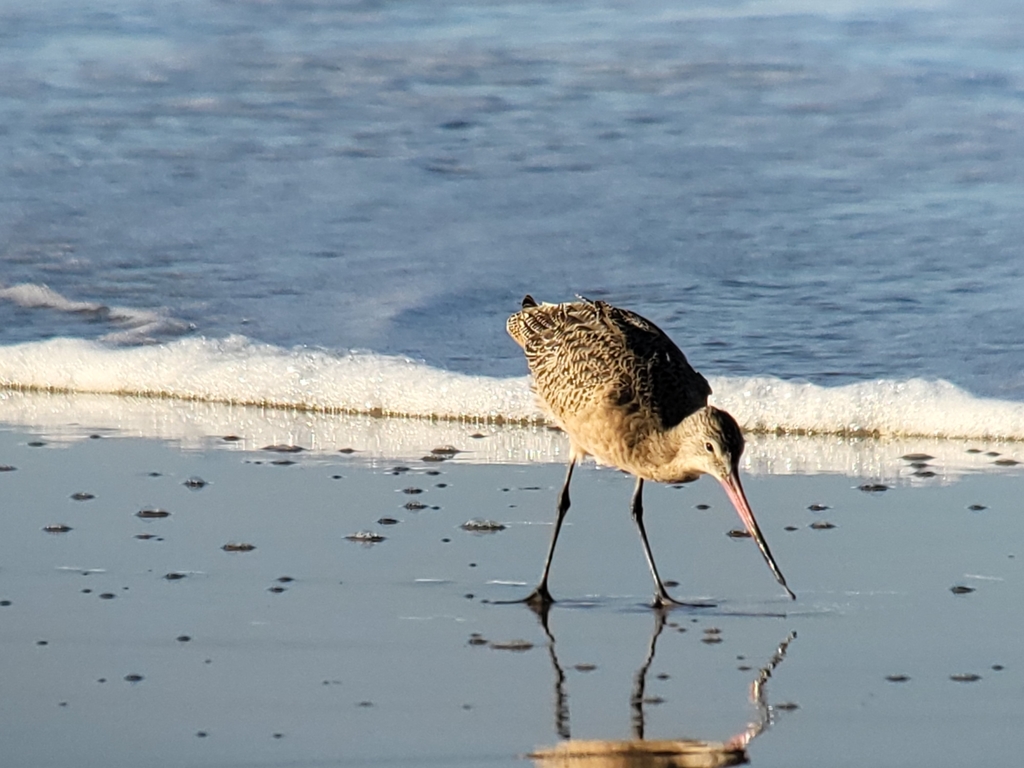
- Marbled GodwitLimosa fedoa
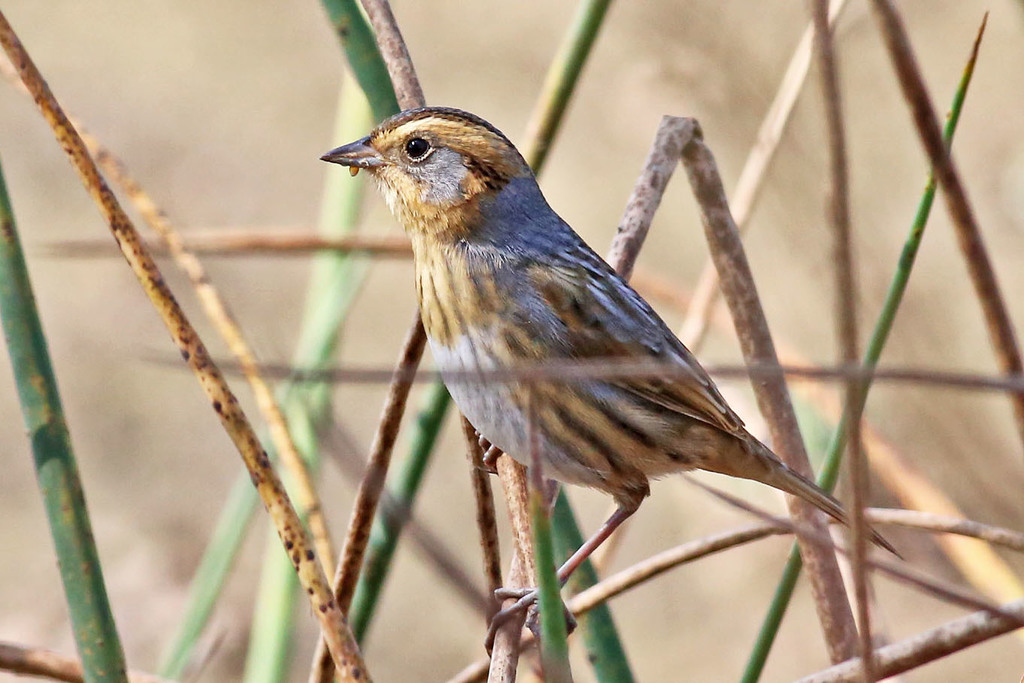
- Nelson's Sharp-tailed SparrowAmmodramus nelsoni
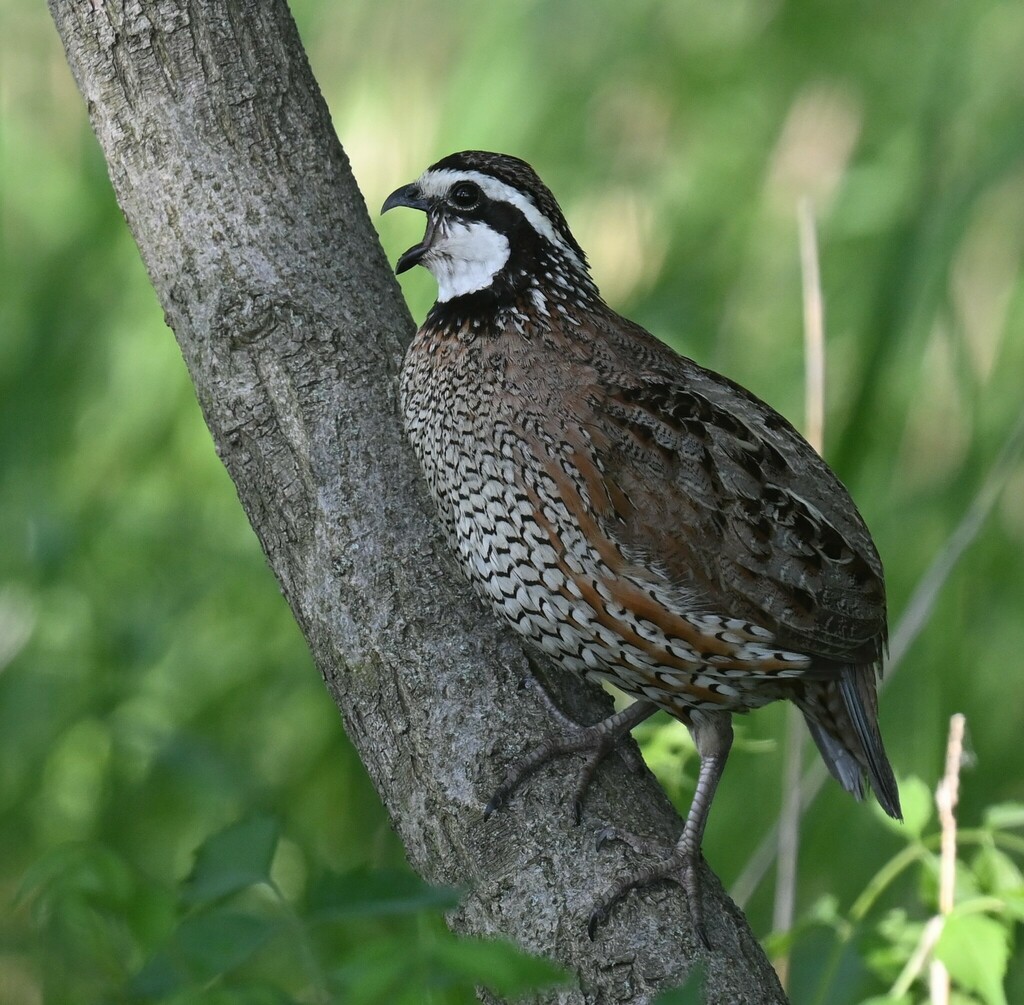
- Northern BobwhiteColinus virginianus
- Northern FlickerColaptes auratus
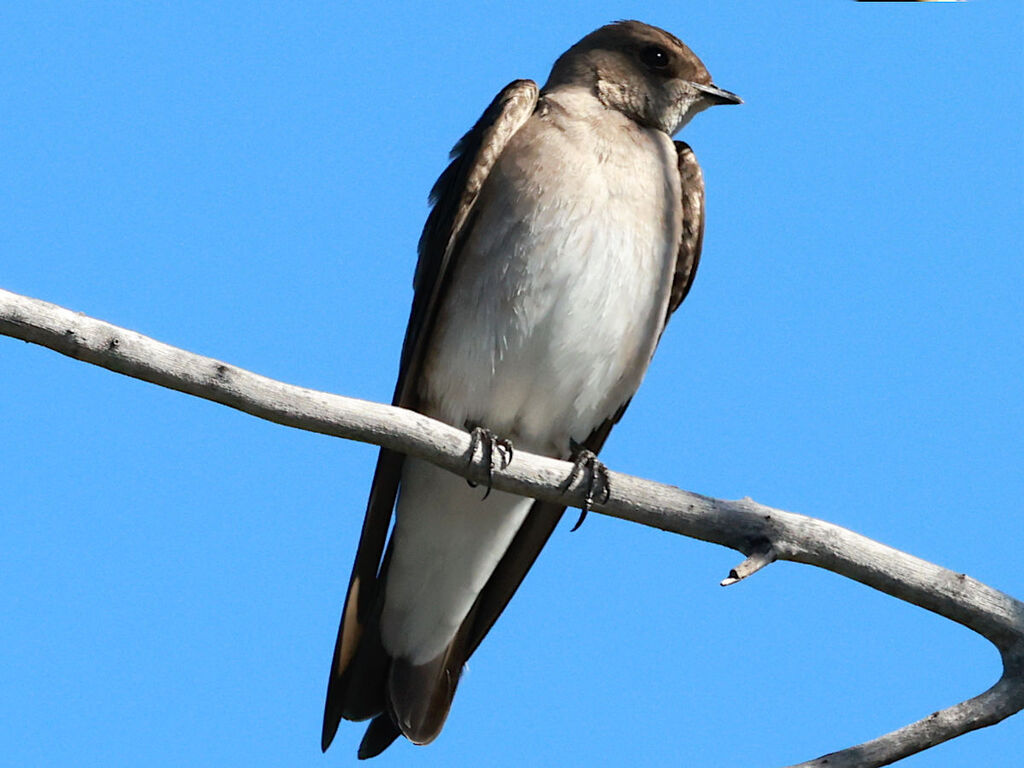
- Northern Rough-winged SwallowStelgidopteryx serripennis
- Prairie WarblerDendroica discolor
- Purple FinchCarpodacus purpureus
- Red-bellied WoodpeckerMelanerpes carolinus
- Short-billed DowitcherLimnodromus griseus
- Western SandpiperCalidris mauri







Who uses this plant?
 15CaterpillarsGenus host records with ranges including VA
Genus host records with ranges including VA · Spartina
- Aethalura intertextaFour-Barred Gray
- Ancyloxypha numitorLeast Skipper
- Apantesis phalerataHarnessed Moth
- Atrytone bulentaRare Skipper
- Ectropis crepusculariaThe Small Engrailed, Saddleback Looper
- Euxoa detersaRubbed Dart, Sandhill Cutworm
- Leucania linitaReed Wainscot, Linen Wainscot
- Mocis texanaTexas Mocis
- Nola cereellaSorghum Cutworm, Sorghum Webworm Moth, Sorgham Webworm Moth
- Panoquina panoquinSalt Marsh Skipper
Show all 15
- Papaipema nebrisStalk Borer
- Poanes aaroniAaron's Skipper
- Chilo plejadellus
- Doryodes spadaria
- Photedes enervata
 0BeesSoutheastern regional records
 0Specialist beesPollen specialists
 1BirdsRecorded genus food-resource interactions; not a state feeding claim
Recorded genus food-resource interactions; not a state feeding claim · Spartina
- Anser caerulescensSnow Goose
Direct food only: birds recorded eating this genus across North America. Caterpillars on host plants also feed nesting birds. NC Native Plant Society: butterfly gardening
No records yet · Ants · Beetles · Flies · Adult butterflies / moths · Other wasps · Other insects
Plant details
- Family
- Poaceae
- Flower color
- Yellow
- Growth rate
- Moderate
- Growth habit
- Spreads by rhizomes
- Foliage color
- Green
- Fruit begins
- Summer
- Fruit ends
- Fall
Safety has not been reviewed for this plant; check toxicity and thorns before planting.
Growing sources and scope
- Bloom · “Late spring” · USDA PLANTS · Nationwide species characteristics; local growing conditions may vary
- Flower color · “Yellow” · USDA PLANTS · Nationwide species characteristics; local growing conditions may vary
- Foliage color · “Green” · USDA PLANTS · Nationwide species characteristics; local growing conditions may vary
- Fruit begins · “Summer” · USDA PLANTS · Nationwide species characteristics; local growing conditions may vary
- Fruit ends · “Fall” · USDA PLANTS · Nationwide species characteristics; local growing conditions may vary
- Growth habit · “Spreads by rhizomes” · USDA PLANTS · Nationwide species characteristics; local growing conditions may vary
- Growth rate · “Moderate” · USDA PLANTS · Nationwide species characteristics; local growing conditions may vary
- Height · “About 2 feet” · USDA PLANTS · Nationwide species characteristics; local growing conditions may vary
Also known as
Sporobolus pumilus
Conservation status
| Virginia rank | S5 |
|---|---|
| Global rank | G5 |
| VA status | Not verified |
| Federal status | Not verified |
Will it fit your yard?
Check this plant against your county, sun and soil moisture. Conditions are checked in your browser.
Growing cautions
- Spreads by rhizomes. USDA PLANTS lists its growth form as rhizomatous. USDA PLANTS
For planning only; these do not change the score or Fit.
Sources
- Digital Atlas of the Virginia Flora
- USDA PLANTS
- Vascular Plants of North Carolina (NC Natural Heritage Program)
- Weakley, Flora of the Southeastern United States (2025)
- NatureServe Explorer
- Shropshire & Tallamy 2025, Lepidoptera of North America north of Mexico, ZooKeys 1261 (ODbL)
- Noori, Seltmann & Orr 2026, A curated and integrated dataset for exploring global bee-plant interactions (GloBI), Zenodo, CC BY 4.0
- Smith, Bachelder, Russell, Morales, Mosher & Seltmann 2024, Bee-Specialization-Modeling v0.6.1 (specialist host table compiled from J. Fowler's pollen specialist bee lists), Zenodo, CC BY 4.0
- Hurlbert, Olsen, Sawyer & Winner 2021, Avian Diet Database, Scientific Data 8: 260 (CC0)
- Narango, Tallamy & Shropshire 2020, Few keystone plant genera support the majority of Lepidoptera species, Nature Communications