

Blue Ridge Catchfly
Silene ovata
Found in circumneutral soils of woodlands and forests, especially over mafic or calcareous rocks, mostly at medium elevations in the mountains. Weakley, Flora of the Southeastern United States (2025), Northern Tier edition What its natural habitat tells you
Native to Virginia. How scores work Is it native here?
Profile 94%
- Height
- Up to about 5 feet
- Light
- Partial shade, Full shade
- Soil moisture
- Dry to moist
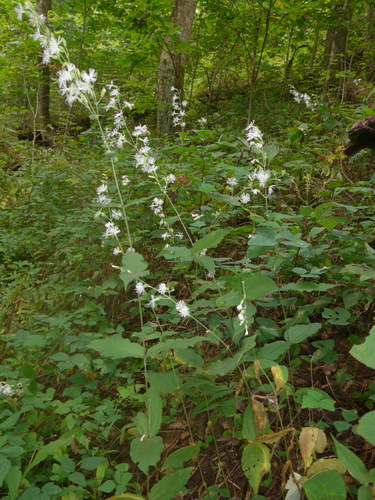
Rare or protected plant. Specialist conservation planting; excluded from routine garden suggestions. Plant caution source
Hidden from default planting suggestions. Wildlife value and native status remain unchanged.
At a glance
- Life cycle
- Perennial
- Bloom
- August to September
Not yet recorded · Spread · Leaves
Recorded in 3 Virginia counties.
Natural habitats
Places it grows wild. Not a planting requirement. Each habitat page lists the plants and wildlife also found there.
Forest or woodland where the source does not say how moist or dry.
Also found with this plant
Wildlife whose habitat models include habitats this plant grows in, in Virginia. Shared habitat, not food. 115 animals.
- Hairy WoodpeckerPicoides villosus
- Hooded MerganserLophodytes cucullatus
- Northern FlickerColaptes auratus
- Northern MockingbirdMimus polyglottos
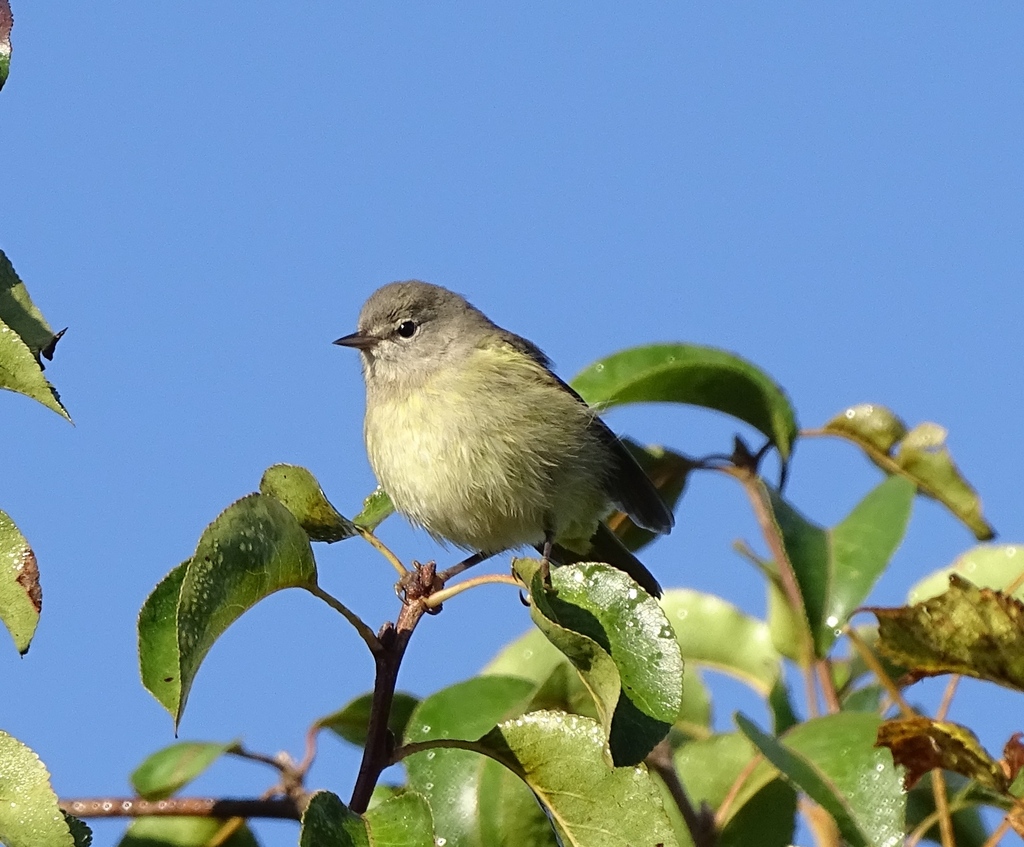
- Orange-crowned WarblerVermivora celata
- OspreyPandion haliaetus
- OvenbirdSeiurus aurocapilla
- Pileated WoodpeckerDryocopus pileatus
- Purple FinchCarpodacus purpureus
- Red-headed WoodpeckerMelanerpes erythrocephalus
- Spotted SandpiperActitis macularius
- White-breasted NuthatchSitta carolinensis
- White-throated SparrowZonotrichia albicollis
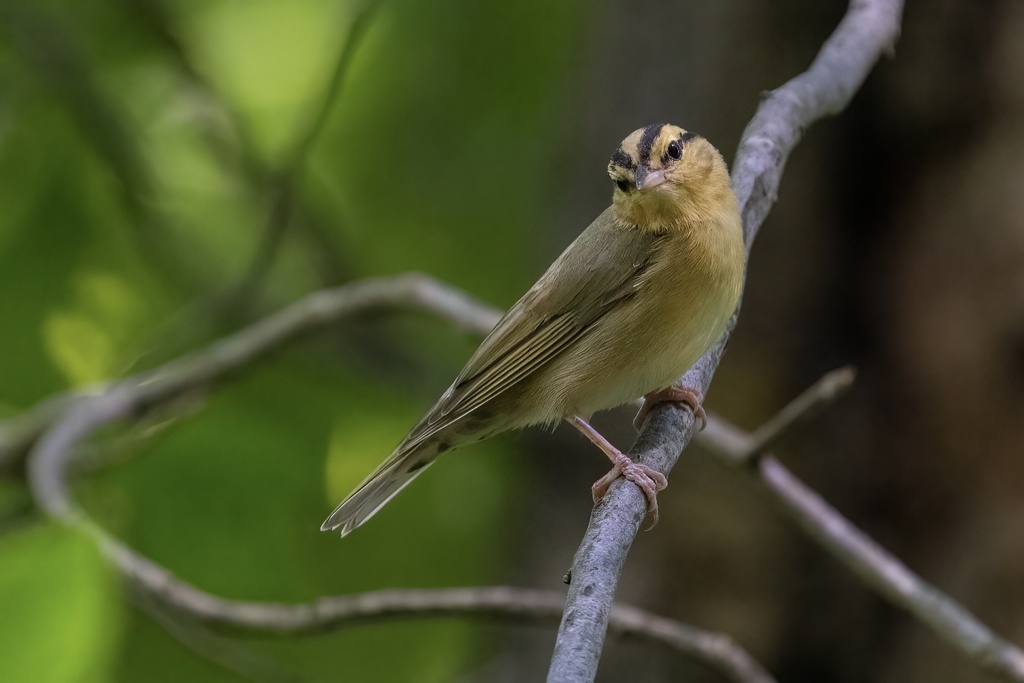
- Worm-eating WarblerHelmitheros vermivorum
- Yellow-billed CuckooCoccyzus americanus
- American RedstartSetophaga ruticilla
- American WoodcockScolopax minor
- Belted KingfisherMegaceryle alcyon
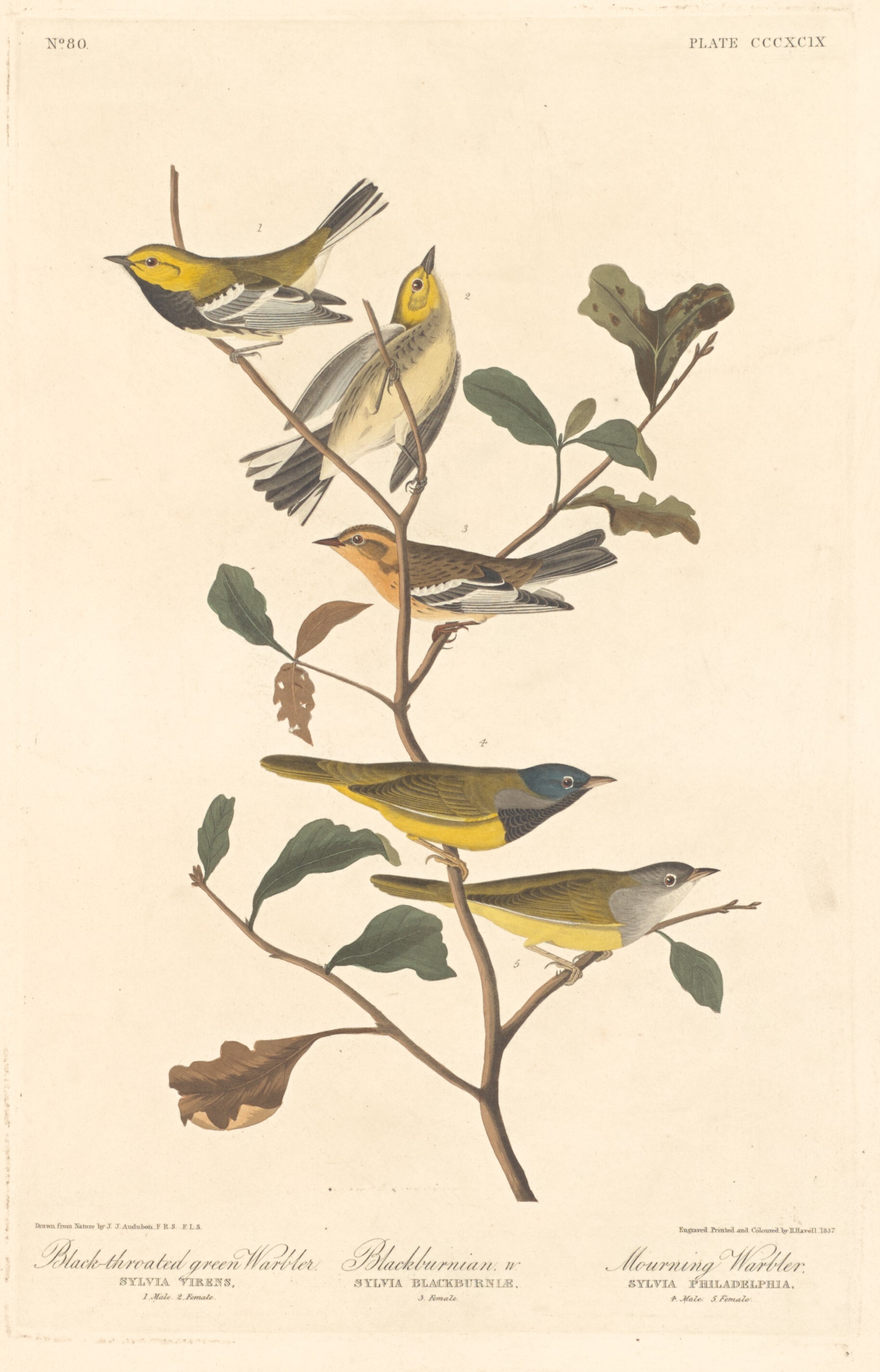
- Black-throated Green WarblerDendroica virens
- Blue-headed VireoVireo solitarius
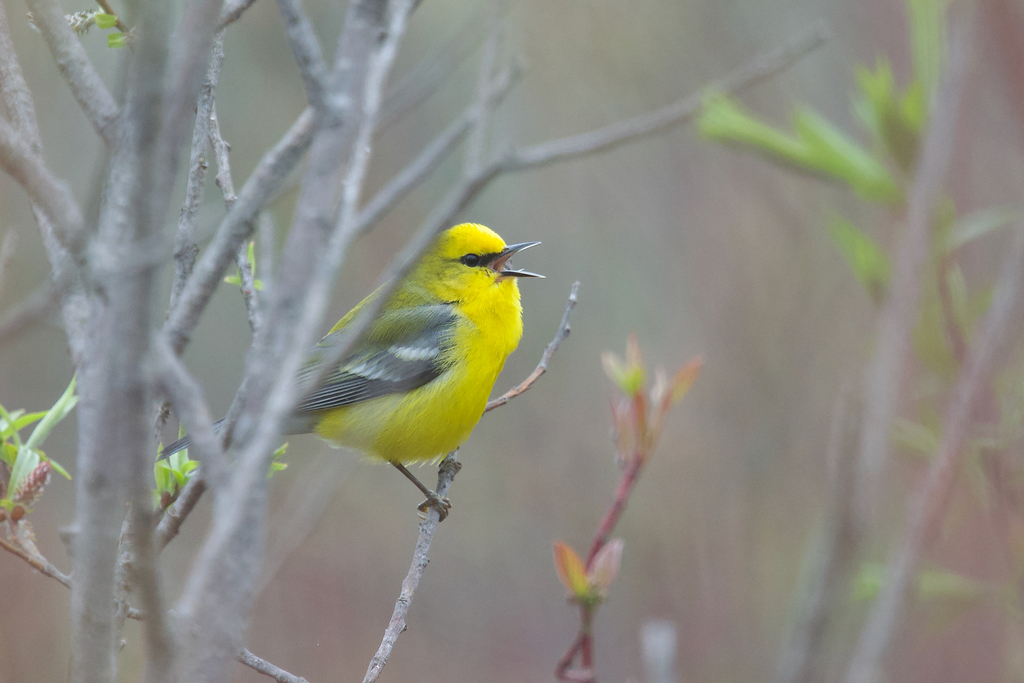
- Blue-winged WarblerVermivora pinus
- Carolina WrenThryothorus ludovicianus
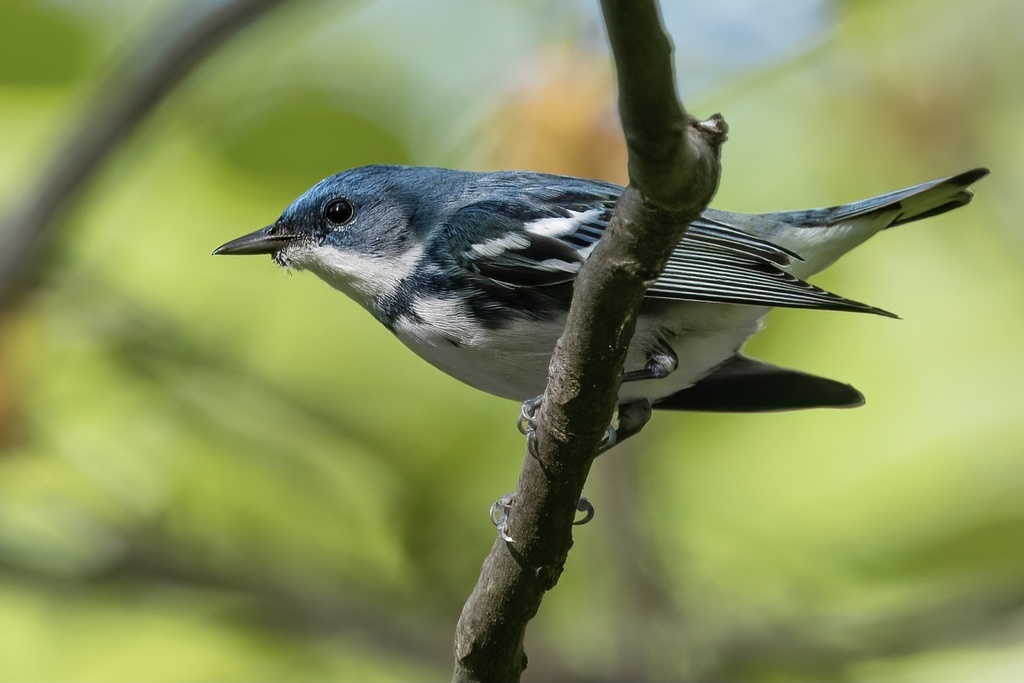
- Cerulean WarblerDendroica cerulea
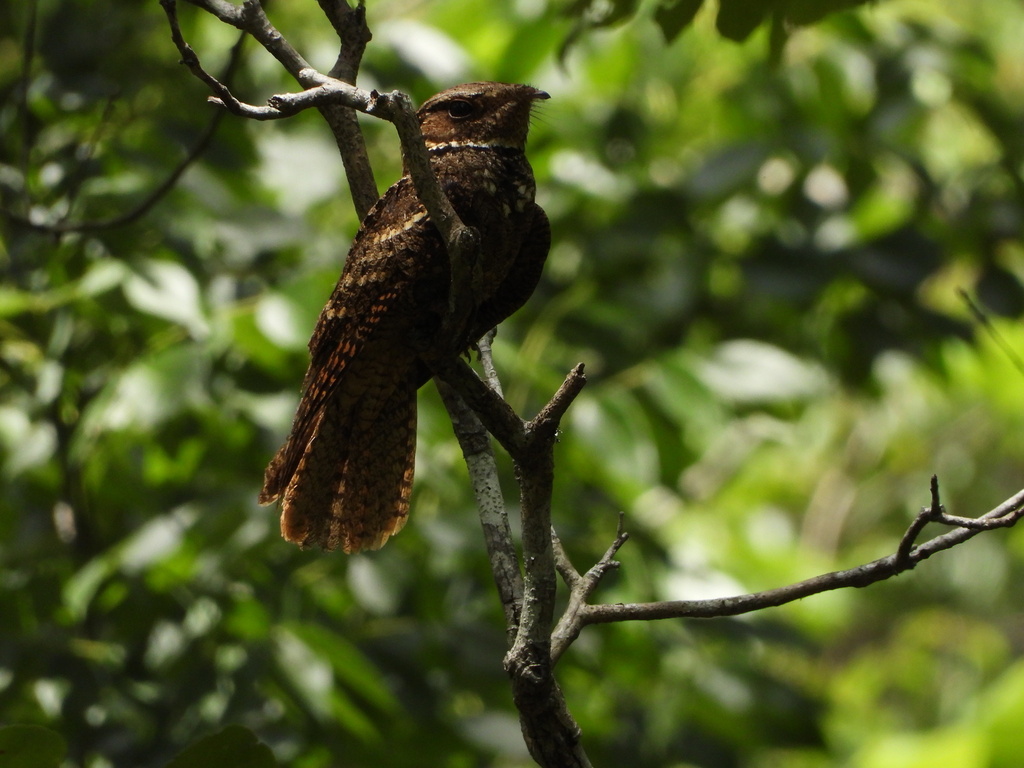
- Chuck-will's-widowCaprimulgus carolinensis


















Who uses this plant?
 5CaterpillarsGenus host records with ranges including VA
Genus host records with ranges including VA · Silene
- Hadena capsularisCapsule Moth
- Hadena ectypaCampion Coronet
- Lacinipolia renigeraBristly Ground Cat, Bristly Cutworm Moth, Kidney Spotted "Mamestra"
- Melanchra adjunctaHitched Arches
- Sparganothis unifascianaOne-Lined Sparganothis
 5BeesSoutheastern regional records
Southeastern regional records · Silene
Individual names are not available yet.
Noori, Seltmann & Orr 2026, A curated and integrated dataset for exploring global bee-plant interactions (GloBI), Zenodo, CC BY 4.0 0Specialist beesPollen specialists
 13BirdsRecorded genus food-resource interactions; not a state feeding claim
Recorded genus food-resource interactions; not a state feeding claim · Silene
- Calcarius lapponicusLapland Longspur
- Callipepla californicaCalifornia Quail
- Haemorhous mexicanusHouse Finch
- Junco hyemalisDark-eyed Junco
- Lagopus leucuraWhite-tailed Ptarmigan
- Leucosticte atrataBlack Rosy-Finch
- Meleagris gallopavoWild Turkey
- Melospiza melodiaSong Sparrow
- Melozone crissalisCalifornia Towhee
- Plectrophenax nivalisSnow Bunting
Show all 13
- Spinus psaltriaLesser Goldfinch
- Zonotrichia atricapillaGolden-crowned Sparrow
- Zonotrichia leucophrysWhite-crowned Sparrow
Direct food only: birds recorded eating this genus across North America. Caterpillars on host plants also feed nesting birds. NC Native Plant Society: butterfly gardening
No records yet · Ants · Beetles · Flies · Adult butterflies / moths · Other wasps · Other insects
Plant details
- Family
- Caryophyllaceae
- Flower color
- White or green
Growing sources and scope
- Bloom · “August to September” · Weakley, Flora of the Southeastern United States (2025), Carolinas & Georgia edition · Carolinas and Georgia
- Flower color · “White or green” · Lady Bird Johnson Wildflower Center
- Height · “Up to about 5 feet” · Lady Bird Johnson Wildflower Center
- Life cycle · “Perennial” · Lady Bird Johnson Wildflower Center
- Light · “Partial shade; Full shade (documented habitat)” · Weakley, Flora of the Southeastern United States (2025), Carolinas & Georgia edition · Carolinas and Georgia
- Soil · “Dry; Moist (documented habitat)” · Weakley, Flora of the Southeastern United States (2025), Carolinas & Georgia edition · Carolinas and Georgia
Also known as
Mountain Campion; Mountain Catchfly; Ovate Leaf Catchfly
Conservation status
| Virginia rank | S1 |
|---|---|
| Global rank | G3 |
| VA status | Not verified |
| Federal status | Not verified |
Will it fit your yard?
Check this plant against your county, sun and soil moisture. Conditions are checked in your browser.
Sources
- Virginia DCR Natural Heritage rare plant list
- Digital Atlas of the Virginia Flora
- USDA PLANTS
- Vascular Plants of North Carolina (NC Natural Heritage Program)
- Weakley, Flora of the Southeastern United States (2025), Carolinas & Georgia edition
- NatureServe Explorer
- Shropshire & Tallamy 2025, Lepidoptera of North America north of Mexico, ZooKeys 1261 (ODbL)
- Noori, Seltmann & Orr 2026, A curated and integrated dataset for exploring global bee-plant interactions (GloBI), Zenodo, CC BY 4.0
- Smith, Bachelder, Russell, Morales, Mosher & Seltmann 2024, Bee-Specialization-Modeling v0.6.1 (specialist host table compiled from J. Fowler's pollen specialist bee lists), Zenodo, CC BY 4.0
- Hurlbert, Olsen, Sawyer & Winner 2021, Avian Diet Database, Scientific Data 8: 260 (CC0)
- Narango, Tallamy & Shropshire 2020, Few keystone plant genera support the majority of Lepidoptera species, Nature Communications