

Slender Sea-purslane
Sesuvium maritimum
Found in island end flats and sea beaches, salt flats; less typically inland (AL, LA) in saline marshes or seeps (associated with salt domes). Weakley, Flora of the Southeastern United States (2025), Northern Tier edition What its natural habitat tells you
Native to Virginia. How scores work Is it native here?
Profile 71%
- Light
- Full sun
- Soil moisture
- Dry to wet
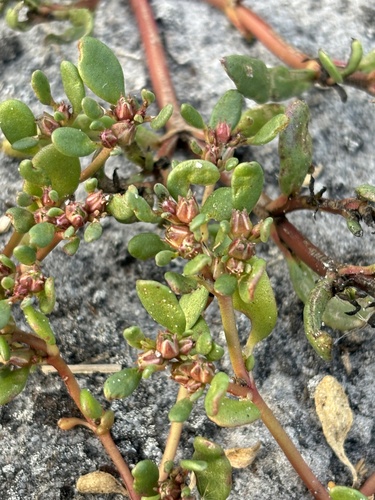
At a glance
- Life cycle
- Annual
Not yet recorded · Height · Spread · Leaves · Bloom
Height and bloom: NC species account not read yet.
Spread and leaves: no source found yet.
This plant is missing most of its facts, so Quercus is looking them up in old botany books.
Recorded in 7 Virginia counties.
Natural habitats
Places it grows wild. Not a planting requirement. Each habitat page lists the plants and wildlife also found there.
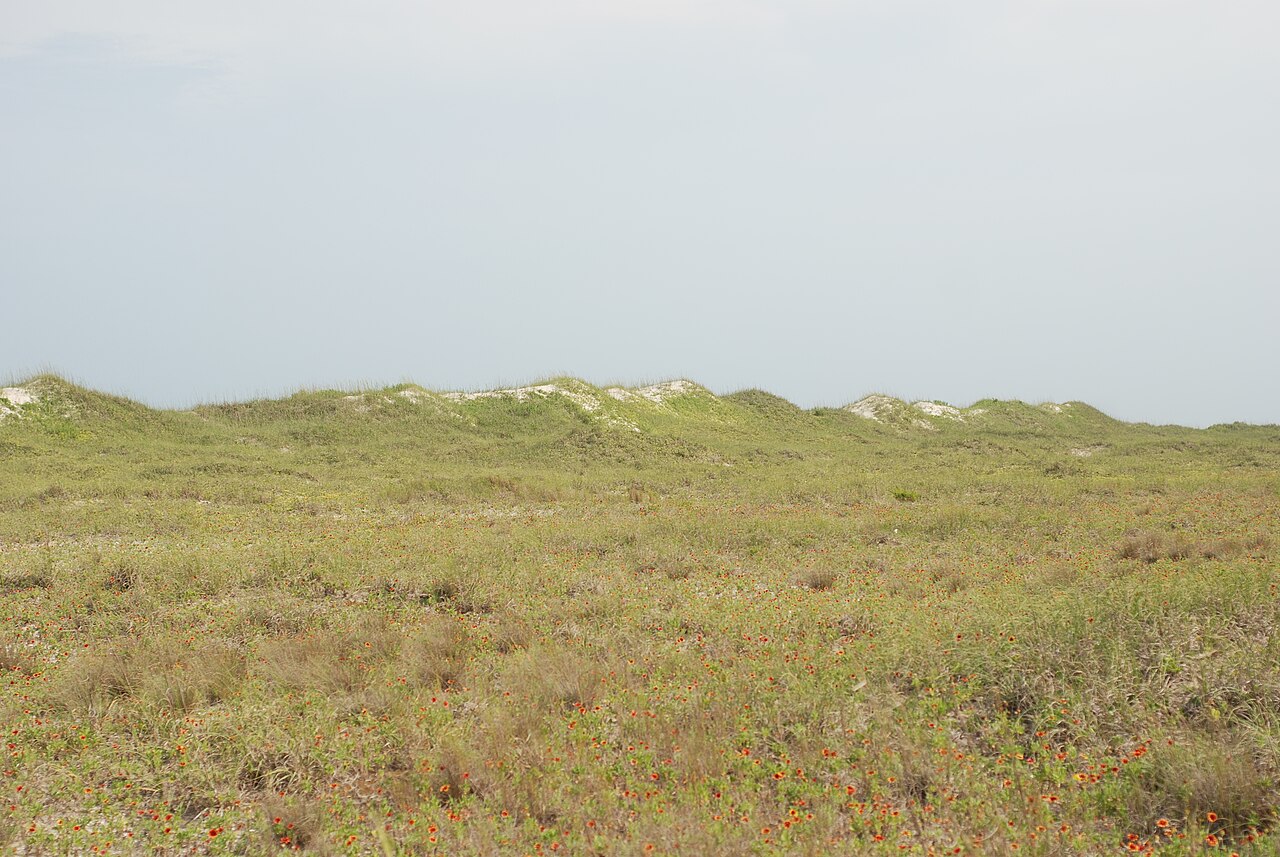
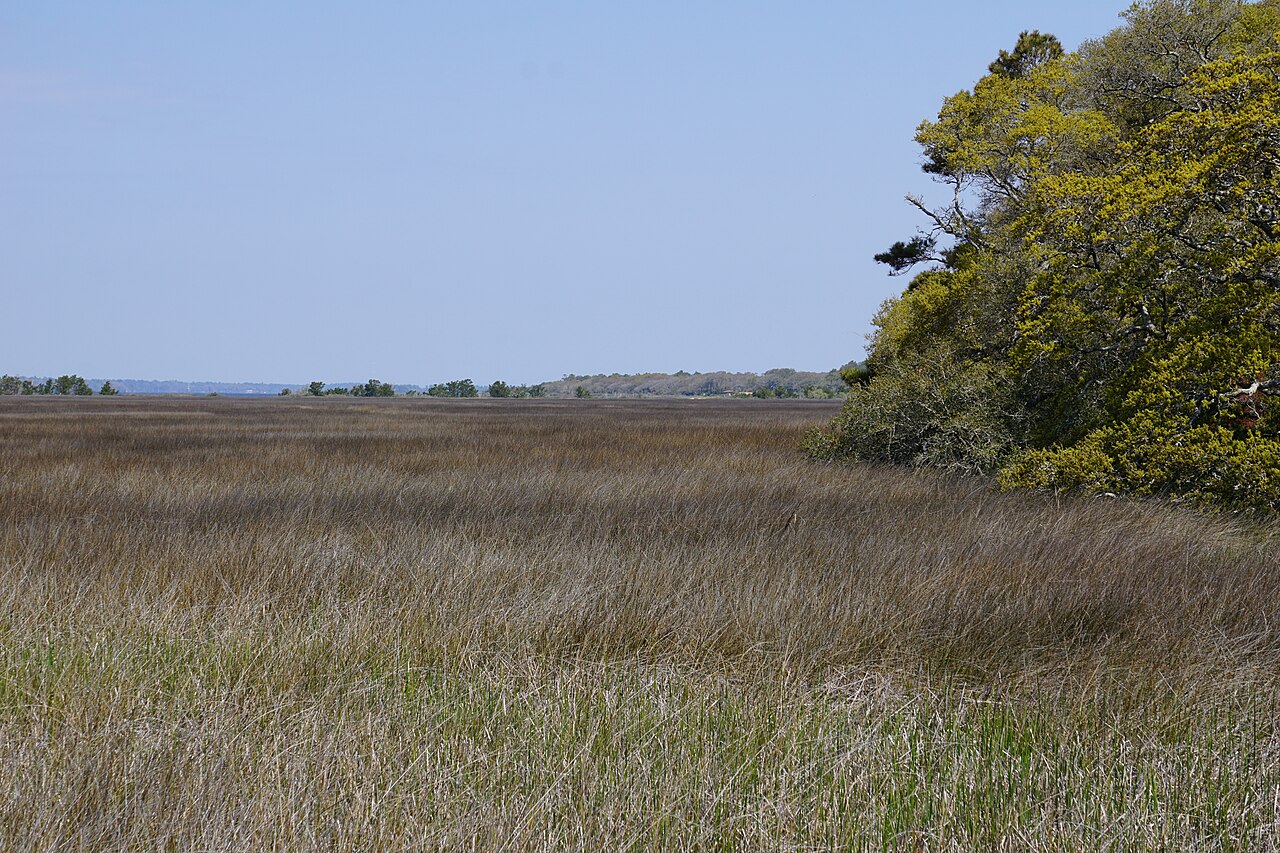
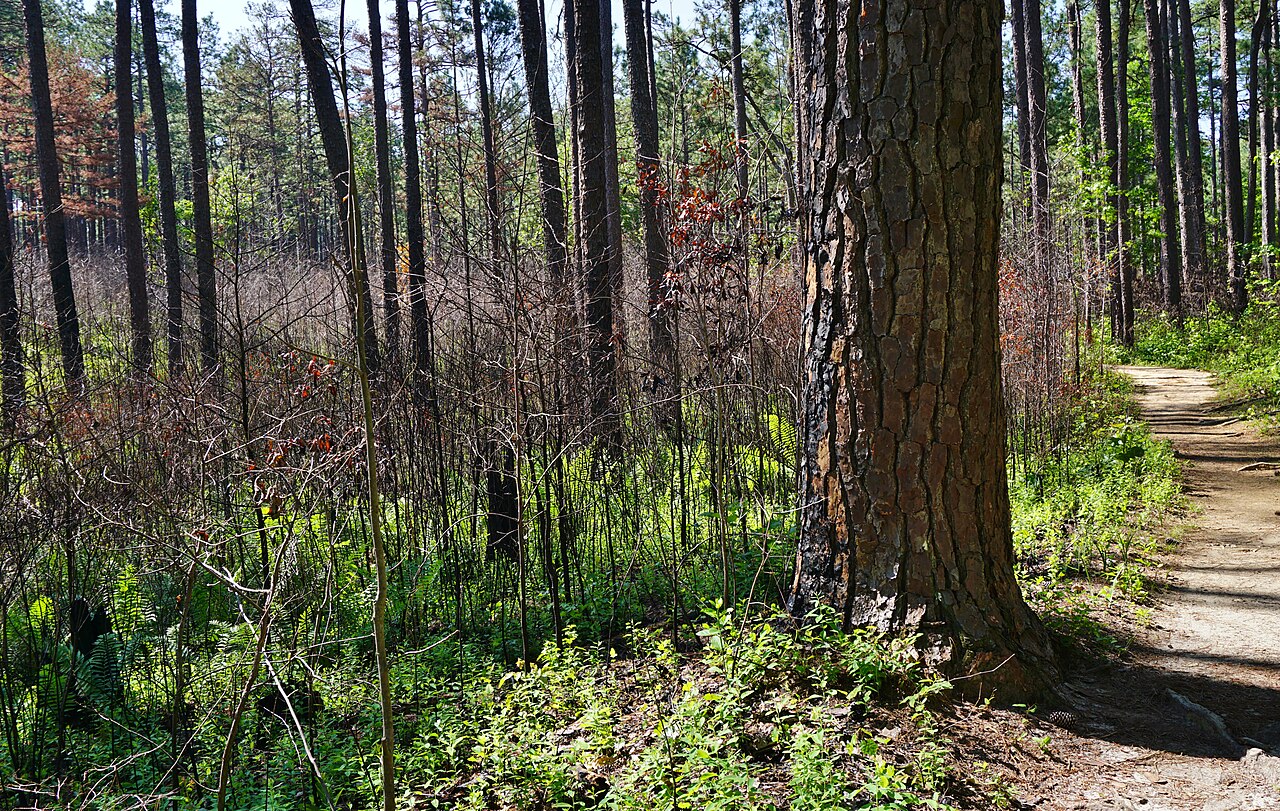
Also found with this plant
Wildlife whose habitat models include habitats this plant grows in, in Virginia. Shared habitat, not food. 112 animals.
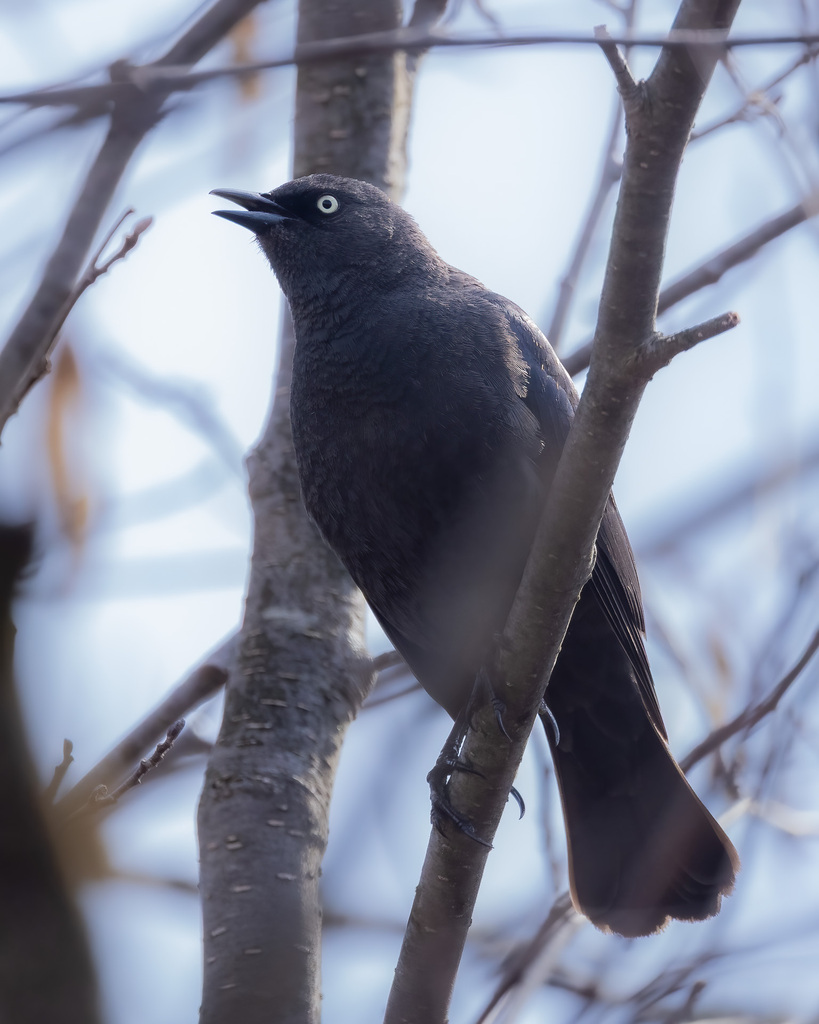
- Rusty BlackbirdEuphagus carolinus
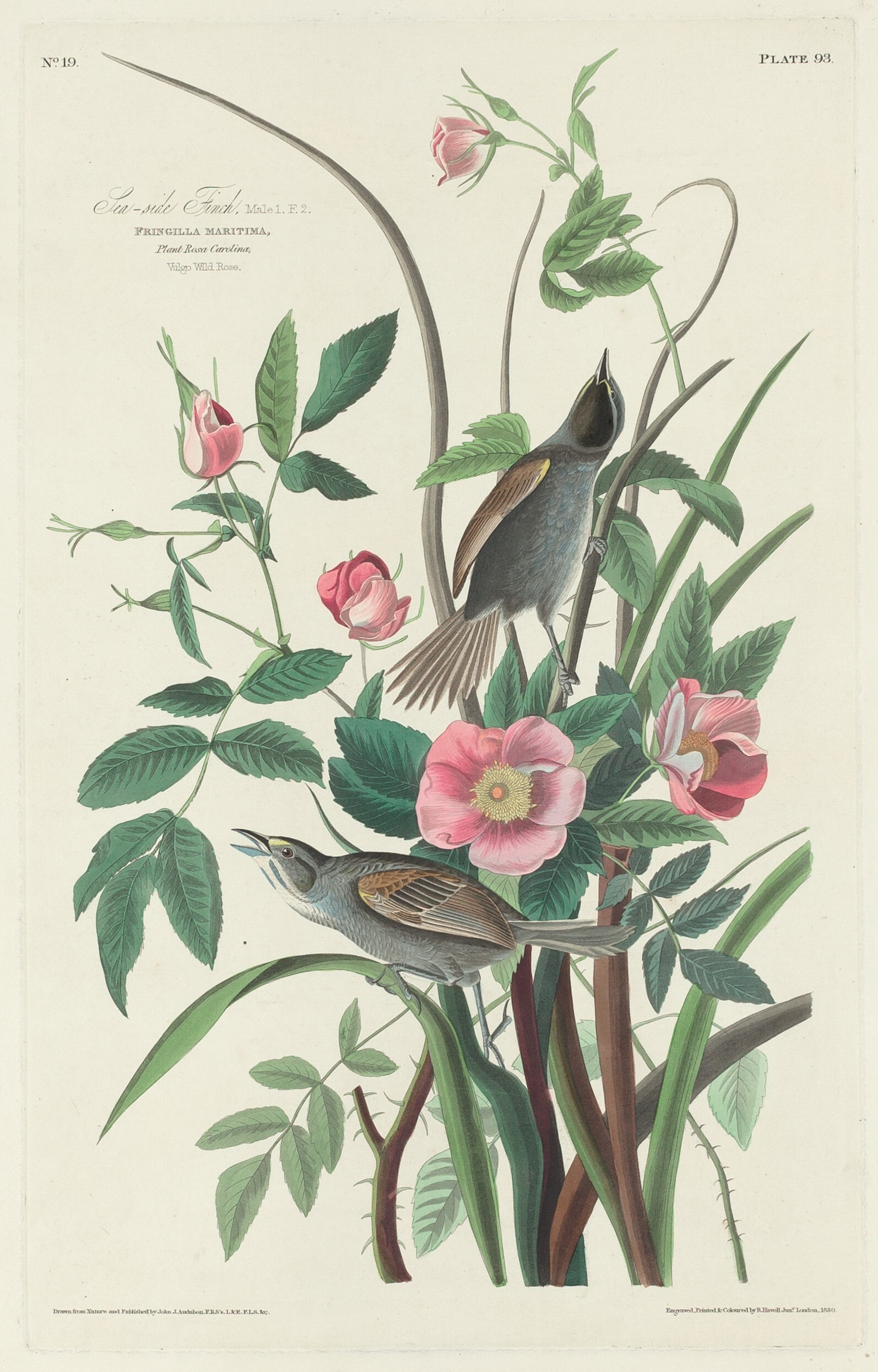
- Saltmarsh Sharp-tailed SparrowAmmodramus caudacutus
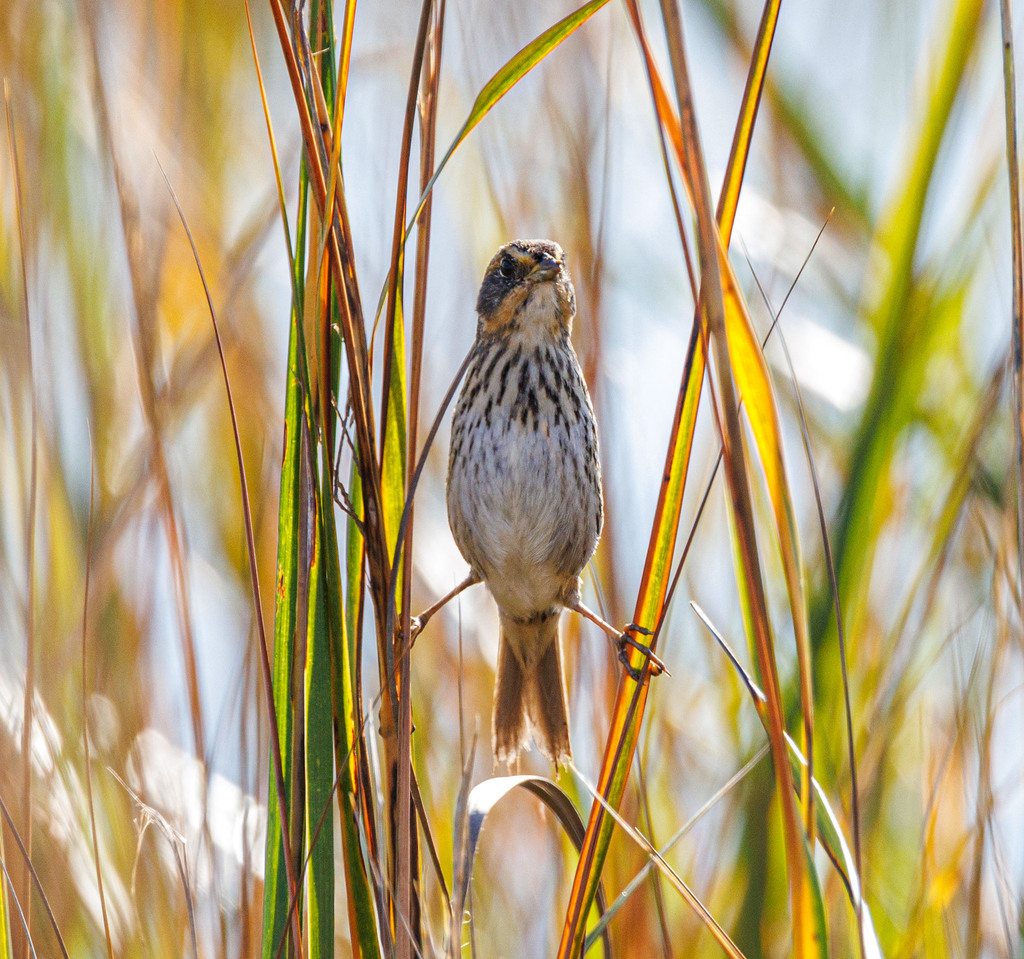
- Seaside SparrowAmmodramus maritimus
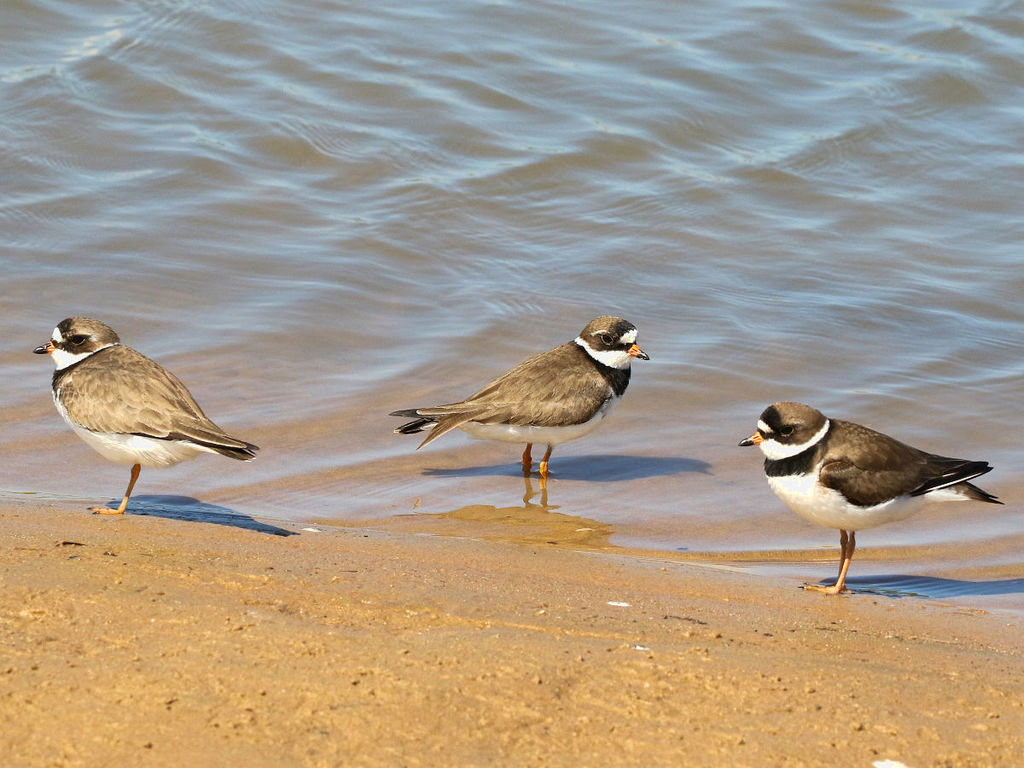
- Semipalmated PloverCharadrius semipalmatus
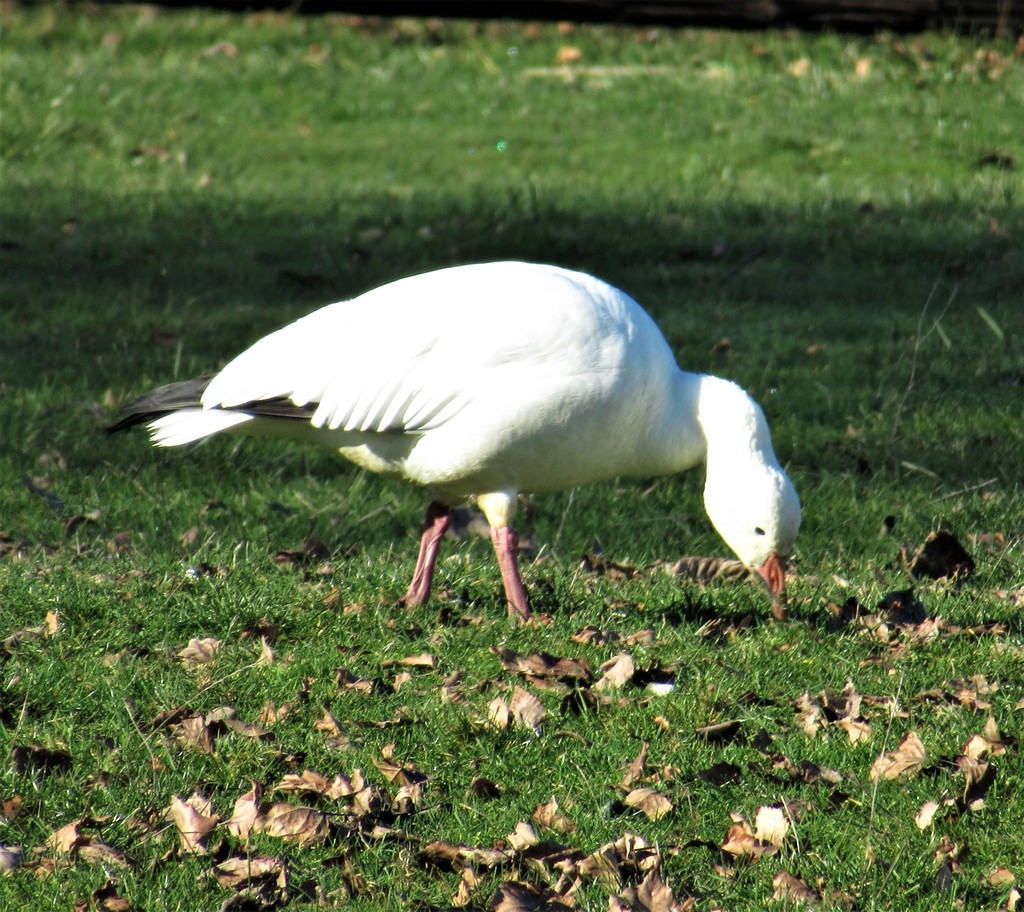
- Snow GooseChen caerulescens
- Song SparrowMelospiza melodia
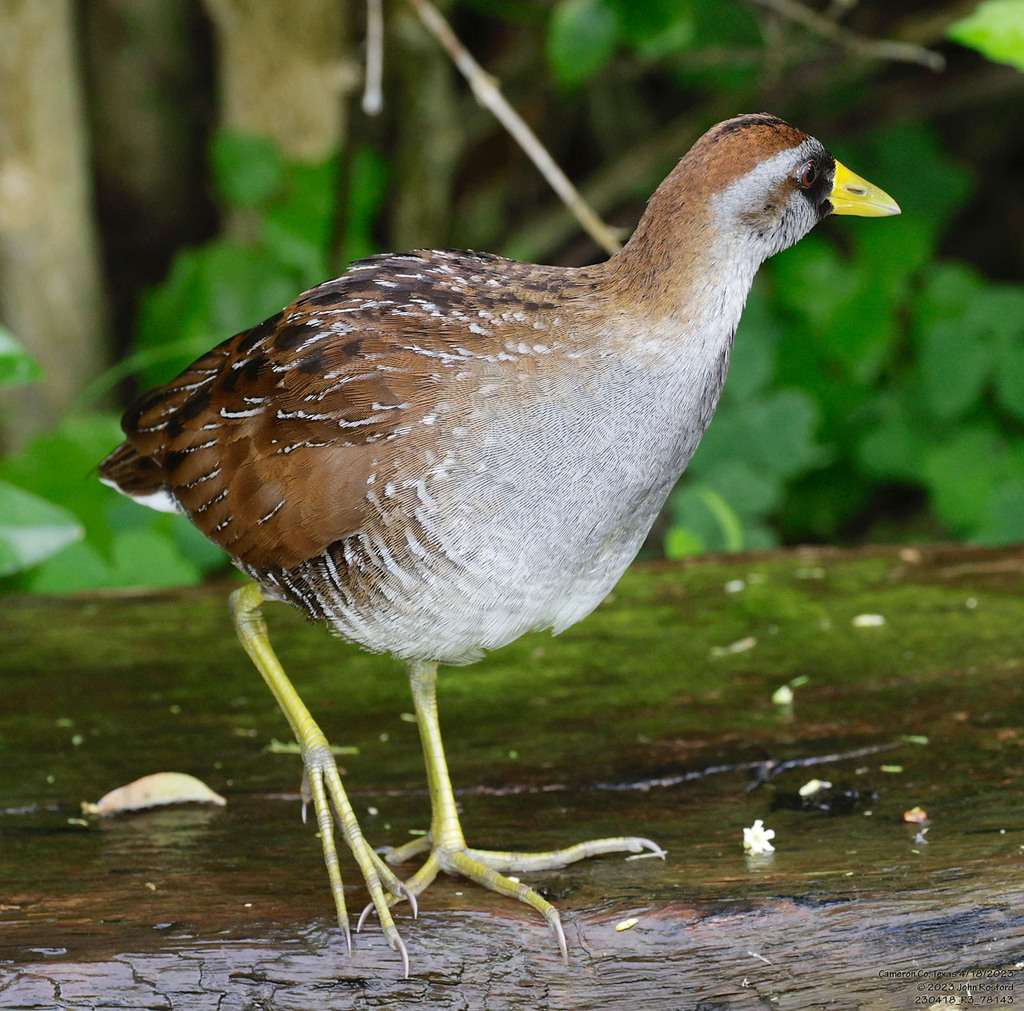
- SoraPorzana carolina
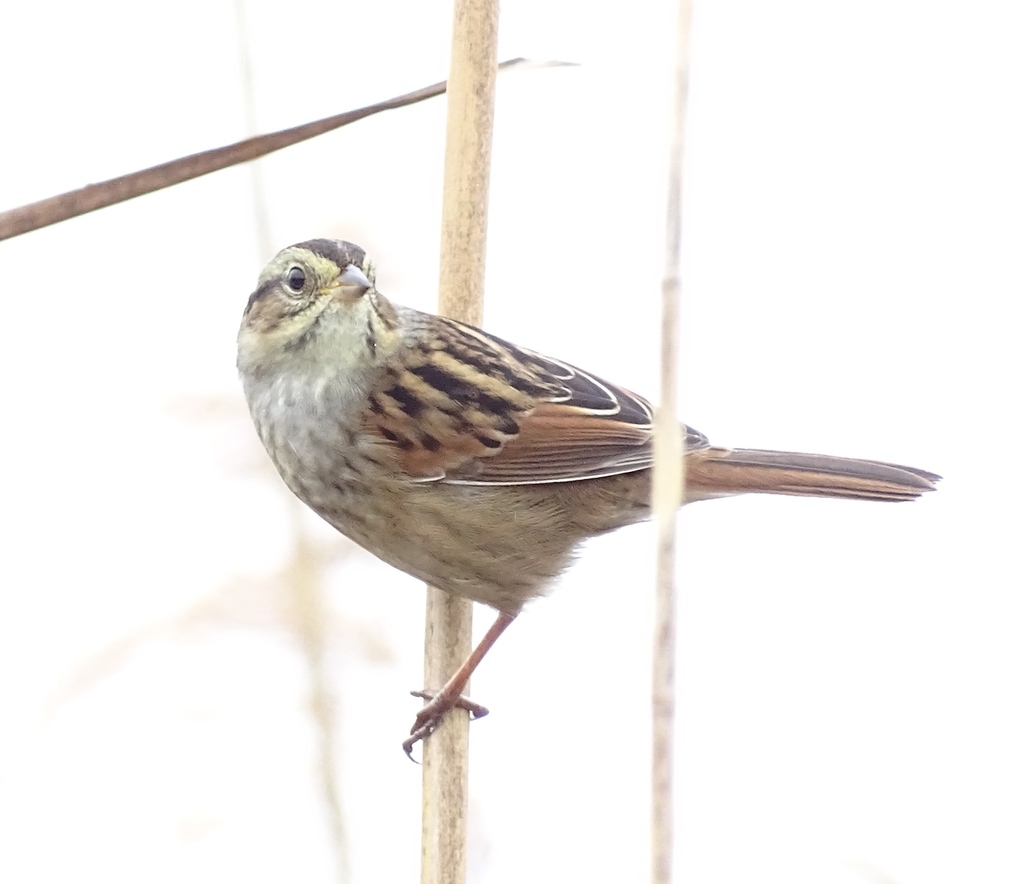
- Swamp SparrowMelospiza georgiana
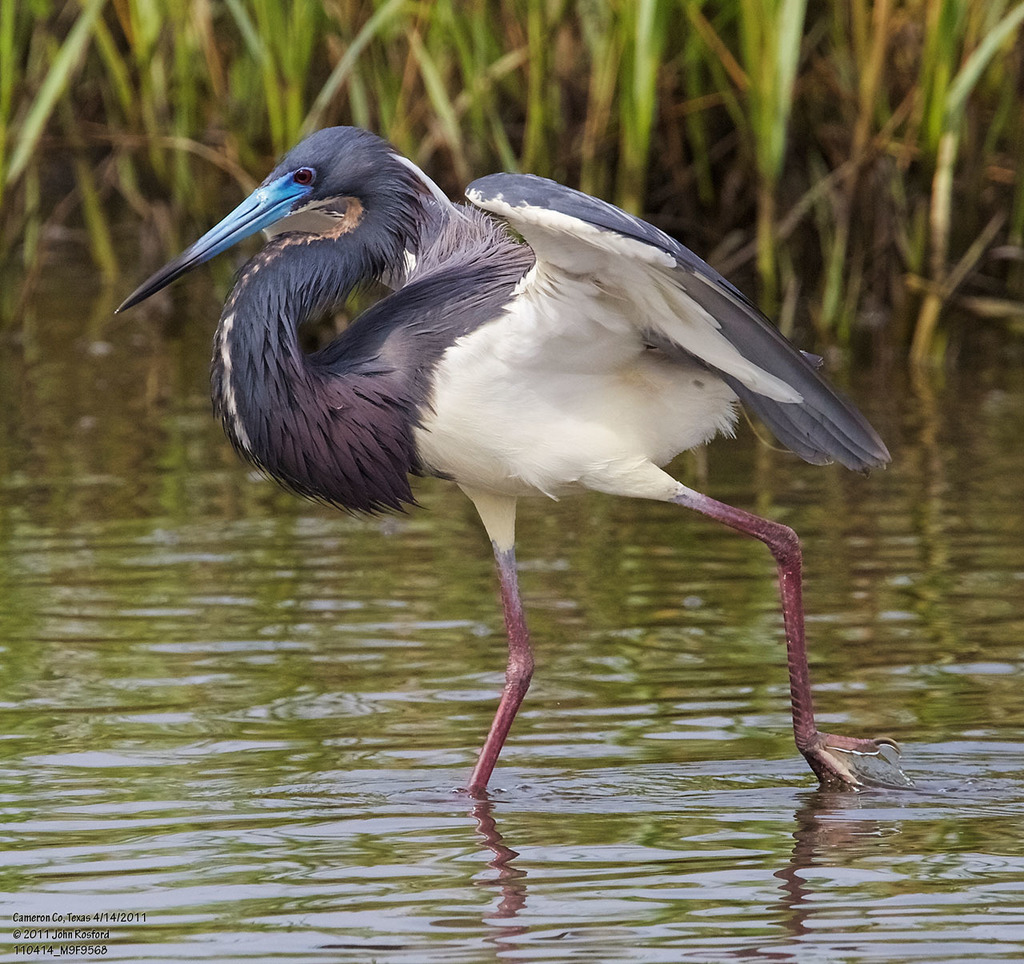
- Tricolored HeronEgretta tricolor
- Tundra SwanCygnus columbianus
- Virginia RailRallus limicola
- Western SandpiperCalidris mauri
- Yellow RailCoturnicops noveboracensis
- Yellow-breasted ChatIcteria virens
- Yellow-crowned Night-heronNyctanassa violacea
- Yellow-rumped WarblerDendroica coronata

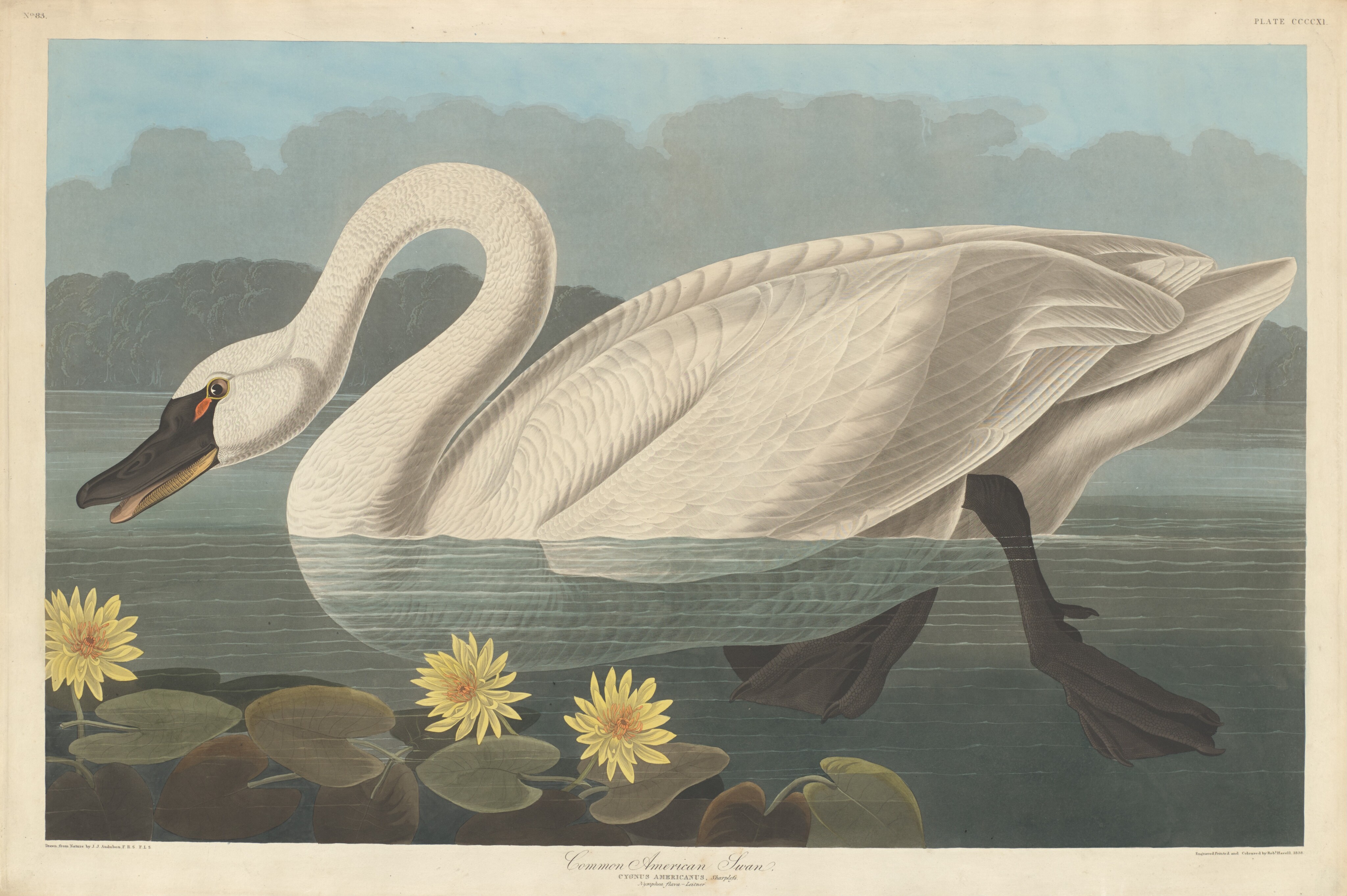
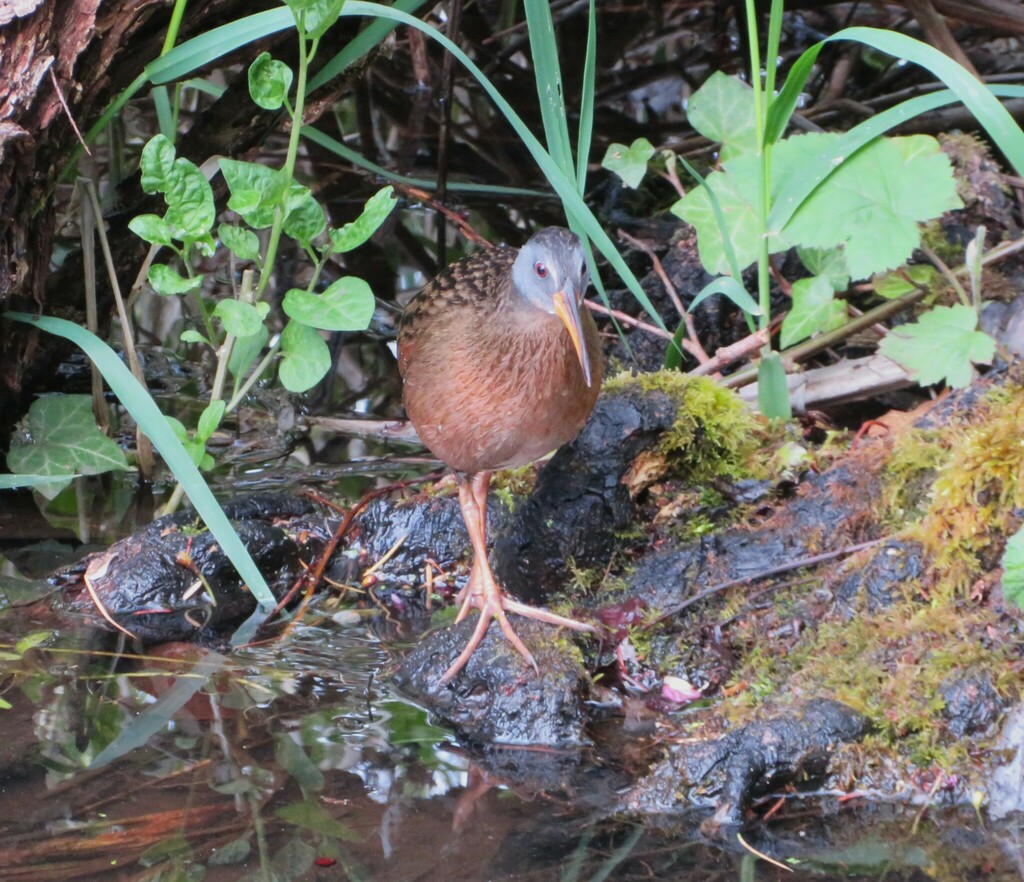
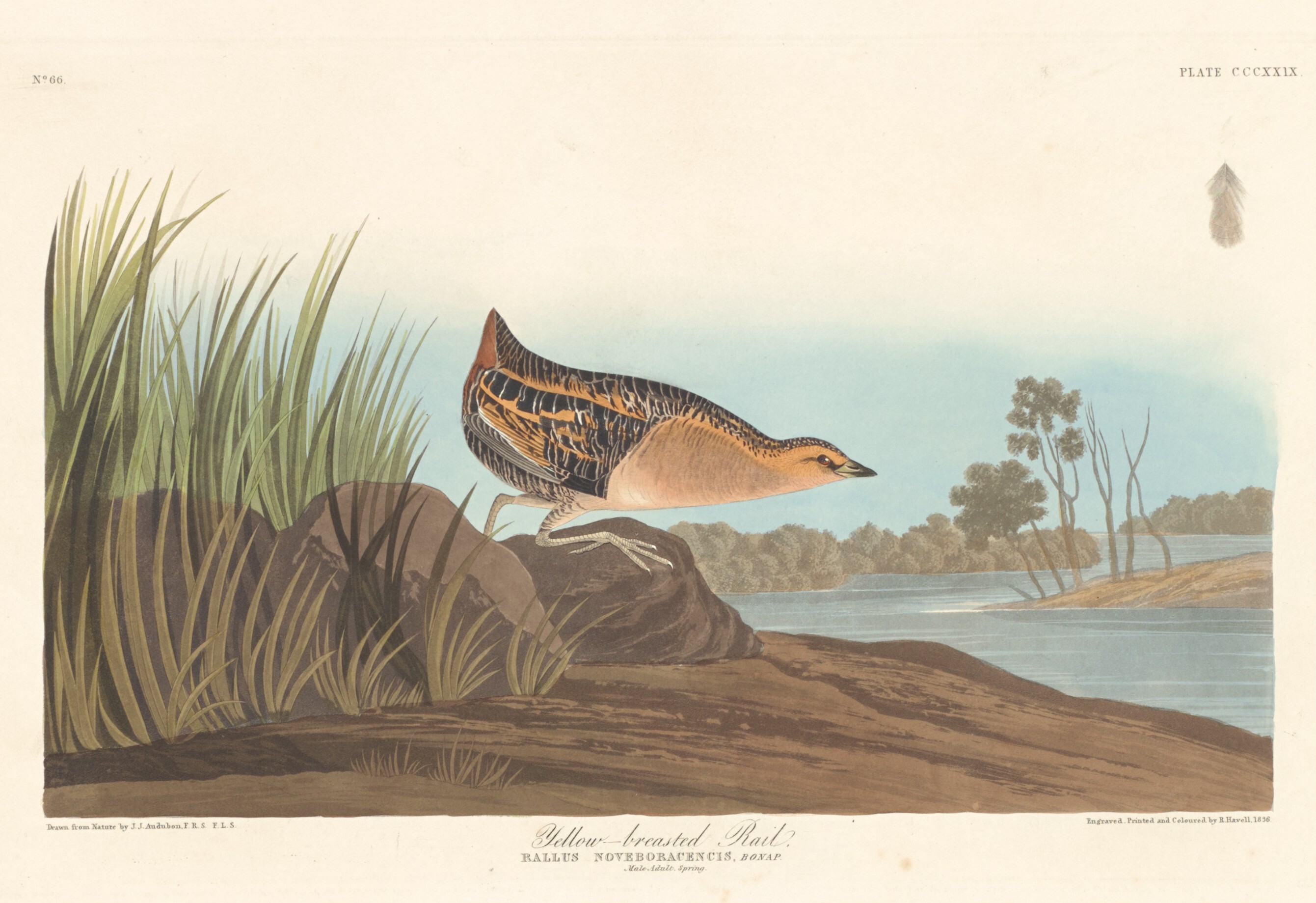





Who uses this plant?
 2CaterpillarsGenus host records with ranges including VA
Genus host records with ranges including VA · Sesuvium
- Achyra rantalisGarden Webworm Moth
- Spoladea recurvalisHawaiian Beet Webworm
 1BeesSoutheastern regional records
Southeastern regional records · Sesuvium
Individual names are not available yet.
Noori, Seltmann & Orr 2026, A curated and integrated dataset for exploring global bee-plant interactions (GloBI), Zenodo, CC BY 4.0 0Specialist beesPollen specialists
 2BirdsRecorded genus food-resource interactions; not a state feeding claim
Recorded genus food-resource interactions; not a state feeding claim · Sesuvium
- Anas creccaGreen-winged Teal
- Fulica americanaAmerican Coot
Direct food only: birds recorded eating this genus across North America. Caterpillars on host plants also feed nesting birds. NC Native Plant Society: butterfly gardening
No records yet · Ants · Beetles · Flies · Adult butterflies / moths · Other wasps · Other insects
Plant details
- Family
- Aizoaceae
- Flower color
- Pink or purple
Safety has not been reviewed for this plant; check toxicity and thorns before planting.
Growing sources and scope
- Flower color · “Pink or purple” · Lady Bird Johnson Wildflower Center
- Life cycle · “Annual” · Lady Bird Johnson Wildflower Center
- Light · “Full sun (documented habitat)” · Weakley, Flora of the Southeastern United States (2025), Carolinas & Georgia edition · Carolinas and Georgia
- Soil · “Dry; Moist; Wet (documented habitat)” · Weakley, Flora of the Southeastern United States (2025), Carolinas & Georgia edition · Carolinas and Georgia
Also known as
Slender Sea purslane
Conservation status
| Virginia rank | S3 |
|---|---|
| Global rank | G5 |
| VA status | Not verified |
| Federal status | Not verified |
Will it fit your yard?
Check this plant against your county, sun and soil moisture. Conditions are checked in your browser.
Sources
- Virginia DCR Natural Heritage rare plant list
- Digital Atlas of the Virginia Flora
- USDA PLANTS
- Vascular Plants of North Carolina (NC Natural Heritage Program)
- Weakley, Flora of the Southeastern United States (2025), Northern Tier edition
- NatureServe Explorer
- Shropshire & Tallamy 2025, Lepidoptera of North America north of Mexico, ZooKeys 1261 (ODbL)
- Noori, Seltmann & Orr 2026, A curated and integrated dataset for exploring global bee-plant interactions (GloBI), Zenodo, CC BY 4.0
- Smith, Bachelder, Russell, Morales, Mosher & Seltmann 2024, Bee-Specialization-Modeling v0.6.1 (specialist host table compiled from J. Fowler's pollen specialist bee lists), Zenodo, CC BY 4.0
- Hurlbert, Olsen, Sawyer & Winner 2021, Avian Diet Database, Scientific Data 8: 260 (CC0)
- Narango, Tallamy & Shropshire 2020, Few keystone plant genera support the majority of Lepidoptera species, Nature Communications