

Cliff Stonecrop
Sedum glaucophyllum
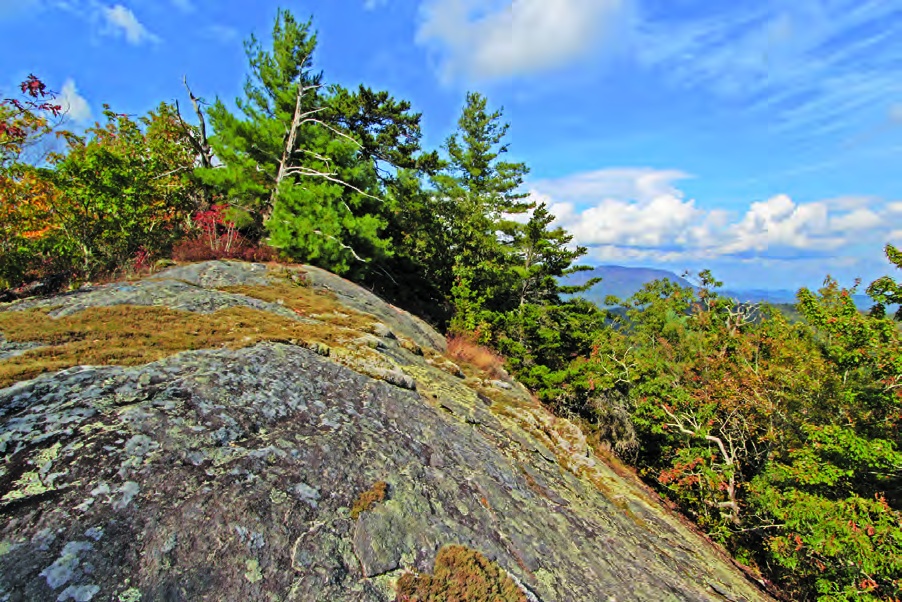
Found in rock outcrops, usually basic and/or sedimentary. Weakley, Flora of the Southeastern United States (2025), Northern Tier edition What its natural habitat tells you
Native to Virginia. How scores work Is it native here?
Profile 76%
- Light
- Partial shade, Full shade, Full sun
- Soil moisture
- Dry to moist
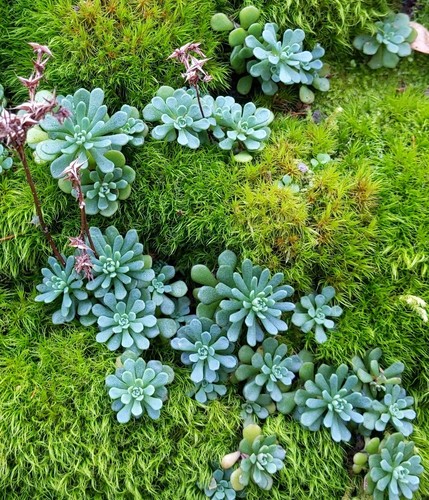
At a glance
- Bloom
- May to June
- Fruiting season
- June to July
Not yet recorded · Height · Spread · Life cycle · Leaves
Height: NC species account not read yet.
Spread, life cycle and leaves: no source found yet.
This plant is missing most of its facts, so Quercus is looking them up in old botany books.
Recorded in 33 Virginia counties.
Natural habitats
Places it grows wild. Not a planting requirement. Each habitat page lists the plants and wildlife also found there.
Cliffs, ledges and rocky summits
Also found with this plant
Wildlife whose habitat models include habitats this plant grows in, in Virginia. Shared habitat, not food. 119 animals.
- Yellow-rumped WarblerDendroica coronata
- Black VultureCoragyps atratus
- Black-and-White WarblerMniotilta varia
- Blue-gray GnatcatcherPolioptila caerulea
- Broad-winged HawkButeo platypterus
- Brown ThrasherToxostoma rufum
- Carolina ChickadeePoecile carolinensis
- Carolina WrenThryothorus ludovicianus
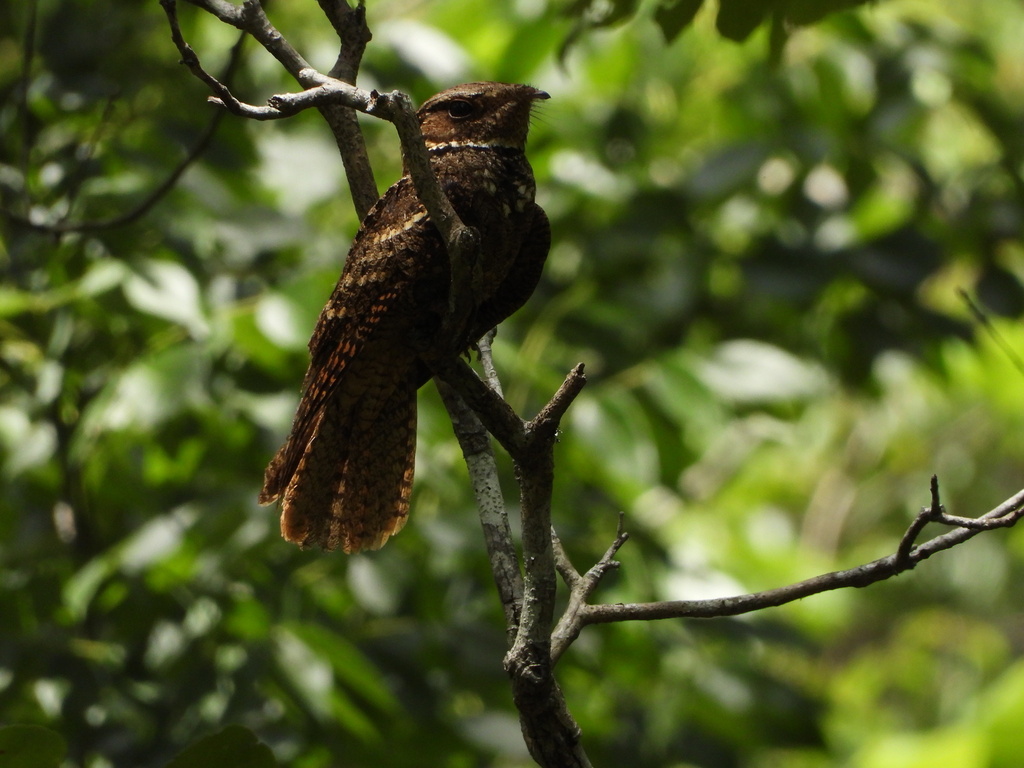
- Chuck-will's-widowCaprimulgus carolinensis
- Double-crested CormorantPhalacrocorax auritus
- Eastern Screech-owlMegascops asio
- Eastern TowheePipilo erythrophthalmus
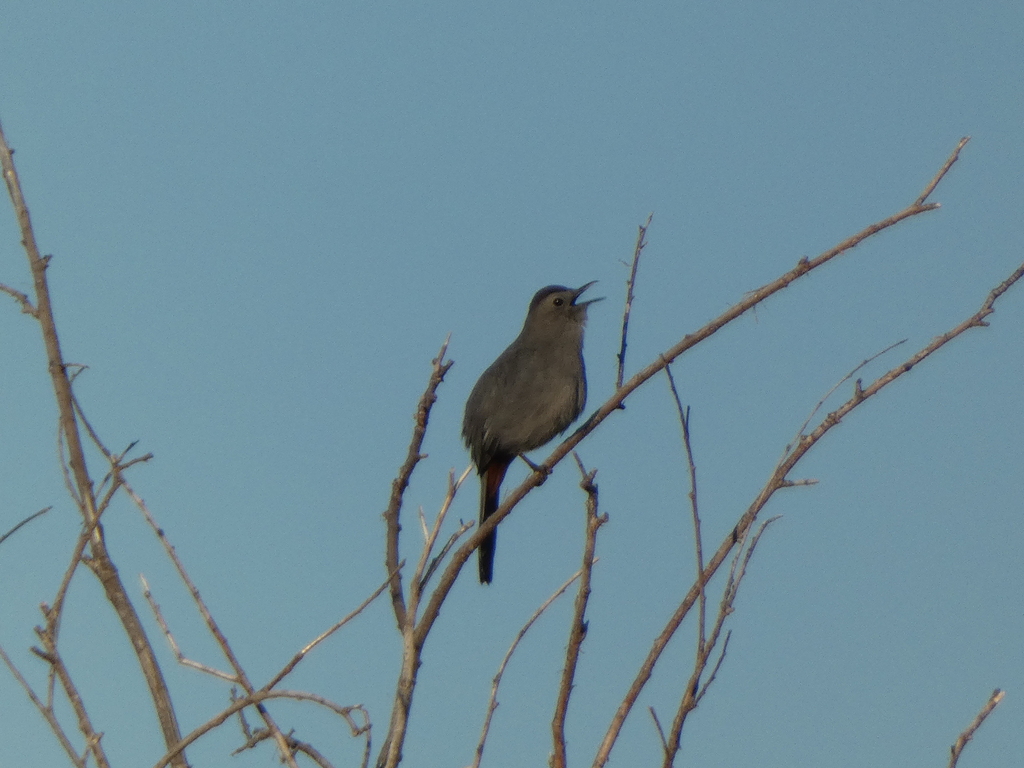
- Gray CatbirdDumetella carolinensis
- Great Crested FlycatcherMyiarchus crinitus
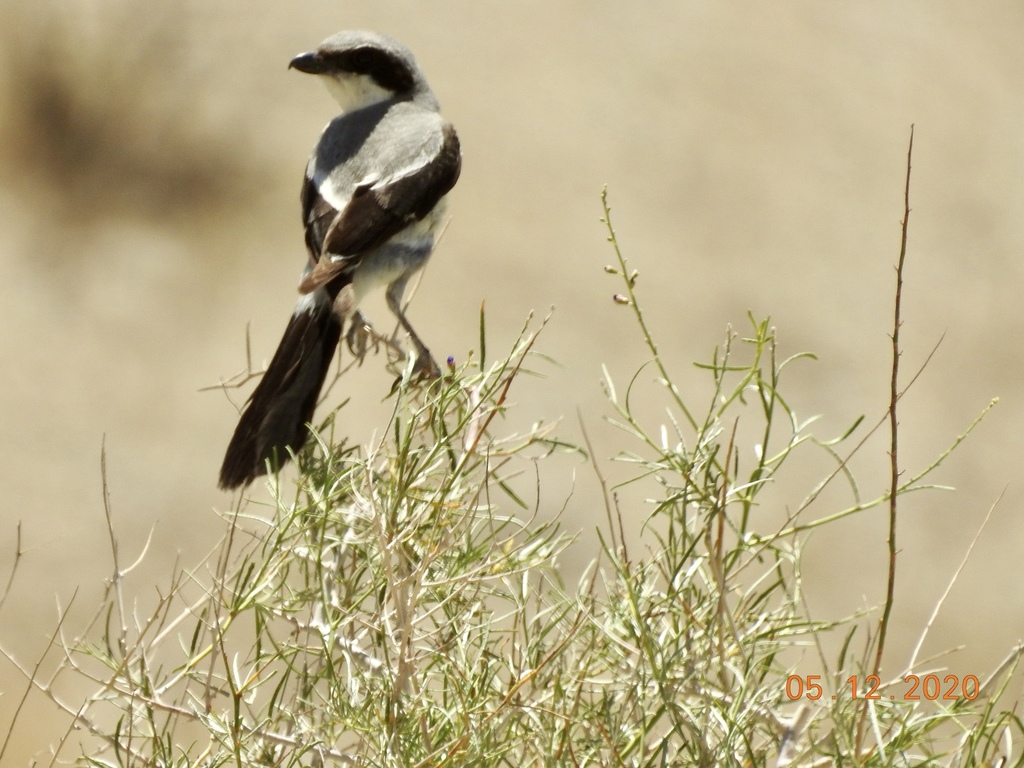
- Loggerhead ShrikeLanius ludovicianus
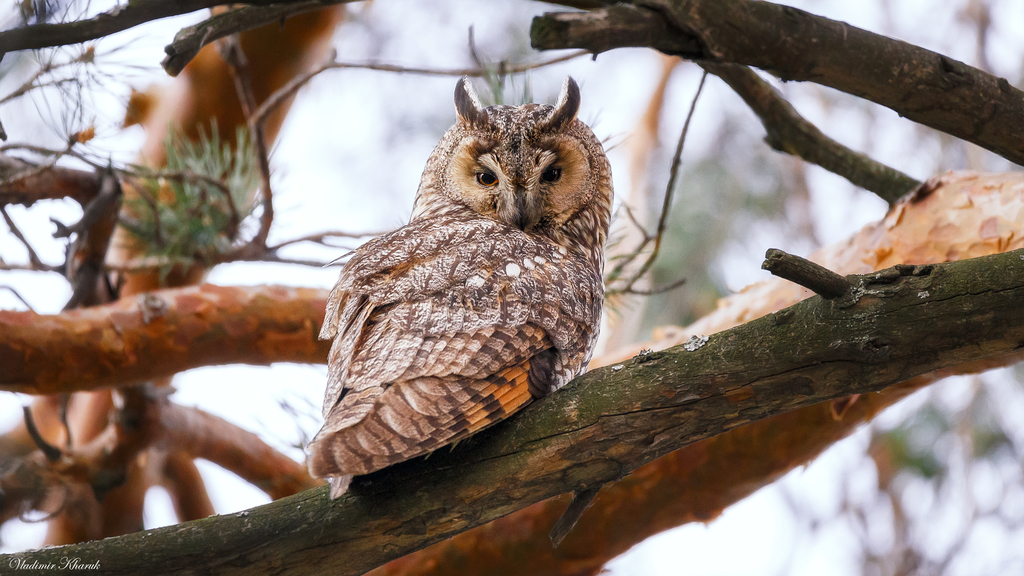
- Long-eared OwlAsio otus
- Northern BobwhiteColinus virginianus
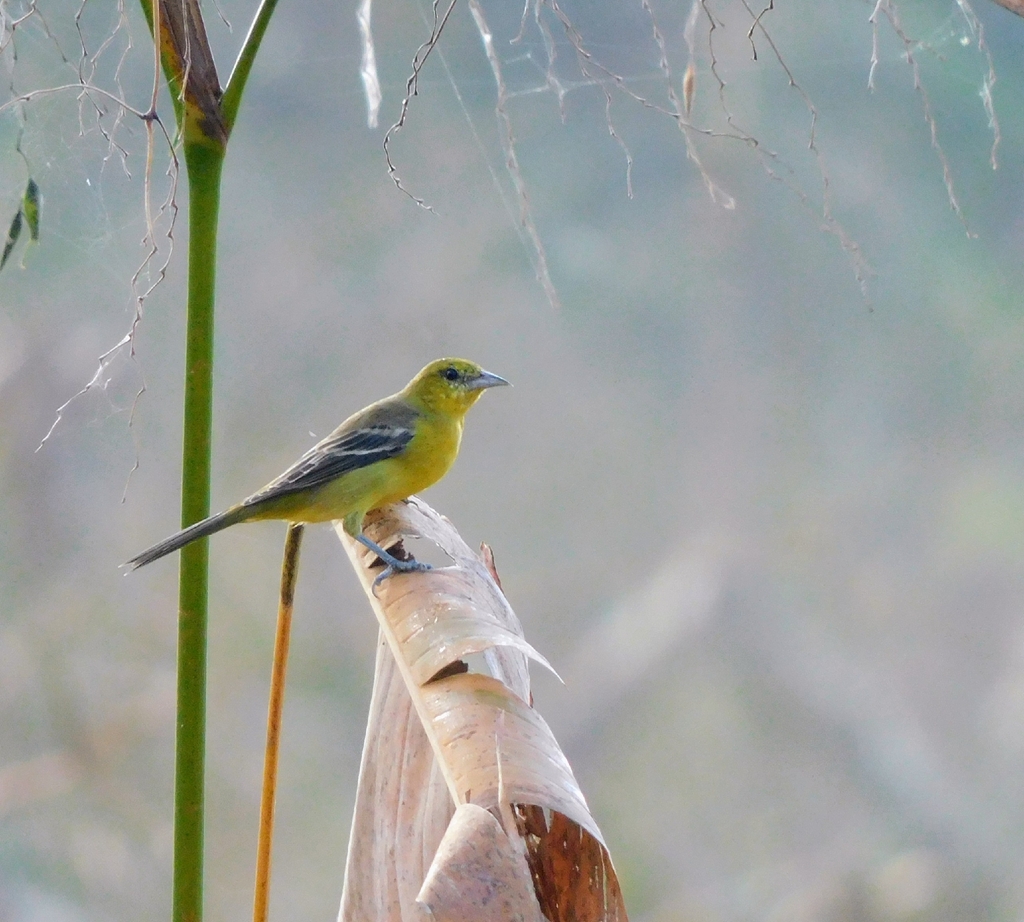
- Orchard OrioleIcterus spurius
- Pileated WoodpeckerDryocopus pileatus
- Pine SiskinCarduelis pinus
- Red-bellied WoodpeckerMelanerpes carolinus
- Red-headed WoodpeckerMelanerpes erythrocephalus
- Red-winged BlackbirdAgelaius phoeniceus
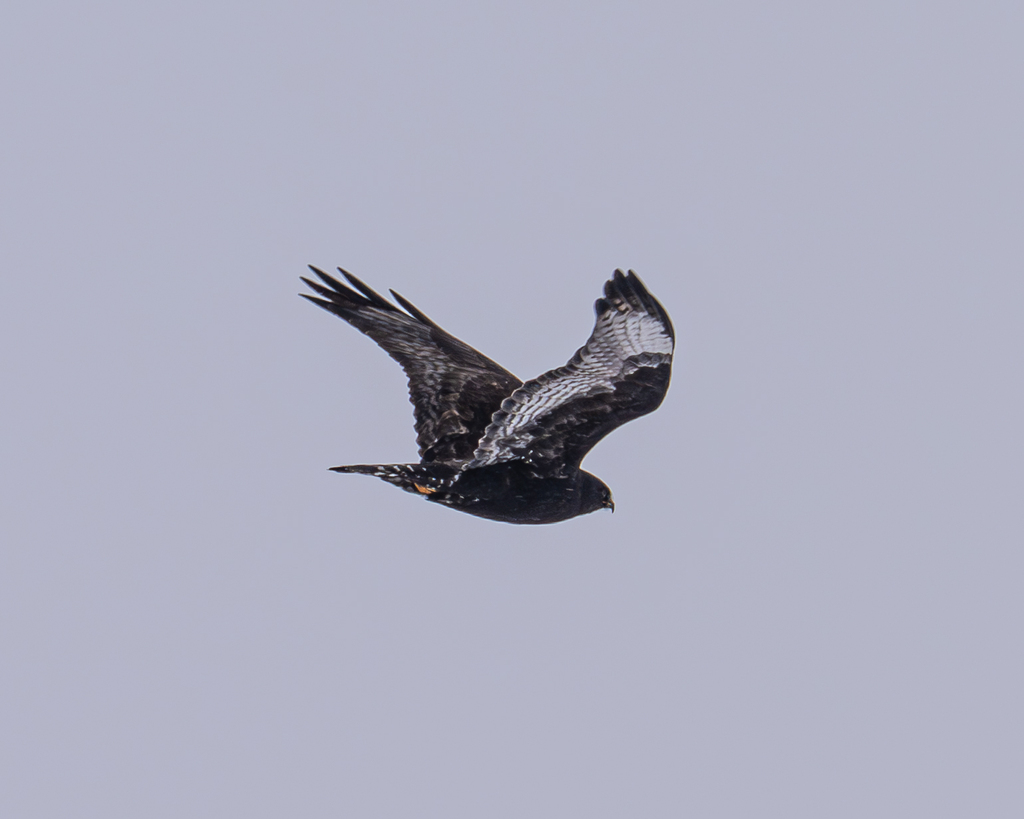
- Rough-legged HawkButeo lagopus


















Who uses this plant?
 7CaterpillarsGenus host records with ranges including VA
Genus host records with ranges including VA · Sedum
- Archips purpuranaOmnivorous Leafroller Moth
- Callophrys augustinusThe Brown Elfin
- Euptoieta claudiaVariegated Fritillary, (?)Gulf Fritillary
- Junonia coeniaCommon Buckeye
- Nematocampa resistariaFilament Bearer, Horned Spanworm Moth
- Spodoptera ornithogalliYellow-Striped Armyworm Moth, Cotton Cutworm
- Strymon melinusGray Hairstreak
 12BeesSoutheastern regional records
Southeastern regional records · Sedum
Individual names are not available yet.
Noori, Seltmann & Orr 2026, A curated and integrated dataset for exploring global bee-plant interactions (GloBI), Zenodo, CC BY 4.0 0Specialist beesPollen specialists
 1BirdsRecorded genus food-resource interactions; not a state feeding claim
Recorded genus food-resource interactions; not a state feeding claim · Sedum
- Lagopus leucuraWhite-tailed Ptarmigan
Direct food only: birds recorded eating this genus across North America. Caterpillars on host plants also feed nesting birds. NC Native Plant Society: butterfly gardening
No records yet · Ants · Beetles · Flies · Adult butterflies / moths · Other wasps · Other insects
Plant details
- Family
- Crassulaceae
- Fruit begins
- June
- Fruit ends
- July
Safety has not been reviewed for this plant; check toxicity and thorns before planting.
Growing sources and scope
- Bloom · “May to June” · Weakley, Flora of the Southeastern United States (2025), Carolinas & Georgia edition · Carolinas and Georgia
- Fruit begins · “June” · Weakley, Flora of the Southeastern United States (2025), Carolinas & Georgia edition · Carolinas and Georgia
- Fruit ends · “July” · Weakley, Flora of the Southeastern United States (2025), Carolinas & Georgia edition · Carolinas and Georgia
- Light · “Partial shade; Full shade; Full sun (documented habitat)” · Weakley, Flora of the Southeastern United States (2025), Carolinas & Georgia edition · Carolinas and Georgia
- Soil · “Dry; Moist (documented habitat)” · Weakley, Flora of the Southeastern United States (2025), Carolinas & Georgia edition · Carolinas and Georgia
Also known as
Sedum nevii
Conservation status
| Virginia rank | S4 |
|---|---|
| Global rank | G4 |
| VA status | Not verified |
| Federal status | Not verified |
Will it fit your yard?
Check this plant against your county, sun and soil moisture. Conditions are checked in your browser.
Sources
- Digital Atlas of the Virginia Flora
- USDA PLANTS
- Vascular Plants of North Carolina (NC Natural Heritage Program)
- Weakley, Flora of the Southeastern United States (2025)
- NatureServe Explorer
- Shropshire & Tallamy 2025, Lepidoptera of North America north of Mexico, ZooKeys 1261 (ODbL)
- Noori, Seltmann & Orr 2026, A curated and integrated dataset for exploring global bee-plant interactions (GloBI), Zenodo, CC BY 4.0
- Smith, Bachelder, Russell, Morales, Mosher & Seltmann 2024, Bee-Specialization-Modeling v0.6.1 (specialist host table compiled from J. Fowler's pollen specialist bee lists), Zenodo, CC BY 4.0
- Hurlbert, Olsen, Sawyer & Winner 2021, Avian Diet Database, Scientific Data 8: 260 (CC0)
- Narango, Tallamy & Shropshire 2020, Few keystone plant genera support the majority of Lepidoptera species, Nature Communications