

Leonard's Skullcap
Scutellaria leonardii
Found in limestone glades, diabase barrens, shale barrens and woodlands, dry sandy soils. Weakley, Flora of the Southeastern United States (2025), Northern Tier edition What its natural habitat tells you
Native to Virginia. How scores work Is it native here?
Profile 88%
- Height
- 4–8 inches
- Light
- Full sun, Part shade
- Soil moisture
- Dry to somewhat dry
No photograph yet. Looking for an old drawing…
Rare or protected plant. Specialist conservation planting; excluded from routine garden suggestions. Plant caution source
Hidden from default planting suggestions. Wildlife value and native status remain unchanged.
At a glance
- Life cycle
- Perennial
- Bloom
- April to June
- Fruiting season
- May to July
Not yet recorded · Spread · Leaves
Recorded in 28 Virginia counties.
Natural habitats
Places it grows wild. Not a planting requirement. Each habitat page lists the plants and wildlife also found there.
Glades, barrens and outcrops on limestone
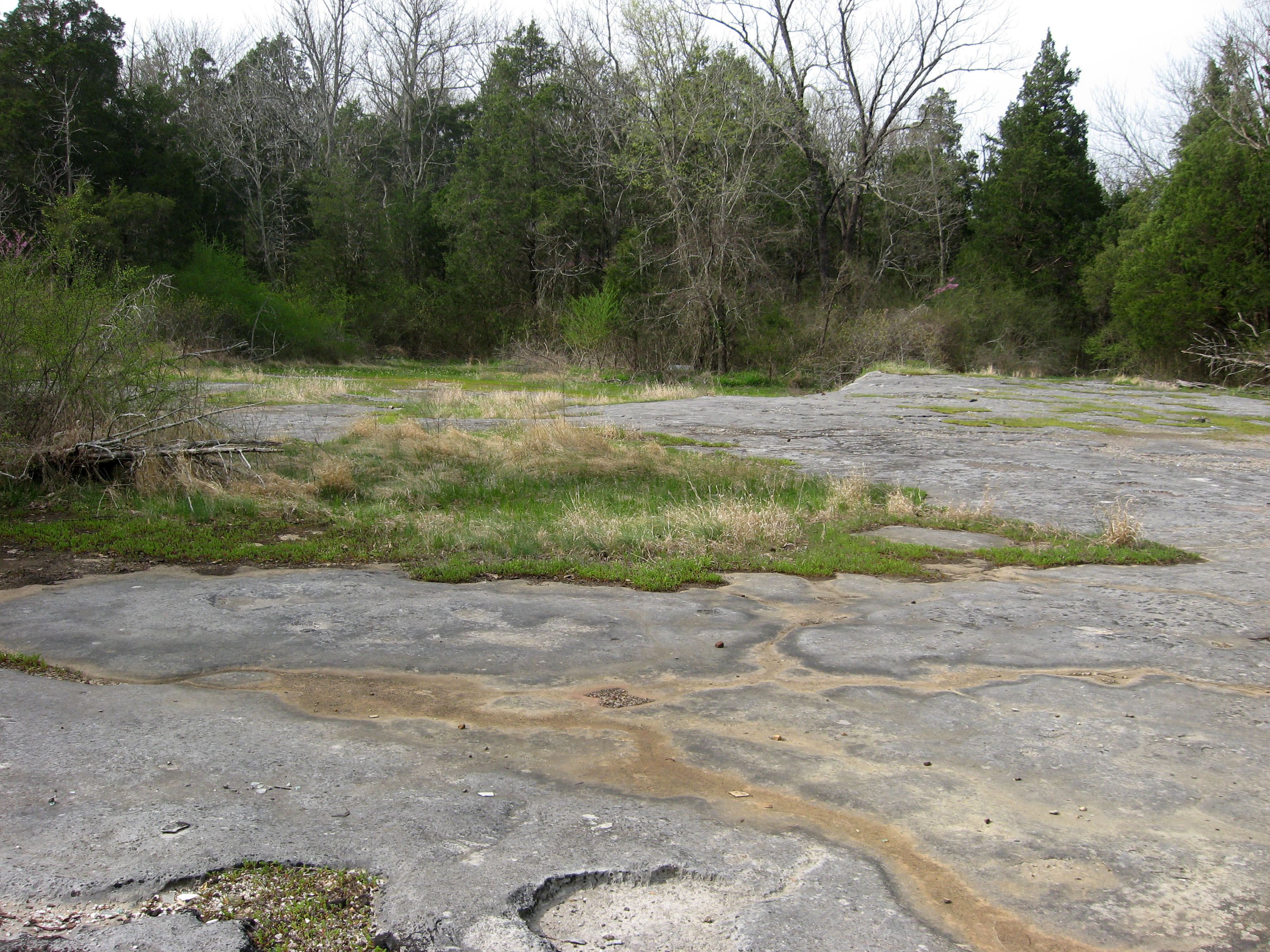
Glades, barrens and outcrops on mafic or serpentine rock
Open, thin-soil openings, outcrops and cliffs on dark, magnesium- or iron-rich rock such as serpentine, diabase or gabbro.
Steep, sun-baked slopes of loose shale with sparse oaks and Virginia pine and their own endemic wildflowers. Linked only where the source names shale barrens; calcareous shale stays with the limestone glades.
Forest or woodland where the source does not say how moist or dry.
Also found with this plant
Wildlife whose habitat models include habitats this plant grows in, in Virginia. Shared habitat, not food. 96 animals.
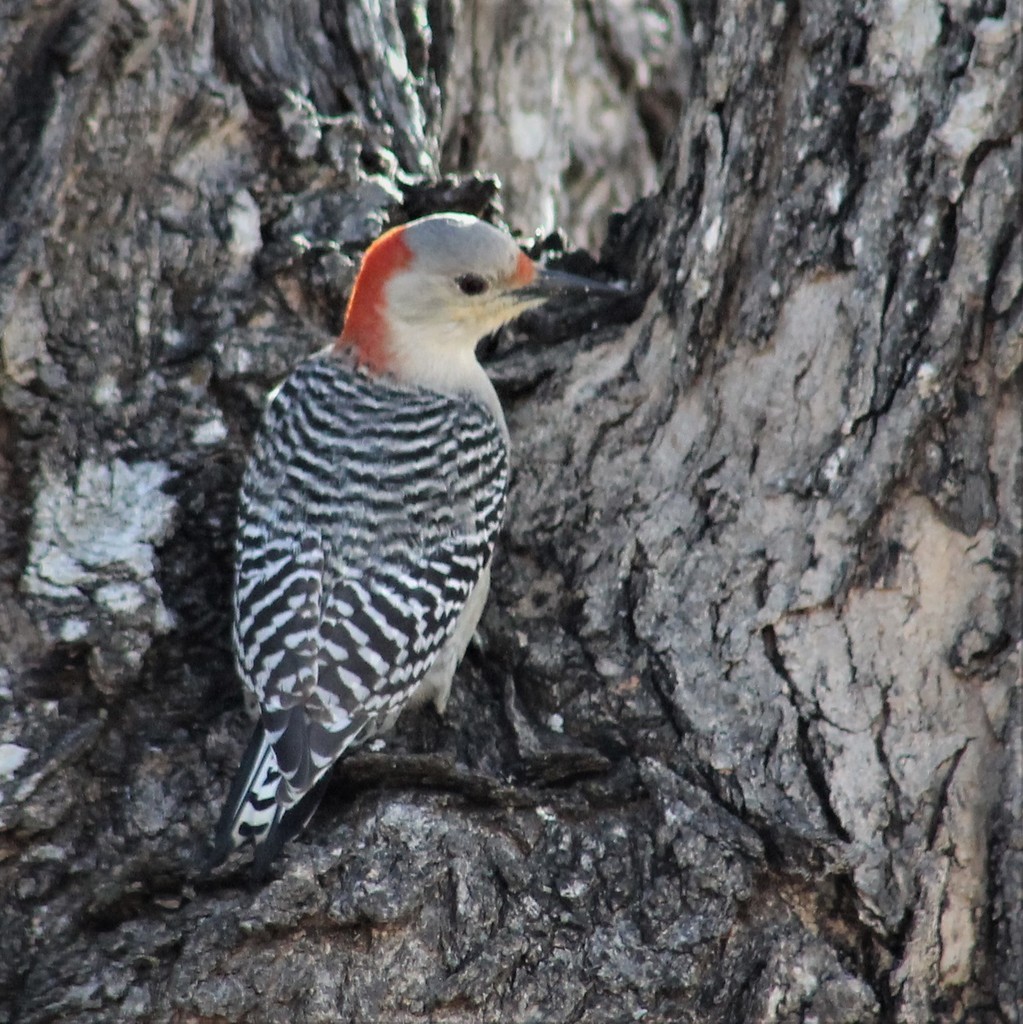
- Red-bellied WoodpeckerMelanerpes carolinus
- Red-breasted NuthatchSitta canadensis
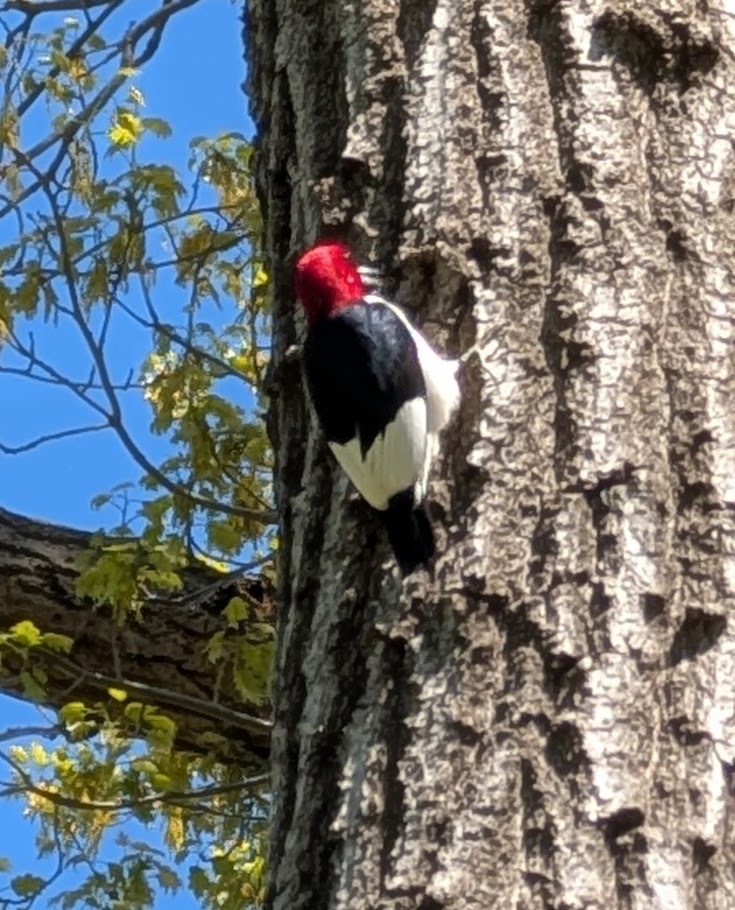
- Red-headed WoodpeckerMelanerpes erythrocephalus
- Red-tailed HawkButeo jamaicensis
- Red-winged BlackbirdAgelaius phoeniceus
- Ruby-crowned KingletRegulus calendula
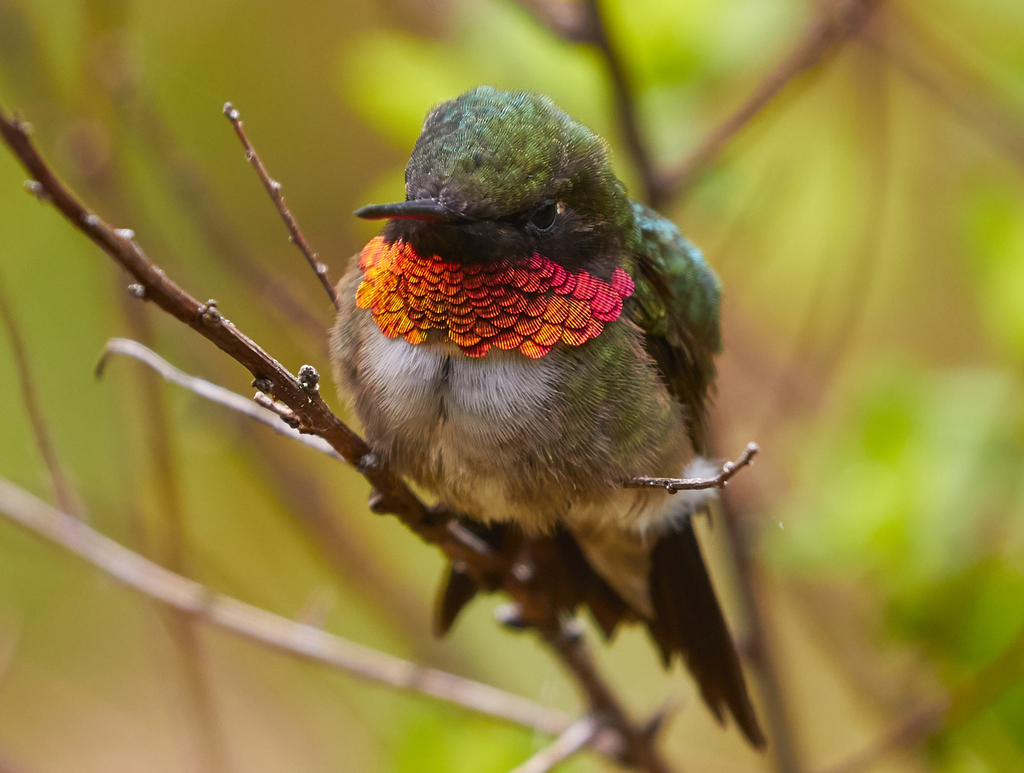
- Ruby-throated HummingbirdArchilochus colubris
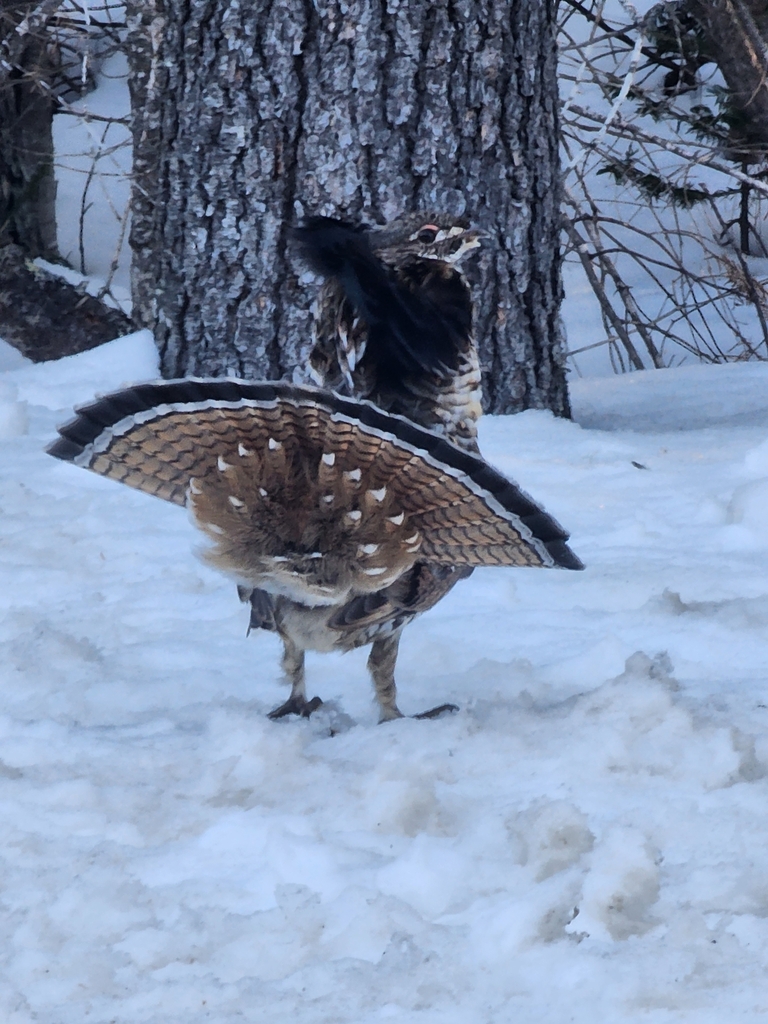
- Ruffed GrouseBonasa umbellus
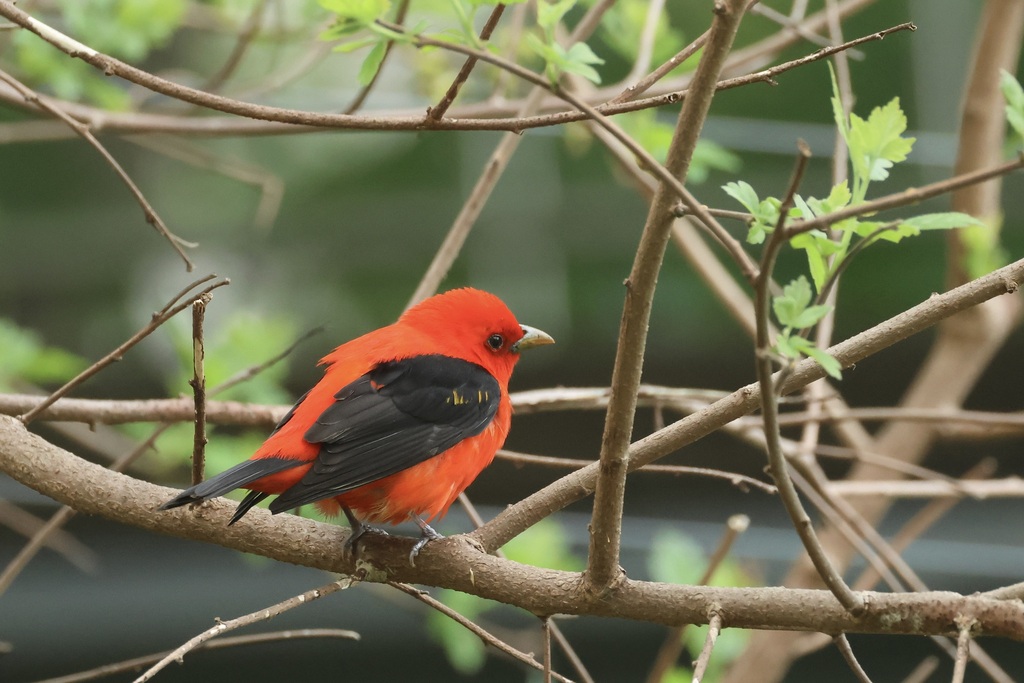
- Scarlet TanagerPiranga olivacea
- Sharp-shinned HawkAccipiter striatus
- Spotted SandpiperActitis macularius
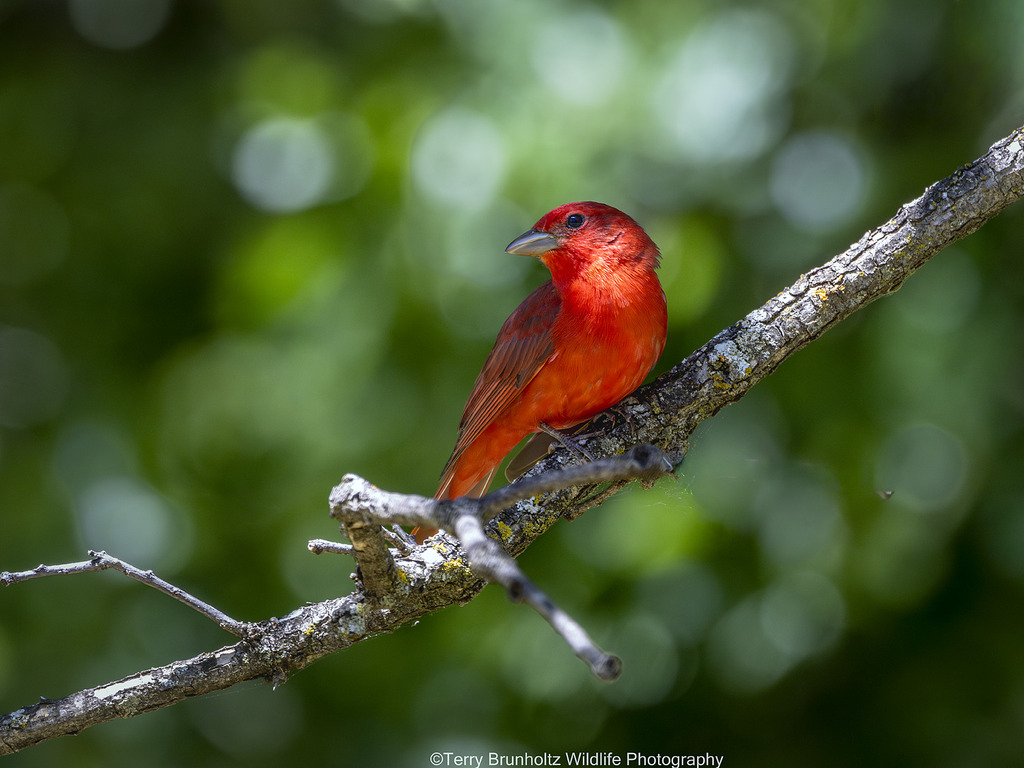
- Summer TanagerPiranga rubra
- Tree SwallowTachycineta bicolor
- Tufted TitmouseBaeolophus bicolor
- Turkey VultureCathartes aura
- White-breasted NuthatchSitta carolinensis
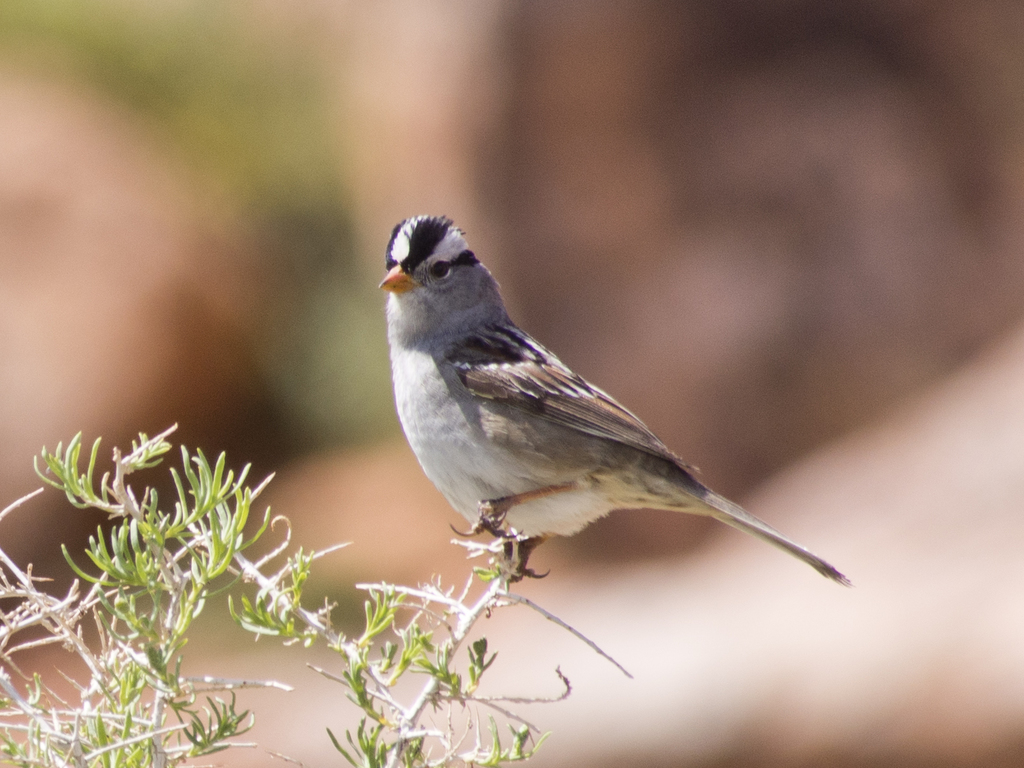
- White-crowned SparrowZonotrichia leucophrys
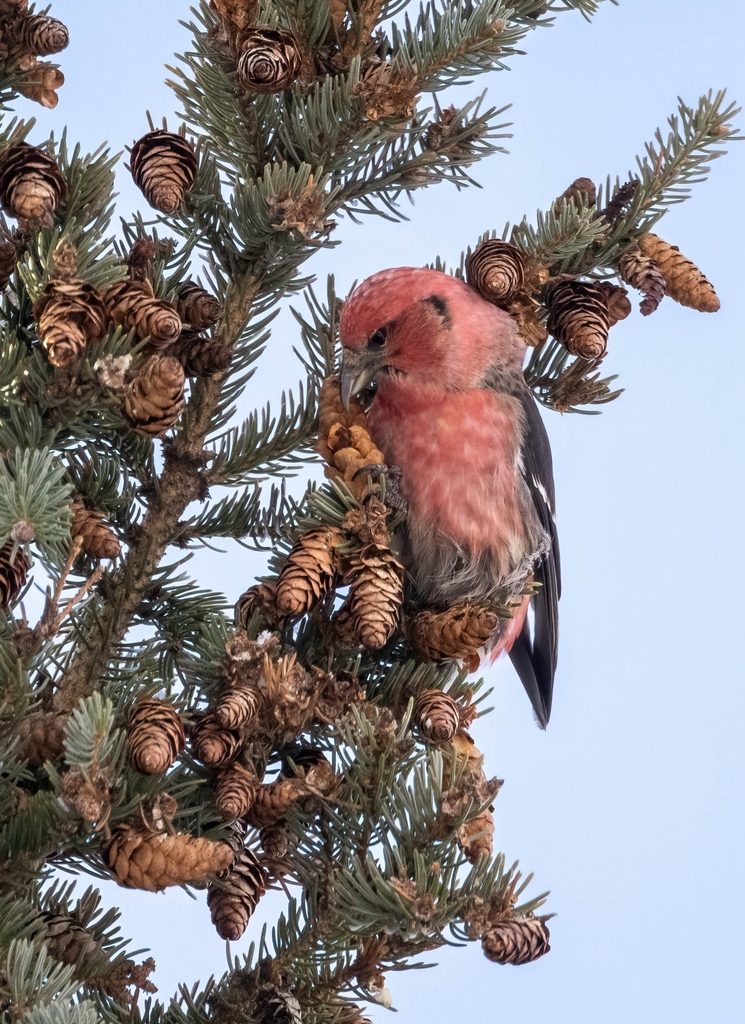
- White-winged CrossbillLoxia leucoptera
- Wild TurkeyMeleagris gallopavo
- Wood ThrushHylocichla mustelina
- Yellow-bellied SapsuckerSphyrapicus varius
- Yellow-billed CuckooCoccyzus americanus
- Yellow-breasted ChatIcteria virens
- Yellow-rumped WarblerDendroica coronata

















Who uses this plant?
 2CaterpillarsGenus host records with ranges including VA
Genus host records with ranges including VA · Scutellaria
- Endothenia hebesanaVerbena Bud Moth
- Prochoreutis inflatellaSkullcap Skeletonizer
 23BeesSoutheastern regional records
Southeastern regional records · Scutellaria
Individual names are not available yet.
Noori, Seltmann & Orr 2026, A curated and integrated dataset for exploring global bee-plant interactions (GloBI), Zenodo, CC BY 4.0 0Specialist beesPollen specialists
 1BirdsRecorded genus food-resource interactions; not a state feeding claim
Recorded genus food-resource interactions; not a state feeding claim · Scutellaria
- Columbina passerinaCommon Ground Dove
Direct food only: birds recorded eating this genus across North America. Caterpillars on host plants also feed nesting birds. NC Native Plant Society: butterfly gardening
No records yet · Ants · Beetles · Flies · Adult butterflies / moths · Other wasps · Other insects
Plant details
- Family
- Lamiaceae
- Flower color
- Purple
- Fruit begins
- May
- Fruit ends
- July
Growing sources and scope
- Bloom · “April to June” · Weakley, Flora of the Southeastern United States (2025), Carolinas & Georgia edition (ranked first; Prairie Moon 2026 Cultural Guide differs) · Carolinas and Georgia
- Flower color · “Purple” · Prairie Moon 2026 Cultural Guide · Nursery cultural guide; height in flower; moisture categories retained as printed
- Fruit begins · “May” · Weakley, Flora of the Southeastern United States (2025), Carolinas & Georgia edition · Carolinas and Georgia
- Fruit ends · “July” · Weakley, Flora of the Southeastern United States (2025), Carolinas & Georgia edition · Carolinas and Georgia
- Height · “4–8 inches” · Minnesota Wildflowers (ranked first; Prairie Moon 2026 Cultural Guide differs)
- Life cycle · “Perennial” · Minnesota Wildflowers
- Light · “Full sun (6+ hours); Part shade (3–6 hours)” · Prairie Moon 2026 Cultural Guide · Nursery cultural guide; height in flower; moisture categories retained as printed
- primary_flower_color · “purple” · Prairie Moon 2026 Cultural Guide
- Soil · “Dry-mesic; Dry” · Prairie Moon 2026 Cultural Guide · Nursery cultural guide; height in flower; moisture categories retained as printed
Also known as
Glade Skullcap; Leonards Skullcap; Scutellaria parvula var. missouriensis
Conservation status
| Virginia rank | S1 |
|---|---|
| Global rank | G5T5 [G5] |
| VA status | Not verified |
| Federal status | Not verified |
Will it fit your yard?
Check this plant against your county, sun and soil moisture. Conditions are checked in your browser.
Sources
- Digital Atlas of the Virginia Flora
- USDA PLANTS
- Vascular Plants of North Carolina (NC Natural Heritage Program)
- Weakley, Flora of the Southeastern United States (2025), Carolinas & Georgia edition
- NatureServe Explorer
- Shropshire & Tallamy 2025, Lepidoptera of North America north of Mexico, ZooKeys 1261 (ODbL)
- Noori, Seltmann & Orr 2026, A curated and integrated dataset for exploring global bee-plant interactions (GloBI), Zenodo, CC BY 4.0
- Smith, Bachelder, Russell, Morales, Mosher & Seltmann 2024, Bee-Specialization-Modeling v0.6.1 (specialist host table compiled from J. Fowler's pollen specialist bee lists), Zenodo, CC BY 4.0
- Hurlbert, Olsen, Sawyer & Winner 2021, Avian Diet Database, Scientific Data 8: 260 (CC0)
- Narango, Tallamy & Shropshire 2020, Few keystone plant genera support the majority of Lepidoptera species, Nature Communications