

Leafy Bulrush
Scirpus polyphyllus
Found in marshes, floodplain forests, mountain bogs, seeps, fens. Weakley, Flora of the Southeastern United States (2025), Northern Tier edition What its natural habitat tells you
Native to Virginia. How scores work Is it native here?
Profile 88%
- Height
- Up to about 5 feet
- Light
- Partial shade, Full shade, Full sun
- Soil moisture
- Moist to wet
No photograph yet. Looking for an old drawing…
At a glance
- Life cycle
- Perennial
- Bloom
- July to September
Not yet recorded · Spread · Leaves
Recorded in 81 Virginia counties.
Natural habitats
Places it grows wild. Not a planting requirement. Each habitat page lists the plants and wildlife also found there.
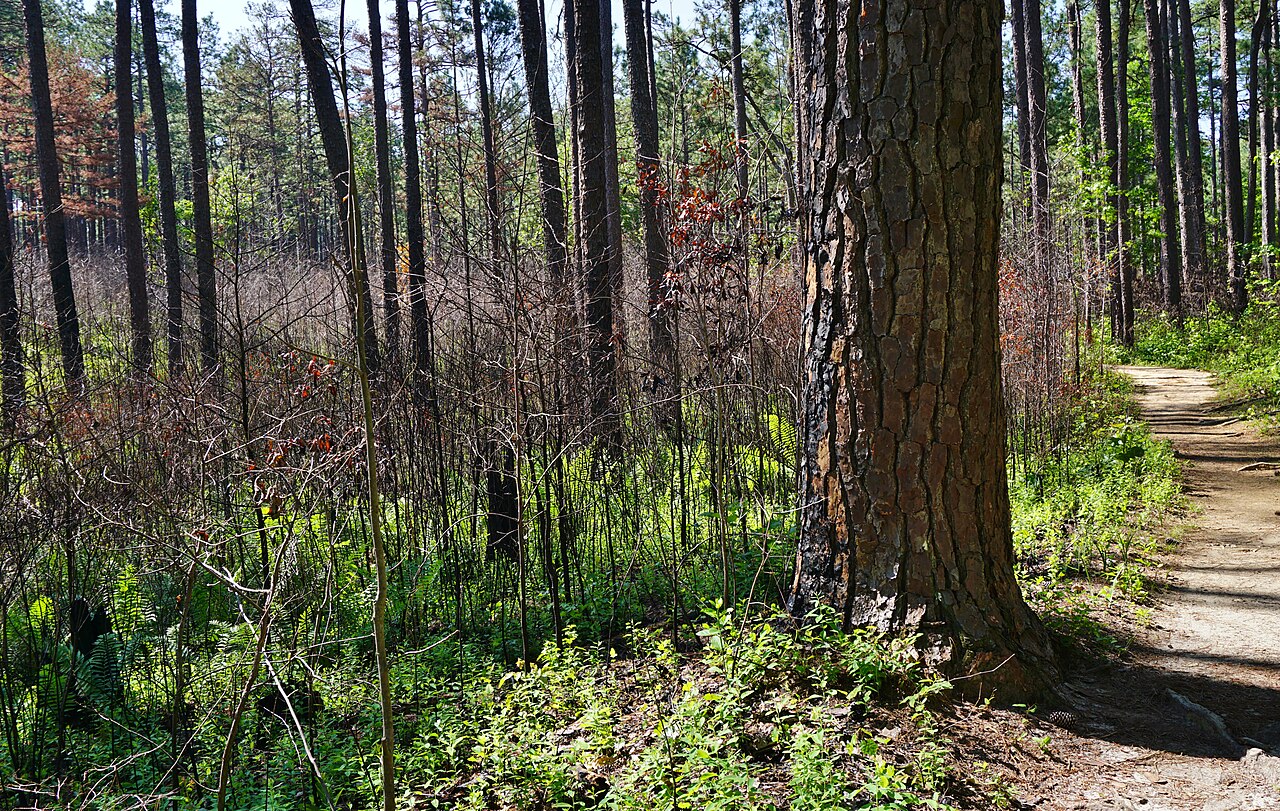
Open, herb-covered wetlands with fresh, non-tidal water.
Floodplain and bottomland forests
Forests on low ground beside rivers and streams that flood from time to time.
Wet, open, peaty mountain wetlands fed by seepage, often with sphagnum moss.
Also found with this plant
Wildlife whose habitat models include habitats this plant grows in, in Virginia. Shared habitat, not food. 118 animals.
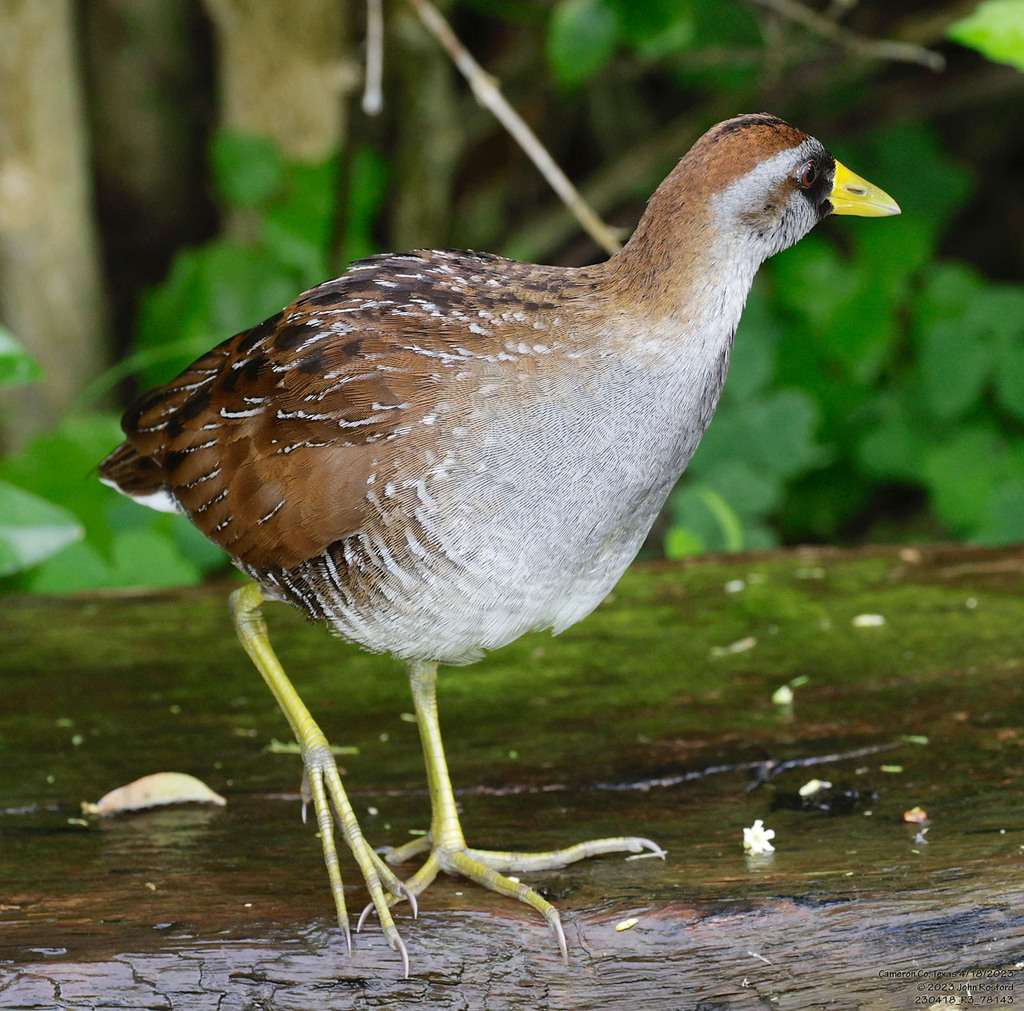
- SoraPorzana carolina
- Spotted SandpiperActitis macularius
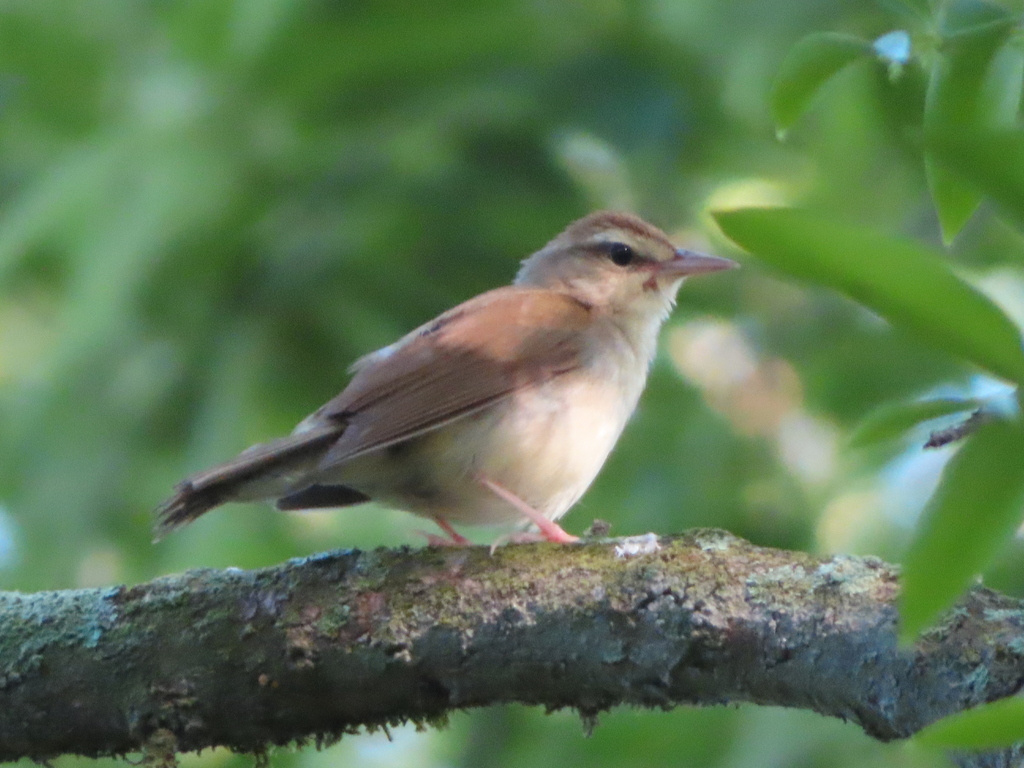
- Swainson's WarblerLimnothlypis swainsonii
- Tree SwallowTachycineta bicolor
- Tufted TitmouseBaeolophus bicolor
- Turkey VultureCathartes aura
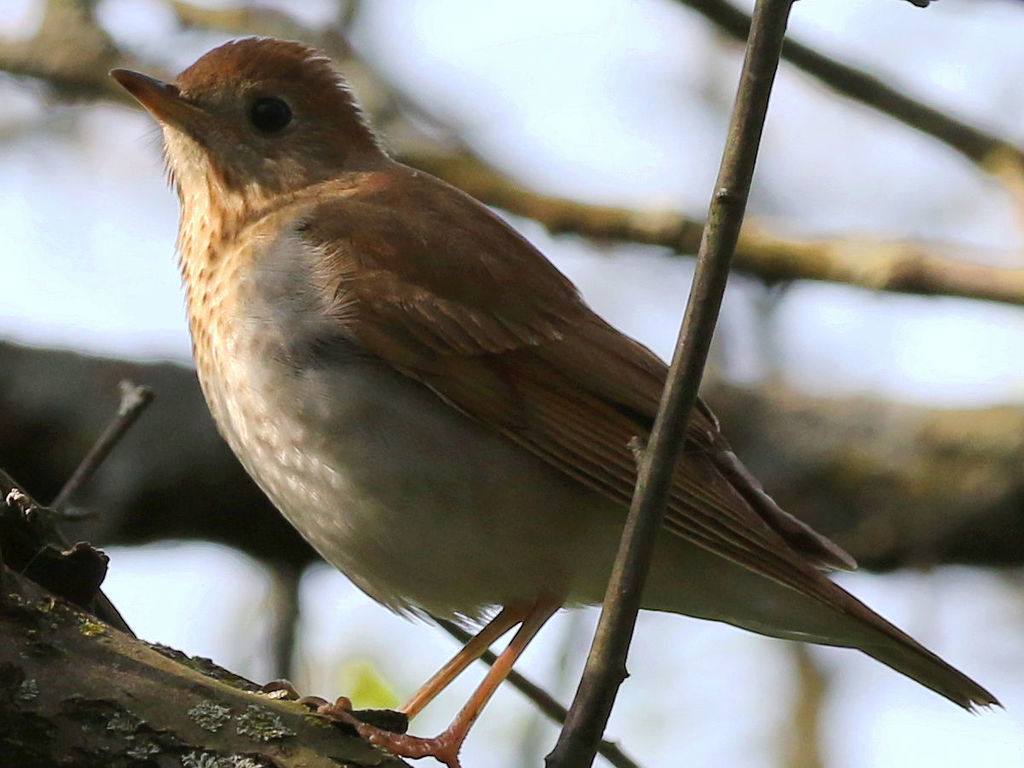
- VeeryCatharus fuscescens
- White-breasted NuthatchSitta carolinensis
- White-eyed VireoVireo griseus
- White-throated SparrowZonotrichia albicollis
- Wild TurkeyMeleagris gallopavo
- Willow FlycatcherEmpidonax traillii
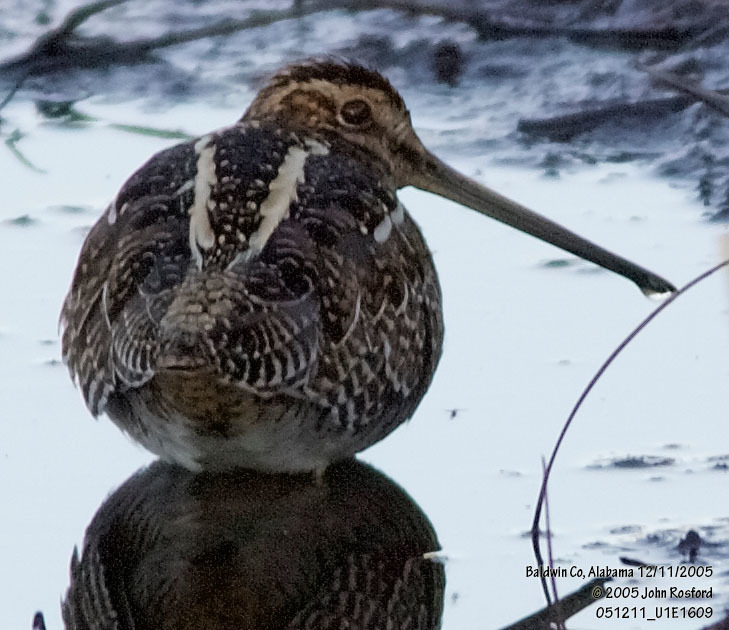
- Wilson's SnipeGallinago delicata
- Wood DuckAix sponsa
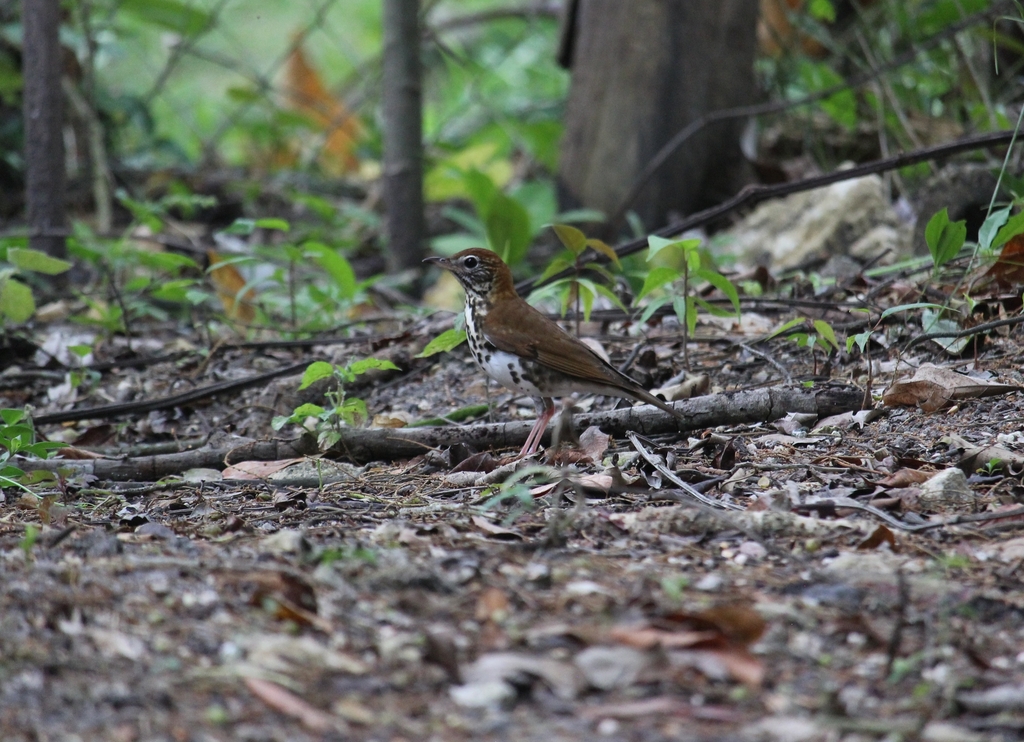
- Wood ThrushHylocichla mustelina
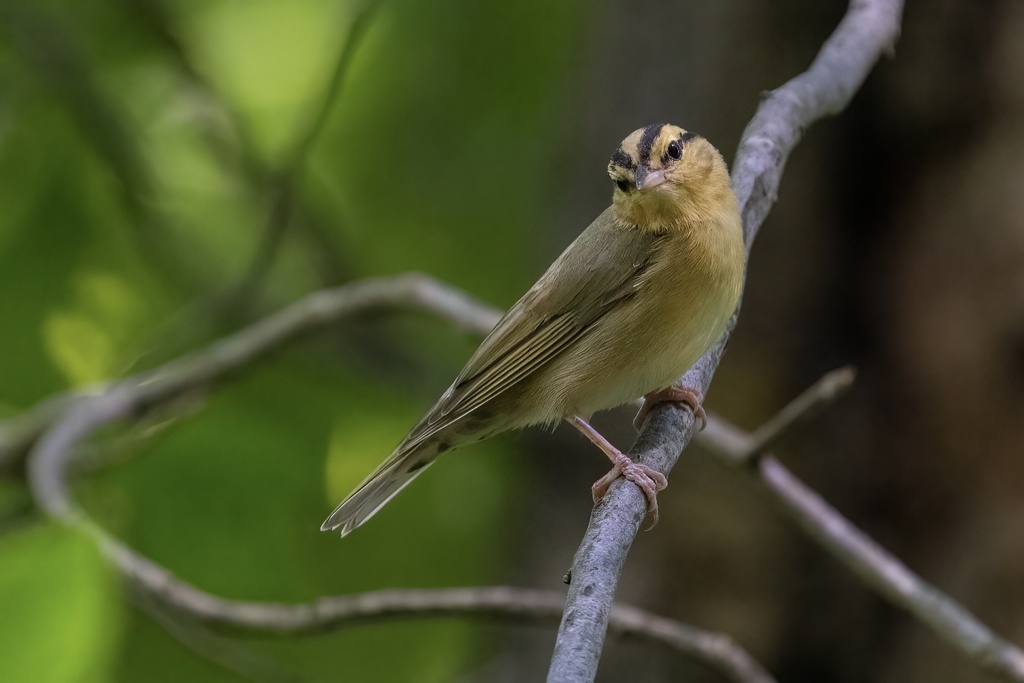
- Worm-eating WarblerHelmitheros vermivorum
- Yellow-bellied SapsuckerSphyrapicus varius
- Yellow-billed CuckooCoccyzus americanus
- Yellow-breasted ChatIcteria virens
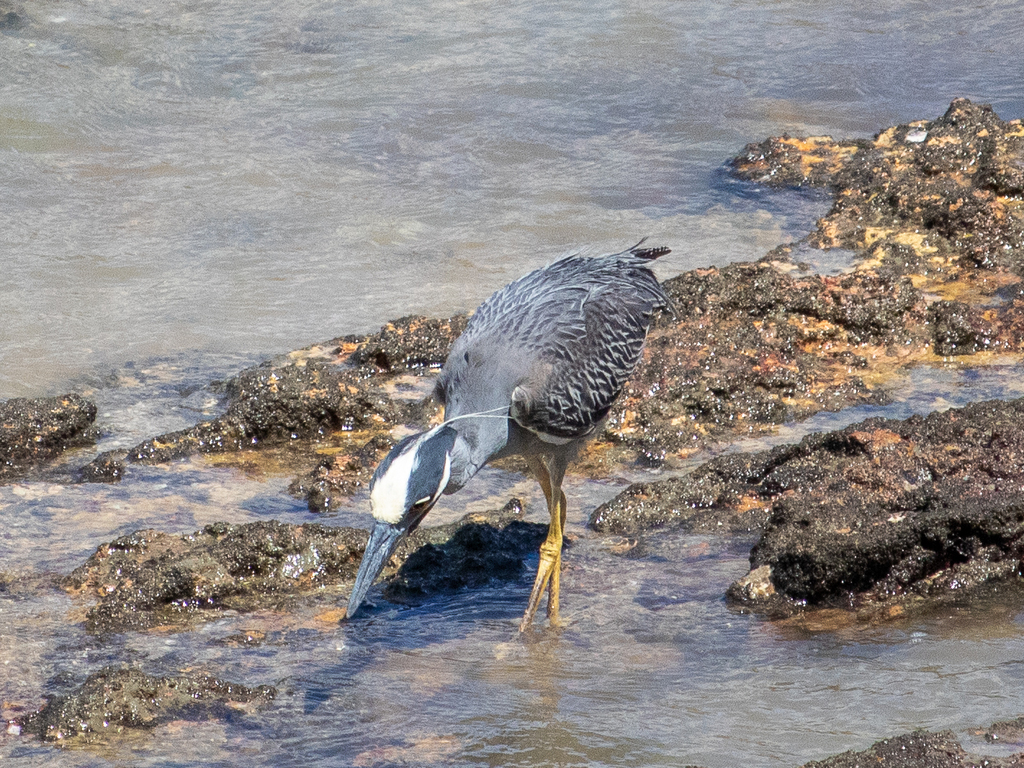
- Yellow-crowned Night-heronNyctanassa violacea
- Yellow-rumped WarblerDendroica coronata
- Yellow-throated WarblerDendroica dominica















Who uses this plant?
 13CaterpillarsGenus host records with ranges including VA
Genus host records with ranges including VA · Scirpus
- Apamea sordensBordered Apamea, Rustic Shoulder-Knot
- Bactra furfuranaRush Bactra
- Bactra verutanaJavelin Moth
- Euphyes dionDion Skipper, Sedge Skipper
- Globia oblongaOblong Sedge Borer Moth, Large Noagria
- Globia subflavaYellow Sedge Borer, Yellowish Nonagria, Subflava Sedge Borer
- Helotropha reniformisAmerican Crescent Borer, Reniform Celaena, Reniform Helotropha
- Ledaea perditalisLost Owlet, 3-Stripe Cephalanthus caterpillar, Buttonbush Owlet
- Meropleon diversicolorMulticolored Sedgeminer
- Neonympha mitchelliiMitchell's Satyr
Show all 13
- Bactra maiorina
- Cosmopterix scirpicola
- Donacaula dispersella
 0BeesSoutheastern regional records
 0Specialist beesPollen specialists
 27BirdsRecorded genus food-resource interactions; not a state feeding claim
Recorded genus food-resource interactions; not a state feeding claim · Scirpus
- Agelaius phoeniceusRed-winged Blackbird
- Anas platyrhynchosMallard
- Anthus rubescensAmerican Pipit
- Aythya affinisLesser Scaup
- Aythya americanaRedhead
- Aythya collarisRing-necked Duck
- Aythya marilaGreater Scaup
- Aythya valisineriaCanvasback
- Bucephala clangulaCommon Goldeneye
- Bucephala islandicaBarrow's Goldeneye
Show all 27
- Calcarius lapponicusLapland Longspur
- Calcarius pictusSmith's Longspur
- Cygnus buccinatorTrumpeter Swan
- Cygnus columbianusTundra Swan
- Fulica americanaAmerican Coot
- Gallinula galeataCommon Gallinule
- Loxia curvirostraRed Crossbill
- Mareca americanaAmerican Wigeon
- Mareca streperaGadwall
- Molothrus aterBrown-headed Cowbird
- Oxyura jamaicensisRuddy Duck
- Plectrophenax nivalisSnow Bunting
- Porzana carolinaSora
- Rallus limicolaVirginia Rail
- Spatula cyanopteraCinnamon Teal
- Spizelloides arboreaAmerican Tree Sparrow
- Sturnus vulgarisEuropean Starling
Direct food only: birds recorded eating this genus across North America. Caterpillars on host plants also feed nesting birds. NC Native Plant Society: butterfly gardening
No records yet · Ants · Beetles · Flies · Adult butterflies / moths · Other wasps · Other insects
Plant details
- Family
- Cyperaceae
- Flower color
- Green or brown
Safety has not been reviewed for this plant; check toxicity and thorns before planting.
Growing sources and scope
- Bloom · “July to September” · Weakley, Flora of the Southeastern United States (2025), Carolinas & Georgia edition · Carolinas and Georgia
- Flower color · “Green or brown” · Lady Bird Johnson Wildflower Center
- Height · “Up to about 5 feet” · Lady Bird Johnson Wildflower Center
- Life cycle · “Perennial” · Lady Bird Johnson Wildflower Center
- Light · “Partial shade; Full shade; Full sun (documented habitat)” · Weakley, Flora of the Southeastern United States (2025), Carolinas & Georgia edition · Carolinas and Georgia
- Soil · “Moist; Wet (documented habitat)” · Weakley, Flora of the Southeastern United States (2025), Carolinas & Georgia edition · Carolinas and Georgia
Conservation status
| Virginia rank | S5 |
|---|---|
| Global rank | G5 |
| VA status | Not verified |
| Federal status | Not verified |
Will it fit your yard?
Check this plant against your county, sun and soil moisture. Conditions are checked in your browser.
Sources
- Digital Atlas of the Virginia Flora
- USDA PLANTS
- Vascular Plants of North Carolina (NC Natural Heritage Program)
- Weakley, Flora of the Southeastern United States (2025), Carolinas & Georgia edition
- NatureServe Explorer
- Shropshire & Tallamy 2025, Lepidoptera of North America north of Mexico, ZooKeys 1261 (ODbL)
- Noori, Seltmann & Orr 2026, A curated and integrated dataset for exploring global bee-plant interactions (GloBI), Zenodo, CC BY 4.0
- Smith, Bachelder, Russell, Morales, Mosher & Seltmann 2024, Bee-Specialization-Modeling v0.6.1 (specialist host table compiled from J. Fowler's pollen specialist bee lists), Zenodo, CC BY 4.0
- Hurlbert, Olsen, Sawyer & Winner 2021, Avian Diet Database, Scientific Data 8: 260 (CC0)
- Narango, Tallamy & Shropshire 2020, Few keystone plant genera support the majority of Lepidoptera species, Nature Communications