

Dark-green Bulrush
Scirpus atrovirens
Found in marshes, bogs, wet meadows. Weakley, Flora of the Southeastern United States (2025), Northern Tier edition What its natural habitat tells you
Native to Virginia. How scores work Is it native here?
Profile 100%
- Height
- 2–5 feet
- Spread
- 3–4 feet
- Light
- Full sun
- Soil moisture
- Moist to wet
Space about 3.5 ft apart from its recorded spread, about 8 per 100 sq ft. Enter your bed size for a count
Will it fit your yard?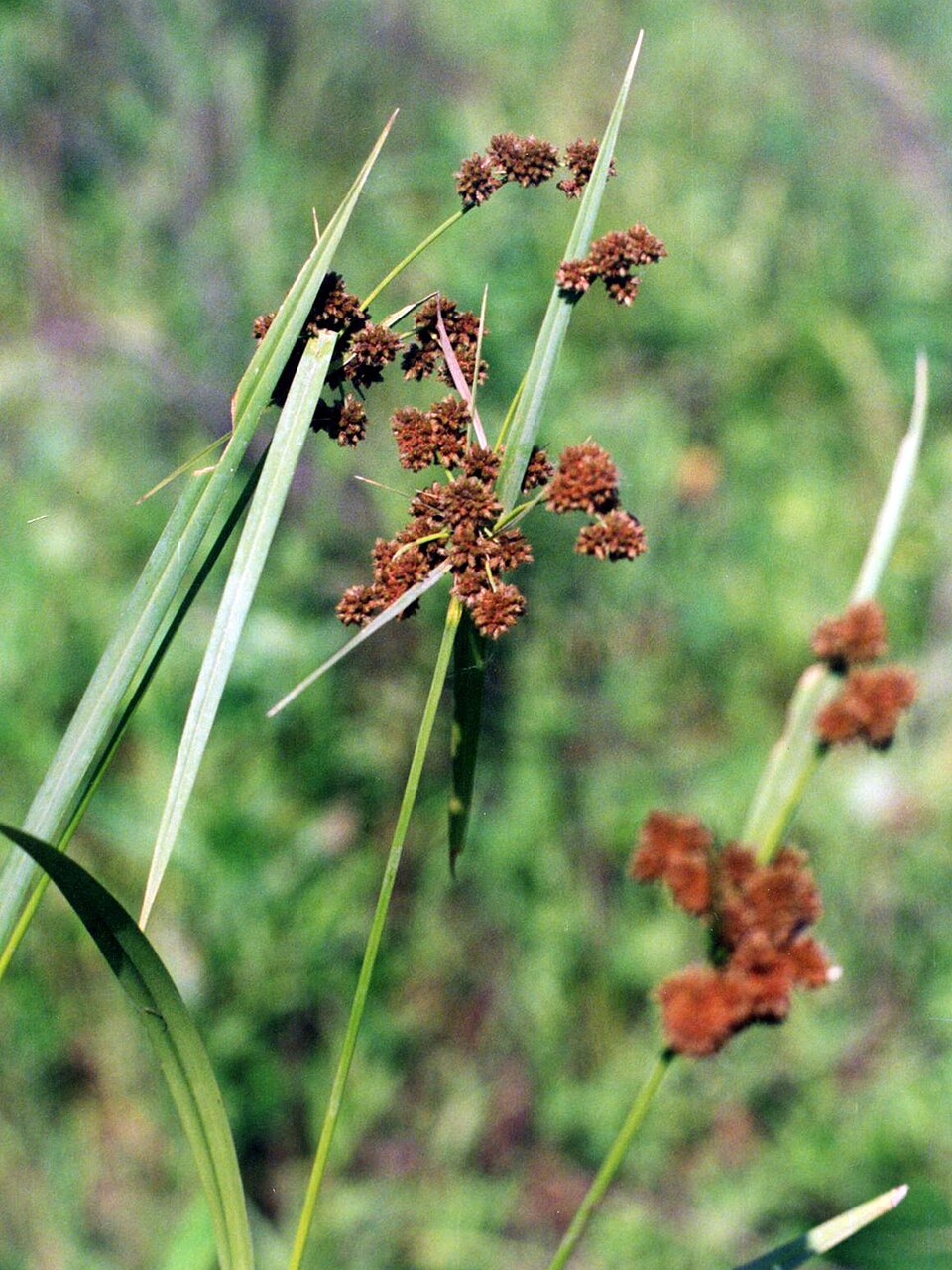
At a glance
- Bloom
- June to September
- Fruiting season
- Summer to fall
Not yet recorded · Life cycle · Leaves
Recorded in 50 Virginia counties.
Natural habitats
Places it grows wild. Not a planting requirement. Each habitat page lists the plants and wildlife also found there.
Open, herb-covered wetlands with fresh, non-tidal water.
Open, wet, grassy or sedgy ground that is not a bog.
Also found with this plant
Wildlife whose habitat models include habitats this plant grows in, in Virginia. Shared habitat, not food. 118 animals.
- Acadian FlycatcherEmpidonax virescens
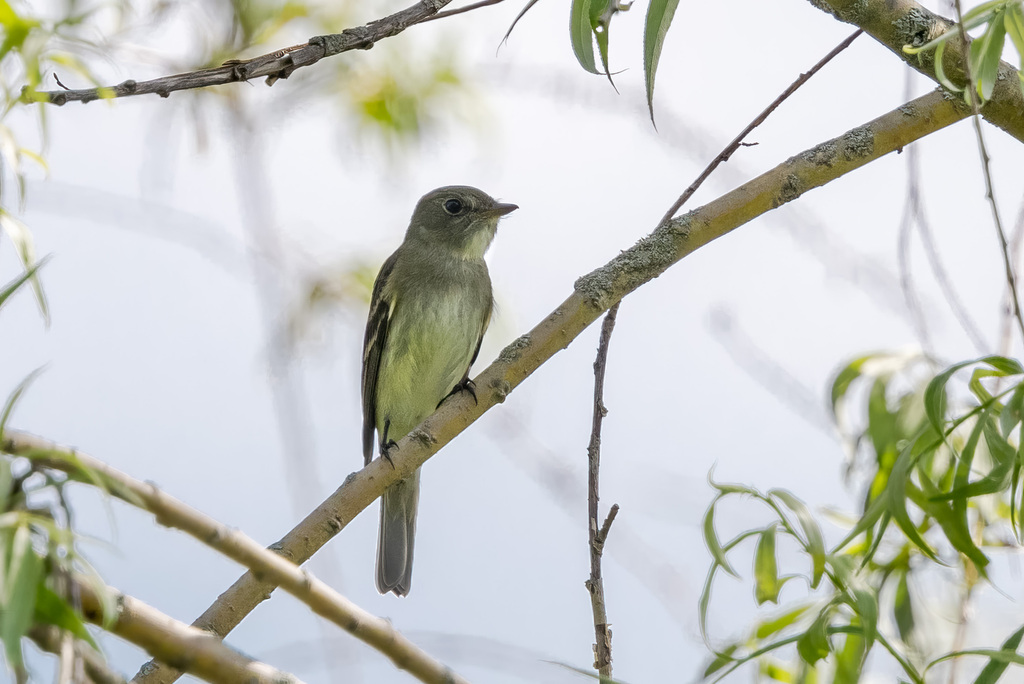
- Alder FlycatcherEmpidonax alnorum
- American Black DuckAnas rubripes
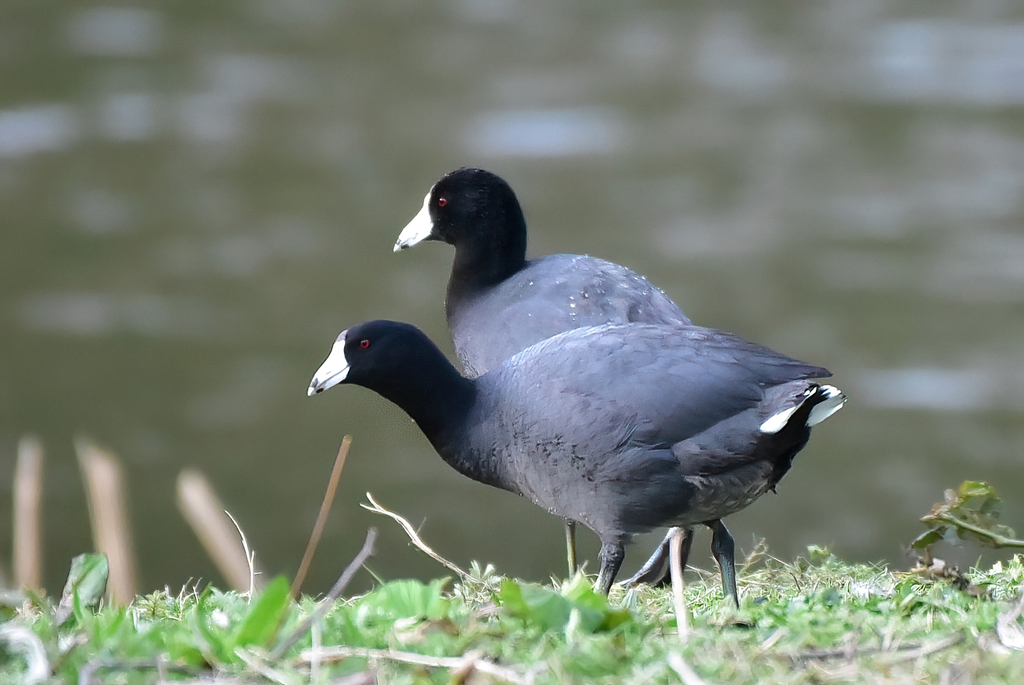
- American CootFulica americana
- American CrowCorvus brachyrhynchos
- American GoldfinchCarduelis tristis
- American KestrelFalco sparverius
- American RedstartSetophaga ruticilla
- American RobinTurdus migratorius
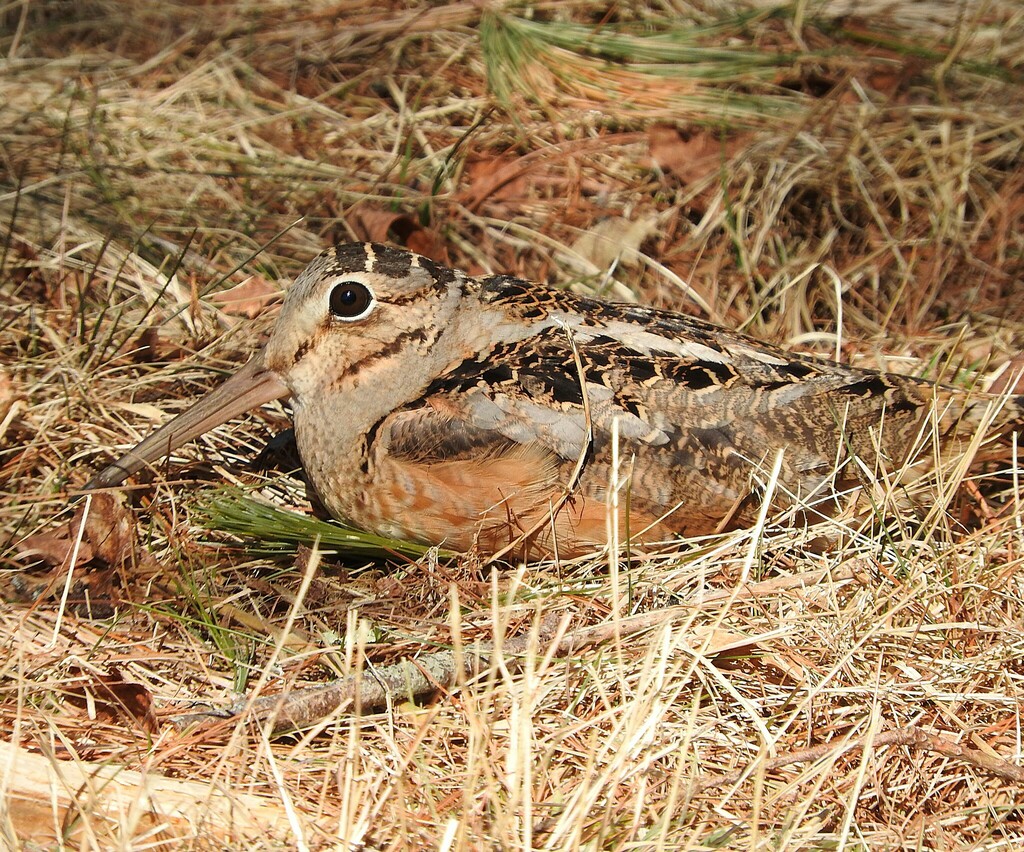
- American WoodcockScolopax minor
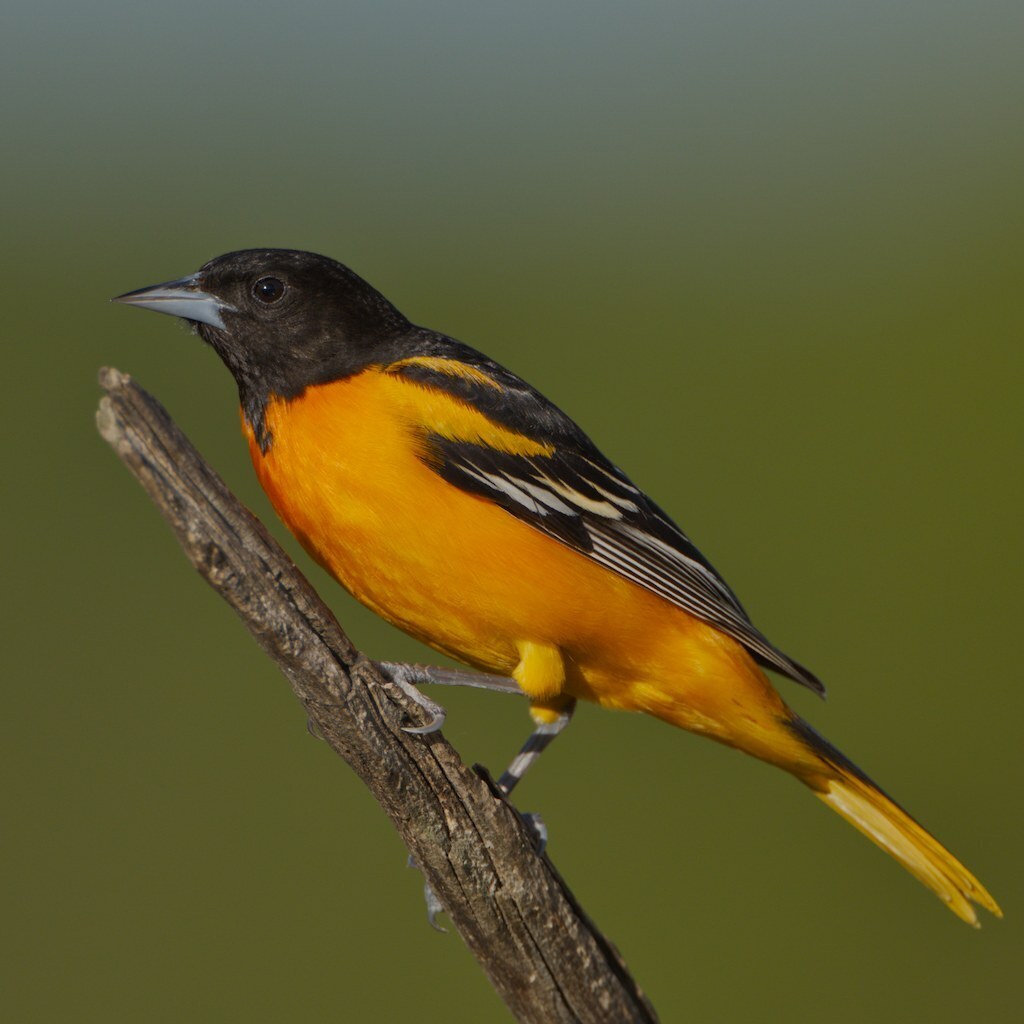
- Baltimore OrioleIcterus galbula
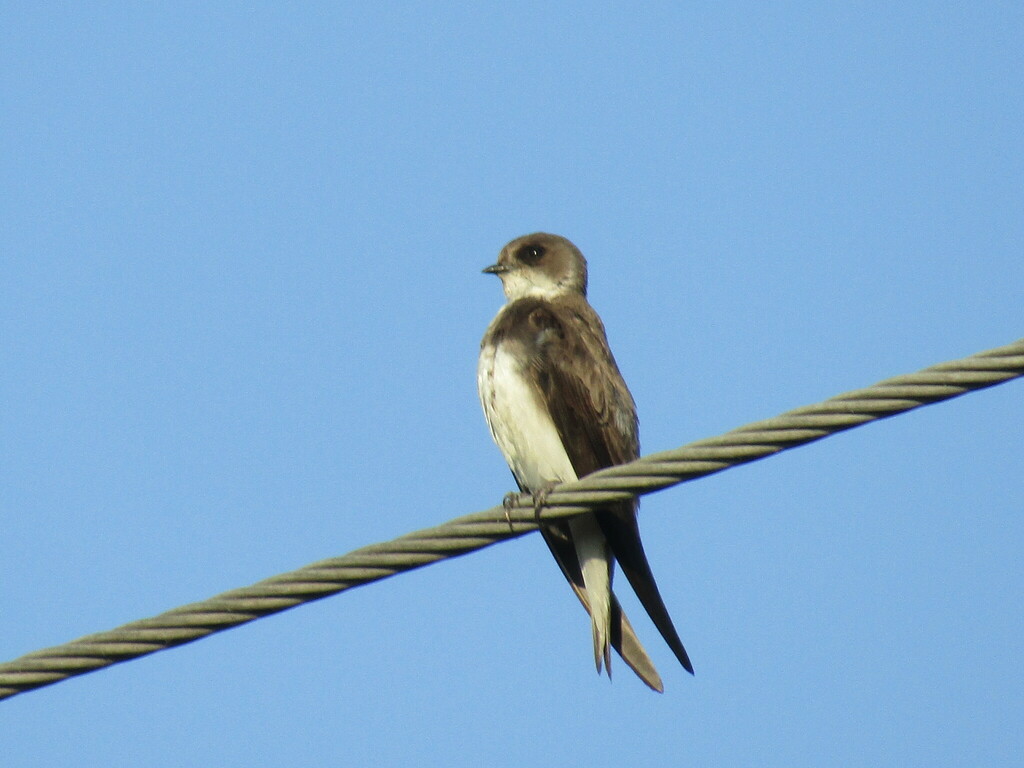
- Bank SwallowRiparia riparia
- Barred OwlStrix varia
- Belted KingfisherMegaceryle alcyon
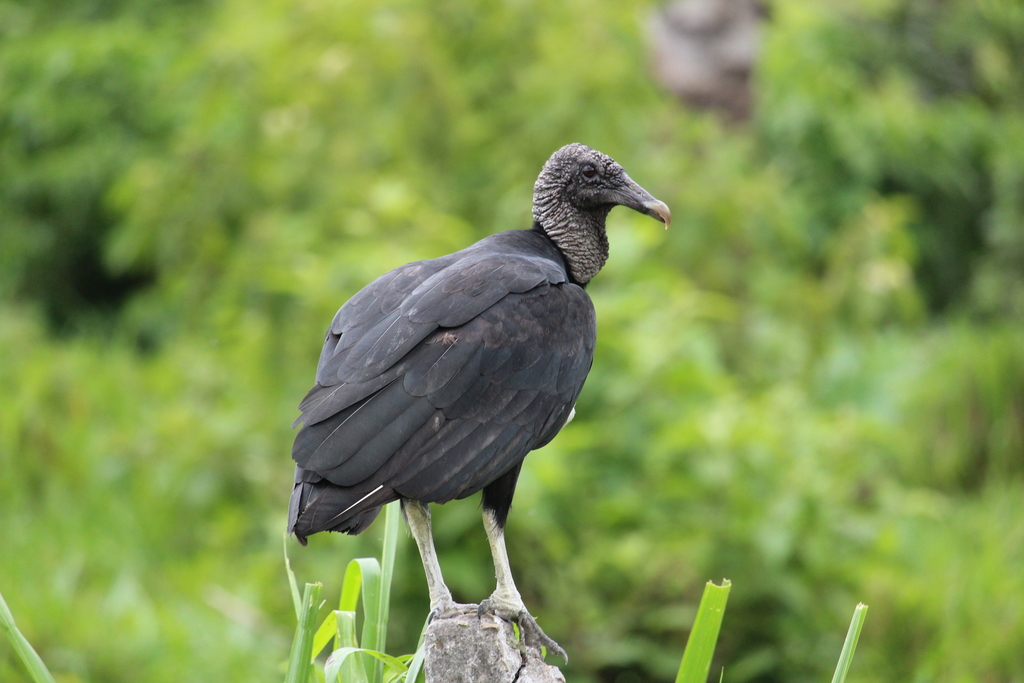
- Black VultureCoragyps atratus
- Black-and-White WarblerMniotilta varia
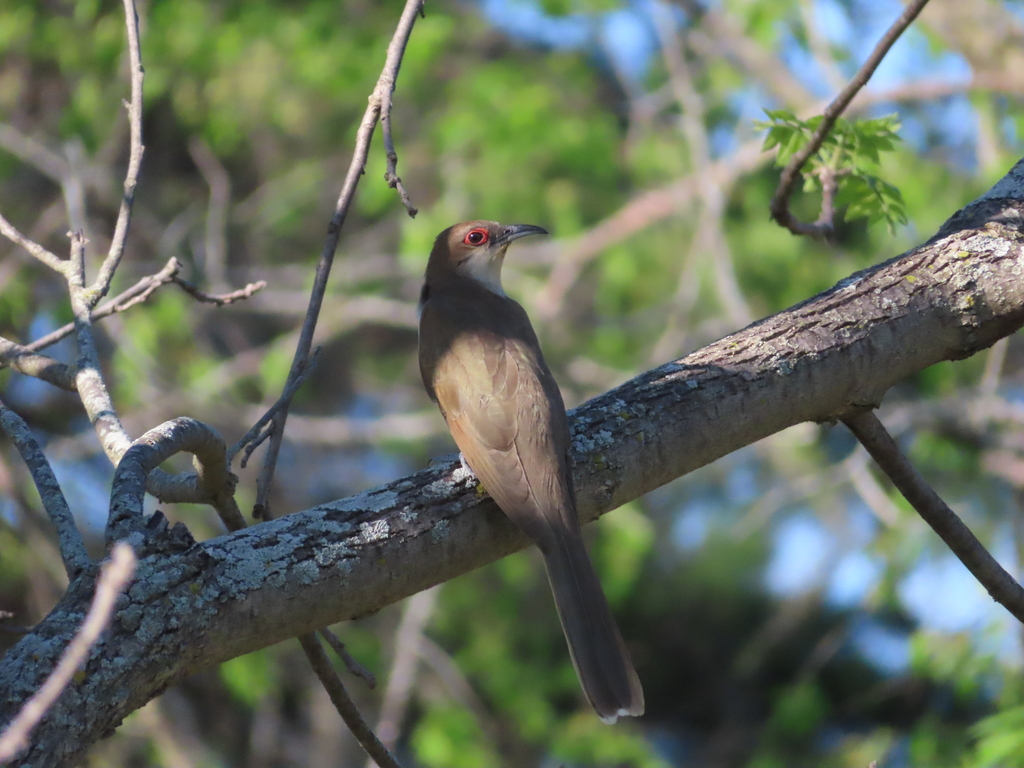
- Black-billed CuckooCoccyzus erythropthalmus
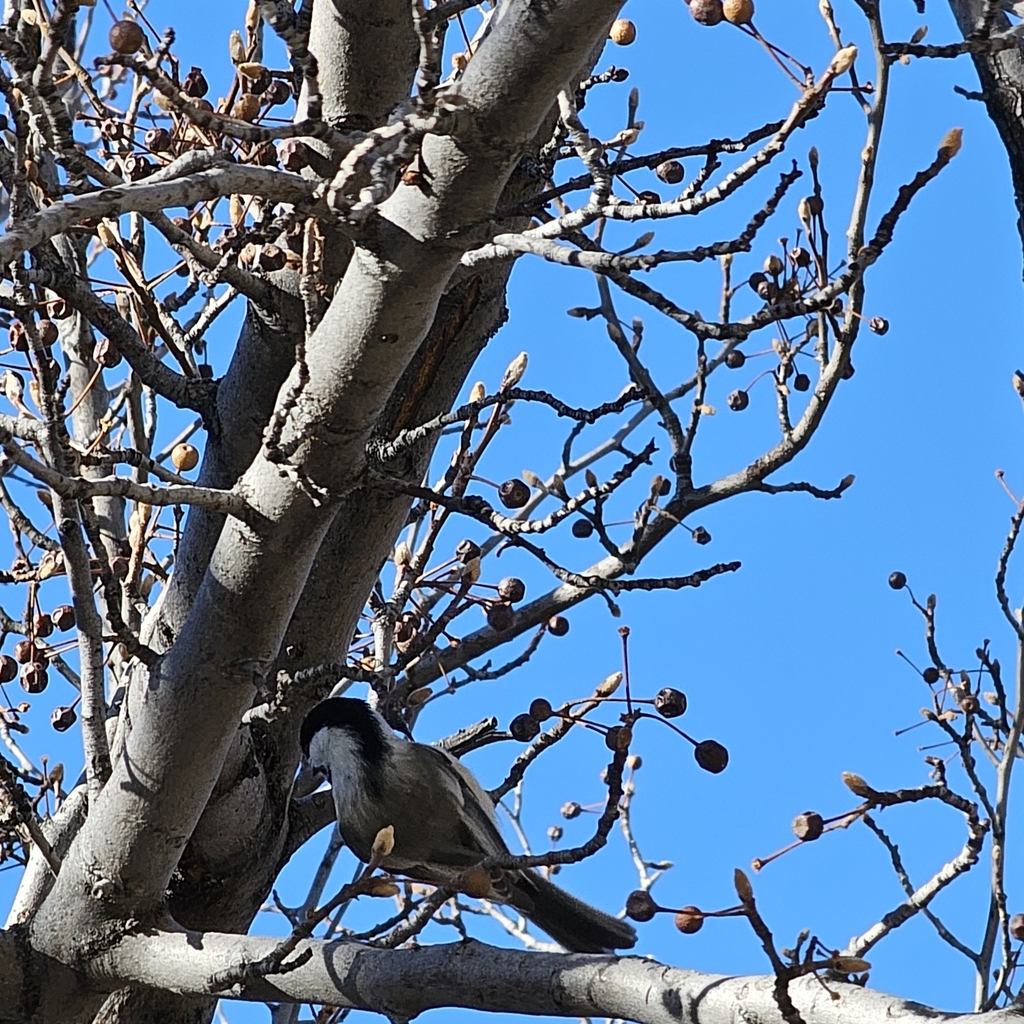
- Black-capped ChickadeePoecile atricapillus
- Black-crowned Night-heronNycticorax nycticorax
- Blue GrosbeakPasserina caerulea
- Blue JayCyanocitta cristata
- Blue-gray GnatcatcherPolioptila caerulea
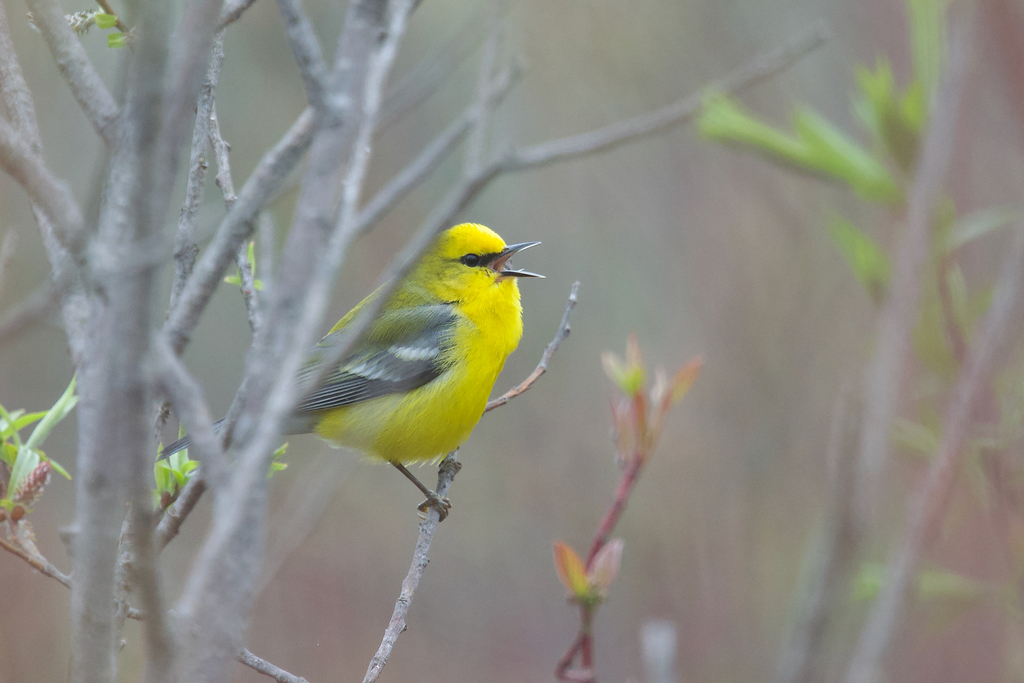
- Blue-winged WarblerVermivora pinus
- Broad-winged HawkButeo platypterus
















Who uses this plant?
 13CaterpillarsGenus host records with ranges including VA
Genus host records with ranges including VA · Scirpus
- Apamea sordensBordered Apamea, Rustic Shoulder-Knot
- Bactra furfuranaRush Bactra
- Bactra verutanaJavelin Moth
- Euphyes dionDion Skipper, Sedge Skipper
- Globia oblongaOblong Sedge Borer Moth, Large Noagria
- Globia subflavaYellow Sedge Borer, Yellowish Nonagria, Subflava Sedge Borer
- Helotropha reniformisAmerican Crescent Borer, Reniform Celaena, Reniform Helotropha
- Ledaea perditalisLost Owlet, 3-Stripe Cephalanthus caterpillar, Buttonbush Owlet
- Meropleon diversicolorMulticolored Sedgeminer
- Neonympha mitchelliiMitchell's Satyr
Show all 13
- Bactra maiorina
- Cosmopterix scirpicola
- Donacaula dispersella
 0BeesSoutheastern regional records
 0Specialist beesPollen specialists
 27BirdsRecorded genus food-resource interactions; not a state feeding claim
Recorded genus food-resource interactions; not a state feeding claim · Scirpus
- Agelaius phoeniceusRed-winged Blackbird
- Anas platyrhynchosMallard
- Anthus rubescensAmerican Pipit
- Aythya affinisLesser Scaup
- Aythya americanaRedhead
- Aythya collarisRing-necked Duck
- Aythya marilaGreater Scaup
- Aythya valisineriaCanvasback
- Bucephala clangulaCommon Goldeneye
- Bucephala islandicaBarrow's Goldeneye
Show all 27
- Calcarius lapponicusLapland Longspur
- Calcarius pictusSmith's Longspur
- Cygnus buccinatorTrumpeter Swan
- Cygnus columbianusTundra Swan
- Fulica americanaAmerican Coot
- Gallinula galeataCommon Gallinule
- Loxia curvirostraRed Crossbill
- Mareca americanaAmerican Wigeon
- Mareca streperaGadwall
- Molothrus aterBrown-headed Cowbird
- Oxyura jamaicensisRuddy Duck
- Plectrophenax nivalisSnow Bunting
- Porzana carolinaSora
- Rallus limicolaVirginia Rail
- Spatula cyanopteraCinnamon Teal
- Spizelloides arboreaAmerican Tree Sparrow
- Sturnus vulgarisEuropean Starling
Direct food only: birds recorded eating this genus across North America. Caterpillars on host plants also feed nesting birds. NC Native Plant Society: butterfly gardening
No records yet · Ants · Beetles · Flies · Adult butterflies / moths · Other wasps · Other insects
Plant details
- Family
- Cyperaceae
- Hardiness
- Zones 3–9
- Flower color
- Brown
- Growth rate
- Moderate
- Growth habit
- Grows in clumps
- Foliage color
- Dark green
- Fruit begins
- Summer
- Fruit ends
- Fall
Safety has not been reviewed for this plant; check toxicity and thorns before planting.
Growing sources and scope
- Bloom · “Late June to September” · Weakley, Flora of the Southeastern United States (2025), Carolinas & Georgia edition (ranked first; USDA PLANTS, Prairie Moon 2026 Cultural Guide differ) · Carolinas and Georgia
- Flower color · “Brown” · USDA PLANTS · Nationwide species characteristics; local growing conditions may vary
- Foliage color · “Dark green” · USDA PLANTS · Nationwide species characteristics; local growing conditions may vary
- Fruit begins · “Summer” · USDA PLANTS · Nationwide species characteristics; local growing conditions may vary
- Fruit ends · “Fall” · USDA PLANTS · Nationwide species characteristics; local growing conditions may vary
- Growth habit · “Grows in clumps” · USDA PLANTS · Nationwide species characteristics; local growing conditions may vary
- Growth rate · “Moderate” · USDA PLANTS · Nationwide species characteristics; local growing conditions may vary
- Hardiness · “Zones 3–9” · Missouri Botanical Garden Plant Finder
- Height · “2–5 feet” · Tennessee Smart Yards (ranked first; USDA PLANTS, Missouri Botanical Garden Plant Finder, Prairie Moon 2026 Cultural Guide differ) · Published Tennessee growing guidance; exact cached scientific heading
- Light · “Full sun” · Tennessee Smart Yards (ranked first; Missouri Botanical Garden Plant Finder, Prairie Moon 2026 Cultural Guide differ) · Published Tennessee growing guidance; exact cached scientific heading
- Soil · “wet to moderately wet” · Tennessee Smart Yards (ranked first; Missouri Botanical Garden Plant Finder, Prairie Moon 2026 Cultural Guide differ) · Published Tennessee growing guidance; exact cached scientific heading
- Spread · “3–4 feet” · Missouri Botanical Garden Plant Finder
Also known as
Dark green Bulrush; Green Bulrush
Conservation status
| Virginia rank | S5 |
|---|---|
| Global rank | G5? |
| VA status | Not verified |
| Federal status | Not verified |
Will it fit your yard?
Check this plant against your county, sun and soil moisture. Conditions are checked in your browser.
Growing cautions
- Spreads by rhizomes. Naturalizes by both creeping rhizomes and self-seeding and will form colonies if left undisturbed. Tennessee Smart Yards
For planning only; these do not change the score or Fit.
Sources
- Digital Atlas of the Virginia Flora
- USDA PLANTS
- Vascular Plants of North Carolina (NC Natural Heritage Program)
- Weakley, Flora of the Southeastern United States (2025), Carolinas & Georgia edition
- NatureServe Explorer
- Shropshire & Tallamy 2025, Lepidoptera of North America north of Mexico, ZooKeys 1261 (ODbL)
- Noori, Seltmann & Orr 2026, A curated and integrated dataset for exploring global bee-plant interactions (GloBI), Zenodo, CC BY 4.0
- Smith, Bachelder, Russell, Morales, Mosher & Seltmann 2024, Bee-Specialization-Modeling v0.6.1 (specialist host table compiled from J. Fowler's pollen specialist bee lists), Zenodo, CC BY 4.0
- Hurlbert, Olsen, Sawyer & Winner 2021, Avian Diet Database, Scientific Data 8: 260 (CC0)
- Narango, Tallamy & Shropshire 2020, Few keystone plant genera support the majority of Lepidoptera species, Nature Communications