

Dwarf Azalea
Rhododendron atlanticum
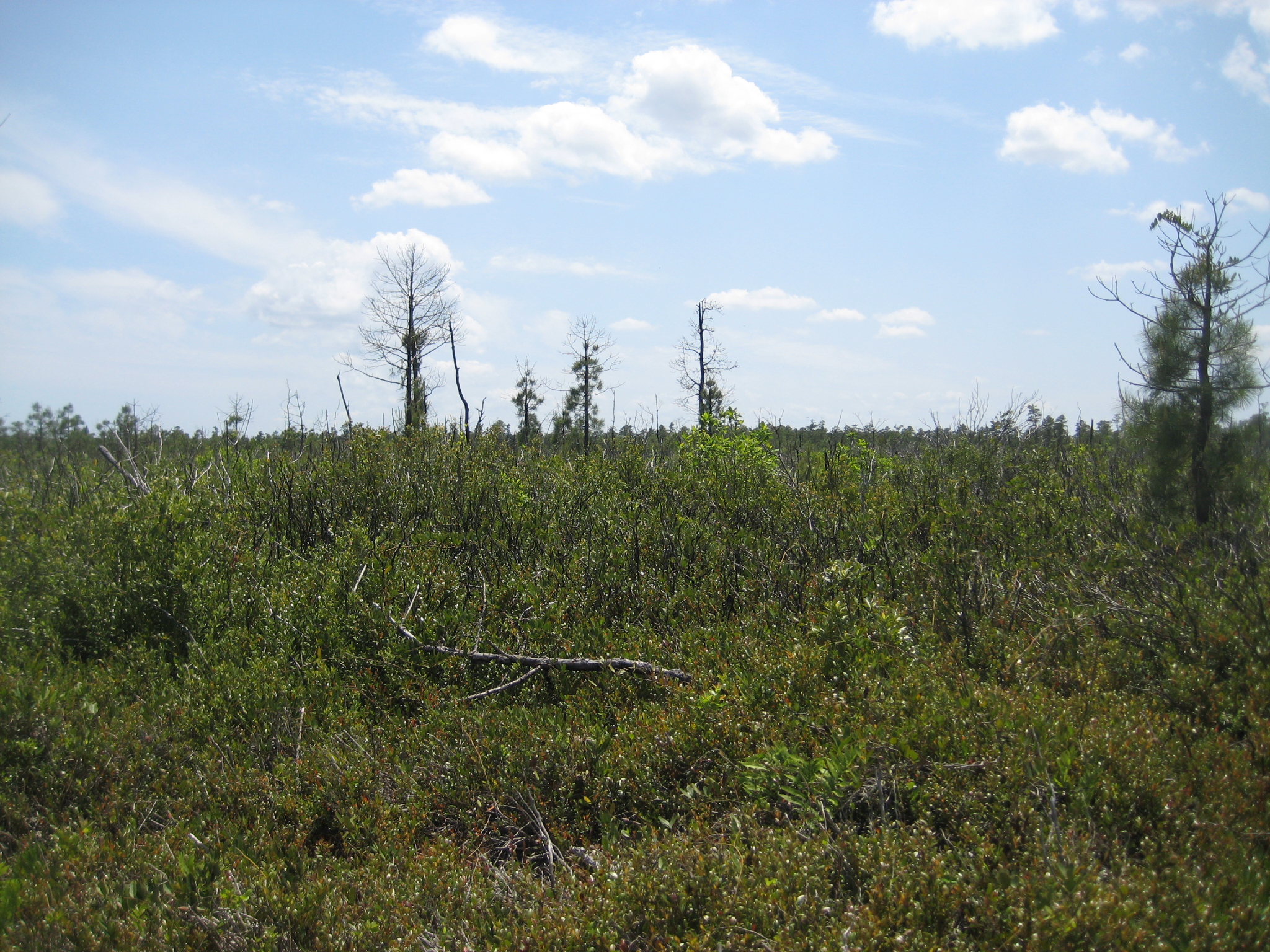
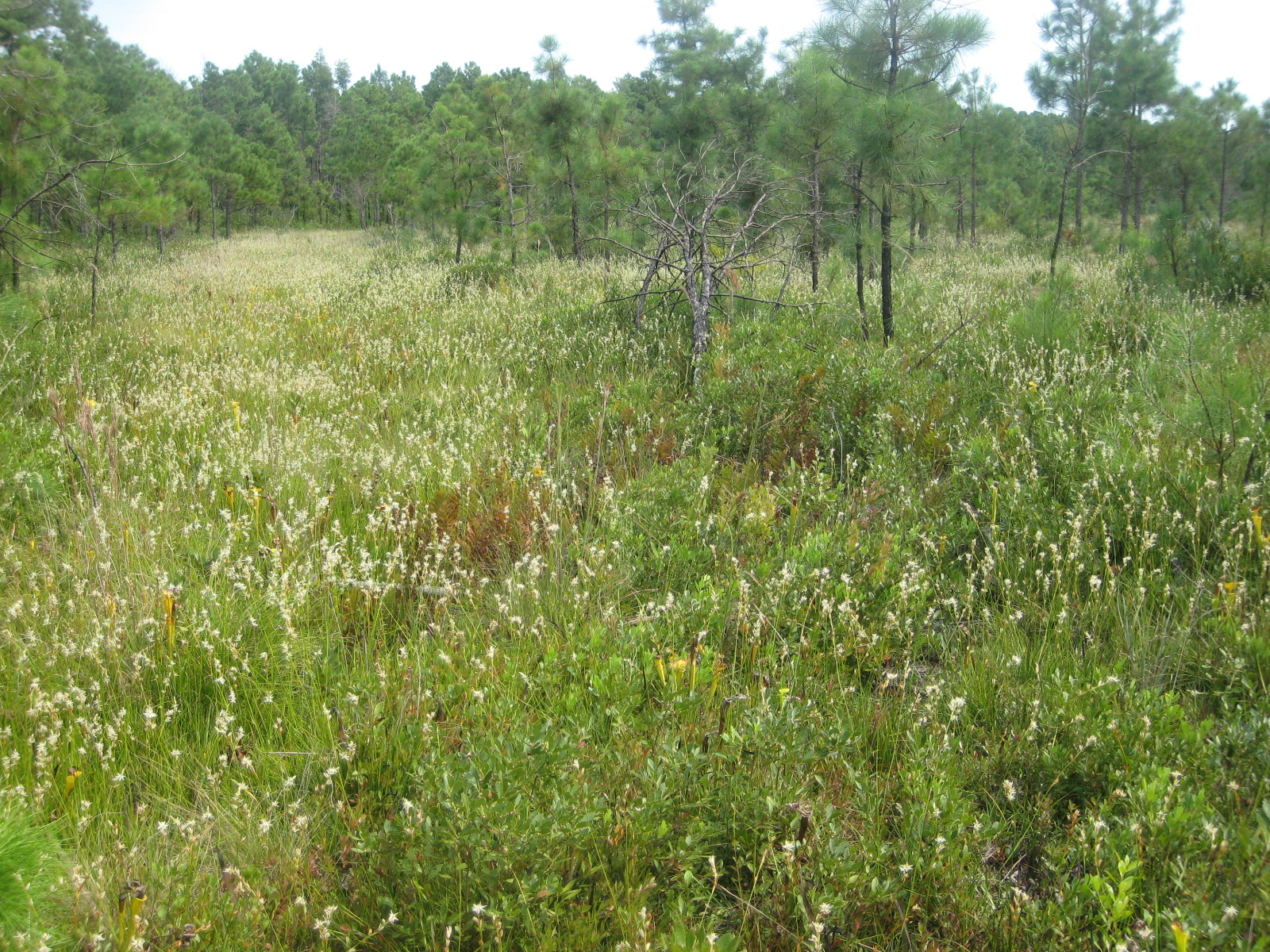
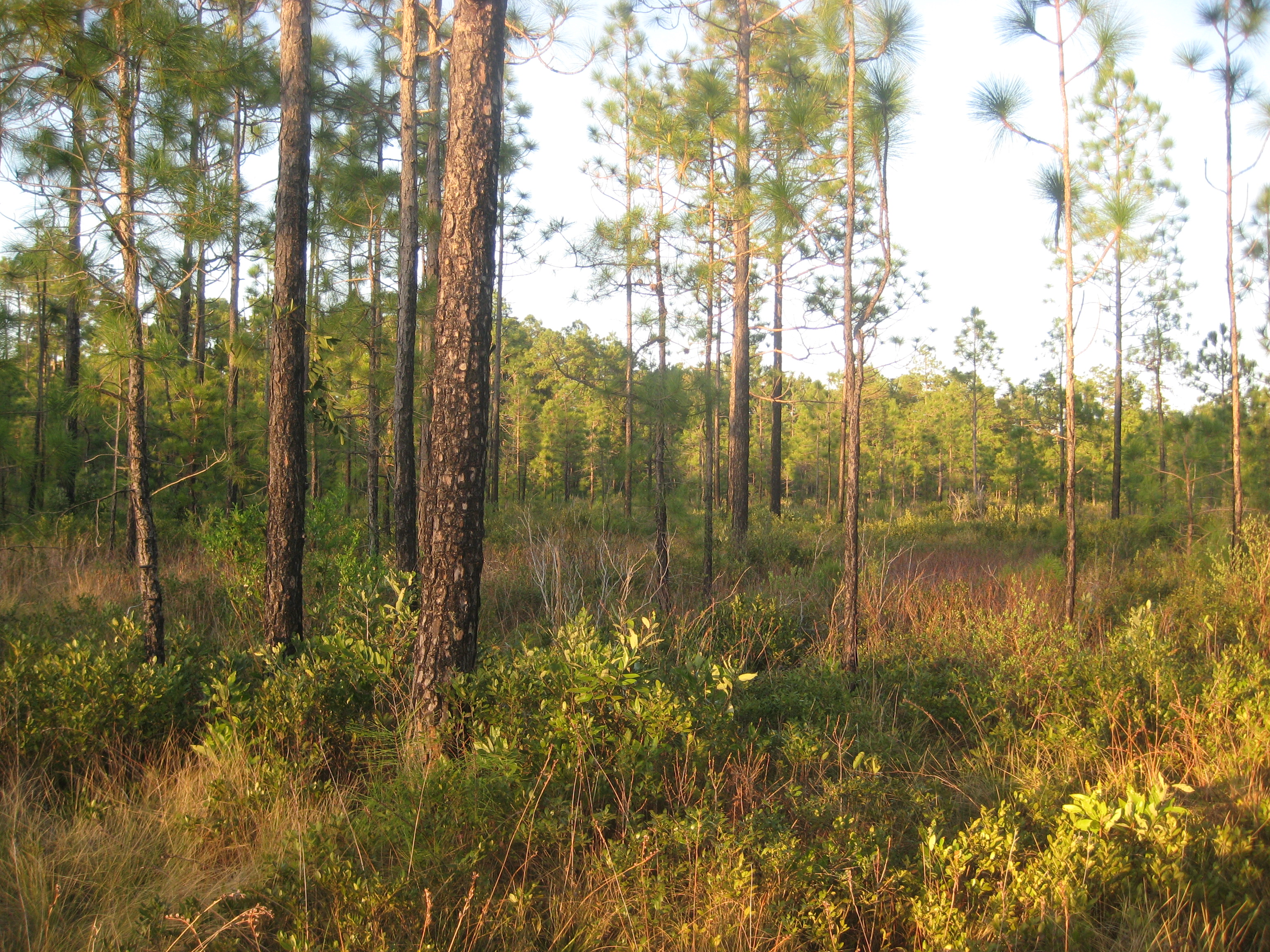
Found in pocosins, pine savannas, pine flatwoods, sandhill-pocosin ecotones. Weakley, Flora of the Southeastern United States (2025), Northern Tier edition What its natural habitat tells you
Native to Virginia. How scores work Is it native here?
Profile 100%
- Height
- 3–6 feet
- Spread
- 3–6 feet
- Light
- Full sun, Partial shade
- Soil moisture
- Somewhat dry to moist
Space about 4.5 ft apart from its recorded spread, about 5 per 100 sq ft. Enter your bed size for a count
Will it fit your yard?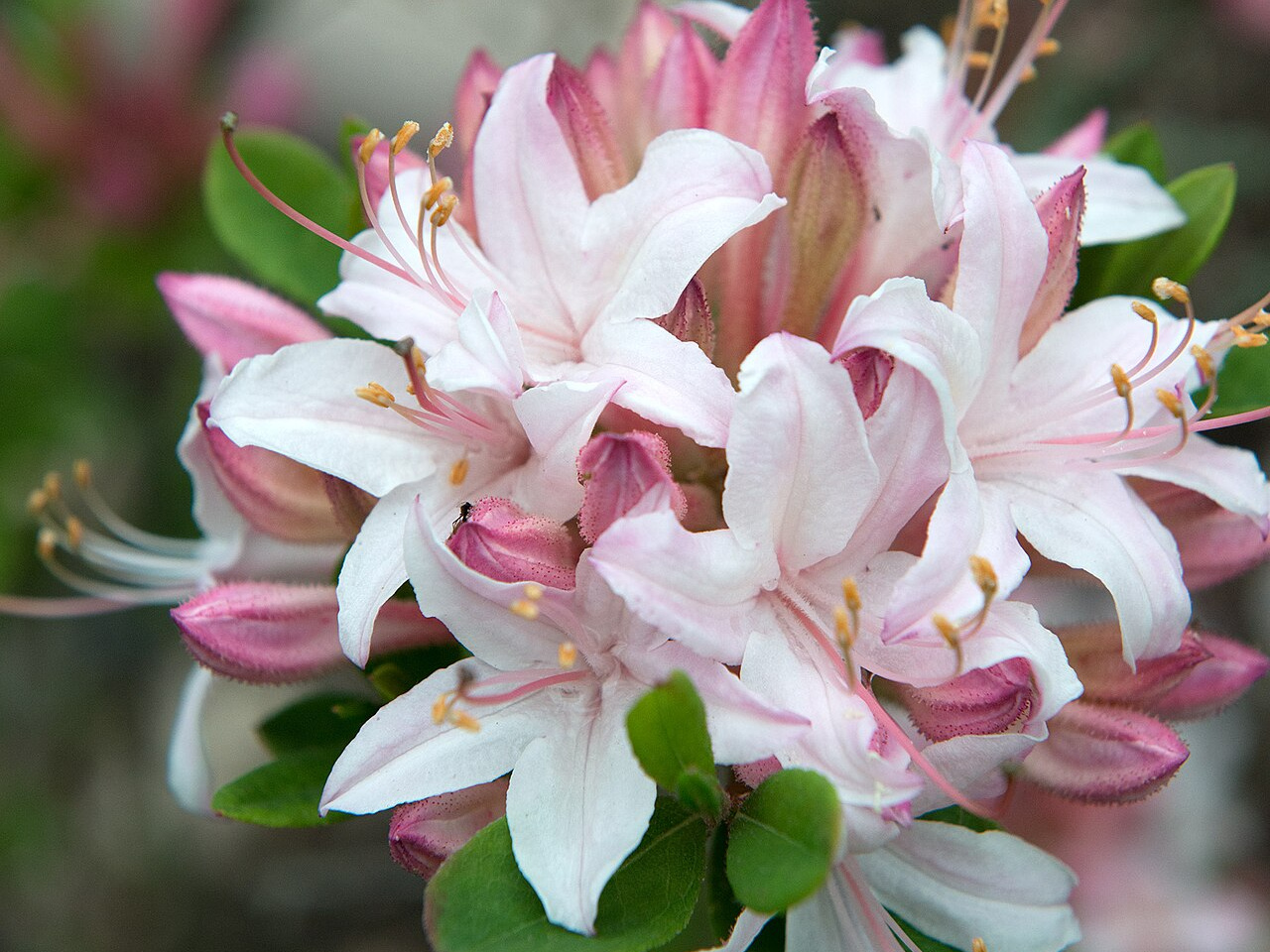
At a glance
- Life cycle
- Woody perennial
- Leaves
- Deciduous
- Bloom
- Early spring
- Fruiting season
- August to October
Recorded in 27 Virginia counties.
Natural habitats
Places it grows wild. Not a planting requirement. Each habitat page lists the plants and wildlife also found there.
Also found with this plant
Wildlife whose habitat models include habitats this plant grows in, in Virginia. Shared habitat, not food. 79 animals.
- White-throated SparrowZonotrichia albicollis
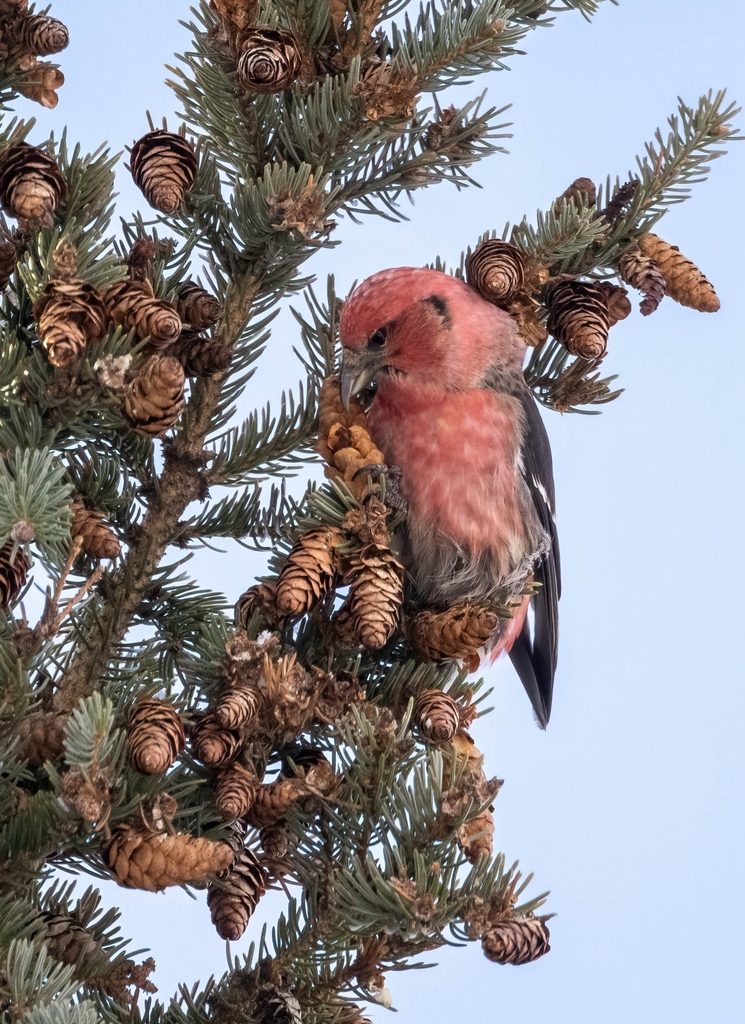
- White-winged CrossbillLoxia leucoptera
- Wild TurkeyMeleagris gallopavo
- Yellow-bellied SapsuckerSphyrapicus varius
- Yellow-breasted ChatIcteria virens
- Yellow-rumped WarblerDendroica coronata
- Yellow-throated WarblerDendroica dominica







Who uses this plant?
 63CaterpillarsGenus host records with ranges including VA
Genus host records with ranges including VA · Rhododendron
- Acharia stimuleaSaddleback Caterpillar Moth
- Acleris pulverosana"North American" Hasty Acleris
- Acronicta oblinitaSmeared Dagger
- Acronicta tritonaGray Dagger, Triton Dagger
- Amphipyra pyramidoidesMiranda Underwing, Copper Underwing, Copper Amphipyra
- Apatelodes torrefactaSpotted Apatelodes
- Archips argyrospilaFruit-Tree Leafroller Moth
- Automeris ioIo Moth
- Callophrys augustinusThe Brown Elfin
- Callosamia prometheaPromethea Silkmoth, Promethea Moth
Show all 63
- Caloptilia violacellaTick-Trefoil Caloptilia
- Catocala andromedaeAndromeda Underwing
- Choristoneura rosaceanaOblique-Banded Leafroller Moth, Rosaceous Leaf Roller
- Clepsis persicanaWhite Triangle Tortrix
- Coelodasys unicornisUnicorn Caterpillar Moth
- Darapsa choerilusAzalea Sphinx
- Darapsa versicolorHydrangea Sphinx
- Datana majorMajor Datana, Azalea Caterpillar
- Datana ministraYellow-Necked Caterpillar Moth
- Dichomeris ligulellaPalmerworm
- Dysstroma citrataDark Marbled Carpet
- Egira alternansAlternate Woodling
- Eupithecia russeliataWhite-Lined Pug
- Eupsilia sidusSidus Sallow
- Fishia illocataWandering Brocade
- Hyalophora cecropiaCecropia Silkmoth, Cecropia Moth
- Hyles lineataWhite-Lined Sphinx
- Hyphantria cuneaFall Webworm
- Megalopyge opercularisSouthern Flannel Moth, Puss Caterpillar
- Melanchra assimilisBlack Arches
- Melanolophia canadariaCanadian Melanolphia, Variable Redmarked Looper
- Morrisonia confusaConfused Woodgrain
- Oedemasia concinnaRed-Humped Caterpillar, Red-Humped Appleworm
- Oiketicus abbotiiAbbot's Bagworm Moth
- Olethreutes permundanaRaspberry Leafroller
- Orgyia leucostigmaWhite-Marked Tussock Moth
- Orthosia hibisciSpeckled Green Fruitworm Moth, Speckled Green Quaker
- Palthis angulalisDark-Spotted Palthis
- Papilio troilusSpicebush Swallowtail
- Platynota flavedanaBlack-Shaded Platynota
- Platynota stultanaOmnivorous Leafroller
- Polygonia progneGray Comma
- Probole nepiasariaHeath Probole
- Prolimacodes badiaSkiff Moth, Skiff Caterpillar
- Rheumaptera hastataSpear-Marked Black Moth, Spear Mark
- Rheumaptera prunivorataFerguson's Scallop Shell, Cherry Scallop Shell
- Satyrium kingiKing's Hairstreak
- Satyrium liparopsStriped Hairstreak
- Schizura ipomaeaeMorning-Glory Prominent, Checkered-Fringe Prominent
- Scopula limboundataLarge Lace-Border
- Sparganothis sulfureanaSparganothis Fruitworm Moth, Sulfur Leafroller, False Yellow-Head
- Sphinx kalmiaeFawn Sphinx, Laurel Sphinx
- Spodoptera eridaniaSouthern Armyworm Moth
- Spodoptera ornithogalliYellow-Striped Armyworm Moth, Cotton Cutworm
- Strymon melinusGray Hairstreak
- Synanthedon rhododendriRhododendron Borer
- Thyridopteryx ephemeraeformisEvergreen Bagworm Moth
- Trichoplusia niNi Moth, Cabbage Looper Moth
- Xanthotype urticariaFalse Crocus Geometer
- Acleris maccana
- Epinotia septemberana
- Paralobesia rhoifructana
- Tulsa finitella
 24BeesSoutheastern regional records
Southeastern regional records · Rhododendron
Individual names are not available yet.
Noori, Seltmann & Orr 2026, A curated and integrated dataset for exploring global bee-plant interactions (GloBI), Zenodo, CC BY 4.0 2Specialist beesPollen specialists
Pollen specialists · Rhododendron
- Andrena carolina
- Andrena cornelli
 5BirdsRecorded genus food-resource interactions; not a state feeding claim
Recorded genus food-resource interactions; not a state feeding claim · Rhododendron
- Bonasa umbellusRuffed Grouse
- Falcipennis canadensisSpruce Grouse
- Lagopus lagopusWillow Ptarmigan
- Pinicola enucleatorPine Grosbeak
- Plectrophenax nivalisSnow Bunting
Direct food only: birds recorded eating this genus across North America. Caterpillars on host plants also feed nesting birds. NC Native Plant Society: butterfly gardening
No records yet · Ants · Beetles · Flies · Adult butterflies / moths · Other wasps · Other insects
Plant details
- Family
- Ericaceae
- Hardiness
- Zones 6a–8b
- Soil pH
- Acidic
- Flower color
- Pink or white
- Growth rate
- Moderate
- Growth habit
- Spreads to form colonies
- Foliage color
- Dark green
- Fruit begins
- August
- Fruit ends
- October
Safety has not been reviewed for this plant; check toxicity and thorns before planting.
Growing sources and scope
- Bloom · “Early spring” · USDA PLANTS · Nationwide species characteristics; local growing conditions may vary
- Flower color · “Pink or white” · NC Extension Plant Toolbox (ranked first; USDA PLANTS, Lady Bird Johnson Wildflower Center differ)
- Foliage color · “Dark green” · USDA PLANTS · Nationwide species characteristics; local growing conditions may vary
- Fruit begins · “August” · Weakley, Flora of the Southeastern United States (2025), Carolinas & Georgia edition (ranked first; USDA PLANTS differs) · Carolinas and Georgia
- Fruit ends · “October” · Weakley, Flora of the Southeastern United States (2025), Carolinas & Georgia edition (ranked first; USDA PLANTS differs) · Carolinas and Georgia
- Growth habit · “Spreads to form colonies” · USDA PLANTS · Nationwide species characteristics; local growing conditions may vary
- Growth rate · “Moderate” · USDA PLANTS · Nationwide species characteristics; local growing conditions may vary
- Hardiness · “Zones 6a–8b” · NC Extension Plant Toolbox
- Height · “3–6 feet” · NC Extension Plant Toolbox (ranked first; USDA PLANTS, Lady Bird Johnson Wildflower Center differ)
- Leaves · “Deciduous” · NC Extension Plant Toolbox
- Life cycle · “Woody perennial” · NC Extension Plant Toolbox (ranked first; Lady Bird Johnson Wildflower Center differs)
- Light · “Full sun (6 or more hours of direct sunlight a day); Partial shade (direct sunlight only part of the day, 2-6 hours)” · NC Extension Plant Toolbox (ranked first; Virginia DCR Coastal Plain, Lady Bird Johnson Wildflower Center differ)
- Soil · “Moist; Occasionally dry; Occasionally wet” · NC Extension Plant Toolbox (ranked first; Virginia DCR Coastal Plain, Lady Bird Johnson Wildflower Center differ)
- Soil pH · “Acidic” · NC Extension Plant Toolbox
- Spread · “3–6 feet” · NC Extension Plant Toolbox
Conservation status
| Virginia rank | S4S5 |
|---|---|
| Global rank | G4G5 [G5] |
| VA status | Not verified |
| Federal status | Not verified |
Will it fit your yard?
Check this plant against your county, sun and soil moisture. Conditions are checked in your browser.
Growing cautions
- Spreads by runners. Spreads by underground stolons. NC State Extension Plant Toolbox
For planning only; these do not change the score or Fit.
Sources
- Digital Atlas of the Virginia Flora
- USDA PLANTS
- Vascular Plants of North Carolina (NC Natural Heritage Program)
- Weakley, Flora of the Southeastern United States (2025), Carolinas & Georgia edition
- NatureServe Explorer
- Shropshire & Tallamy 2025, Lepidoptera of North America north of Mexico, ZooKeys 1261 (ODbL)
- Noori, Seltmann & Orr 2026, A curated and integrated dataset for exploring global bee-plant interactions (GloBI), Zenodo, CC BY 4.0
- Smith, Bachelder, Russell, Morales, Mosher & Seltmann 2024, Bee-Specialization-Modeling v0.6.1 (specialist host table compiled from J. Fowler's pollen specialist bee lists), Zenodo, CC BY 4.0
- Hurlbert, Olsen, Sawyer & Winner 2021, Avian Diet Database, Scientific Data 8: 260 (CC0)
- Narango, Tallamy & Shropshire 2020, Few keystone plant genera support the majority of Lepidoptera species, Nature Communications