

Common Buckthorn
Rhamnus cathartica
Found in disturbed areas. Weakley, Flora of the Southeastern United States (2025), Northern Tier edition What its natural habitat tells you
Not native to Virginia. How scores work Is it native here?
Profile 76%
- Height
- 18–30 feet
- Spread
- 15–20 feet
- Light
- Full sun, Partial shade
- Soil moisture
- Somewhat dry to moist
No photograph yet. Looking for an old drawing…
Plant this instead
Choose your county to list local plants first.
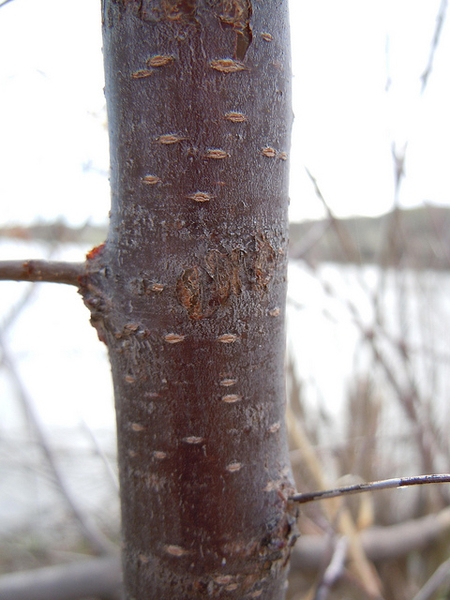
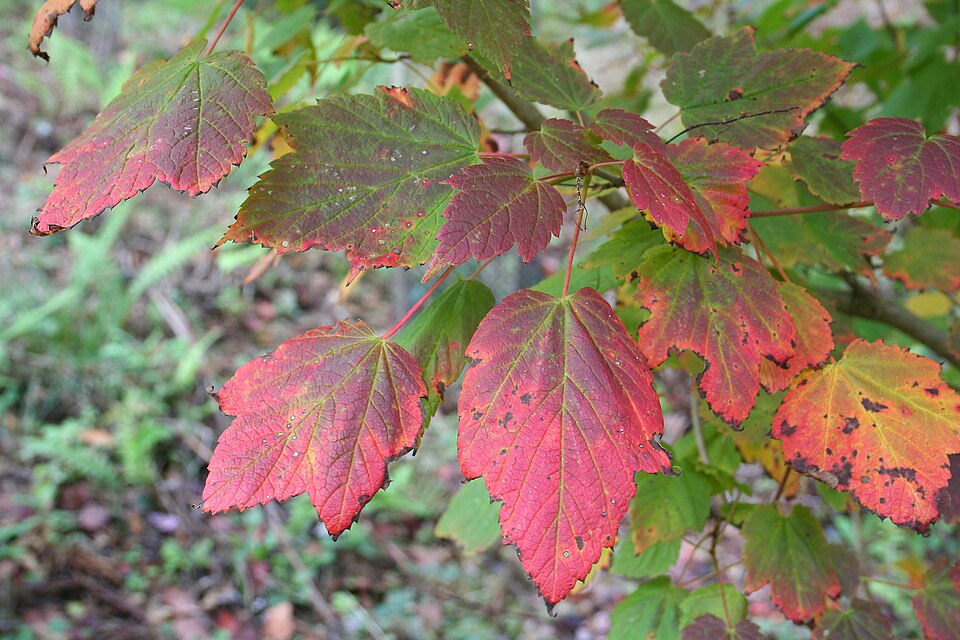
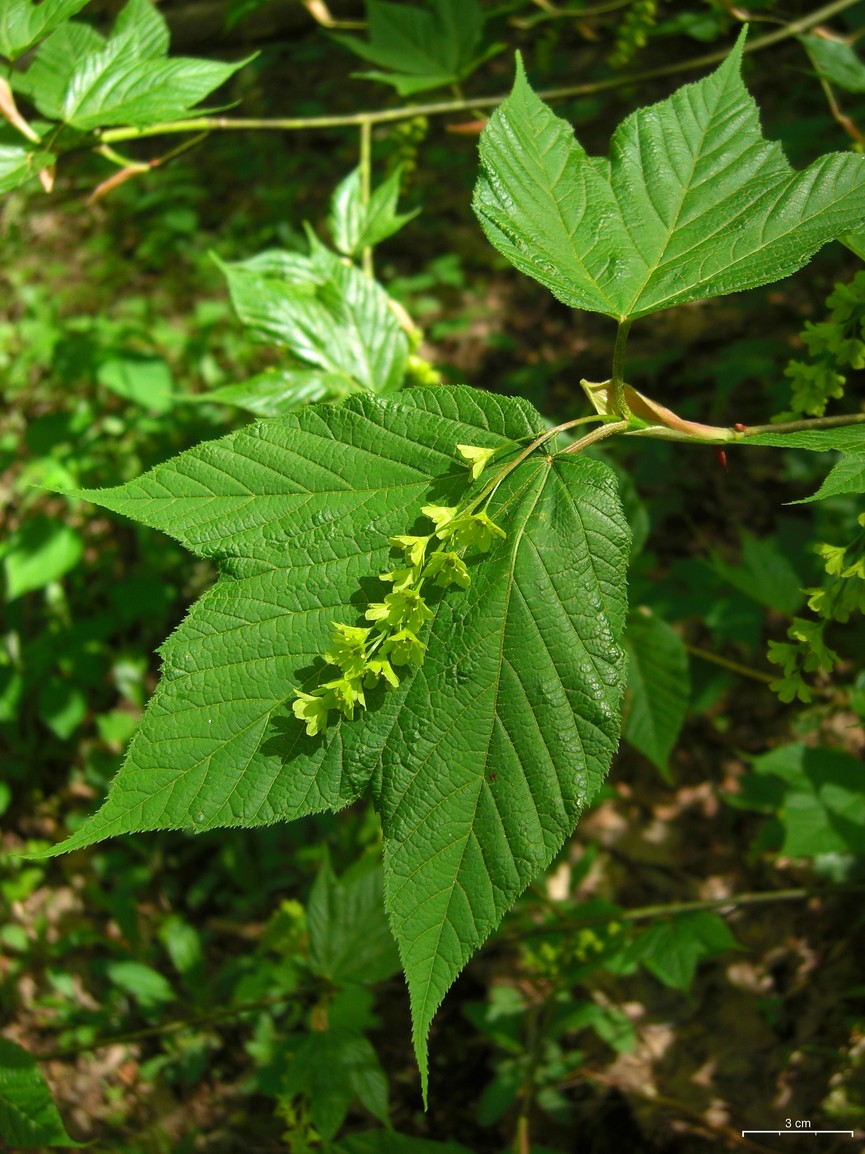
No recorded swaps for this county. Try the garden finder.
At a glance
- Life cycle
- Woody perennial
- Leaves
- Deciduous
- Bloom
- April to June
Recorded in 5 Virginia counties.
Natural habitats
Places it grows wild. Not a planting requirement. Each habitat page lists the plants and wildlife also found there.
Roadsides, fields and disturbed ground
Ground opened by people: roadsides, old fields, pastures, fencerows and lots.
Also found with this plant
Wildlife whose habitat models include habitats this plant grows in, in Virginia. Shared habitat, not food. 109 animals.
- Pine SiskinCarduelis pinus
- Purple FinchCarpodacus purpureus
- Red-bellied WoodpeckerMelanerpes carolinus
- Red-breasted NuthatchSitta canadensis
- Red-headed WoodpeckerMelanerpes erythrocephalus
- Red-tailed HawkButeo jamaicensis
- Red-winged BlackbirdAgelaius phoeniceus
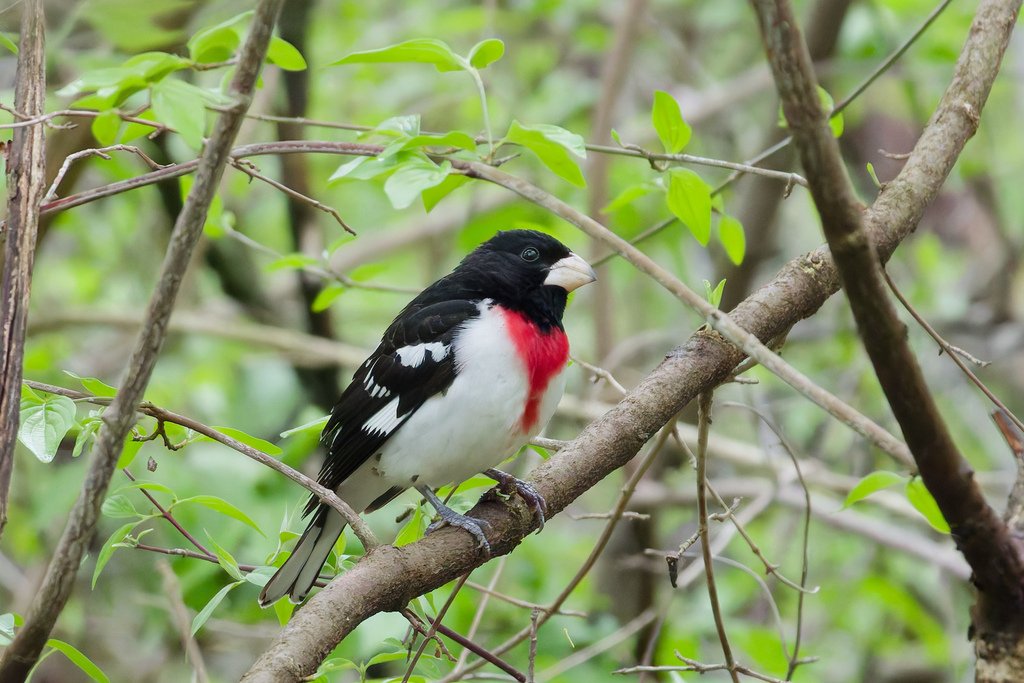
- Rose-breasted GrosbeakPheucticus ludovicianus
- Ruby-crowned KingletRegulus calendula
- Ruffed GrouseBonasa umbellus
- Sharp-shinned HawkAccipiter striatus
- Spotted SandpiperActitis macularius
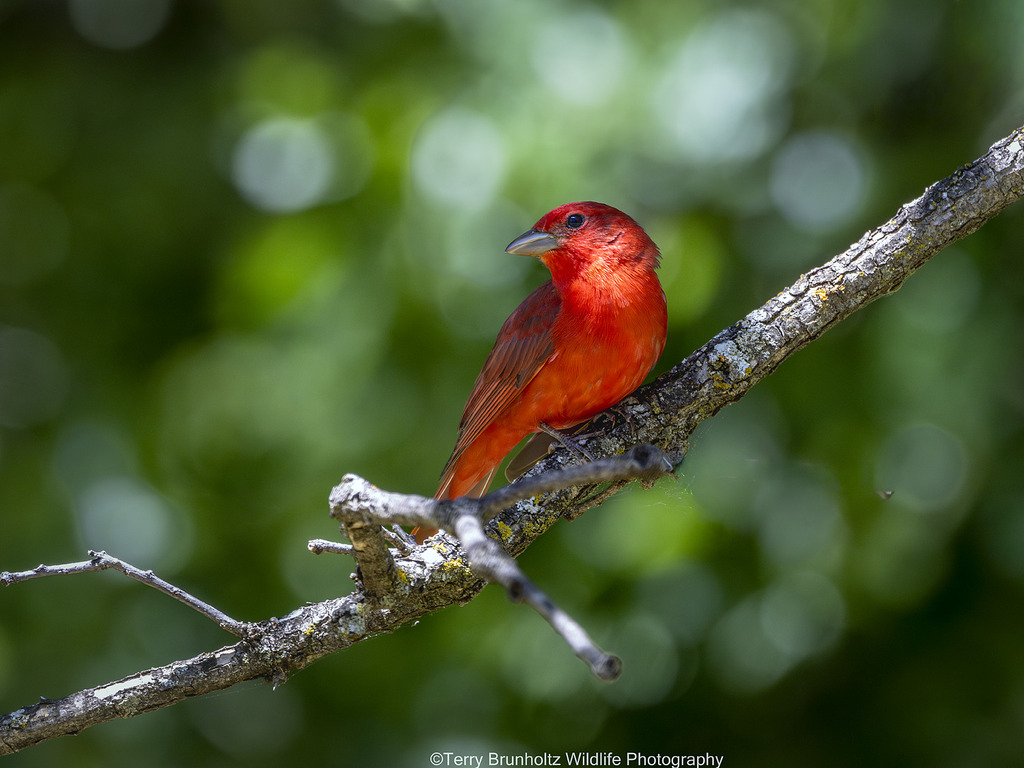
- Summer TanagerPiranga rubra
- Tufted TitmouseBaeolophus bicolor
- Turkey VultureCathartes aura
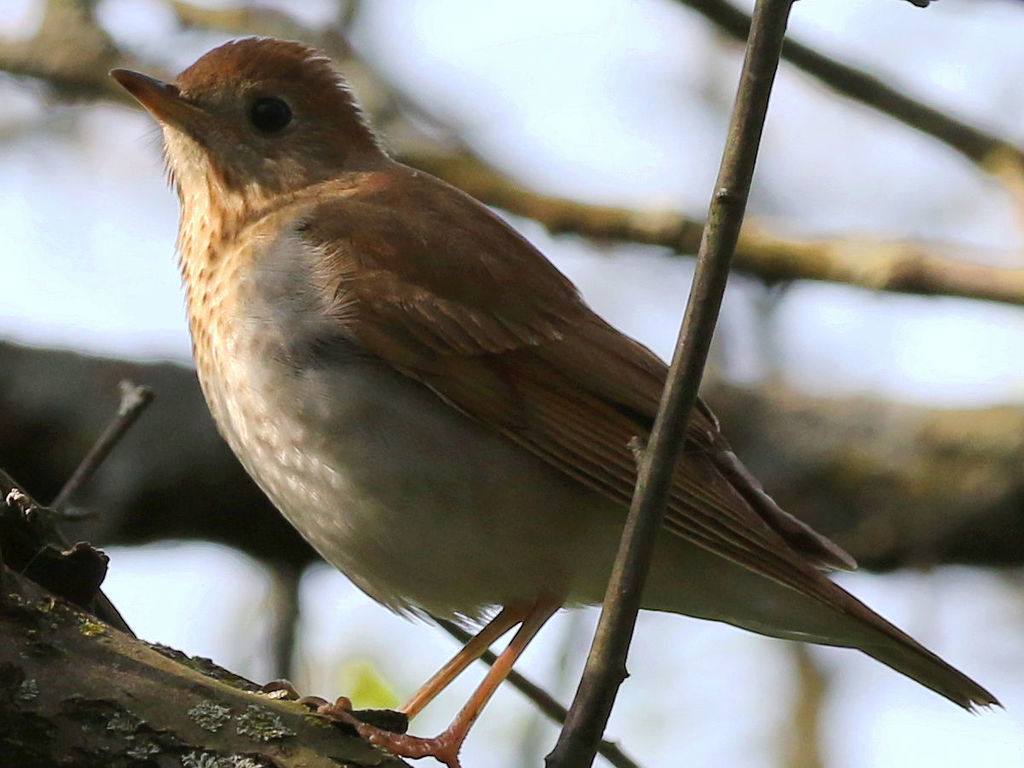
- VeeryCatharus fuscescens
- White-breasted NuthatchSitta carolinensis
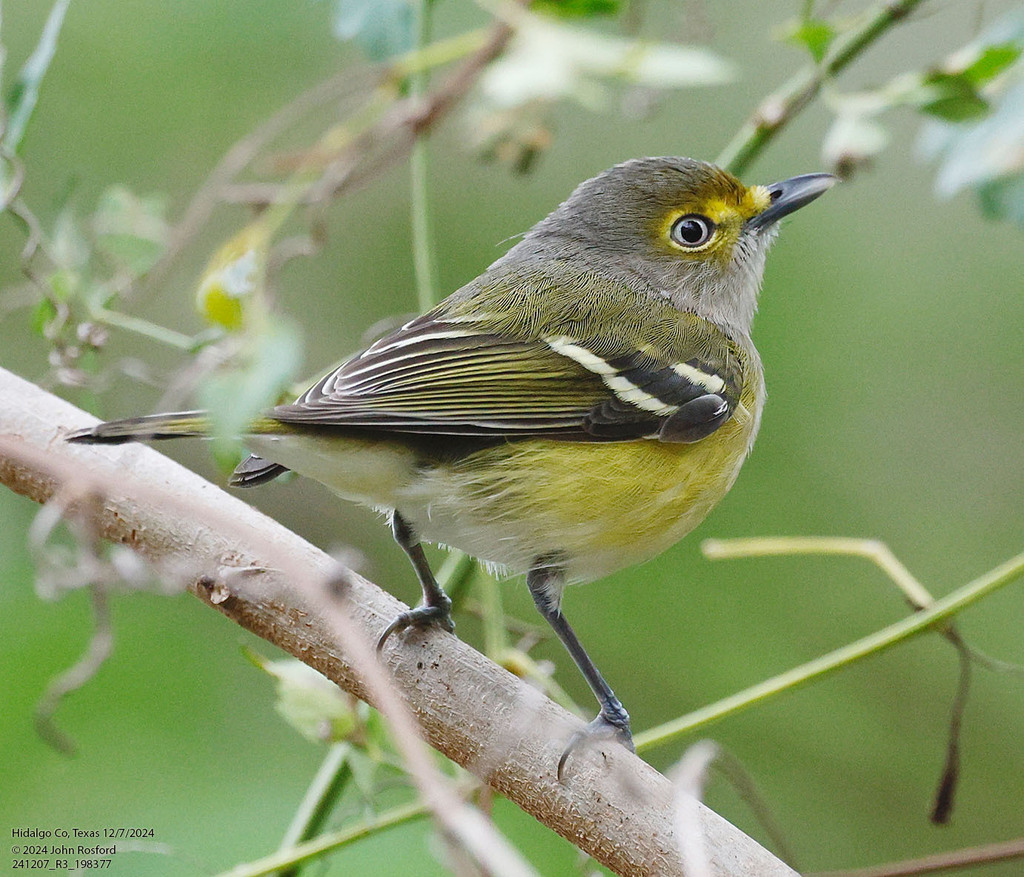
- White-eyed VireoVireo griseus
- Wild TurkeyMeleagris gallopavo
- Wood ThrushHylocichla mustelina
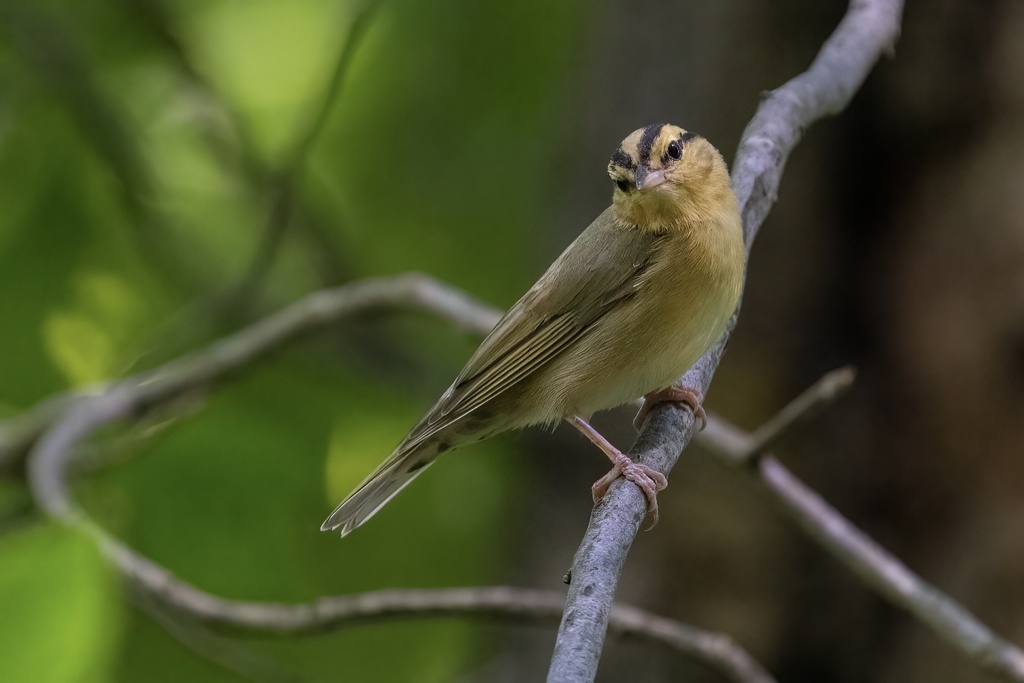
- Worm-eating WarblerHelmitheros vermivorum
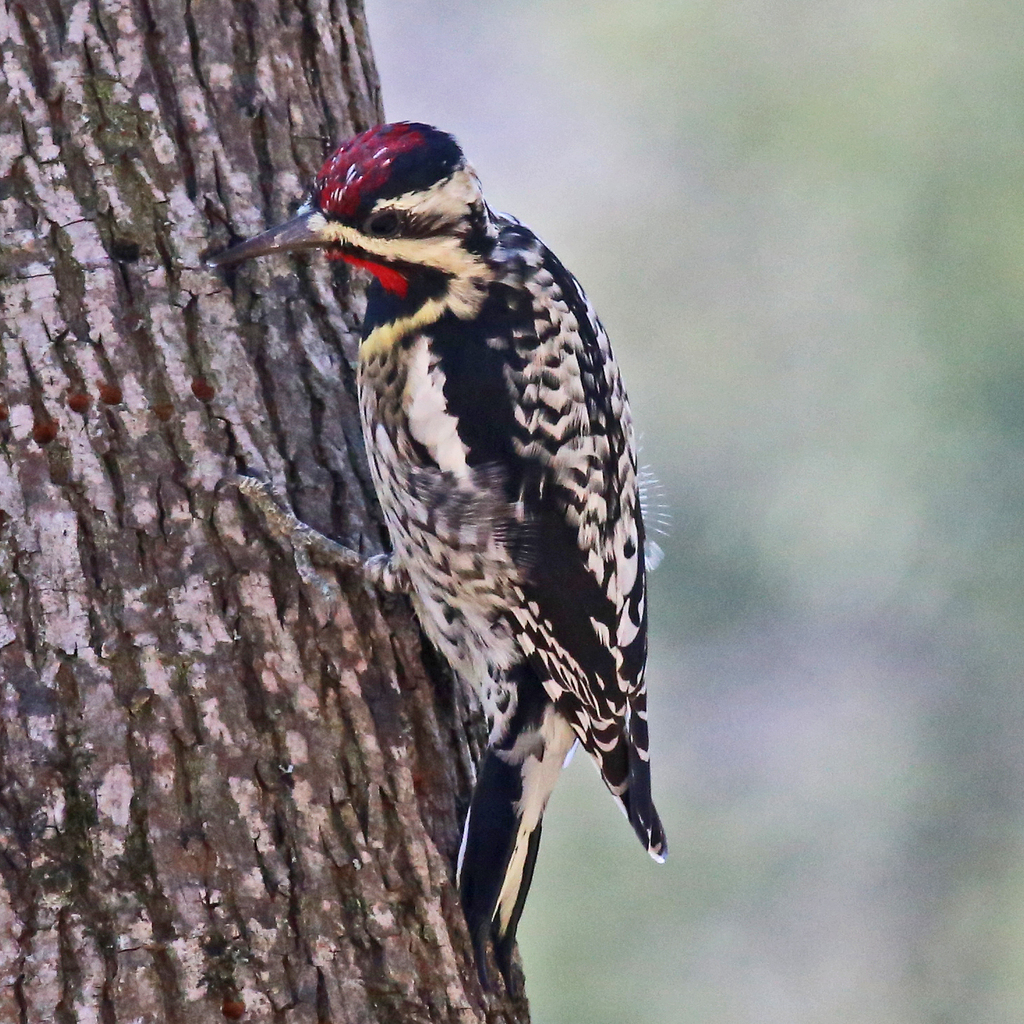
- Yellow-bellied SapsuckerSphyrapicus varius
- Yellow-billed CuckooCoccyzus americanus
- Yellow-breasted ChatIcteria virens


















Who uses this plant?
 18CaterpillarsGenus host records with ranges including VA
Genus host records with ranges including VA · Rhamnus
- Antheraea polyphemusPolyphemus Moth
- Argyrotaenia quercifolianaYellow-Winged Oak Leafroller Moth, Lined Oak Leafroller
- Choristoneura rosaceanaOblique-Banded Leafroller Moth, Rosaceous Leaf Roller
- Eulia ministranaFerruginous Eulia
- Eupithecia miserulataCommon Eupithacia, Common Pug
- Eupithecia misturataInsignificant Pug
- Hyphantria cuneaFall Webworm
- Iridopsis defectariaBrown-Shaded Gray, Willow Looper
- Lacanobia subjunctaSpeckled Arches, Subdues Arches, Harnessed Mamestra, Speckled Cutworm Moth, Grand Arches?(incorrectly)
- Melanolophia canadariaCanadian Melanolphia, Variable Redmarked Looper
Show all 18
- Orgyia leucostigmaWhite-Marked Tussock Moth
- Palthis angulalisDark-Spotted Palthis
- Papilio glaucusEastern Tiger Swallowtail
- Rhopobota naevanaBlackheaded Fireworm, Holly Bud Moth, Holly Tortrix
- Spilosoma virginicaVirginian Tiger Moth, Yellow Woolybear Moth, Yellow Bear
- Syndemis afflictanaFall Dead-Leaf Roller, Gray Leafroller, Black-and-Grey Banded Leafroller
- Thyridopteryx ephemeraeformisEvergreen Bagworm Moth
- Triphosa haesitataTissue Moth, Brown Tissue
 —BeesSoutheastern regional records
 —Specialist beesPollen specialists
 12BirdsRecorded genus food-resource interactions; not a state feeding claim
Recorded genus food-resource interactions; not a state feeding claim · Rhamnus
- Aphelocoma californicaCalifornia Scrub-Jay
- Campylorhynchus brunneicapillusCactus Wren
- Catharus guttatusHermit Thrush
- Catharus ustulatusSwainson's Thrush
- Ixoreus naeviusVaried Thrush
- Meleagris gallopavoWild Turkey
- Patagioenas fasciataBand-tailed Pigeon
- Sphyrapicus ruberRed-breasted Sapsucker
- Toxostoma redivivumCalifornia Thrasher
- Turdus migratoriusAmerican Robin
Show all 12
- Tyrannus tyrannusEastern Kingbird
- Zenaida asiaticaWhite-winged Dove
Direct food only: birds recorded eating this genus across North America. Caterpillars on host plants also feed nesting birds. NC Native Plant Society: butterfly gardening
Plant details
- Family
- Rhamnaceae
- Hardiness
- Zones 3a–7b
- Soil pH
- Neutral to alkaline
- Flower color
- Yellow or green
Safety has not been reviewed for this plant; check toxicity and thorns before planting.
Growing sources and scope
- Bloom · “April to June” · Weakley, Flora of the Southeastern United States (2025), Carolinas & Georgia edition · Carolinas and Georgia
- Flower color · “Yellow or green” · NC Extension Plant Toolbox
- Hardiness · “Zones 3a–7b” · NC Extension Plant Toolbox
- Height · “18–30 feet” · NC Extension Plant Toolbox (ranked first; Fire Effects Information System: Rhamnus cathartica, Minnesota Wildflowers differ)
- Leaves · “Deciduous” · NC Extension Plant Toolbox
- Life cycle · “Woody perennial” · NC Extension Plant Toolbox
- Light · “Full sun (6 or more hours of direct sunlight a day); Partial shade (direct sunlight only part of the day, 2-6 hours)” · NC Extension Plant Toolbox
- Soil · “Moist; Occasionally dry; Occasionally wet” · NC Extension Plant Toolbox
- Soil pH · “Neutral to alkaline” · NC Extension Plant Toolbox
- Spread · “15–20 feet” · NC Extension Plant Toolbox
Also known as
European Buckthorn
Conservation status
| Virginia rank | SNA |
|---|---|
| Global rank | GNR |
| VA status | Not verified |
| Federal status | Not verified |
Sources
- Digital Atlas of the Virginia Flora
- USDA PLANTS
- Weakley, Flora of the Southeastern United States (2025)
- NatureServe Explorer
- Shropshire & Tallamy 2025, Lepidoptera of North America north of Mexico, ZooKeys 1261 (ODbL)
- Noori, Seltmann & Orr 2026, A curated and integrated dataset for exploring global bee-plant interactions (GloBI), Zenodo, CC BY 4.0
- Smith, Bachelder, Russell, Morales, Mosher & Seltmann 2024, Bee-Specialization-Modeling v0.6.1 (specialist host table compiled from J. Fowler's pollen specialist bee lists), Zenodo, CC BY 4.0
- Hurlbert, Olsen, Sawyer & Winner 2021, Avian Diet Database, Scientific Data 8: 260 (CC0)
- Narango, Tallamy & Shropshire 2020, Few keystone plant genera support the majority of Lepidoptera species, Nature Communications