

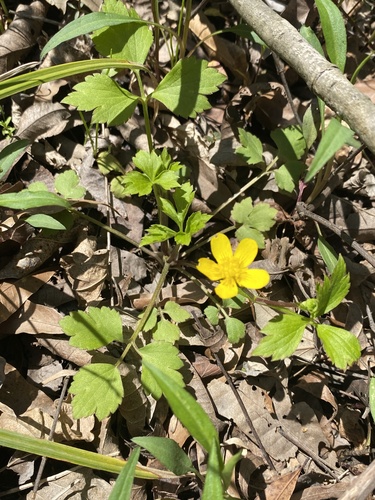
Swamp Buttercup
Ranunculus septentrionalis
Found in swamp forests, wet woodlands, open marshy wetlands. FloraQuest, phone app (app page) What its natural habitat tells you
Native to Virginia. How scores work Is it native here?
Profile 82%
- Light
- Full sun, Partial shade
- Soil moisture
- Usually moist
At a glance
- Life cycle
- Annual or perennial
- Bloom
- March to August
Not yet recorded · Height · Spread · Leaves
Height: NC species account not read yet.
Spread and leaves: no source found yet.
This plant is missing most of its facts, so Quercus is looking them up in old botany books.
Recorded in 37 Virginia counties.
Natural habitats
Places it grows wild. Not a planting requirement. Each habitat page lists the plants and wildlife also found there.
Also found with this plant
Wildlife whose habitat models include habitats this plant grows in, in Virginia. Shared habitat, not food. 73 animals.
- Alder FlycatcherEmpidonax alnorum
- American CrowCorvus brachyrhynchos
- American GoldfinchCarduelis tristis
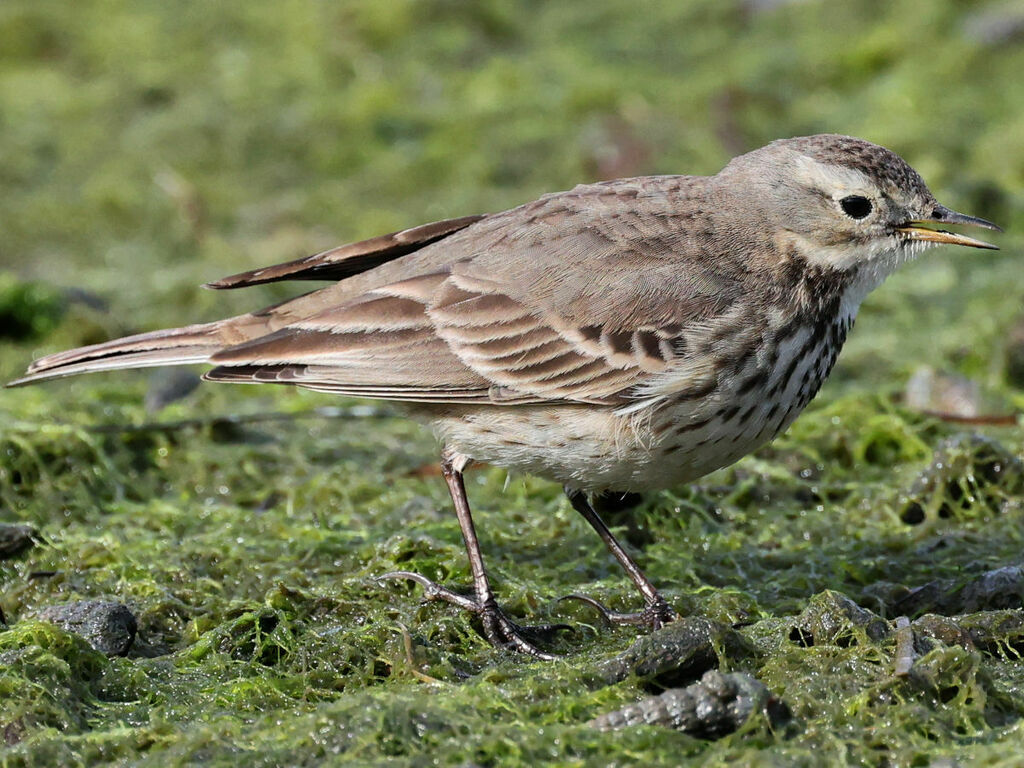
- American PipitAnthus rubescens
- American RobinTurdus migratorius
- Bank SwallowRiparia riparia
- Black VultureCoragyps atratus
- Blue JayCyanocitta cristata
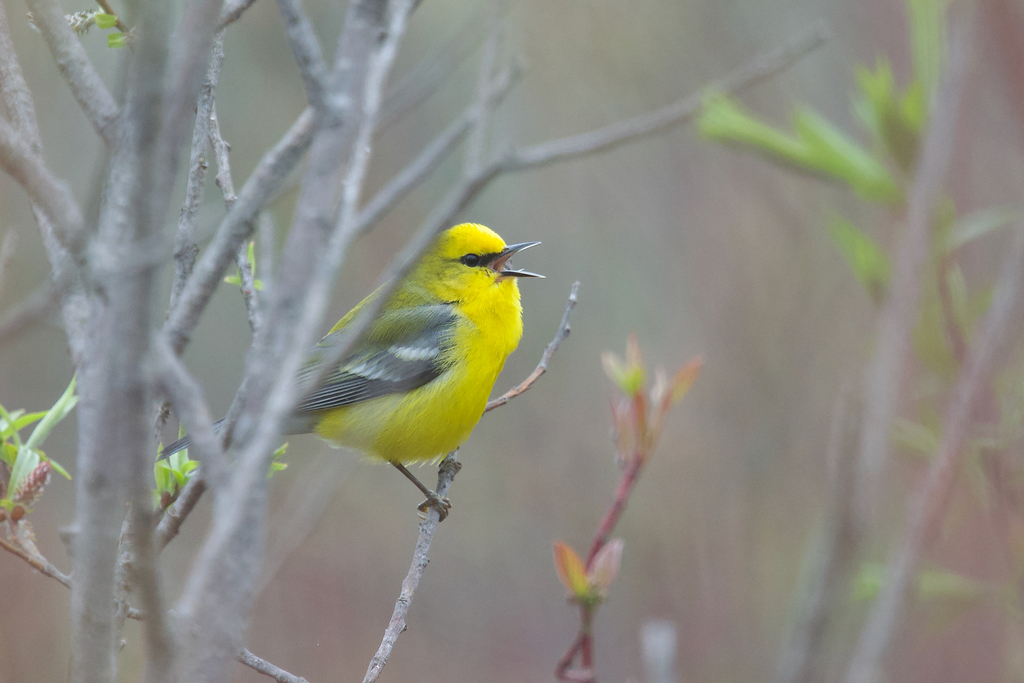
- Blue-winged WarblerVermivora pinus
- Canada GooseBranta canadensis
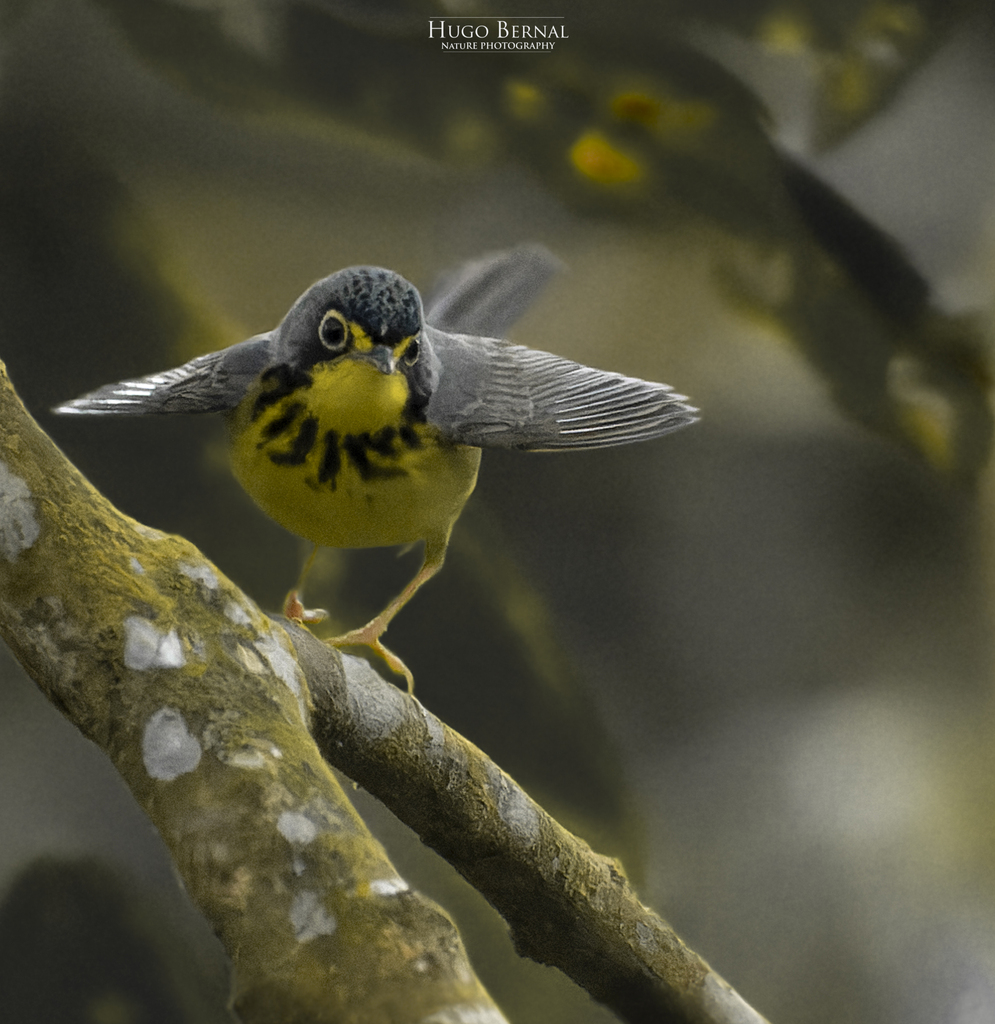
- Canada WarblerWilsonia canadensis
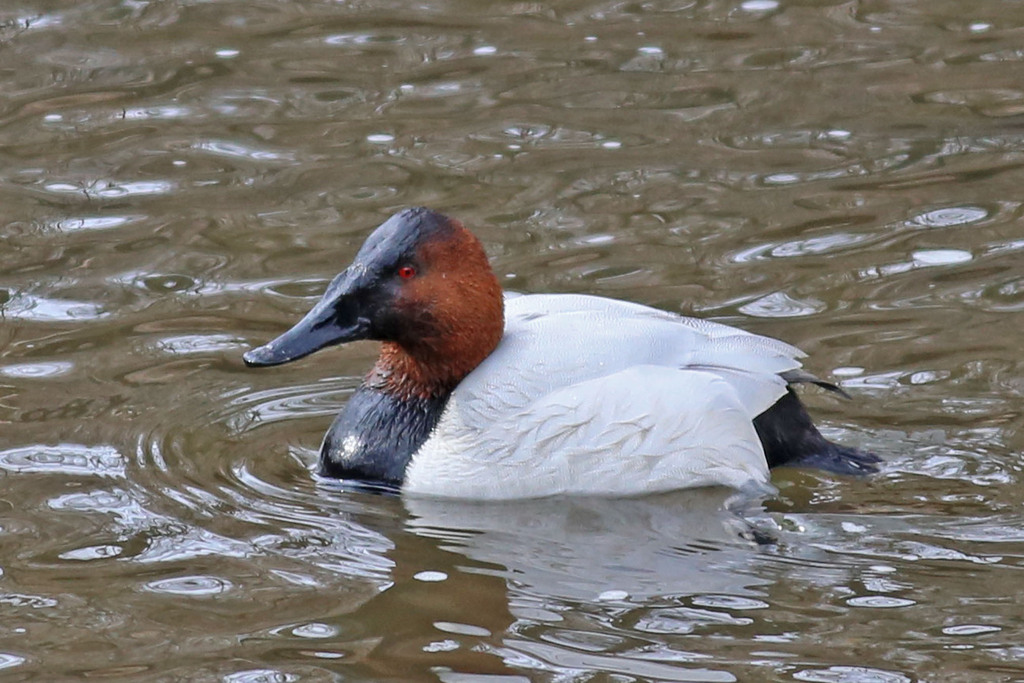
- CanvasbackAythya valisineria
- Carolina ChickadeePoecile carolinensis
- Carolina WrenThryothorus ludovicianus
- Cedar WaxwingBombycilla cedrorum
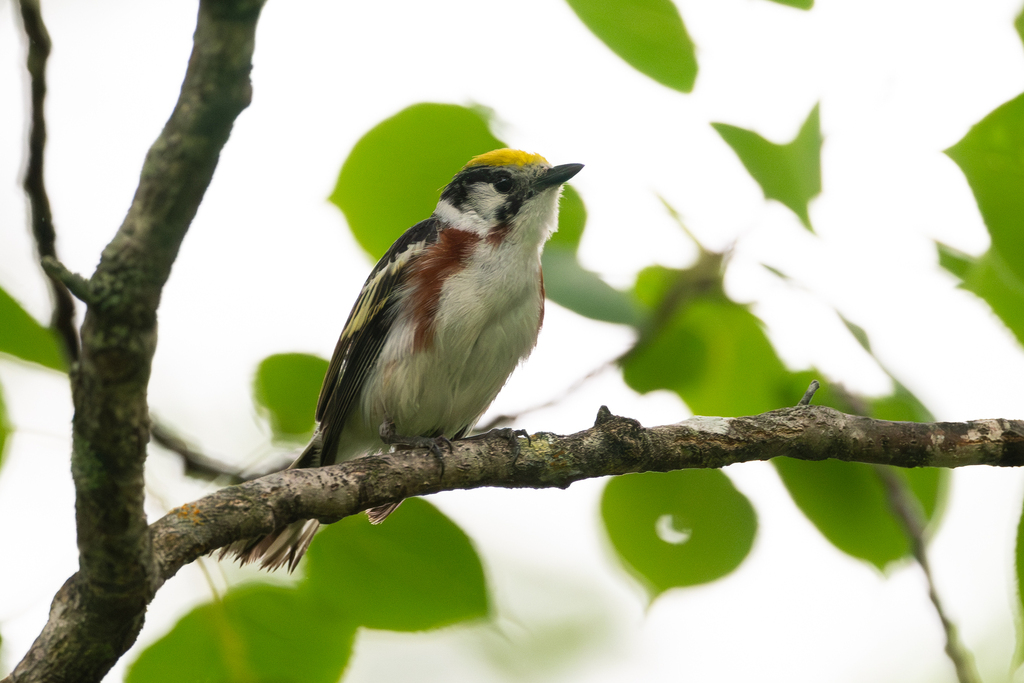
- Chestnut-sided WarblerDendroica pensylvanica
- Chimney SwiftChaetura pelagica
- Cliff SwallowPetrochelidon pyrrhonota
- Common GrackleQuiscalus quiscula
- Common NighthawkChordeiles minor
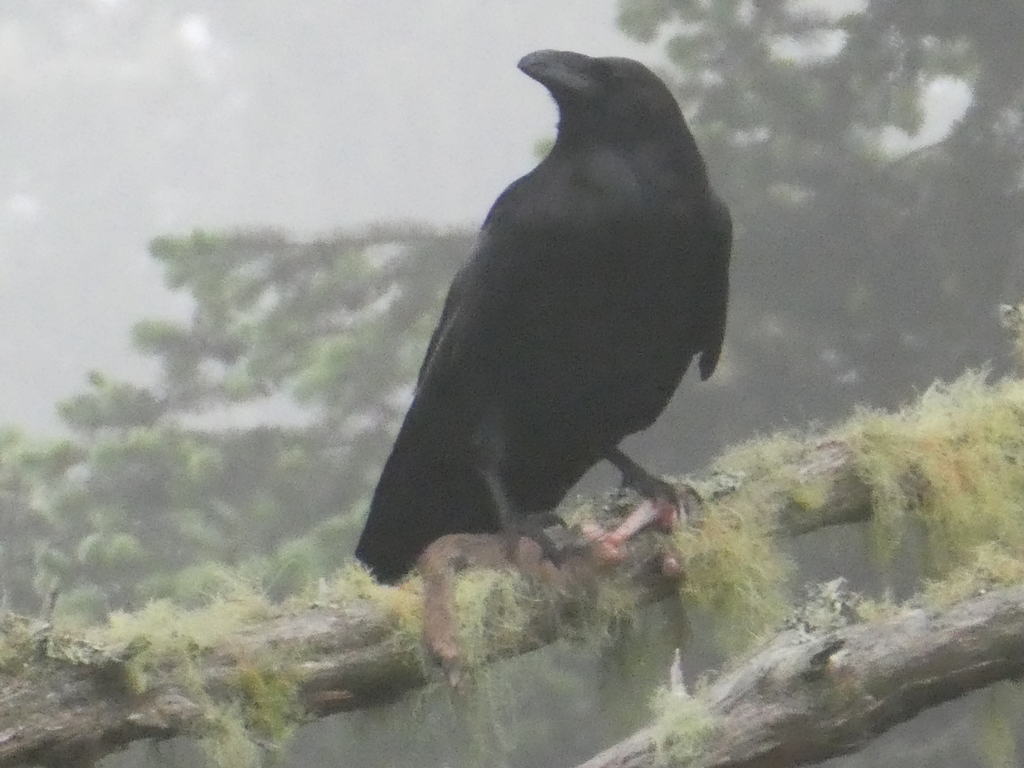
- Common RavenCorvus corax
- Common YellowthroatGeothlypis trichas
- Cooper's HawkAccipiter cooperii
- Dark-eyed JuncoJunco hyemalis


















Who uses this plant?
 7CaterpillarsGenus host records with ranges including VA
Genus host records with ranges including VA · Ranunculus
- Clepsis persicanaWhite Triangle Tortrix
- Herpetogramma pertextalisBold-Feathered Grass Moth
- Melanchra adjunctaHitched Arches
- Papaipema nebrisStalk Borer
- Pyrrhia exprimensPurple-Lined Sallow, Purple-Lined Sun Moth
- Sparganothis sulfureanaSparganothis Fruitworm Moth, Sulfur Leafroller, False Yellow-Head
- Sparganothis unifascianaOne-Lined Sparganothis
 20BeesSoutheastern regional records
Southeastern regional records · Ranunculus
Individual names are not available yet.
Noori, Seltmann & Orr 2026, A curated and integrated dataset for exploring global bee-plant interactions (GloBI), Zenodo, CC BY 4.0 0Specialist beesPollen specialists
 13BirdsRecorded genus food-resource interactions; not a state feeding claim
Recorded genus food-resource interactions; not a state feeding claim · Ranunculus
- Anthus rubescensAmerican Pipit
- Bonasa umbellusRuffed Grouse
- Calcarius lapponicusLapland Longspur
- Callipepla californicaCalifornia Quail
- Centrocercus urophasianusGreater Sage-Grouse
- Cygnus buccinatorTrumpeter Swan
- Dendrocygna bicolorFulvous Whistling-Duck
- Fulica americanaAmerican Coot
- Lagopus leucuraWhite-tailed Ptarmigan
- Lagopus mutaRock Ptarmigan
Show all 13
- Mareca americanaAmerican Wigeon
- Meleagris gallopavoWild Turkey
- Plectrophenax nivalisSnow Bunting
Direct food only: birds recorded eating this genus across North America. Caterpillars on host plants also feed nesting birds. NC Native Plant Society: butterfly gardening
Beetles 3
- Asclera ruficollis
- Centrinus perscillus
- Idiostethus subcalvus
Flower visits · Carlinville, Illinois, USA
Flies 11
- Anthomyia radicum
- Bombylius pulchellus
- Morellia micans
- Mydaea diruta
- Pipiza femoralis
- Siphona geniculata
- Sphaerophoria cylindrica
- Syrphus americanus
- Syrphus arcuatus
- Syrphus ribesii
Show all 11
- Syrphus torvus
Flower visits · Carlinville, Illinois, USA
Adult butterflies / moths 3
- Thanaos brizo
- Thanaos juvenalis
- Thorybes bathyllus
Flower visits · Carlinville, Illinois, USA
No records yet · Ants · Other wasps · Other insects
Plant details
- Family
- Ranunculaceae
- Hardiness
- Zones 5a–8b
- Flower color
- Yellow
Safety has not been reviewed for this plant; check toxicity and thorns before planting.
Growing sources and scope
- Bloom · “March to August” · FloraQuest: Carolinas, Georgia (Southeastern Flora Team), phone app (app page) · Carolinas and Georgia
- Flower color · “Yellow” · NC Extension Plant Toolbox
- Hardiness · “Zones 5a–8b” · NC Extension Plant Toolbox
- Life cycle · “Annual or perennial” · NC Extension Plant Toolbox (ranked first; Lady Bird Johnson Wildflower Center differs)
- Light · “Full sun (6 or more hours of direct sunlight a day); Partial shade (direct sunlight only part of the day, 2-6 hours)” · NC Extension Plant Toolbox
- primary_flower_color · “yellow” · NC Extension Plant Toolbox
- Soil · “Moist” · NC Extension Plant Toolbox
Also known as
Bristly Buttercup; Carolina Buttercup; Ranunculus carolinianus; Ranunculus hispidus var. nitidus
Conservation status
| Virginia rank | S4 |
|---|---|
| Global rank | G5T5 [G5] |
| VA status | Not verified |
| Federal status | Not verified |
Will it fit your yard?
Check this plant against your county, sun and soil moisture. Conditions are checked in your browser.
Sources
- Digital Atlas of the Virginia Flora
- USDA PLANTS
- Vascular Plants of North Carolina (NC Natural Heritage Program)
- FloraQuest: Northern Tier (Weakley), phone app (app page)
- NatureServe Explorer
- Shropshire & Tallamy 2025, Lepidoptera of North America north of Mexico, ZooKeys 1261 (ODbL)
- Noori, Seltmann & Orr 2026, A curated and integrated dataset for exploring global bee-plant interactions (GloBI), Zenodo, CC BY 4.0
- Smith, Bachelder, Russell, Morales, Mosher & Seltmann 2024, Bee-Specialization-Modeling v0.6.1 (specialist host table compiled from J. Fowler's pollen specialist bee lists), Zenodo, CC BY 4.0
- Hurlbert, Olsen, Sawyer & Winner 2021, Avian Diet Database, Scientific Data 8: 260 (CC0)
- Narango, Tallamy & Shropshire 2020, Few keystone plant genera support the majority of Lepidoptera species, Nature Communications