

Waxflower Shinleaf
Pyrola elliptica
Found in moist to dry forests, including rich northern hardwood forests. FloraQuest, phone app (app page) What its natural habitat tells you
Native to Virginia. How scores work Is it native here?
Profile 94%
- Height
- 5–10 inches
- Light
- Deep shade, Partial shade
- Soil moisture
- Somewhat dry to moist
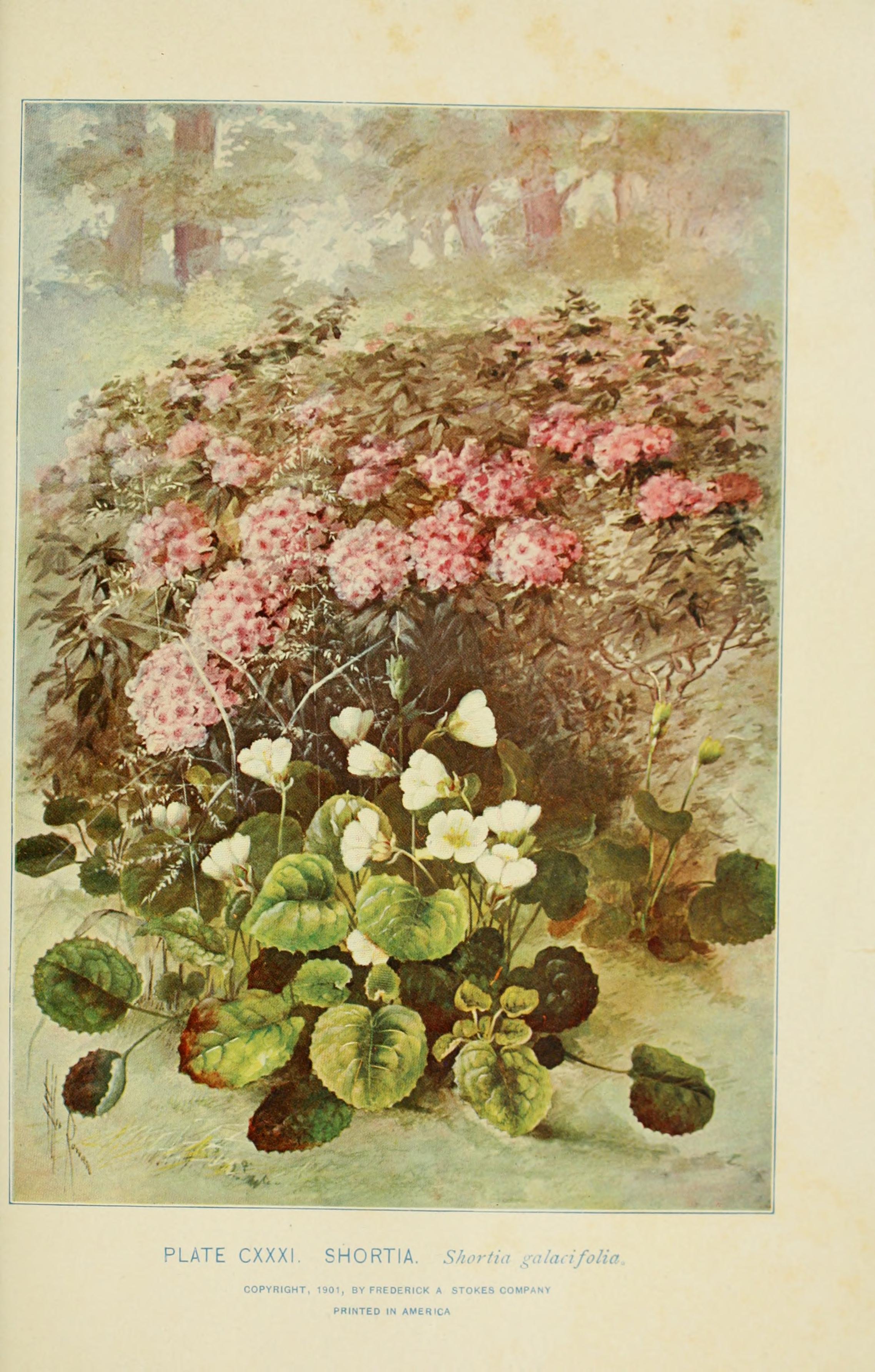
No photograph yet. Looking for an old drawing…
Rare or protected plant. Specialist conservation planting; excluded from routine garden suggestions. Plant caution source
Hidden from default planting suggestions. Wildlife value and native status remain unchanged.
At a glance
- Life cycle
- Perennial
- Bloom
- June to August
- Fruiting season
- July to October
Not yet recorded · Spread · Leaves
Recorded in 14 Virginia counties.
Natural habitats
Places it grows wild. Not a planting requirement. Each habitat page lists the plants and wildlife also found there.
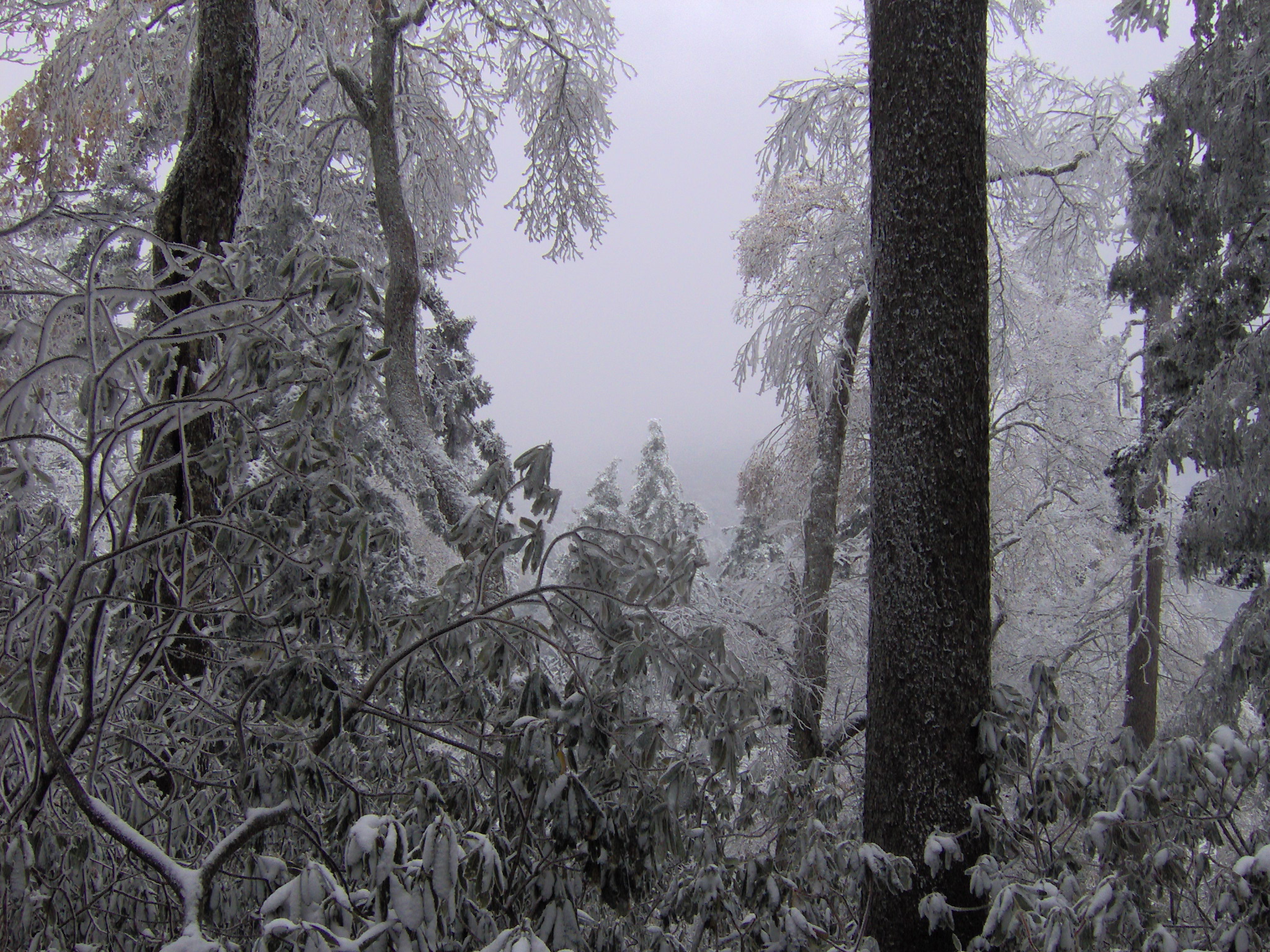
Forests and open woodlands on dry ridges and slopes, often oak or pine.
Also found with this plant
Wildlife whose habitat models include habitats this plant grows in, in Virginia. Shared habitat, not food. 99 animals.
- Black-and-White WarblerMniotilta varia
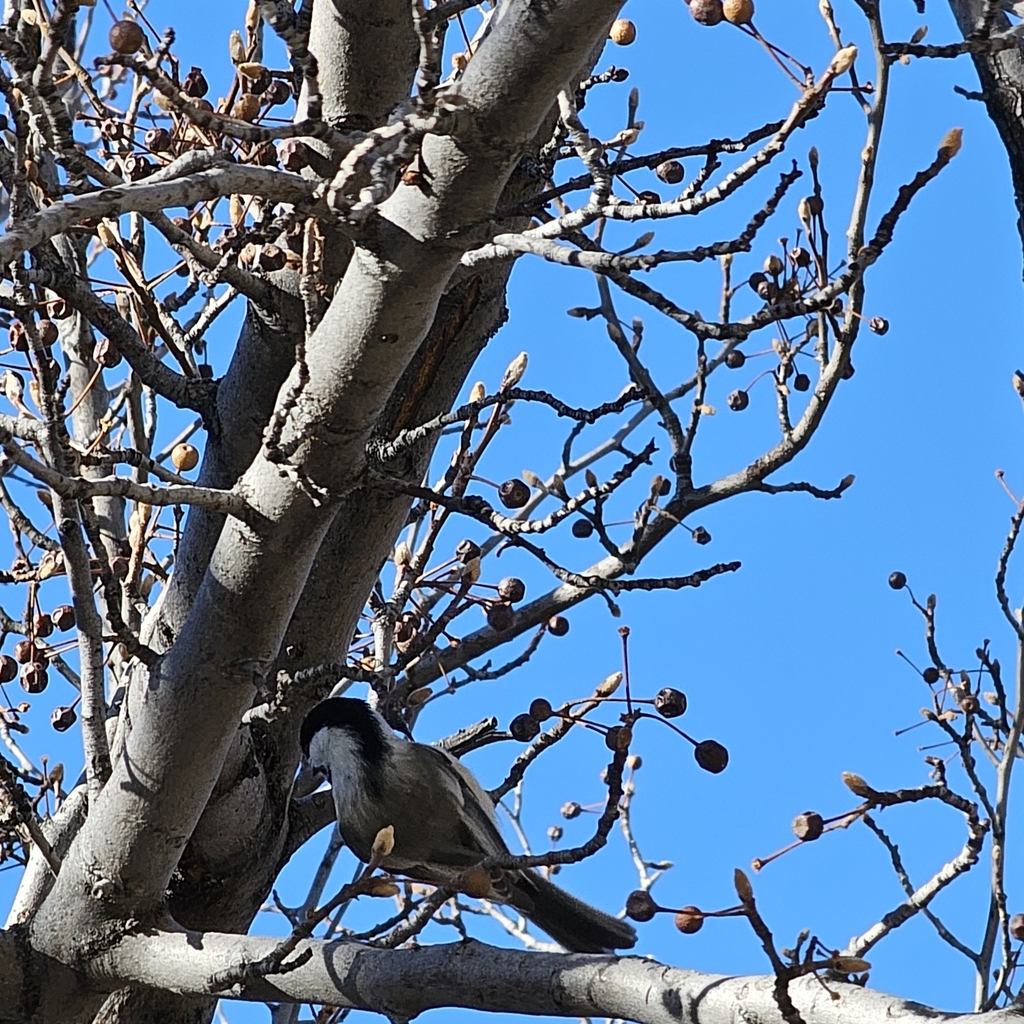
- Black-capped ChickadeePoecile atricapillus
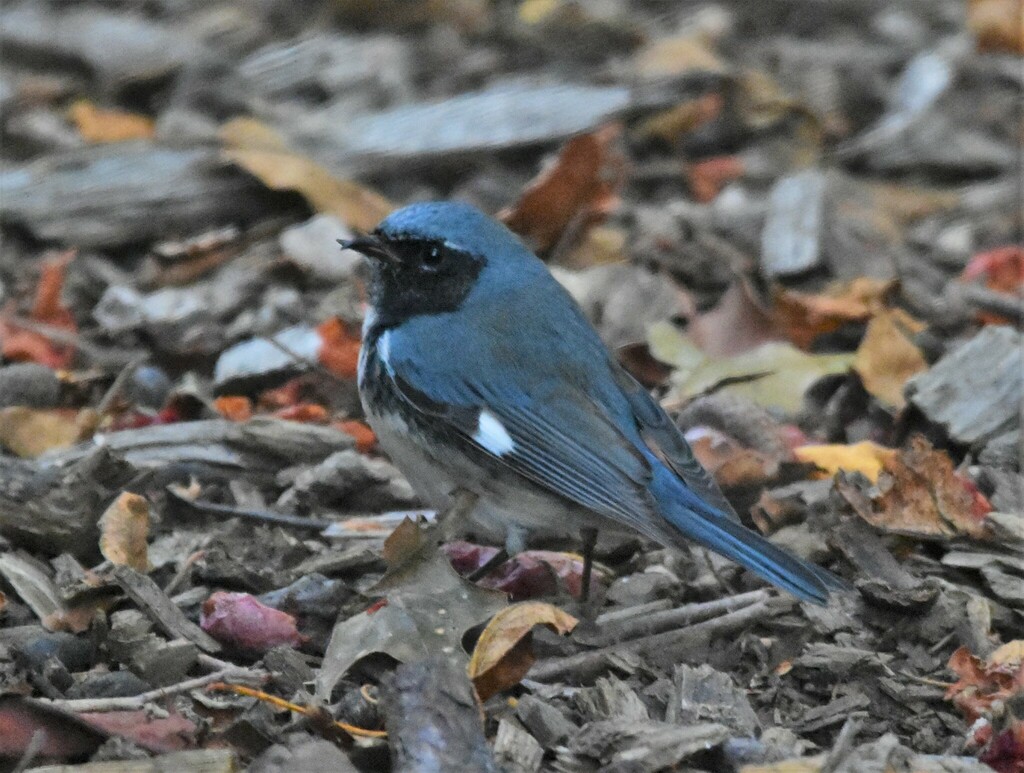
- Black-throated Blue WarblerDendroica caerulescens
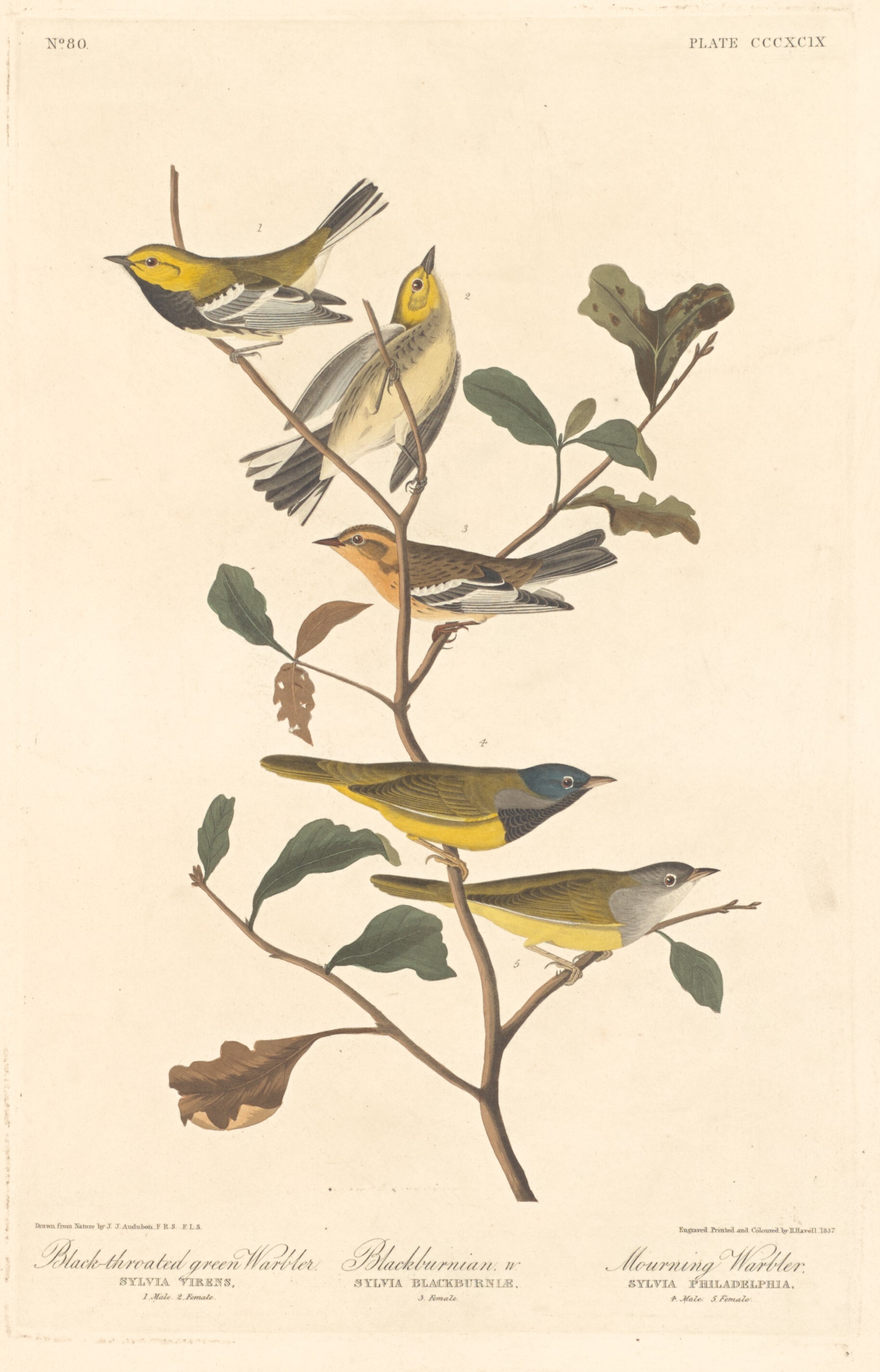
- Black-throated Green WarblerDendroica virens
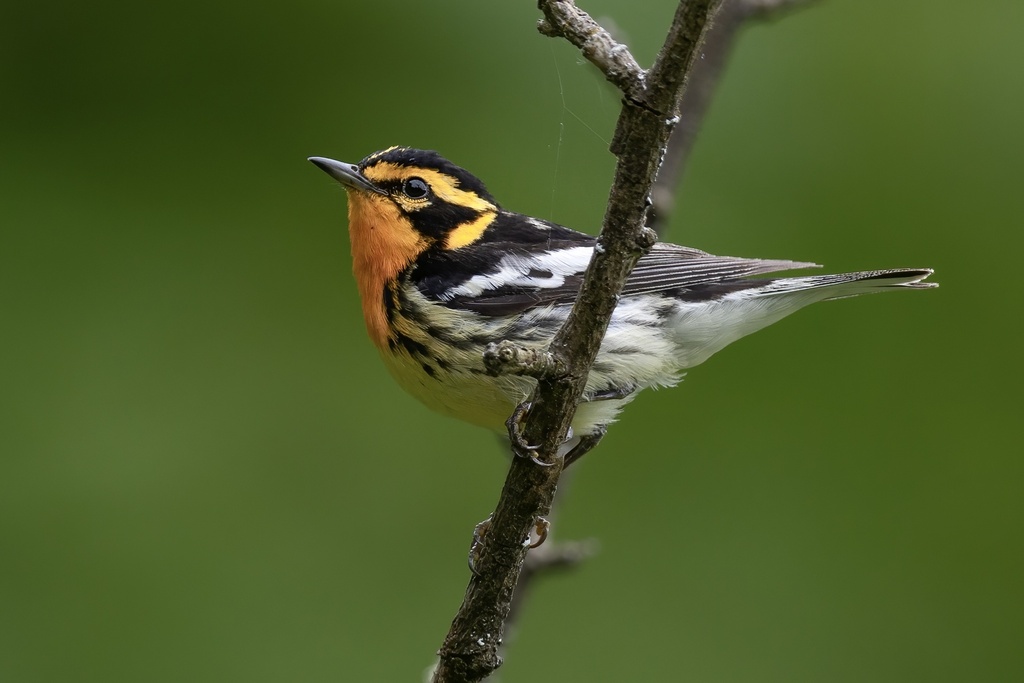
- Blackburnian WarblerDendroica fusca
- Blue JayCyanocitta cristata
- Blue-gray GnatcatcherPolioptila caerulea
- Brown CreeperCerthia americana
- Brown ThrasherToxostoma rufum
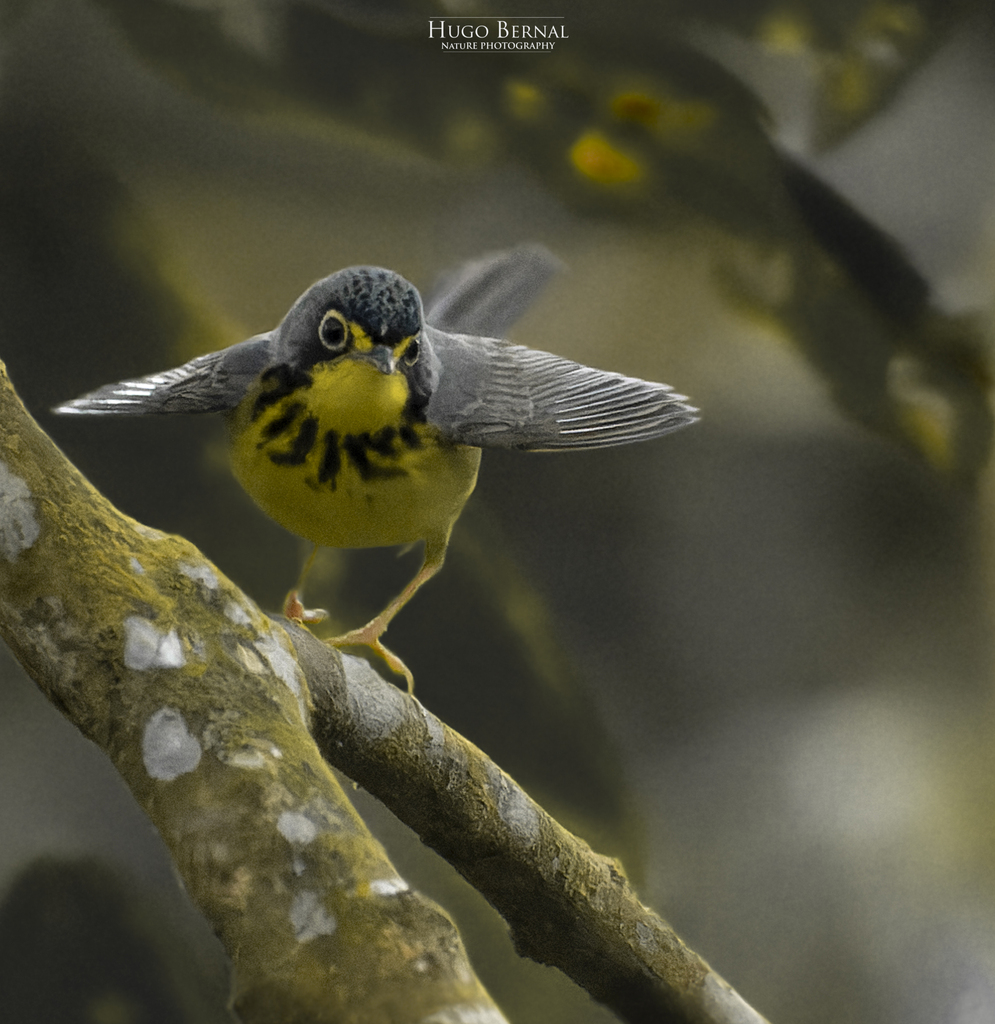
- Canada WarblerWilsonia canadensis
- Cedar WaxwingBombycilla cedrorum
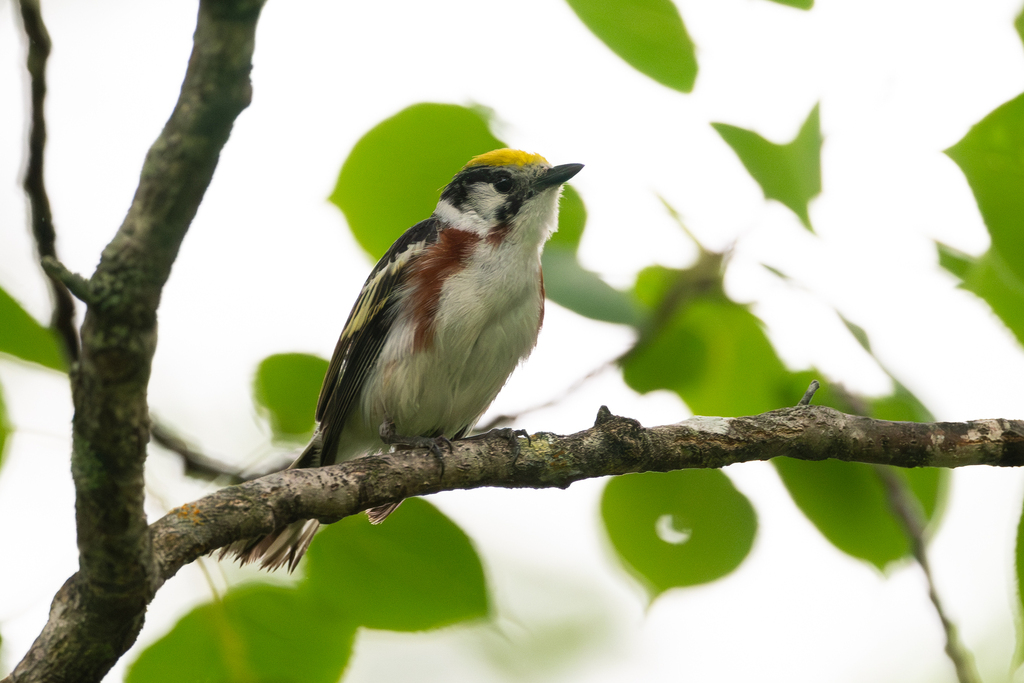
- Chestnut-sided WarblerDendroica pensylvanica
- Chipping SparrowSpizella passerina
- Common GrackleQuiscalus quiscula
- Common NighthawkChordeiles minor
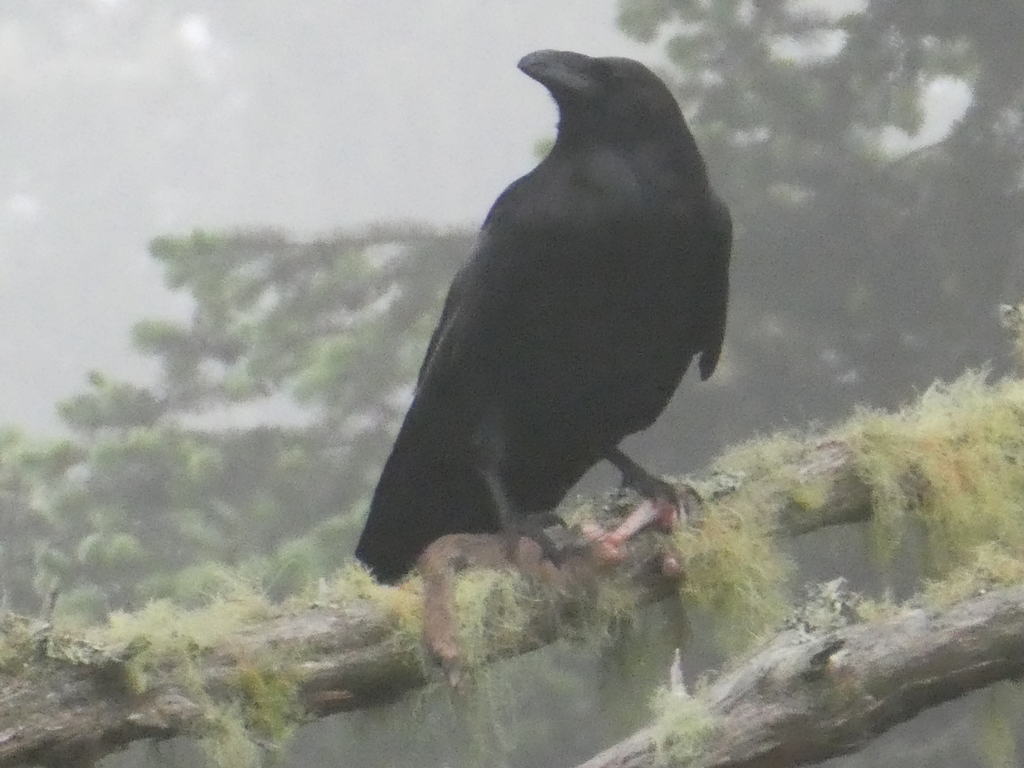
- Common RavenCorvus corax
- Dark-eyed JuncoJunco hyemalis
- Eastern BluebirdSialia sialis
- Eastern TowheePipilo erythrophthalmus
- Eastern Wood-peweeContopus virens
- Golden-crowned KingletRegulus satrapa
- Great Crested FlycatcherMyiarchus crinitus
- Great Horned OwlBubo virginianus
- Hairy WoodpeckerPicoides villosus


















Who uses this plant?
 2CaterpillarsGenus host records with ranges including VA
Genus host records with ranges including VA · Pyrola
- Clepsis melaleucanusBlack-Patched Clepsis, Trillium Tortrix
- Exelis pyrolariaFine-Lined Gray
 0BeesSoutheastern regional records
 0Specialist beesPollen specialists
 1BirdsRecorded genus food-resource interactions; not a state feeding claim
Recorded genus food-resource interactions; not a state feeding claim · Pyrola
- Bonasa umbellusRuffed Grouse
Direct food only: birds recorded eating this genus across North America. Caterpillars on host plants also feed nesting birds. NC Native Plant Society: butterfly gardening
No records yet · Ants · Beetles · Flies · Adult butterflies / moths · Other wasps · Other insects
Plant details
- Family
- Ericaceae
- Hardiness
- Zones 3a–7b
- Soil pH
- Acidic to neutral
- Flower color
- Yellow, green or white
- Fruit begins
- July
- Fruit ends
- October
Growing sources and scope
- Bloom · “June to August” · FloraQuest: Carolinas, Georgia (Southeastern Flora Team), phone app (app page) · Carolinas and Georgia
- Flower color · “Yellow, green or white” · NC Extension Plant Toolbox (ranked first; Lady Bird Johnson Wildflower Center differs)
- Fruit begins · “July” · FloraQuest: Carolinas, Georgia (Southeastern Flora Team), phone app (app page) · Carolinas and Georgia
- Fruit ends · “October” · FloraQuest: Carolinas, Georgia (Southeastern Flora Team), phone app (app page) · Carolinas and Georgia
- Hardiness · “Zones 3a–7b” · NC Extension Plant Toolbox
- Height · “5–10 inches” · Minnesota Wildflowers
- Life cycle · “Perennial” · NC Extension Plant Toolbox
- Light · “Deep shade (less than 2 hours to no direct sunlight); Partial shade (direct sunlight only part of the day, 2-6 hours)” · NC Extension Plant Toolbox (ranked first; Lady Bird Johnson Wildflower Center differs)
- Soil · “Moist; Occasionally dry” · NC Extension Plant Toolbox (ranked first; Lady Bird Johnson Wildflower Center differs)
- Soil pH · “Acidic to neutral” · NC Extension Plant Toolbox (ranked first; Lady Bird Johnson Wildflower Center differs)
Conservation status
| Virginia rank | S1 |
|---|---|
| Global rank | G5 |
| VA status | Not verified |
| Federal status | Not verified |
Will it fit your yard?
Check this plant against your county, sun and soil moisture. Conditions are checked in your browser.
Sources
- Virginia DCR Natural Heritage rare plant list
- Digital Atlas of the Virginia Flora
- USDA PLANTS
- Vascular Plants of North Carolina (NC Natural Heritage Program)
- FloraQuest: Carolinas, Georgia (Weakley), phone app (app page)
- FloraQuest: Northern Tier (Weakley), phone app (app page)
- NatureServe Explorer
- Shropshire & Tallamy 2025, Lepidoptera of North America north of Mexico, ZooKeys 1261 (ODbL)
- Noori, Seltmann & Orr 2026, A curated and integrated dataset for exploring global bee-plant interactions (GloBI), Zenodo, CC BY 4.0
- Smith, Bachelder, Russell, Morales, Mosher & Seltmann 2024, Bee-Specialization-Modeling v0.6.1 (specialist host table compiled from J. Fowler's pollen specialist bee lists), Zenodo, CC BY 4.0
- Hurlbert, Olsen, Sawyer & Winner 2021, Avian Diet Database, Scientific Data 8: 260 (CC0)
- Narango, Tallamy & Shropshire 2020, Few keystone plant genera support the majority of Lepidoptera species, Nature Communications