

Indian Strawberry
Potentilla indica
Also listed as Duchesnea indica
Found in disturbed areas, lawns, gardens, weedy clearings. FloraQuest, phone app (app page) What its natural habitat tells you
Not native to Virginia. How scores work Is it native here?
Profile 71%
- Height
- 3–8 inches
- Spread
- 1–2 feet
- Light
- Full sun, Partial shade
- Soil moisture
- Dry to wet
No photograph yet. Looking for an old drawing…
Plant this instead
Choose your county to list local plants first.
No recorded swaps for this county. Try the garden finder.
At a glance
- Life cycle
- Perennial
- Leaves
- Deciduous
- Bloom
- February to November
- Fruiting season
- February to November
Recorded in 86 Virginia counties.
Natural habitats
Places it grows wild. Not a planting requirement. Each habitat page lists the plants and wildlife also found there.
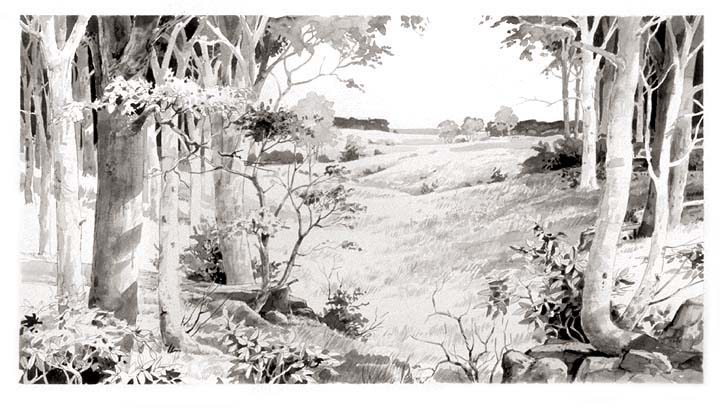
Roadsides, fields and disturbed ground
Ground opened by people: roadsides, old fields, pastures, fencerows and lots.
Also found with this plant
Wildlife whose habitat models include habitats this plant grows in, in Virginia. Shared habitat, not food. 115 animals.
- Acadian FlycatcherEmpidonax virescens
- Alder FlycatcherEmpidonax alnorum
- American Black DuckAnas rubripes
- American CrowCorvus brachyrhynchos
- American GoldfinchCarduelis tristis
- American RedstartSetophaga ruticilla
- American RobinTurdus migratorius
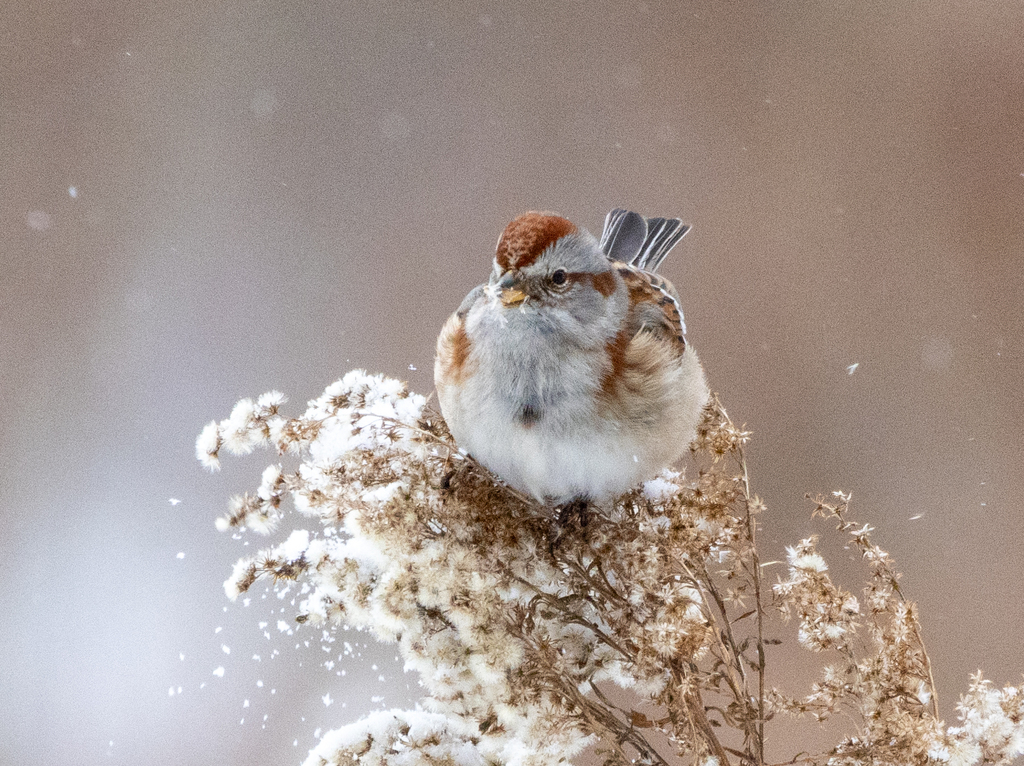
- American Tree SparrowSpizella arborea
- American WoodcockScolopax minor
- Bald EagleHaliaeetus leucocephalus
- Baltimore OrioleIcterus galbula
- Barred OwlStrix varia
- Belted KingfisherMegaceryle alcyon
- Black VultureCoragyps atratus
- Black-and-White WarblerMniotilta varia
- Black-crowned Night-heronNycticorax nycticorax
- Black-throated Blue WarblerDendroica caerulescens
- Blue GrosbeakPasserina caerulea
- Blue JayCyanocitta cristata
- Blue-gray GnatcatcherPolioptila caerulea
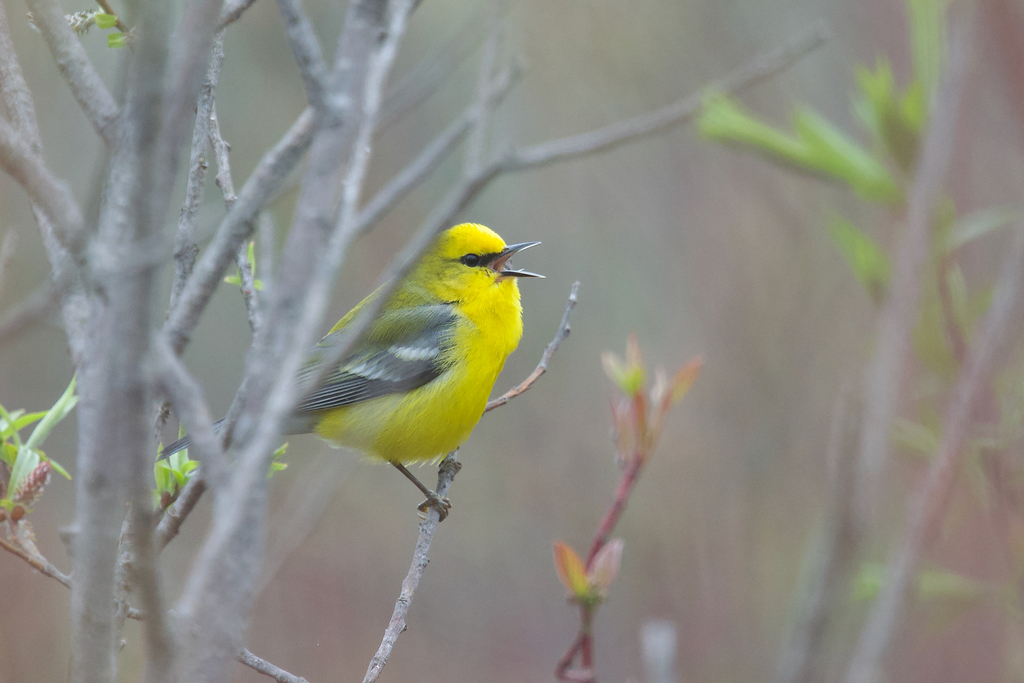
- Blue-winged WarblerVermivora pinus
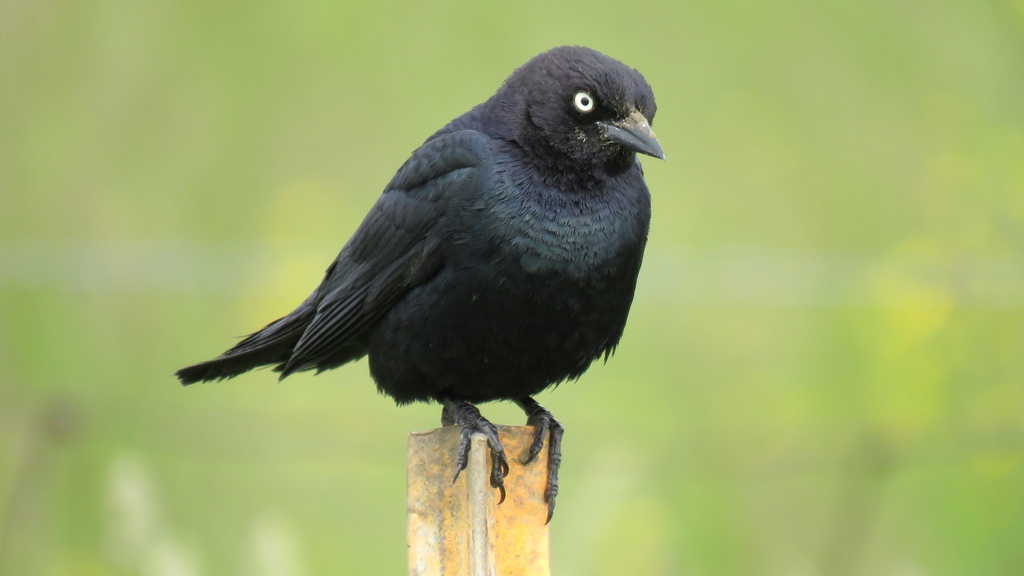
- Brewer's BlackbirdEuphagus cyanocephalus
- Broad-winged HawkButeo platypterus
- Brown CreeperCerthia americana





















Who uses this plant?
 11CaterpillarsGenus host records with ranges including VA
Genus host records with ranges including VA · Potentilla
- Ancylis floridanaStrawberry Leafroller
- Dysstroma citrataDark Marbled Carpet
- Hesperumia sulphurariaSulphur Moth
- Hypena scabraGreen Cloverworm Bomolocha, Black Snout
- Nomophila nearcticaLucerne Moth, American Celery Webworm
- Papaipema nebrisStalk Borer
- Platynota flavedanaBlack-Shaded Platynota
- Pyrgus centaureaeGrizzled Skipper
- Sicya maculariaSharp-Lined Yellow
- Sparganothis unifascianaOne-Lined Sparganothis
Show all 11
- Coleophora rupestrella
 —BeesSoutheastern regional records
 2Specialist beesPollen specialists
Pollen specialists · Potentilla
- Andrena melanochroa
- Panurginus potentillae
 8BirdsRecorded genus food-resource interactions; not a state feeding claim
Recorded genus food-resource interactions; not a state feeding claim · Potentilla
- Bonasa umbellusRuffed Grouse
- Calcarius lapponicusLapland Longspur
- Callipepla californicaCalifornia Quail
- Lagopus leucuraWhite-tailed Ptarmigan
- Perdix perdixGray Partridge
- Pinicola enucleatorPine Grosbeak
- Plectrophenax nivalisSnow Bunting
- Spizella breweriBrewer's Sparrow
Direct food only: birds recorded eating this genus across North America. Caterpillars on host plants also feed nesting birds. NC Native Plant Society: butterfly gardening
Plant details
- Family
- Rosaceae
- Hardiness
- Zones 5a–9b
- Flower color
- Yellow
- Fruit begins
- February
- Fruit ends
- November
Safety has not been reviewed for this plant; check toxicity and thorns before planting.
Growing sources and scope
- Bloom · “February to November” · FloraQuest: Carolinas, Georgia (Southeastern Flora Team), phone app (app page) · Carolinas and Georgia
- Flower color · “Yellow” · NC Extension Plant Toolbox
- Fruit begins · “February” · FloraQuest: Carolinas, Georgia (Southeastern Flora Team), phone app (app page) · Carolinas and Georgia
- Fruit ends · “November” · FloraQuest: Carolinas, Georgia (Southeastern Flora Team), phone app (app page) · Carolinas and Georgia
- Hardiness · “Zones 5a–9b” · NC Extension Plant Toolbox
- Height · “3–8 inches” · NC Extension Plant Toolbox (ranked first; Minnesota Wildflowers differs)
- Leaves · “Deciduous” · NC Extension Plant Toolbox
- Life cycle · “Perennial” · NC Extension Plant Toolbox
- Light · “Full sun (6 or more hours of direct sunlight a day); Partial shade (direct sunlight only part of the day, 2-6 hours)” · NC Extension Plant Toolbox
- primary_flower_color · “yellow” · NC Extension Plant Toolbox
- Soil · “Dry; Moist; Wet (documented habitat)” · FloraQuest: Carolinas, Georgia (Southeastern Flora Team), phone app (app page) · Carolinas and Georgia
- Spread · “1–2 feet” · NC Extension Plant Toolbox
Also known as
Duchesnea indica
Conservation status
| Virginia rank | SNA |
|---|---|
| Global rank | G5 |
| VA status | Not verified |
| Federal status | Not verified |
Sources
- Digital Atlas of the Virginia Flora
- USDA PLANTS
- FloraQuest: Carolinas, Georgia (Weakley), phone app (app page)
- FloraQuest: Northern Tier (Weakley), phone app (app page)
- NatureServe Explorer
- Shropshire & Tallamy 2025, Lepidoptera of North America north of Mexico, ZooKeys 1261 (ODbL)
- Noori, Seltmann & Orr 2026, A curated and integrated dataset for exploring global bee-plant interactions (GloBI), Zenodo, CC BY 4.0
- Smith, Bachelder, Russell, Morales, Mosher & Seltmann 2024, Bee-Specialization-Modeling v0.6.1 (specialist host table compiled from J. Fowler's pollen specialist bee lists), Zenodo, CC BY 4.0
- Hurlbert, Olsen, Sawyer & Winner 2021, Avian Diet Database, Scientific Data 8: 260 (CC0)
- Narango, Tallamy & Shropshire 2020, Few keystone plant genera support the majority of Lepidoptera species, Nature Communications