

Small's Purslane
Portulaca smallii
Found in thin soils on granitic and diabase flatrocks, sometimes locally spreading to adjacent fields, mowed areas, or other disturbed areas. FloraQuest, phone app (app page) What its natural habitat tells you
Native to Virginia. How scores work Is it native here?
Profile 82%
- Height
- Up to about 6 inches
- Light
- Full sun
- Soil moisture
- Dry
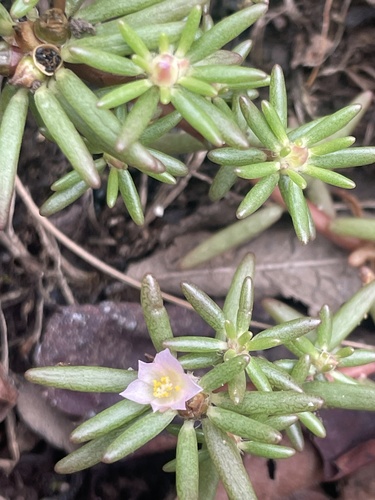
Rare or protected plant. Specialist conservation planting; excluded from routine garden suggestions. Plant caution source
Hidden from default planting suggestions. Wildlife value and native status remain unchanged.
At a glance
- Life cycle
- Annual
Not yet recorded · Spread · Leaves · Bloom
Bloom: NC species account not read yet.
Spread and leaves: no source found yet.
This plant is missing most of its facts, so Quercus is looking them up in old botany books.
Recorded in 4 Virginia counties.
Natural habitats
Places it grows wild. Not a planting requirement. Each habitat page lists the plants and wildlife also found there.
Granite and other acidic rock outcrops
Bare or thin-soil rock on granite, gneiss, sandstone, quartzite and similar acidic rock, including granite flatrocks and domes.
Glades, barrens and outcrops on mafic or serpentine rock
Open, thin-soil openings, outcrops and cliffs on dark, magnesium- or iron-rich rock such as serpentine, diabase or gabbro.
Roadsides, fields and disturbed ground
Ground opened by people: roadsides, old fields, pastures, fencerows and lots.
Also found with this plant
Wildlife whose habitat models include habitats this plant grows in, in Virginia. Shared habitat, not food. 17 animals.
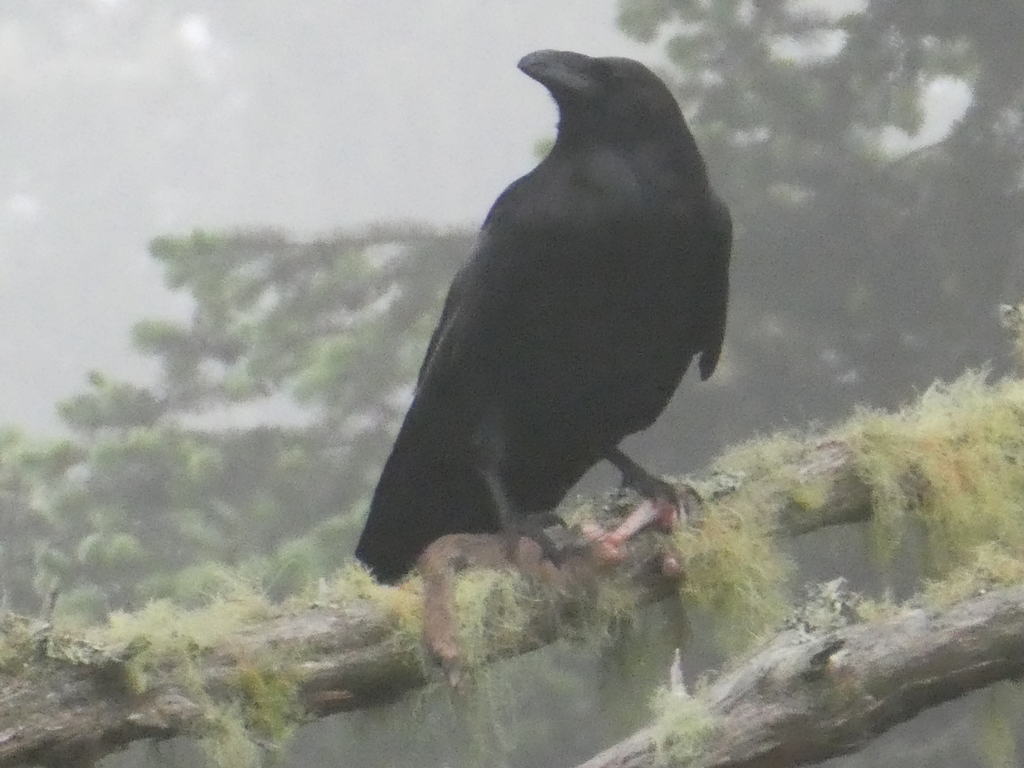
- American CrowCorvus brachyrhynchos
- Bank SwallowRiparia riparia
- Chimney SwiftChaetura pelagica
- Common NighthawkChordeiles minor
- Common RavenCorvus corax
- Dark-eyed JuncoJunco hyemalis
- Eastern KingbirdTyrannus tyrannus
- Eastern PhoebeSayornis phoebe
- European StarlingSturnus vulgaris
- Great Horned OwlBubo virginianus
- Mourning DoveZenaida macroura
- Northern FlickerColaptes auratus
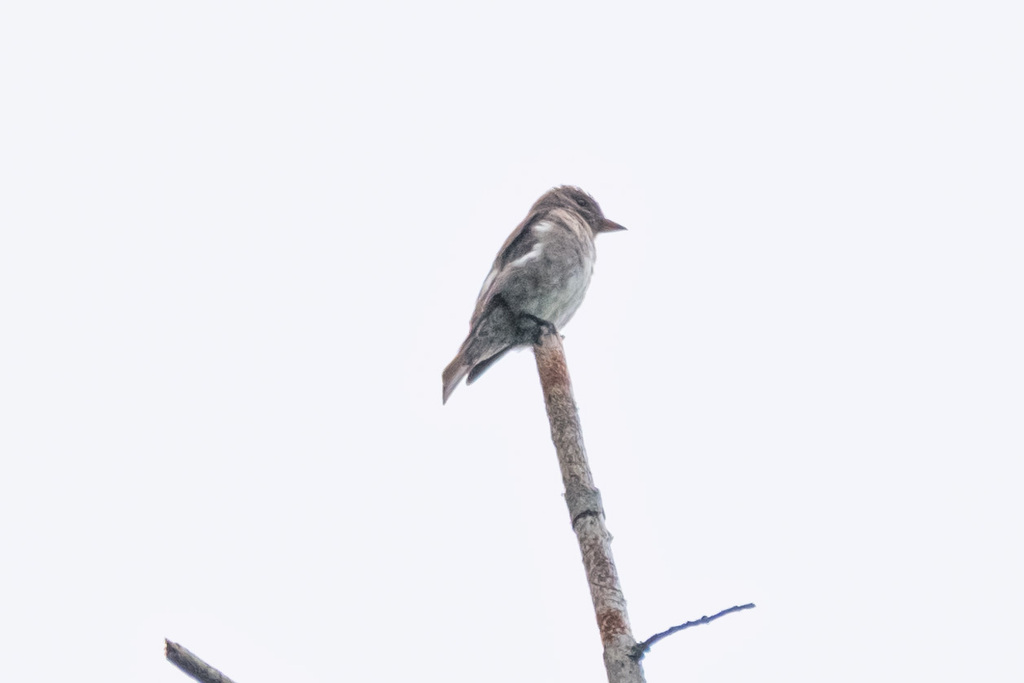
- Olive-sided FlycatcherContopus cooperi
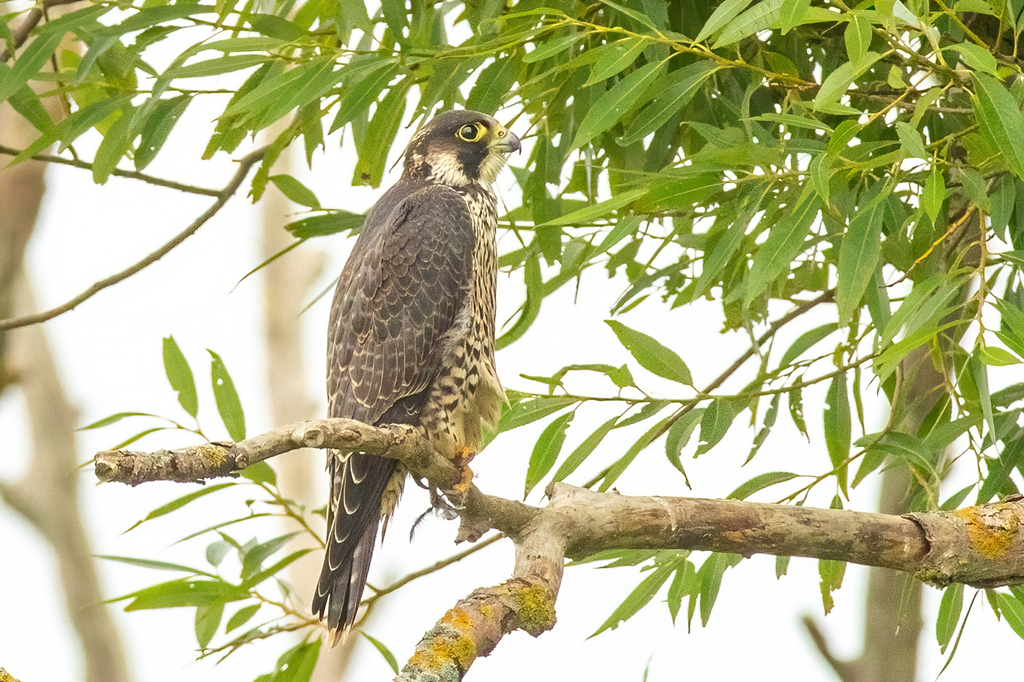
- Peregrine FalconFalco peregrinus
- Red-tailed HawkButeo jamaicensis
- Sharp-shinned HawkAccipiter striatus
- Turkey VultureCathartes aura














Who uses this plant?
 14CaterpillarsGenus host records with ranges including VA
Genus host records with ranges including VA · Portulaca
- Agrotis ipsilonIpsilon Dart, Black Cutworm, Greasy Cutworm
- Anarta trifoliiThe Nutmeg, Clover Cutworm
- Anicla infectaGreen Cutworm Moth
- Euptoieta claudiaVariegated Fritillary, (?)Gulf Fritillary
- Euxoa messoriaReaper Dart, Darksided Cutworm, Dark-Sided Cutworm
- Euxoa tessellataTessellate Dart, Striped Cutworm
- Hyles lineataWhite-Lined Sphinx
- Hyphantria cuneaFall Webworm
- Nomophila nearcticaLucerne Moth, American Celery Webworm
- Platynota stultanaOmnivorous Leafroller
Show all 14
- Spodoptera eridaniaSouthern Armyworm Moth
- Spodoptera frugiperdaFall Armyworm Moth
- Spoladea recurvalisHawaiian Beet Webworm
- Coleophora texanella
 7BeesSoutheastern regional records
Southeastern regional records · Portulaca
Individual names are not available yet.
Noori, Seltmann & Orr 2026, A curated and integrated dataset for exploring global bee-plant interactions (GloBI), Zenodo, CC BY 4.0 0Specialist beesPollen specialists
 7BirdsRecorded genus food-resource interactions; not a state feeding claim
Recorded genus food-resource interactions; not a state feeding claim · Portulaca
- Acanthis flammeaCommon Redpoll
- Calcarius lapponicusLapland Longspur
- Cyrtonyx montezumaeMontezuma Quail
- Junco hyemalisDark-eyed Junco
- Meleagris gallopavoWild Turkey
- Plectrophenax nivalisSnow Bunting
- Zonotrichia leucophrysWhite-crowned Sparrow
Direct food only: birds recorded eating this genus across North America. Caterpillars on host plants also feed nesting birds. NC Native Plant Society: butterfly gardening
No records yet · Ants · Beetles · Flies · Adult butterflies / moths · Other wasps · Other insects
Plant details
- Family
- Portulacaceae
- Flower color
- White or pink
Growing sources and scope
- Flower color · “White or pink” · Lady Bird Johnson Wildflower Center
- Height · “Up to about 6 inches” · Lady Bird Johnson Wildflower Center
- Life cycle · “Annual” · Lady Bird Johnson Wildflower Center
- Light · “Full sun (documented habitat)” · FloraQuest: Carolinas, Georgia (Southeastern Flora Team), phone app (app page) · Carolinas and Georgia
- Soil · “Dry (documented habitat)” · FloraQuest: Carolinas, Georgia (Southeastern Flora Team), phone app (app page) · Carolinas and Georgia
Conservation status
| Virginia rank | S1 |
|---|---|
| Global rank | G3 |
| VA status | Not verified |
| Federal status | Not verified |
Will it fit your yard?
Check this plant against your county, sun and soil moisture. Conditions are checked in your browser.
Sources
- Virginia DCR Natural Heritage rare plant list
- Digital Atlas of the Virginia Flora
- USDA PLANTS
- Vascular Plants of North Carolina (NC Natural Heritage Program)
- FloraQuest: Carolinas, Georgia (Weakley), phone app (app page)
- FloraQuest: Northern Tier (Weakley), phone app (app page)
- NatureServe Explorer
- Shropshire & Tallamy 2025, Lepidoptera of North America north of Mexico, ZooKeys 1261 (ODbL)
- Noori, Seltmann & Orr 2026, A curated and integrated dataset for exploring global bee-plant interactions (GloBI), Zenodo, CC BY 4.0
- Smith, Bachelder, Russell, Morales, Mosher & Seltmann 2024, Bee-Specialization-Modeling v0.6.1 (specialist host table compiled from J. Fowler's pollen specialist bee lists), Zenodo, CC BY 4.0
- Hurlbert, Olsen, Sawyer & Winner 2021, Avian Diet Database, Scientific Data 8: 260 (CC0)
- Narango, Tallamy & Shropshire 2020, Few keystone plant genera support the majority of Lepidoptera species, Nature Communications