

Common Reed
Phragmites australis
Found in brackish and freshwater marshes, dredge-spoil deposit islands, ditches. Weakley, Flora of the Southeastern United States (2025), Northern Tier edition What its natural habitat tells you
Not native to Virginia. How scores work Is it native here?
Profile 76%
- Height
- About 13 feet
- Light
- Full sun
- Soil moisture
- Moist to standing water
No photograph yet. Looking for an old drawing…
Plant this instead
Choose your county to list local plants first.
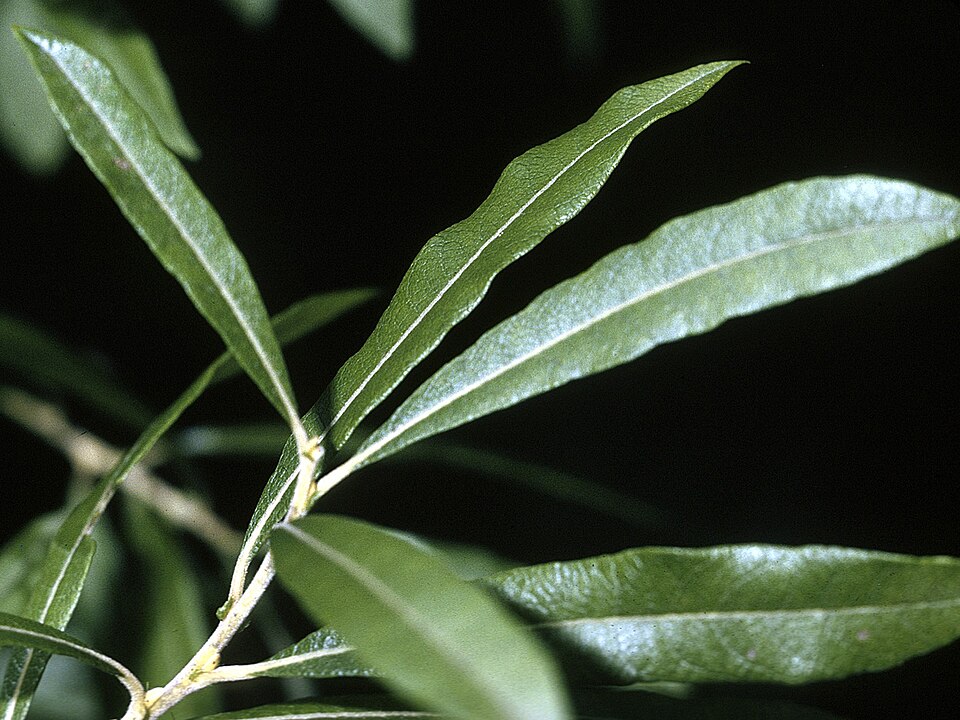
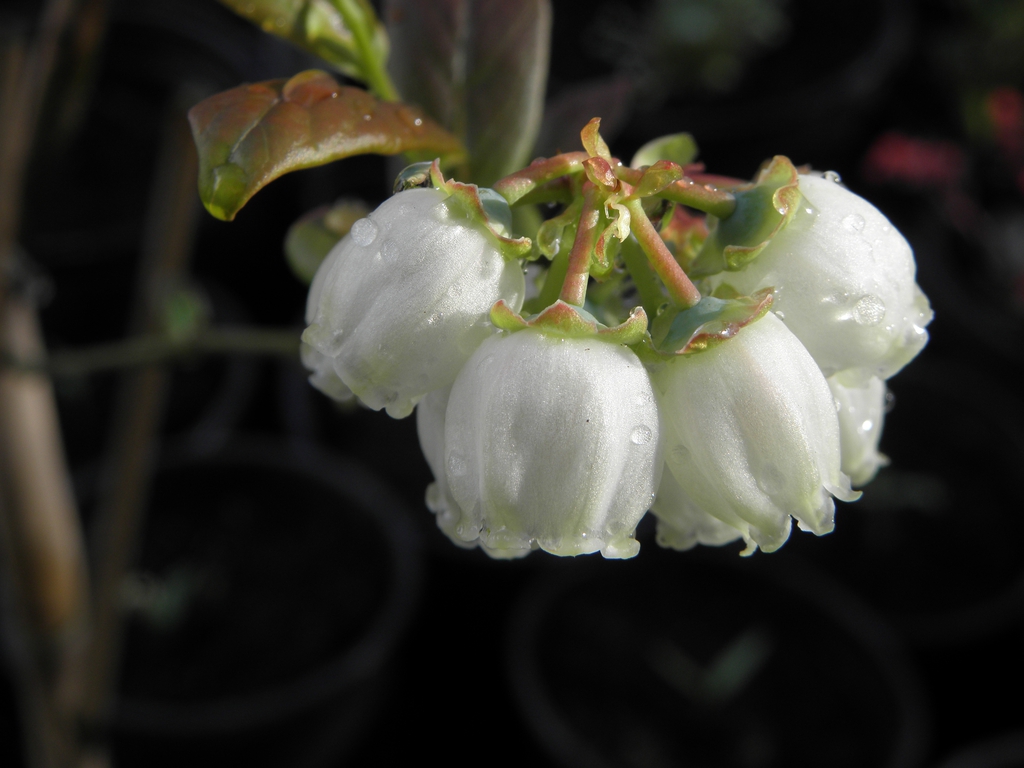
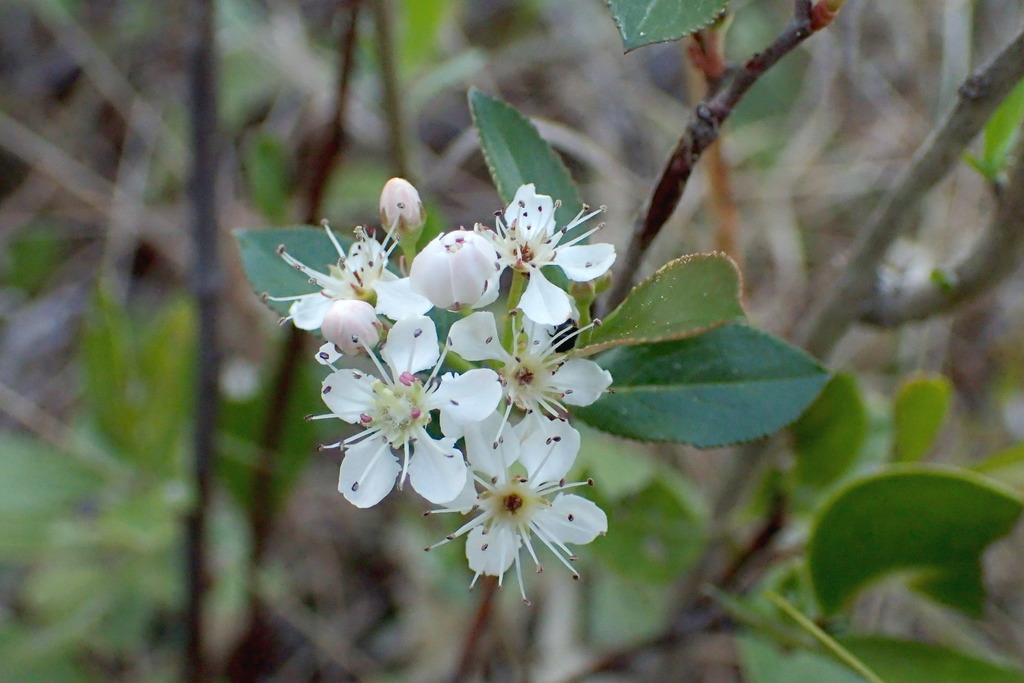
No recorded swaps for this county. Try the garden finder.
At a glance
- Life cycle
- Perennial
- Leaves
- Deciduous
- Bloom
- August to October
- Fruiting season
- Summer to fall
Not yet recorded · Spread
Recorded in 53 Virginia counties.
Natural habitats
Places it grows wild. Not a planting requirement. Each habitat page lists the plants and wildlife also found there.
Open, herb-covered wetlands with fresh, non-tidal water.
Roadsides, fields and disturbed ground
Ground opened by people: roadsides, old fields, pastures, fencerows and lots.
Also found with this plant
Wildlife whose habitat models include habitats this plant grows in, in Virginia. Shared habitat, not food. 148 animals.
- Common NighthawkChordeiles minor
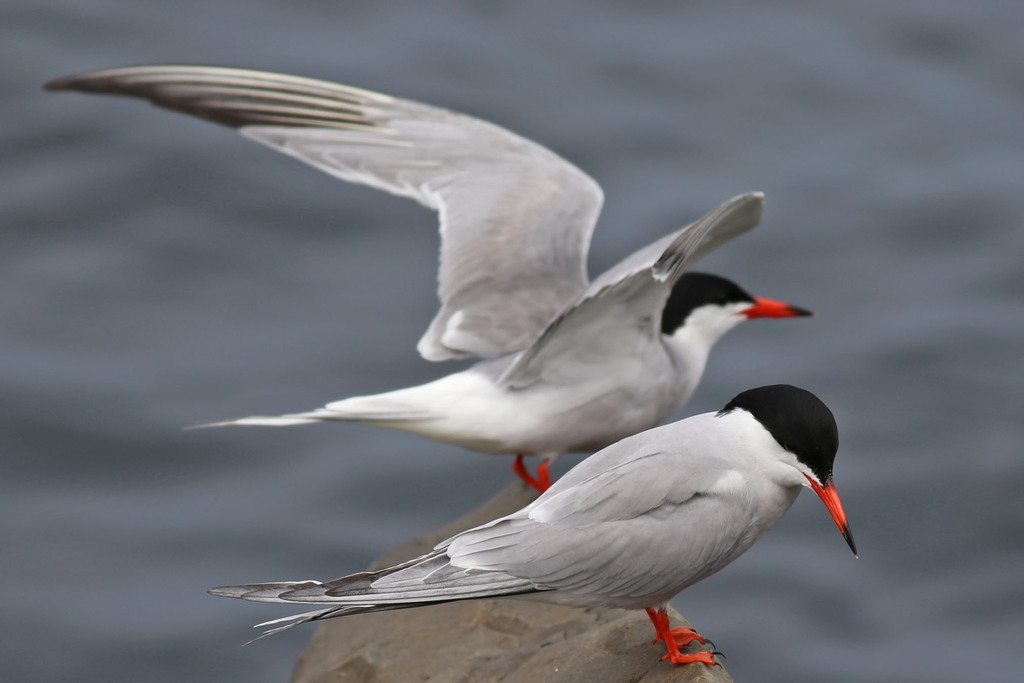
- Common TernSterna hirundo
- Common YellowthroatGeothlypis trichas
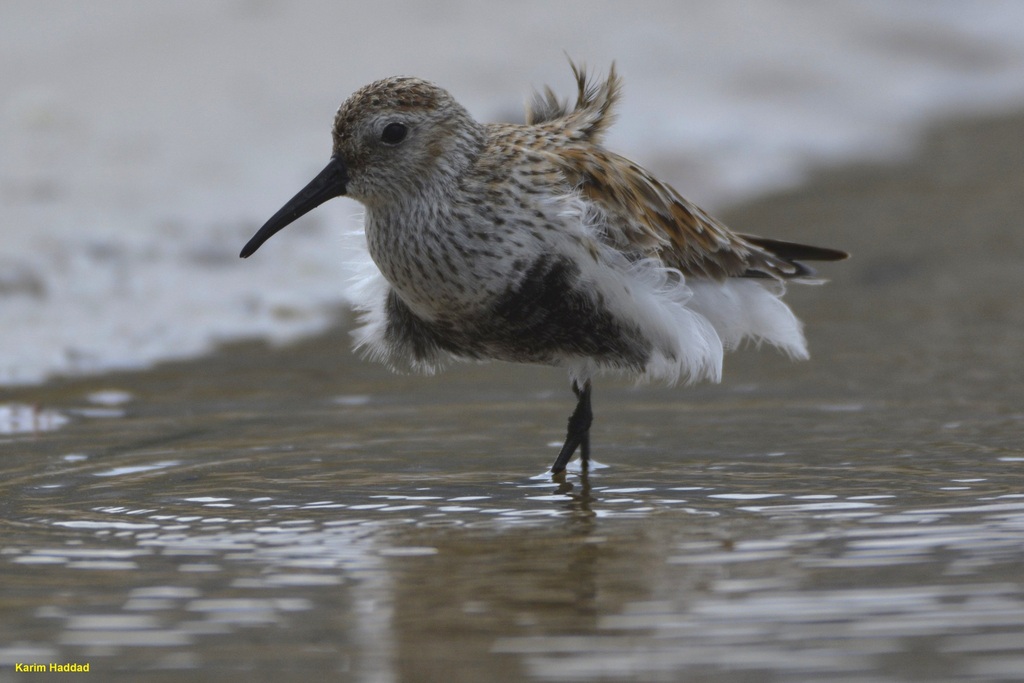
- DunlinCalidris alpina
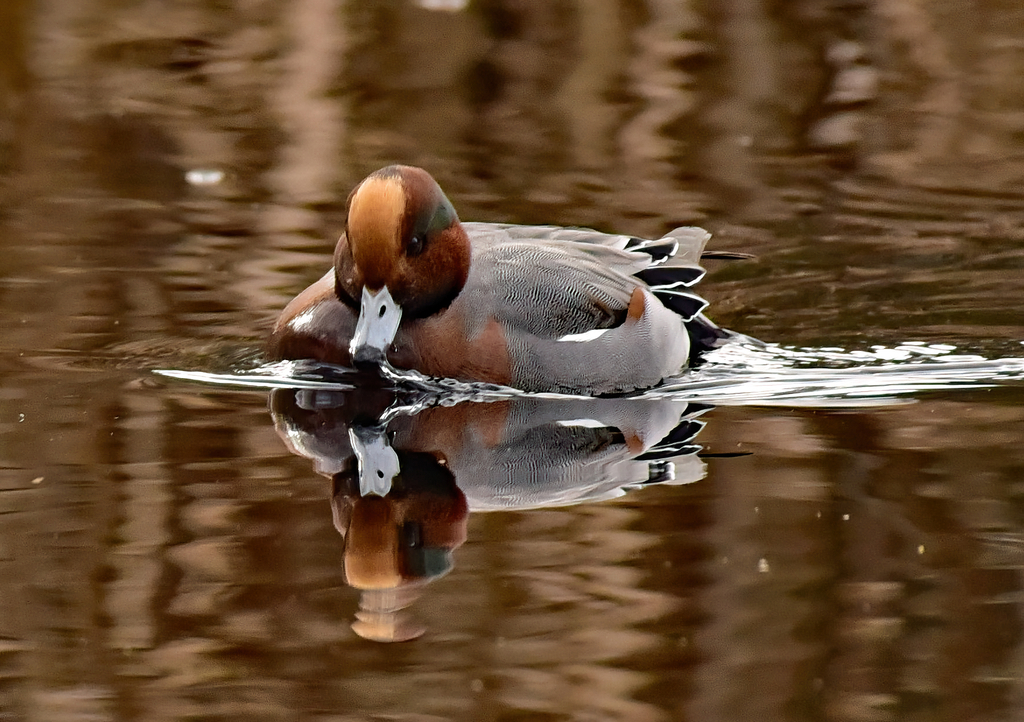
- Eurasian WigeonAnas penelope
- Fish CrowCorvus ossifragus
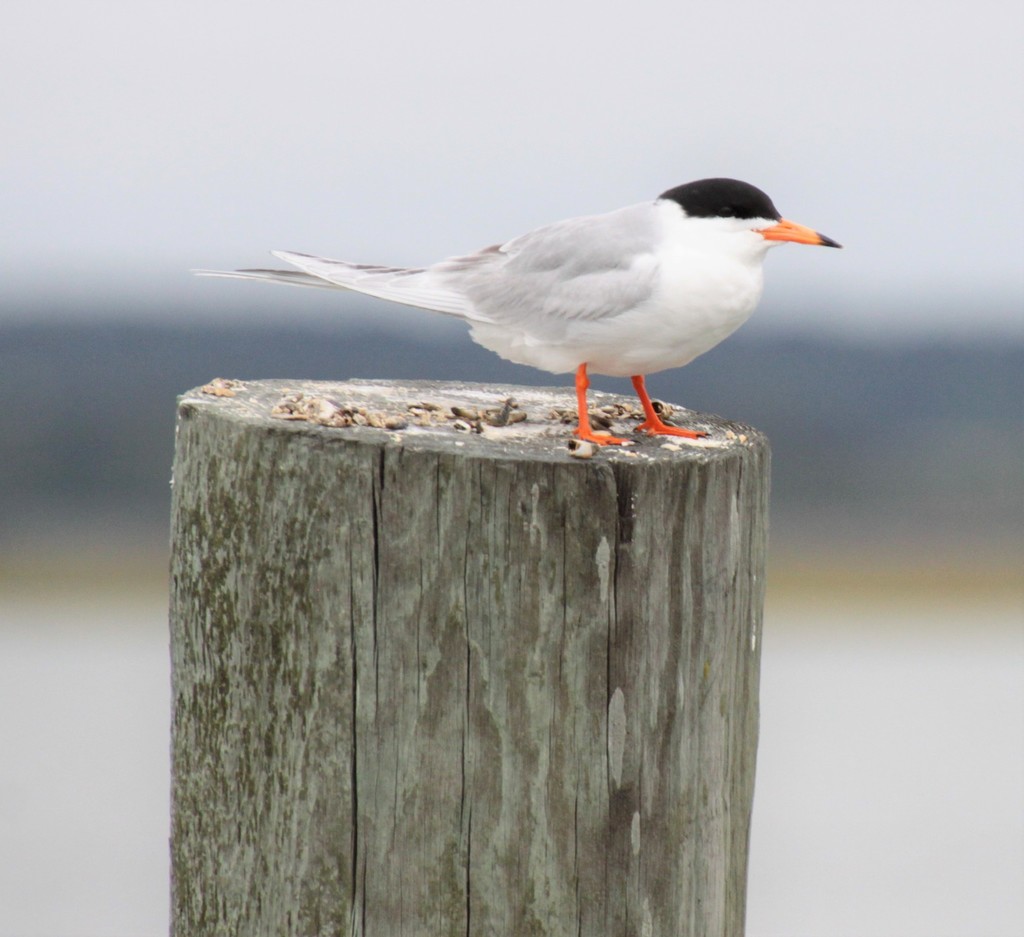
- Forster's TernSterna forsteri
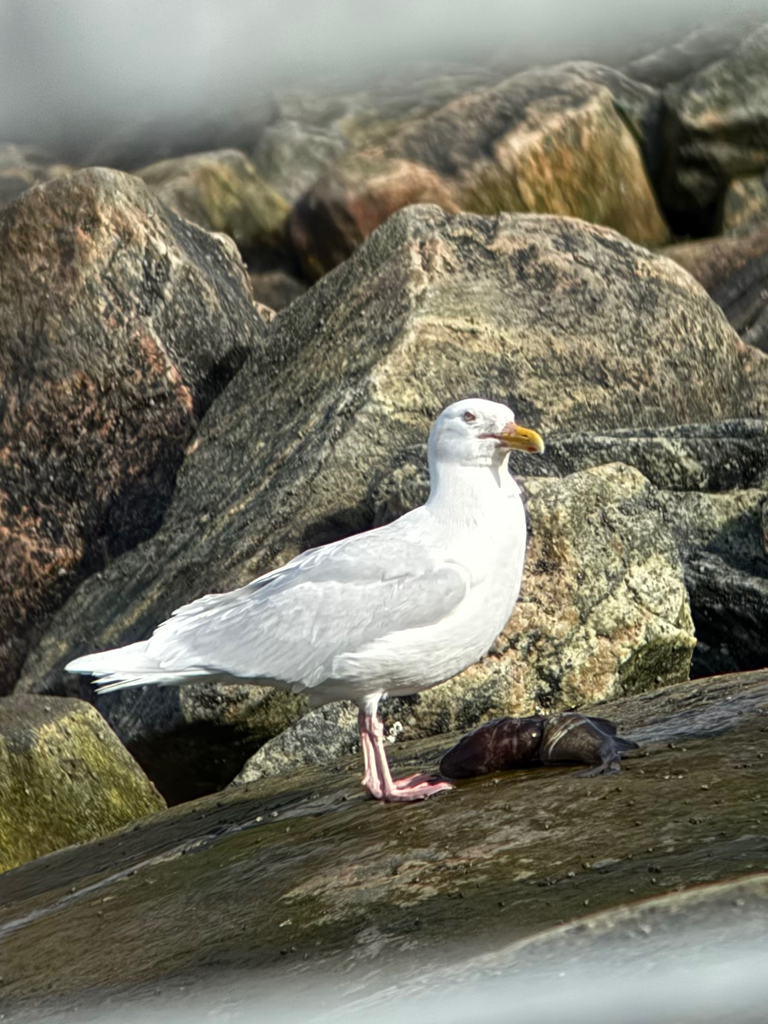
- Glaucous GullLarus hyperboreus
- Glossy IbisPlegadis falcinellus
- Great Blue HeronArdea herodias
- Great EgretArdea alba
- Great Horned OwlBubo virginianus
- Green HeronButorides virescens
- Henslow's SparrowAmmodramus henslowii
- Hooded MerganserLophodytes cucullatus
- KilldeerCharadrius vociferus
- King RailRallus elegans
- Least BitternIxobrychus exilis
- Least SandpiperCalidris minutilla
- Least TernSternula antillarum
- Lesser Black-backed GullLarus fuscus
- Lesser ScaupAythya affinis
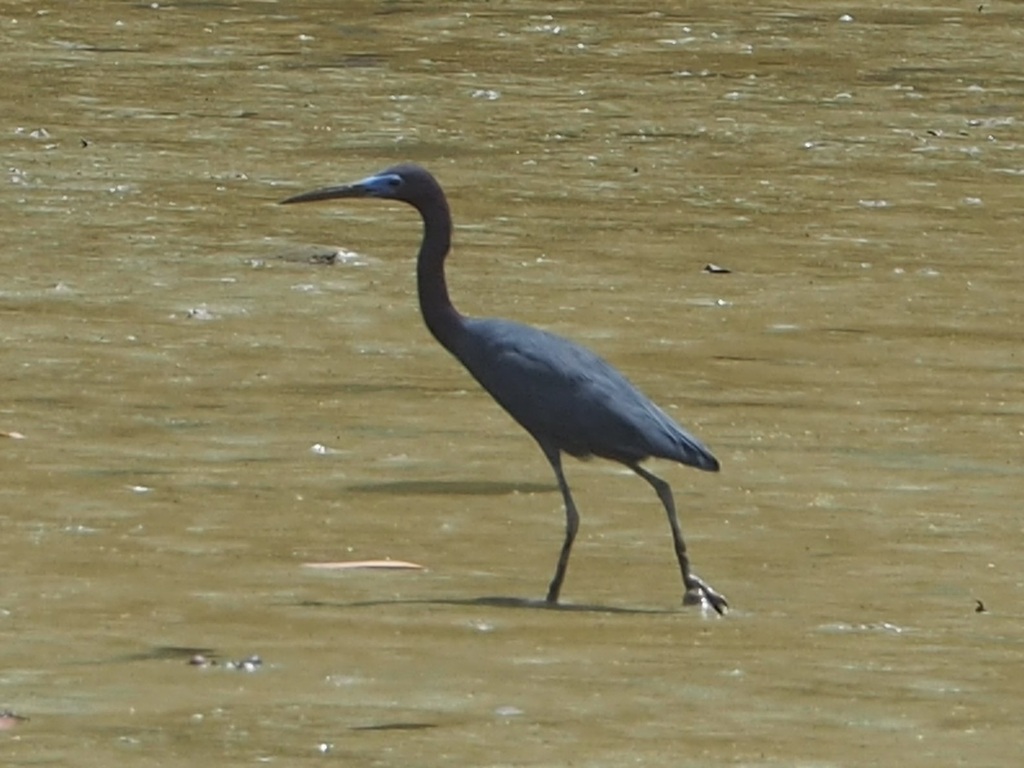
- Little Blue HeronEgretta caerulea
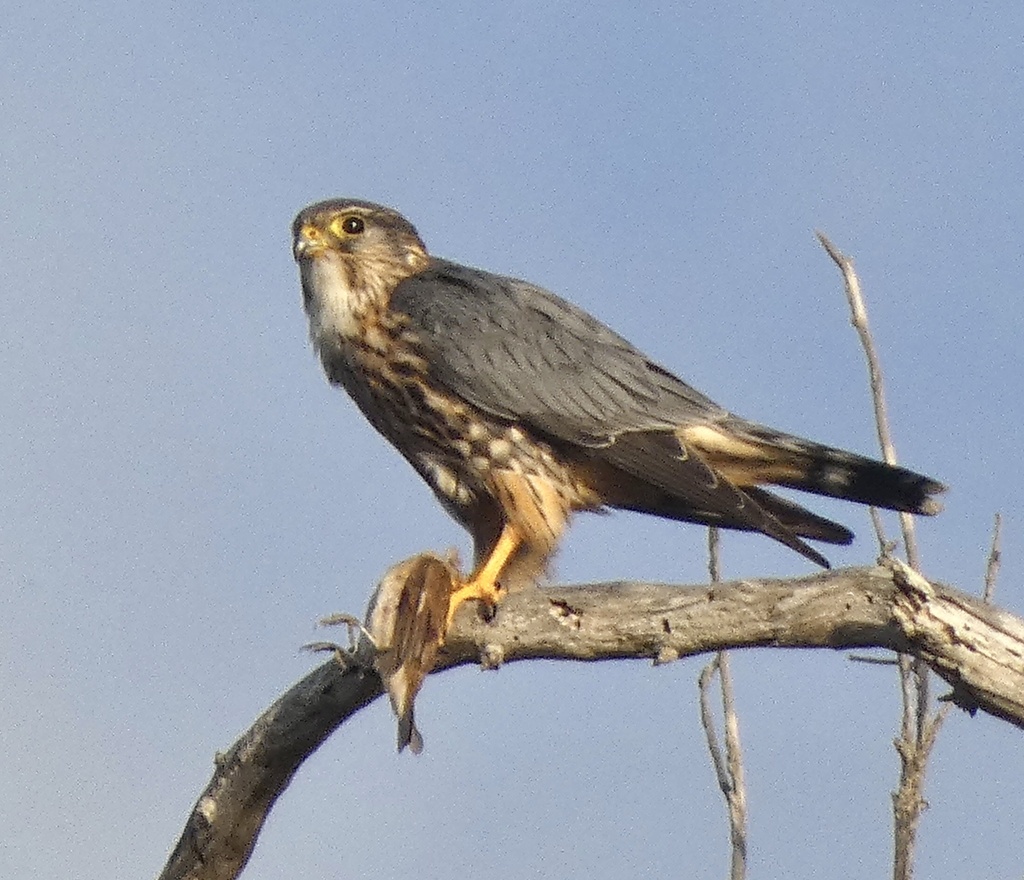
- MerlinFalco columbarius



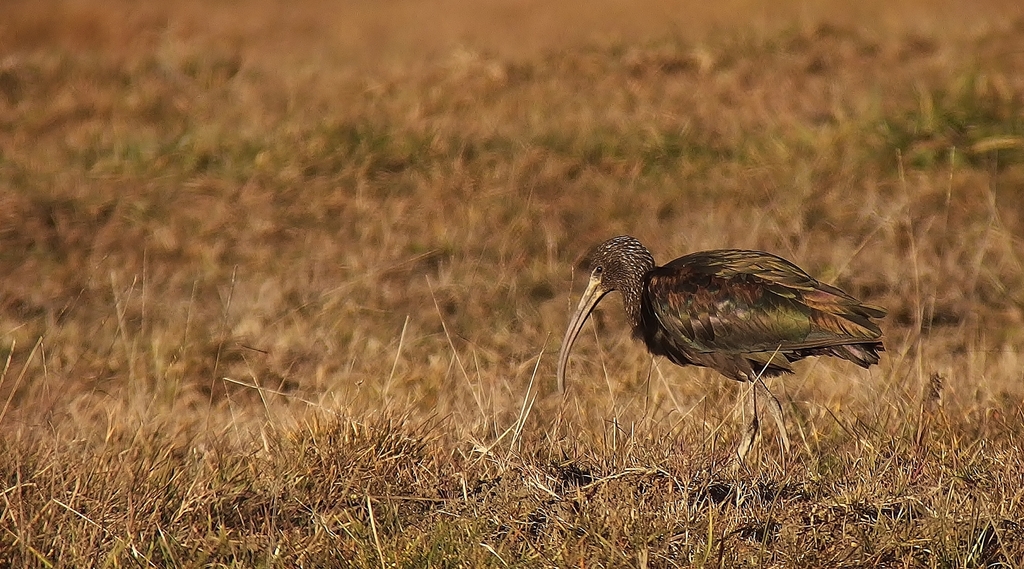




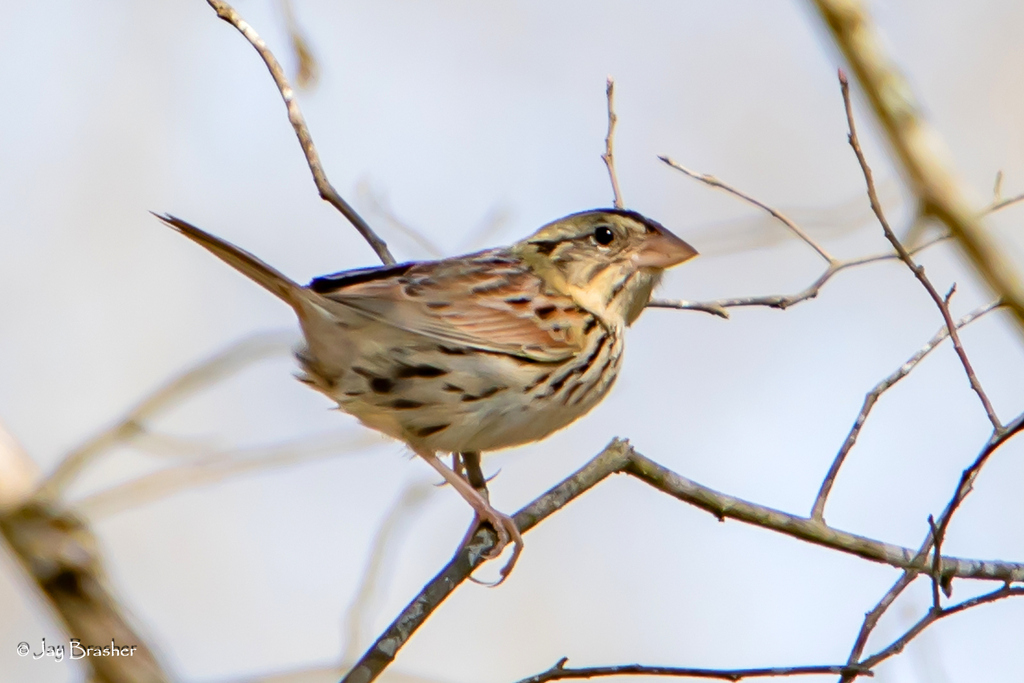

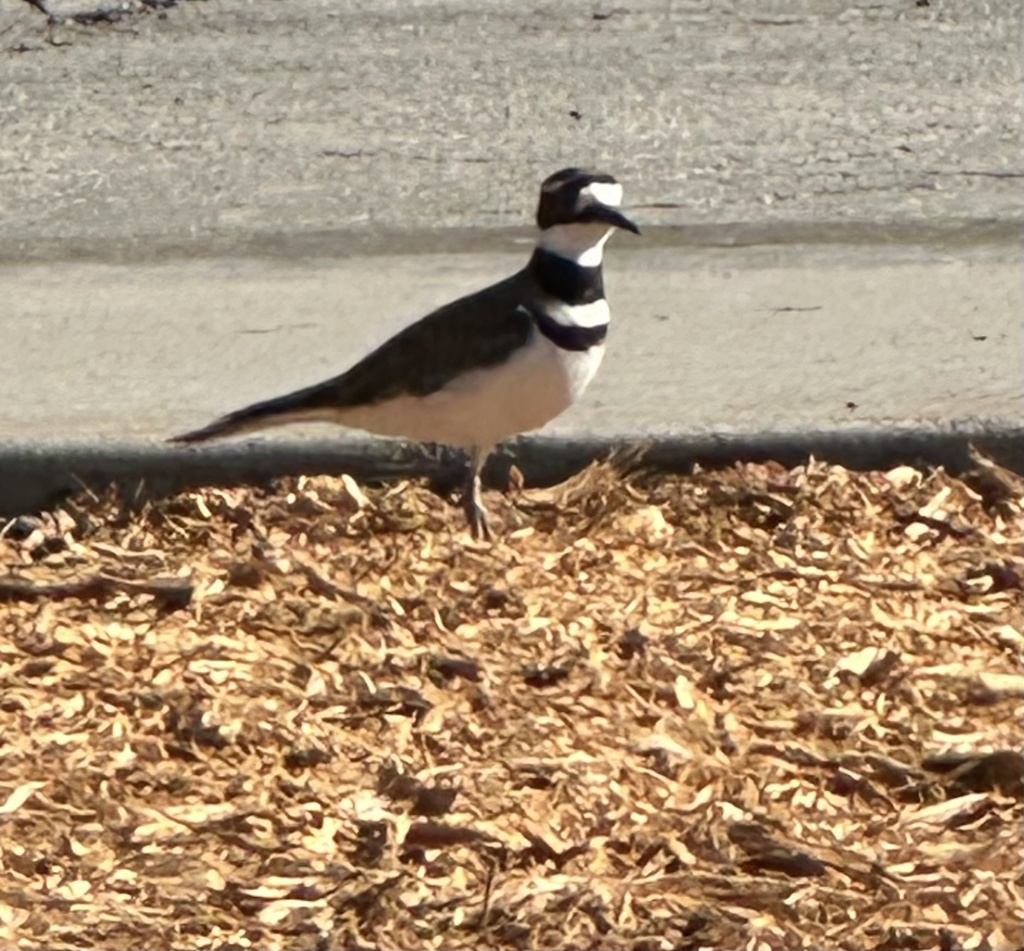
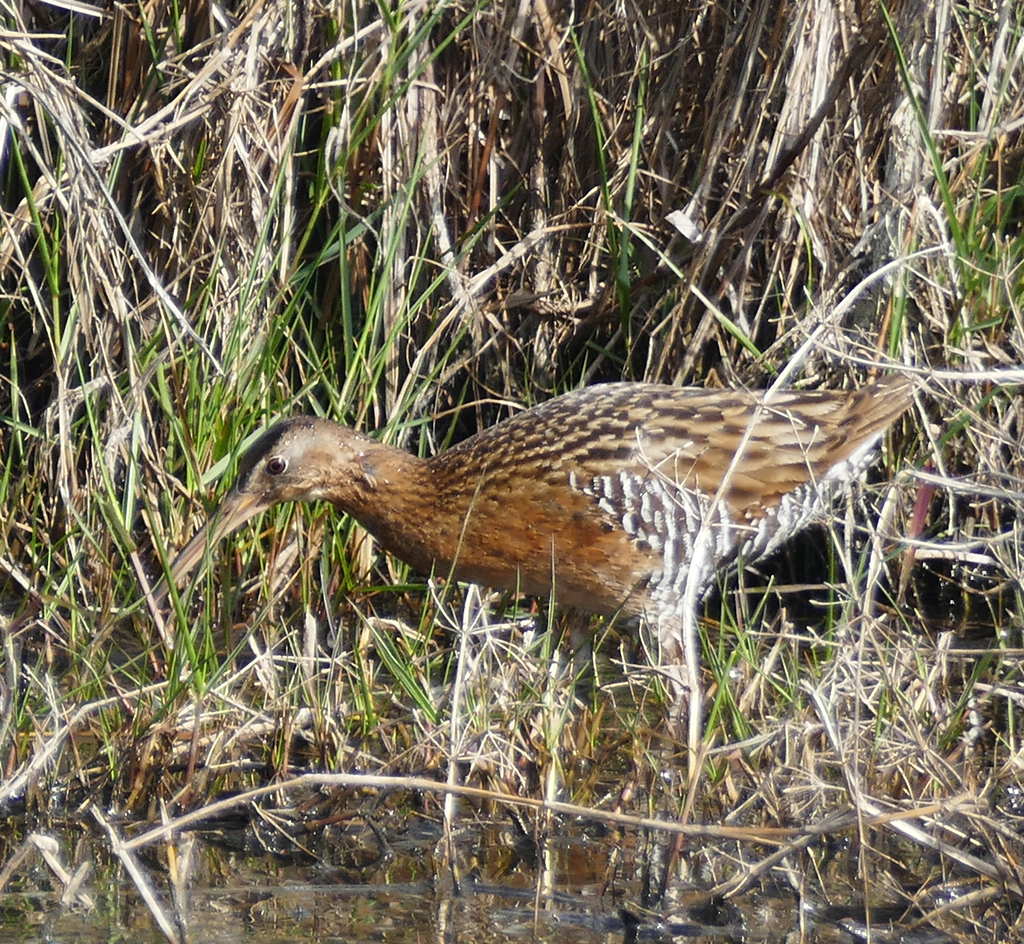

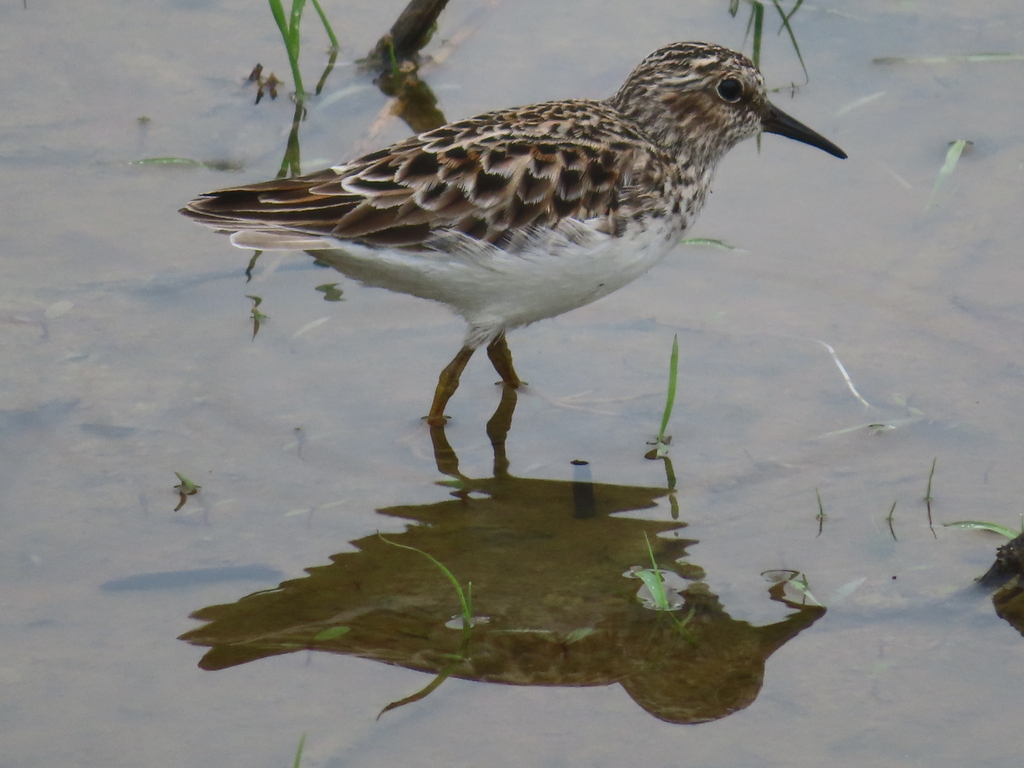
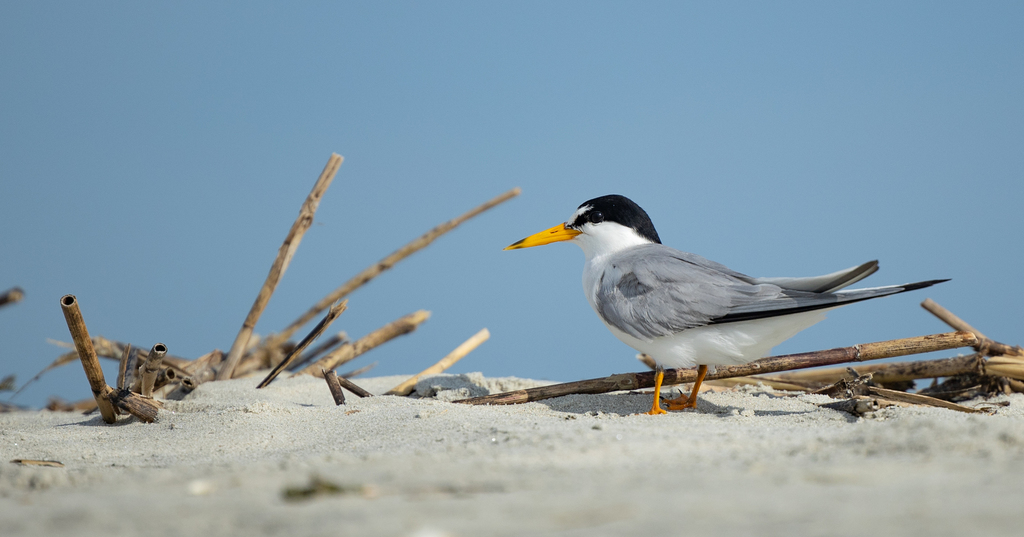
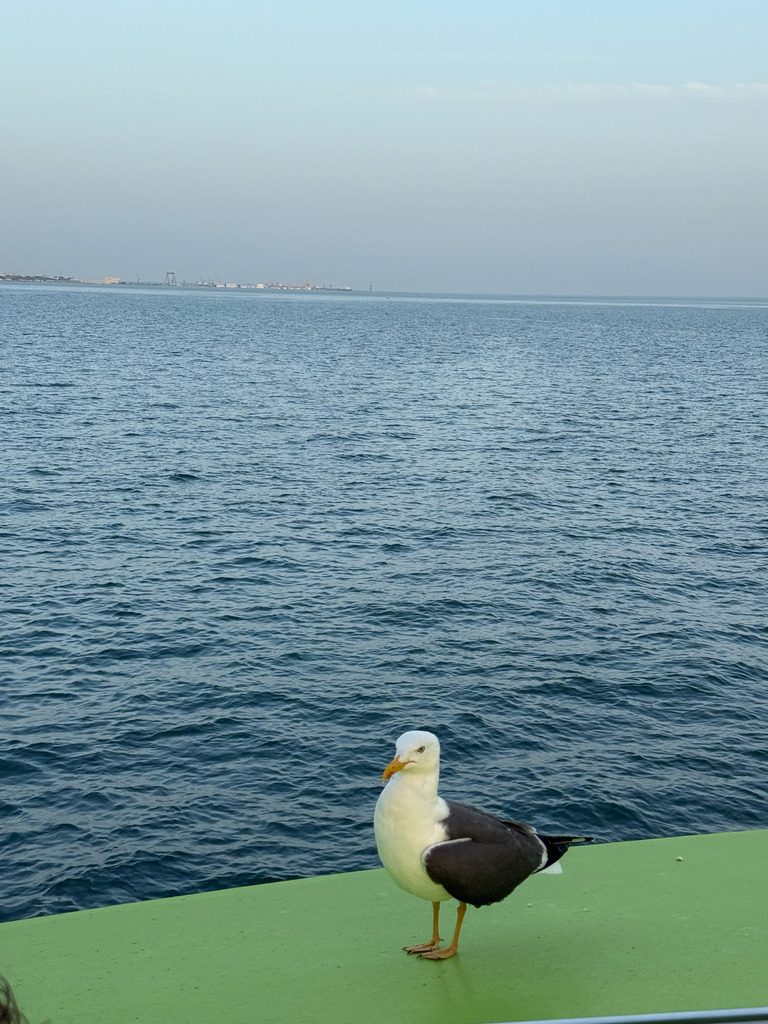
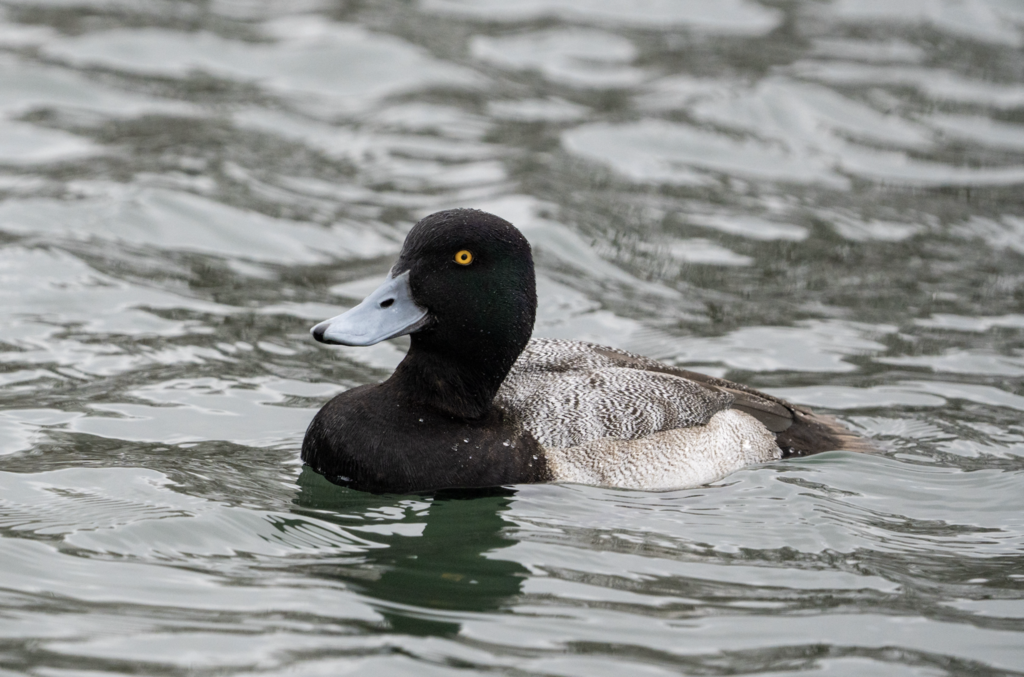
Who uses this plant?
 5CaterpillarsGenus host records with ranges including VA
Genus host records with ranges including VA · Phragmites
- Apamea sordensBordered Apamea, Rustic Shoulder-Knot
- Gabara subnivosellaX
- Leucania linitaReed Wainscot, Linen Wainscot
- Papaipema nebrisStalk Borer
- Poanes viatorBroad-Winged Skipper
 —BeesSoutheastern regional records
 —Specialist beesPollen specialists
 —BirdsRecorded genus food-resource interactions; not a state feeding claim
Plant details
- Family
- Poaceae
- Flower color
- Gray/silver or purple
- Growth rate
- Rapid
- Growth habit
- Spreads by rhizomes
- Foliage color
- Green
- Fruit begins
- Summer
- Fruit ends
- Fall
Safety has not been reviewed for this plant; check toxicity and thorns before planting.
Growing sources and scope
- Bloom · “August to October” · Weakley, Flora of the Southeastern United States (2025), Carolinas & Georgia edition (ranked first; USDA PLANTS differs) · Carolinas and Georgia
- Flower color · “Gray/silver or purple” · NC Extension Plant Toolbox (ranked first; USDA PLANTS differs)
- Foliage color · “Green” · USDA PLANTS · Nationwide species characteristics; local growing conditions may vary
- Fruit begins · “Summer” · USDA PLANTS · Nationwide species characteristics; local growing conditions may vary
- Fruit ends · “Fall” · USDA PLANTS · Nationwide species characteristics; local growing conditions may vary
- Growth habit · “Spreads by rhizomes” · USDA PLANTS · Nationwide species characteristics; local growing conditions may vary
- Growth rate · “Rapid” · USDA PLANTS · Nationwide species characteristics; local growing conditions may vary
- Height · “About 13 feet” · USDA PLANTS · Nationwide species characteristics; local growing conditions may vary
- Leaf retention · “Deciduous” · USDA PLANTS · Nationwide species characteristics; local growing conditions may vary
- Life cycle · “Perennial” · NC Extension Plant Toolbox
- Light · “Full sun (6 or more hours of direct sunlight a day)” · NC Extension Plant Toolbox
- Soil · “Frequent standing water; Moist; Occasionally wet” · NC Extension Plant Toolbox
Conservation status
| Virginia rank | SNR |
|---|---|
| Global rank | G5 |
| VA status | Not verified |
| Federal status | Not verified |
Sources
- Digital Atlas of the Virginia Flora
- USDA PLANTS
- Weakley, Flora of the Southeastern United States (2025)
- Shropshire & Tallamy 2025, Lepidoptera of North America north of Mexico, ZooKeys 1261 (ODbL)
- Noori, Seltmann & Orr 2026, A curated and integrated dataset for exploring global bee-plant interactions (GloBI), Zenodo, CC BY 4.0
- Smith, Bachelder, Russell, Morales, Mosher & Seltmann 2024, Bee-Specialization-Modeling v0.6.1 (specialist host table compiled from J. Fowler's pollen specialist bee lists), Zenodo, CC BY 4.0
- Hurlbert, Olsen, Sawyer & Winner 2021, Avian Diet Database, Scientific Data 8: 260 (CC0)
- Narango, Tallamy & Shropshire 2020, Few keystone plant genera support the majority of Lepidoptera species, Nature Communications