

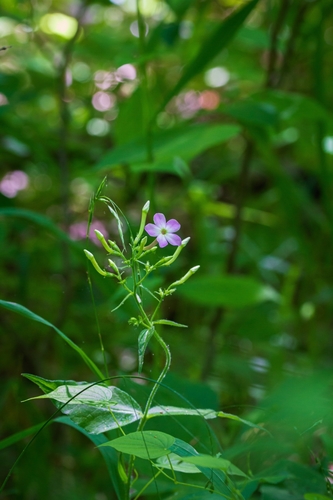
Largeleaf Phlox
Phlox amplifolia
Found in moist forests, particularly over mafic or calcareous rocks. FloraQuest, phone app (app page) What its natural habitat tells you
Native to Virginia. How scores work Is it native here?
Profile 94%
- Height
- Up to about 3 feet
- Light
- Partial shade, Full shade, Full sun
- Soil moisture
- Dry to moist
Rare or protected plant. Specialist conservation planting; excluded from routine garden suggestions. Plant caution source
Hidden from default planting suggestions. Wildlife value and native status remain unchanged.
At a glance
- Life cycle
- Perennial
- Bloom
- June to August
Not yet recorded · Spread · Leaves
Recorded in 8 Virginia counties.
Natural habitats
Places it grows wild. Not a planting requirement. Each habitat page lists the plants and wildlife also found there.
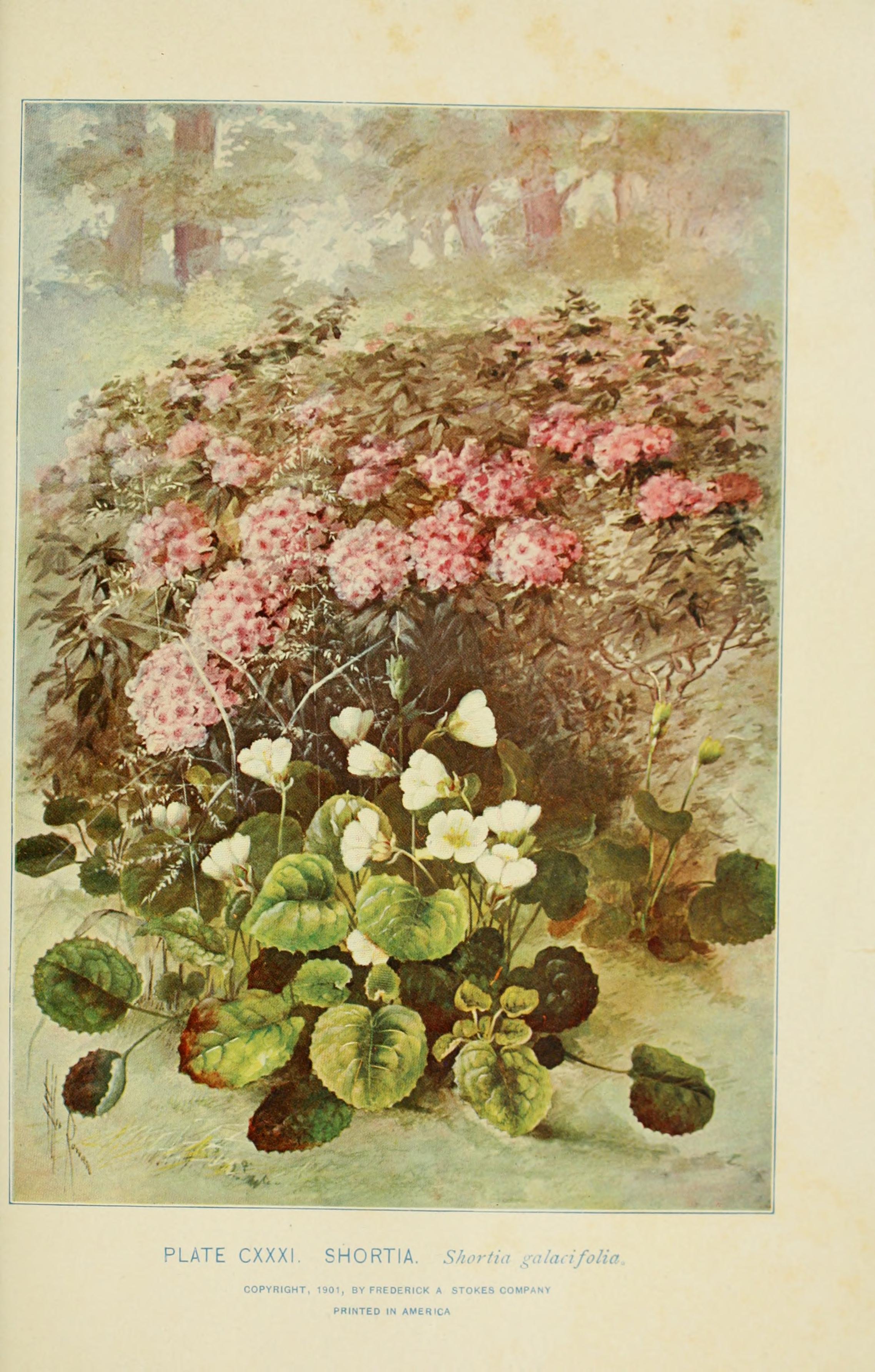
Also found with this plant
Wildlife whose habitat models include habitats this plant grows in, in Virginia. Shared habitat, not food. 105 animals.
- American KestrelFalco sparverius
- Blue-gray GnatcatcherPolioptila caerulea
- Blue-headed VireoVireo solitarius
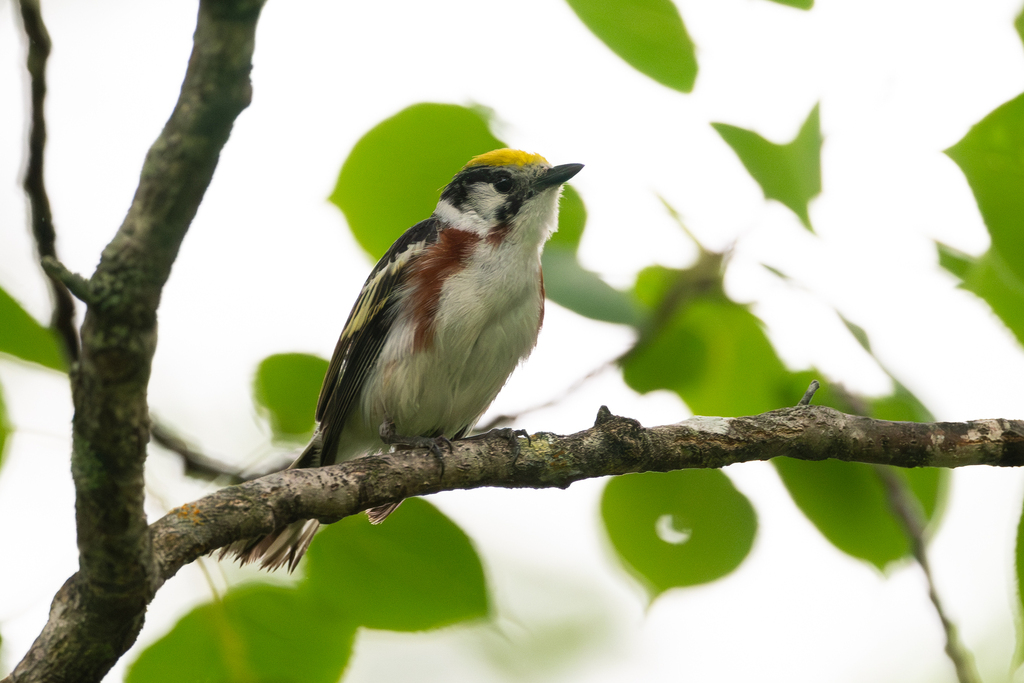
- Chestnut-sided WarblerDendroica pensylvanica
- Cooper's HawkAccipiter cooperii
- Eastern BluebirdSialia sialis
- European StarlingSturnus vulgaris
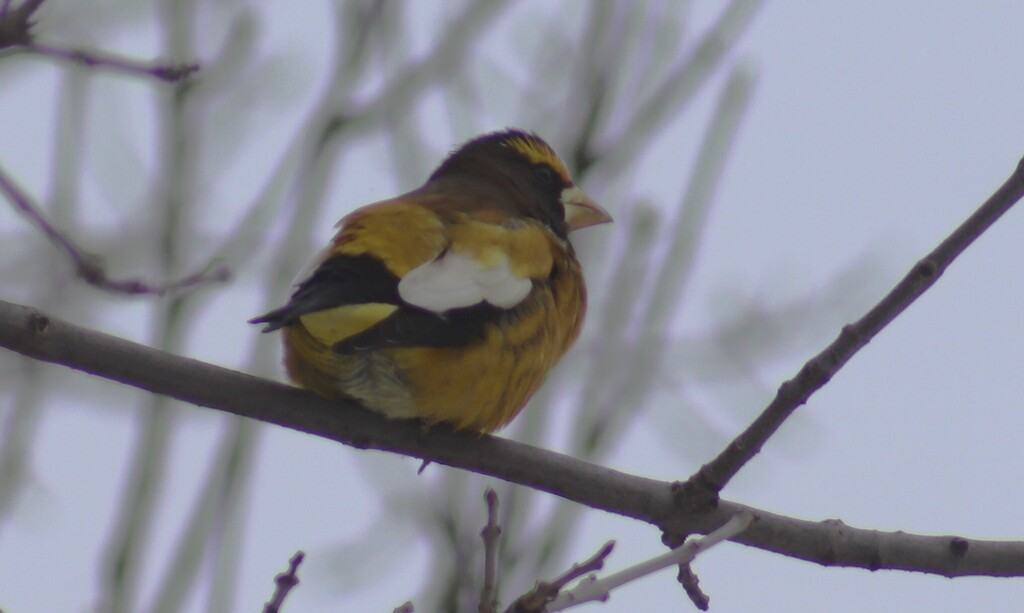
- Evening GrosbeakCoccothraustes vespertinus
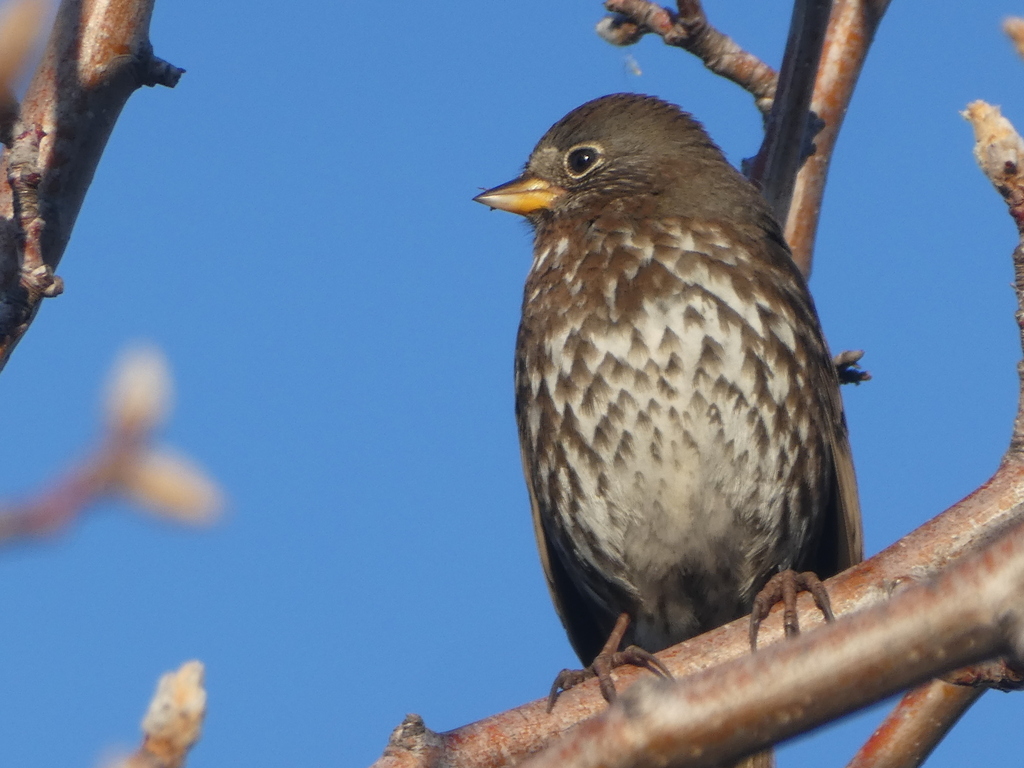
- Fox SparrowPasserella iliaca
- Hermit ThrushCatharus guttatus
- Hooded WarblerWilsonia citrina
- Kentucky WarblerOporornis formosus
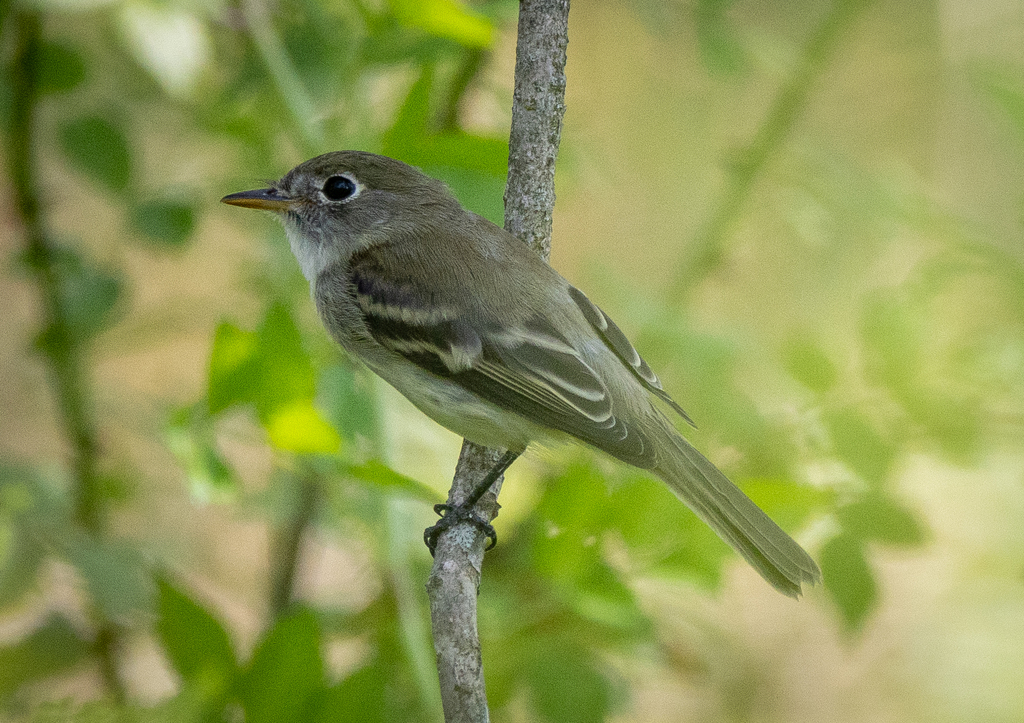
- Least FlycatcherEmpidonax minimus
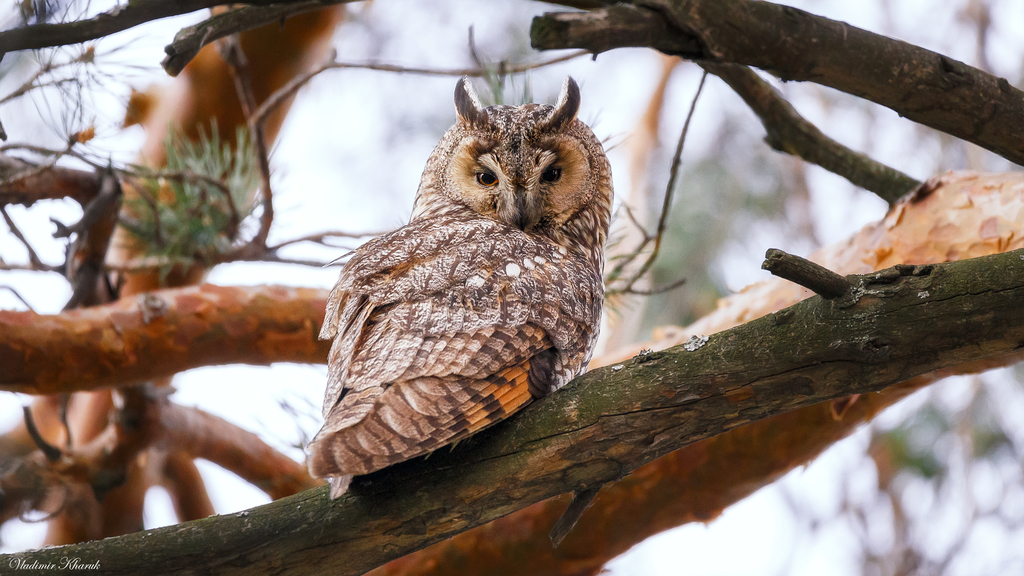
- Long-eared OwlAsio otus
- Mourning DoveZenaida macroura
- Northern CardinalCardinalis cardinalis
- Pine SiskinCarduelis pinus
- Red-tailed HawkButeo jamaicensis
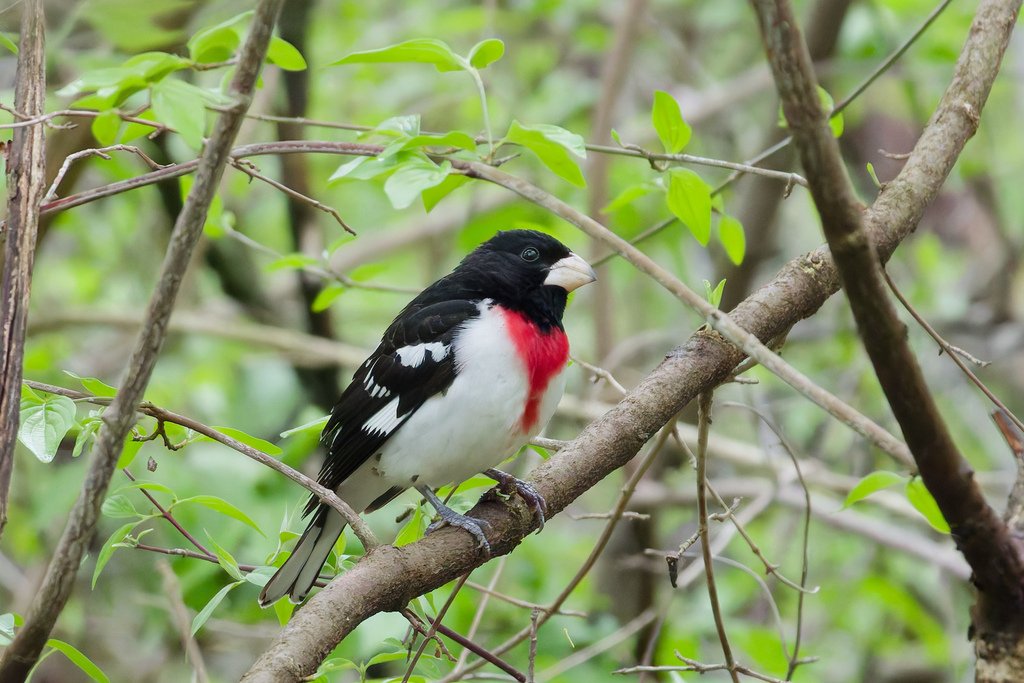
- Rose-breasted GrosbeakPheucticus ludovicianus
- Ruby-crowned KingletRegulus calendula
- Ruby-throated HummingbirdArchilochus colubris
- Scarlet TanagerPiranga olivacea
- Sharp-shinned HawkAccipiter striatus
- Spotted SandpiperActitis macularius















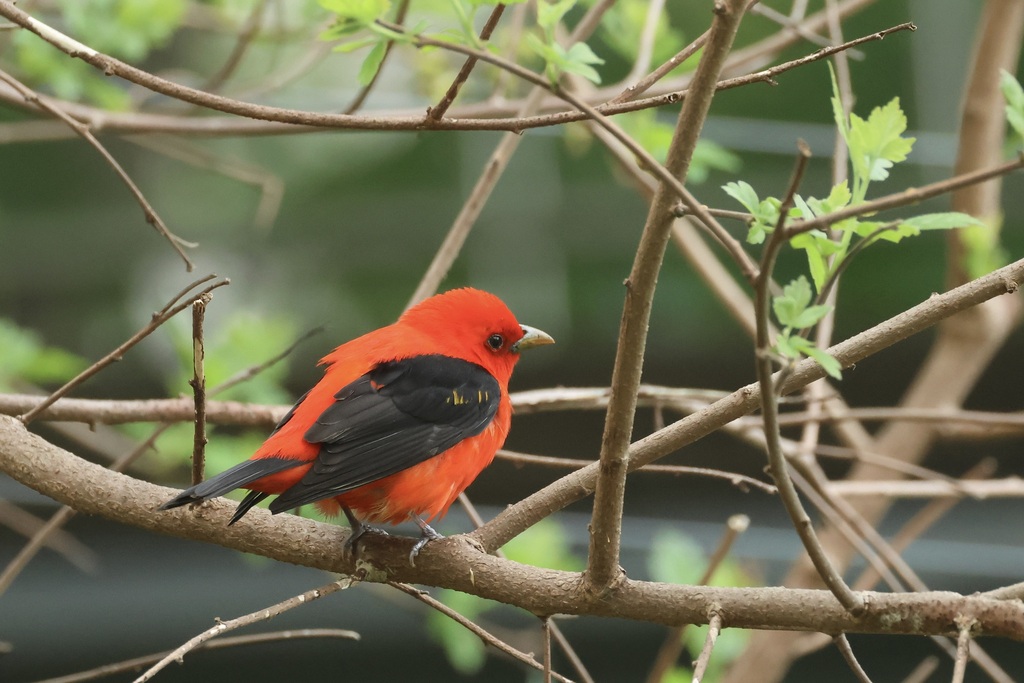


Who uses this plant?
 8CaterpillarsGenus host records with ranges including VA
Genus host records with ranges including VA · Phlox
- Helicoverpa zeaCorn Earworm Moth
- Heliothis phloxiphagaSpotted Straw Sun Moth, Darker Spotted Straw Moth
- Idia aemulaCommon Idia
- Lacinipolia olivaceaOlive Arches, Olive Groundcat
- Melanchra adjunctaHitched Arches
- Papaipema nebrisStalk Borer
- Pyrrhia exprimensPurple-Lined Sallow, Purple-Lined Sun Moth
- Sparganothis xanthoidesMosaic Sparganothis
 6BeesSoutheastern regional records
Southeastern regional records · Phlox
Individual names are not available yet.
Noori, Seltmann & Orr 2026, A curated and integrated dataset for exploring global bee-plant interactions (GloBI), Zenodo, CC BY 4.0 0Specialist beesPollen specialists
 2BirdsRecorded genus food-resource interactions; not a state feeding claim
Recorded genus food-resource interactions; not a state feeding claim · Phlox
- Centrocercus urophasianusGreater Sage-Grouse
- Tympanuchus pallidicinctusLesser Prairie-Chicken
Direct food only: birds recorded eating this genus across North America. Caterpillars on host plants also feed nesting birds. NC Native Plant Society: butterfly gardening
No records yet · Ants · Beetles · Flies · Adult butterflies / moths · Other wasps · Other insects
Plant details
- Family
- Polemoniaceae
- Flower color
- White, pink or purple
Growing sources and scope
- Bloom · “June to August” · FloraQuest: Carolinas, Georgia (Southeastern Flora Team), phone app (app page) · Carolinas and Georgia
- Flower color · “White, pink or purple” · Lady Bird Johnson Wildflower Center
- Height · “Up to about 3 feet” · Lady Bird Johnson Wildflower Center
- Life cycle · “Perennial” · Lady Bird Johnson Wildflower Center
- Light · “Partial shade; Full shade; Full sun (documented habitat)” · FloraQuest: Carolinas, Georgia (Southeastern Flora Team), phone app (app page) · Carolinas and Georgia
- Soil · “Dry; Moist (documented habitat)” · FloraQuest: Carolinas, Georgia (Southeastern Flora Team), phone app (app page) · Carolinas and Georgia
Also known as
Broad Leaf Phlox; Large Leaf Phlox
Conservation status
| Virginia rank | S1 |
|---|---|
| Global rank | G3G5 |
| VA status | Not verified |
| Federal status | Not verified |
Will it fit your yard?
Check this plant against your county, sun and soil moisture. Conditions are checked in your browser.
Sources
- Virginia DCR Natural Heritage rare plant list
- Digital Atlas of the Virginia Flora
- USDA PLANTS
- Vascular Plants of North Carolina (NC Natural Heritage Program)
- FloraQuest: Carolinas, Georgia (Weakley), phone app (app page)
- FloraQuest: South Central (Weakley), phone app (app page)
- FloraQuest: Northern Tier (Weakley), phone app (app page)
- NatureServe Explorer
- Shropshire & Tallamy 2025, Lepidoptera of North America north of Mexico, ZooKeys 1261 (ODbL)
- Noori, Seltmann & Orr 2026, A curated and integrated dataset for exploring global bee-plant interactions (GloBI), Zenodo, CC BY 4.0
- Smith, Bachelder, Russell, Morales, Mosher & Seltmann 2024, Bee-Specialization-Modeling v0.6.1 (specialist host table compiled from J. Fowler's pollen specialist bee lists), Zenodo, CC BY 4.0
- Hurlbert, Olsen, Sawyer & Winner 2021, Avian Diet Database, Scientific Data 8: 260 (CC0)
- Narango, Tallamy & Shropshire 2020, Few keystone plant genera support the majority of Lepidoptera species, Nature Communications