

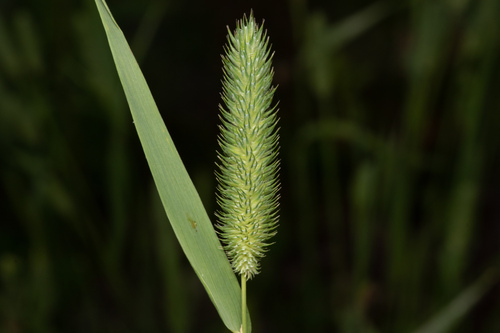
Common Timothy
Phleum pratense
Found in meadows, pastures, roadsides, disturbed areas. FloraQuest, phone app (app page) What its natural habitat tells you
Not native to Virginia. How scores work Is it native here?
Profile 82%
- Height
- About 3 feet
- Light
- Partial shade, Full sun
- Soil moisture
- Dry to moist
Do not plant. Listed invasive in Virginia.
Plant this instead
Choose your county to list local plants first.
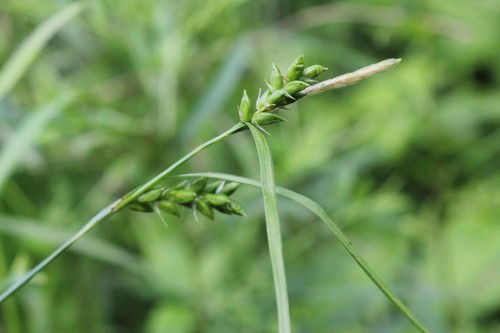
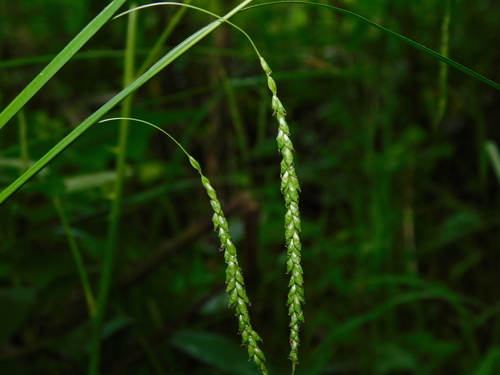
No recorded swaps for this county. Try the garden finder.
At a glance
- Bloom
- June to October
- Fruiting season
- Spring to summer
Not yet recorded · Spread · Life cycle · Leaves
Recorded in 86 Virginia counties.
Natural habitats
Places it grows wild. Not a planting requirement. Each habitat page lists the plants and wildlife also found there.
Open, grassy or flowery ground that is not wet, such as mountain meadows; wet meadows are separate.
Roadsides, fields and disturbed ground
Ground opened by people: roadsides, old fields, pastures, fencerows and lots.
Also found with this plant
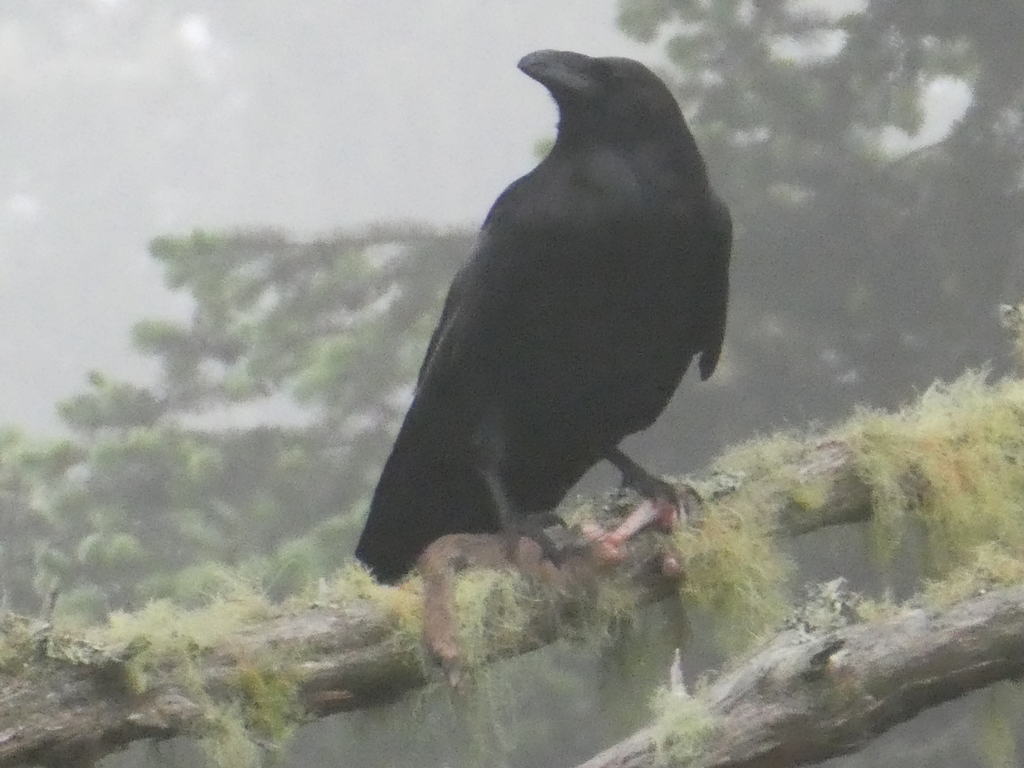
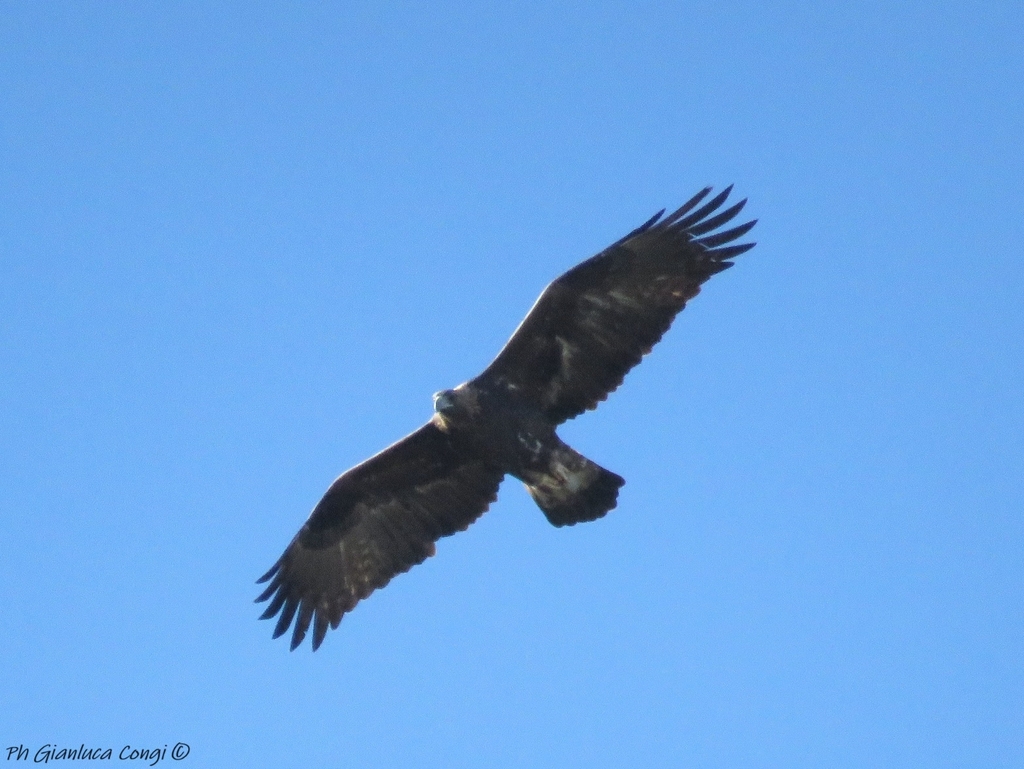
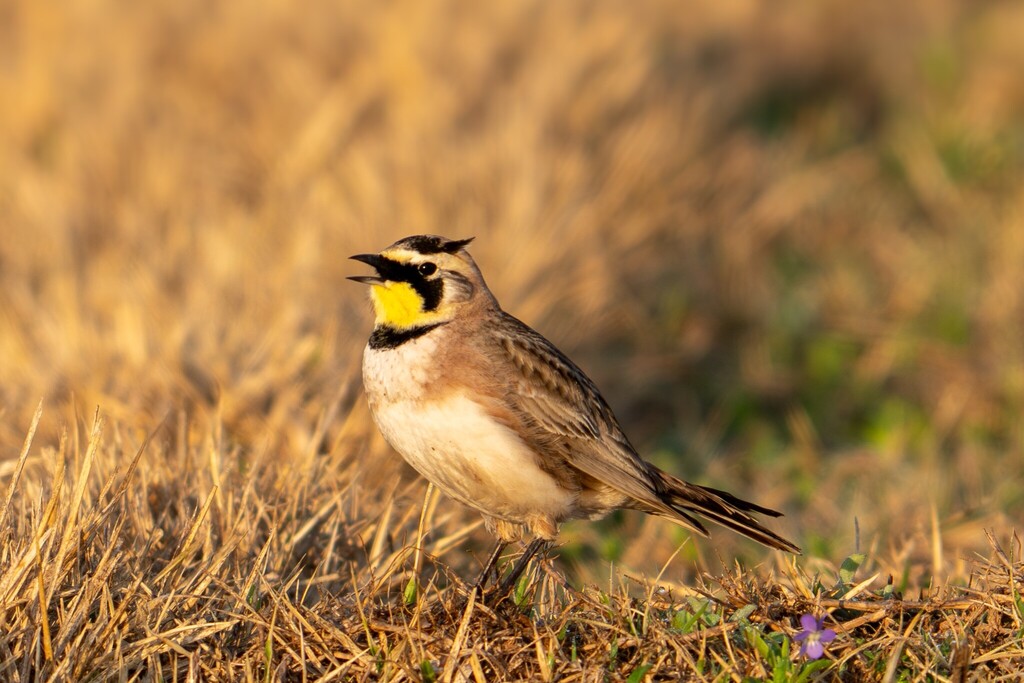
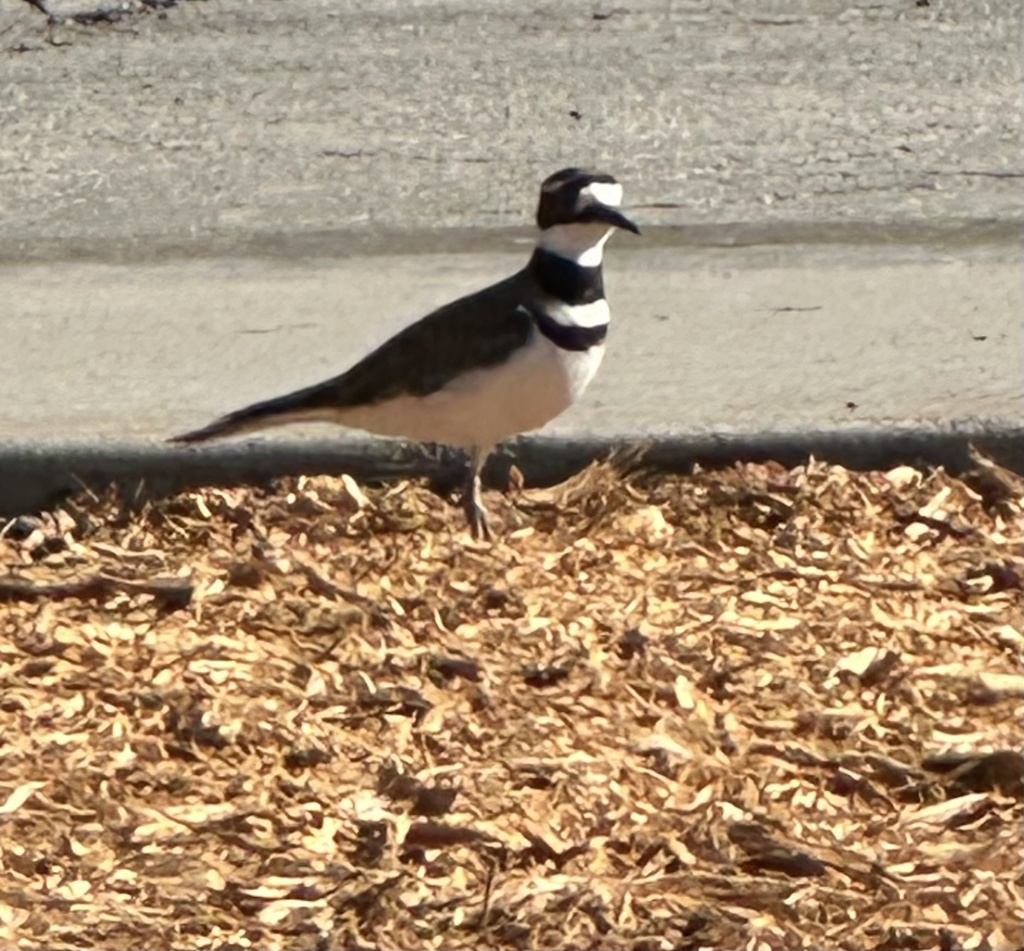
Wildlife whose habitat models include habitats this plant grows in, in Virginia. Shared habitat, not food. 39 animals.
- American GoldfinchCarduelis tristis
- American KestrelFalco sparverius
- American RobinTurdus migratorius
- Blue GrosbeakPasserina caerulea
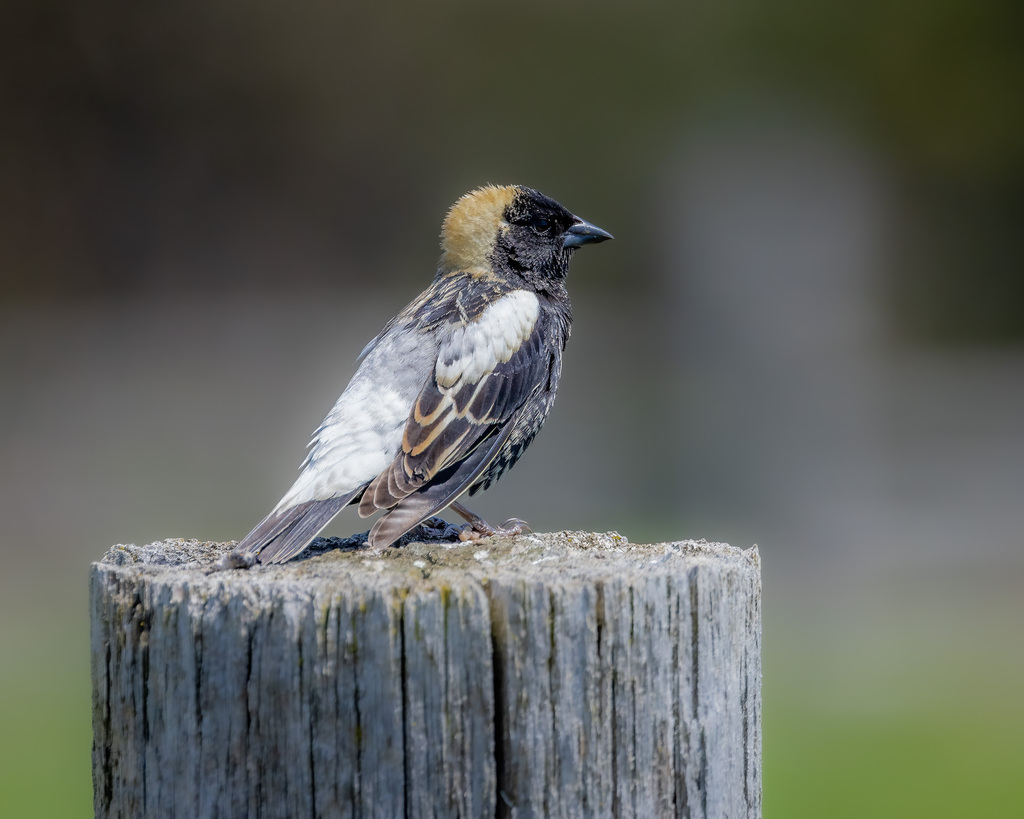
- BobolinkDolichonyx oryzivorus
- Canada GooseBranta canadensis
- Chimney SwiftChaetura pelagica
- Chipping SparrowSpizella passerina
- Common NighthawkChordeiles minor
- Common RavenCorvus corax
- Cooper's HawkAccipiter cooperii
- Dark-eyed JuncoJunco hyemalis
- Eastern KingbirdTyrannus tyrannus
- European StarlingSturnus vulgaris
- Golden EagleAquila chrysaetos
- Great Horned OwlBubo virginianus
- Horned LarkEremophila alpestris
- Indigo BuntingPasserina cyanea
- KilldeerCharadrius vociferus
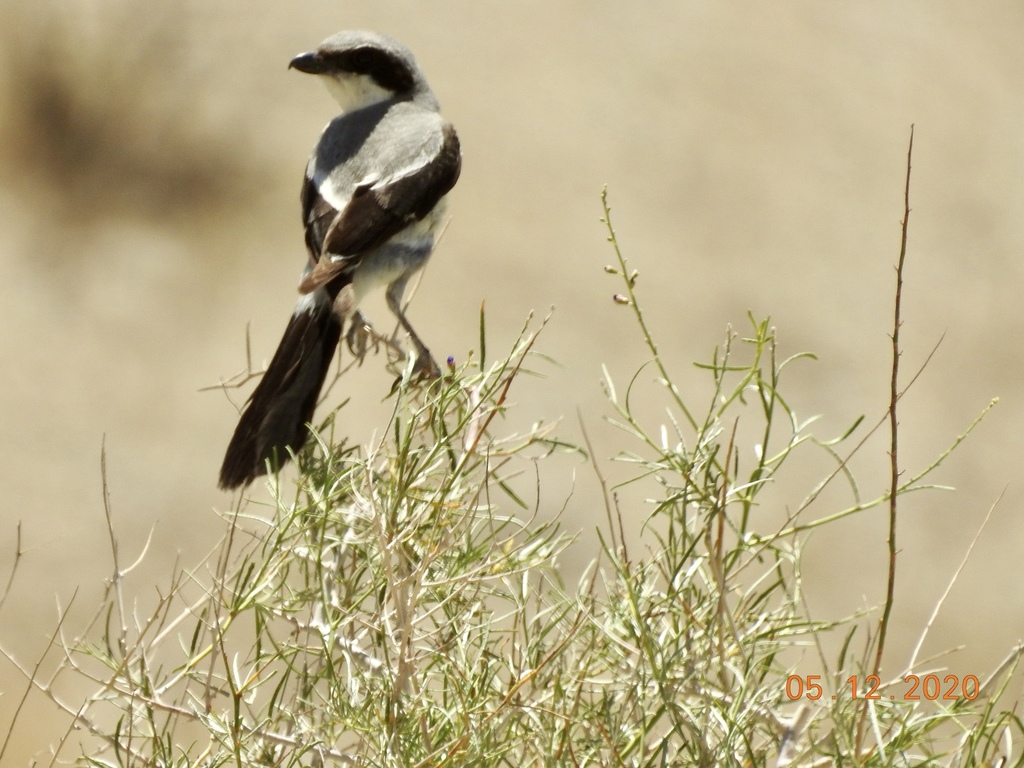
- Loggerhead ShrikeLanius ludovicianus
- Northern CardinalCardinalis cardinalis
- Northern FlickerColaptes auratus
- Northern MockingbirdMimus polyglottos
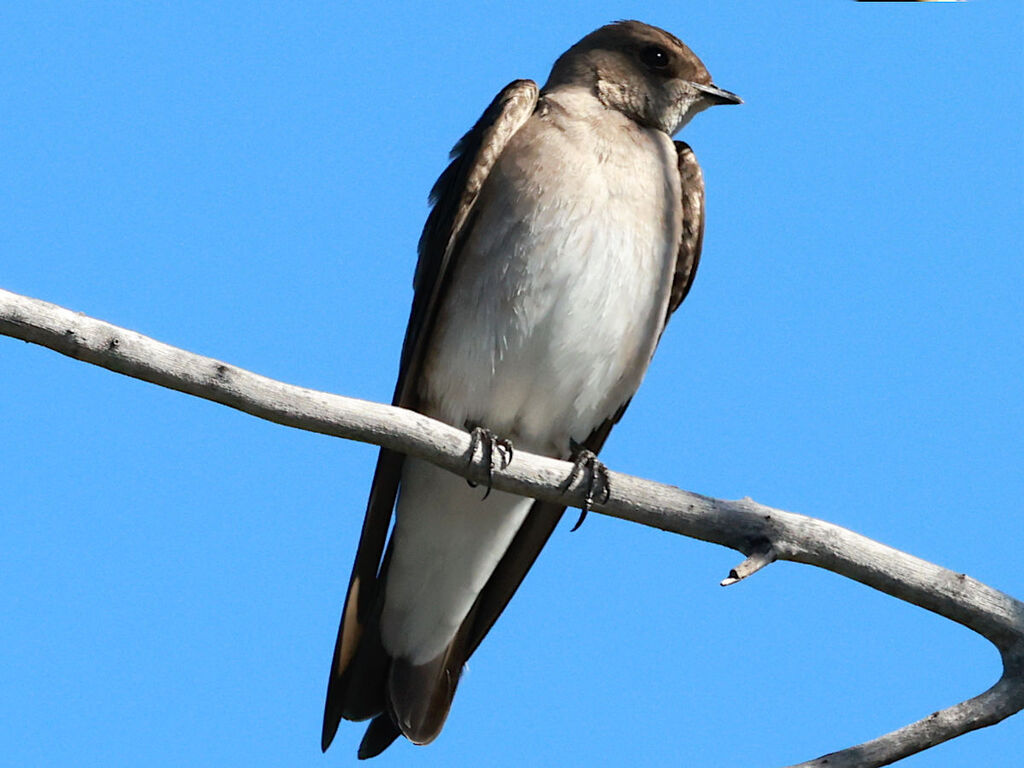
- Northern Rough-winged SwallowStelgidopteryx serripennis

















Who uses this plant?
 22CaterpillarsGenus host records with ranges including VA
Genus host records with ranges including VA · Phleum
- Amblyscirtes vialisCommon Roadside-Skipper, Black Little Skipper
- Anicla forbesiForbes' Dart
- Anicla illapsaSnowy Dart
- Apamea devastatorGlassy Borer, Glassy Cutworm Moth
- Apamea sordensBordered Apamea, Rustic Shoulder-Knot
- Clepsis clemensianaClemens' Clepsis
- Clepsis persicanaWhite Triangle Tortrix
- Dargida diffusaWheat Head Armywotm Moth
- Fissicrambus mutabilisStriped Webworm, Striped Sodworm, Changeable Grass-Veneer
- Leucania pseudargyriaFalse Wainscot
Show all 22
- Limochores mysticLong Dash
- Lon hobomokHobomok Skipper
- Melanchra pictaPainted Arches, Zebra Caterpillar Moth
- Mesapamea fractilineaBroken-Lined Borer, Lined Corn Borer, Lined Stalk Borer
- Mythimna unipunctaArmyworm Moth, White Speck
- Nephelodes miniansBronzed Cutworm
- Papaipema nebrisStalk Borer
- Plusia putnamiPutnam's Looper Moth, Lempke's Gold Spot
- Polites themistoclesTawny-Edged Skipper
- Spodoptera frugiperdaFall Armyworm Moth
- Elachista illectella
- Gonioterma mistrella
 —BeesSoutheastern regional records
 —Specialist beesPollen specialists
 11BirdsRecorded genus food-resource interactions; not a state feeding claim
Recorded genus food-resource interactions; not a state feeding claim · Phleum
- Acanthis flammeaCommon Redpoll
- Anser caerulescensSnow Goose
- Antigone canadensisSandhill Crane
- Branta canadensisCanada Goose
- Calcarius lapponicusLapland Longspur
- Calcarius pictusSmith's Longspur
- Callipepla californicaCalifornia Quail
- Junco hyemalisDark-eyed Junco
- Melospiza melodiaSong Sparrow
- Plectrophenax nivalisSnow Bunting
Show all 11
- Spizella passerinaChipping Sparrow
Direct food only: birds recorded eating this genus across North America. Caterpillars on host plants also feed nesting birds. NC Native Plant Society: butterfly gardening
Plant details
- Family
- Poaceae
- Flower color
- Yellow
- Growth rate
- Rapid
- Growth habit
- Grows in clumps
- Foliage color
- Green
- Fruit begins
- Spring
- Fruit ends
- Summer
Safety has not been reviewed for this plant; check toxicity and thorns before planting.
Growing sources and scope
- Bloom · “June to October” · FloraQuest: Carolinas, Georgia (Southeastern Flora Team), phone app (app page) (ranked first; USDA PLANTS differs) · Carolinas and Georgia
- Flower color · “Yellow” · USDA PLANTS · Nationwide species characteristics; local growing conditions may vary
- Foliage color · “Green” · USDA PLANTS · Nationwide species characteristics; local growing conditions may vary
- Fruit begins · “Spring” · USDA PLANTS · Nationwide species characteristics; local growing conditions may vary
- Fruit ends · “Summer” · USDA PLANTS · Nationwide species characteristics; local growing conditions may vary
- Growth habit · “Grows in clumps” · USDA PLANTS · Nationwide species characteristics; local growing conditions may vary
- Growth rate · “Rapid” · USDA PLANTS · Nationwide species characteristics; local growing conditions may vary
- Height · “About 3 feet” · USDA PLANTS · Nationwide species characteristics; local growing conditions may vary
- Light · “Partial shade; Full sun (documented habitat)” · FloraQuest: Carolinas, Georgia (Southeastern Flora Team), phone app (app page) · Carolinas and Georgia
- Soil · “Dry; Moist (documented habitat)” · FloraQuest: Carolinas, Georgia (Southeastern Flora Team), phone app (app page) · Carolinas and Georgia
Also known as
Cats Tail; Timothy
Conservation status
| Virginia rank | SNA |
|---|---|
| Global rank | GNR |
| VA status | Not verified |
| Federal status | Not verified |
Sources
- Virginia DCR invasive plant list
- Digital Atlas of the Virginia Flora
- USDA PLANTS
- FloraQuest: Carolinas, Georgia (Weakley), phone app (app page)
- FloraQuest: Northern Tier (Weakley), phone app (app page)
- NatureServe Explorer
- Shropshire & Tallamy 2025, Lepidoptera of North America north of Mexico, ZooKeys 1261 (ODbL)
- Noori, Seltmann & Orr 2026, A curated and integrated dataset for exploring global bee-plant interactions (GloBI), Zenodo, CC BY 4.0
- Smith, Bachelder, Russell, Morales, Mosher & Seltmann 2024, Bee-Specialization-Modeling v0.6.1 (specialist host table compiled from J. Fowler's pollen specialist bee lists), Zenodo, CC BY 4.0
- Hurlbert, Olsen, Sawyer & Winner 2021, Avian Diet Database, Scientific Data 8: 260 (CC0)
- Narango, Tallamy & Shropshire 2020, Few keystone plant genera support the majority of Lepidoptera species, Nature Communications