

Glade Wild Quinine
Parthenium auriculatum
Also listed as Parthenium integrifolium var. auriculatum
Found in shallow, dry, circumneutral soil of glades, barrens, and woodlands, over calcareous rocks (such as dolostone) or mafic rocks (such as diabase). Weakley, Flora of the Southeastern United States (2025), Northern Tier edition What its natural habitat tells you
Native to Virginia. How scores work Is it native here?
Profile 88%
- Height
- Up to about 3 feet
- Light
- Partial shade, Full sun
- Soil moisture
- Dry to moist
No photograph yet. Looking for an old drawing…
At a glance
- Life cycle
- Perennial
- Bloom
- May to August
Not yet recorded · Spread · Leaves
Recorded in 22 Virginia counties.
Natural habitats
Places it grows wild. Not a planting requirement. Each habitat page lists the plants and wildlife also found there.
Glades, barrens and outcrops on limestone
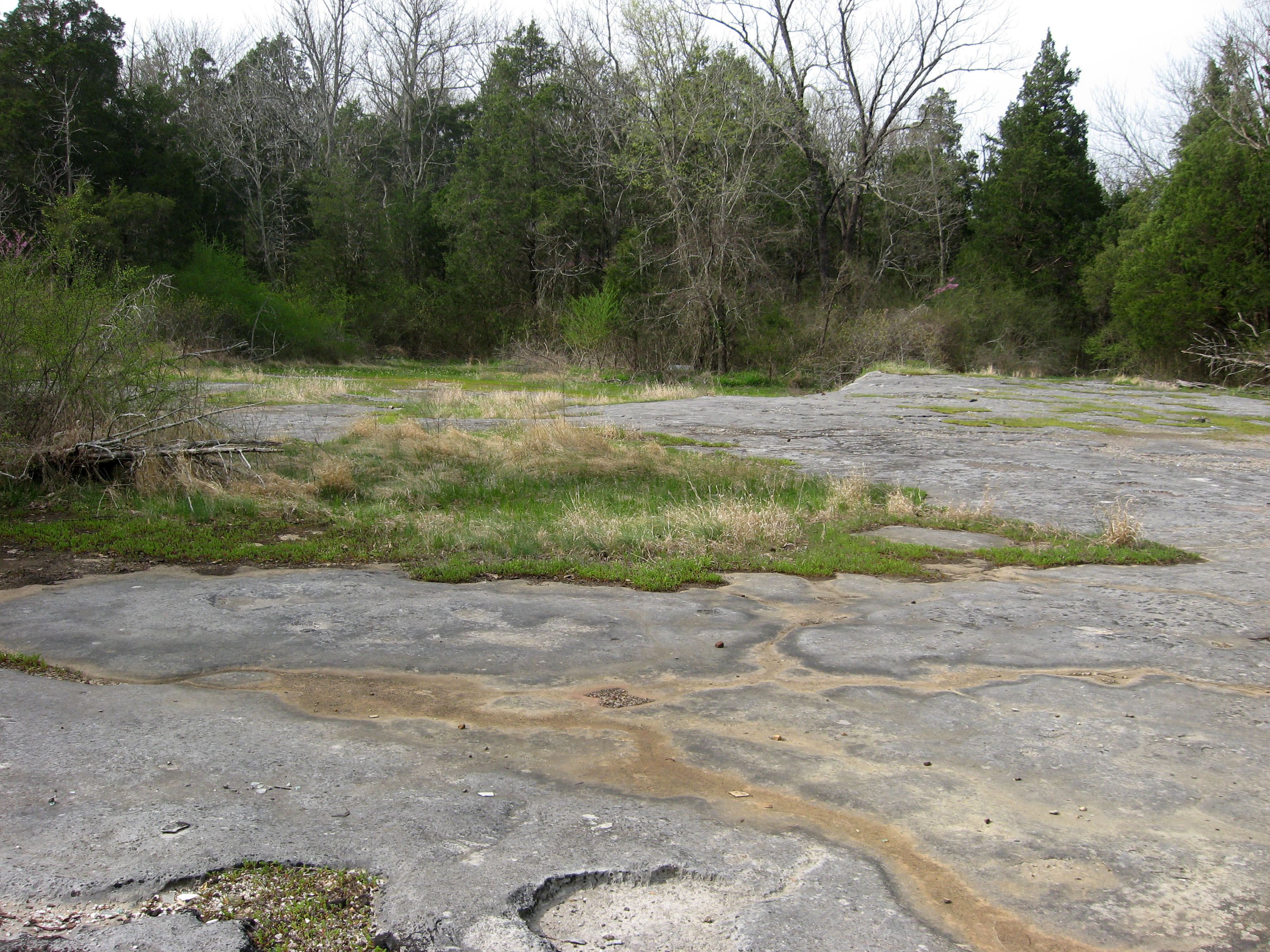
Glades, barrens and outcrops on mafic or serpentine rock
Open, thin-soil openings, outcrops and cliffs on dark, magnesium- or iron-rich rock such as serpentine, diabase or gabbro.
Forest or woodland where the source does not say how moist or dry.
Also found with this plant
Wildlife whose habitat models include habitats this plant grows in, in Virginia. Shared habitat, not food. 61 animals.
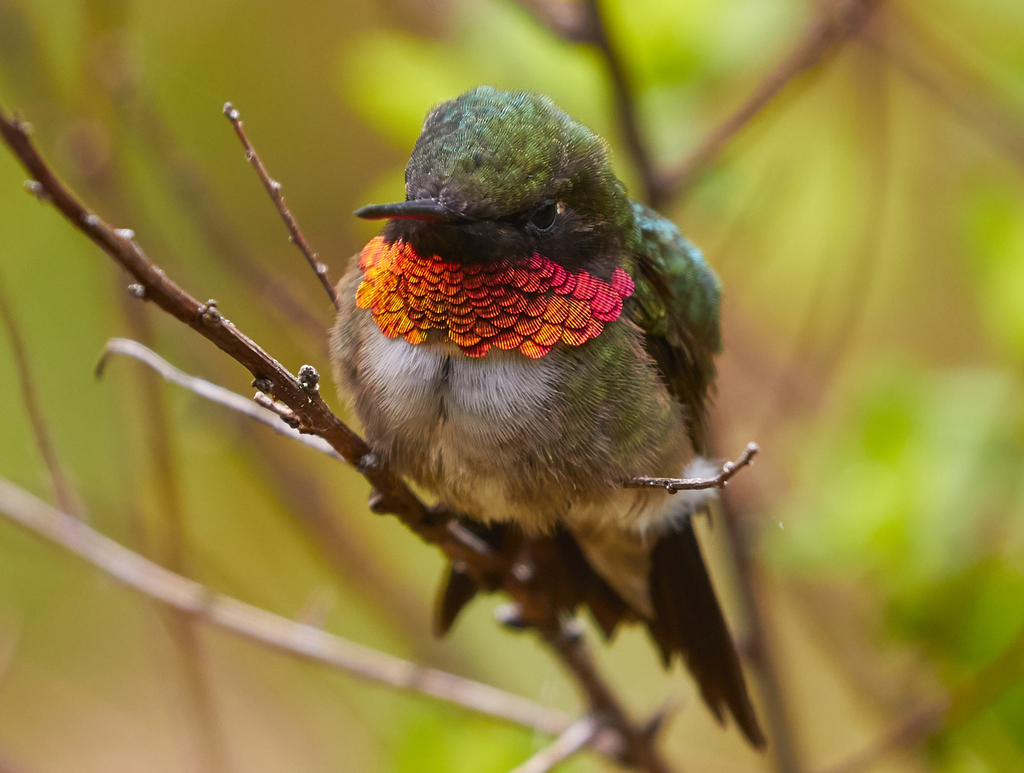
- Ruby-throated HummingbirdArchilochus colubris
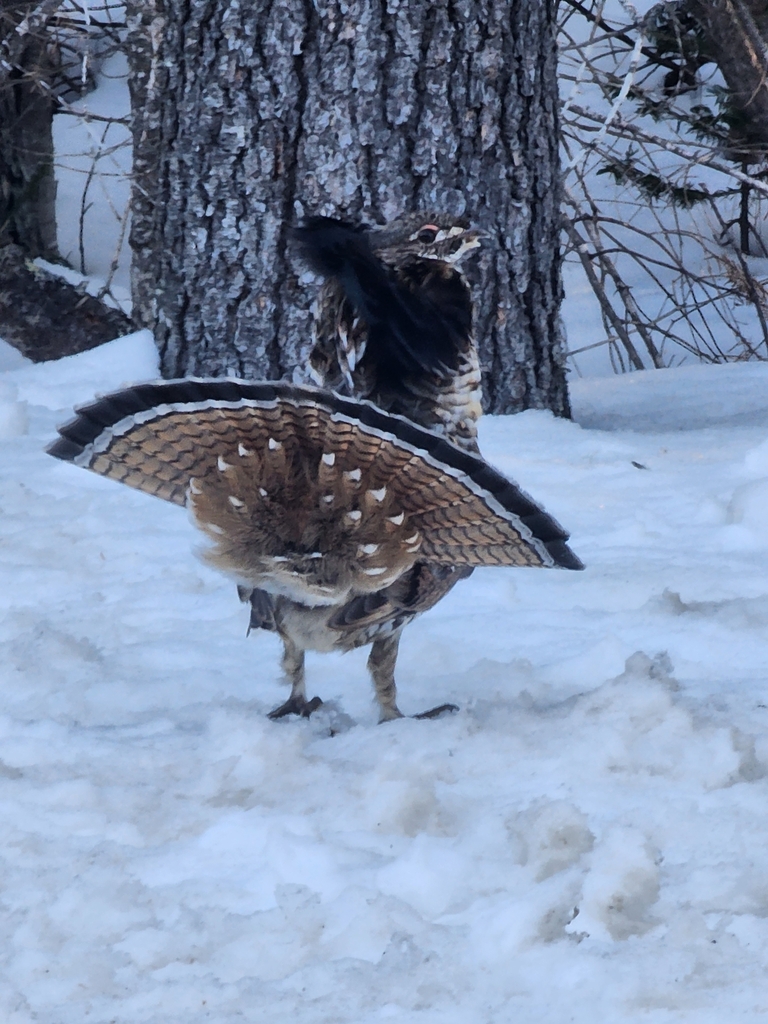
- Ruffed GrouseBonasa umbellus
- Sharp-shinned HawkAccipiter striatus
- Tufted TitmouseBaeolophus bicolor
- Turkey VultureCathartes aura
- White-breasted NuthatchSitta carolinensis
- White-eyed VireoVireo griseus
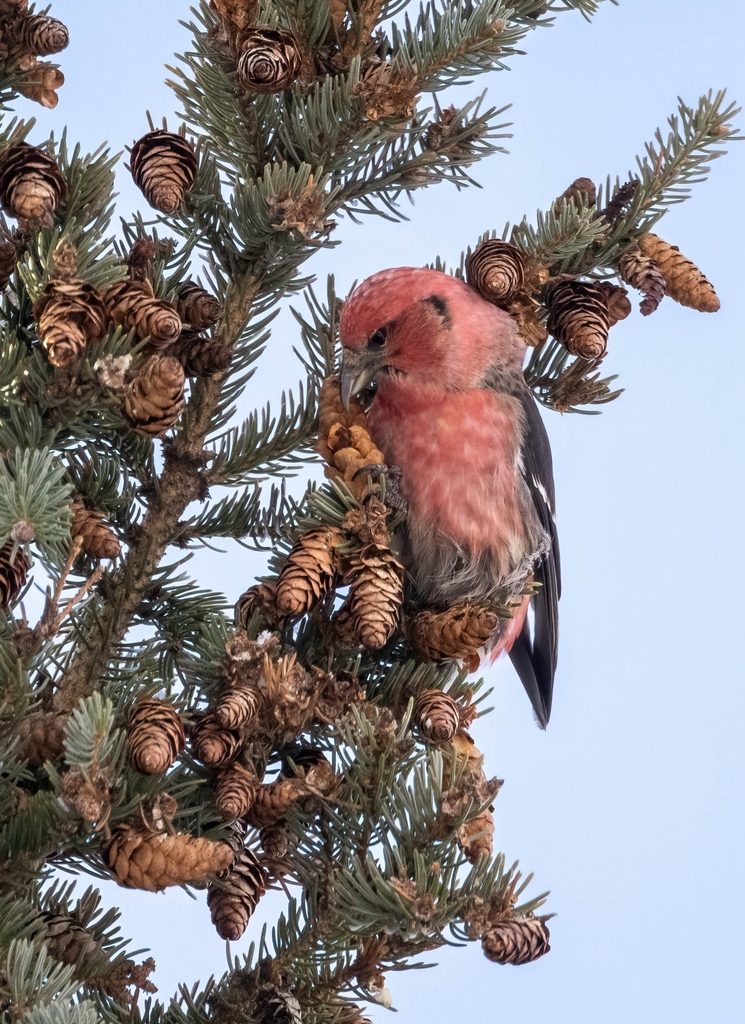
- White-winged CrossbillLoxia leucoptera
- Wild TurkeyMeleagris gallopavo
- Yellow-billed CuckooCoccyzus americanus
- Yellow-breasted ChatIcteria virens
- Yellow-rumped WarblerDendroica coronata
- Yellow-throated WarblerDendroica dominica











Who uses this plant?
 21CaterpillarsGenus host records with ranges including VA
Genus host records with ranges including VA · Parthenium
- Achyra rantalisGarden Webworm Moth
- Agrotis ipsilonIpsilon Dart, Black Cutworm, Greasy Cutworm
- Chlorochlamys chloroleucariaBlackberry Looper Moth
- Chrysodeixis includensSoybean Looper Moth
- Condica sutorThe Cobbler, Cobbler Groundling
- Cyclophora nanariaDwarf Tawny Wave
- Epiblema strenuanaRagweed Borer
- Estigmene acreaSalt Marsh Moth, Acrea Moth
- Heliothis phloxiphagaSpotted Straw Sun Moth, Darker Spotted Straw Moth
- Hellinsia inquinatusBlack-Marked Plume Moth
Show all 21
- Hyphantria cuneaFall Webworm
- Melanchra pictaPainted Arches, Zebra Caterpillar Moth
- Ogdoconta cinereolaCommon Pinkband Groundling
- Platynota flavedanaBlack-Shaded Platynota
- Platynota rostranaOmnivorous Platynota
- Platynota stultanaOmnivorous Leafroller
- Pleuroprucha insulsariaCommon Tan Wave
- Rachiplusia ouGray Looper
- Synchlora frondariaSouthern Emerald
- Vanessa carduiPainted Lady, Cosmopolite
- Carmenta ithacae
 11BeesSoutheastern regional records
Southeastern regional records · Parthenium
Individual names are not available yet.
Noori, Seltmann & Orr 2026, A curated and integrated dataset for exploring global bee-plant interactions (GloBI), Zenodo, CC BY 4.0 1Specialist beesPollen specialists
Pollen specialists · Parthenium
- Andrena gardineri
 —BirdsRecorded genus food-resource interactions; not a state feeding claim
No records yet · Ants · Beetles · Flies · Adult butterflies / moths · Other wasps · Other insects
Plant details
- Family
- Asteraceae
- Flower color
- White
Safety has not been reviewed for this plant; check toxicity and thorns before planting.
Growing sources and scope
- Bloom · “Mid May to August” · Weakley, Flora of the Southeastern United States (2025), Carolinas & Georgia edition · Carolinas and Georgia
- Flower color · “White” · Lady Bird Johnson Wildflower Center
- Height · “Up to about 3 feet” · Lady Bird Johnson Wildflower Center
- Life cycle · “Perennial” · Lady Bird Johnson Wildflower Center
- Light · “Partial shade; Full sun (documented habitat)” · Weakley, Flora of the Southeastern United States (2025), Carolinas & Georgia edition · Carolinas and Georgia
- primary_flower_color · “white” · Lady Bird Johnson Wildflower Center
- Soil · “Dry; Moist (documented habitat)” · Weakley, Flora of the Southeastern United States (2025), Carolinas & Georgia edition · Carolinas and Georgia
Also known as
Parthenium integrifolium var. auriculatum
Conservation status
| Virginia rank | S3S4 |
|---|---|
| Global rank | G3G4 |
| VA status | Not verified |
| Federal status | Not verified |
Will it fit your yard?
Check this plant against your county, sun and soil moisture. Conditions are checked in your browser.
Sources
- Digital Atlas of the Virginia Flora
- USDA PLANTS
- Vascular Plants of North Carolina (NC Natural Heritage Program)
- Weakley, Flora of the Southeastern United States (2025)
- NatureServe Explorer
- Shropshire & Tallamy 2025, Lepidoptera of North America north of Mexico, ZooKeys 1261 (ODbL)
- Noori, Seltmann & Orr 2026, A curated and integrated dataset for exploring global bee-plant interactions (GloBI), Zenodo, CC BY 4.0
- Smith, Bachelder, Russell, Morales, Mosher & Seltmann 2024, Bee-Specialization-Modeling v0.6.1 (specialist host table compiled from J. Fowler's pollen specialist bee lists), Zenodo, CC BY 4.0
- Hurlbert, Olsen, Sawyer & Winner 2021, Avian Diet Database, Scientific Data 8: 260 (CC0)
- Narango, Tallamy & Shropshire 2020, Few keystone plant genera support the majority of Lepidoptera species, Nature Communications