

Roundleaf Ragwort
Packera obovata
Found in nutrient rich forests and woodlands (dry or moist), usually over calcareous or mafic rocks. FloraQuest, phone app (app page) What its natural habitat tells you
Native to Virginia. How scores work Is it native here?
Profile 82%
- Height
- 1–1.5 feet
- Spread
- 6 inches–1 foot
- Light
- Part shade, Shade
- Soil moisture
- Usually moist
Space about 1 ft apart from its recorded spread, about 100 per 100 sq ft. Enter your bed size for a count
Will it fit your yard?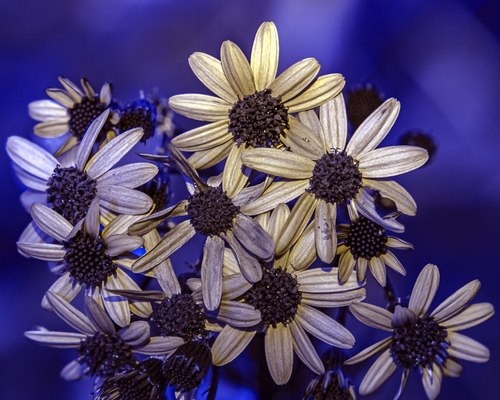
At a glance
- Life cycle
- Perennial
- Leaves
- Semi-evergreen or evergreen
Recorded in 58 Virginia counties.
Natural habitats
Places it grows wild. Not a planting requirement. Each habitat page lists the plants and wildlife also found there.
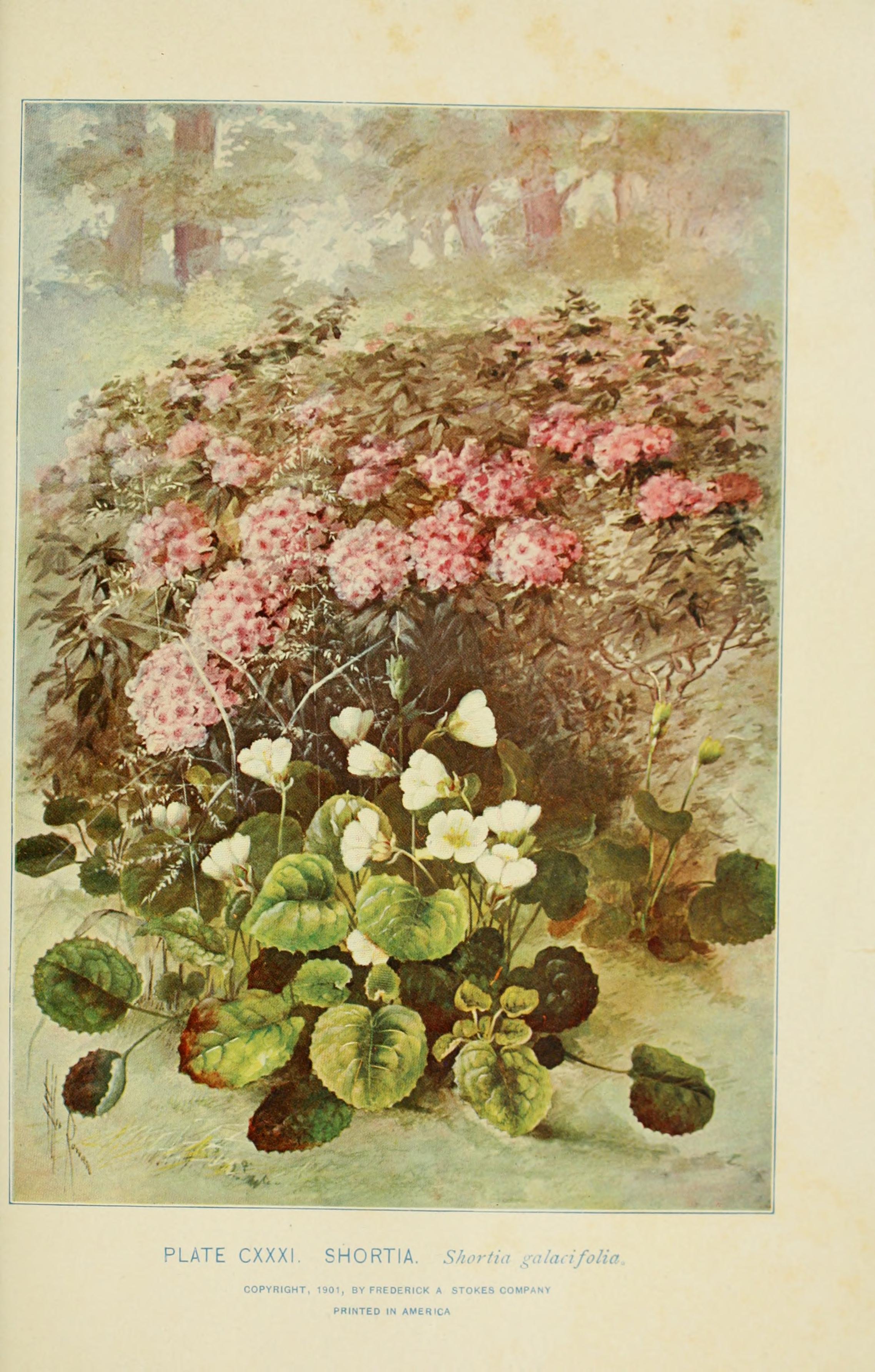
Forest or woodland where the source does not say how moist or dry.
Also found with this plant
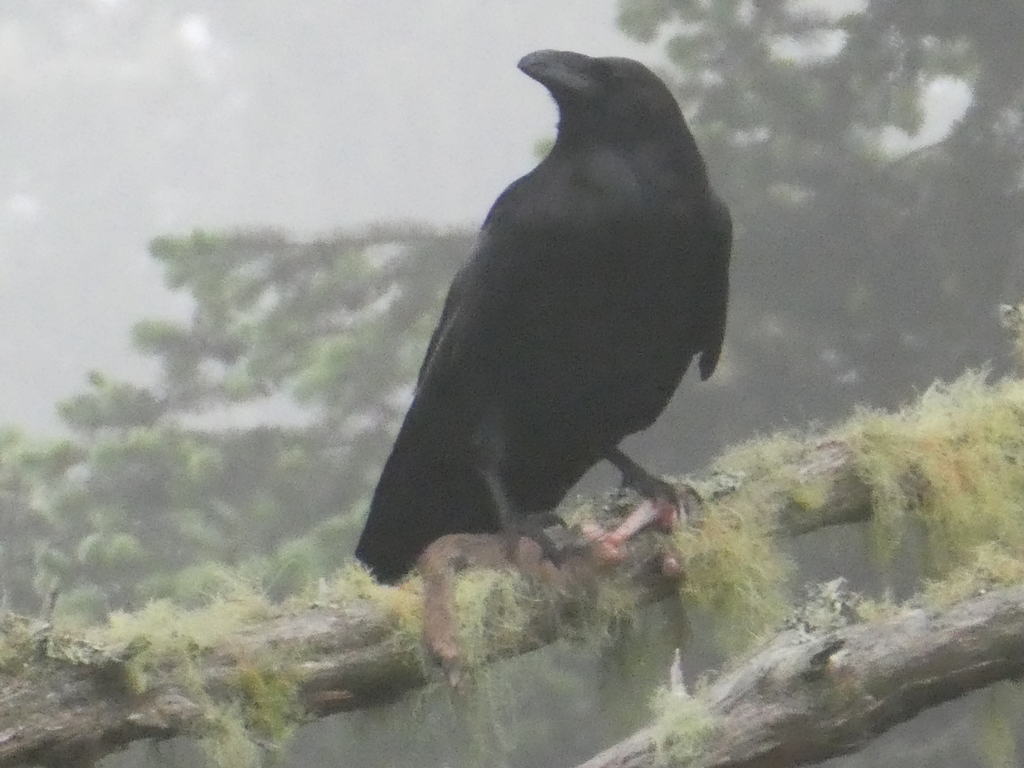
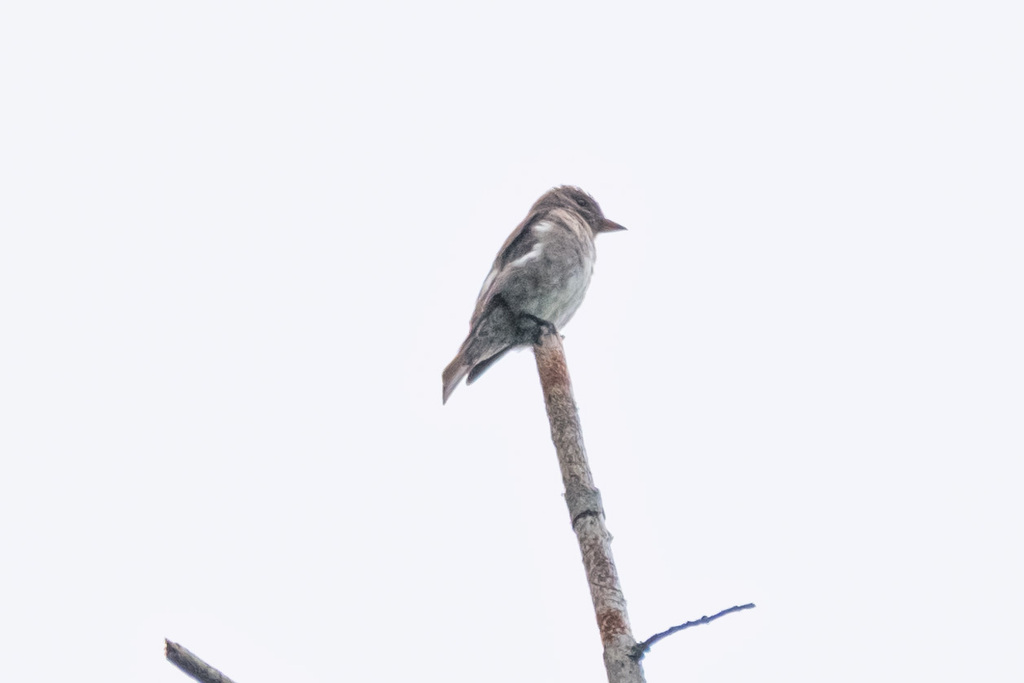
Wildlife whose habitat models include habitats this plant grows in, in Virginia. Shared habitat, not food. 119 animals.
- American CrowCorvus brachyrhynchos
- American KestrelFalco sparverius
- Bald EagleHaliaeetus leucocephalus
- Belted KingfisherMegaceryle alcyon
- Chimney SwiftChaetura pelagica
- Common NighthawkChordeiles minor
- Common RavenCorvus corax
- Dark-eyed JuncoJunco hyemalis
- Eastern BluebirdSialia sialis
- Eastern KingbirdTyrannus tyrannus
- European StarlingSturnus vulgaris
- Great Horned OwlBubo virginianus
- Mourning DoveZenaida macroura
- Olive-sided FlycatcherContopus cooperi
- Red-tailed HawkButeo jamaicensis
- Sharp-shinned HawkAccipiter striatus
- Turkey VultureCathartes aura
- Acadian FlycatcherEmpidonax virescens
- American GoldfinchCarduelis tristis
- American RobinTurdus migratorius
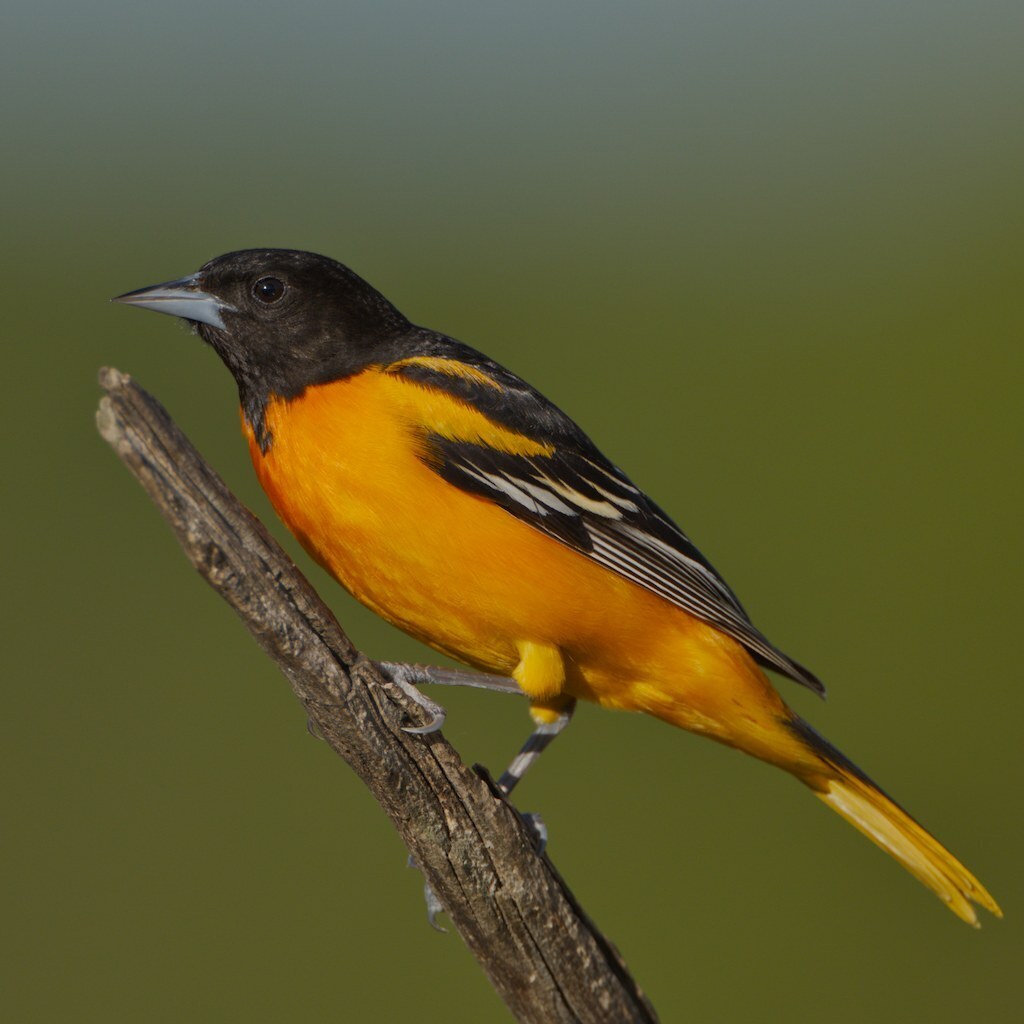
- Baltimore OrioleIcterus galbula
- Barred OwlStrix varia
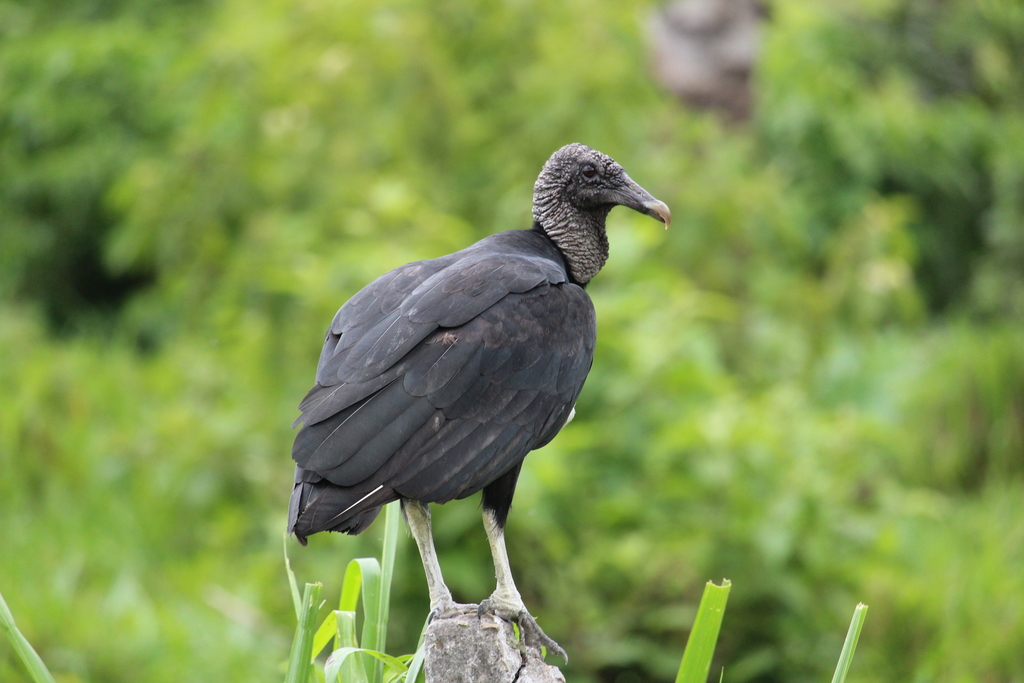
- Black VultureCoragyps atratus
- Black-and-White WarblerMniotilta varia




















Who uses this plant?
 21CaterpillarsGenus host records with ranges including VA
Genus host records with ranges including VA · Senecio
- Apantesis naisNais Tiger Moth
- Calephelis borealisLittle Metalmark
- Emmelina monodactylaMorning-Glory Plume Moth
- Estigmene acreaSalt Marsh Moth, Acrea Moth
- Hellinsia kellicottiiGoldenrod Borer Plume Moth
- Homoeosoma electellaSunflower Moth
- Lioptilodes albistriolatusMousy Plume Moth
- Orthonama obstipataThe Gem
- Palthis asopialisFaint-Spotted Palthis
- Papaipema insulidensRagwort Stem Borer
Show all 21
- Spodoptera frugiperdaFall Armyworm Moth
- Synchlora frondariaSouthern Emerald
- Trichoplusia niNi Moth, Cabbage Looper Moth
- Vanessa carduiPainted Lady, Cosmopolite
- Vanessa virginiensisAmerican Lady, American Painted Lady
- Xestia c-nigrumSpotted Cut-Worm, Setaceous Hebrew Character, Lesser Black-letter Dart
- Xestia dolosaGreater Black-Letter Dart, Greater Spotted Cutworm
- Adaina bipunctatus
- Agonopterix senicionella
- Hellinsia lacteodactylus
- Platphalonidia felix
 75BeesSoutheastern regional records
Southeastern regional records · Packera
Individual names are not available yet.
Noori, Seltmann & Orr 2026, A curated and integrated dataset for exploring global bee-plant interactions (GloBI), Zenodo, CC BY 4.0 4Specialist beesPollen specialists
Pollen specialists · Senecio
- Andrena gardineri
- Andrena senticulosa
- Osmia coloradensis
- Perdita octomaculata
 4BirdsRecorded genus food-resource interactions; not a state feeding claim
Recorded genus food-resource interactions; not a state feeding claim · Senecio
- Haemorhous mexicanusHouse Finch
- Spinus psaltriaLesser Goldfinch
- Spinus tristisAmerican Goldfinch
- Tympanuchus pallidicinctusLesser Prairie-Chicken
Direct food only: birds recorded eating this genus across North America. Caterpillars on host plants also feed nesting birds. NC Native Plant Society: butterfly gardening
No records yet · Ants · Beetles · Flies · Adult butterflies / moths · Other wasps · Other insects
Plant details
- Family
- Asteraceae
- Hardiness
- Zones 3–8
- Flower color
- Yellow
Safety has not been reviewed for this plant; check toxicity and thorns before planting.
Growing sources and scope
- Flower color · “Yellow” · Lady Bird Johnson Wildflower Center
- Hardiness · “Zones 3–8” · Missouri Botanical Garden Plant Finder
- Height · “1–1.5 feet” · Missouri Botanical Garden Plant Finder
- Leaves · “Semi-evergreen or evergreen” · Lady Bird Johnson Wildflower Center
- Life cycle · “Perennial” · Lady Bird Johnson Wildflower Center
- Light · “Part shade; Shade” · Lady Bird Johnson Wildflower Center (ranked first; Missouri Botanical Garden Plant Finder differs)
- primary_flower_color · “yellow” · Lady Bird Johnson Wildflower Center
- Soil · “Moist” · Lady Bird Johnson Wildflower Center (ranked first; Missouri Botanical Garden Plant Finder differs)
- Spread · “6 inches–1 foot” · Missouri Botanical Garden Plant Finder
Also known as
Senecio obovatus; groundsel
Conservation status
| Virginia rank | S5 |
|---|---|
| Global rank | G5 |
| VA status | Not verified |
| Federal status | Not verified |
Will it fit your yard?
Check this plant against your county, sun and soil moisture. Conditions are checked in your browser.
Sources
- Digital Atlas of the Virginia Flora
- USDA PLANTS
- Vascular Plants of North Carolina (NC Natural Heritage Program)
- NatureServe Explorer
- Shropshire & Tallamy 2025, Lepidoptera of North America north of Mexico, ZooKeys 1261 (ODbL)
- Noori, Seltmann & Orr 2026, A curated and integrated dataset for exploring global bee-plant interactions (GloBI), Zenodo, CC BY 4.0
- Smith, Bachelder, Russell, Morales, Mosher & Seltmann 2024, Bee-Specialization-Modeling v0.6.1 (specialist host table compiled from J. Fowler's pollen specialist bee lists), Zenodo, CC BY 4.0
- Hurlbert, Olsen, Sawyer & Winner 2021, Avian Diet Database, Scientific Data 8: 260 (CC0)
- Narango, Tallamy & Shropshire 2020, Few keystone plant genera support the majority of Lepidoptera species, Nature Communications