

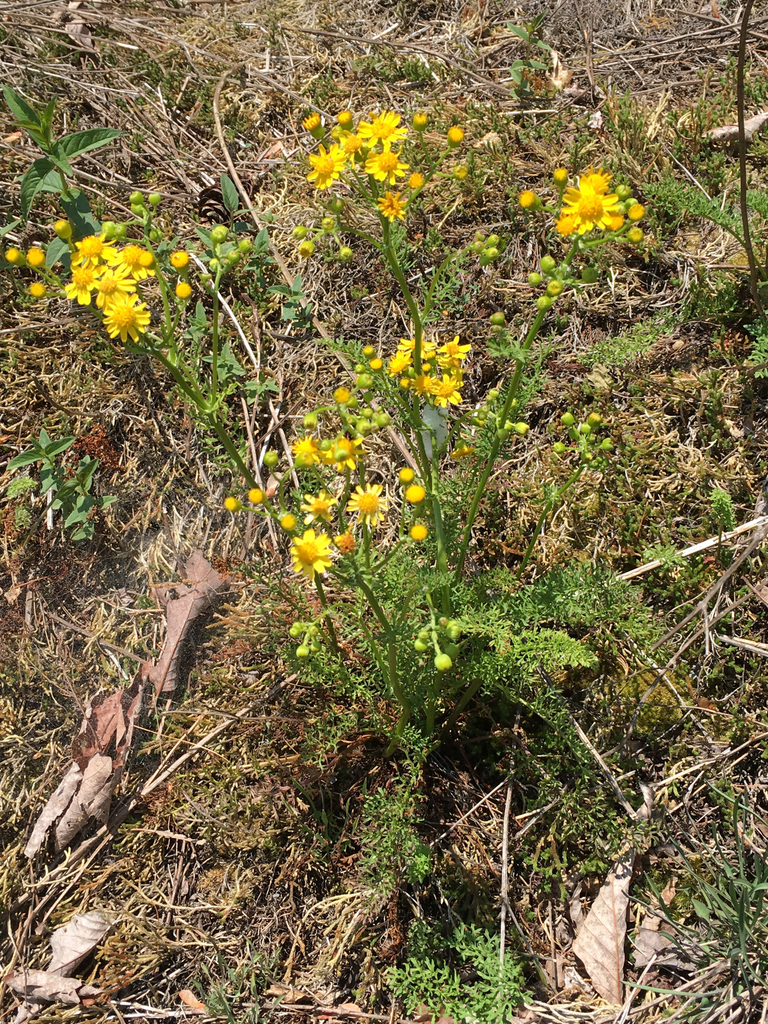
Blue Ridge Ragwort
Packera millefolium
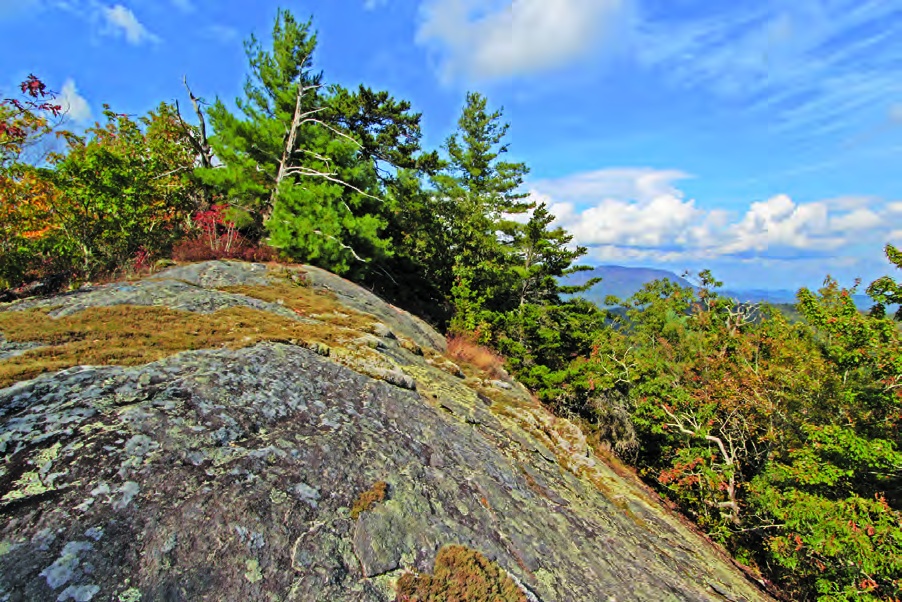
Found in granitic domes, cliffs, and rocky woodlands, over granite, gneiss, schist, and amphibolite, and (in sw. VA) in calcareous glades and woodlands. Weakley, Flora of the Southeastern United States (2025), Northern Tier edition What its natural habitat tells you
Native to Virginia. How scores work Is it native here?
Profile 94%
- Height
- Up to about 2 feet
- Light
- Partial shade, Full sun
- Soil moisture
- Dry
Rare or protected plant. Specialist conservation planting; excluded from routine garden suggestions. Plant caution source
Hidden from default planting suggestions. Wildlife value and native status remain unchanged.
At a glance
- Life cycle
- Perennial
- Bloom
- April and June
Not yet recorded · Spread · Leaves
Recorded in 2 Virginia counties.
Natural habitats
Places it grows wild. Not a planting requirement. Each habitat page lists the plants and wildlife also found there.
Cliffs, ledges and rocky summits
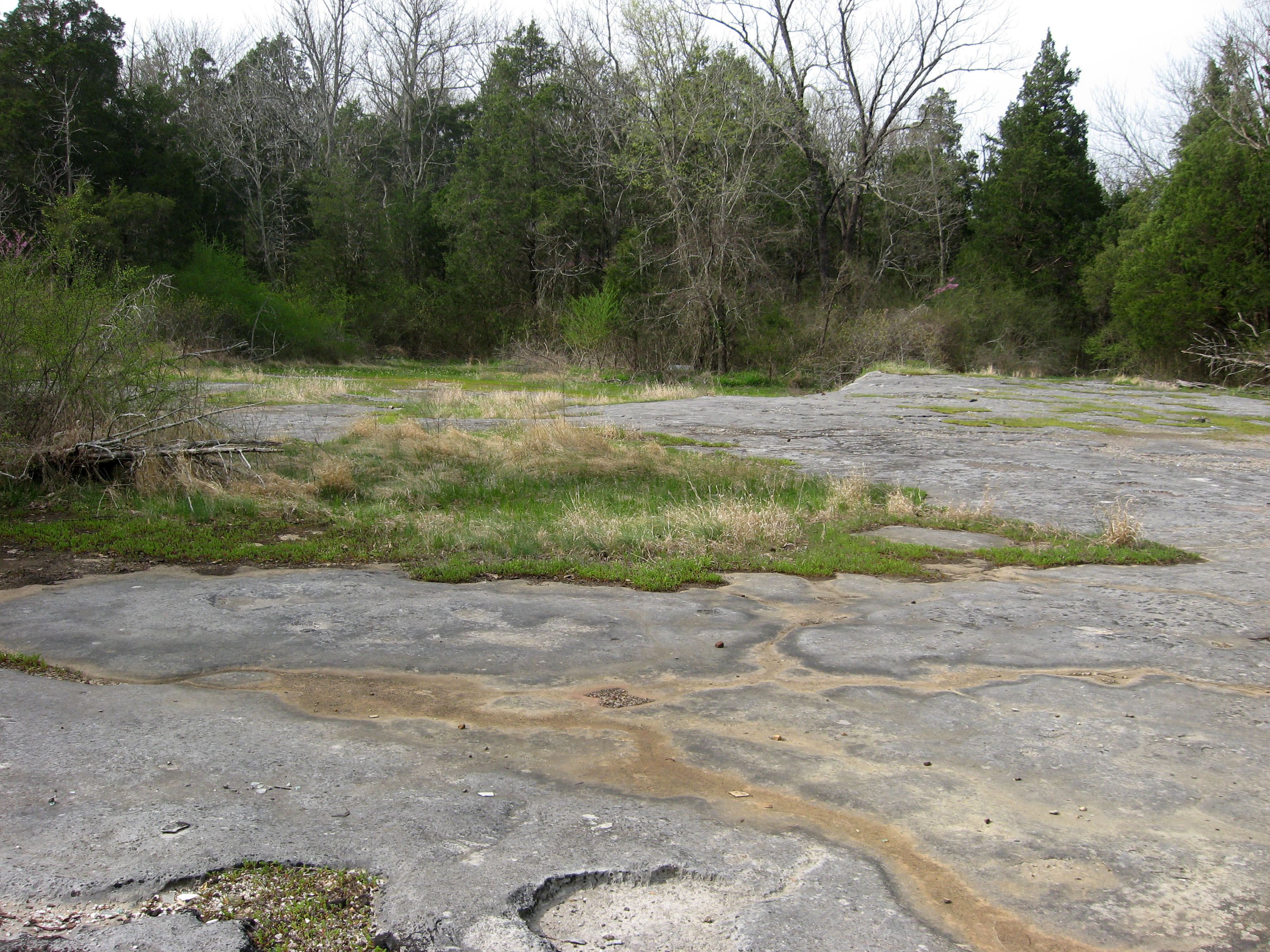
Glades, barrens and outcrops on limestone
Forest or woodland where the source does not say how moist or dry.
Granite and other acidic rock outcrops
Bare or thin-soil rock on granite, gneiss, sandstone, quartzite and similar acidic rock, including granite flatrocks and domes.
Glades, barrens and outcrops on mafic or serpentine rock
Open, thin-soil openings, outcrops and cliffs on dark, magnesium- or iron-rich rock such as serpentine, diabase or gabbro.
Also found with this plant
Wildlife whose habitat models include habitats this plant grows in, in Virginia. Shared habitat, not food. 106 animals.
- Eurasian Collared-doveStreptopelia decaocto
- European StarlingSturnus vulgaris
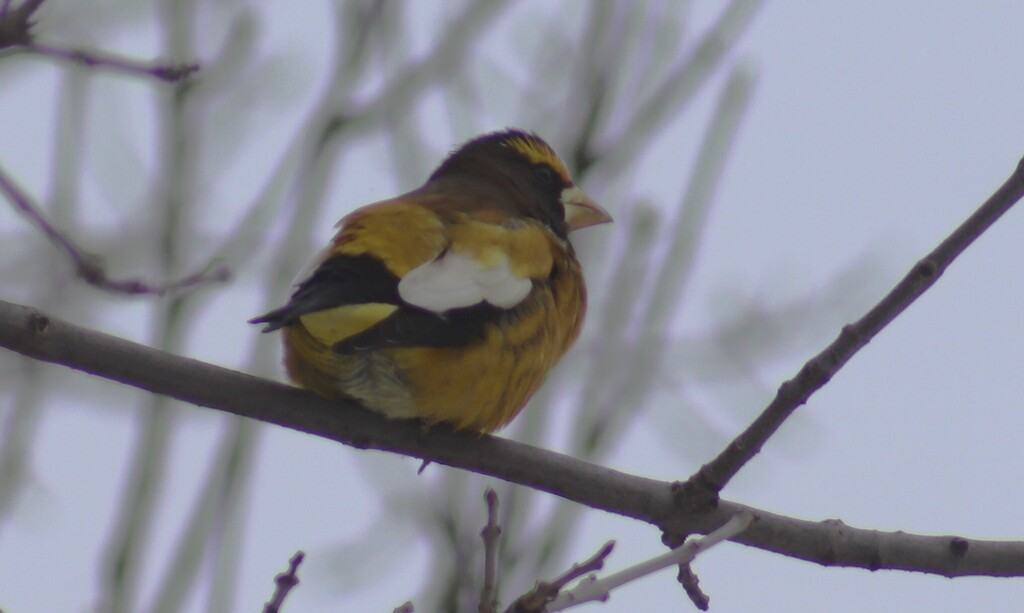
- Evening GrosbeakCoccothraustes vespertinus
- Golden-crowned KingletRegulus satrapa
- Great Crested FlycatcherMyiarchus crinitus
- Great Horned OwlBubo virginianus
- Hairy WoodpeckerPicoides villosus
- Hooded MerganserLophodytes cucullatus
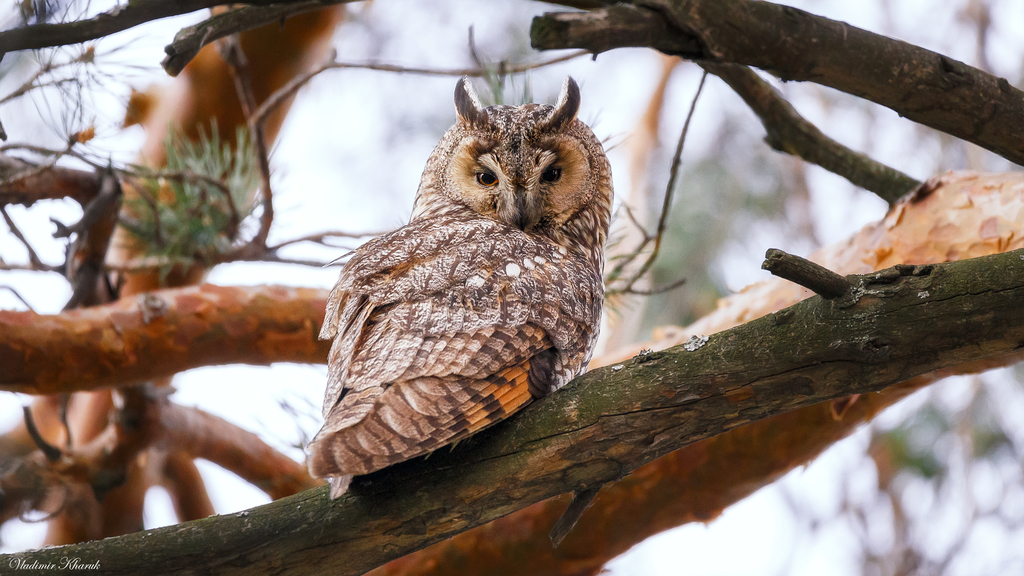
- Long-eared OwlAsio otus
- Mourning DoveZenaida macroura
- Northern BobwhiteColinus virginianus
- Northern CardinalCardinalis cardinalis
- Northern FlickerColaptes auratus
- Northern MockingbirdMimus polyglottos
- Northern Saw-whet OwlAegolius acadicus
- Olive-sided FlycatcherContopus cooperi
- Orange-crowned WarblerVermivora celata
- OspreyPandion haliaetus
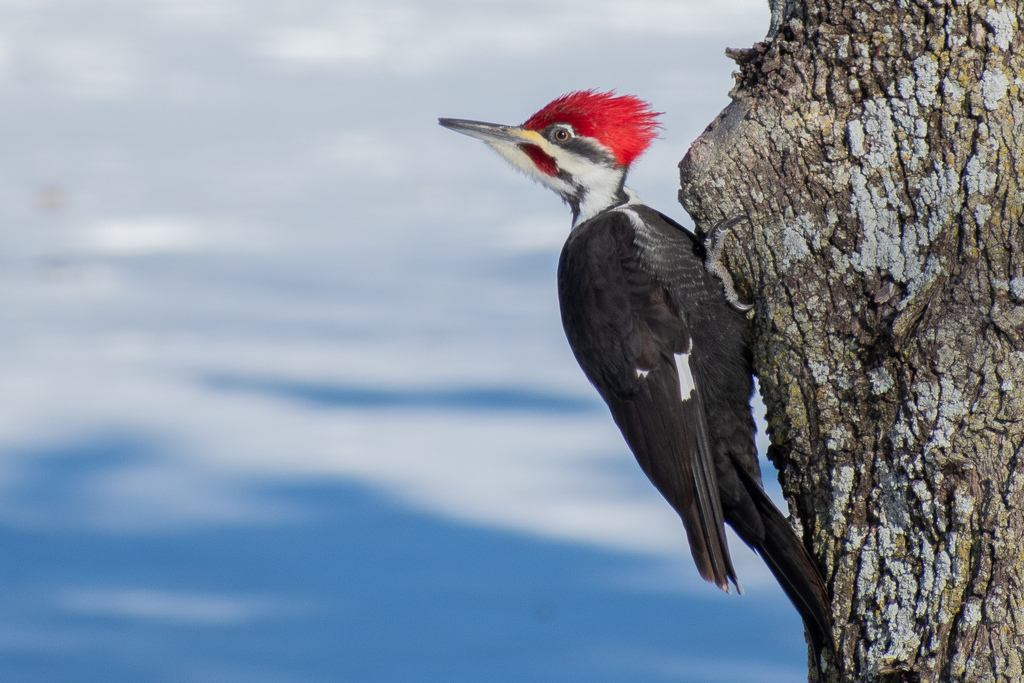
- Pileated WoodpeckerDryocopus pileatus
- Pine SiskinCarduelis pinus
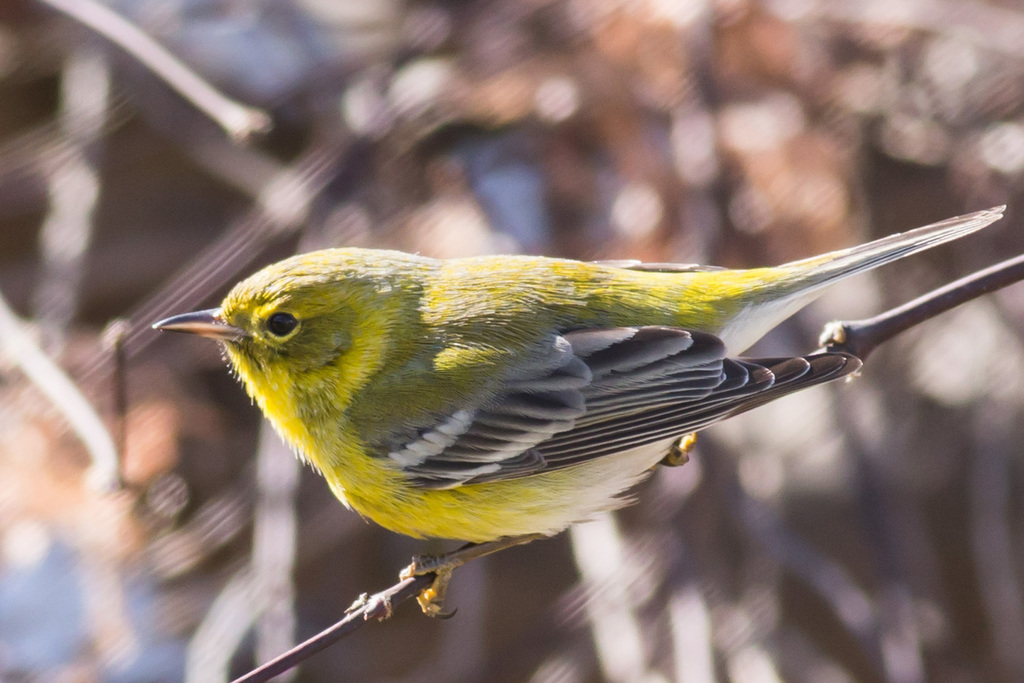
- Pine WarblerDendroica pinus
- Purple FinchCarpodacus purpureus
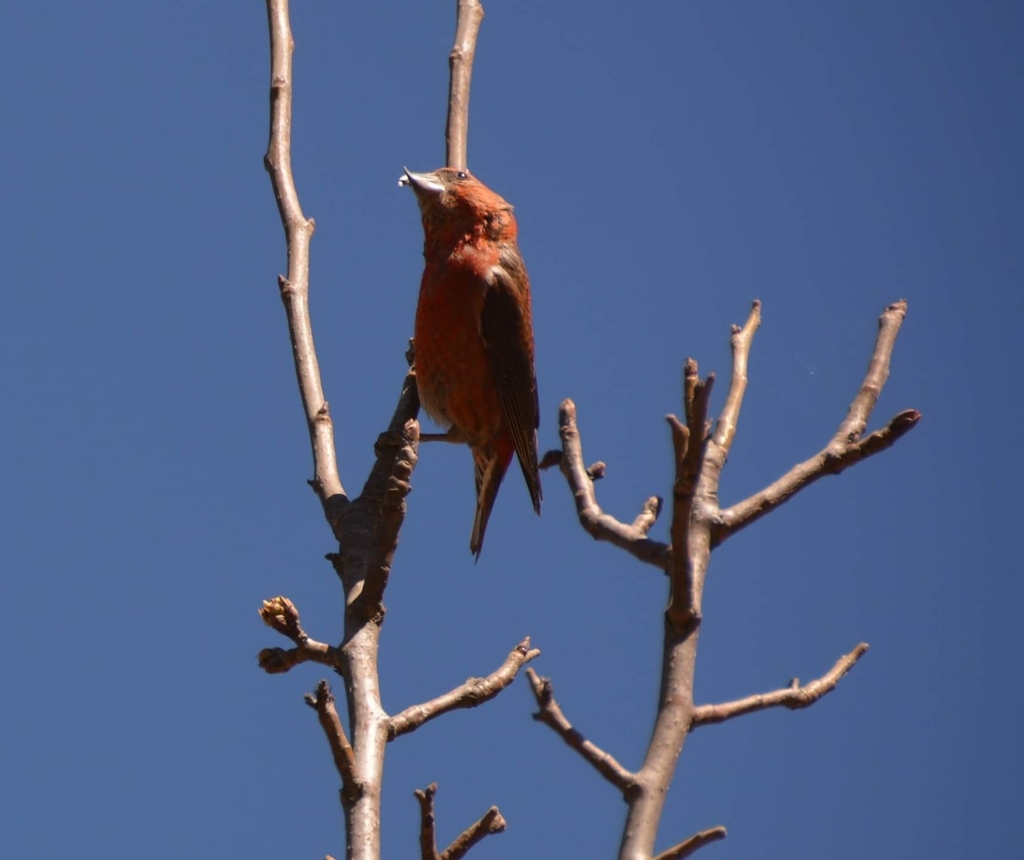
- Red CrossbillLoxia curvirostra
- Red-bellied WoodpeckerMelanerpes carolinus



















Who uses this plant?
 21CaterpillarsGenus host records with ranges including VA
Genus host records with ranges including VA · Senecio
- Apantesis naisNais Tiger Moth
- Calephelis borealisLittle Metalmark
- Emmelina monodactylaMorning-Glory Plume Moth
- Estigmene acreaSalt Marsh Moth, Acrea Moth
- Hellinsia kellicottiiGoldenrod Borer Plume Moth
- Homoeosoma electellaSunflower Moth
- Lioptilodes albistriolatusMousy Plume Moth
- Orthonama obstipataThe Gem
- Palthis asopialisFaint-Spotted Palthis
- Papaipema insulidensRagwort Stem Borer
Show all 21
- Spodoptera frugiperdaFall Armyworm Moth
- Synchlora frondariaSouthern Emerald
- Trichoplusia niNi Moth, Cabbage Looper Moth
- Vanessa carduiPainted Lady, Cosmopolite
- Vanessa virginiensisAmerican Lady, American Painted Lady
- Xestia c-nigrumSpotted Cut-Worm, Setaceous Hebrew Character, Lesser Black-letter Dart
- Xestia dolosaGreater Black-Letter Dart, Greater Spotted Cutworm
- Adaina bipunctatus
- Agonopterix senicionella
- Hellinsia lacteodactylus
- Platphalonidia felix
 75BeesSoutheastern regional records
Southeastern regional records · Packera
Individual names are not available yet.
Noori, Seltmann & Orr 2026, A curated and integrated dataset for exploring global bee-plant interactions (GloBI), Zenodo, CC BY 4.0 4Specialist beesPollen specialists
Pollen specialists · Senecio
- Andrena gardineri
- Andrena senticulosa
- Osmia coloradensis
- Perdita octomaculata
 4BirdsRecorded genus food-resource interactions; not a state feeding claim
Recorded genus food-resource interactions; not a state feeding claim · Senecio
- Haemorhous mexicanusHouse Finch
- Spinus psaltriaLesser Goldfinch
- Spinus tristisAmerican Goldfinch
- Tympanuchus pallidicinctusLesser Prairie-Chicken
Direct food only: birds recorded eating this genus across North America. Caterpillars on host plants also feed nesting birds. NC Native Plant Society: butterfly gardening
No records yet · Ants · Beetles · Flies · Adult butterflies / moths · Other wasps · Other insects
Plant details
- Family
- Asteraceae
- Flower color
- Orange or yellow
Growing sources and scope
- Bloom · “Late April to early June” · Weakley, Flora of the Southeastern United States (2025), Carolinas & Georgia edition · Carolinas and Georgia
- Flower color · “Orange or yellow” · Lady Bird Johnson Wildflower Center
- Height · “Up to about 2 feet” · Lady Bird Johnson Wildflower Center
- Life cycle · “Perennial” · Lady Bird Johnson Wildflower Center
- Light · “Partial shade; Full sun (documented habitat)” · Weakley, Flora of the Southeastern United States (2025), Carolinas & Georgia edition · Carolinas and Georgia
- Soil · “Dry (documented habitat)” · Weakley, Flora of the Southeastern United States (2025), Carolinas & Georgia edition · Carolinas and Georgia
Also known as
Senecio millefolium; groundsel
Conservation status
| Virginia rank | S2 |
|---|---|
| Global rank | G3 |
| VA status | Not verified |
| Federal status | Not verified |
Will it fit your yard?
Check this plant against your county, sun and soil moisture. Conditions are checked in your browser.
Sources
- Virginia DCR Natural Heritage rare plant list
- Digital Atlas of the Virginia Flora
- USDA PLANTS
- Vascular Plants of North Carolina (NC Natural Heritage Program)
- Weakley, Flora of the Southeastern United States (2025), Carolinas & Georgia edition
- NatureServe Explorer
- Shropshire & Tallamy 2025, Lepidoptera of North America north of Mexico, ZooKeys 1261 (ODbL)
- Noori, Seltmann & Orr 2026, A curated and integrated dataset for exploring global bee-plant interactions (GloBI), Zenodo, CC BY 4.0
- Smith, Bachelder, Russell, Morales, Mosher & Seltmann 2024, Bee-Specialization-Modeling v0.6.1 (specialist host table compiled from J. Fowler's pollen specialist bee lists), Zenodo, CC BY 4.0
- Hurlbert, Olsen, Sawyer & Winner 2021, Avian Diet Database, Scientific Data 8: 260 (CC0)
- Narango, Tallamy & Shropshire 2020, Few keystone plant genera support the majority of Lepidoptera species, Nature Communications