

Shale-barren Ragwort
Packera antennariifolia
Found in shale barrens and shale woodlands. Weakley, Flora of the Southeastern United States (2025), Northern Tier edition What its natural habitat tells you
Native to Virginia. How scores work Is it native here?
Profile 24%
Will it fit your yard?No photograph yet. Looking for an old drawing…
At a glance
Not yet recorded · Height · Spread · Light · Soil · Life cycle · Leaves · Bloom
This plant is missing most of its facts, so Quercus is looking them up in old botany books.
Recorded in 15 Virginia counties.
Natural habitats
Places it grows wild. Not a planting requirement. Each habitat page lists the plants and wildlife also found there.
Steep, sun-baked slopes of loose shale with sparse oaks and Virginia pine and their own endemic wildflowers. Linked only where the source names shale barrens; calcareous shale stays with the limestone glades.
Forest or woodland where the source does not say how moist or dry.
Also found with this plant
Wildlife whose habitat models include habitats this plant grows in, in Virginia. Shared habitat, not food. 53 animals.
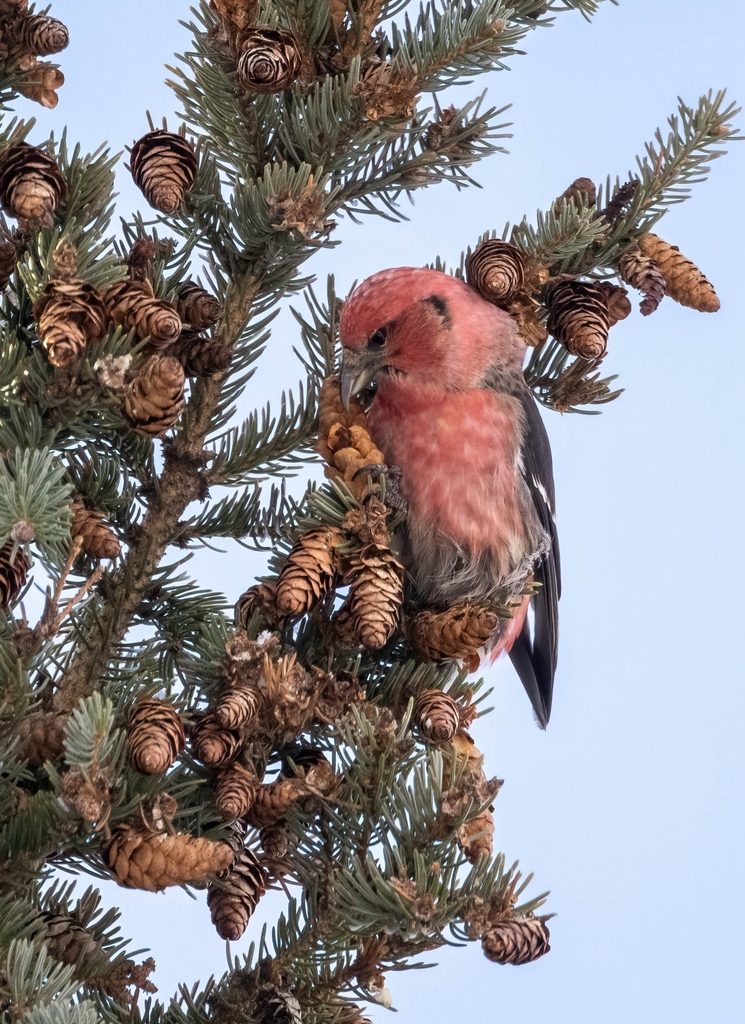
- White-winged CrossbillLoxia leucoptera
- Wild TurkeyMeleagris gallopavo
- Yellow-billed CuckooCoccyzus americanus
- Yellow-breasted ChatIcteria virens
- Yellow-rumped WarblerDendroica coronata




Who uses this plant?
 21CaterpillarsGenus host records with ranges including VA
Genus host records with ranges including VA · Senecio
- Apantesis naisNais Tiger Moth
- Calephelis borealisLittle Metalmark
- Emmelina monodactylaMorning-Glory Plume Moth
- Estigmene acreaSalt Marsh Moth, Acrea Moth
- Hellinsia kellicottiiGoldenrod Borer Plume Moth
- Homoeosoma electellaSunflower Moth
- Lioptilodes albistriolatusMousy Plume Moth
- Orthonama obstipataThe Gem
- Palthis asopialisFaint-Spotted Palthis
- Papaipema insulidensRagwort Stem Borer
Show all 21
- Spodoptera frugiperdaFall Armyworm Moth
- Synchlora frondariaSouthern Emerald
- Trichoplusia niNi Moth, Cabbage Looper Moth
- Vanessa carduiPainted Lady, Cosmopolite
- Vanessa virginiensisAmerican Lady, American Painted Lady
- Xestia c-nigrumSpotted Cut-Worm, Setaceous Hebrew Character, Lesser Black-letter Dart
- Xestia dolosaGreater Black-Letter Dart, Greater Spotted Cutworm
- Adaina bipunctatus
- Agonopterix senicionella
- Hellinsia lacteodactylus
- Platphalonidia felix
 75BeesSoutheastern regional records
Southeastern regional records · Packera
Individual names are not available yet.
Noori, Seltmann & Orr 2026, A curated and integrated dataset for exploring global bee-plant interactions (GloBI), Zenodo, CC BY 4.0 4Specialist beesPollen specialists
Pollen specialists · Senecio
- Andrena gardineri
- Andrena senticulosa
- Osmia coloradensis
- Perdita octomaculata
 4BirdsRecorded genus food-resource interactions; not a state feeding claim
Recorded genus food-resource interactions; not a state feeding claim · Senecio
- Haemorhous mexicanusHouse Finch
- Spinus psaltriaLesser Goldfinch
- Spinus tristisAmerican Goldfinch
- Tympanuchus pallidicinctusLesser Prairie-Chicken
Direct food only: birds recorded eating this genus across North America. Caterpillars on host plants also feed nesting birds. NC Native Plant Society: butterfly gardening
No records yet · Ants · Beetles · Flies · Adult butterflies / moths · Other wasps · Other insects
Plant details
- Family
- Family not recorded
Safety has not been reviewed for this plant; check toxicity and thorns before planting.
Conservation status
| Virginia rank | S3 |
|---|---|
| Global rank | Not available |
| VA status | Not verified |
| Federal status | Not verified |
Will it fit your yard?
Check this plant against your county, sun and soil moisture. Conditions are checked in your browser.
Sources
- Virginia DCR Natural Heritage rare plant list
- Digital Atlas of the Virginia Flora
- Weakley, Flora of the Southeastern United States (2025), Northern Tier edition
- NatureServe Explorer
- Shropshire & Tallamy 2025, Lepidoptera of North America north of Mexico, ZooKeys 1261 (ODbL)
- Noori, Seltmann & Orr 2026, A curated and integrated dataset for exploring global bee-plant interactions (GloBI), Zenodo, CC BY 4.0
- Smith, Bachelder, Russell, Morales, Mosher & Seltmann 2024, Bee-Specialization-Modeling v0.6.1 (specialist host table compiled from J. Fowler's pollen specialist bee lists), Zenodo, CC BY 4.0
- Hurlbert, Olsen, Sawyer & Winner 2021, Avian Diet Database, Scientific Data 8: 260 (CC0)
- Narango, Tallamy & Shropshire 2020, Few keystone plant genera support the majority of Lepidoptera species, Nature Communications