

Heavenly Bamboo
Nandina domestica
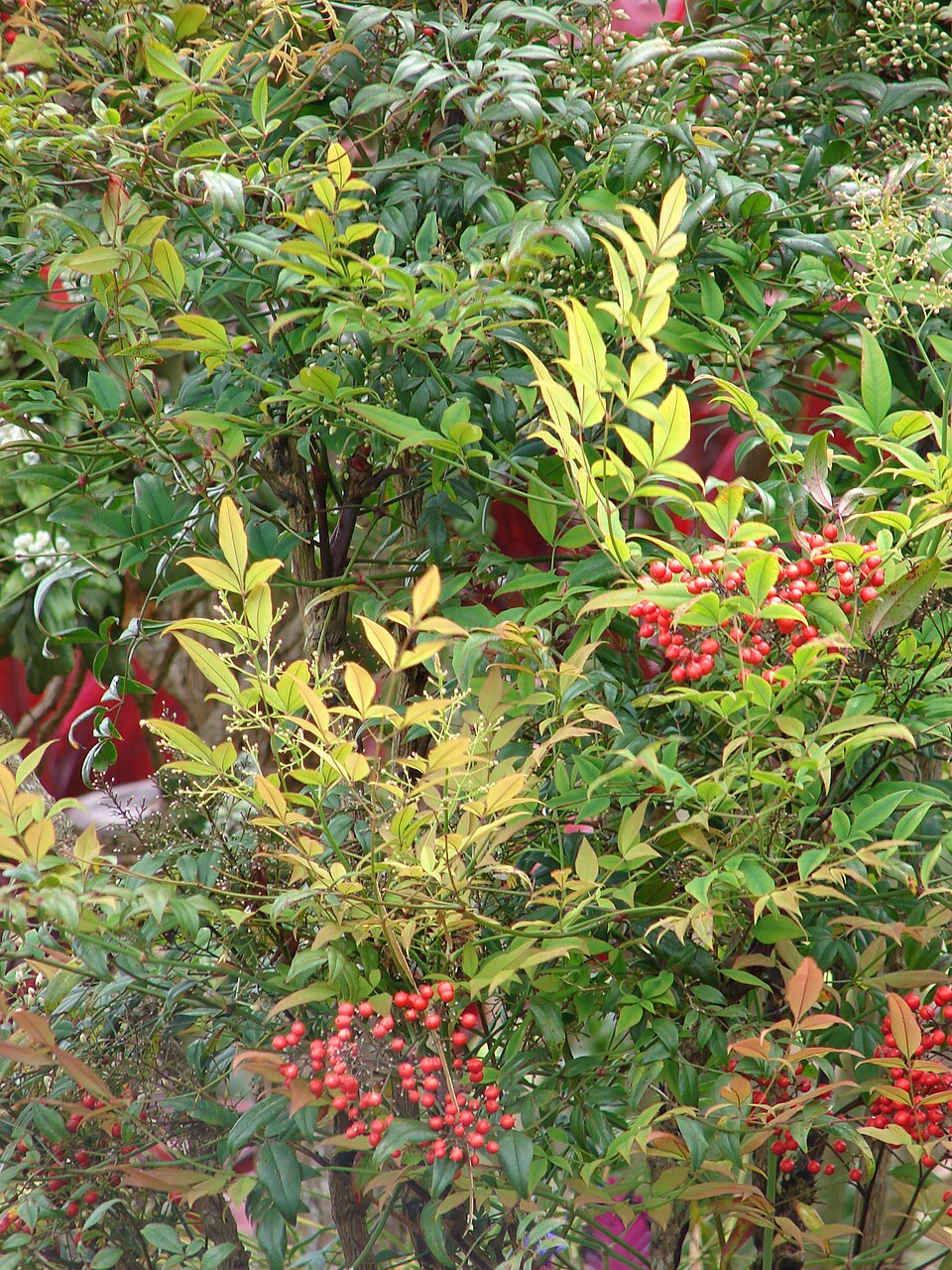
An invasive, cane-forming shrub with finely divided leaves and persistent red fruit. Found in forests and woodlands in suburban areas, commonly planted, increasingly escaping and naturalizing. Weakley, Flora of the Southeastern United States (2025), Northern Tier edition What its natural habitat tells you
Not native to Virginia. Not suggested for planting. How scores work Is it native here?
Profile 82%
- Height
- 3–8 feet
- Spread
- 2–5 feet
- Light
- Dappled sunlight, Full sun, Partial shade
- Soil moisture
- Usually moist
Do not plant. Listed invasive in Virginia.
Poisonous if eaten. Berries and foliage are toxic; the fruit can harm birds. Plant caution source
Hidden from default planting suggestions. Wildlife value and native status remain unchanged.
Plant this instead
Choose your county to list local plants first.
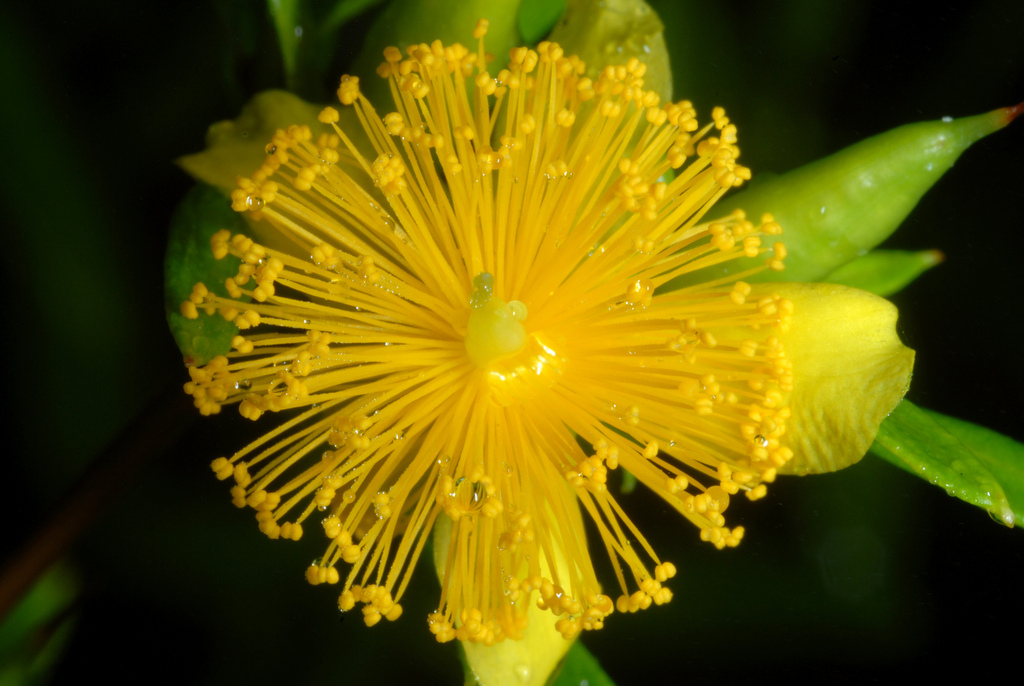
- Shrubby St. John's-wortHypericum prolificum
Published recommendation: Tennessee Invasive Plant Council (TN-IPC)
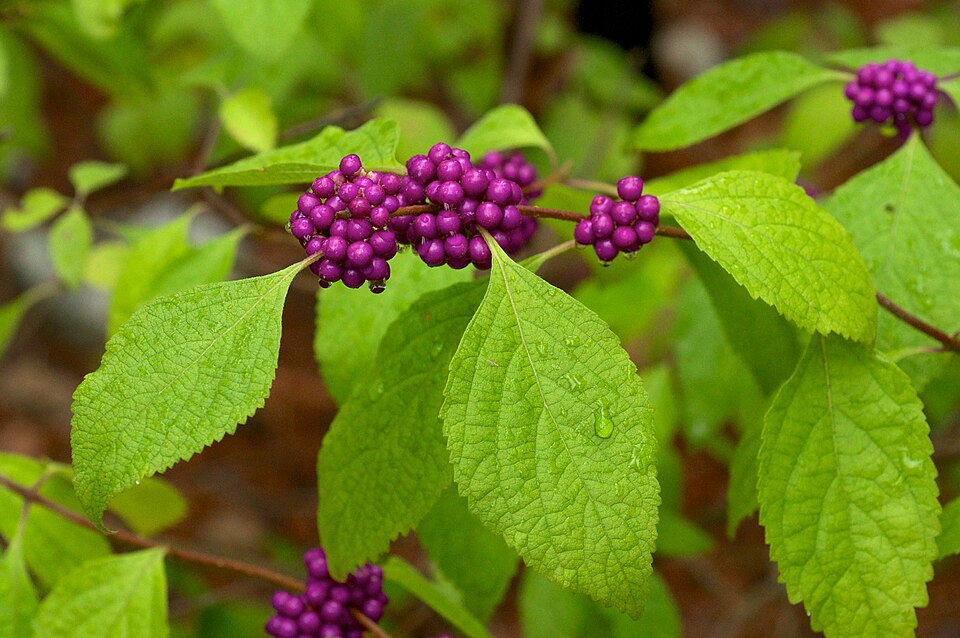
- American BeautyberryCallicarpa americana
Published recommendation: South Carolina Native Plant Society, Lowcountry Chapter
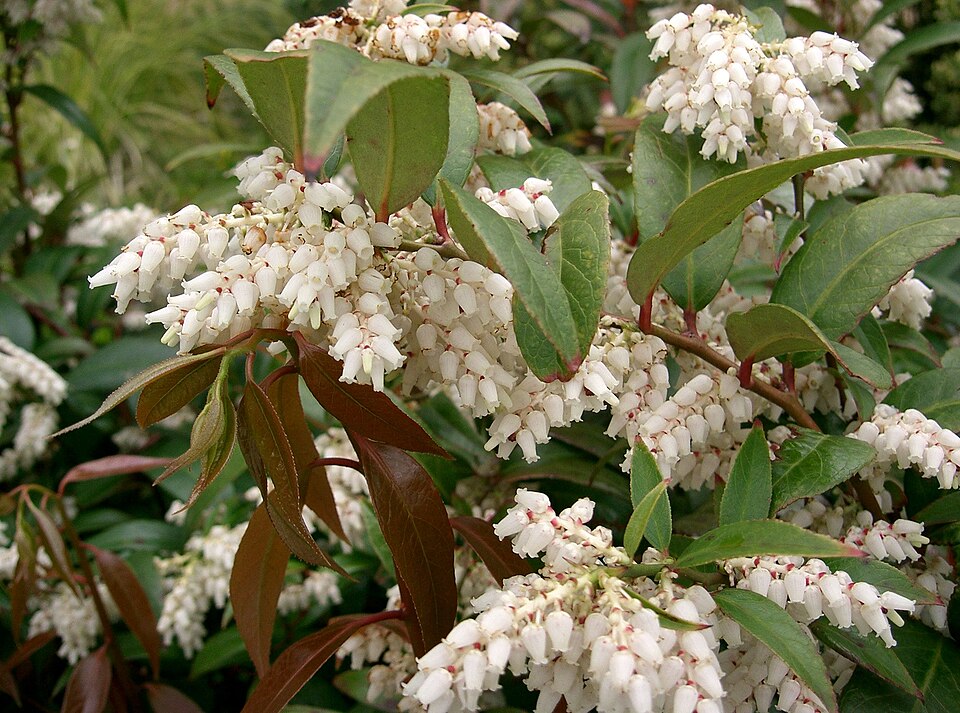
- Coastal DoghobbleLeucothoe axillaris
Published recommendation: Tennessee Invasive Plant Council (TN-IPC)

No recorded swaps for this county. Try the garden finder.
At a glance
- Life cycle
- Woody perennial
- Leaves
- Evergreen
- Bloom
- May to June
- Fruiting season
- October to November
Recorded in 25 Virginia counties.
Natural habitats
Places it grows wild. Not a planting requirement. Each habitat page lists the plants and wildlife also found there.
Forest or woodland where the source does not say how moist or dry.
Who uses this plant?
 2CaterpillarsGenus host records with ranges including VA
Genus host records with ranges including VA · Nandina
- Megalopyge opercularisSouthern Flannel Moth, Puss Caterpillar
- Spodoptera eridaniaSouthern Armyworm Moth
 —BeesSoutheastern regional records
 —Specialist beesPollen specialists
 —BirdsRecorded genus food-resource interactions; not a state feeding claim
Plant details
- Family
- Berberidaceae
- Hardiness
- Zones 6a–9b
- Soil pH
- Acidic to alkaline
- Flower color
- White
- Growth rate
- Rapid
- Growth habit
- Several stems
- Foliage color
- Green
- Fruit begins
- October
- Fruit ends
- November
Choose a locally appropriate native alternative. Berries and foliage are toxic; fruit can harm birds. NC State Extension
Growing sources and scope
- Bloom · “May to June” · Weakley, Flora of the Southeastern United States (2025), Carolinas & Georgia edition (ranked first; USDA PLANTS differs) · Carolinas and Georgia
- Flower color · “White” · NC Extension Plant Toolbox
- Foliage color · “Green” · USDA PLANTS · Nationwide species characteristics; local growing conditions may vary
- Fruit begins · “October” · Weakley, Flora of the Southeastern United States (2025), Carolinas & Georgia edition (ranked first; USDA PLANTS differs) · Carolinas and Georgia
- Fruit ends · “November” · Weakley, Flora of the Southeastern United States (2025), Carolinas & Georgia edition (ranked first; USDA PLANTS differs) · Carolinas and Georgia
- Growth habit · “Several stems” · USDA PLANTS · Nationwide species characteristics; local growing conditions may vary
- Growth rate · “Rapid” · USDA PLANTS · Nationwide species characteristics; local growing conditions may vary
- Hardiness · “Zones 6a–9b” · NC Extension Plant Toolbox
- Height · “3–8 feet” · NC Extension Plant Toolbox (ranked first; USDA PLANTS differs)
- Leaves · “Evergreen” · NC Extension Plant Toolbox
- Life cycle · “Woody perennial” · NC Extension Plant Toolbox
- Light · “Dappled sunlight (shade through upper canopy all day); Full sun (6 or more hours of direct sunlight a day); Partial shade (direct sunlight only part of the day, 2-6 hours)” · NC Extension Plant Toolbox
- primary_flower_color · “white” · USDA PLANTS
- Soil · “Moist” · NC Extension Plant Toolbox
- Soil pH · “Acidic to alkaline” · NC Extension Plant Toolbox
- Spread · “2–5 feet” · NC Extension Plant Toolbox
Recognizing it
Large leaves divide two or three times into leaflets. White flower clusters mature into red berries. Identification source
Also known as
Nandina; Sacred Bamboo
Conservation status
| Virginia rank | SNA |
|---|---|
| Global rank | GNR |
| VA status | Not verified |
| Federal status | Not verified |
Sources
- Virginia DCR invasive plant list
- Digital Atlas of the Virginia Flora
- USDA PLANTS
- Weakley, Flora of the Southeastern United States (2025), Carolinas & Georgia edition
- NatureServe Explorer
- Shropshire & Tallamy 2025, Lepidoptera of North America north of Mexico, ZooKeys 1261 (ODbL)
- Noori, Seltmann & Orr 2026, A curated and integrated dataset for exploring global bee-plant interactions (GloBI), Zenodo, CC BY 4.0
- Smith, Bachelder, Russell, Morales, Mosher & Seltmann 2024, Bee-Specialization-Modeling v0.6.1 (specialist host table compiled from J. Fowler's pollen specialist bee lists), Zenodo, CC BY 4.0
- Hurlbert, Olsen, Sawyer & Winner 2021, Avian Diet Database, Scientific Data 8: 260 (CC0)
- Narango, Tallamy & Shropshire 2020, Few keystone plant genera support the majority of Lepidoptera species, Nature Communications
- NC State Extension