

Scarlet Beebalm
Monarda didyma
Scarlet tubular flowers crown square stems with aromatic foliage. Found in seepage slopes, periglacial boulderfields with abundant seepage, streambanks, boggy places, usually in strong to moderately filtered sunlight. FloraQuest, phone app (app page) What its natural habitat tells you
Native to Virginia. How scores work Is it native here?
Profile 100%
- Height
- 2–4 feet
- Spread
- 2–3 feet
- Light
- Full sun
- Soil moisture
- Usually moist
Space about 2.5 ft apart from its recorded spread, about 16 per 100 sq ft. Enter your bed size for a count
Will it fit your yard?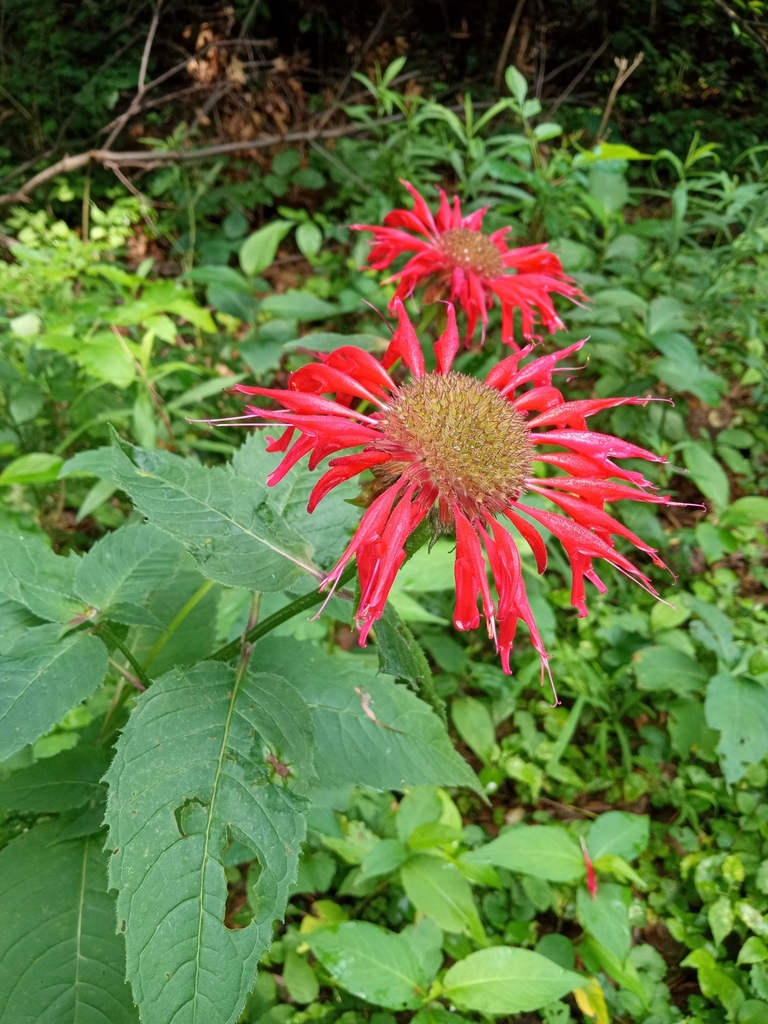
At a glance
- Life cycle
- Herbaceous perennial
- Leaves
- Deciduous
- Bloom
- July to September
- Fruiting season
- September to October
Recorded in 32 Virginia counties.
Natural habitats
Places it grows wild. Not a planting requirement. Each habitat page lists the plants and wildlife also found there.
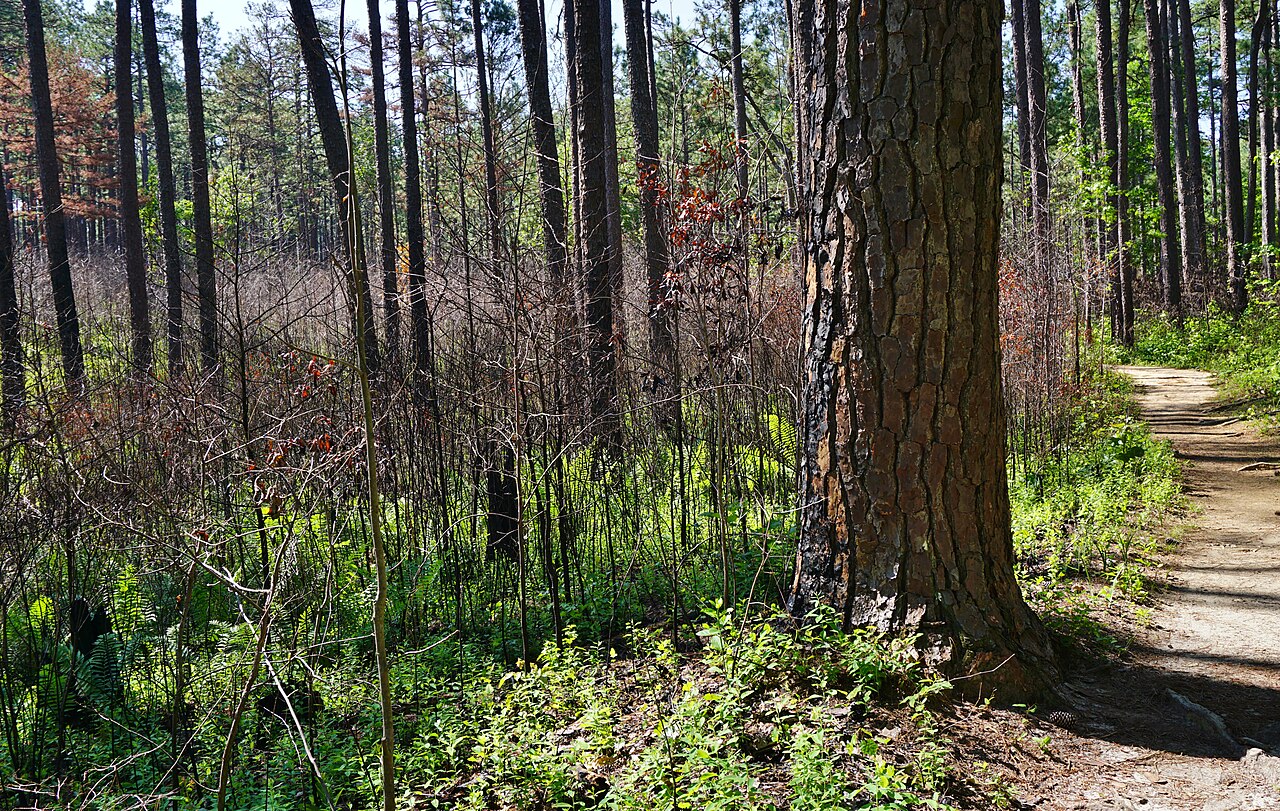
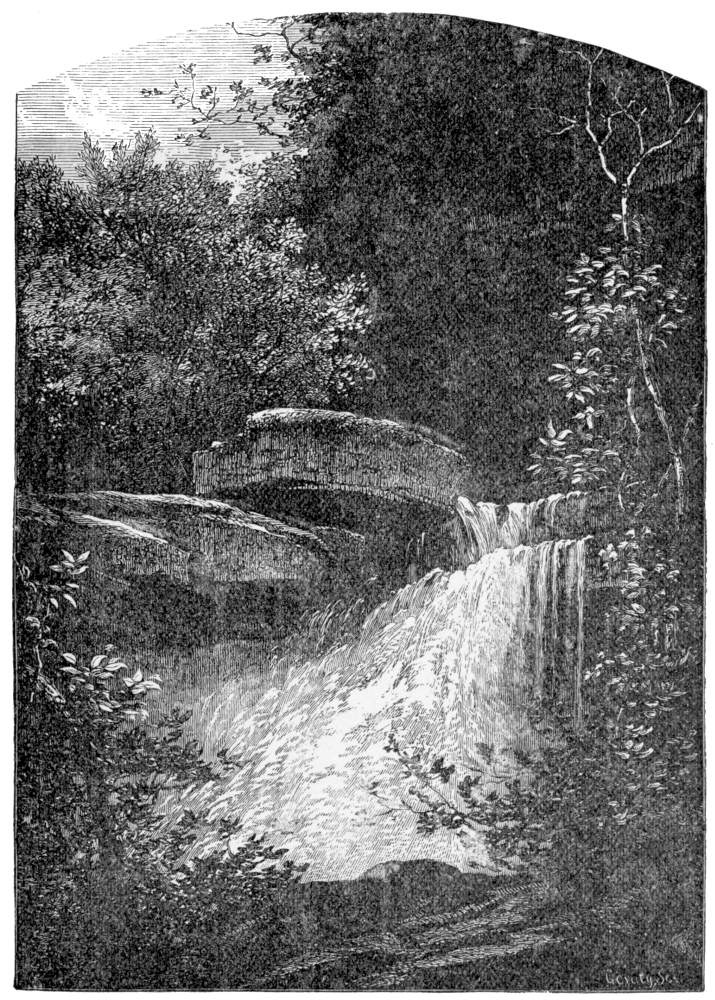
Streams, rivers and their banks
Also found with this plant
Wildlife whose habitat models include habitats this plant grows in, in Virginia. Shared habitat, not food. 106 animals.
- American KestrelFalco sparverius
- Blue-gray GnatcatcherPolioptila caerulea
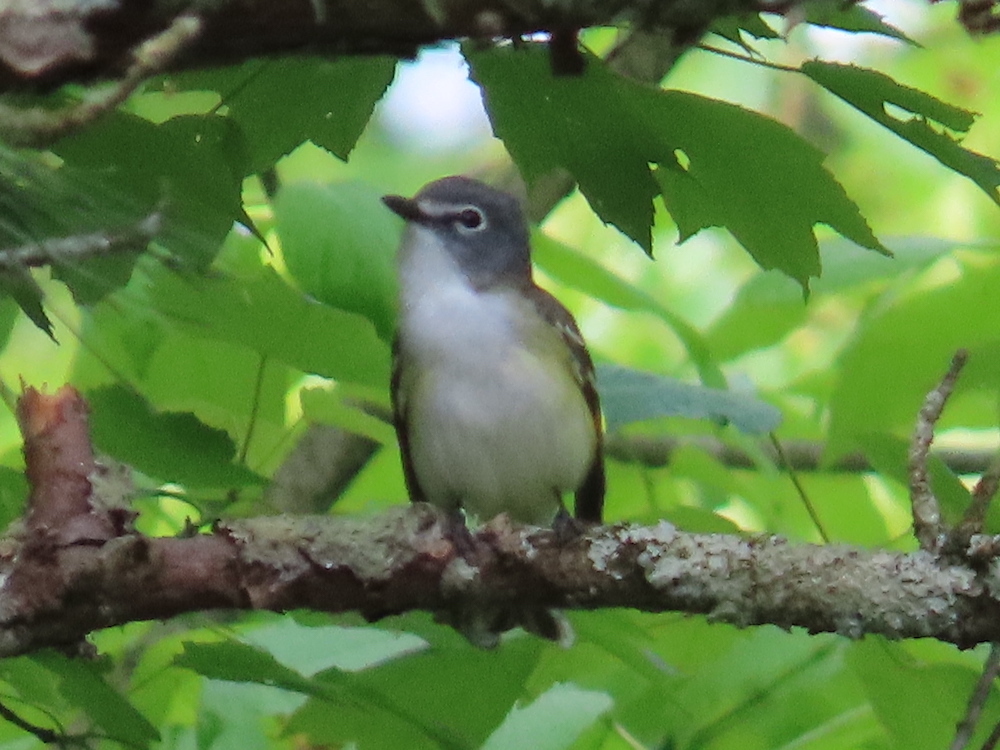
- Blue-headed VireoVireo solitarius
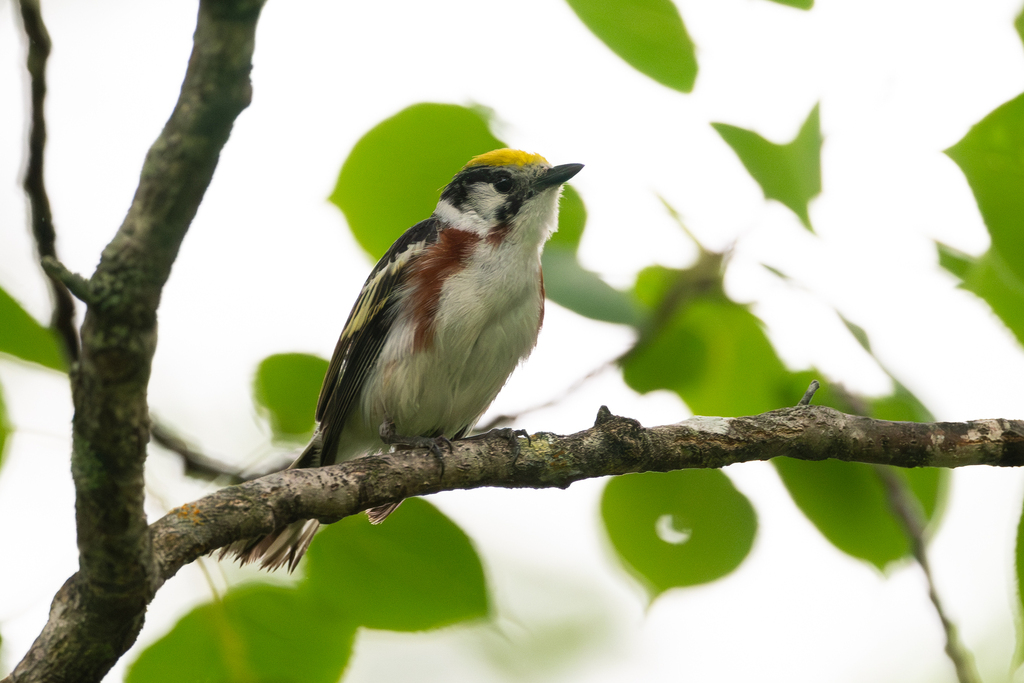
- Chestnut-sided WarblerDendroica pensylvanica
- Cooper's HawkAccipiter cooperii
- Eastern BluebirdSialia sialis
- European StarlingSturnus vulgaris
- Evening GrosbeakCoccothraustes vespertinus
- Fox SparrowPasserella iliaca
- Hermit ThrushCatharus guttatus
- Hooded WarblerWilsonia citrina
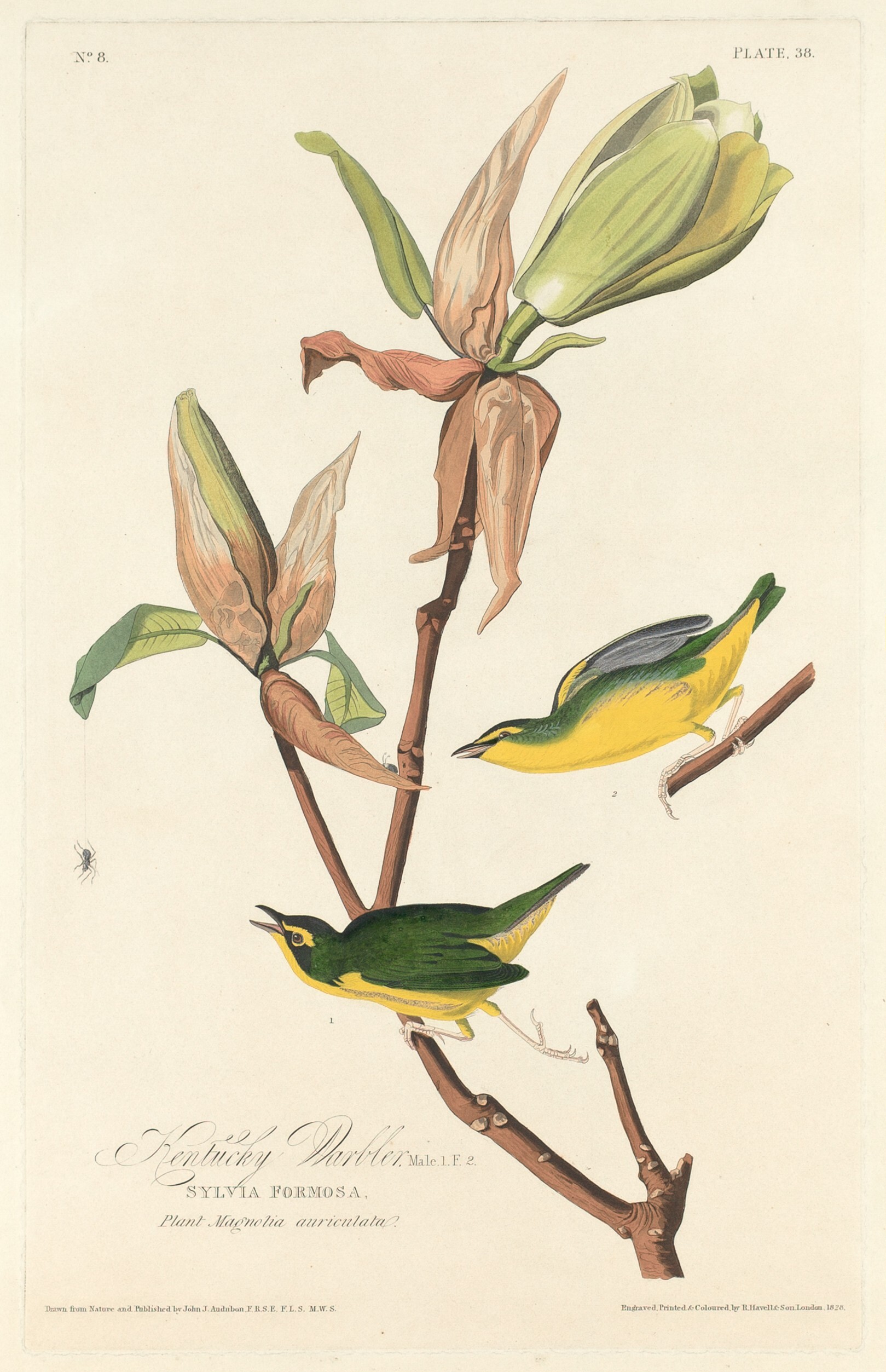
- Kentucky WarblerOporornis formosus
- Least FlycatcherEmpidonax minimus
- Long-eared OwlAsio otus
- Mourning DoveZenaida macroura
- Northern CardinalCardinalis cardinalis
- Orange-crowned WarblerVermivora celata
- Pine SiskinCarduelis pinus
- Red-tailed HawkButeo jamaicensis
- Rose-breasted GrosbeakPheucticus ludovicianus
- Ruby-crowned KingletRegulus calendula
- Ruby-throated HummingbirdArchilochus colubris
- Scarlet TanagerPiranga olivacea
- Sharp-shinned HawkAccipiter striatus








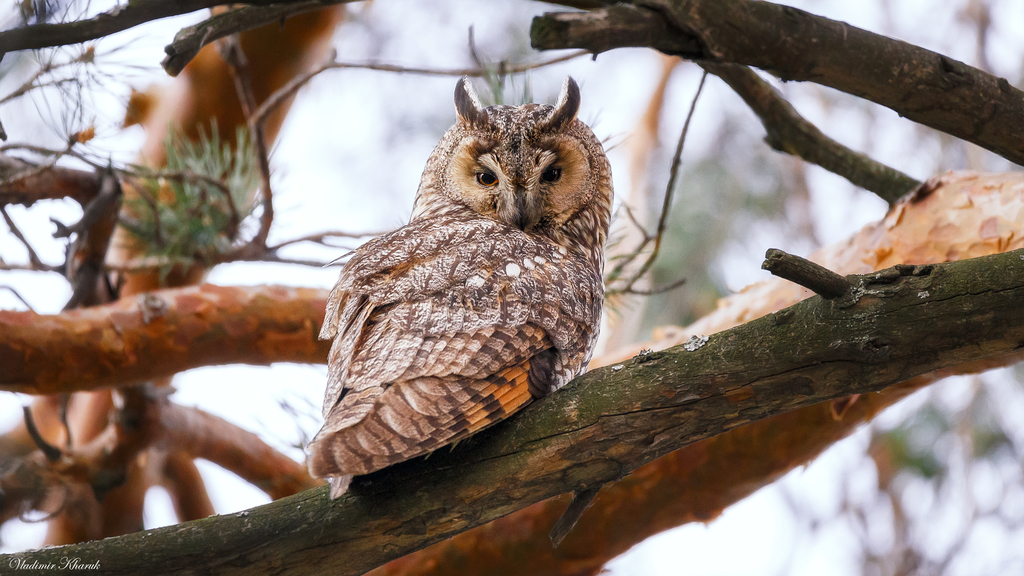





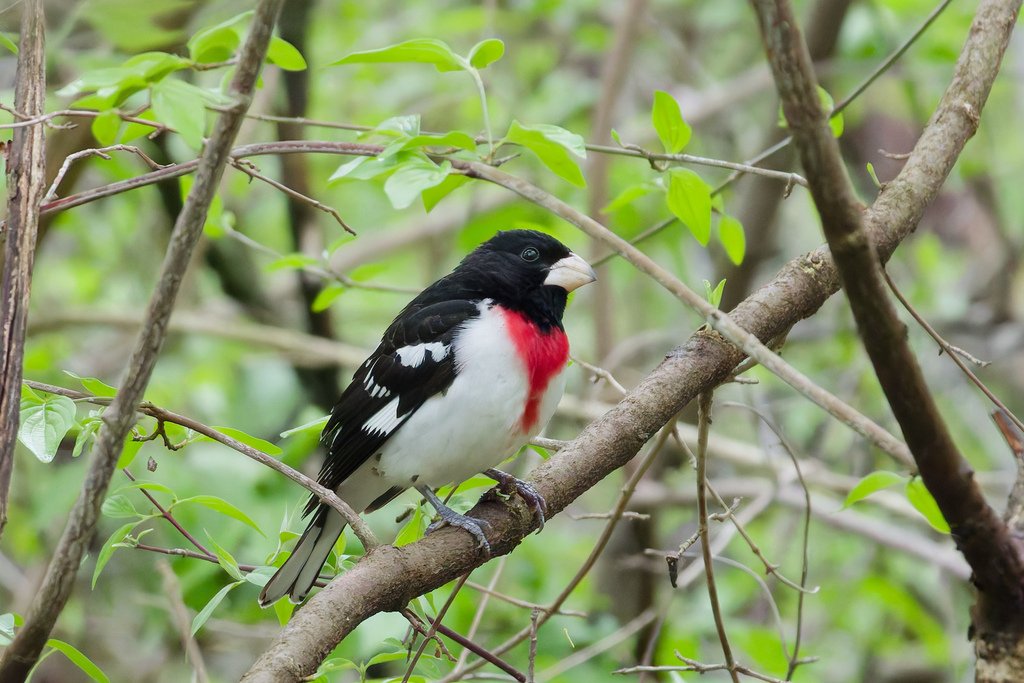





Who uses this plant?
 12CaterpillarsGenus host records with ranges including VA
Genus host records with ranges including VA · Monarda
- Anterastria teratophoraGrey Marvel, White Spotted Jaspidia
- Eosphoropteryx thyatyroidesPink-Patched Looper Moth
- Lintneria eremitusHermit Sphinx
- Orthodes majusculaRustic Quaker, Rustic Groundcat
- Papaipema nebrisStalk Borer
- Pyrausta orphisalisOrange Mint Moth, Orange Spotted Pyrausta
- Pyrausta signatalisRaspberry Pyrausta
- Sparganothis sulfureanaSparganothis Fruitworm Moth, Sulfur Leafroller, False Yellow-Head
- Synchlora frondariaSouthern Emerald
- Chionodes fondella
Show all 12
- Pyrausta generosa
- Xenotemna pallorana
 37BeesSoutheastern regional records
Southeastern regional records · Monarda
Individual names are not available yet.
Noori, Seltmann & Orr 2026, A curated and integrated dataset for exploring global bee-plant interactions (GloBI), Zenodo, CC BY 4.0 4Specialist beesPollen specialists
Pollen specialists · Monarda
- Dufourea monardae
- Perdita gerhardi
- Perdita variegata
- Protandrena abdominalis
 —BirdsRecorded genus food-resource interactions; not a state feeding claim
No records yet · Ants · Beetles · Flies · Adult butterflies / moths · Other wasps · Other insects
Plant details
- Family
- Lamiaceae
- Hardiness
- Zones 4a–9b
- Soil pH
- Acidic to neutral
- Flower color
- Red
- Fruit begins
- September
- Fruit ends
- October
Safety has not been reviewed for this plant; check toxicity and thorns before planting.
Allow room for spreading stems. Avoid overhead watering to reduce mildew; retain some hollow stems for bees. NC State Extension
Growing sources and scope
- Bloom · “July to September” · FloraQuest: Carolinas, Georgia (Southeastern Flora Team), phone app (app page) · Carolinas and Georgia
- Flower color · “Red” · NC Extension Plant Toolbox
- Fruit begins · “September” · FloraQuest: Carolinas, Georgia (Southeastern Flora Team), phone app (app page) · Carolinas and Georgia
- Fruit ends · “October” · FloraQuest: Carolinas, Georgia (Southeastern Flora Team), phone app (app page) · Carolinas and Georgia
- Hardiness · “Zones 4a–9b” · NC Extension Plant Toolbox
- Height · “2–4 feet” · NC Extension Plant Toolbox
- Leaves · “Deciduous” · NC Extension Plant Toolbox
- Life cycle · “Perennial” · NC Extension Plant Toolbox
- Light · “Full sun (6 or more hours of direct sunlight a day)” · NC Extension Plant Toolbox (ranked first; Tennessee Smart Yards differs)
- primary_flower_color · “red” · NC Extension Plant Toolbox
- Soil · “Moist; Occasionally wet” · NC Extension Plant Toolbox (ranked first; Tennessee Smart Yards differs)
- Soil pH · “Acidic to neutral” · NC Extension Plant Toolbox
- Spread · “2–3 feet” · NC Extension Plant Toolbox
Recognizing it
Opposite toothed leaves, square stems, and dense heads of narrow two-lipped flowers. Identification source
Also known as
Oswego Tea; Scarlet Bee Balm
Conservation status
| Virginia rank | SNR |
|---|---|
| Global rank | G5 |
| VA status | Not verified |
| Federal status | Not verified |
Will it fit your yard?
Check this plant against your county, sun and soil moisture. Conditions are checked in your browser.
Growing cautions
- Spreads aggressively. Spreads rapidly by underground stolons. NC State Extension Plant Toolbox
For planning only; these do not change the score or Fit.
Sources
- Digital Atlas of the Virginia Flora
- USDA PLANTS
- Vascular Plants of North Carolina (NC Natural Heritage Program)
- NatureServe Explorer
- Shropshire & Tallamy 2025, Lepidoptera of North America north of Mexico, ZooKeys 1261 (ODbL)
- Noori, Seltmann & Orr 2026, A curated and integrated dataset for exploring global bee-plant interactions (GloBI), Zenodo, CC BY 4.0
- Smith, Bachelder, Russell, Morales, Mosher & Seltmann 2024, Bee-Specialization-Modeling v0.6.1 (specialist host table compiled from J. Fowler's pollen specialist bee lists), Zenodo, CC BY 4.0
- Hurlbert, Olsen, Sawyer & Winner 2021, Avian Diet Database, Scientific Data 8: 260 (CC0)
- Narango, Tallamy & Shropshire 2020, Few keystone plant genera support the majority of Lepidoptera species, Nature Communications
- NC State Extension