

Virginia False Gromwell
Lithospermum virginianum
Found in sandhills; glades, barrens and outcrops on mafic or serpentine rock; forests and woodlands. Weakley, Flora of the Southeastern United States (2025), Northern Tier edition What its natural habitat tells you
Native to Virginia. How scores work Is it native here?
Profile 76%
- Height
- 1–2 feet
- Light
- Partial shade, Full sun
- Soil moisture
- Dry to moist
No photograph yet. Looking for an old drawing…
Rare or protected plant. Specialist conservation planting; excluded from routine garden suggestions. Plant caution source
Hidden from default planting suggestions. Wildlife value and native status remain unchanged.
At a glance
- Life cycle
- Perennial
- Bloom
- April to September
- Fruiting season
- Late May to October
Not yet recorded · Spread · Leaves
Recorded in 21 Virginia counties and cities.
Natural habitats
Places it grows wild. Not a planting requirement. Each habitat page lists the plants and wildlife also found there.
Dry, deep-sand ridges with longleaf pine and turkey oak, kept open by fire.
Glades, barrens and outcrops on mafic or serpentine rock
Open, thin-soil openings, outcrops and cliffs on dark, magnesium- or iron-rich rock such as serpentine, diabase or gabbro.
Forest or woodland where the source does not say how moist or dry.
Also found with this plant
Wildlife whose habitat models include habitats this plant grows in, in Virginia. Shared habitat, not food. 120 animals.
- Yellow-billed CuckooCoccyzus americanus
- Yellow-throated WarblerDendroica dominica
- Alder FlycatcherEmpidonax alnorum
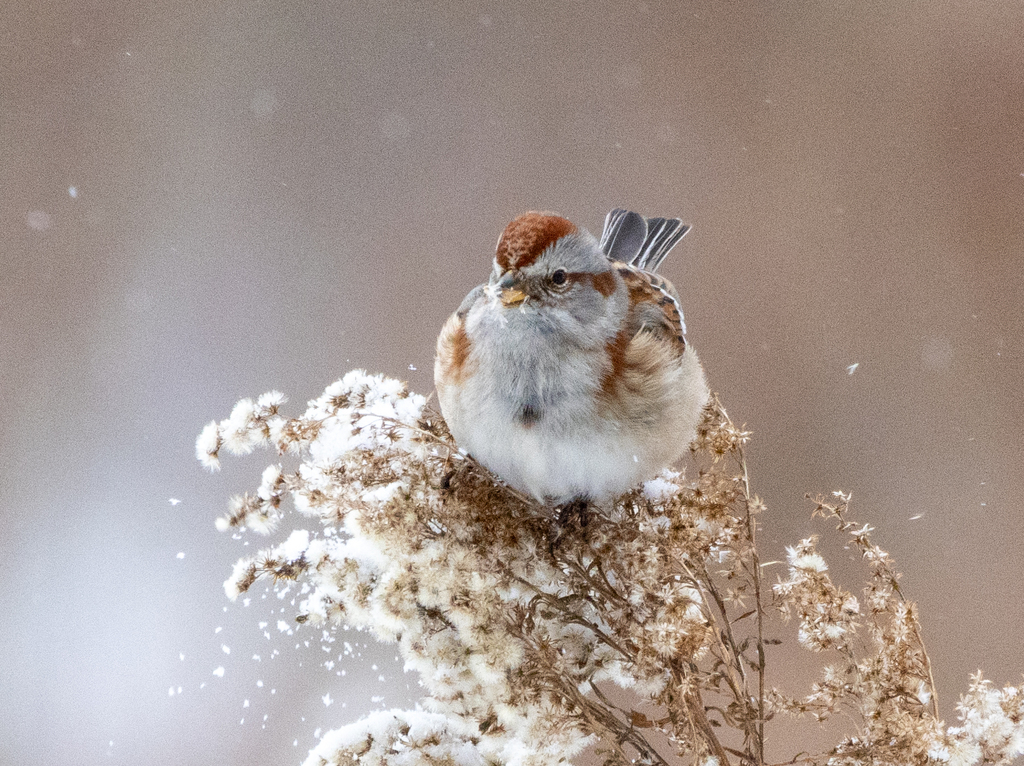
- American Tree SparrowSpizella arborea
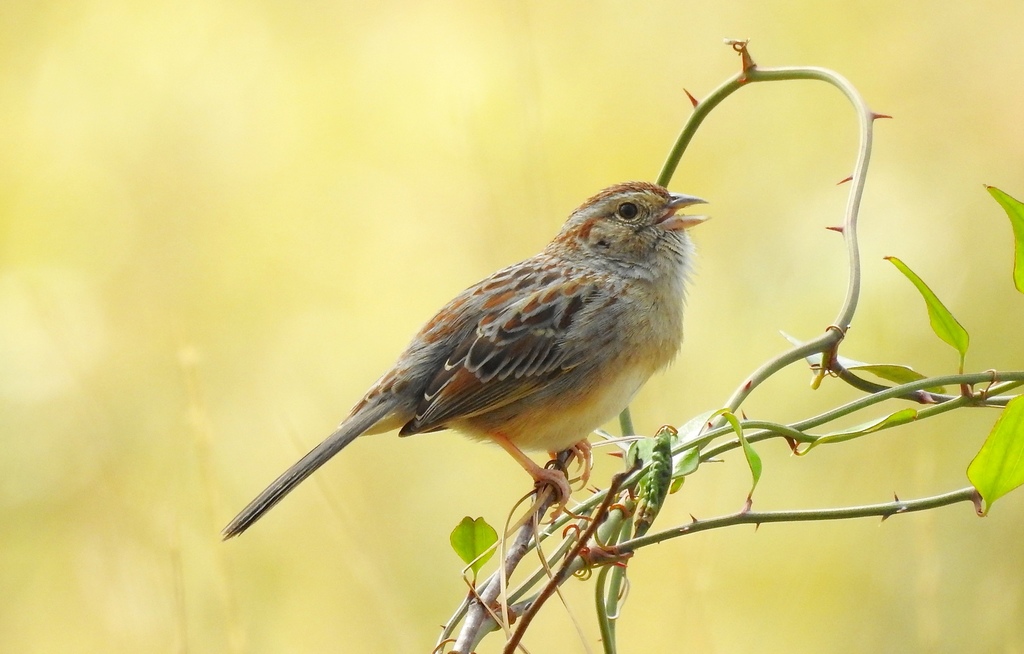
- Bachman's SparrowAimophila aestivalis
- Black-throated Blue WarblerDendroica caerulescens
- Blue-headed VireoVireo solitarius
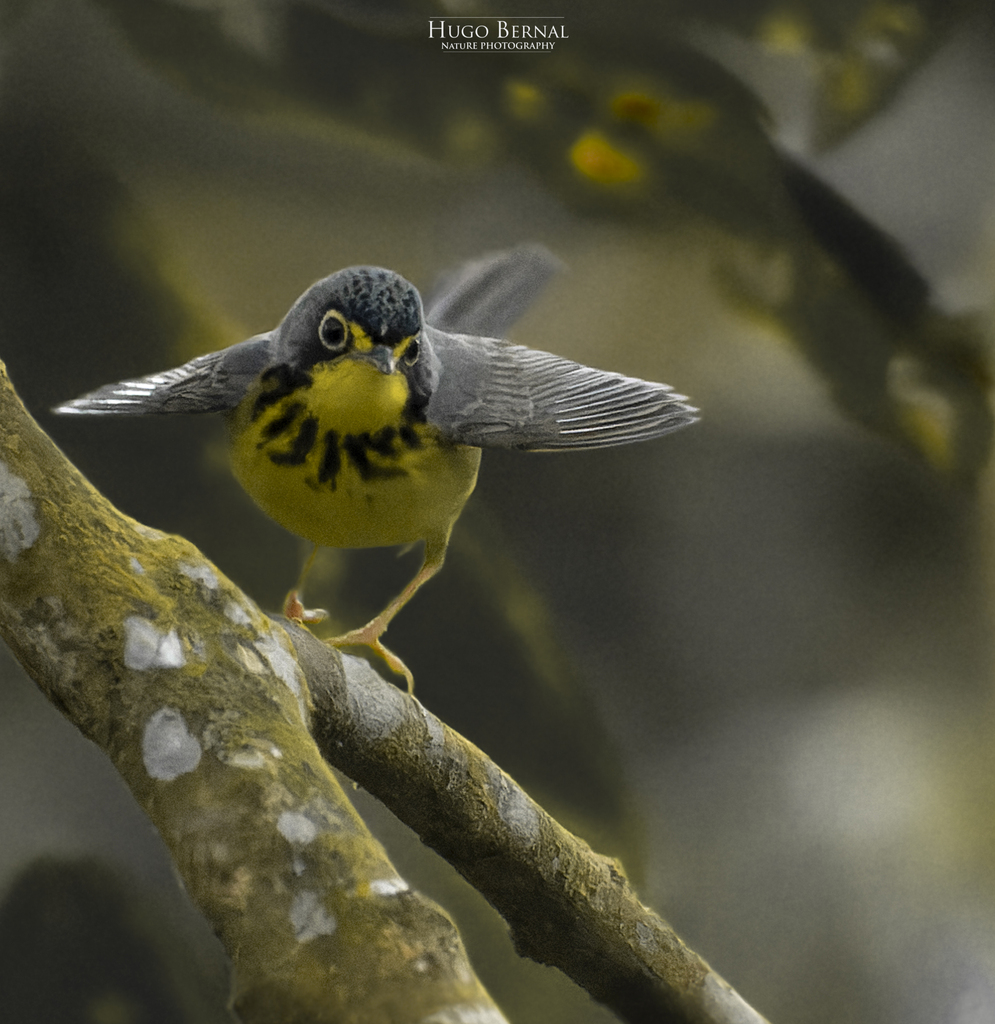
- Canada WarblerWilsonia canadensis
- Common YellowthroatGeothlypis trichas
- Eurasian Collared-doveStreptopelia decaocto
- Fish CrowCorvus ossifragus
- Indigo BuntingPasserina cyanea
- Northern BobwhiteColinus virginianus
- Northern ParulaParula americana
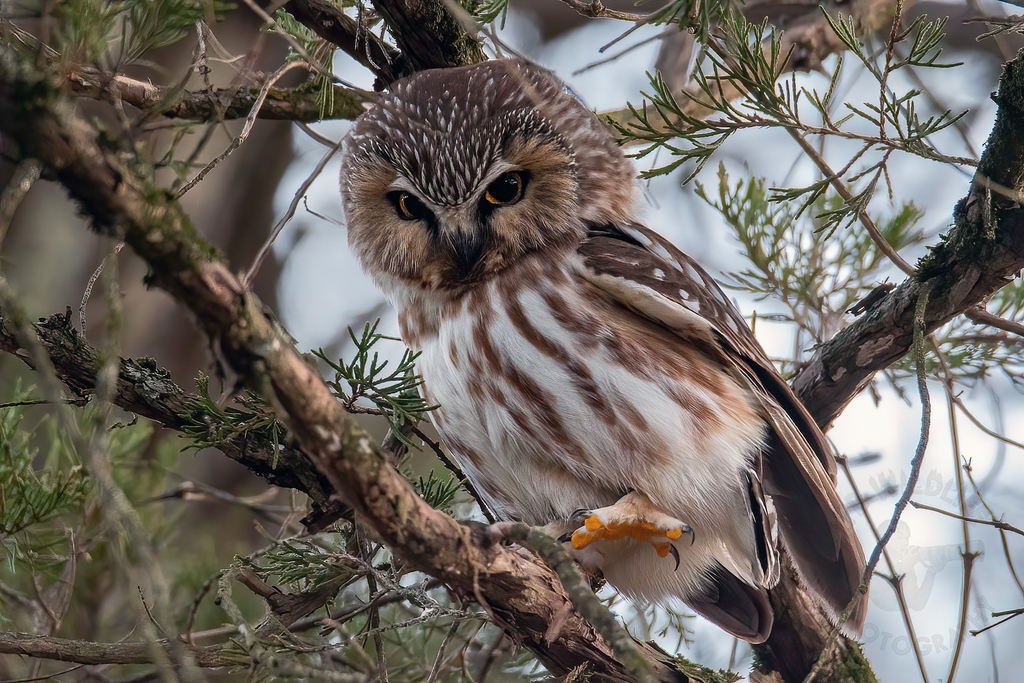
- Northern Saw-whet OwlAegolius acadicus
- Orchard OrioleIcterus spurius
- Prairie WarblerDendroica discolor
- Prothonotary WarblerProtonotaria citrea
- Red CrossbillLoxia curvirostra
- Red-breasted NuthatchSitta canadensis
- Red-cockaded WoodpeckerPicoides borealis
- Red-shouldered HawkButeo lineatus
- VeeryCatharus fuscescens
- White-crowned SparrowZonotrichia leucophrys











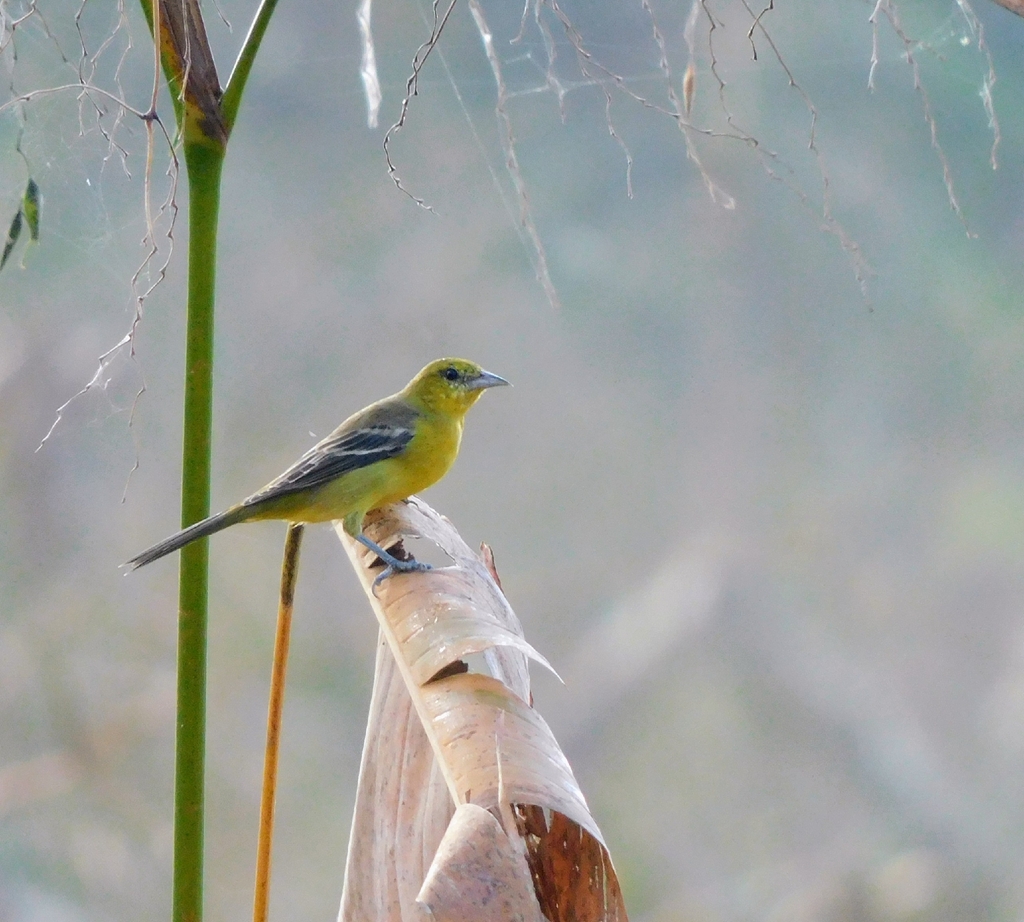
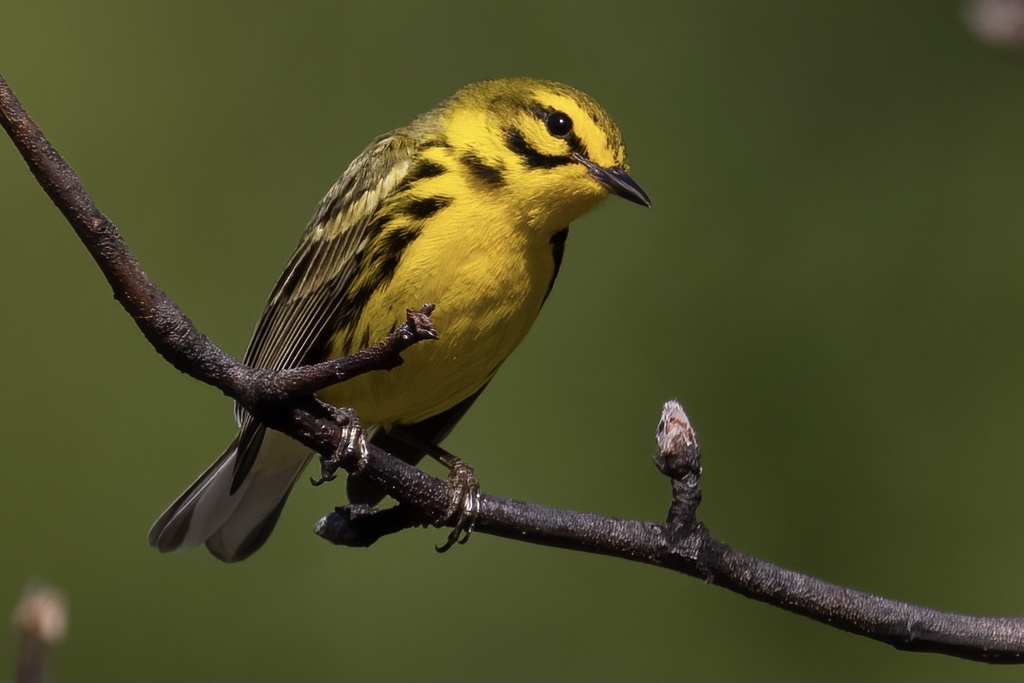
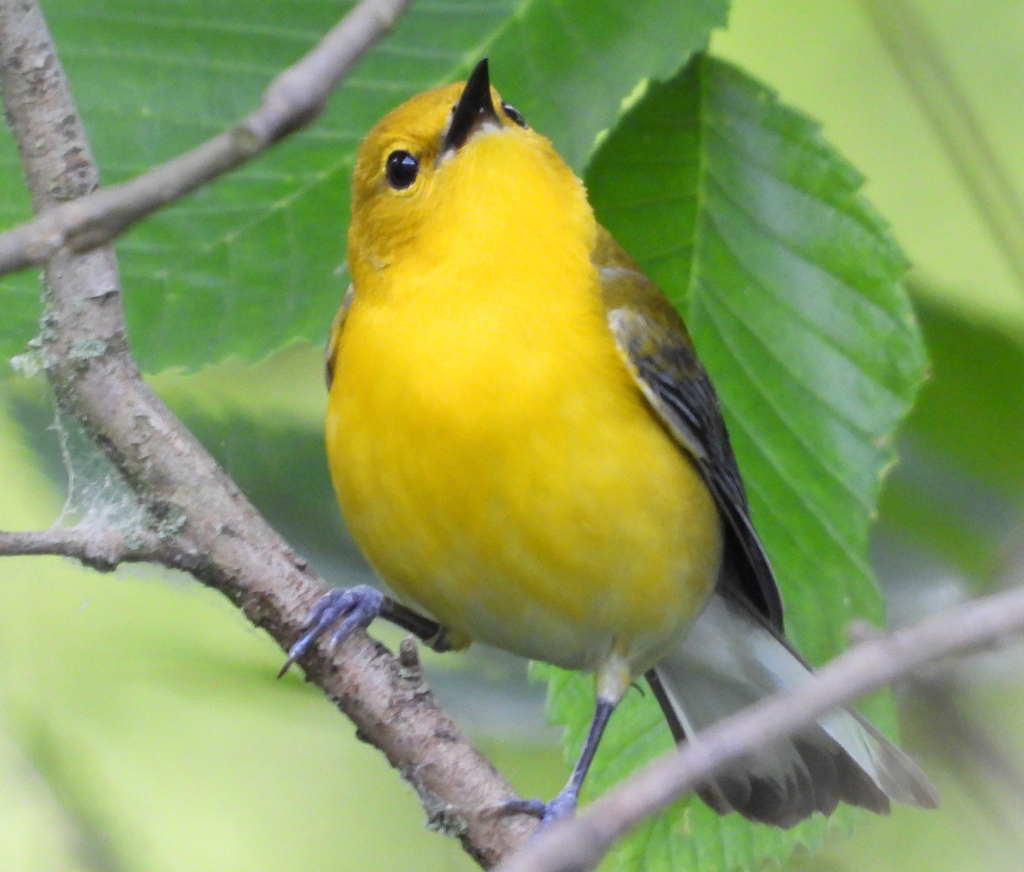
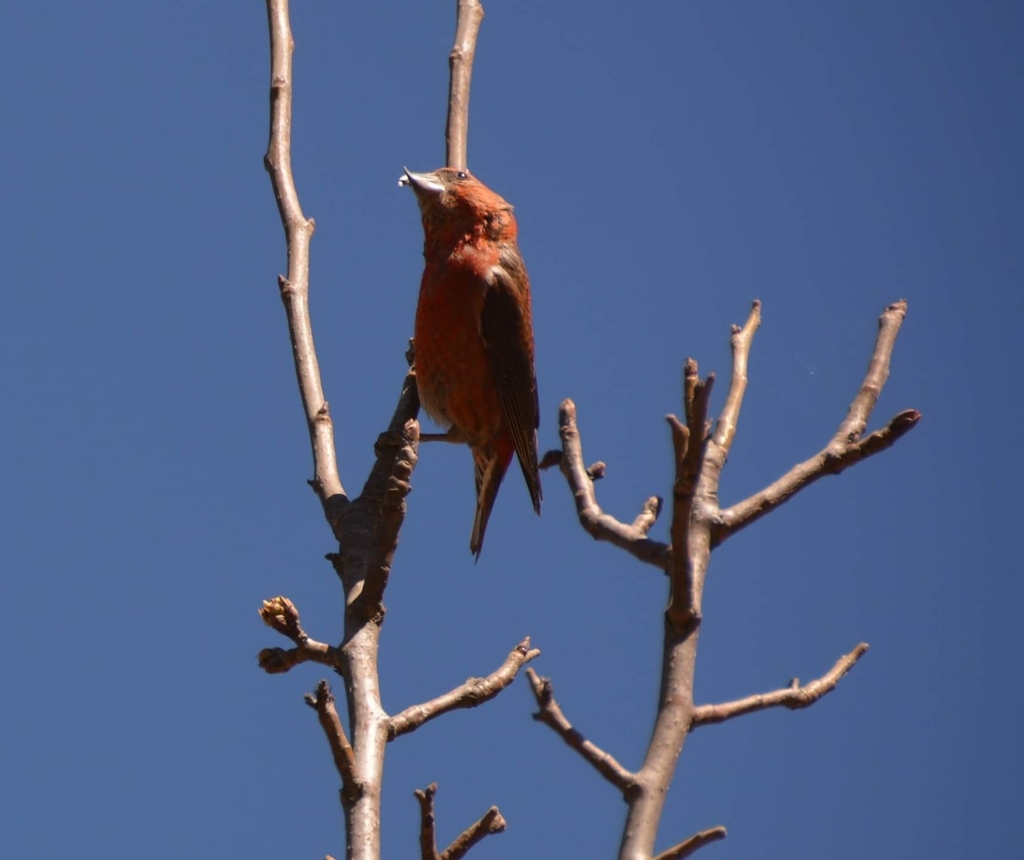

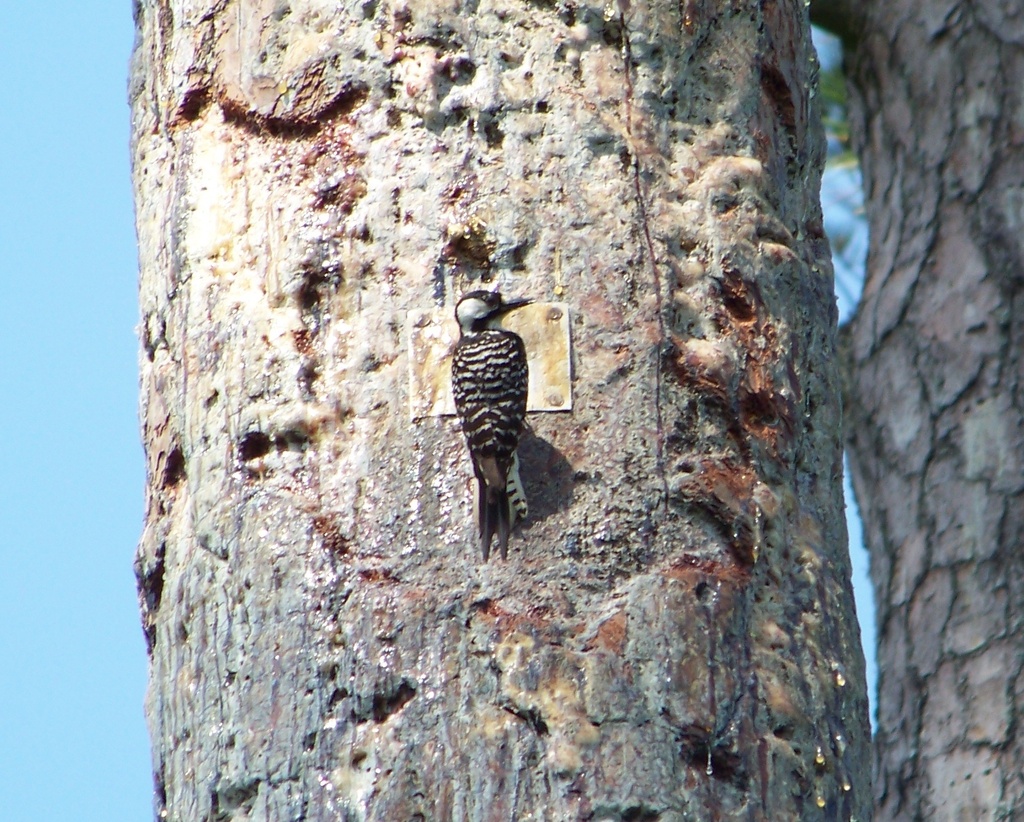
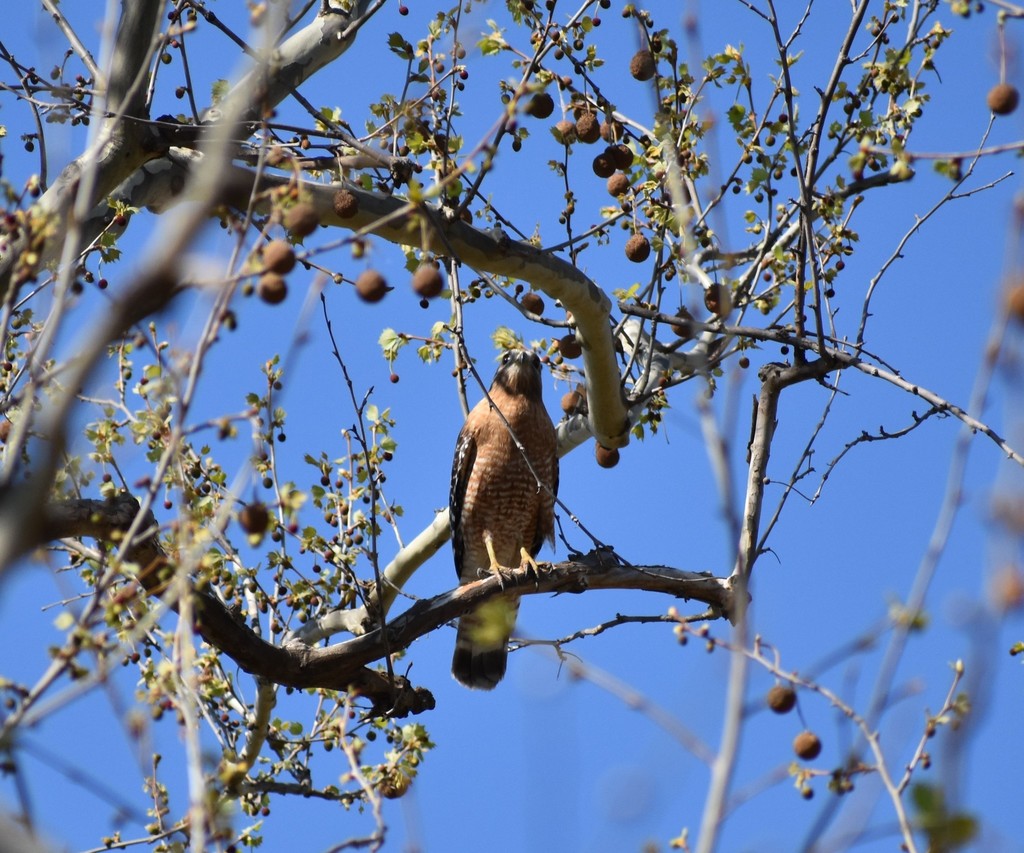
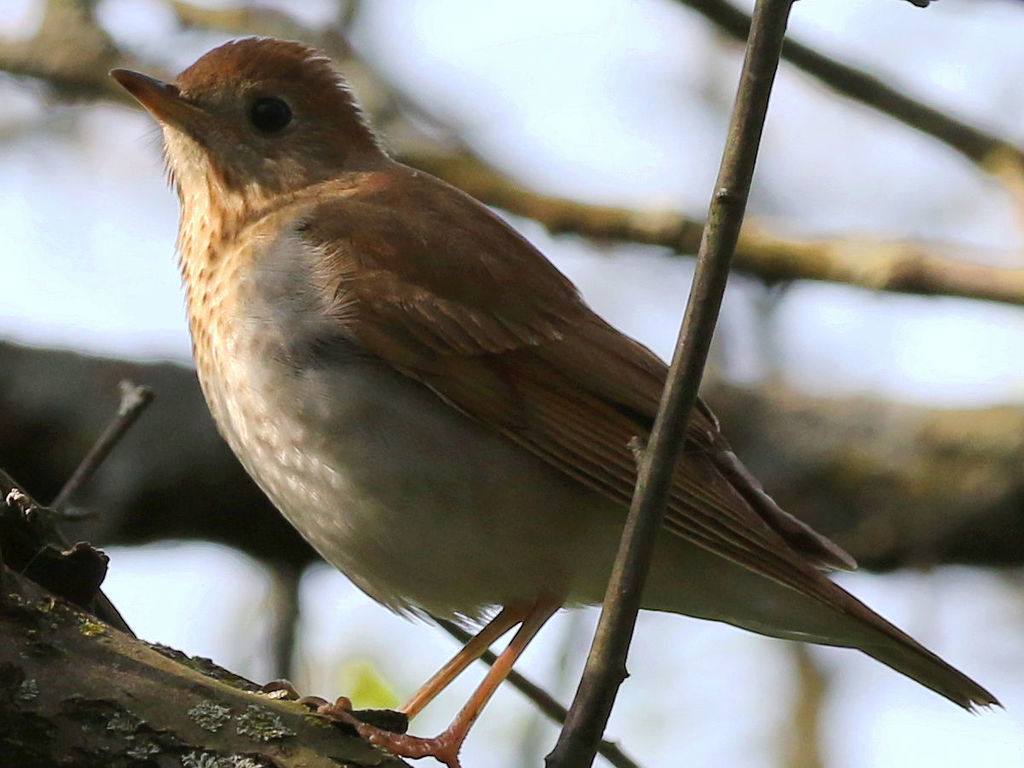
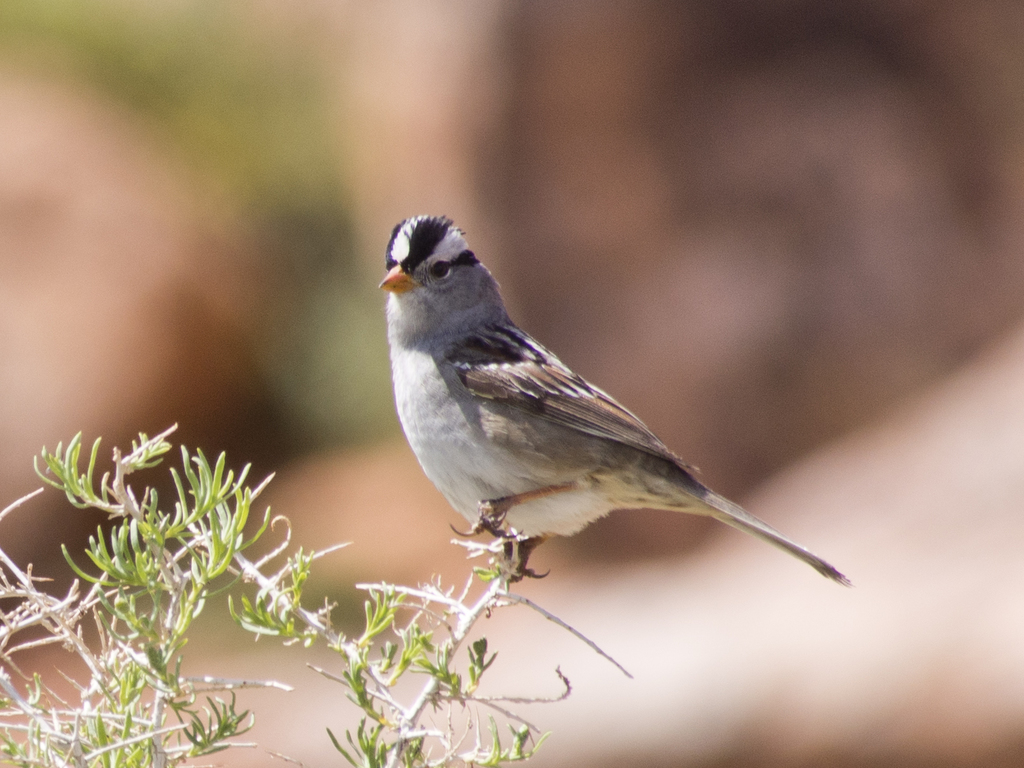
Who uses this plant?
 3CaterpillarsGenus host records with ranges including VA
Genus host records with ranges including VA · Lithospermum
- Haploa leconteiLeconte's Haploa
- Spodoptera frugiperdaFall Armyworm Moth
- Ethmia longimaculella
 5BeesSoutheastern regional records
Southeastern regional records · Lithospermum
Individual names are not available yet.
Noori, Seltmann & Orr 2026, A curated and integrated dataset for exploring global bee-plant interactions (GloBI), Zenodo, CC BY 4.0 0Specialist beesPollen specialists
 7BirdsRecorded genus food-resource interactions; not a state feeding claim
Recorded genus food-resource interactions; not a state feeding claim · Lithospermum
- Anthus spragueiiSprague's Pipit
- Columbina passerinaCommon Ground Dove
- Perdix perdixGray Partridge
- Rhynchophanes mccowniiMcCown's Longspur
- Tympanuchus pallidicinctusLesser Prairie-Chicken
- Tympanuchus phasianellusSharp-tailed Grouse
- Zenaida macrouraMourning Dove
Direct food only: birds recorded eating this genus across North America. Caterpillars on host plants also feed nesting birds. NC Native Plant Society: butterfly gardening
No records yet · Ants · Beetles · Flies · Adult butterflies / moths · Other wasps · Other insects
Plant details
- Family
- Boraginaceae
- Flower color
- Orange or yellow
- Fruit begins
- Late May
- Fruit ends
- October
Growing sources and scope
- Bloom · “April to September” · Weakley, Flora of the Southeastern United States (2025), Carolinas & Georgia edition · Carolinas and Georgia
- Flower color · “Orange or yellow” · Lady Bird Johnson Wildflower Center
- Fruit begins · “Late May” · Weakley, Flora of the Southeastern United States (2025), Carolinas & Georgia edition · Carolinas and Georgia
- Fruit ends · “October” · Weakley, Flora of the Southeastern United States (2025), Carolinas & Georgia edition · Carolinas and Georgia
- Height · “1–2 feet” · Lady Bird Johnson Wildflower Center
- Life cycle · “Perennial” · Lady Bird Johnson Wildflower Center
- Light · “Partial shade; Full sun (documented habitat)” · Weakley, Flora of the Southeastern United States (2025), Carolinas & Georgia edition · Carolinas and Georgia
- Soil · “Dry; Moist (documented habitat)” · Weakley, Flora of the Southeastern United States (2025), Carolinas & Georgia edition · Carolinas and Georgia
Also known as
Onosmodium virginianum
Conservation status
| Virginia rank | S2 |
|---|---|
| Global rank | G4 |
| VA status | Not verified |
| Federal status | Not verified |
Will it fit your yard?
Check this plant against your county, sun and soil moisture. Conditions are checked in your browser.
Sources
- Virginia DCR Natural Heritage rare plant list
- Digital Atlas of the Virginia Flora
- Vascular Plants of North Carolina (NC Natural Heritage Program)
- Weakley, Flora of the Southeastern United States (2025), Carolinas & Georgia edition
- NatureServe Explorer
- Shropshire & Tallamy 2025, Lepidoptera of North America north of Mexico, ZooKeys 1261 (ODbL)
- Noori, Seltmann & Orr 2026, A curated and integrated dataset for exploring global bee-plant interactions (GloBI), Zenodo, CC BY 4.0
- Smith, Bachelder, Russell, Morales, Mosher & Seltmann 2024, Bee-Specialization-Modeling v0.6.1 (specialist host table compiled from J. Fowler's pollen specialist bee lists), Zenodo, CC BY 4.0
- Hurlbert, Olsen, Sawyer & Winner 2021, Avian Diet Database, Scientific Data 8: 260 (CC0)
- Narango, Tallamy & Shropshire 2020, Few keystone plant genera support the majority of Lepidoptera species, Nature Communications