

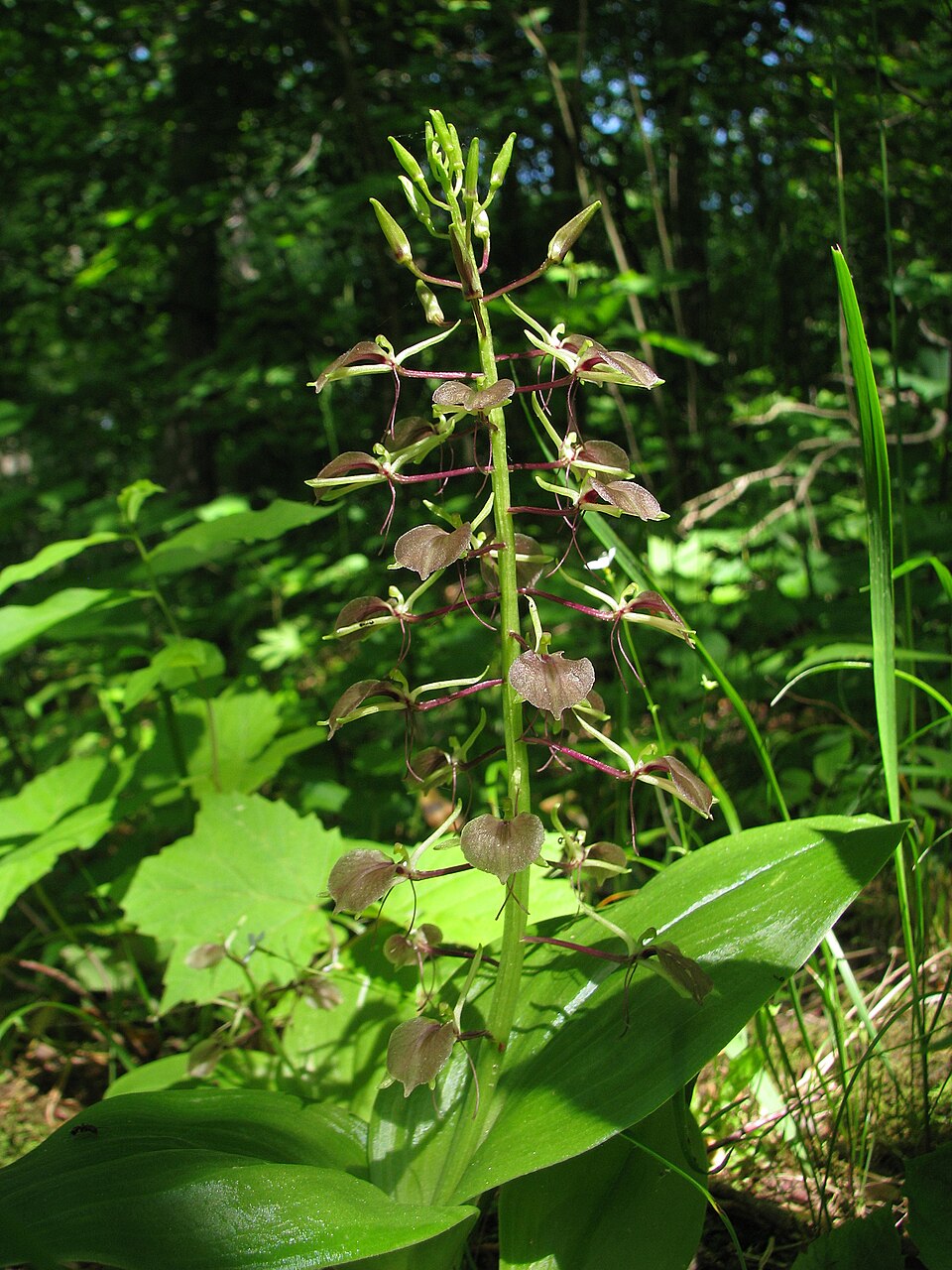
Purple Twayblade
Liparis liliifolia
Found in moist forests, floodplains. Weakley, Flora of the Southeastern United States (2025), Northern Tier edition What its natural habitat tells you
Native to Virginia. How scores work Is it native here?
Profile 82%
- Height
- 3–10 inches
- Light
- Dappled sunlight, Partial shade
- Soil moisture
- Somewhat dry to moist
At a glance
- Life cycle
- Perennial
- Bloom
- May to July
- Fruiting season
- June to October
Not yet recorded · Spread · Leaves
Recorded in 96 Virginia counties.
Natural habitats
Places it grows wild. Not a planting requirement. Each habitat page lists the plants and wildlife also found there.
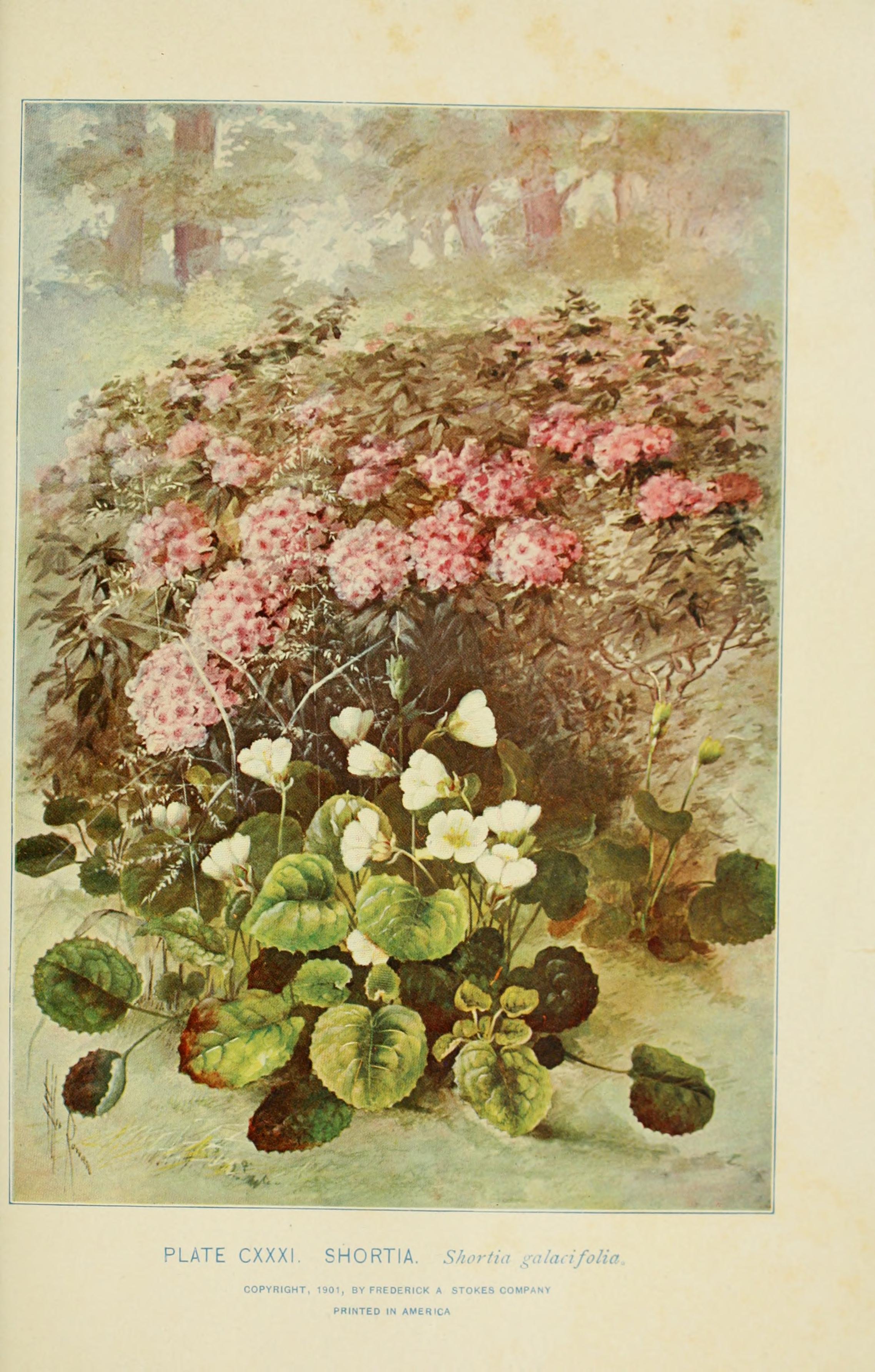
Floodplain and bottomland forests
Forests on low ground beside rivers and streams that flood from time to time.
Also found with this plant
Wildlife whose habitat models include habitats this plant grows in, in Virginia. Shared habitat, not food. 135 animals.
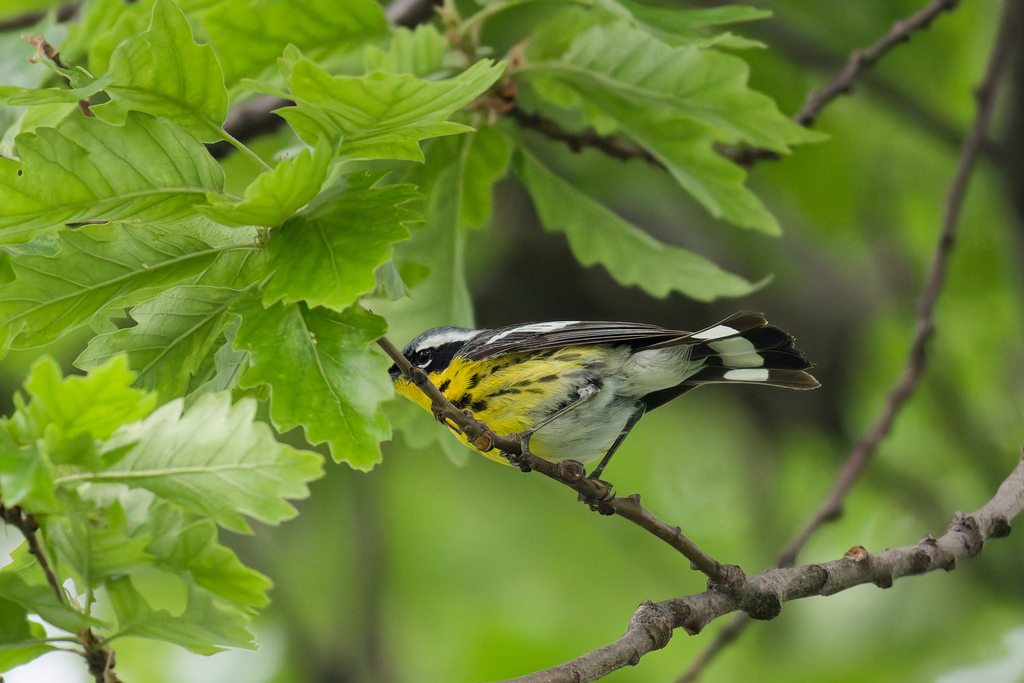
- Magnolia WarblerDendroica magnolia
- MallardAnas platyrhynchos
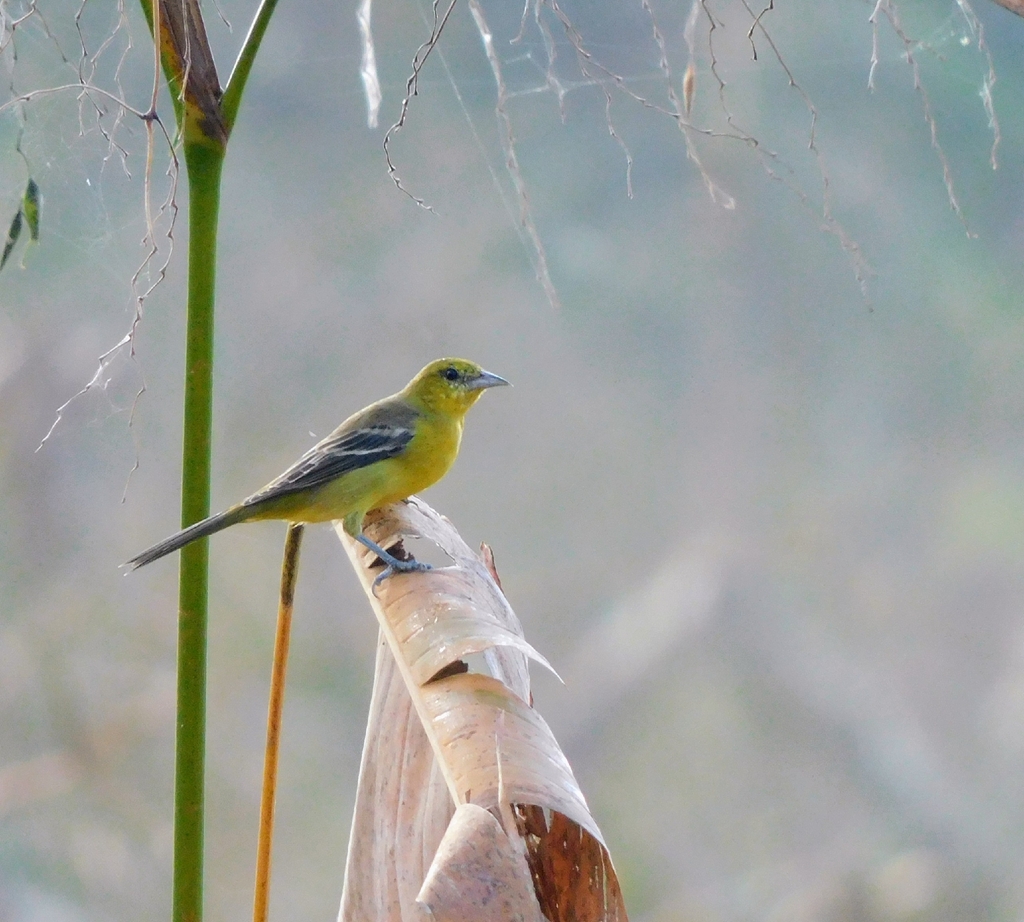
- Orchard OrioleIcterus spurius
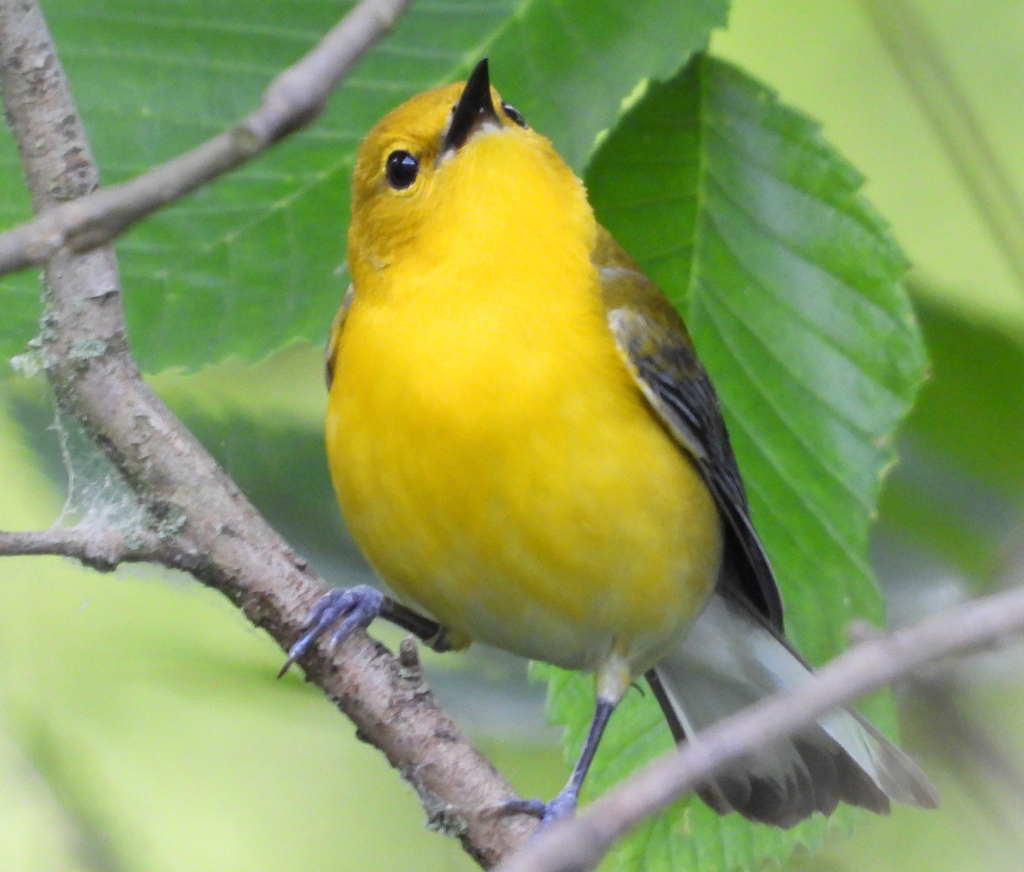
- Prothonotary WarblerProtonotaria citrea
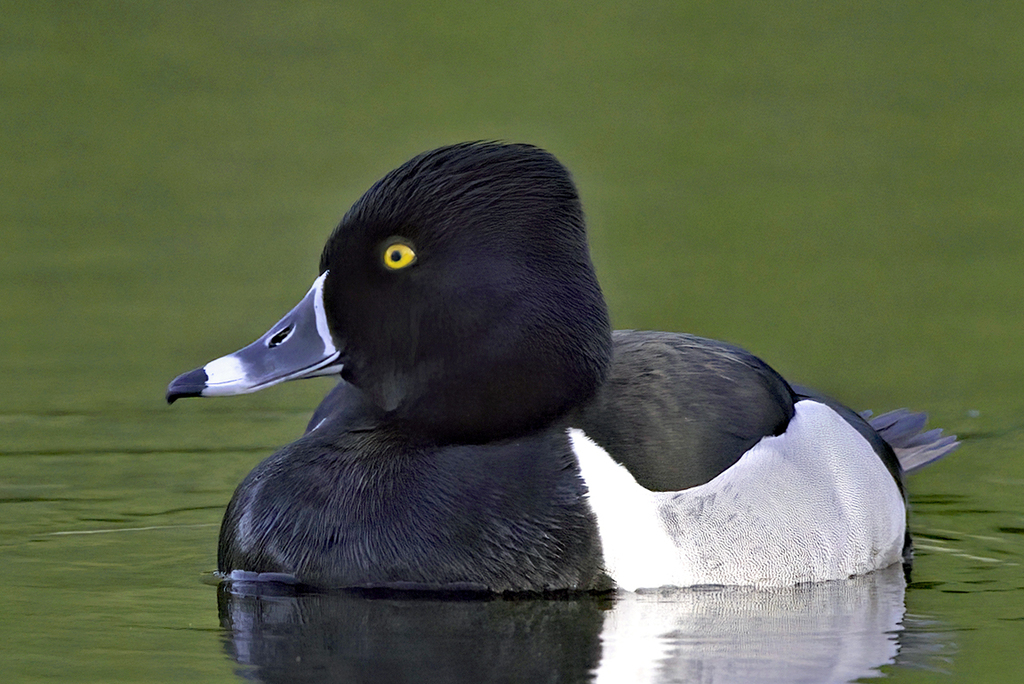
- Ring-necked DuckAythya collaris
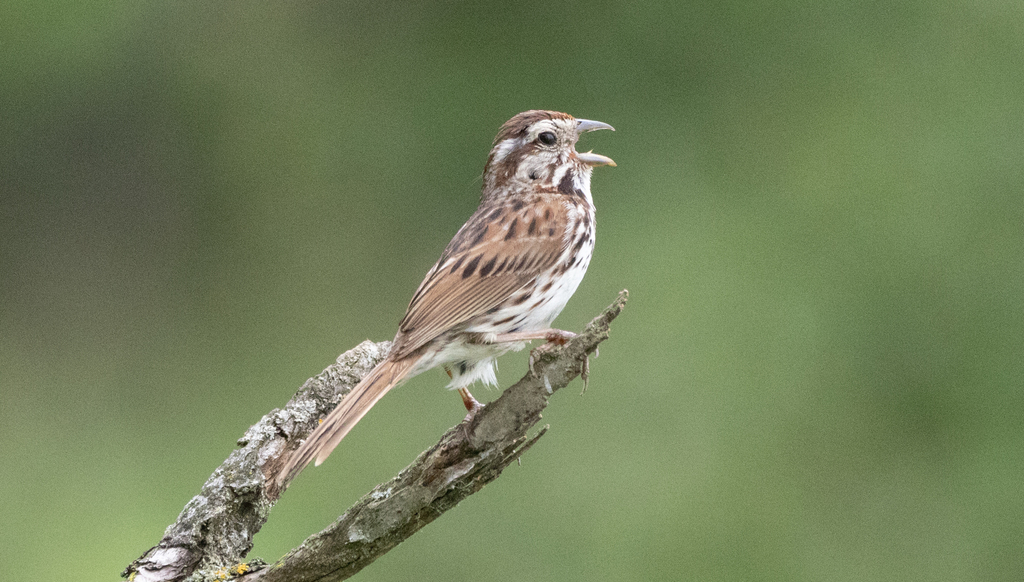
- Song SparrowMelospiza melodia
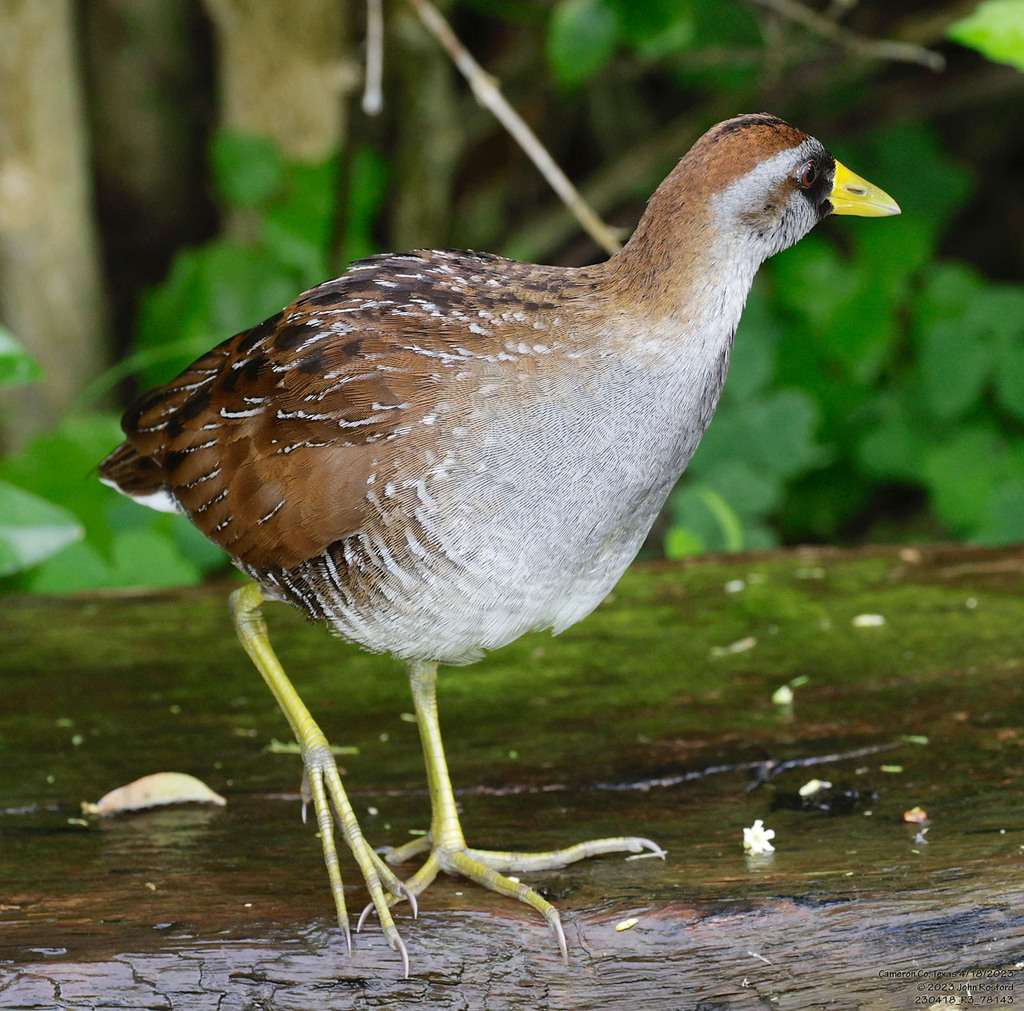
- SoraPorzana carolina
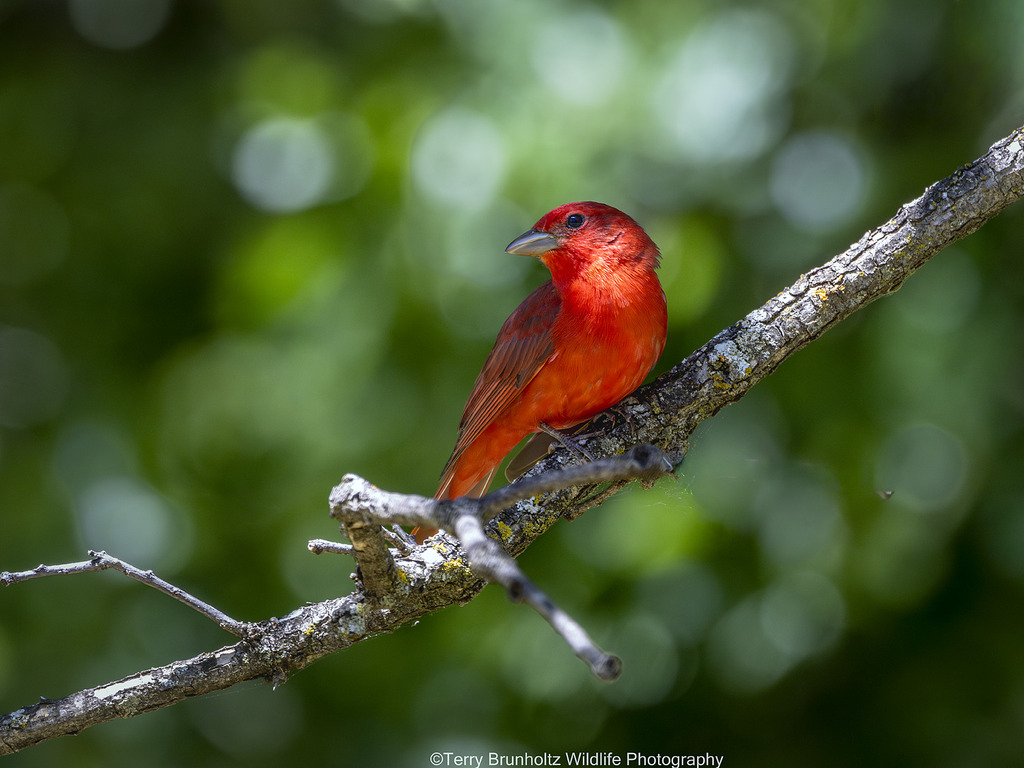
- Summer TanagerPiranga rubra
- Tree SwallowTachycineta bicolor
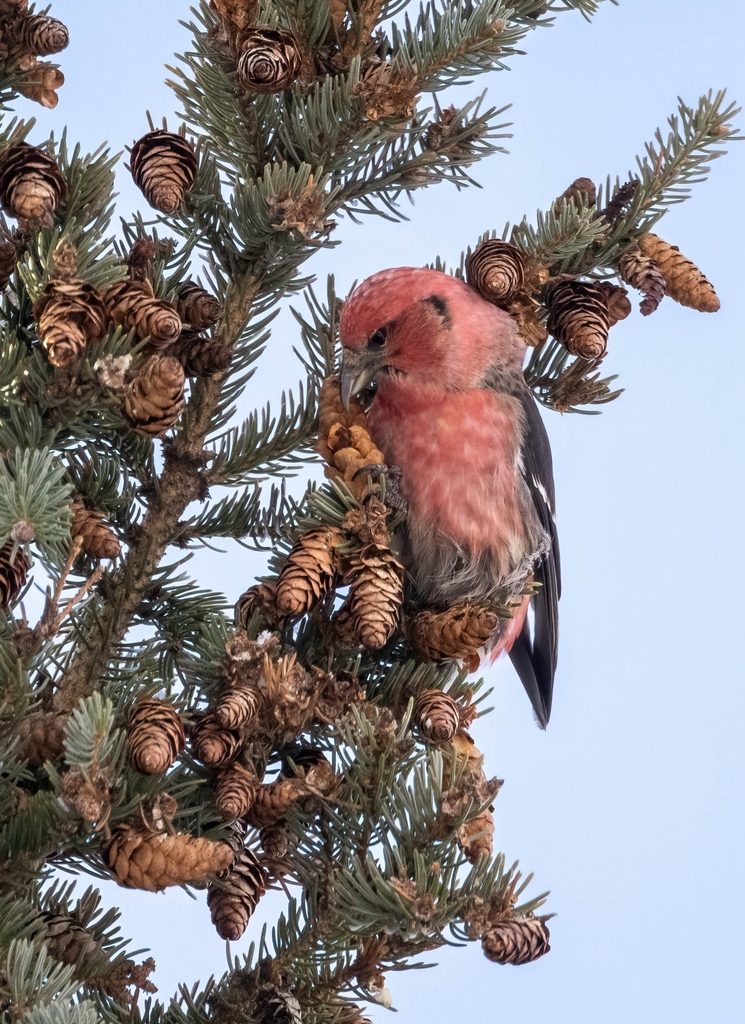
- White-winged CrossbillLoxia leucoptera
- Willow FlycatcherEmpidonax traillii
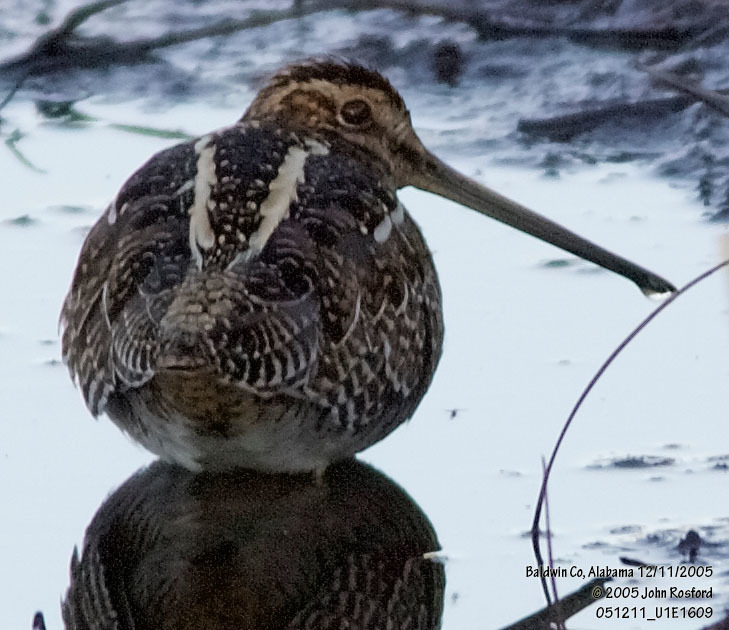
- Wilson's SnipeGallinago delicata
- Wood DuckAix sponsa
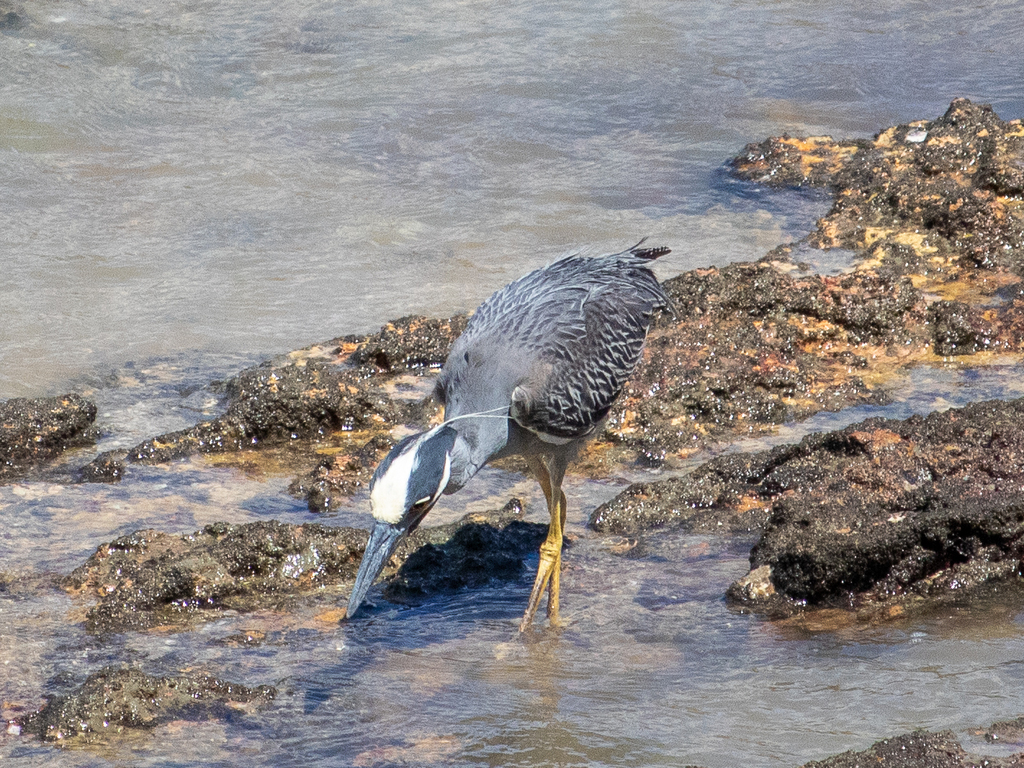
- Yellow-crowned Night-heronNyctanassa violacea
- Yellow-throated WarblerDendroica dominica





Who uses this plant?
 0CaterpillarsGenus host records with ranges including VA
 0BeesSoutheastern regional records
 0Specialist beesPollen specialists
 —BirdsRecorded genus food-resource interactions; not a state feeding claim
Other insects 1
- Lopidea media
Flower visits · Carlinville, Illinois, USA
No records yet · Ants · Beetles · Flies · Adult butterflies / moths · Other wasps
Plant details
- Family
- Orchidaceae
- Hardiness
- Zones 2a–8b
- Soil pH
- Acidic to neutral
- Flower color
- Brown/copper or yellow
- Fruit begins
- June
- Fruit ends
- October
Safety has not been reviewed for this plant; check toxicity and thorns before planting.
Growing sources and scope
- Bloom · “May to July” · Weakley, Flora of the Southeastern United States (2025), Carolinas & Georgia edition · Carolinas and Georgia
- Flower color · “Brown/copper or yellow” · NC Extension Plant Toolbox (ranked first; Lady Bird Johnson Wildflower Center differs)
- Fruit begins · “June” · Weakley, Flora of the Southeastern United States (2025), Carolinas & Georgia edition · Carolinas and Georgia
- Fruit ends · “October” · Weakley, Flora of the Southeastern United States (2025), Carolinas & Georgia edition · Carolinas and Georgia
- Hardiness · “Zones 2a–8b” · NC Extension Plant Toolbox
- Height · “3–10 inches” · Minnesota Wildflowers
- Life cycle · “Perennial” · NC Extension Plant Toolbox
- Light · “Dappled sunlight (shade through upper canopy all day); Partial shade (direct sunlight only part of the day, 2-6 hours)” · NC Extension Plant Toolbox (ranked first; Lady Bird Johnson Wildflower Center differs)
- Soil · “Moist; Occasionally dry” · NC Extension Plant Toolbox (ranked first; Lady Bird Johnson Wildflower Center differs)
- Soil pH · “Acidic to neutral” · NC Extension Plant Toolbox
Also known as
Lily Leaf Twayblade
Conservation status
| Virginia rank | S5 |
|---|---|
| Global rank | G5 |
| VA status | Not verified |
| Federal status | Not verified |
Will it fit your yard?
Check this plant against your county, sun and soil moisture. Conditions are checked in your browser.
Sources
- Digital Atlas of the Virginia Flora
- USDA PLANTS
- Vascular Plants of North Carolina (NC Natural Heritage Program)
- Weakley, Flora of the Southeastern United States (2025), Carolinas & Georgia edition
- NatureServe Explorer
- Shropshire & Tallamy 2025, Lepidoptera of North America north of Mexico, ZooKeys 1261 (ODbL)
- Noori, Seltmann & Orr 2026, A curated and integrated dataset for exploring global bee-plant interactions (GloBI), Zenodo, CC BY 4.0
- Smith, Bachelder, Russell, Morales, Mosher & Seltmann 2024, Bee-Specialization-Modeling v0.6.1 (specialist host table compiled from J. Fowler's pollen specialist bee lists), Zenodo, CC BY 4.0
- Hurlbert, Olsen, Sawyer & Winner 2021, Avian Diet Database, Scientific Data 8: 260 (CC0)
- Narango, Tallamy & Shropshire 2020, Few keystone plant genera support the majority of Lepidoptera species, Nature Communications