

Northern Spicebush
Lindera benzoin
Found in rich alluvial forests, moist forests on slopes with circumneutral soils, bottomlands, swamps. Weakley, Flora of the Southeastern United States (2025), Northern Tier edition What its natural habitat tells you
Native to Virginia. How scores work Is it native here?
Profile 100%
- Height
- 8–15 feet
- Spread
- 6–15 feet
- Light
- Partial shade
- Soil moisture
- Somewhat dry to moist
Space about 10.5 ft apart from its recorded spread. Enter your bed size for a count
Will it fit your yard?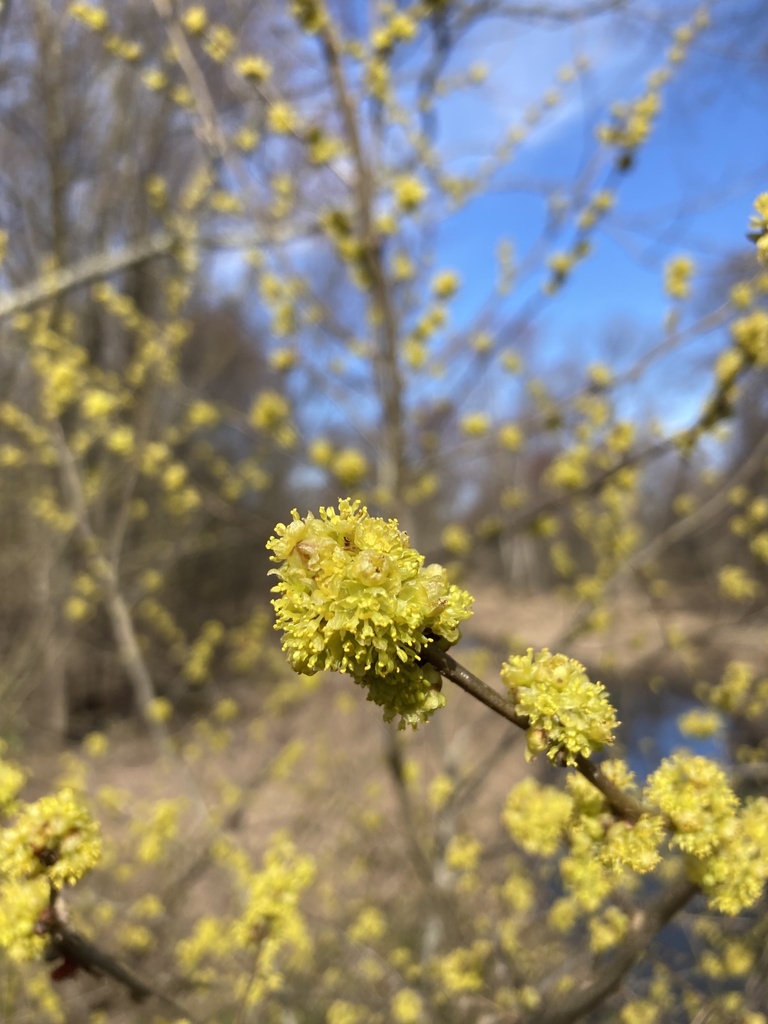
At a glance
- Life cycle
- Woody perennial
- Leaves
- Deciduous
- Bloom
- March to April
- Fruiting season
- August to September
Recorded in 104 Virginia counties.
Natural habitats
Places it grows wild. Not a planting requirement. Each habitat page lists the plants and wildlife also found there.
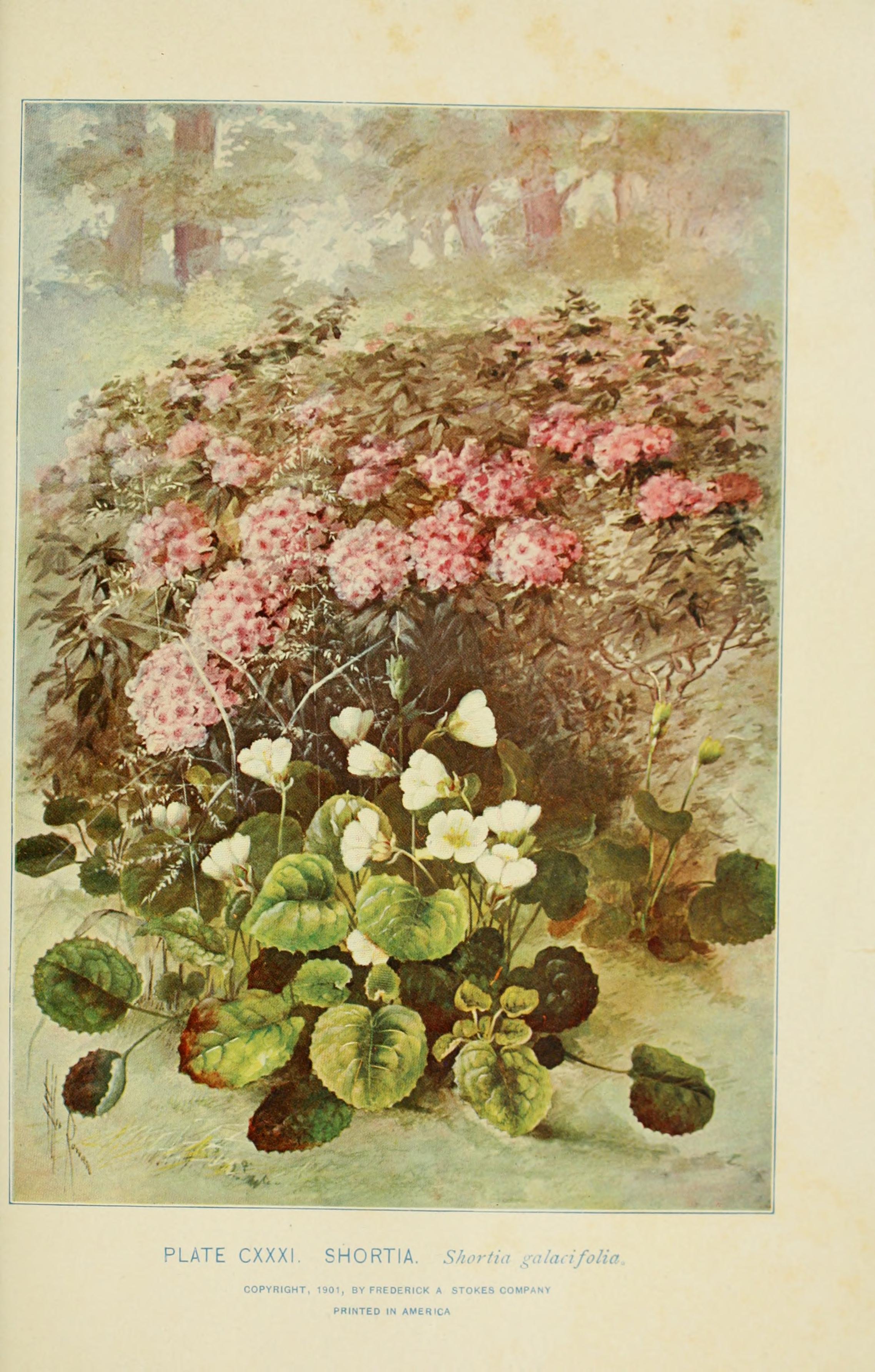
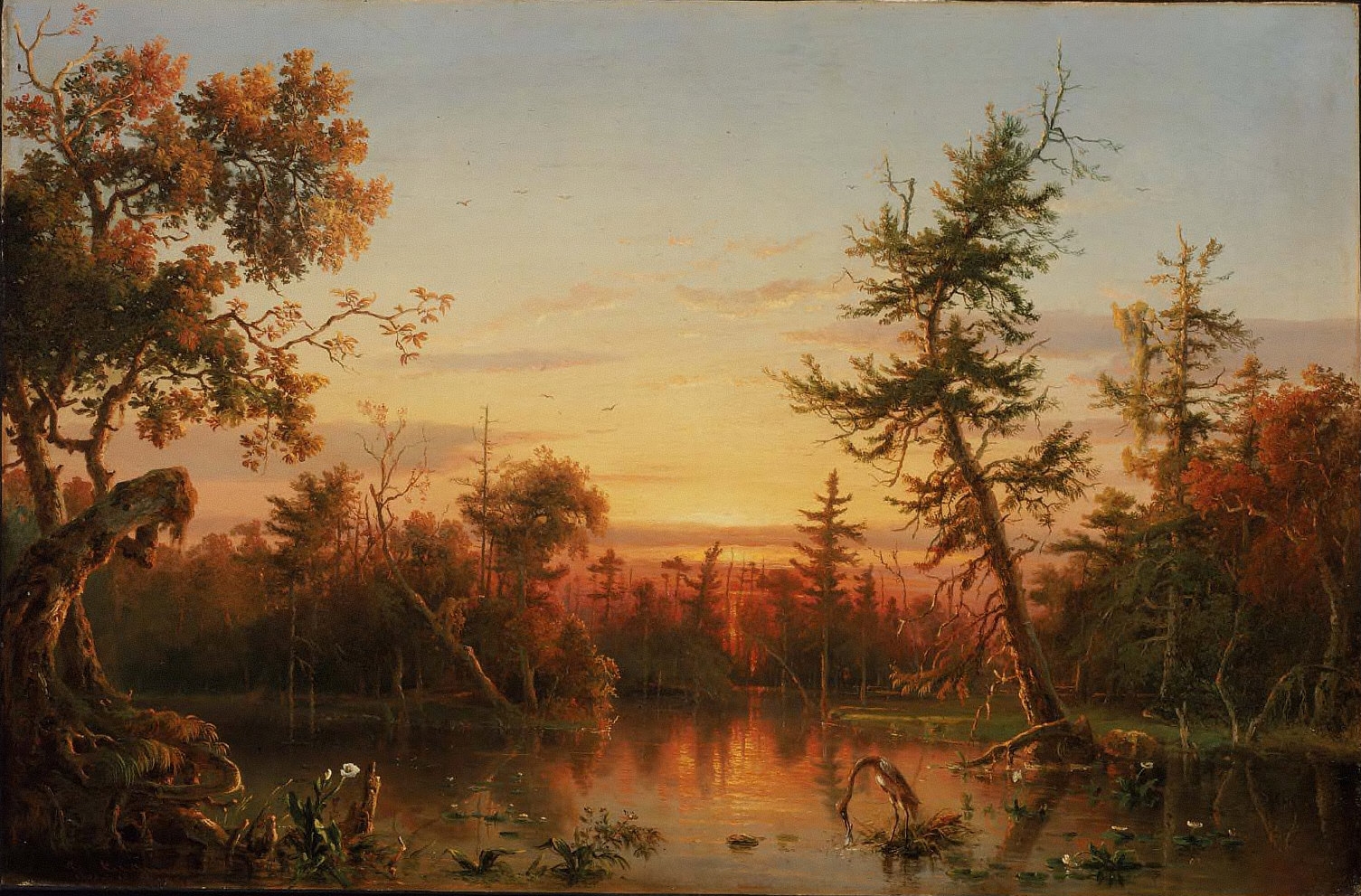
Floodplain and bottomland forests
Forests on low ground beside rivers and streams that flood from time to time.
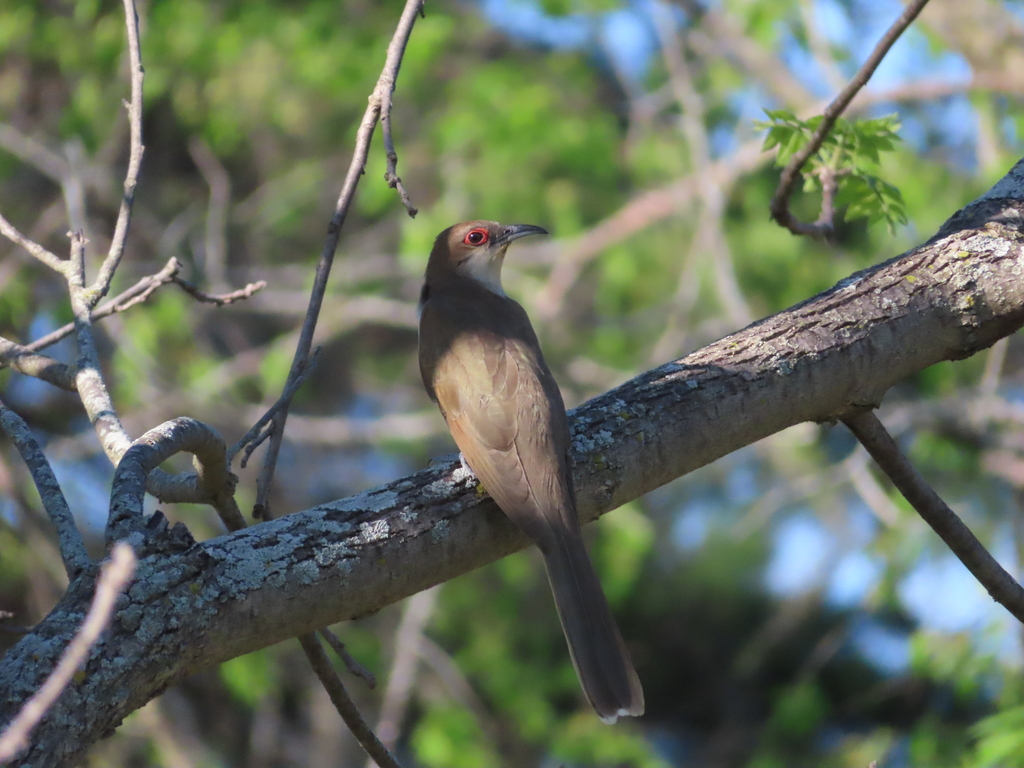
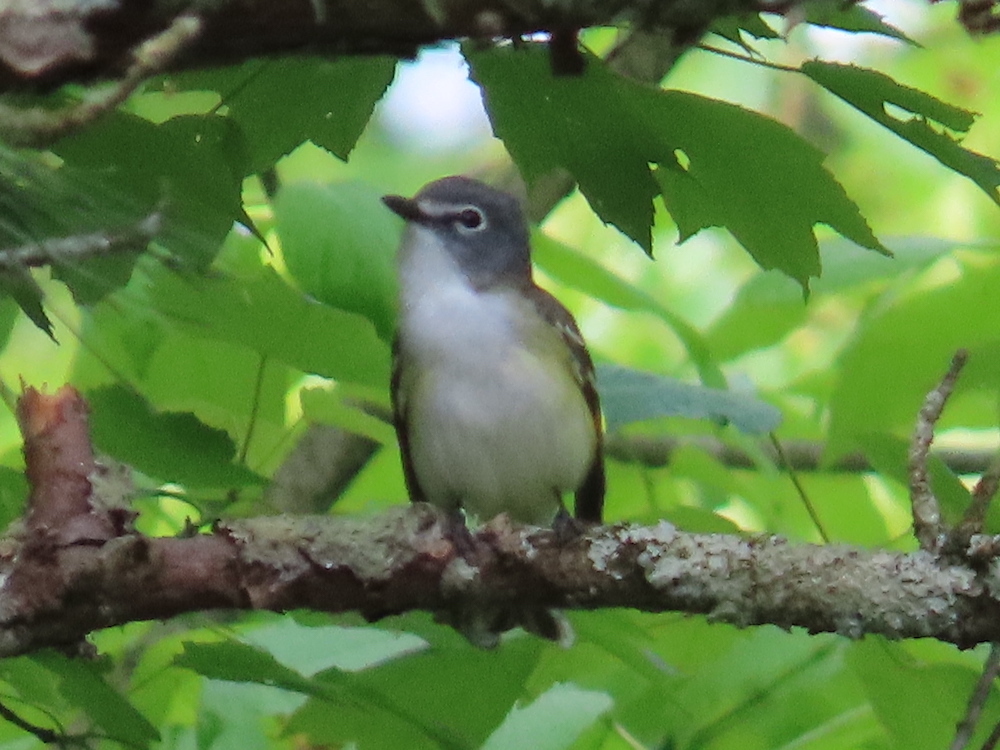
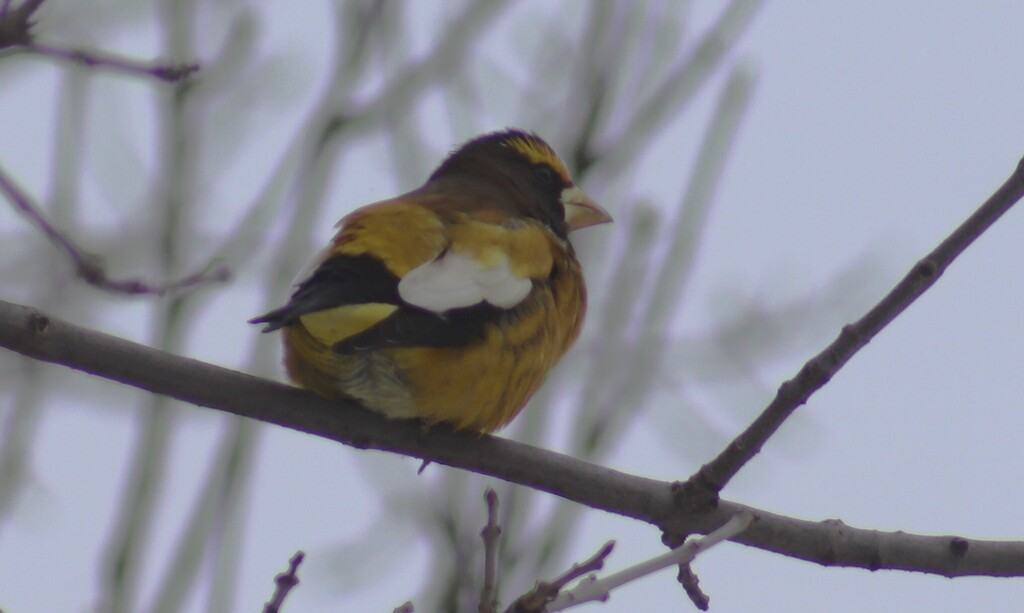
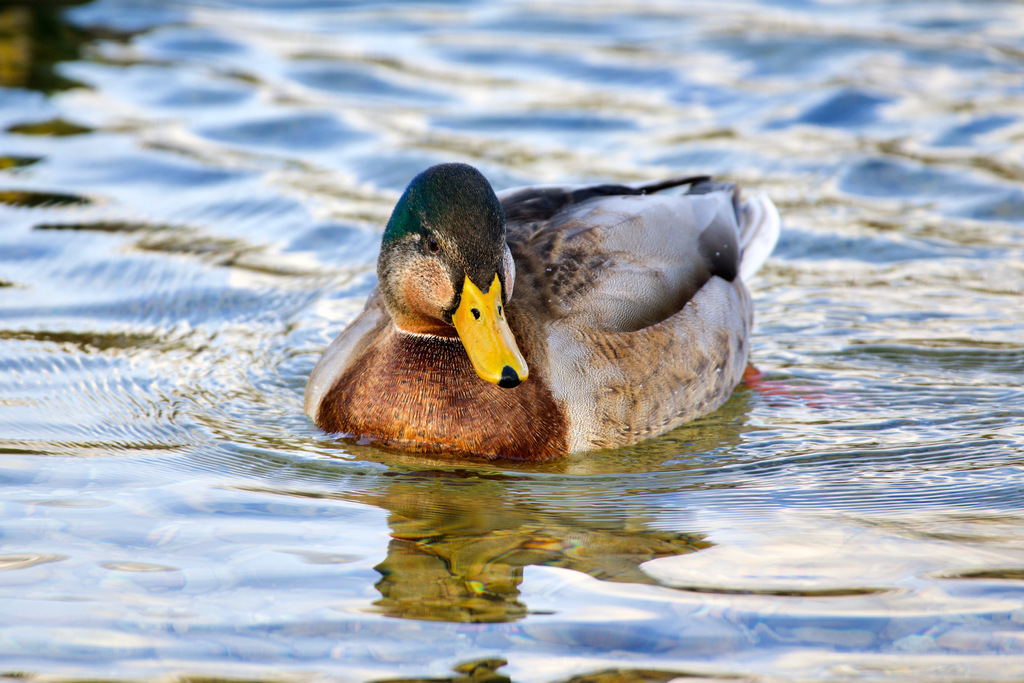
Also found with this plant
Wildlife whose habitat models include habitats this plant grows in, in Virginia. Shared habitat, not food. 163 animals.
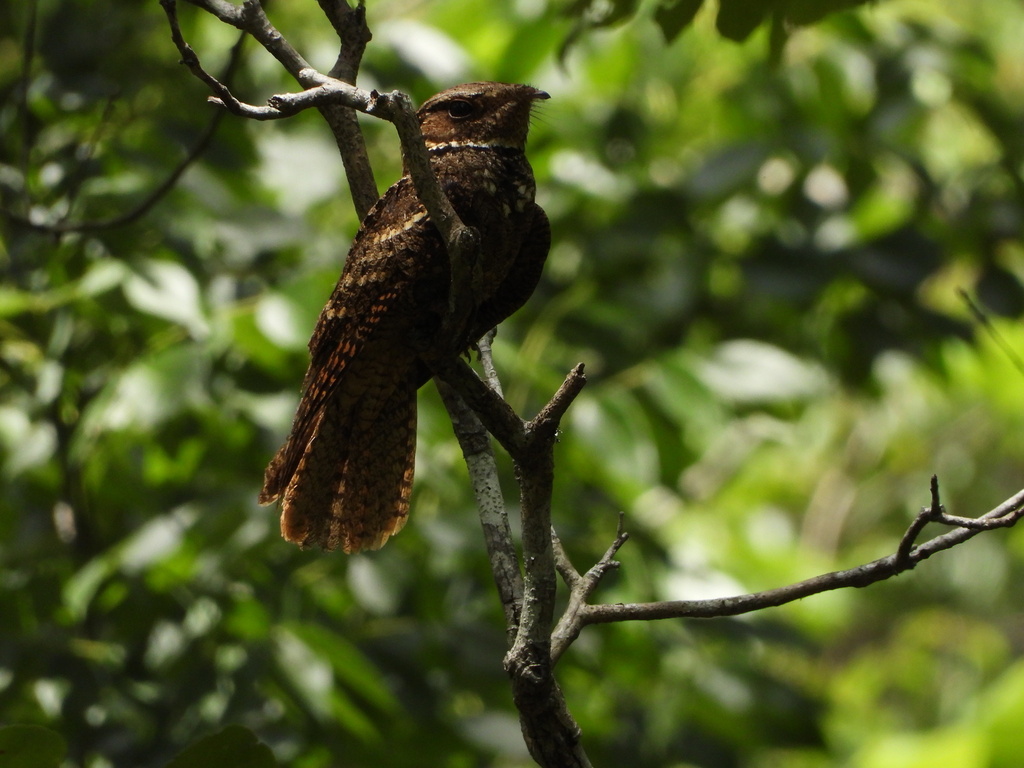
- Chuck-will's-widowCaprimulgus carolinensis
- Fish CrowCorvus ossifragus
- Indigo BuntingPasserina cyanea
- Black-crowned Night-heronNycticorax nycticorax
- Dark-eyed JuncoJunco hyemalis
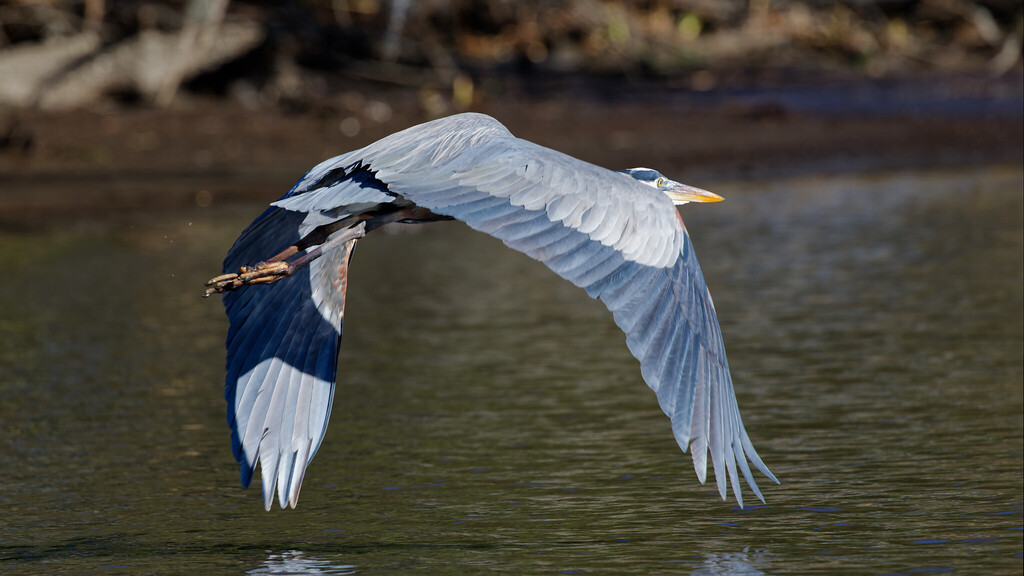
- Great Blue HeronArdea herodias
- Great EgretArdea alba
- Green HeronButorides virescens
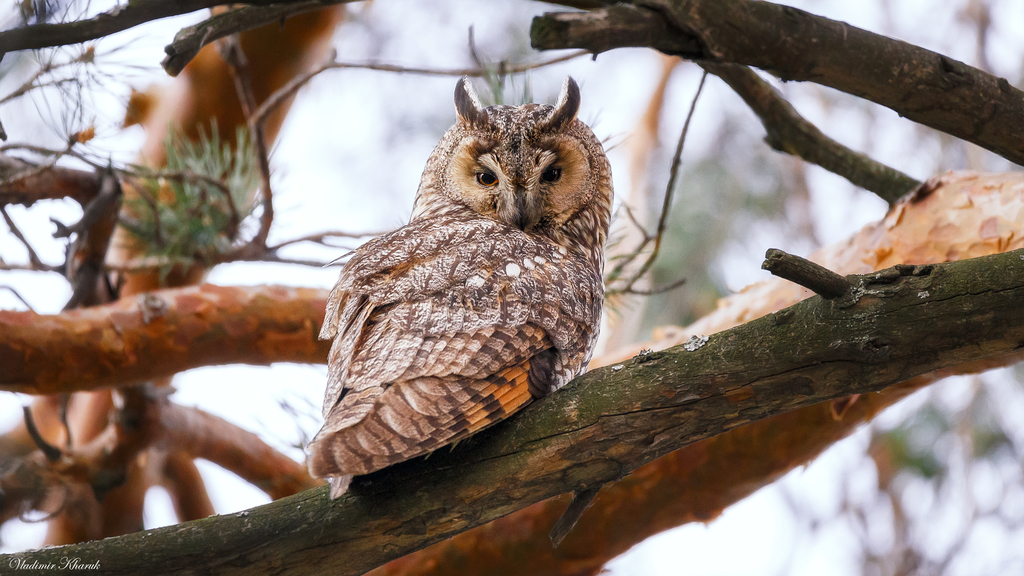
- Long-eared OwlAsio otus
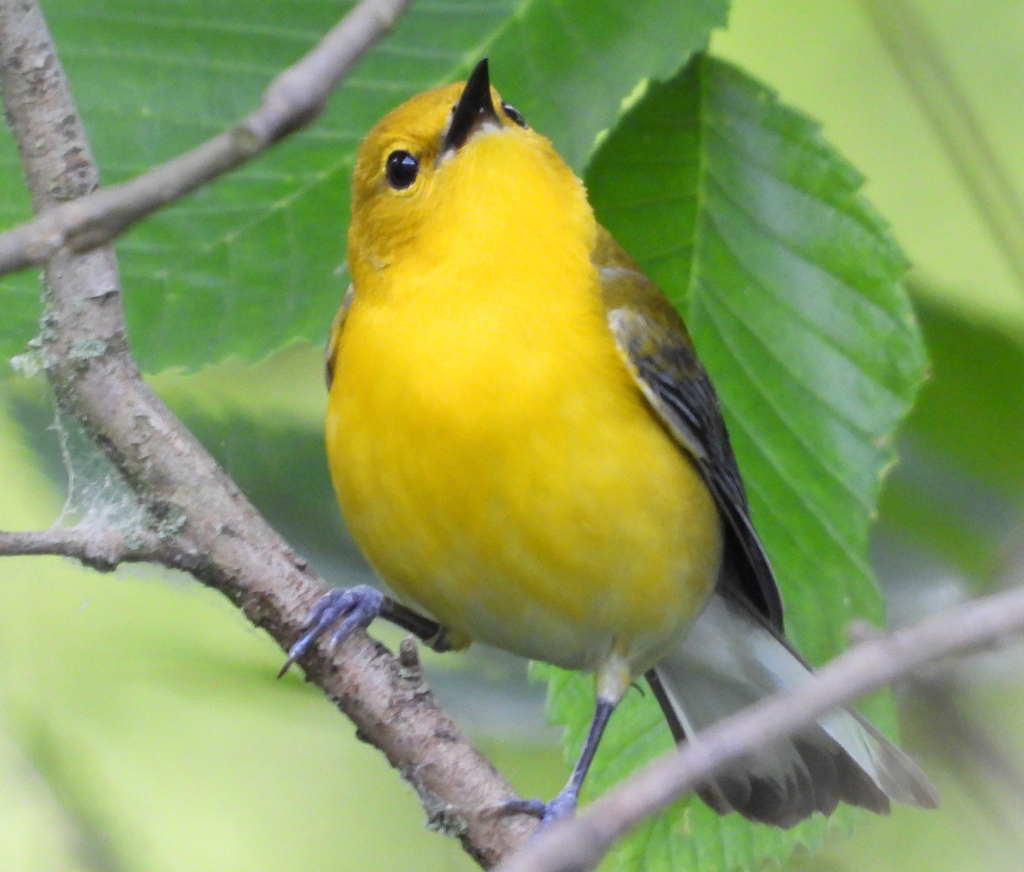
- Prothonotary WarblerProtonotaria citrea
- Ring-necked DuckAythya collaris
- Song SparrowMelospiza melodia
- Wood DuckAix sponsa
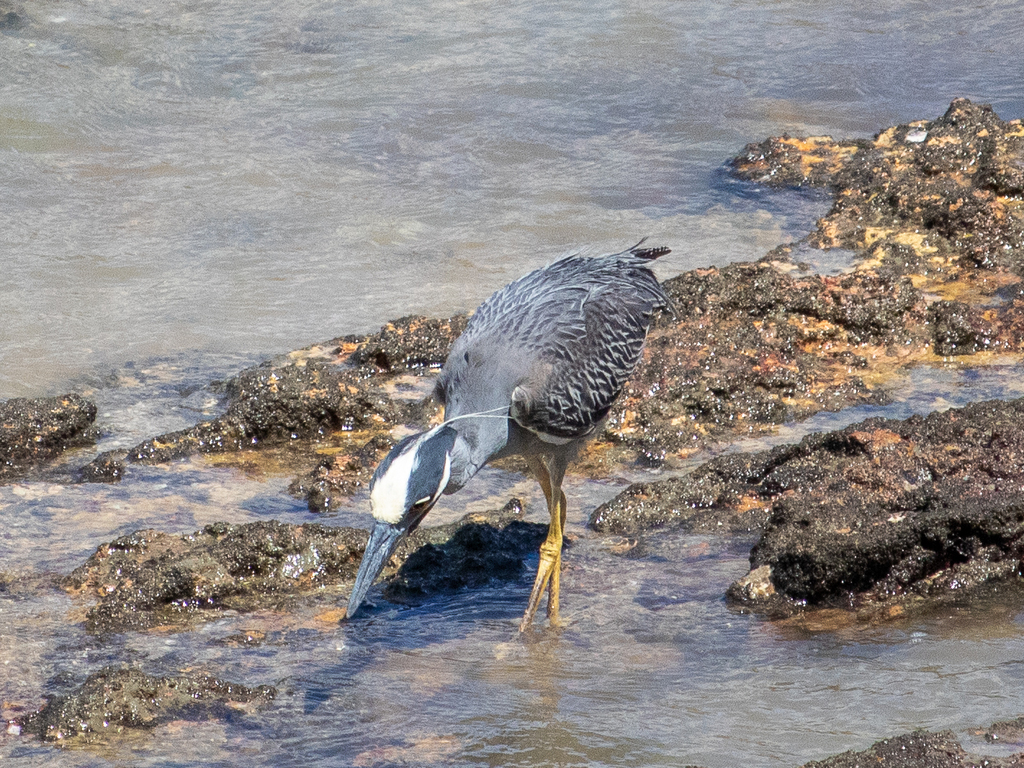
- Yellow-crowned Night-heronNyctanassa violacea
- American Black DuckAnas rubripes
- Black-billed CuckooCoccyzus erythropthalmus
- Blue-headed VireoVireo solitarius
- Brown-headed CowbirdMolothrus ater
- Cliff SwallowPetrochelidon pyrrhonota
- Eurasian Collared-doveStreptopelia decaocto
- Evening GrosbeakCoccothraustes vespertinus
- MallardAnas platyrhynchos
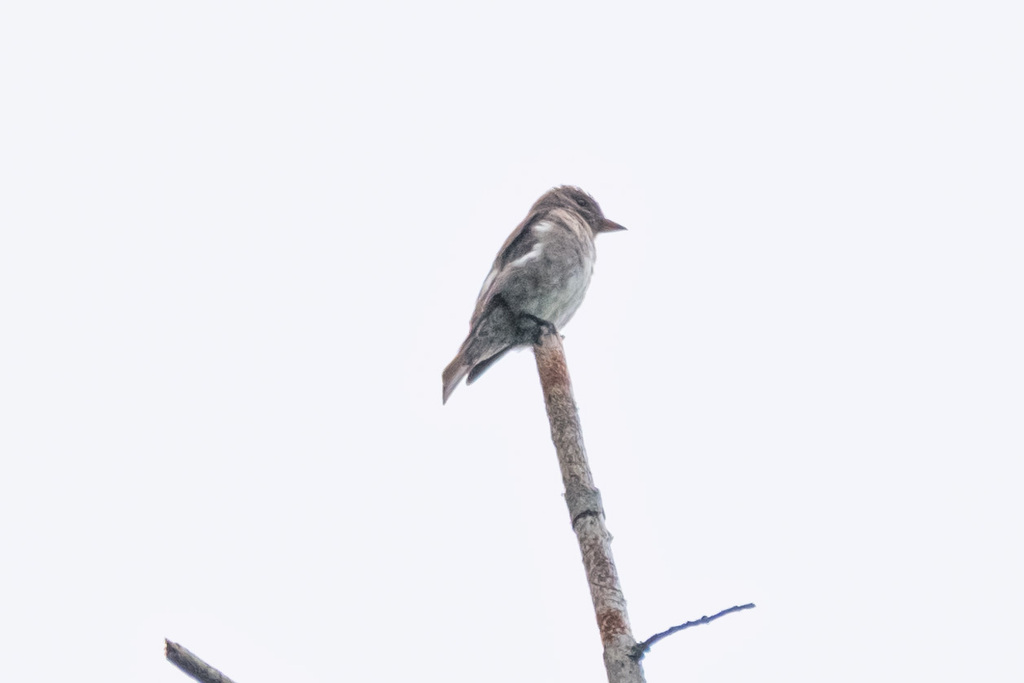
- Olive-sided FlycatcherContopus cooperi
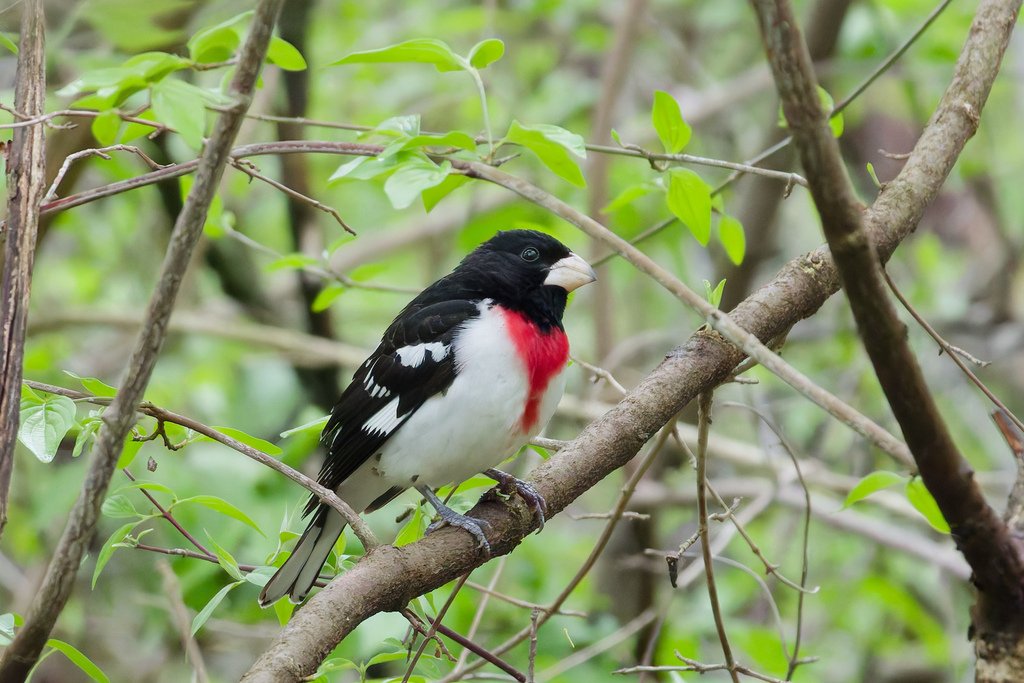
- Rose-breasted GrosbeakPheucticus ludovicianus













Who uses this plant?
 15CaterpillarsGenus host records with ranges including VA
Genus host records with ranges including VA · Lindera
- Callosamia prometheaPromethea Moth
- Papilio troilusSpicebush Swallowtail
- Acharia stimuleaSaddleback Caterpillar Moth
- Amorbia humerosanaWhite-Lined Leafroller Moth
- Antheraea polyphemusPolyphemus Moth
- Apatelodes torrefactaSpotted Apatelodes
- Eacles imperialisImperial Moth, Imperial Spiny Caterpillar
- Emmelina monodactylaMorning-Glory Plume Moth
- Epimecis hortariaTulip-Tree Beauty
- Morrisonia confusaConfused Woodgrain
Show all 15
- Papilio glaucusEastern Tiger Swallowtail
- Papilio palamedesPalamedes Swallowtail
- Parasa chlorisSmaller Parasa, Green Slug Moth
- Phaecasiophora confixanaMacramé Moth
- Tetracis crocallataYellow Slant-Line
 1BeesSoutheastern regional records
Southeastern regional records · Lindera
Individual names are not available yet.
Noori, Seltmann & Orr 2026, A curated and integrated dataset for exploring global bee-plant interactions (GloBI), Zenodo, CC BY 4.0 0Specialist beesPollen specialists
 7BirdsRecorded genus food-resource interactions; not a state feeding claim
Recorded genus food-resource interactions; not a state feeding claim · Lindera
- Cardinalis cardinalisNorthern Cardinal
- Hylocichla mustelinaWood Thrush
- Catharus fuscescensVeery
- Catharus guttatusHermit Thrush
- Turdus migratoriusAmerican Robin
- Tyrannus tyrannusEastern Kingbird
- Vireo olivaceusRed-eyed Vireo
Direct food only: birds recorded eating this genus across North America. Caterpillars on host plants also feed nesting birds. NC Native Plant Society: butterfly gardening
No records yet · Ants · Beetles · Flies · Adult butterflies / moths · Other wasps · Other insects
Plant details
- Family
- Lauraceae
- Hardiness
- Zones 5a–9b
- Flower color
- Yellow or green
- Growth rate
- Slow
- Growth habit
- Several stems
- Foliage color
- Green
- Fruit begins
- August
- Fruit ends
- September
Flowering timing. Species profile reports March–April, before leaf-out; timing varies with location and year. Source
Safety has not been reviewed for this plant; check toxicity and thorns before planting.
Growing sources and scope
- Bloom · “March to April” · NC State Extension · reviewed species facts
- Flower color · “Yellow or green” · NC Extension Plant Toolbox (ranked first; USDA PLANTS differs)
- Foliage color · “Green” · USDA PLANTS · Nationwide species characteristics; local growing conditions may vary
- Fruit begins · “August” · Weakley, Flora of the Southeastern United States (2025), Carolinas & Georgia edition (ranked first; USDA PLANTS differs) · Carolinas and Georgia
- Fruit ends · “September” · Weakley, Flora of the Southeastern United States (2025), Carolinas & Georgia edition (ranked first; USDA PLANTS differs) · Carolinas and Georgia
- Growth habit · “Several stems” · USDA PLANTS · Nationwide species characteristics; local growing conditions may vary
- Growth rate · “Slow” · USDA PLANTS · Nationwide species characteristics; local growing conditions may vary
- Hardiness · “Zones 5a–9b” · NC Extension Plant Toolbox
- Height · “8–15 feet” · NC Extension Plant Toolbox (ranked first; USDA PLANTS differs)
- Leaves · “Deciduous” · NC Extension Plant Toolbox
- Life cycle · “Woody perennial” · NC Extension Plant Toolbox
- Light · “Partial shade (direct sunlight only part of the day, 2-6 hours)” · NC Extension Plant Toolbox (ranked first; Tennessee Smart Yards, Virginia DCR Piedmont, Virginia DCR Coastal Plain differ)
- Soil · “Moist; Occasionally dry; Occasionally wet” · NC Extension Plant Toolbox (ranked first; Tennessee Smart Yards, Virginia DCR Piedmont, Virginia DCR Coastal Plain differ)
- Spread · “6–15 feet” · NC Extension Plant Toolbox
Also known as
Spicebush
Conservation status
| Virginia rank | S5 |
|---|---|
| Global rank | G5 |
| VA status | Not verified |
| Federal status | Not verified |
Will it fit your yard?
Check this plant against your county, sun and soil moisture. Conditions are checked in your browser.
Sources
- Digital Atlas of the Virginia Flora
- USDA PLANTS
- Vascular Plants of North Carolina (NC Natural Heritage Program)
- Weakley, Flora of the Southeastern United States (2025)
- NatureServe Explorer
- Shropshire & Tallamy 2025, Lepidoptera of North America north of Mexico, ZooKeys 1261 (ODbL)
- Noori, Seltmann & Orr 2026, A curated and integrated dataset for exploring global bee-plant interactions (GloBI), Zenodo, CC BY 4.0
- Smith, Bachelder, Russell, Morales, Mosher & Seltmann 2024, Bee-Specialization-Modeling v0.6.1 (specialist host table compiled from J. Fowler's pollen specialist bee lists), Zenodo, CC BY 4.0
- Hurlbert, Olsen, Sawyer & Winner 2021, Avian Diet Database, Scientific Data 8: 260 (CC0)
- Narango, Tallamy & Shropshire 2020, Few keystone plant genera support the majority of Lepidoptera species, Nature Communications