

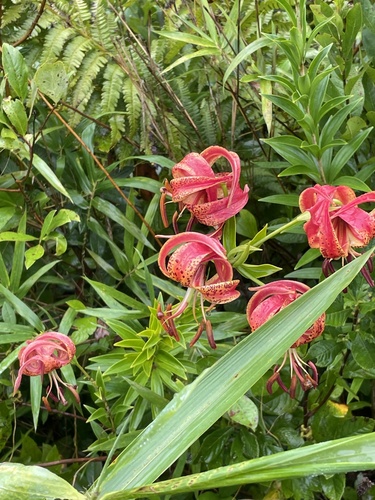
Sandhills Lily
Lilium pyrophilum
Found in peaty sandhill seepage bogs in the fall-line Sandhills, streamhead canebrakes. Weakley, Flora of the Southeastern United States (2025), Northern Tier edition What its natural habitat tells you
Native to Virginia. How scores work Is it native here?
Profile 94%
- Height
- Up to about 5 feet
- Light
- Partial shade, Full sun
- Soil moisture
- Moist to wet
Rare or protected plant. Specialist conservation planting; excluded from routine garden suggestions. Plant caution source
Hidden from default planting suggestions. Wildlife value and native status remain unchanged.
At a glance
- Life cycle
- Perennial
- Bloom
- July to August
Not yet recorded · Spread · Leaves
Recorded in 7 Virginia counties.
Natural habitats
Places it grows wild. Not a planting requirement. Each habitat page lists the plants and wildlife also found there.
Open, wet, seepage-fed bogs of the Coastal Plain and Sandhills, often with pitcher plants.
Dry, deep-sand ridges with longleaf pine and turkey oak, kept open by fire.
Also found with this plant
Wildlife whose habitat models include habitats this plant grows in, in Virginia. Shared habitat, not food. 139 animals.
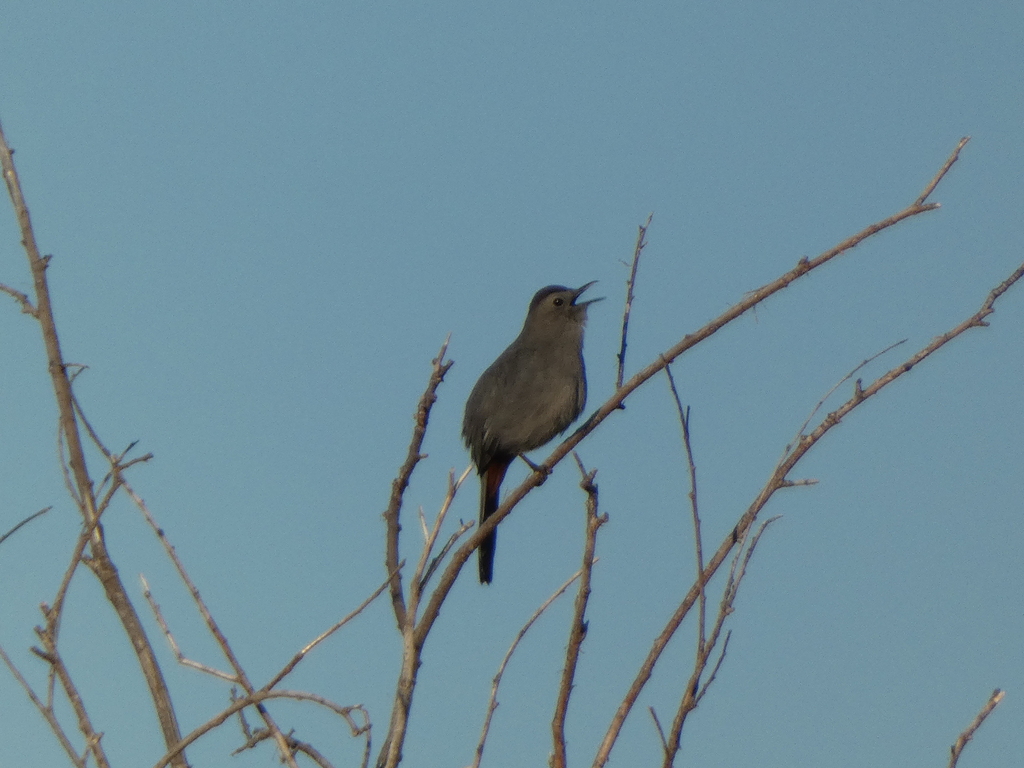
- Gray CatbirdDumetella carolinensis
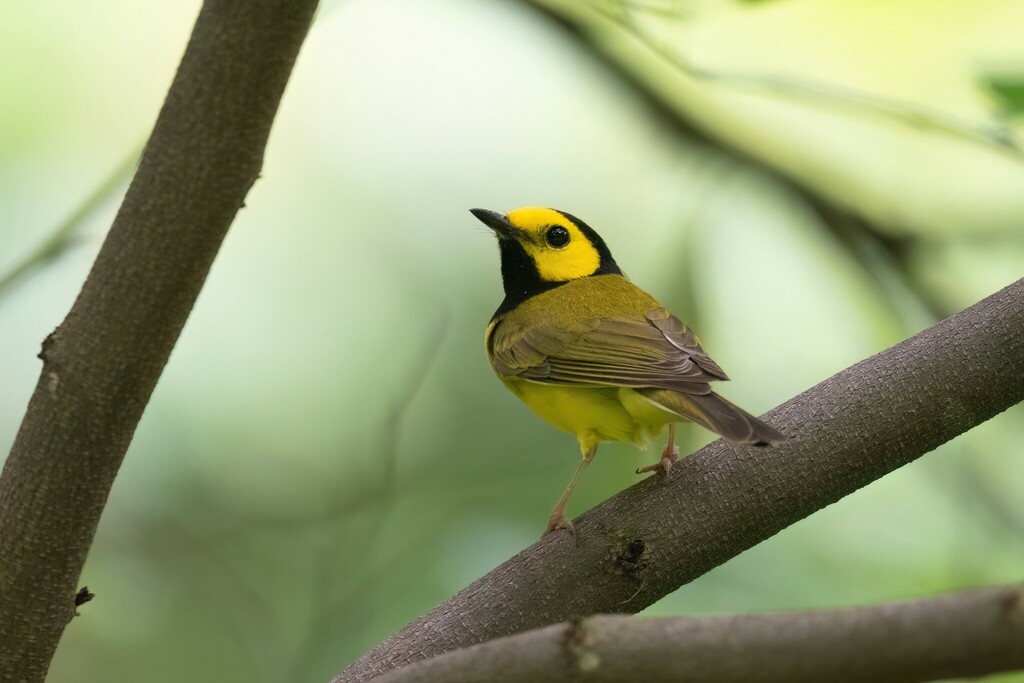
- Hooded WarblerWilsonia citrina
- Indigo BuntingPasserina cyanea
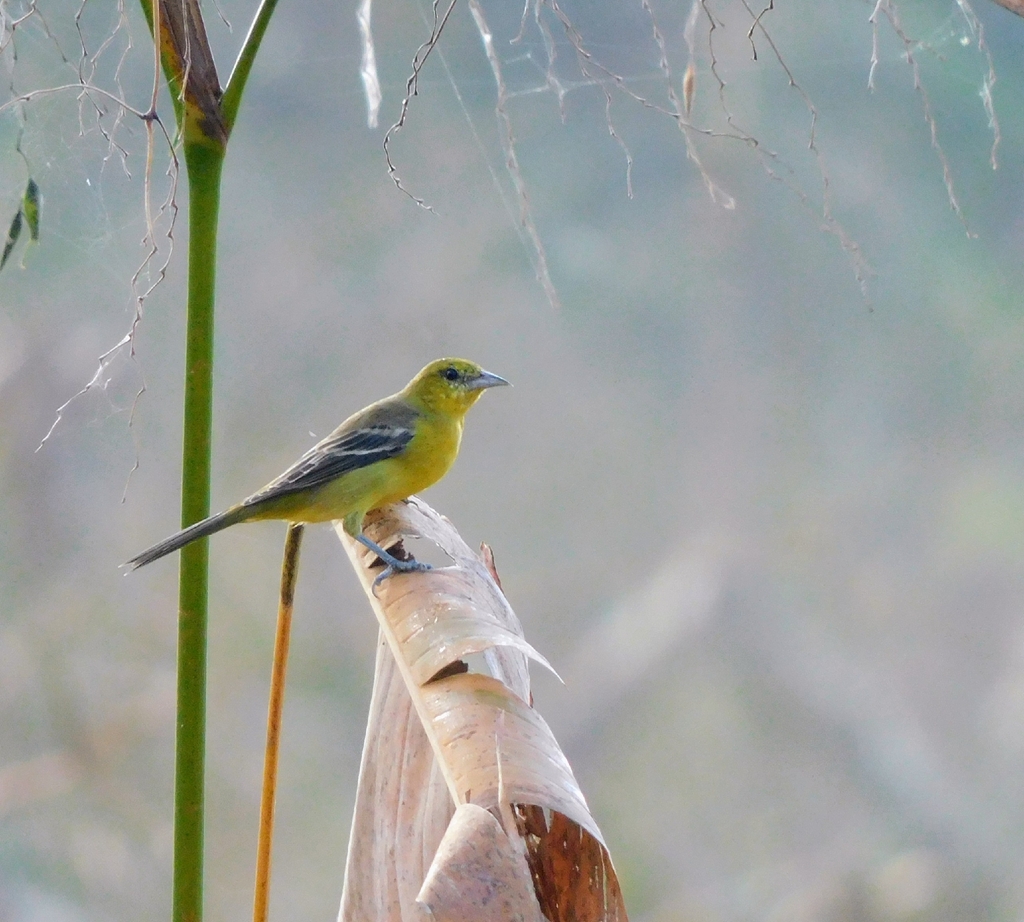
- Orchard OrioleIcterus spurius
- OvenbirdSeiurus aurocapilla
- Scarlet TanagerPiranga olivacea
- Spotted SandpiperActitis macularius
- White-breasted NuthatchSitta carolinensis
- Wood ThrushHylocichla mustelina
- Worm-eating WarblerHelmitheros vermivorum
- Yellow-billed CuckooCoccyzus americanus
- Yellow-throated WarblerDendroica dominica
- American Black DuckAnas rubripes
- Black-crowned Night-heronNycticorax nycticorax
- Blue-winged WarblerVermivora pinus
- CanvasbackAythya valisineria
- Cerulean WarblerDendroica cerulea
- Chuck-will's-widowCaprimulgus carolinensis
- Eastern BluebirdSialia sialis
- Great Blue HeronArdea herodias
- Great EgretArdea alba
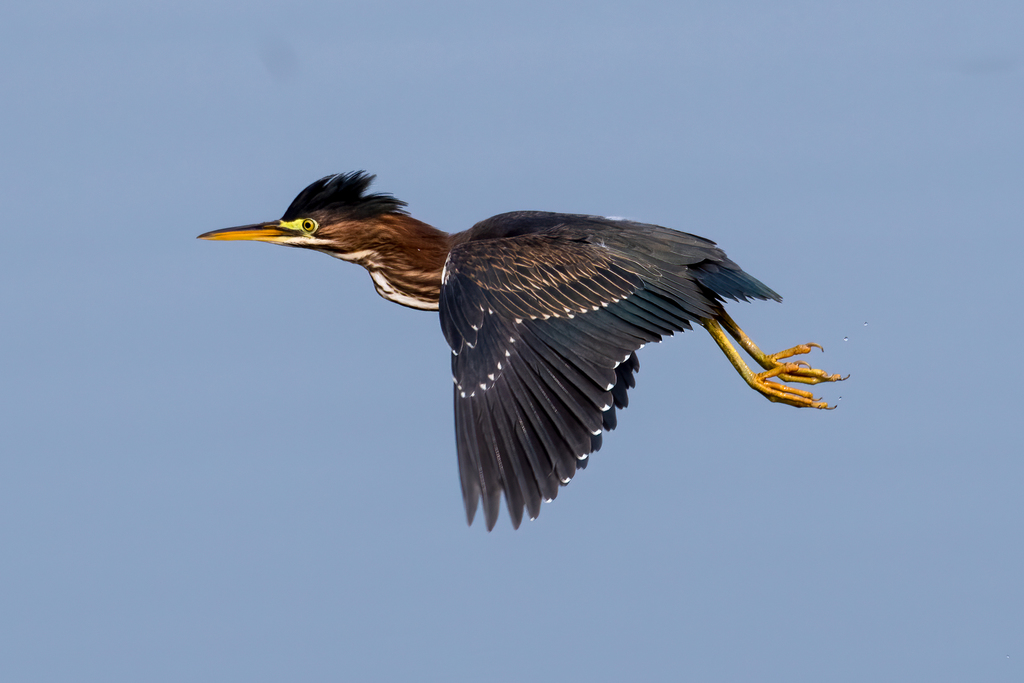
- Green HeronButorides virescens
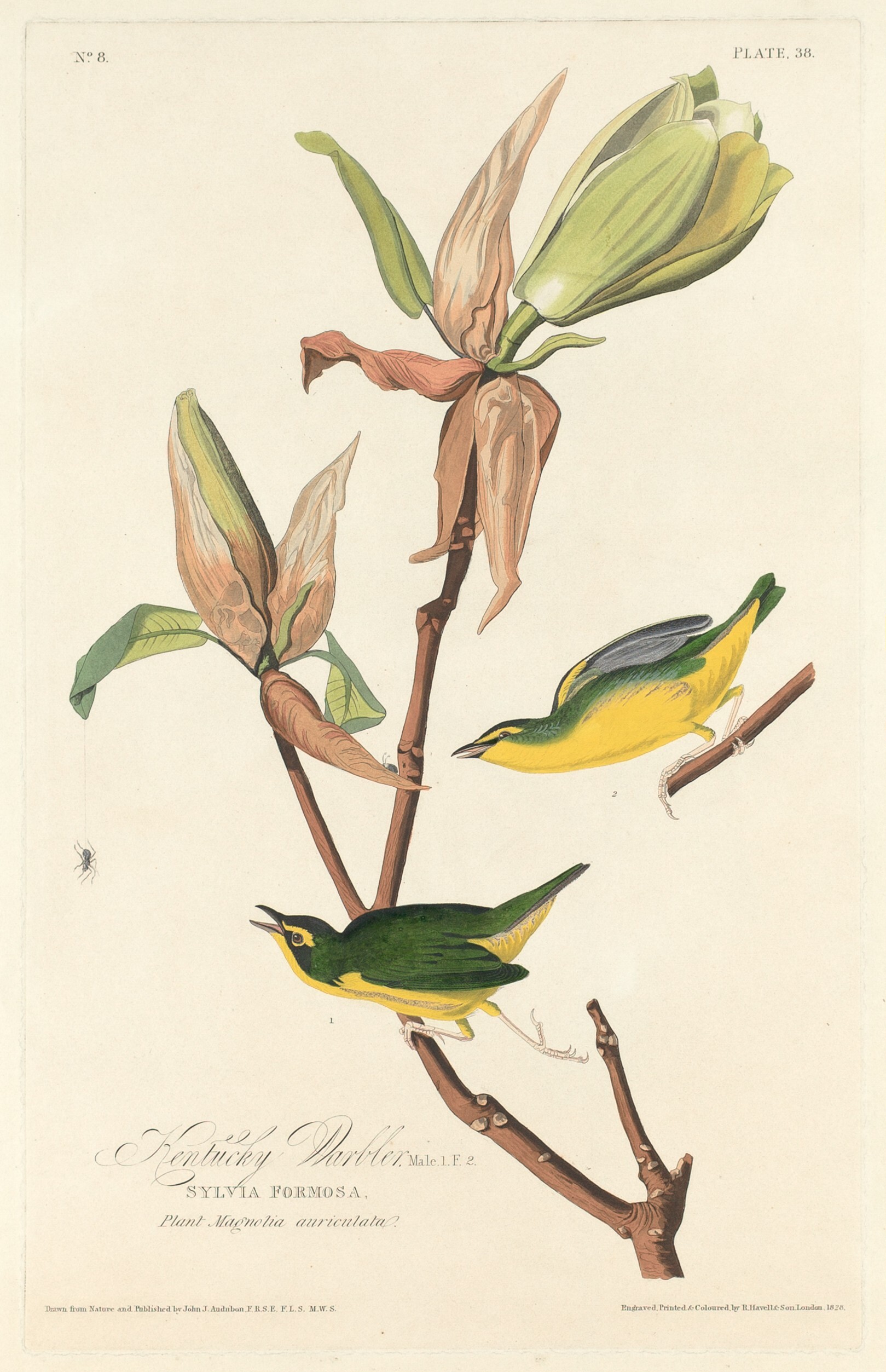
- Kentucky WarblerOporornis formosus
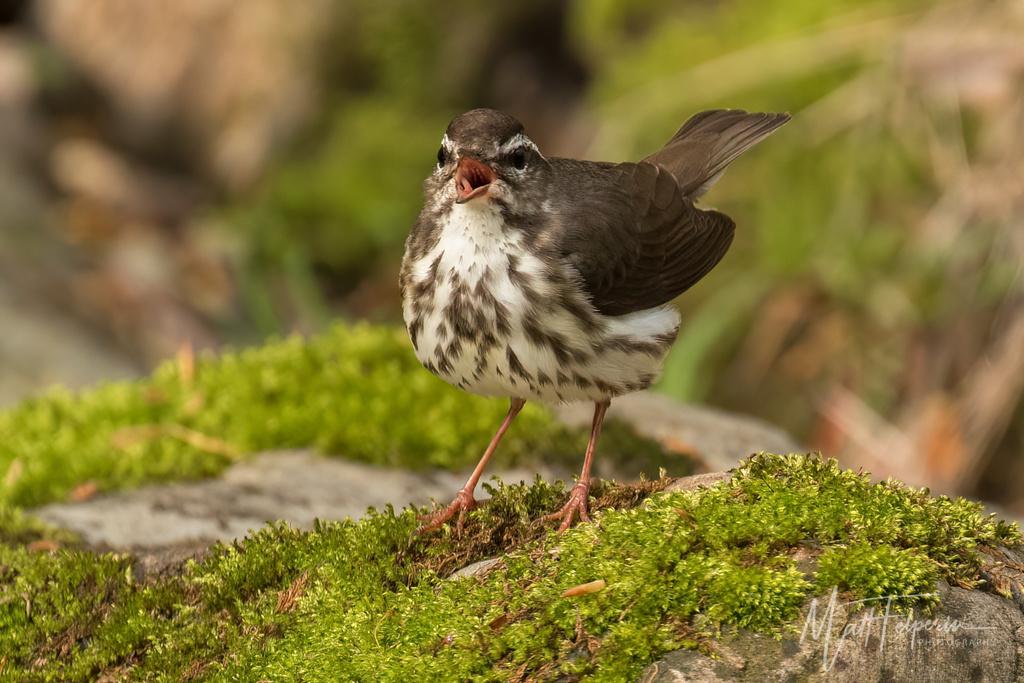
- Louisiana WaterthrushSeiurus motacilla


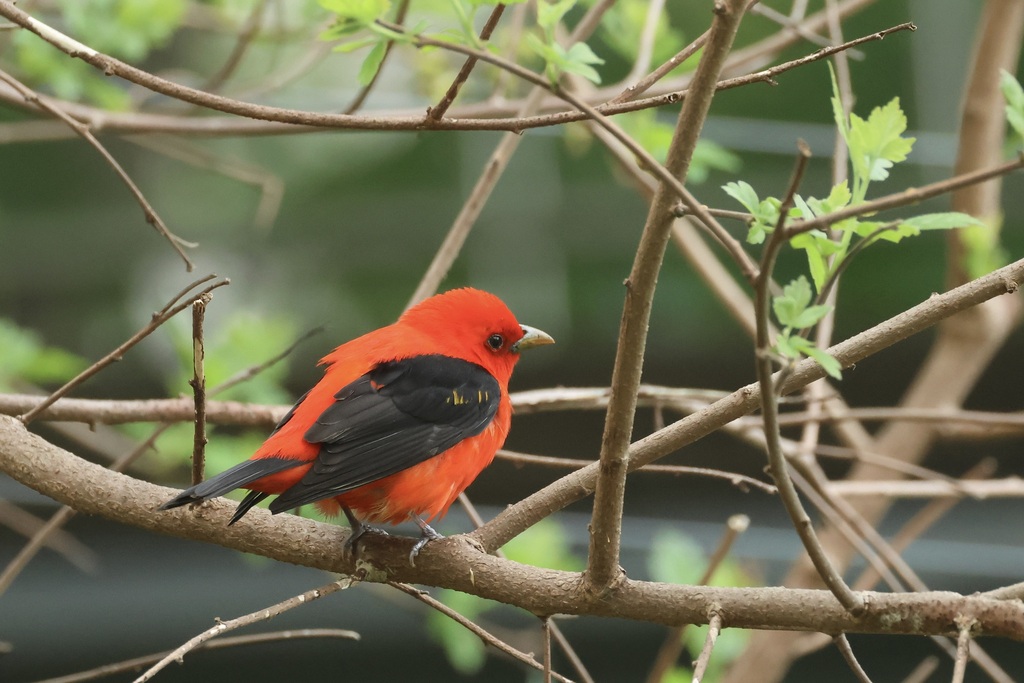



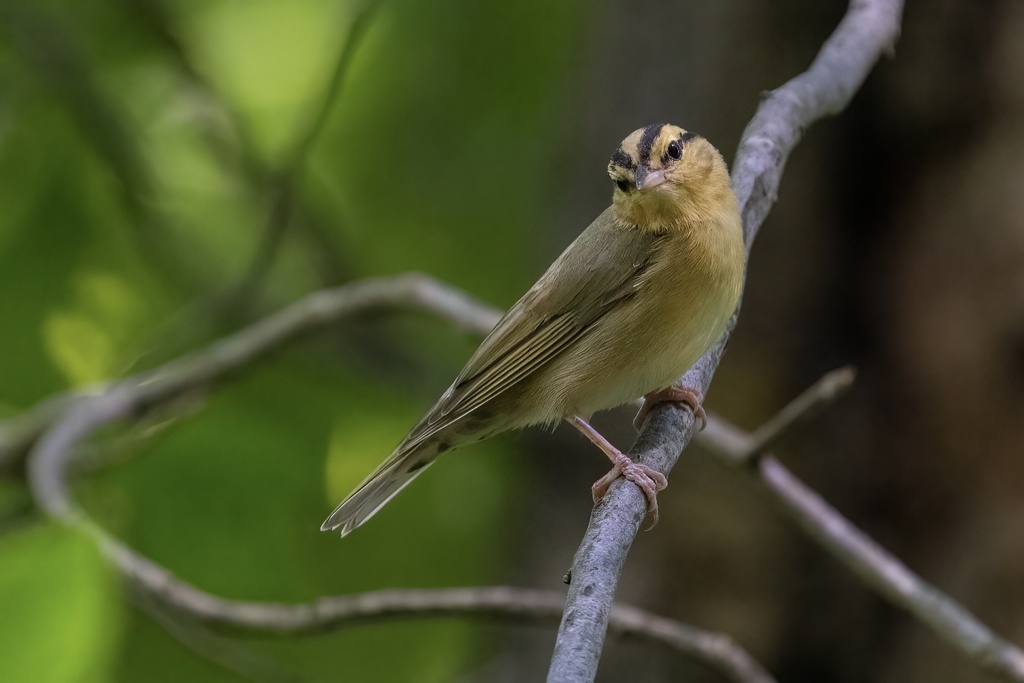







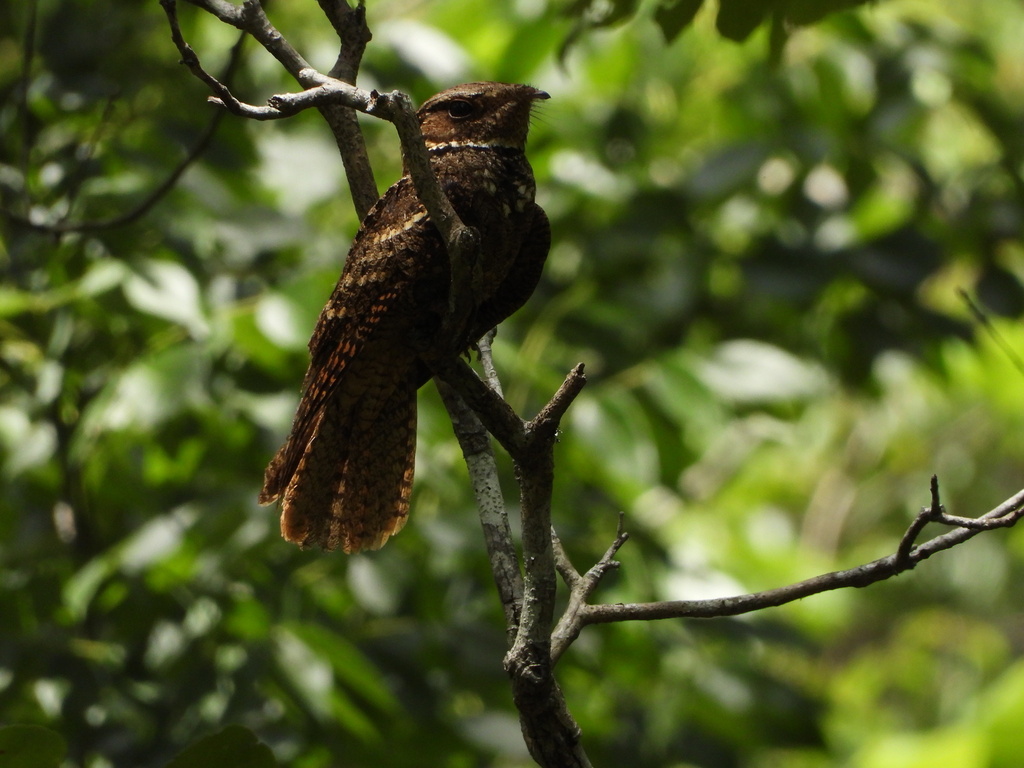

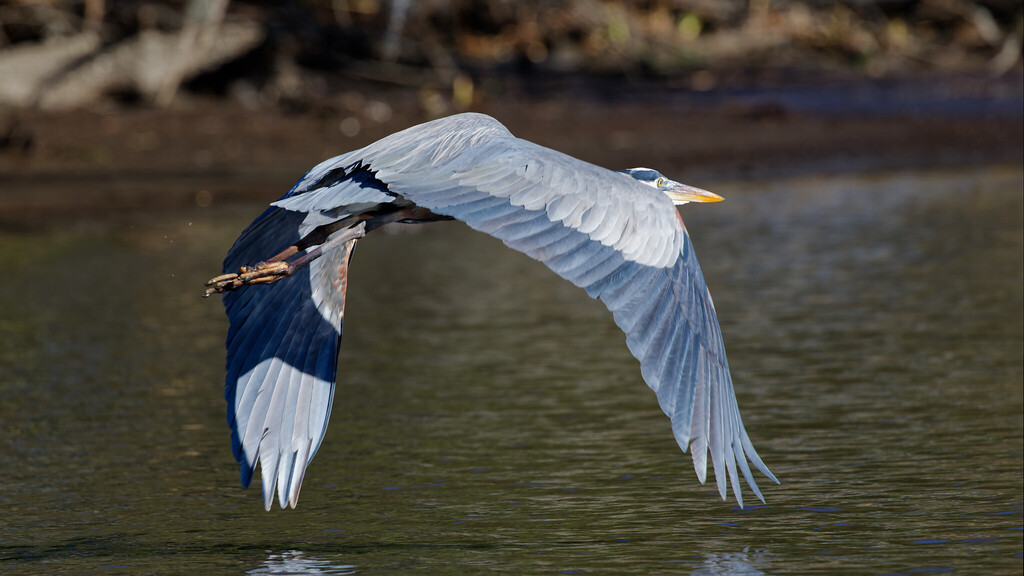

Who uses this plant?
 12CaterpillarsGenus host records with ranges including VA
Genus host records with ranges including VA · Lilium
- Acharia stimuleaSaddleback Caterpillar Moth
- Acrolepiopsis incertellaCarrionflower Moth
- Euxoa messoriaReaper Dart, Darksided Cutworm, Dark-Sided Cutworm
- Hymenia perspectalisSpotted Beet Webworm
- Macronoctua onustaIris Border Moth, Iris Root Borer
- Papaipema cataphractaBurdock Border, Potato-Stalk Borer
- Papaipema insulidensRagwort Stem Borer
- Papaipema nebrisStalk Borer
- Platynota rostranaOmnivorous Platynota
- Sparganothis sulfureanaSparganothis Fruitworm Moth, Sulfur Leafroller, False Yellow-Head
Show all 12
- Spilosoma virginicaVirginian Tiger Moth, Yellow Woolybear Moth, Yellow Bear
- Xanthopastis regnatrixConvict Caterpillar, Spanish Quaker, Spanish Moth
 2BeesSoutheastern regional records
Southeastern regional records · Lilium
Individual names are not available yet.
Noori, Seltmann & Orr 2026, A curated and integrated dataset for exploring global bee-plant interactions (GloBI), Zenodo, CC BY 4.0 0Specialist beesPollen specialists
 —BirdsRecorded genus food-resource interactions; not a state feeding claim
No records yet · Ants · Beetles · Flies · Adult butterflies / moths · Other wasps · Other insects
Plant details
- Family
- Liliaceae
- Flower color
- Red, orange or yellow
Growing sources and scope
- Bloom · “Late July to mid August” · Weakley, Flora of the Southeastern United States (2025), Carolinas & Georgia edition · Carolinas and Georgia
- Flower color · “Red, orange or yellow” · Lady Bird Johnson Wildflower Center
- Height · “Up to about 5 feet” · Lady Bird Johnson Wildflower Center
- Life cycle · “Perennial” · Lady Bird Johnson Wildflower Center
- Light · “Partial shade; Full sun (documented habitat)” · Weakley, Flora of the Southeastern United States (2025), Carolinas & Georgia edition · Carolinas and Georgia
- Soil · “Moist; Wet (documented habitat)” · Weakley, Flora of the Southeastern United States (2025), Carolinas & Georgia edition · Carolinas and Georgia
Conservation status
| Virginia rank | S1 |
|---|---|
| Global rank | G2G3 |
| VA status | Not verified |
| Federal status | Not verified |
Will it fit your yard?
Check this plant against your county, sun and soil moisture. Conditions are checked in your browser.
Sources
- Virginia DCR Natural Heritage rare plant list
- Digital Atlas of the Virginia Flora
- USDA PLANTS
- Vascular Plants of North Carolina (NC Natural Heritage Program)
- Weakley, Flora of the Southeastern United States (2025), Carolinas & Georgia edition
- NatureServe Explorer
- Shropshire & Tallamy 2025, Lepidoptera of North America north of Mexico, ZooKeys 1261 (ODbL)
- Noori, Seltmann & Orr 2026, A curated and integrated dataset for exploring global bee-plant interactions (GloBI), Zenodo, CC BY 4.0
- Smith, Bachelder, Russell, Morales, Mosher & Seltmann 2024, Bee-Specialization-Modeling v0.6.1 (specialist host table compiled from J. Fowler's pollen specialist bee lists), Zenodo, CC BY 4.0
- Hurlbert, Olsen, Sawyer & Winner 2021, Avian Diet Database, Scientific Data 8: 260 (CC0)
- Narango, Tallamy & Shropshire 2020, Few keystone plant genera support the majority of Lepidoptera species, Nature Communications