

Chinese Privet
Ligustrum sinense
An invasive shrub that forms dense thickets and displaces other vegetation. Found in moist forests, especially alluvial bottomlands, and also in a wide range of other forests, woodlands, glade edges, etc. FloraQuest, phone app (app page) What its natural habitat tells you
Not native to Virginia. How scores work Is it native here?
Profile 71%
- Height
- 6½–15 feet
- Spread
- 10–15 feet
- Light
- Dappled sunlight, Full sun, Partial shade
- Soil moisture
- Dry to moist
Do not plant. Listed invasive in Virginia.
Plant this instead
Choose your county to list local plants first.
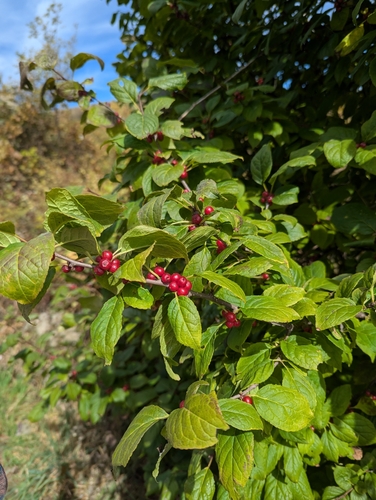
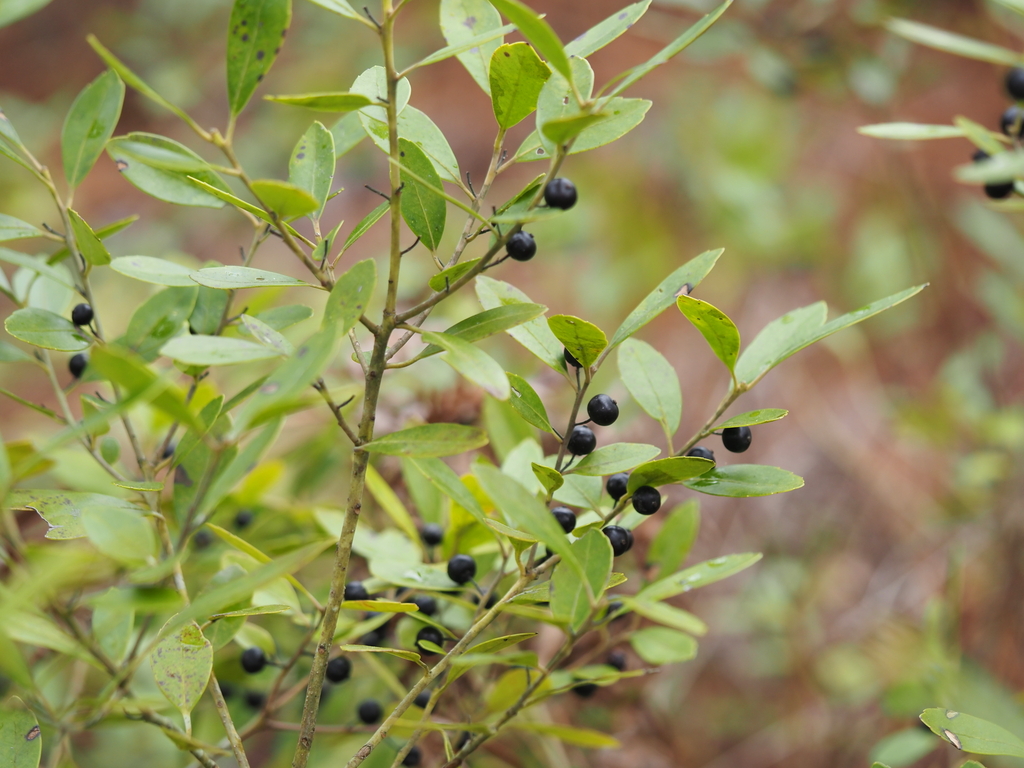
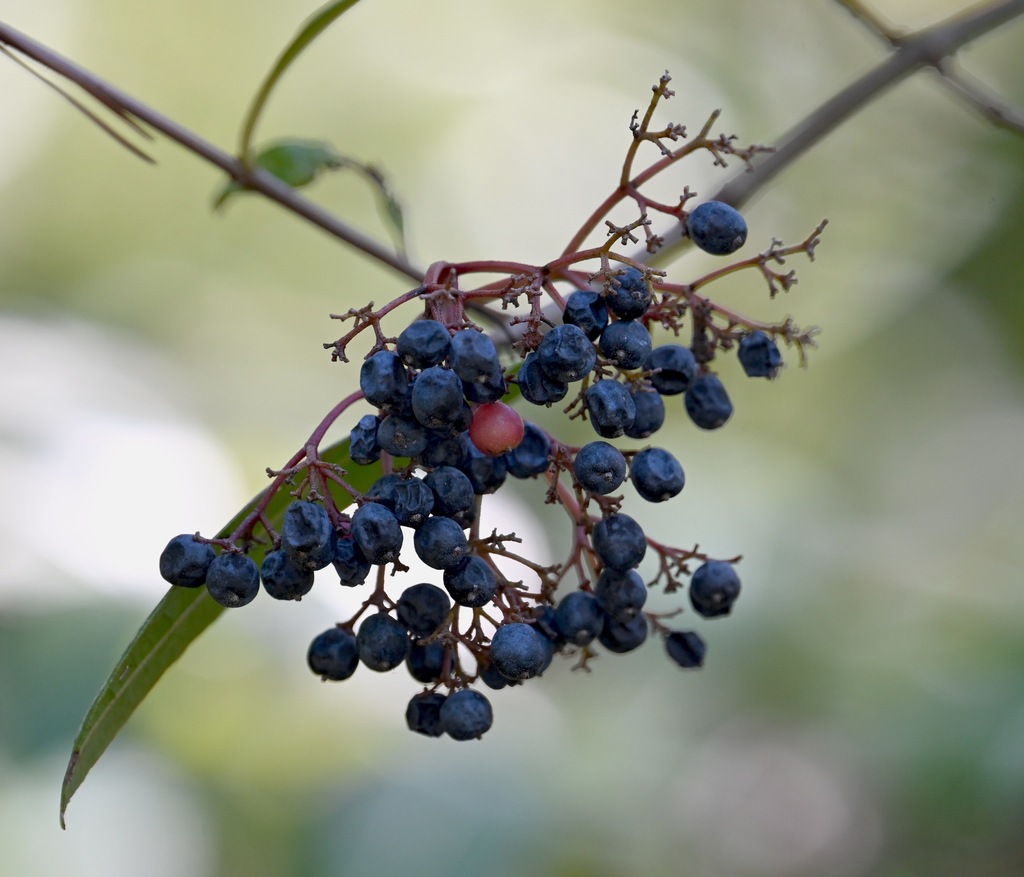
No recorded swaps for this county. Try the garden finder.
At a glance
- Life cycle
- Woody perennial
- Leaves
- Semi-evergreen or evergreen
- Bloom
- Late spring
Recorded in 90 Virginia counties.
Natural habitats
Places it grows wild. Not a planting requirement. Each habitat page lists the plants and wildlife also found there.
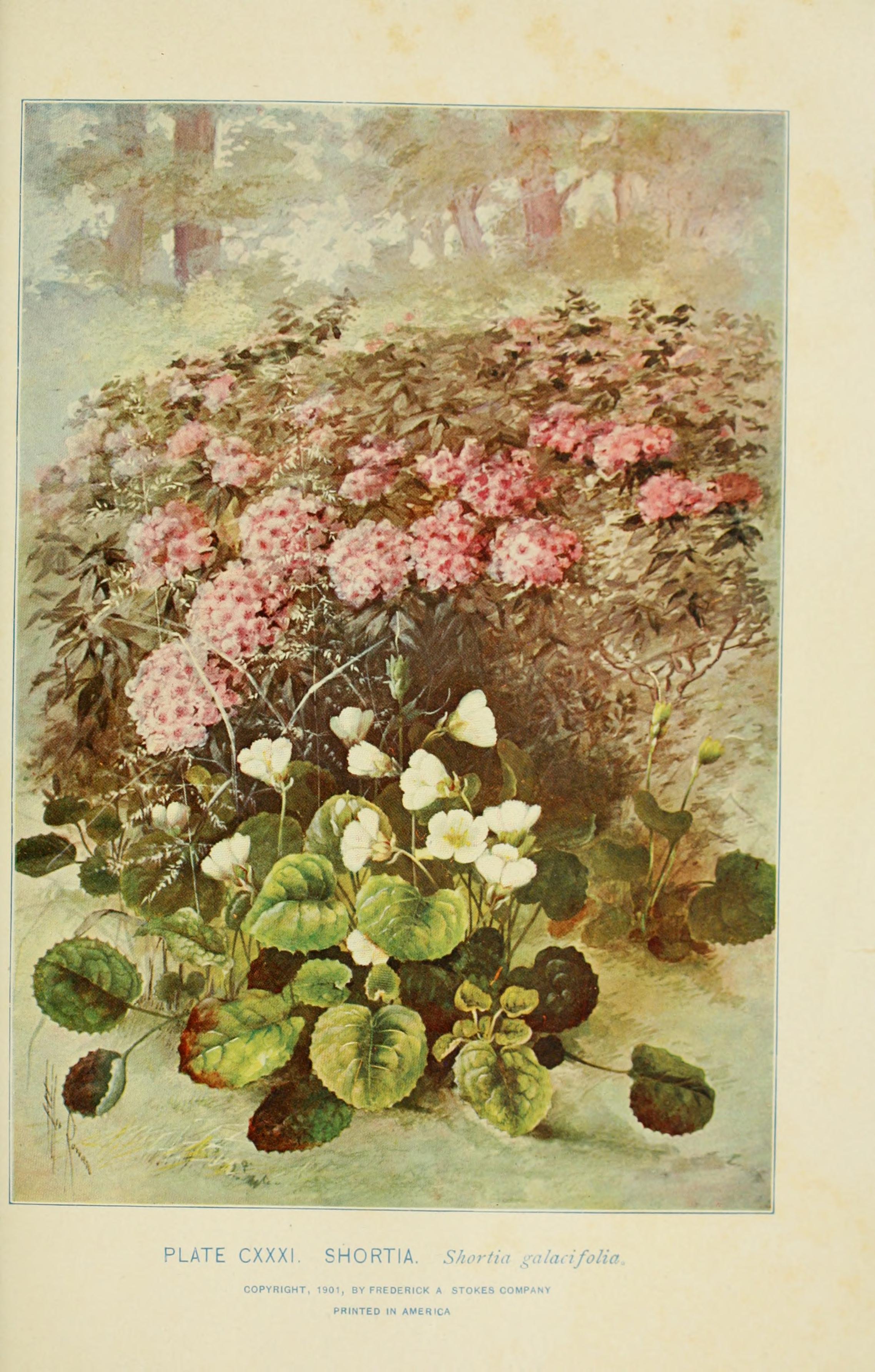
Floodplain and bottomland forests
Forests on low ground beside rivers and streams that flood from time to time.
Forest or woodland where the source does not say how moist or dry.
Also found with this plant
Wildlife whose habitat models include habitats this plant grows in, in Virginia. Shared habitat, not food. 154 animals.
- Red-bellied WoodpeckerMelanerpes carolinus
- Ruby-throated HummingbirdArchilochus colubris
- Rusty BlackbirdEuphagus carolinus
- Song SparrowMelospiza melodia
- White-breasted NuthatchSitta carolinensis
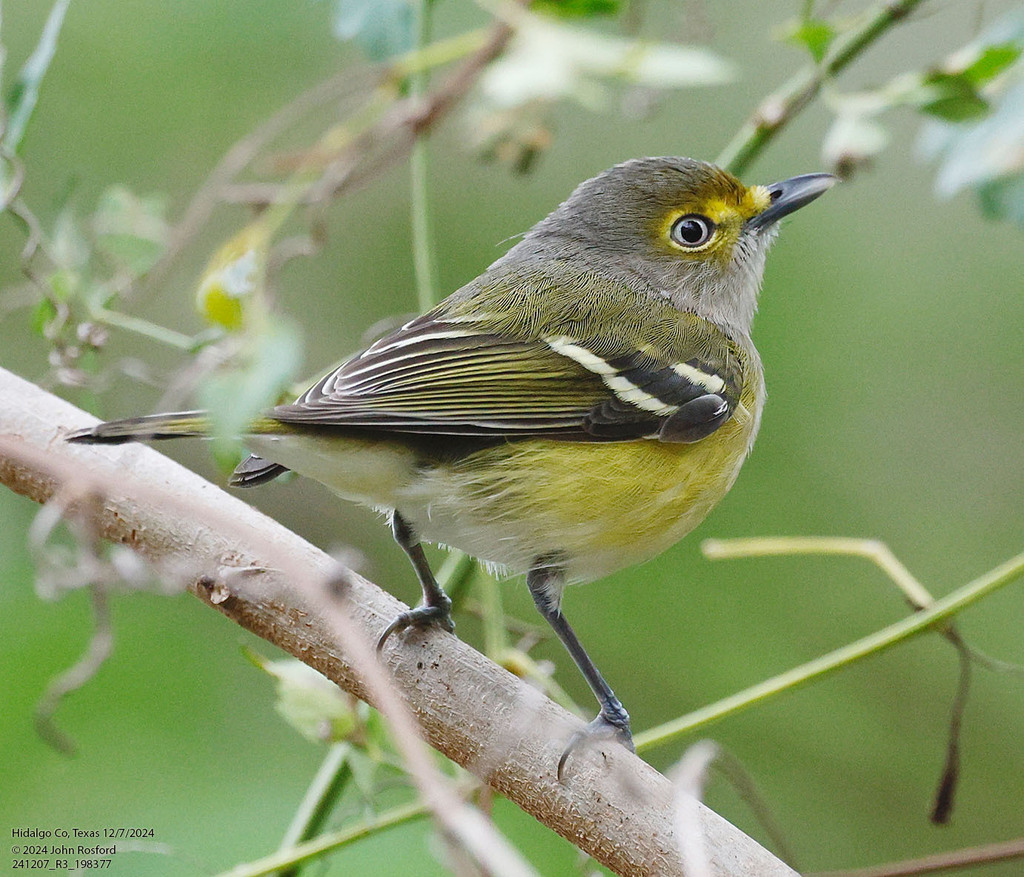
- White-eyed VireoVireo griseus
- Wood DuckAix sponsa
- Wood ThrushHylocichla mustelina
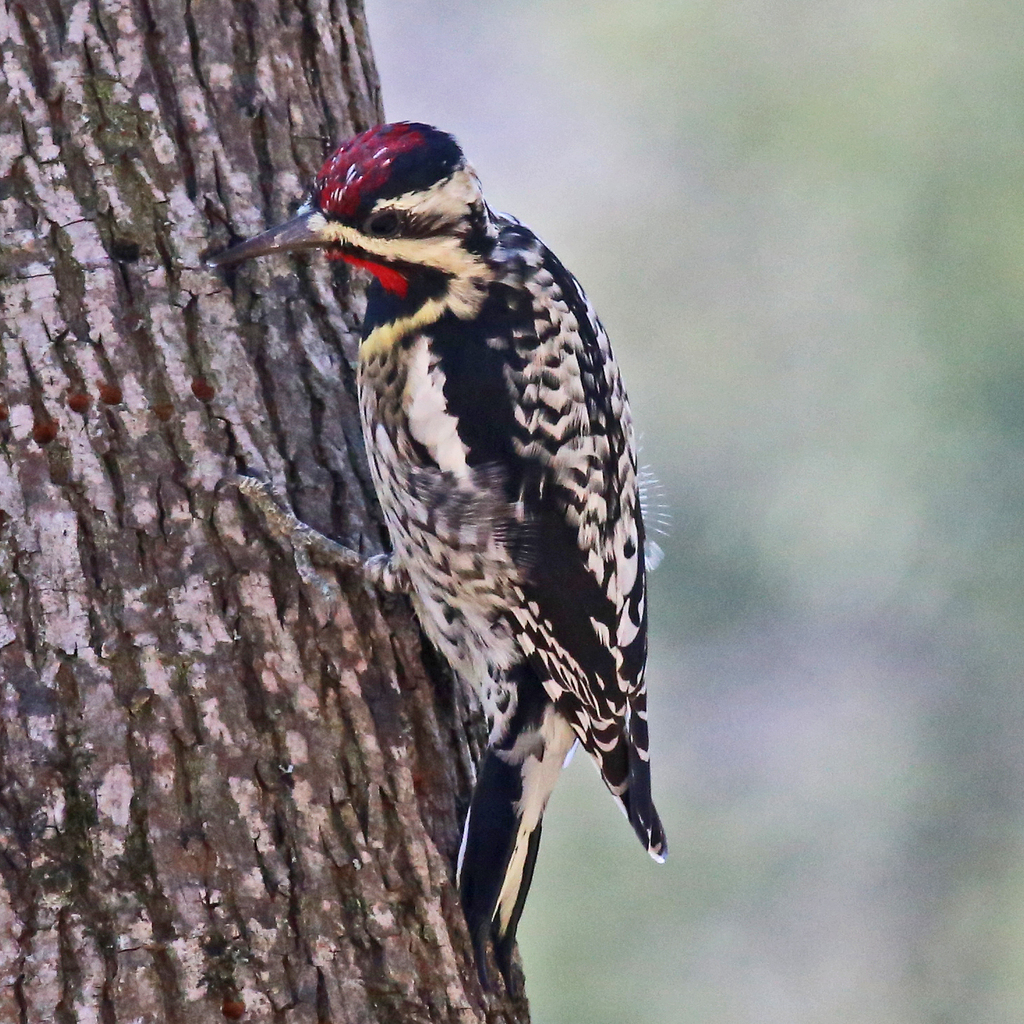
- Yellow-bellied SapsuckerSphyrapicus varius
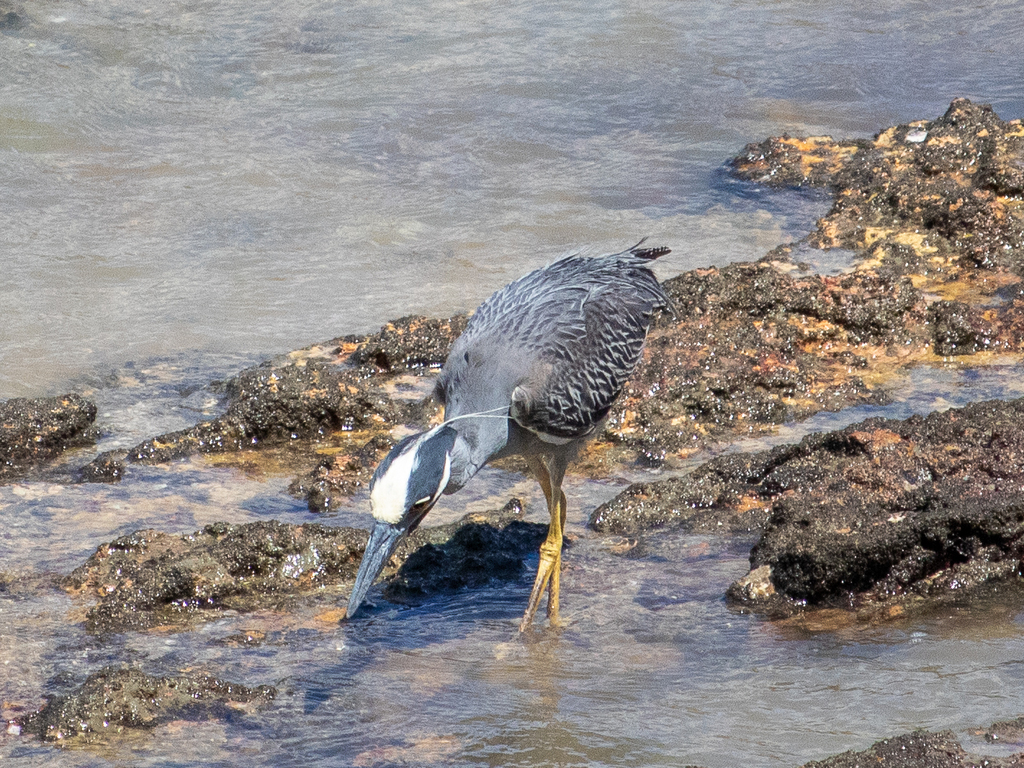
- Yellow-crowned Night-heronNyctanassa violacea
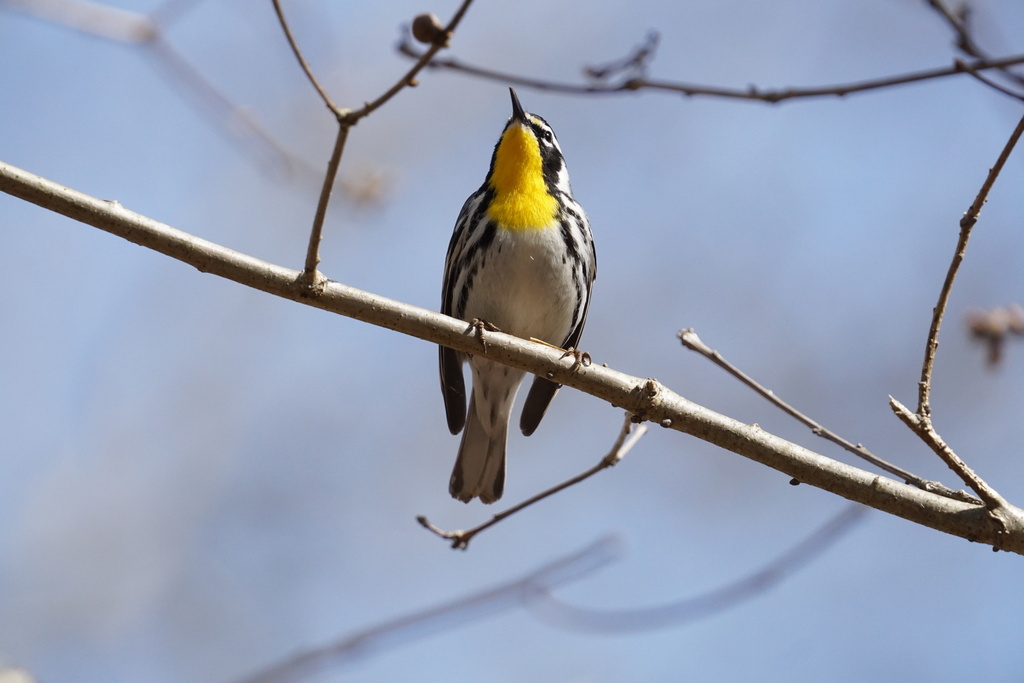
- Yellow-throated WarblerDendroica dominica
- Acadian FlycatcherEmpidonax virescens
- American KestrelFalco sparverius
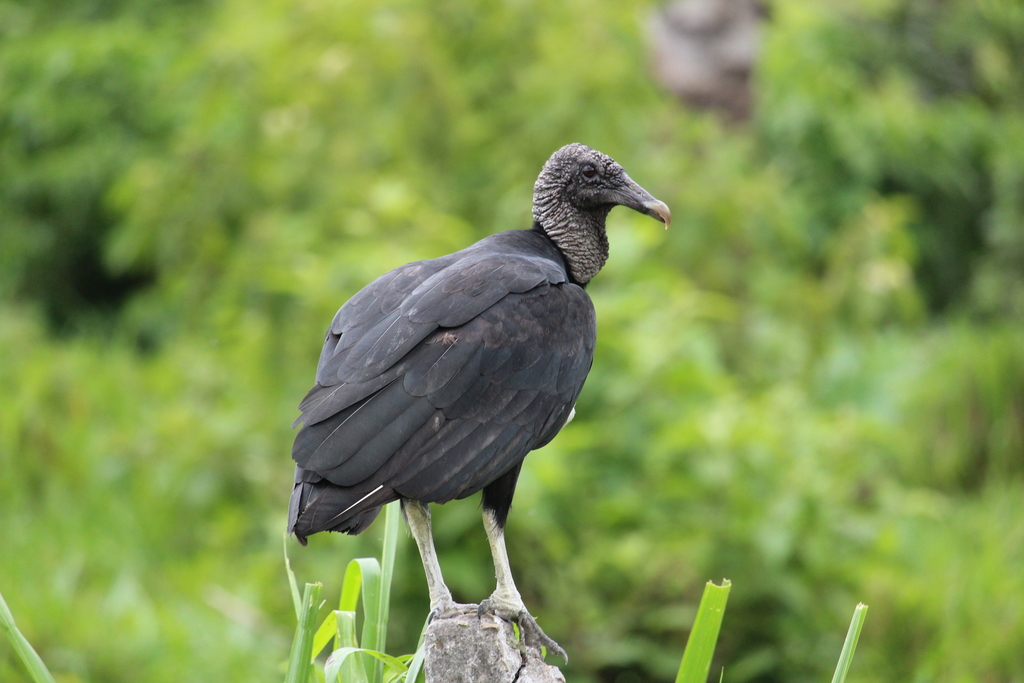
- Black VultureCoragyps atratus
- Brown ThrasherToxostoma rufum
- Brown-headed CowbirdMolothrus ater
- Carolina ChickadeePoecile carolinensis
- Common GrackleQuiscalus quiscula
- Eastern Screech-owlMegascops asio
- Eastern TowheePipilo erythrophthalmus
- Eastern Wood-peweeContopus virens
- Great Crested FlycatcherMyiarchus crinitus
- Hermit ThrushCatharus guttatus
- Indigo BuntingPasserina cyanea




















Who uses this plant?
 32CaterpillarsGenus host records with ranges including VA
Genus host records with ranges including VA · Ligustrum
- Acronicta impletaYellow-Haired Dagger
- Acronicta oblinitaSmeared Dagger
- Aethalura intertextaFour-Barred Gray
- Apantesis naisNais Tiger Moth
- Argyrotaenia velutinanaRed-Banded Leafroller Moth, Jack Pine Tube Moth
- Automeris ioIo Moth
- Callosamia prometheaPromethea Silkmoth, Promethea Moth
- Ceratomia undulosaWaved Sphinx
- Cerma cerinthaTufted Bird-Dropping Moth, Cherry Agate
- Citheronia regalisRoyal Walnut Moth, Hickory Horned Devil
Show all 32
- Dolba hyloeusPawpaw Sphinx
- Eacles imperialisImperial Moth, Imperial Spiny Caterpillar
- Ectropis crepusculariaThe Small Engrailed, Saddleback Looper
- Eupithecia miserulataCommon Eupithacia, Common Pug
- Harrisimemna trisignataHarris's Three-Spot
- Hymenia perspectalisSpotted Beet Webworm
- Hypena scabraGreen Cloverworm Bomolocha, Black Snout
- Hyphantria cuneaFall Webworm
- Manduca rusticaRustic Sphinx
- Orgyia leucostigmaWhite-Marked Tussock Moth
- Paleacrita vernataSpring Cankerworm Moth
- Palpita quadristigmalisFour-Spotted Palpita, Privet Moth
- Paonias myopsSmall-Eyed Sphinx
- Papilio glaucusEastern Tiger Swallowtail
- Podosesia syringaeLilac Borer Moth, Ash Borer
- Rhopobota naevanaBlackheaded Fireworm, Holly Bud Moth, Holly Tortrix
- Sphinx chersisGreat Ash Sphinx
- Sphinx franckiiFranck's Sphinx
- Sphinx kalmiaeFawn Sphinx, Laurel Sphinx
- Spilosoma virginicaVirginian Tiger Moth, Yellow Woolybear Moth, Yellow Bear
- Thyridopteryx ephemeraeformisEvergreen Bagworm Moth
- Astala confederata
 —BeesSoutheastern regional records
 —Specialist beesPollen specialists
 —BirdsRecorded genus food-resource interactions; not a state feeding claim
Plant details
- Family
- Oleaceae
- Hardiness
- Zones 6a–9b
- Soil pH
- Alkaline
- Flower color
- White
Safety has not been reviewed for this plant; check toxicity and thorns before planting.
Choose a locally appropriate native alternative. Established plants spread by suckers and bird-dispersed seeds. NC State Extension
Growing sources and scope
- Flower color · “White” · NC Extension Plant Toolbox
- Hardiness · “Zones 6a–9b” · NC Extension Plant Toolbox
- Height · “6.5–15 feet” · NC Extension Plant Toolbox (ranked first; Fire Effects Information System: Ligustrum sinense differs)
- Leaves · “Semi-evergreen or evergreen” · NC Extension Plant Toolbox
- Life cycle · “Woody perennial” · NC Extension Plant Toolbox
- Light · “Dappled sunlight (shade through upper canopy all day); Full sun (6 or more hours of direct sunlight a day); Partial shade (direct sunlight only part of the day, 2-6 hours)” · NC Extension Plant Toolbox
- primary_flower_color · “white” · NC Extension Plant Toolbox
- Soil · “Dry; Moist (documented habitat)” · FloraQuest: Carolinas, Georgia (Southeastern Flora Team), phone app (app page) · Carolinas and Georgia
- Soil pH · “Alkaline” · NC Extension Plant Toolbox
- Spread · “10–15 feet” · NC Extension Plant Toolbox
Recognizing it
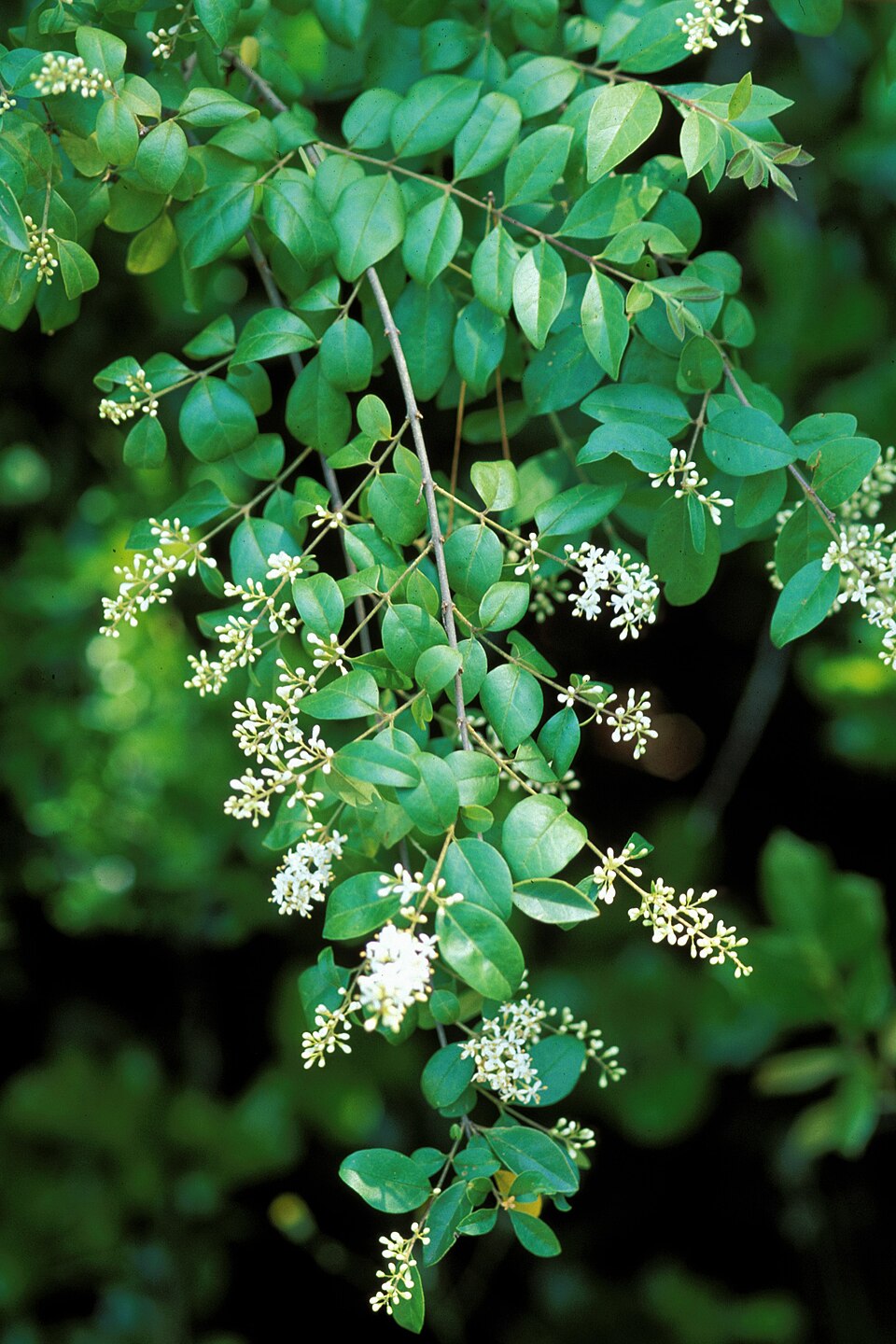
Small opposite leaves, hairy young stems, white flower clusters, and dark fleshy fruit. Identification source
Also known as
Privet Hedge
Conservation status
| Virginia rank | SNA |
|---|---|
| Global rank | GNR |
| VA status | Not verified |
| Federal status | Not verified |
Sources
- Virginia DCR invasive plant list
- Digital Atlas of the Virginia Flora
- USDA PLANTS
- FloraQuest: Carolinas, Georgia (Weakley), phone app (app page)
- FloraQuest: Northern Tier (Weakley), phone app (app page)
- NatureServe Explorer
- Shropshire & Tallamy 2025, Lepidoptera of North America north of Mexico, ZooKeys 1261 (ODbL)
- Noori, Seltmann & Orr 2026, A curated and integrated dataset for exploring global bee-plant interactions (GloBI), Zenodo, CC BY 4.0
- Smith, Bachelder, Russell, Morales, Mosher & Seltmann 2024, Bee-Specialization-Modeling v0.6.1 (specialist host table compiled from J. Fowler's pollen specialist bee lists), Zenodo, CC BY 4.0
- Hurlbert, Olsen, Sawyer & Winner 2021, Avian Diet Database, Scientific Data 8: 260 (CC0)
- Narango, Tallamy & Shropshire 2020, Few keystone plant genera support the majority of Lepidoptera species, Nature Communications
- NC State Extension