

Rough Blazing-star
Liatris aspera
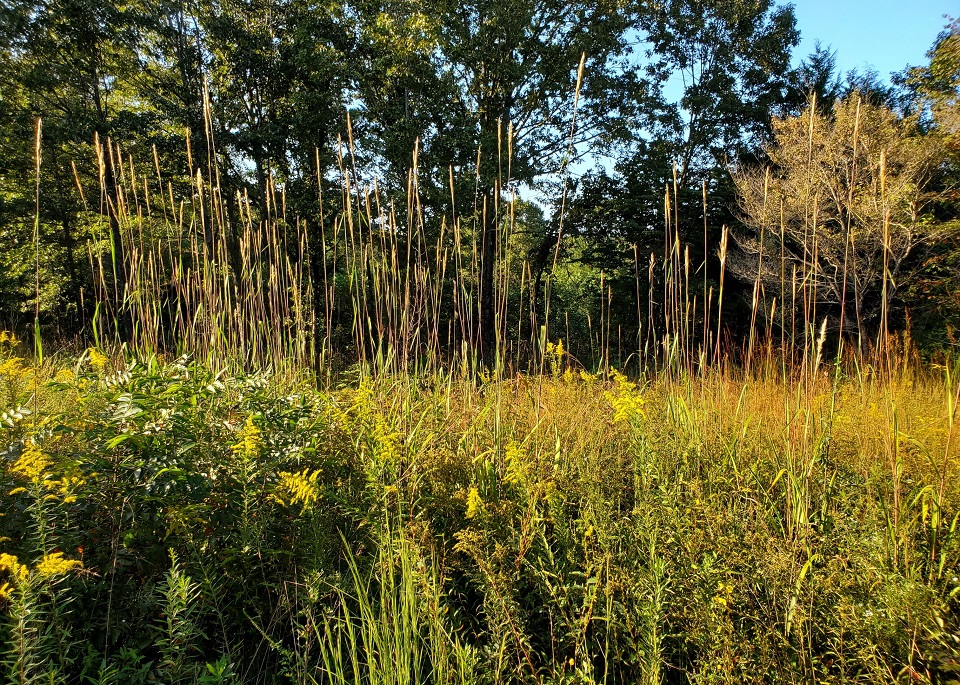
Found in prairies, barrens, glades. Weakley, Flora of the Southeastern United States (2025), Northern Tier edition What its natural habitat tells you
Native to Virginia. How scores work Is it native here?
Profile 100%
- Height
- 3–5 feet
- Spread
- 1–1.5 feet
- Light
- Full sun, Partial shade
- Soil moisture
- Somewhat dry to moist
Space about 1 ft apart from its recorded spread, about 100 per 100 sq ft. Enter your bed size for a count
Will it fit your yard?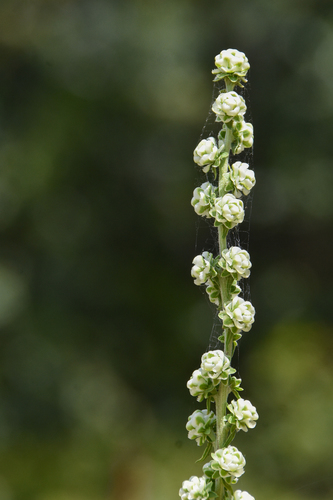
At a glance
- Life cycle
- Perennial, from a bulb
- Bloom
- July to October
Not yet recorded · Leaves
Recorded in 10 Virginia counties.
Natural habitats
Places it grows wild. Not a planting requirement. Each habitat page lists the plants and wildlife also found there.
Also found with this plant
Wildlife whose habitat models include habitats this plant grows in, in Virginia. Shared habitat, not food. 138 animals.
- Belted KingfisherMegaceryle alcyon
- Black-and-White WarblerMniotilta varia
- Black-billed CuckooCoccyzus erythropthalmus
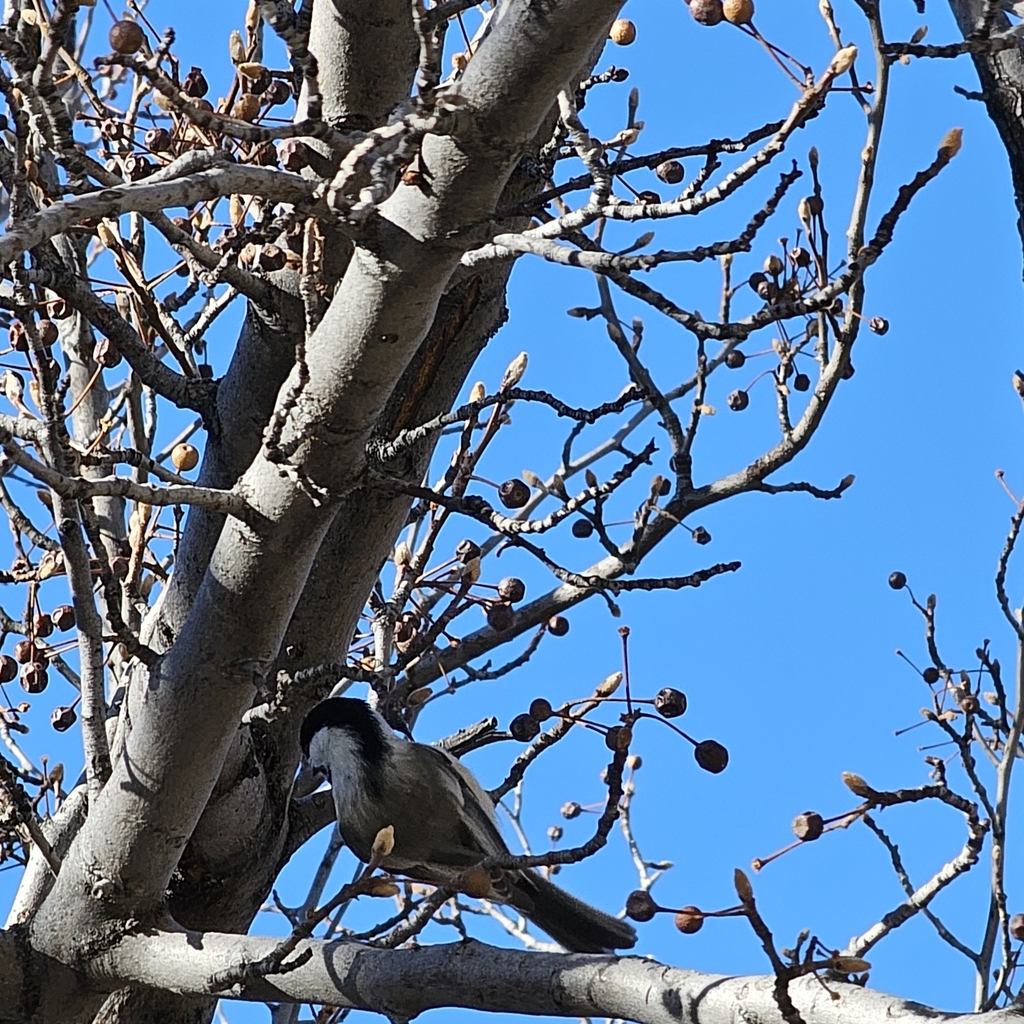
- Black-capped ChickadeePoecile atricapillus
- Black-throated Blue WarblerDendroica caerulescens
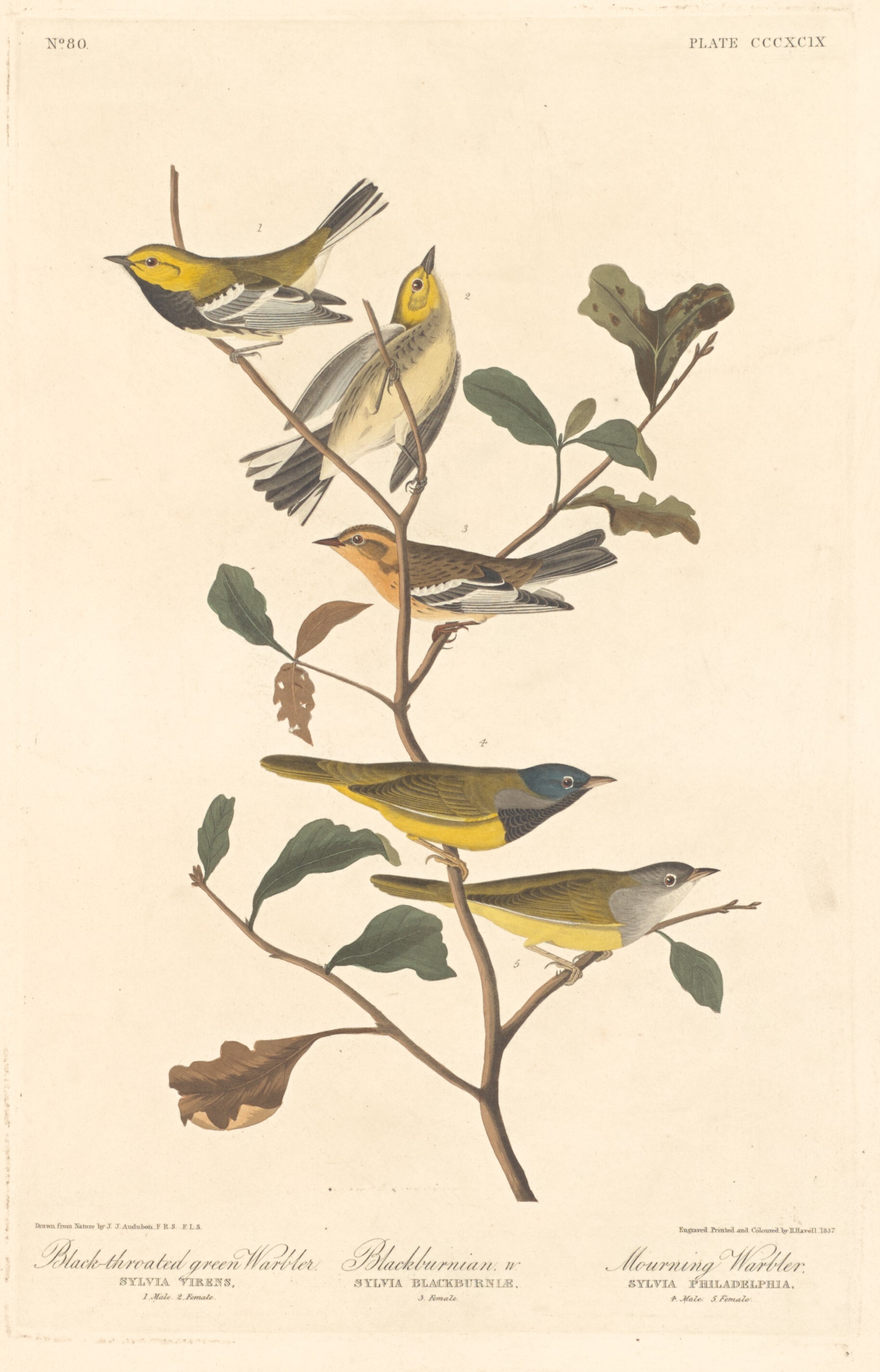
- Black-throated Green WarblerDendroica virens
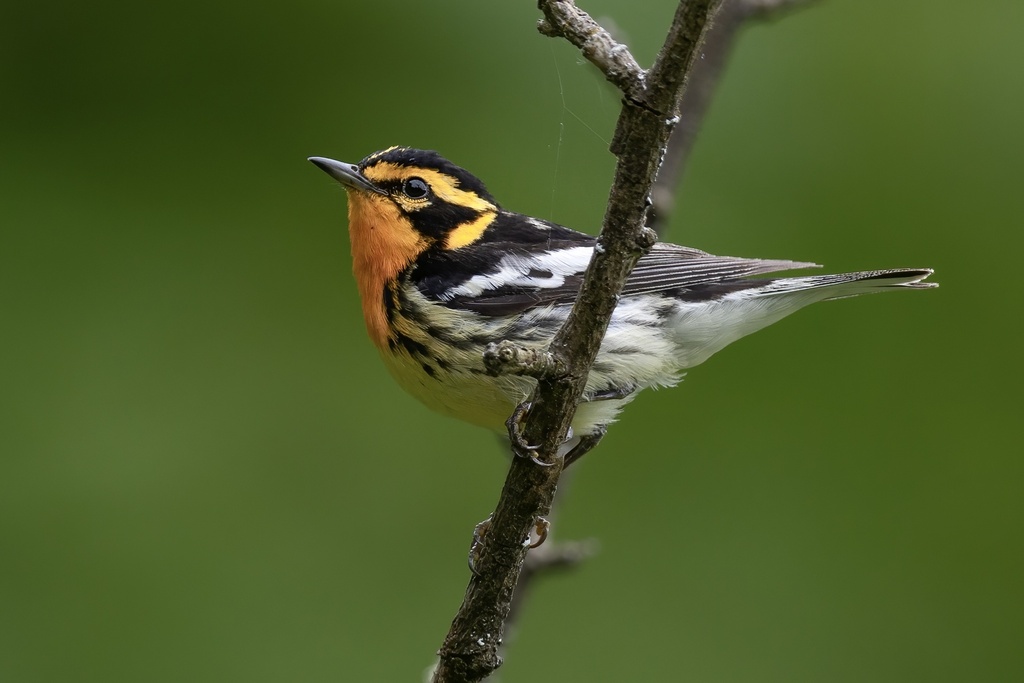
- Blackburnian WarblerDendroica fusca
- Blue-headed VireoVireo solitarius
- Broad-winged HawkButeo platypterus
- Brown ThrasherToxostoma rufum
- Canada GooseBranta canadensis
- CanvasbackAythya valisineria
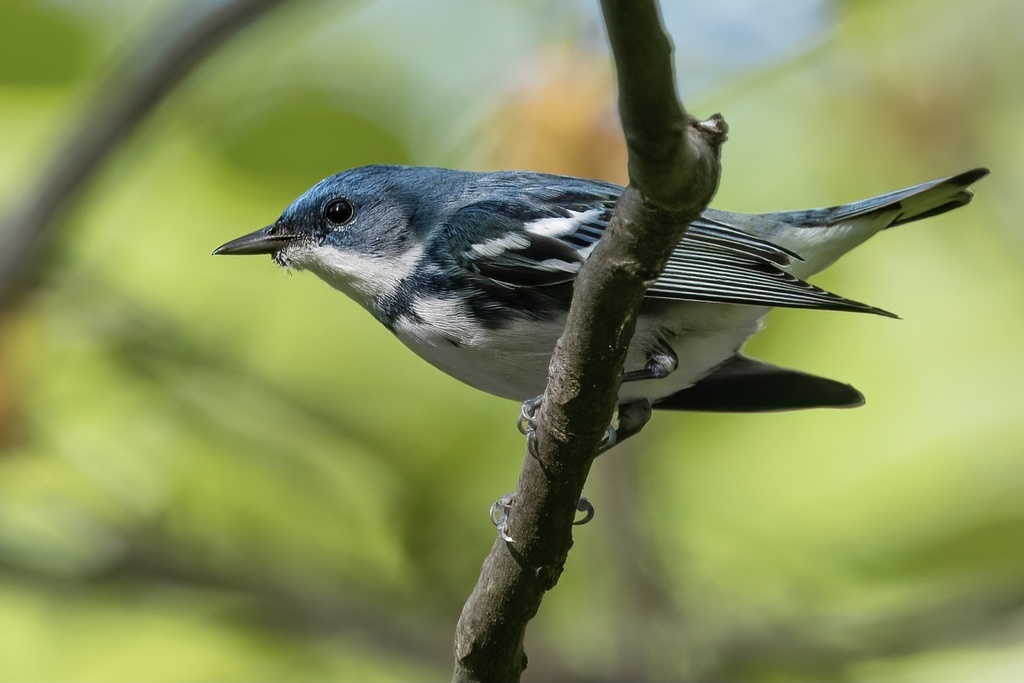
- Cerulean WarblerDendroica cerulea
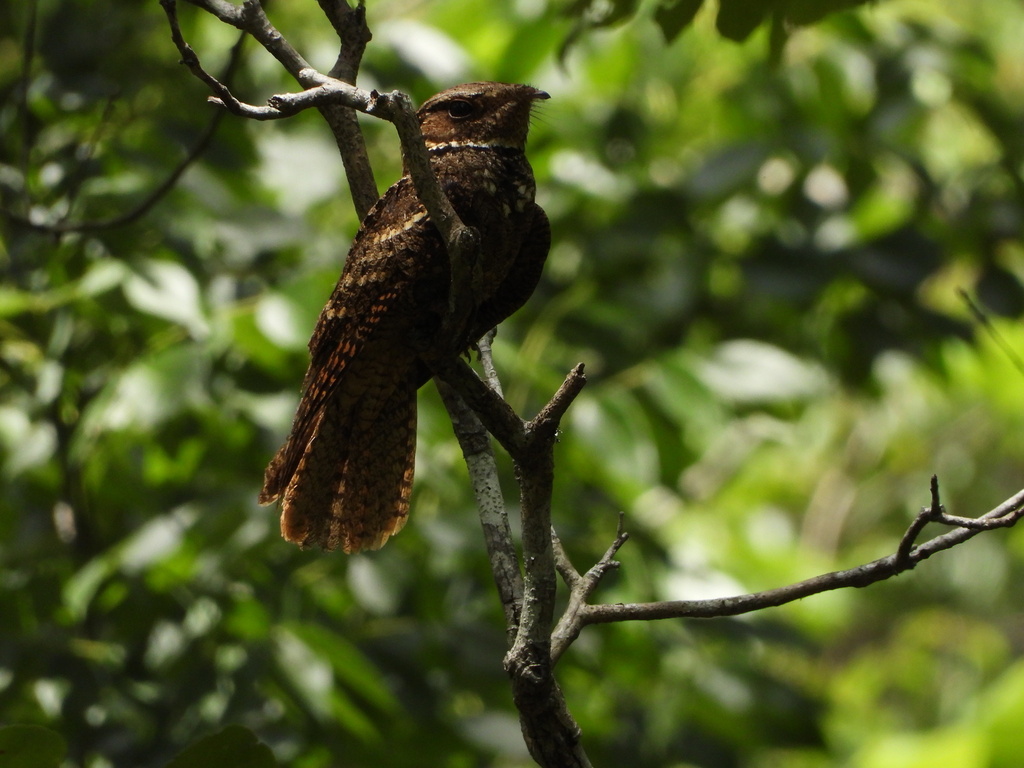
- Chuck-will's-widowCaprimulgus carolinensis
- Cliff SwallowPetrochelidon pyrrhonota
- Eastern PhoebeSayornis phoebe
- Eastern Screech-owlMegascops asio
- Eastern Wood-peweeContopus virens
- Eurasian Collared-doveStreptopelia decaocto
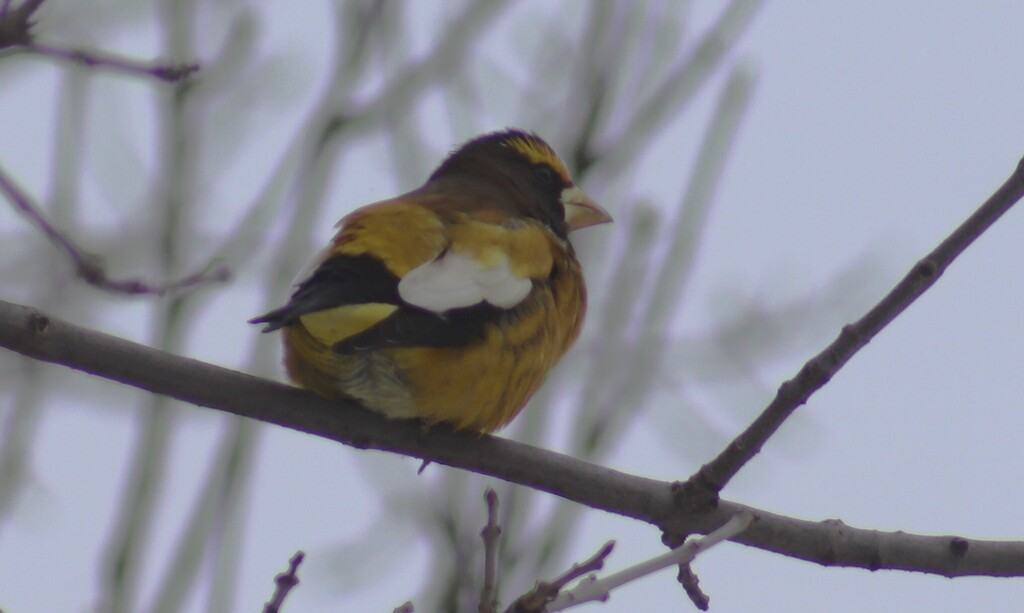
- Evening GrosbeakCoccothraustes vespertinus
- Fish CrowCorvus ossifragus
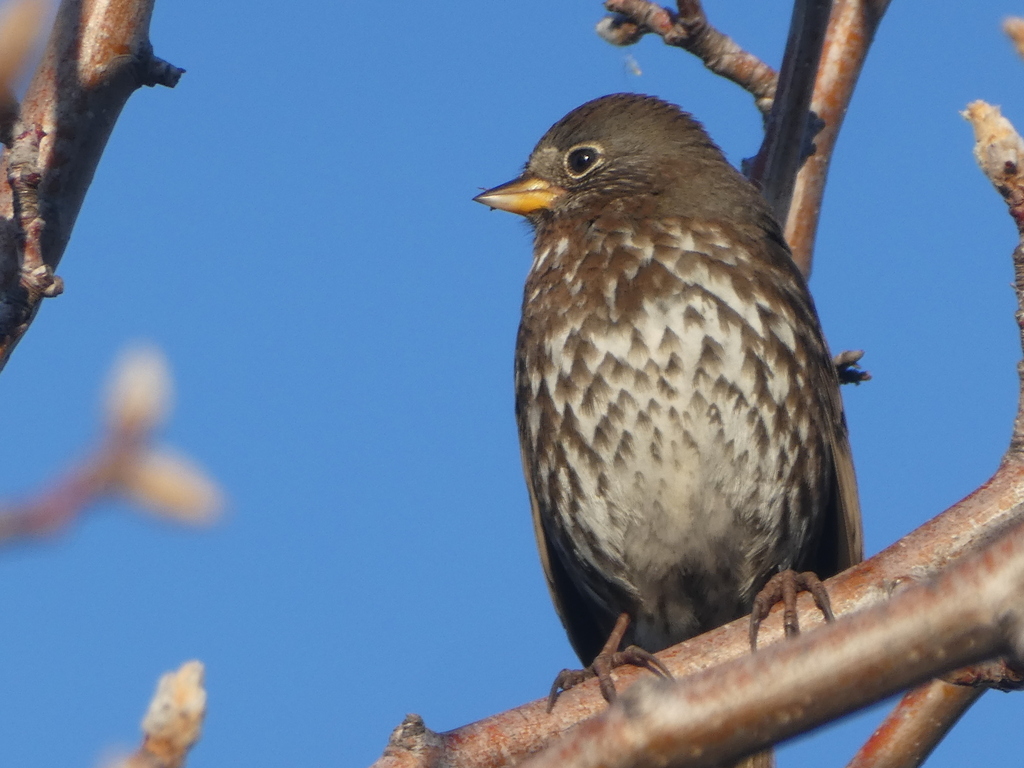
- Fox SparrowPasserella iliaca
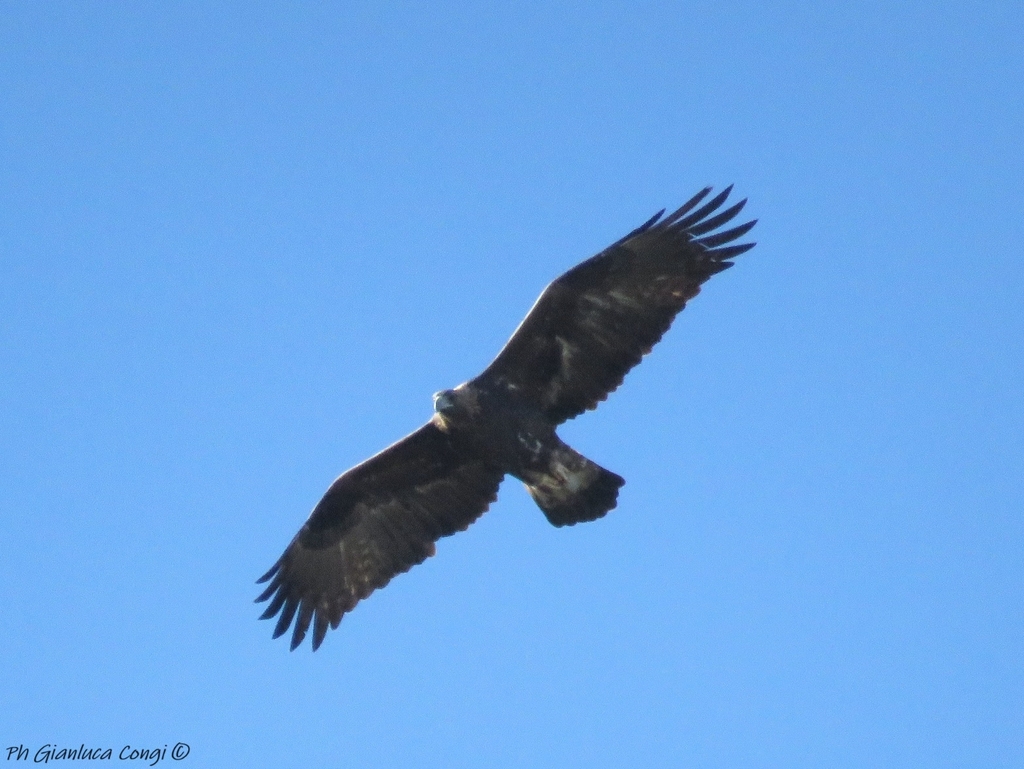
- Golden EagleAquila chrysaetos
- Great Blue HeronArdea herodias
















Who uses this plant?
 4CaterpillarsGenus host records with ranges including VA
Genus host records with ranges including VA · Liatris
- Carmenta anthracipennisBlazing Star Borer
- Homoeosoma electellaSunflower Moth
- Schinia sanguineaBleeding Flower Moth
- Synchlora aerataWavy-Lined Emerald, Camouflaged Looper
 46BeesSoutheastern regional records
Southeastern regional records · Liatris
Individual names are not available yet.
Noori, Seltmann & Orr 2026, A curated and integrated dataset for exploring global bee-plant interactions (GloBI), Zenodo, CC BY 4.0 8Specialist beesPollen specialists
Pollen specialists · Liatris
- Dianthidium curvatum
- Megachile pugnata
- Melissodes denticulatus
- Melissodes niveus
- Melissodes subillatus
- Melissodes tinctus
- Perdita swenki
- Protandrena labrosiformis
 —BirdsRecorded genus food-resource interactions; not a state feeding claim
No records yet · Ants · Beetles · Flies · Adult butterflies / moths · Other wasps · Other insects
Plant details
- Family
- Asteraceae
- Hardiness
- Zones 3a–8b
- Soil pH
- Acidic
- Flower color
- Pink or purple
Safety has not been reviewed for this plant; check toxicity and thorns before planting.
Growing sources and scope
- Bloom · “July to October” · Prairie Moon 2026 Cultural Guide · Nursery cultural guide; height in flower; moisture categories retained as printed
- Flower color · “Pink or purple” · NC Extension Plant Toolbox (ranked first; Prairie Moon 2026 Cultural Guide differs)
- Hardiness · “Zones 3a–8b” · NC Extension Plant Toolbox
- Height · “3–5 feet” · NC Extension Plant Toolbox (ranked first; Tennessee Smart Yards, Minnesota Wildflowers, Prairie Moon 2026 Cultural Guide differ)
- Life cycle · “Perennial, from a bulb” · NC Extension Plant Toolbox (ranked first; Minnesota Wildflowers differs)
- Light · “Full sun (6 or more hours of direct sunlight a day); Partial shade (direct sunlight only part of the day, 2-6 hours)” · NC Extension Plant Toolbox (ranked first; Tennessee Smart Yards, Prairie Moon 2026 Cultural Guide differ)
- Soil · “Moist; Occasionally dry” · NC Extension Plant Toolbox (ranked first; Tennessee Smart Yards, Prairie Moon 2026 Cultural Guide differ)
- Soil pH · “Acidic” · NC Extension Plant Toolbox
- Spread · “1–1.5 feet” · NC Extension Plant Toolbox
Also known as
Rough Blazing Star; Rough Gayfeather; Tall Blazing Star; Tall Gayfeather
Conservation status
| Virginia rank | S3 |
|---|---|
| Global rank | G4G5 |
| VA status | Not verified |
| Federal status | Not verified |
Will it fit your yard?
Check this plant against your county, sun and soil moisture. Conditions are checked in your browser.
Growing cautions
- Self-seeds. Rarely forms colonies by re-seeding. Tennessee Smart Yards
For planning only; these do not change the score or Fit.
Sources
- Virginia DCR Natural Heritage rare plant list
- Digital Atlas of the Virginia Flora
- USDA PLANTS
- Vascular Plants of North Carolina (NC Natural Heritage Program)
- Weakley, Flora of the Southeastern United States (2025)
- NatureServe Explorer
- Shropshire & Tallamy 2025, Lepidoptera of North America north of Mexico, ZooKeys 1261 (ODbL)
- Noori, Seltmann & Orr 2026, A curated and integrated dataset for exploring global bee-plant interactions (GloBI), Zenodo, CC BY 4.0
- Smith, Bachelder, Russell, Morales, Mosher & Seltmann 2024, Bee-Specialization-Modeling v0.6.1 (specialist host table compiled from J. Fowler's pollen specialist bee lists), Zenodo, CC BY 4.0
- Hurlbert, Olsen, Sawyer & Winner 2021, Avian Diet Database, Scientific Data 8: 260 (CC0)
- Narango, Tallamy & Shropshire 2020, Few keystone plant genera support the majority of Lepidoptera species, Nature Communications